博客

  • Great Apes kiss and cuddle to keep the peace, says study

    Great Apes kiss and cuddle to keep the peace, says study

    When teams of athletes huddle close before a high-stakes match, or friends squeeze each other in a hug ahead of a stressful challenge, this instinct to reach for physical connection may be far older than humanity itself. New research published in *Proceedings of the Royal Society B: Biological Sciences* reveals that the use of affectionate, reassuring touch to build social cohesion before tense competitive events is a shared behavior between chimpanzees and bonobos — humanity’s closest living ape relatives — pointing to an evolutionary origin that stretches back at least seven million years. The work, led by researchers from Durham University, offers groundbreaking new insight into the deep ancestral roots of human social cooperation.

    The research team conducted their observational study at two accredited great ape sanctuaries, one located in the Democratic Republic of Congo and the other in Zambia. To replicate the naturally competitive context of wild feeding scenarios, the team designed a controlled experiment: after the apes learned that a shipment of desirable peanuts was imminent, researchers documented all social interactions in the five-minute window before the food arrived. This setup created the controlled stressful competition needed to observe how apes prepare for potential conflict.

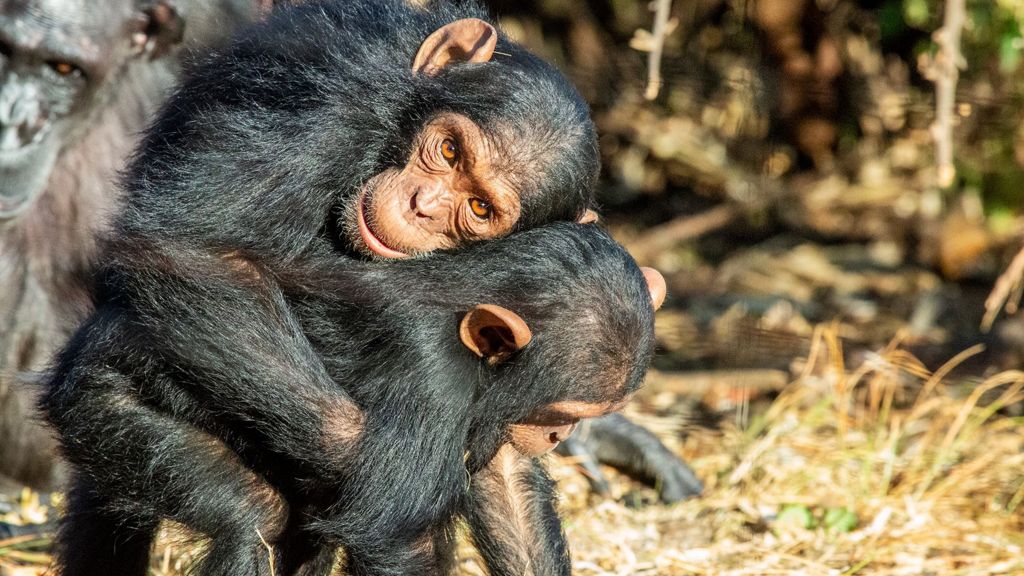
    One of the study’s most surprising findings upends long-held popular assumptions about chimpanzee behavior. While chimpanzees are widely stereotyped as an inherently aggressive great ape species, the research documented frequent instances of pre-conflict reassuring physical contact between individuals. This contact ranged from gentle touching and embracing to more intimate gestures, such as mutual finger-to-mouth contact, that function to lower tension and build mutual trust. Bonobos, already known for more tolerant social dynamics, displayed even higher rates of this reassuring touch, matching their more collaborative species norms.

    “Before stressful events, they come together, they reassure each other, they touch each other, they hug each other,” explained Professor Zanna Clay, one of the lead researchers on the project. Clay draws a parallel between this ape behavior and the pre-game huddles common in human team sports, framing the pre-competition contact as a collective “rallying cry.” “It’s like a ‘we’ rather than a ‘me,’” she added. The research also documented a unique collective behavior the team dubbed “reassurance trains,” where multiple apes take turns embracing one another in sequence to unify the whole group ahead of competition.

    The team found that apes that engaged in this pre-stress touching and embracing saw tangible social benefits: these individuals were far more likely to access the contested food resource and eat alongside other group members without aggressive conflict. More socially tolerant groups of apes consistently showed higher levels of this reassuring pre-competition contact, confirming the link between the behavior and peaceful cooperation.

    Dr. Jake Brooker, another co-author of the study, emphasized that comparing behavior in the two closely related great ape species opens a rare window into the evolutionary origins of human sociality. “Comparing bonobos and chimpanzees – our two closest relatives – offers fascinating insight into the evolutionary roots of social behaviour and how they, and we, manage tension, competition and cooperation,” Brooker said. The research team concludes that social touch, as a tool for building trust and cooperation, is one of the oldest forms of social communication, far predating the emergence of complex human language.

    Based on the shared behavior of both chimpanzees and bonobos, researchers estimate that this social touch strategy dates back at least seven million years, to before the evolutionary split that separated the common ancestor of humans, chimpanzees, and bonobos into distinct lineages. That means when humans hug a nervous teammate, share a comforting handshake, or huddle close before a big challenge, we are drawing on an ancient social toolkit inherited from our shared ape ancestry — a biological instinct that has helped social primates navigate competition and build cooperation for millions of years.
  • Why WhatsApp usernames could upset Somalia’s anti-terror fight

    Why WhatsApp usernames could upset Somalia’s anti-terror fight

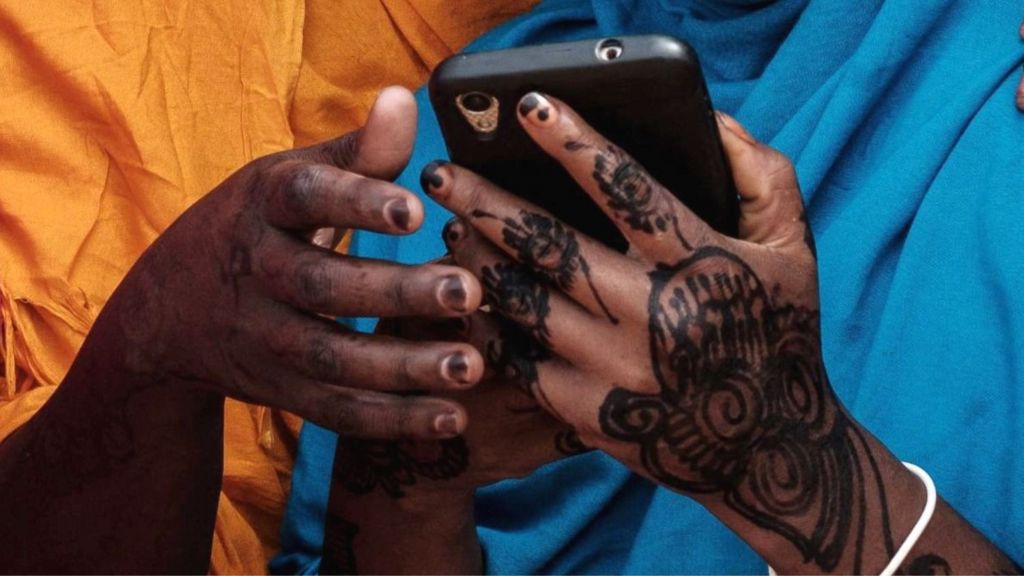
    As Meta-owned WhatsApp prepares to roll out a new privacy-focused feature that allows users to connect via unique usernames instead of public phone numbers, governments in Somalia and India have issued urgent warnings about potential national security and public safety risks the update may bring. The feature, set to launch globally to WhatsApp’s 3 billion monthly active users in the coming months, lets users adjust or remove their usernames at will, marking a major shift from the platform’s long-standing reliance on linked phone numbers for account identification.

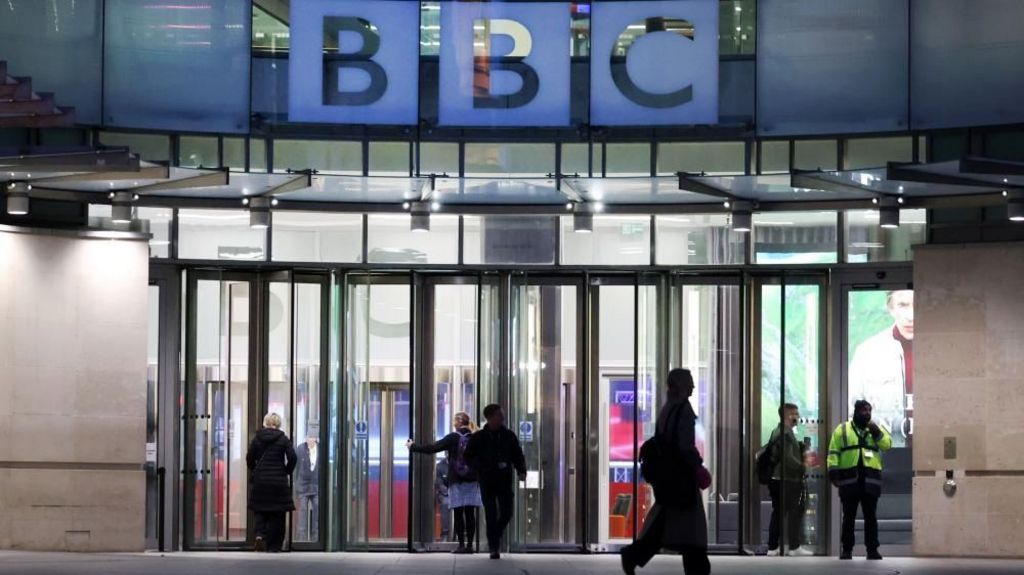
    For Somalia, a nation grappling with a 20-year-long brutal insurgency led by al-Qaeda-affiliated militant group al-Shabab, the new feature poses particularly acute risks. Somalia’s Communications and Technology Minister Ahmed Osman Dirie told the BBC that the change would undermine the country’s existing regulatory framework, which centers on tracking registered phone numbers to counter criminal and extremist activity.

    Dirie emphasized that Somalia operates under a unique economic context: its entire financial ecosystem is heavily dependent on mobile money transactions, making the population disproportionately vulnerable to financial fraud that would be harder to trace with unvetted, untraceable usernames. Beyond financial crime, the minister pointed out that al-Shabab militants already regularly exploit WhatsApp for extremist operations, including extortion rings, propaganda dissemination, and intimidation of civilians. In 2024 alone, Somalia’s intelligence service dismantled 20 al-Shabab-linked WhatsApp groups used for criminal activity and disabled mobile data for roughly 2,500 associated phone numbers – actions that would be far more difficult to execute without linked phone number data, Dirie argued.

    Somalia is not alone in its concerns. Earlier this month, India – WhatsApp’s largest single market with more than 850 million active users – raised identical objections to the feature. Indian regulators warned that allowing anonymous access via usernames would create new opportunities for bad actors to carry out online fraud, identity impersonation, and other illicit crimes, and formally requested that Meta delay the rollout until all government concerns are addressed through full consultation.

    In response to the criticism, Meta has noted that the feature is not yet active, and clarified that all users will still be required to register a valid phone number to create a WhatsApp account, even after the feature launches. The company also added that the new username tool includes built-in security safeguards designed to prevent scam activity.

    Despite these assurances, Dirie said the Somali government has already reached out directly to Meta to share its concerns, and is pushing for additional concrete guarantees. The minister is calling on Meta to prove that hiding phone numbers will not erode the digital traceability that Somali authorities depend on to combat crime and terrorism, and to outline specific protections tailored to Somalia’s high-risk context. “If they prove that, when we discuss if we put those safeguards in place, then we will not have any issue with rolling out the new feature,” Dirie told the BBC.

    Industry analysts and security experts have weighed in on the debate, framing the conflict as a core tension between user privacy and state-level security needs. Moses Kemibaro, a Nairobi-based technology blogger focused on African digital markets, explained that the shift to usernames is a deliberate evolution of WhatsApp’s privacy model, bringing it in line with other Meta platforms such as Instagram, where user identities are not tied to public phone numbers. “It’s almost saying that this can work irrespective of the phone number and just give you a single identity,” Kemibaro noted. While he acknowledged the feature’s privacy benefits for users, he confirmed that governments hold valid concerns about the potential for an increase in scams and criminal activity, and said Meta must clearly explain to regulators how they can still trace criminal activity back to individual users even with the new username system.

    Kenyan security analyst George Musamali echoed that perspective, noting that the change comes in response to long-standing user complaints about unwanted access to personal phone numbers through WhatsApp groups. Musamali also pointed out that the shift away from public phone numbers can also protect users from arbitrary surveillance by governments that target political opponents using social media data – a core priority for Meta as it faces growing global pressure to strengthen user privacy. Ultimately, Musamali argued that many governments may be jumping to premature conclusions, and that a balanced solution that addresses both privacy rights and legitimate security concerns is achievable.

  • Judge rules Trump must hand over records sought by BBC in defamation case

    Judge rules Trump must hand over records sought by BBC in defamation case

    In a pivotal first hearing in Miami, Florida, a federal judge has ruled that former President Donald Trump must comply with a legal request from the British Broadcasting Corporation (BBC) to hand over confidential financial records held by the Donald J. Trump Revocable Trust — the entity created to manage his business interests during his tenure as U.S. president. The ruling comes as the BBC defends itself against a $10 billion defamation lawsuit filed by Trump over a 2023 *Panorama* documentary episode that edited together segments of a speech Trump delivered on January 6, 2021, the day of the U.S. Capitol riot.

    Judge Enjoliqué Lett granted the BBC’s motion to compel the release of the financial documents during Tuesday’s hearing, handing the public broadcaster a partial procedural victory in the pre-trial discovery phase of the case. While the ruling remains open to appeal by Trump’s legal team, it requires Trump to produce records that will back up his core claim that the controversial *Panorama* edit caused him substantial financial harm. The judge issued a split decision on a separate BBC request for documents directly related to the January 6 Capitol riot, partially granting and partially denying that demand.

    The pre-trial discovery process, during which opposing legal sides exchange evidence to build their cases, has already become a major point of contention between the two parties. BBC legal counsel Charles Tobin told the court that the public broadcaster has already turned over more than 87,000 pages of relevant documents, while Trump’s legal team has only produced a paltry 735 pages — most of which, Tobin argued, are publicly available news articles and other internet-sourced material, amounting to what he called a “sham production.” Tobin emphasized that the lopsided disclosure has left the entire discovery process “entirely one-sided.”

    Alejandro Brito, lead counsel for Trump, pushed back against the BBC’s document requests, describing them as overly broad, oppressive, and a “fishing expedition” designed to harass former Trump administration officials rather than obtain legitimate evidence. Brito argued that the network’s demands for records of conversations between Trump and his aides related to the Capitol riot, as well as subpoenas issued to federal agencies and former White House officials, go far beyond the scope of the defamation claim.

    Much of Trump’s legal argument centered on a November 2024 letter sent by BBC Chairman Samir Shah to Trump. In the letter, Shah apologized for the edited clip, acknowledging that it unintentionally created the “mistaken impression that President Trump made a direct call for violent action.” Brito framed the letter as a clear admission of fault and concession by the BBC, bolstering Trump’s defamation claim.

    The BBC has already filed a motion to dismiss the entire lawsuit, arguing that the *Panorama* documentary in question was never broadcast to audiences in the United States, meaning it cannot form the basis of a defamation claim under U.S. law. The court has not yet issued a ruling on that dismissal motion.

  • Venezuela confirms 3 people have died of hantavirus infections, with 2 more deaths suspected

    Venezuela confirms 3 people have died of hantavirus infections, with 2 more deaths suspected

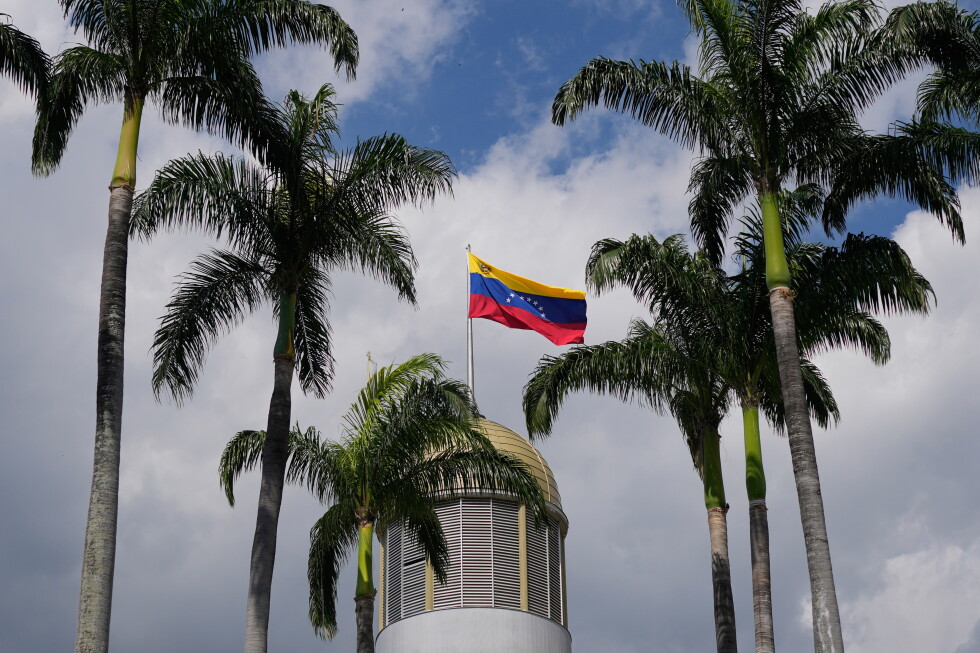
    CARACAS, Venezuela — Venezuelan health authorities announced Tuesday that three people have died from confirmed hantavirus infections, a rare rodent-borne illness that has seldom been recorded in human cases across the South American nation. Officials emphasized that no evidence has emerged to prove the virus can spread between humans in the currently detected cases.

    The nation’s Health Ministry added that two additional deaths of healthcare workers in southwestern Barinas state are currently suspected to be linked to hantavirus. Those cases remain active in investigation, and officials have confirmed no connection between these suspected deaths and the three confirmed fatalities in eastern Anzoátegui state, located roughly 655 kilometers (407 miles) northeast of Barinas. Notably, both affected regions escaped the most severe damage from back-to-back major earthquakes that struck northern Venezuela earlier this month.

    Health officials characterized the deaths in both states as isolated events that “do not represent a risk to the general community.” Despite this reassurance, the ministry noted that additional healthcare personnel will be deployed to the affected regions to “guarantee the health security of all Venezuelans,” though no further details on the scope or timeline of the deployment were provided.

    The Venezuelan Medical Federation, the country’s leading national professional association for physicians, confirmed the three fatalities in Anzoátegui belonged to the same family residing in the rural municipality of Miranda in the southern part of the state.

    Globally, hantaviruses are distributed across every inhabited continent, with primary transmission occurring through direct or indirect contact with wild rodents including rats and mice. Human-to-human spread is extremely uncommon, but severe infections can trigger life-threatening pulmonary inflammation or acute kidney failure. The World Health Organization has tracked growing attention to the pathogen following a deadly outbreak on an Atlantic cruise ship earlier this year that confirmed rare instances of person-to-person transmission.

    That May outbreak on the expedition vessel MV Hondius killed three passengers and infected multiple others, linked to the Andes hantavirus — a strain that remains poorly understood by the global scientific community. The outbreak sparked international concern due to the strain’s estimated mortality rate of up to 30 percent, paired with the current absence of targeted antiviral treatments or approved vaccines.

    The cruise ship departed from Argentina, and Argentinian public health officials have spent weeks working to trace the origin of the outbreak. Initial official hypotheses speculated that the index case, a Dutch ornithologist, contracted the virus in Ushuaia, Argentina’s southernmost city famous as the popular “end of the world” departure point for Antarctic cruises.

    However, recent field testing of wild rodents in the Ushuaia area by Argentinian scientists ruled out the city as the outbreak’s origin. The conclusion has been welcomed by local tourism leaders, as the Antarctic cruise hub relies heavily on international visitor revenue. Earlier this month, Argentine authorities also ruled out the major wine-producing province of Mendoza as the source of contagion, after joint investigations by local researchers and biologists from the U.S. Centers for Disease Control and Prevention found no trace of Andes hantavirus in rodents collected from areas the Dutch researcher and his spouse visited before the voyage.

  • ‘My sister is not just another statistic’  – Jennie’s Law is signed

    ‘My sister is not just another statistic’ – Jennie’s Law is signed

    In the Republic of Ireland, a landmark piece of domestic violence reform legislation named for a young Dublin mother killed by her former partner has been formally signed into law, turning a family’s devastating grief into a systemic change designed to prevent future femicides.

    In April 2021, 24-year-old Jennifer Poole – a mother of two young children – was fatally stabbed seven times by her ex-partner Gavin Murphy in her Dublin home. Murphy, who would later plead guilty to murder and receive a life sentence in 2022, held a concealed violent criminal history: in 2015, he had served two years in prison for a knife attack on a previous partner and her mother. When Poole began dating Murphy in 2020, neither she nor her family had any knowledge of this prior domestic violence conviction. Covid-19 restrictions limited the family’s contact with Murphy early in the relationship, and by the time Poole began showing unexplained bruises and withdrawing from her loved ones, the harm was already escalating. One week before her murder, Poole had ended the relationship, but Murphy attacked her before she could escape the danger he posed.

    Jason Poole, Jennifer’s brother, has spent nearly five years campaigning tirelessly for reform after his sister’s death. He rejected the idea that Jennifer would become just another overlooked statistic in Ireland’s crisis of gender-based violence, and began meeting with lawmakers to draft proposals for greater transparency around domestic violence offenders. On Tuesday, that campaign reached its milestone when the Domestic Violence (Judgements) Register Bill 2026 – widely known as Jennie’s Law – was approved by Ireland’s Dáil parliament and signed into law by President Catherine Connolly.

    Unlike the UK’s Clare’s Law, a “right to ask” framework that allows potential victims to request police disclosure of a partner’s abusive history but has faced criticism for inconsistent disclosure, Jennie’s Law establishes a fully public, searchable register hosted on the Irish Courts Service website. All offenders convicted of domestic violence against a current or former romantic partner will be added to the register, with the caveat that victims must provide written consent before a perpetrator’s name is published – a provision designed to center survivor autonomy and safety. Jason Poole emphasized that this transparency would have saved his sister’s life: if the register had existed in 2020, Jennifer would have never entered the relationship that killed her, and his family would have never had to lay her to rest in Dublin’s Glasnevin Cemetery.

    “Now we have a legacy that her children will know that their mummy didn’t die in vain,” Jason Poole told reporters. “It’s to support victims, it’s to support families that are not going to have to suffer like we have had to suffer and continue to suffer, because we didn’t know how we could help Jennifer, we didn’t know his past.” For Jason, the passage of the law marks the end of a long, painful campaign, and opens the door for him to finally process his grief: “I am literally a brother who had no choice but to go and see their sister being laid into the ground because of failures in a system that wasn’t there to protect her. And now that those systems are there, hopefully the less work I’ll have to do and I can get on and actually start my grief.”

    The reform has already drawn attention across the Irish border, where domestic violence advocates are calling for Northern Ireland to adopt a similar public register framework. Nuala Lappin, a former domestic violence officer with the Police Service of Northern Ireland, told *The Nolan Show* that Jennie’s Law is far more proactive than the region’s existing Clare’s Law-style framework. “It empowers victims and potential victims to find out for themselves and make those decisions early on; Clare’s Law in my view is more reactive than preventative,” Lappin said. Northern Ireland Justice Minister Naomi Long responded that officials are “closely” watching the implementation of Jennie’s Law in the Republic of Ireland, and are keeping an open mind to adopting similar legislation, noting that policymakers will need to carefully evaluate issues of proportionality around public disclosure of offender details before moving forward.

  • Iran war has cost US $37.5bn so far, Hegseth says

    Iran war has cost US $37.5bn so far, Hegseth says

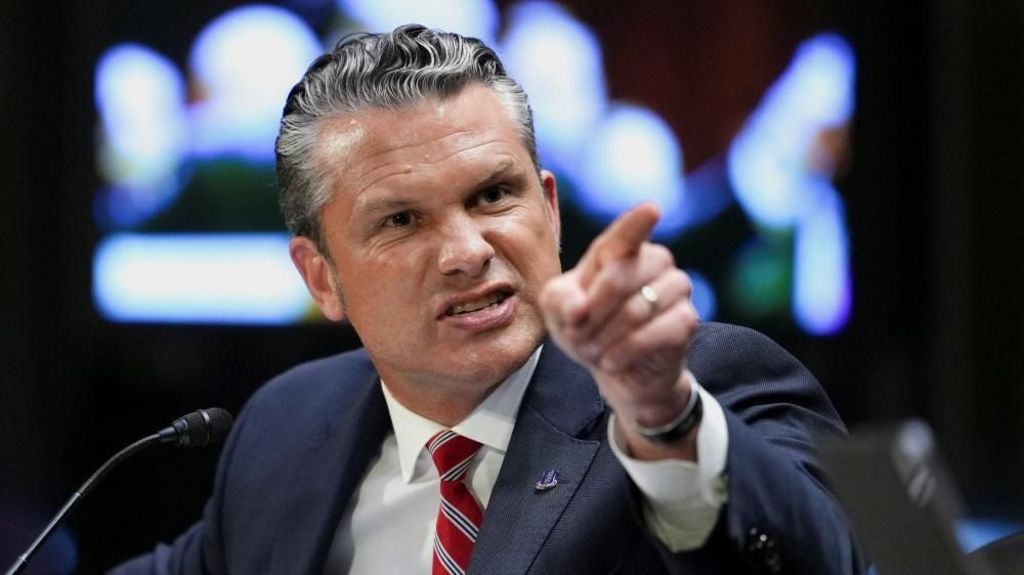
    A critical congressional hearing on U.S. military funding for ongoing hostilities in Iran devolved into repeated disruptions Tuesday, as Defense Secretary Pete Hegseth pushed lawmakers to approve an $87 billion emergency funding request amid growing partisan division and mounting war costs.

    In his first appearance before the Senate Appropriations Committee since U.S.-Iran hostilities resumed earlier this month, Hegseth revealed that total U.S. spending on the conflict has now reached $37.5 billion — an $8.5 billion jump from the last official estimate published in mid-May. Of the total funding he is requesting, Hegseth earmarked $67 billion specifically for Middle East operations, warning that without swift congressional approval, core military operations would face crippling shortfalls. These cuts, he argued, would extend beyond training reductions to threaten the Pentagon’s ability to pay active-duty troops, replenish critical weapons and munitions, and sustain frontline operations without interruption.

    The hearing, held at a pivotal moment following the deaths of three U.S. service members in the region in recent days, was interrupted multiple times by anti-war activists, who shouted calls for an end to U.S. bombing campaigns in both Iran and Palestine before being removed from the room. Hegseth pushed past the disruptions to frame his request as an urgent, generational investment to maintain U.S. military dominance, arguing that “bold and swift action” is required to counter adversarial advances that could leave the U.S. playing catch-up. He framed every dollar of the requested funding as an investment in increasing U.S. military lethality and upholding the principle of “peace through strength.”

    His testimony quickly turned into a partisan clash, as Democratic lawmakers pushed back hard against the request, arguing that the Trump administration was attempting to bypass standard congressional budget procedures to secure unrestricted war funding while American households struggle with domestic economic pressures. “It does not make a lot of sense,” Senate’s top Democrat on the committee Patty Murray said of the request, echoing comments from New York Senator Kirsten Gillibrand, who criticized the administration for asking for “unlimited money for bombs” while many U.S. citizens cannot afford to feed their families. Gillibrand also pressed Hegseth on a contradiction: why the administration was asking for billions more for a war that President Donald Trump has repeatedly claimed was already won. Hegseth defended the request, responding simply that he was asking for “the right bombs at the right time.” He also blamed the prior Biden administration for leaving the U.S. military with a legacy of underfunding, arguing that current gaps are a result of past mismanagement.

    The $37.5 billion total cost figure revealed Tuesday marks the first updated official accounting of war spending in more than two months. When last measured in May, the estimated cost stood at $29 billion, with the Pentagon reporting $11.3 billion in spending in the conflict’s first week alone. The current round of hostilities comes after a brief April ceasefire between the U.S. and Iran collapsed just over a week ago, with both sides launching sustained retaliatory strikes across the region. Monday marked the 10th consecutive day of U.S. airstrikes, with Iran launching reciprocal attacks against U.S. forces and regional allies.

    The request also faces headwinds from within Republican ranks, where fiscal conservative lawmakers are pushing for offsetting spending cuts to domestic programs to cover the war allocation. Compounding the legislative gridlock is the impending congressional recess: the House is set to adjourn Thursday, and both chambers will not return for joint session until September. Even if Republican leaders can round up enough votes to pass the request, that means the Pentagon will face a months-long delay before accessing any emergency funds.

    The hearing unfolded as the U.S. military confirmed three recent combat-related deaths in the region, bringing the total number of U.S. service members killed in the conflict since it began February 28 to 18, a figure confirmed by President Trump in a post on social media Tuesday. On Tuesday, the Pentagon announced the death of 30-year-old active-duty Sgt. Michael Emmanuel Swinton, who was supporting operations in Iraq. That announcement followed confirmation Monday of two additional deaths: 19-year-old Private First Class Isabella Gonzales and 25-year-old First Lieutenant Tyler Feehan, both killed in action in Jordan.

    The $87 billion request is part of a broader Pentagon budget proposal that would push U.S. military spending to a modern-era all-time high. The White House initially requested a $1.5 trillion Pentagon budget for the upcoming fiscal year back in April, setting the stage for what is expected to be a bitter fight over national spending priorities as lawmakers return from recess this fall.

  • Tokyo urges men to wear shorts to work, but women say it’s ‘leg hair harassment’

    Tokyo urges men to wear shorts to work, but women say it’s ‘leg hair harassment’

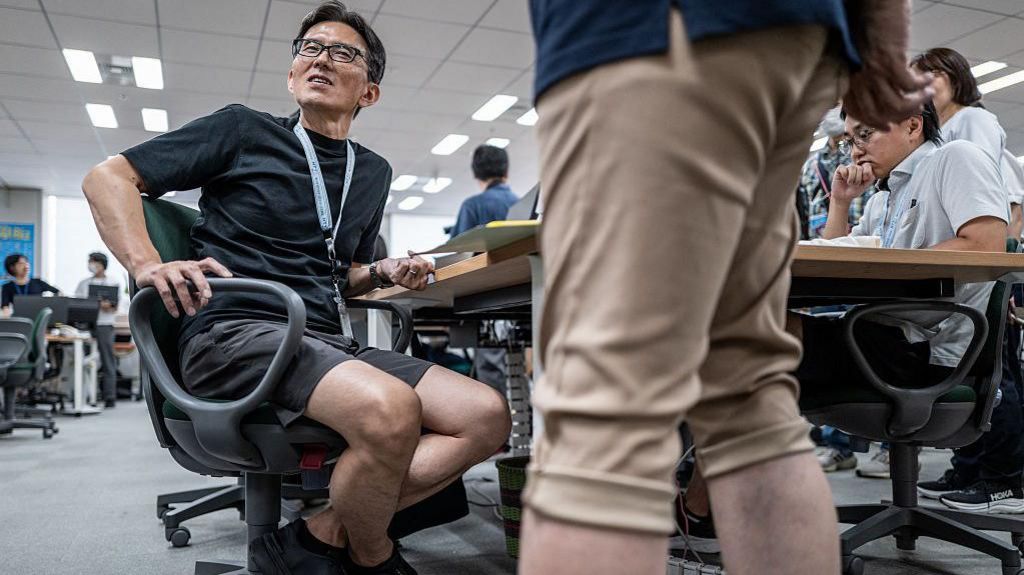
    As Japan grapples with one of its most punishing summer heatwaves in recent history, a bold workplace policy from the Tokyo Metropolitan Government has split public opinion: encouraging male office workers to trade tailored suit trousers for casual shorts to beat soaring temperatures.

    First conceptualized by current Tokyo Governor Yuriko Koike back in 2005 during her tenure as Japan’s Environment Minister, the Cool Biz initiative has evolved into a decades-long annual summer tradition. Koike originally launched the national program to cut energy consumption by prompting workers to adopt lighter, cooler attire, starting with short-sleeve shirts instead of formal long sleeves. After the 2011 Tohoku earthquake and tsunami disrupted national energy supplies, the initiative expanded into Super Cool Biz, which relaxed dress codes further to cut power use across workplaces and households. This April, Koike’s administration rolled out the latest iteration: *Tokyo Cool Biz*, which explicitly allows and encourages men to wear shorts in office settings to cope with extreme heat.

    Nearly four months after the policy launched, public reaction has been deeply divided. Proponents argue that looser dress rules make long workdays in sweltering conditions far more comfortable, boosting productivity and reducing heat-related health risks. But critics have raised pointed concerns about gender inequity: many note that women are still widely expected to wear opaque tights if they show any leg at work, placing an unfair comfort and compliance burden on female employees that men do not face. The policy has also sparked an unexpected cultural conversation around “sunehara” — a newly coined online term translating to “leg hair harassment” — that describes the discomfort many women feel when forced to view unshaven male legs in shared office spaces.

    Officials behind the initiative emphasize that its core goal is expanding choice, not mandating a specific wardrobe. “We want to give people more options in the severe heat, not tell them what to wear,” Noboru Watanabe, an environmental official with the Tokyo Metropolitan Government, told the BBC. “There should be no issue as long as the work attire is not offensive to anyone.”

    Still, polling reflects the sharp divide in public opinion. A June survey conducted by Gorilla Clinic, a Japanese aesthetic medical provider, found that 53.5% of respondents opposed allowing shorts in summer workplaces, while 46.5% supported the new recommendation. For opponents of both genders, the top concerns centered on exposed body hair and body insecurities. The clinic noted that women responded to the survey in far higher numbers than men, indicating that female workers are disproportionately resistant to the shift to casual office shorts.

    The policy has even created unexpected demand for aesthetic services. Akifumi Funatsu, Gorilla Clinic’s director, reports a sharp uptick in male clients seeking laser leg hair removal. What was once a purely cosmetic choice has become framed as a matter of workplace social etiquette, Funatsu explained, as many men internalize the widespread expectation that women prefer men to have minimal leg hair, and want to avoid making colleagues uncomfortable.

    While the shorts policy has dominated public conversation around this year’s Cool Biz, it comes amid far more serious heat-related challenges facing Japan. Like much of the world, Japan has recorded record-breaking high temperatures in recent months, compounded by soaring global energy prices driven by Middle Eastern geopolitical instability. The Japan Meteorological Agency has even introduced a new term, *kokusho-bi*, or “brutally hot day,” to alert the public when temperatures exceed 40°C, in a push to raise awareness of deadly heat risks.

    Official data underscores the severity of the threat: between July 6 and 12, seven people died from heatstroke and 4,580 were hospitalized across the country, according to Japan’s Fire and Disaster Management Agency. Beyond encouraging basic precautions like regular hydration and adjusted air conditioner use, Japanese residents have turned to a growing market of heat-fighting gadgets, from fan-embedded clothing and disposable cooling towels to heat-blocking umbrellas and portable handheld fans, all of which have sold out at many retailers nationwide.

    Disaster reduction experts stress that proactive preparation is key to avoiding heat illness. Researchers with the Japan Academic Network for Disaster Reduction note that the human body requires several weeks to build heat acclimatization, so the best time to start preventive measures is during the country’s rainy season, before peak summer heat sets in. They add that Japan’s uniquely high humidity makes heat even more dangerous, as it slows sweat evaporation and undermines the body’s natural ability to cool itself.

    While casual workplace attire has slowly gained traction in Japan over recent years — particularly in startups and tech firms — this year’s Tokyo government recommendation has normalized the shift for traditional industries. For many Japanese workers, adapting to hotter summers means not just changing what they wear to the office, but navigating new social expectations around professional appearance in a warming climate.

  • Ed Miliband, the new UK foreign secretary, on Israel, Iraq, Syria and Iran

    Ed Miliband, the new UK foreign secretary, on Israel, Iraq, Syria and Iran

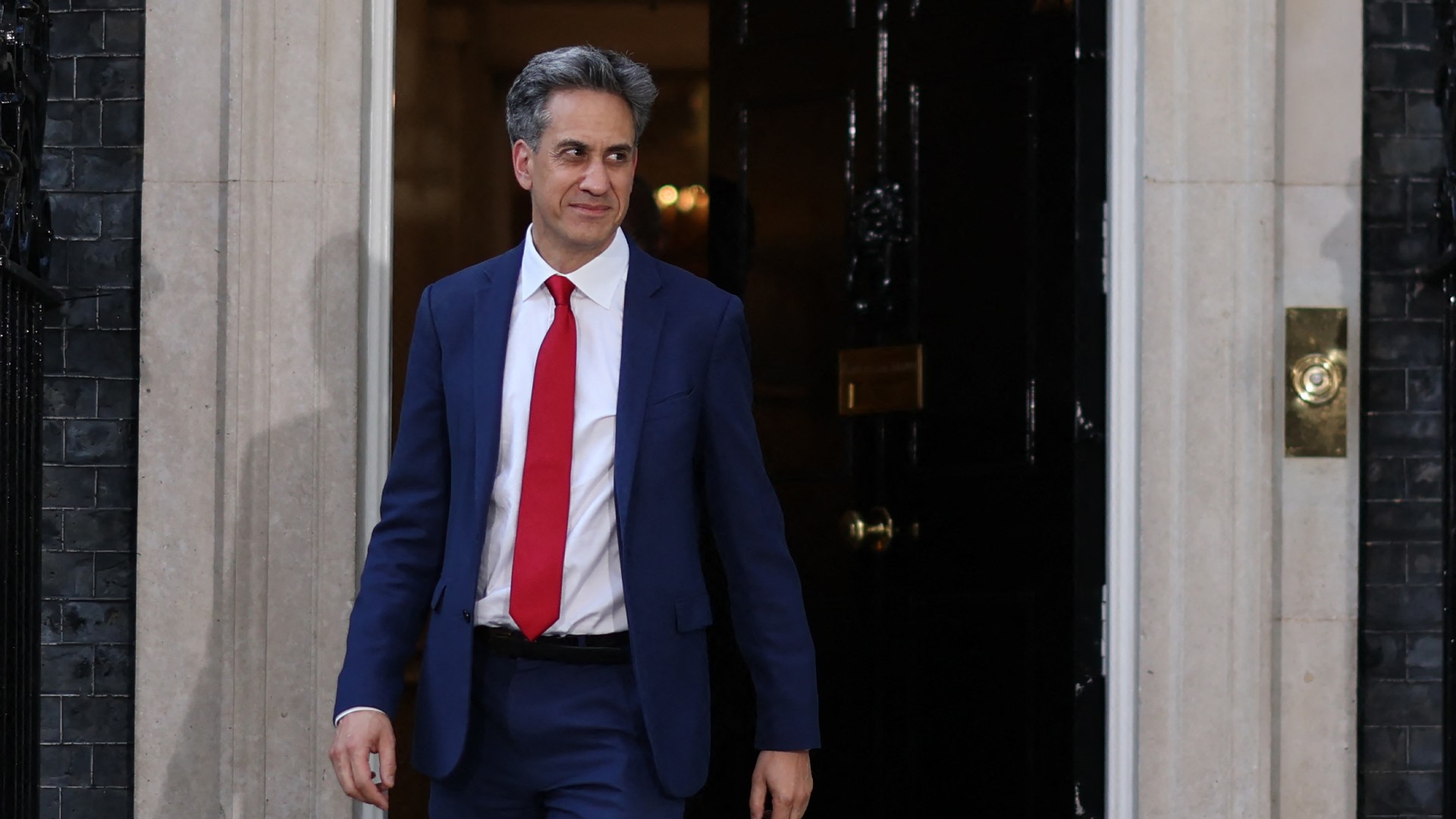
    Nearly two decades after entering Parliament and 16 years after stepping down as Labour Party leader, Ed Miliband has landed one of the UK’s most senior government posts: new Prime Minister Andy Burnham has named him the country’s next foreign secretary. Once the early favorite to take the chancellor role, the appointment marks a major career milestone for the veteran Labour politician, who brings a deeply documented record of progressive international positions to the role.

    In his first remarks after accepting the post, Miliband framed the appointment through the lens of his family history, noting his parents arrived in the UK as Jewish refugees fleeing Nazi persecution. “To them, Britain was both a sanctuary and a beacon of hope in the global fight against fascism,” he said. “I will carry my parents’ faith in that spirit of Britain to my role representing our country.” Outlining his core priorities, Miliband warned the world is currently facing higher levels of instability and more severe threats to international law and democratic norms than at any point since the end of World War II. He pledged to prioritize rebuilding and strengthening partnerships with the European Union, deepen collaboration with core multilateral bodies including NATO and the United Nations, and expand working ties with Global South nations. Miliband also laid out key policy commitments: the UK will remain steadfast in its support for Ukraine against Russia’s illegal invasion, work toward de-escalating conflict in Iran and secure the reopening of the Strait of Hormuz, and pursue a lasting, sustainable two-state solution for Israel and Palestine.

    While Miliband has never served in a senior foreign policy role before, he has been a vocal, unapologetic voice on international issues for nearly 20 years, with a series of high-stakes votes and public positions that have shaped his reputation as a cautious critic of unplanned Western military intervention. The outlet Middle East Eye has examined his track record, which stretches back to the early 2000s, to contextualize the new foreign secretary’s likely approach to global affairs.

    Miliband entered the House of Commons as MP for Doncaster North in 2005, two years after the US-led invasion of Iraq, meaning he never cast a vote on the 2003 decision. When he rose to become Labour leader in 2010, defeating his older brother David Miliband — a proponent of the Iraq war who served as foreign secretary under Gordon Brown — Ed used his clear opposition to the conflict to distance his leadership from predecessors Tony Blair and Brown. In his debut speech to the Labour Party conference as leader, Miliband said the Iraq war had caused a “fundamental loss of trust” in the party. “I criticise nobody faced with making the toughest of decisions and I honour our troops who fought and died there, but I do believe that we were wrong. Wrong to take Britain to war,” he told the gathering. The moment caused deep rifts in the Parliamentary Labour Party: David Miliband, who supported the invasion, was caught on camera scolding senior Labour figure Harriet Harman for applauding the speech, and other senior party figures including Andy Burnham, who also voted for the war, refused to join the applause. Later, the landmark 2016 Chilcot Inquiry into the conflict confirmed that Blair’s decision to join the US invasion, based on claims that Saddam Hussein held weapons of mass destruction, rested on “flawed intelligence” and that the 2003 invasion was a key contributing factor to the eventual rise of the Islamic State group.

    The defining foreign policy moment of Miliband’s Labour leadership came in 2013, when then-Prime Minister David Cameron sought parliamentary approval for British military strikes against the Bashar al-Assad regime following Assad’s chemical weapons attack on civilian populations during the Syrian civil war. Miliband rallied nearly all of his Labour MPs to oppose the motion, joined by rebel Conservative and Liberal Democrat lawmakers, handing Cameron’s government an unprecedented defeat on a major foreign policy question. At the time, the Obama administration in the US was preparing to launch its own military intervention to enforce a declared “red line” on chemical weapons use, but ultimately pulled back from action. US officials later confirmed the UK parliamentary vote derailed Washington’s intervention plans.

    Assad’s brutal regime finally collapsed in December 2024 following a rapid offensive by opposition forces. When asked shortly after the fall of Assad whether he regretted his 2013 position, Miliband made clear he stood by his decision. “No. First of all, I very much welcome the fall of President Assad, who is a brutal dictator,” he said. “The decision I was confronted with, though, in 2013 was whether we did a bombing of President Assad without any clear plan for British military engagement, where it would lead and what it would mean. And I believe then, and I do now, that one of the most important lessons of the Iraq war is we shouldn’t go into military intervention without a clear plan, including an exit strategy.” Still, some high-profile British foreign policy commentators have argued his role in the 2013 Syria vote disqualifies him from the top foreign affairs role. Writing for The Telegraph, chief foreign affairs commentator David Blair argued Miliband’s role in that outcome should have convinced Burnham to pass him over for the post.

    On Israeli-Palestinian affairs, Miliband has a long-held, consistent stance of supporting Israel’s right to exist while backing Palestinian statehood and calling out excessive civilian harm during military operations. In 2014, amid Israel’s 50-day ground invasion of Gaza that killed more than 2,200 Palestinians, most of them civilians, Miliband labeled Israel’s actions “unacceptable and unjustifiable,” and called on Cameron’s Conservative government to take a stronger public stance against the offensive. While he unequivocally condemned Hamas’s rocket attacks on Israeli civilians, he said the violence could not excuse the mass civilian death toll, and called for an immediate ceasefire. That same year, he rallied all Labour MPs to vote in a symbolic parliamentary motion supporting British recognition of a Palestinian state. A year later, he told the Jewish Chronicle he considered himself a “strong friend of Israel” and opposed boycotts of the country, noting that “friends will disagree from time to time but it doesn’t in any way change my deep belief that we should seek to restart the negotiations, that we should have no tolerance with those who question the legitimacy of the state of Israel.” Most recently, when Keir Starmer was prime minister last year, British media reports identified Miliband as one of the leading cabinet voices pushing the government to formally recognize Palestinian statehood, a step the UK ultimately took in September 2025.

    Miliband has also been a vocal critic of US President Donald Trump, a stance that will shape his new role as the UK’s top diplomat. Shortly after Trump’s first election victory in 2016, Miliband told the BBC: “The idea that we have shared values with a racist, misogynistic self-confessed groper beggars belief.” A year later, he wrote on social media that Trump had “lowered the bar for idiocy.” When the US and Israel launched military action against Iran in late February 2026, Miliband was among the most prominent senior Labour figures opposing any UK military involvement in the conflict. Reports at the time confirmed Miliband, alongside Rachel Reeves and Yvette Cooper, strongly pushed against British participation, with a source telling the Spectator Miliband “fundamentally doesn’t like Trump, and he doesn’t like this Iran thing.” Starmer ultimately chose not to join the military action, a decision that created a major public rift between the former prime minister and Trump.

    The report comes from Middle East Eye, an independent outlet specializing in coverage of the Middle East and North Africa region.

  • The new commander-in-chief of Ukraine’s armed forces forged his reputation fighting Russia in 2014

    The new commander-in-chief of Ukraine’s armed forces forged his reputation fighting Russia in 2014

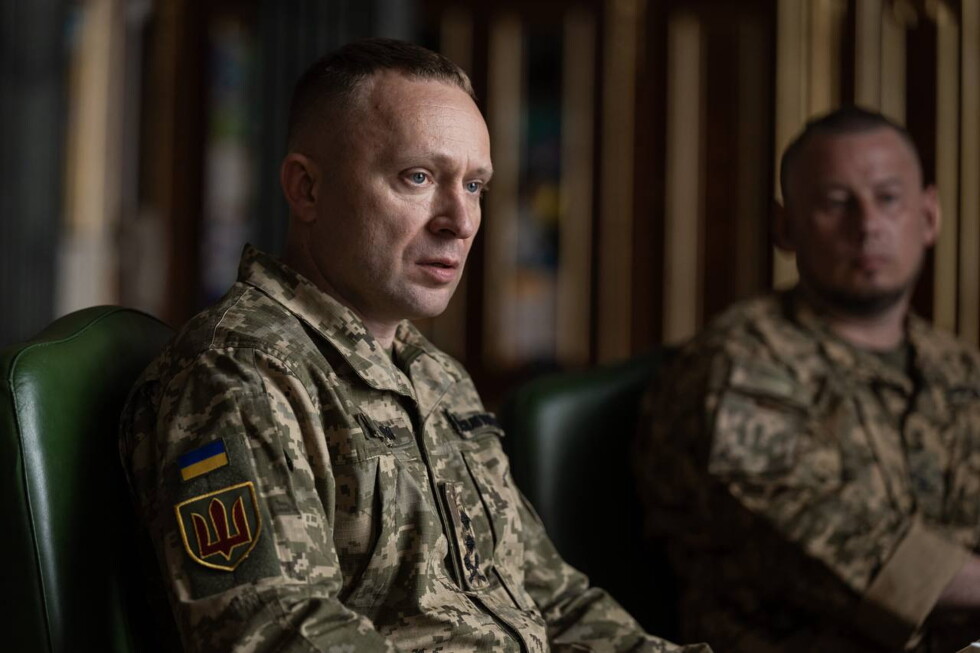
    KYIV, Ukraine — In a major shakeup to Ukraine’s top military leadership that comes on the heels of widespread public unrest over stalled military reform, President Volodymyr Zelenskyy has tapped 43-year-old Maj. Gen. Mykhailo Drapatyi to serve as the country’s new commander-in-chief. The appointment Tuesday follows the dismissal of former chief Gen. Oleksandr Syrskyi, who was pushed out after days of mass demonstrations across Kyiv and other major Ukrainian cities.

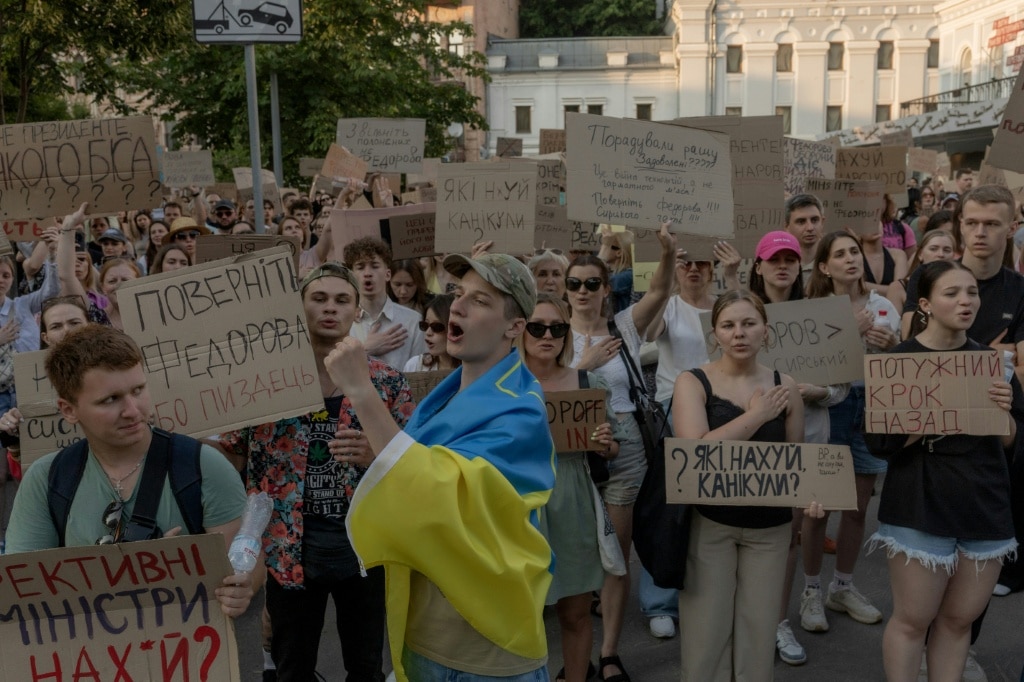
    Protesters took to the streets demanding Syrskyi’s removal and calling for the reinstatement of former Defense Minister Mykhailo Fedorov, a figure widely credited as a key catalyst for sweeping Ukrainian military modernization. Demonstrators framed Syrskyi as the face of the military’s outdated, Soviet-era top-down command culture, a system that many Ukrainians argue has hampered battlefield effectiveness and slowed much-needed structural reform.

    In his first public statement following the appointment, Drapatyi extended recognition to his predecessor in a Facebook post, thanking Syrskyi for his work strengthening Ukraine’s armed forces. “I grew up in it,” Drapatyi said of the Ukrainian military, adding: “I will work responsibly, with focus and with respect for the people defending our state today.”

    Unlike older generations of Ukrainian military leaders who cut their teeth in the Soviet-era armed forces, Drapatyi is a product of the 10-year-long war with Russia that began in 2014, and his entire professional career has been shaped by frontline combat experience. He most recently served as commander of Ukraine’s Joint Forces, the unified command structure that oversees daily cross-branch combat operations along all fronts of the war with Russia.

    Widely described by peers and observers as intensely disciplined and extraordinarily effective in high-stakes combat scenarios, Drapatyi has a long track record of being deployed to stabilize the most unstable, pressure-cooker sectors of the frontline. Though he maintains a low public profile, he has built broad respect and growing popularity both within the armed forces and among the Ukrainian public for a string of notable battlefield victories stretching back a decade.

    Drapatyi first made his name as a daring young officer in 2014, during the opening months of Russia’s incursion into eastern Ukraine. That May, then a major leading a battalion within Ukraine’s 72nd Brigade, he orchestrated a high-risk armored rescue mission into central Mariupol to extract a group of police officers and territorial defense leaders who had been trapped and besieged by pro-Russian militants, who had threatened to burn the captured group alive.

    When the column’s path forward was blocked by a barricade standing more than a meter high, Drapatyi — riding in the lead vehicle — ordered his driver to accelerate directly at the obstacle. The armored vehicle cleared the barrier like a vehicle launching off a ramp, a dramatic moment captured on camera that quickly spread across social media and became one of the most iconic stories of Ukraine’s early resistance. The bold action stood out dramatically in 2014, when the Ukrainian military was still poorly equipped, largely untested in large-scale combat, and deeply hesitant to authorize decisive, independent actions by field commanders that could risk escalating tensions with Moscow.

    Just months after the Mariupol rescue, Drapatyi led his battalion through another harrowing test of leadership when the unit was encircled by Russian-backed separatist forces near the Ukraine-Russia border for weeks. Rather than surrendering and agreeing to disarm to walk free, Drapatyi organized a nighttime breakout, successfully leading all 260 of his soldiers and more than 30 vehicles out of the encirclement to safety.

    Over the decade that followed, Drapatyi climbed steadily through the ranks of field command, leading multiple brigades across eastern Ukraine before taking up the post of deputy commander of the Joint Forces when Russia launched its full-scale invasion of Ukraine in February 2022. In 2024, he led the force that halted a major Russian advance on Zelenskyy’s hometown of Kryvyi Rih, helped push Russian troops back from occupied territories in the Kherson region, and later organized the defensive line that blunted a renewed Russian offensive in the Kharkiv region later that same year. By the end of 2024, Zelenskyy appointed him to serve as commander of the Ukrainian Ground Forces.

    His tenure in that role was cut short, however, after a Russian missile strike on a ground forces training center killed dozens of Ukrainian soldiers, the second deadly attack on the same facility in just a few months. Drapatyi resigned from the post immediately, taking personal responsibility for the tragedy and saying he had failed to ensure his orders for improved security were fully implemented. In his resignation letter, he alleged that attempts to reform the ground forces branch had been blocked by entrenched officials protecting one another from accountability.

    Shortly after his resignation, Zelenskyy appointed Drapatyi to lead the Joint Forces command, setting the stage for his promotion to commander-in-chief this week.

    Drapatyi’s reputation as an uncompromising advocate for military reform became public knowledge earlier this week, when former Defense Minister Fedorov claimed that Ukraine’s old military leadership had systematically pushed back against reform and pressured commanders who advocated for change — including Drapatyi, who Fedorov said received three formal reprimands from Syrskyi for his reform efforts.

    Drapatyi later responded to the claims in a social media post, where he expressed backing for the current Defense Ministry leadership while also agreeing with Fedorov’s core critique: that many critical reforms have only been implemented “despite the system, rather than thanks to how it worked.” He added that a commander’s silence “has never been a form of responsibility.”

    Born in 1982 in the western Ukrainian city of Kamianets-Podilskyi, located in the Khmelnytskyi region, Drapatyi grew up in a family of public school teachers. He trained as a tank officer at the Kharkiv Institute of Tank Troops, graduating in 2004 before receiving his first posting to the 72nd Separate Mechanized Brigade in Bila Tserkva — a unit that was then commanded by the now-dismissed Oleksandr Syrskyi.

  • Zelensky sacks army chief Syrsky after days of protests

    Zelensky sacks army chief Syrsky after days of protests

    In a major shakeup to Ukraine’s top military leadership that follows days of public unrest, Ukrainian President Volodymyr Zelensky has announced the dismissal of Oleksandr Syrsky, the country’s Commander-in-Chief of the Armed Forces. The 60-year-old Soviet-trained commander, who had held the post only since early 2024, will be replaced by Mykhailo Drapaty, the current head of Ukraine’s Joint Forces Command, Zelensky confirmed via an official post on Telegram Tuesday.

    Syrsky is one of Ukraine’s most seasoned military figures, best known for leading the successful defense of Kyiv during the opening weeks of Russia’s full-scale invasion in 2022. But his tenure became increasingly contentious following Zelensky’s removal of 35-year-old Defense Minister Mykhailo Fedorov earlier this month, a young reformer who had gained widespread public popularity for his work modernizing Ukraine’s fighting forces. Fedorov, who was ousted just six months after taking on the defense portfolio, directly accused Syrsky of undermining his reform agenda, blocking his policy initiatives, and pressuring Zelensky to remove him from office – claims Syrsky rejected outright.

    Fedotov’s dismissal sparked thousands of protests across Ukraine, with demonstrators voicing frustration over stalled military reforms and openly calling for Syrsky to step down. For a period, Zelensky, who has long been wary of potential political rivals within the military leadership, resisted growing pressure to remove Syrsky. Analysts speaking to Agence France-Presse note that unlike Syrsky’s predecessor Valery Zaluzhny, an extremely popular commander who posed a perceived political threat to Zelensky, Syrsky never represented a direct political challenge. Still, he faced widespread criticism from reform advocates over his reluctance to overhaul military procurement, equipment distribution, and mobilization systems, as well as accusations that he had not done enough to prevent excessive troop casualties.

    The incoming commander, 43-year-old Drapaty, is a decorated Major General with deep combat experience stretching back to the start of the Donbas war in 2014. He rose to national fame after a widely shared video showed him ramming an armored vehicle through a pro-Russian separatist checkpoint in Mariupol during the early 2014 skirmishes. Drapaty has previously commanded Ukraine’s Ground Forces and built a reputation as a combat-hardened, forward-thinking leader. In a Facebook post confirming his appointment, Drapaty emphasized the weight of his new role, writing: “Serving Ukraine has always been an honour for me, and during the war for independence it means absolute responsibility. Glory to the nation. Death to the enemies.”

    Fedorov, the ousted defense minister whose removal triggered the unrest, has welcomed Drapaty’s appointment, framing it as a positive shift for Ukraine’s war effort. “This is a breath of fresh air and a new hope in the struggle of free people for freedom and justice,” Fedorov said on social media.

    The leadership reshuffle comes at a pivotal moment in the war. In recent months, Ukrainian forces have successfully slowed Russian territorial advances to a near standstill, while long-range Ukrainian strikes have targeted key Russian oil infrastructure, including multiple refineries that Kyiv says directly fuel Russia’s invasion campaign. At the same time, both sides have ramped up aerial strikes across frontline and rear areas, with the United Nations reporting a sharp spike in civilian casualties in Ukraine over the past two months. Drapaty’s appointment makes him the third person to hold the post of Commander-in-Chief of the Armed Forces since Russia launched its full-scale invasion in February 2022.