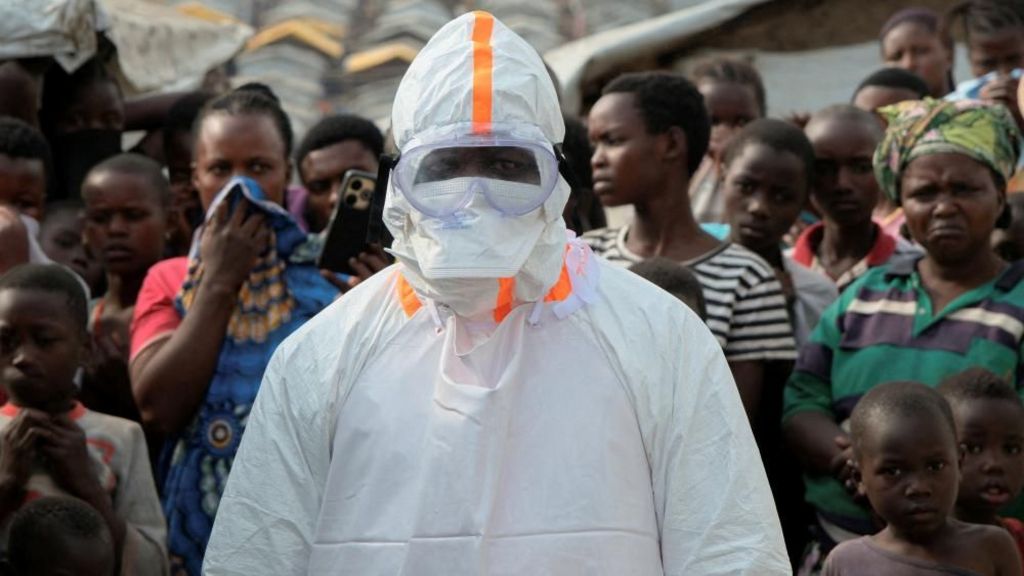
A British-resident humanitarian worker deployed to the Democratic Republic of Congo (DRC to support local Ebola outbreak response operations has been evacuated to the United Kingdom for medical care following a potential occupational exposure to the deadly virus, public health officials confirmed this week.
The UK Health Security Agency (UKHSA) emphasized in an official statement that the evacuated individual, who has not been publicly identified, is currently not showing any symptoms of Ebola infection. The evacuation and subsequent hospitalization were undertaken purely as a precautionary measure, the agency added. As of the latest update, the worker remains in good health while undergoing continuous assessment and monitoring at an undisclosed London hospital.
While the facility has not been named, public health sources confirm the Royal Free Hospital in north London – which hosts the UK’s national high-level isolation unit and serves as the country’s primary treatment center for high-consequence infectious diseases – is the likely site of care. Per UK public health protocols, the worker will remain in isolation for the full duration of Ebola’s 2 to 21 day incubation period, the maximum window for symptoms to emerge after exposure.
Ebola is classified as a high-risk pathogen that spreads exclusively through direct contact with infected bodily fluids, unlike respiratory viruses such as influenza or COVID-19 which transmit via airborne particles. Initial symptoms of infection typically onset suddenly, mirroring early signs of flu or malaria including fever, headaches and fatigue. As the infection progresses, patients often develop vomiting and diarrhea, which can progress to organ failure. While not universal for all cases, internal and external bleeding is a known complication of advanced Ebola infection.
Richard Pebody, UKHSA’s director of epidemic and emerging infections, sought to reassure the public that the incident poses very little danger to the wider UK population. “The risk to the general public remains low,” Pebody said in the statement. “This individual has been transferred out of an abundance of caution, and we’re pleased they remain well.”
UKHSA also confirmed that as of this update, there are no confirmed cases of active Ebola transmission within the UK. Previous Ebola exposure events in the UK occurred between 2014 and 2015, when three healthcare workers returning from West African outbreak zones tested positive for the virus. All three patients recovered fully, and no secondary transmission to the general public was recorded in any of those cases.
The current evacuation comes amid a major ongoing Ebola outbreak centered in the DRC that has spread to neighboring Uganda. As of July 19, DRC government data collated by the World Health Organization (WHO) recorded 2,423 confirmed cases of Ebola since the outbreak was first declared in mid-May, including 967 fatalities and 469 recoveries. Uganda has reported an additional 20 confirmed cases and two deaths linked to the regional outbreak.
This current outbreak is driven by the Bundibugyo strain of Ebola, a variant for which no licensed vaccine is currently available, although multiple candidate vaccines are in late stages of development. WHO Director-General Dr Tedros Adhanom Ghebreyesus has categorized the event as the third-worst Ebola outbreak recorded in modern history.