博客

  • Why are Kurdish groups in Iraq being attacked amid the US-Iran flare-up?

    Why are Kurdish groups in Iraq being attacked amid the US-Iran flare-up?

    Amid the ongoing military confrontation between the United States and Iran, the Islamic Republic has expanded its retaliatory operations across the Gulf region, targeting U.S. strategic assets while turning its attention to Iranian Kurdish opposition groups based in northern Iraq. The cross-border strikes have deepened regional instability and sparked new debate over the nature of the threat Tehran perceives from these exiled Kurdish factions.

    Keywan Faramarzi, international relations representative for the Komala Party of Iranian Kurdistan, confirmed to Middle East Eye that recent weeks of attacks on Komala bases and operational hubs in Iraqi Kurdistan have left 10 fighters dead. While no group has formally taken responsibility for the strikes, Faramarzi explicitly pinned the blame on the Iranian government, framing the violence as part of a long-standing state policy to eliminate Iranian Kurdish opposition organizations operating beyond Iran’s official borders.

    Komala is not alone in facing this escalation. Multiple other Iranian Kurdish opposition groups have reported similar attacks both in northern Iraq and inside Kurdish-populated regions of Iran itself.

    The latest surge in Iranian strikes follows unconfirmed reports from Israeli media claiming Turkey pressured the U.S. to scrap a planned operation that would have deployed Iranian Kurdish fighters across the border to overthrow Tehran’s government. Since the U.S.-Israeli military campaign against Iran launched in February, rumors of a Kurdish incursion into Iran have circulated repeatedly, but this most recent proposal was said to carry greater strategic ambitions – and the Iranian leadership has treated the threat with clear seriousness.

    In a public statement released July 19, Iranian Foreign Minister Abbas Araghchi accused the U.S. and Israel of plotting to fragment Iran using Kurdish opposition groups as proxies. “I made clear that if any threat emerges against us from Iraqi Kurdistan, we will respond without question,” he said.

    Despite Tehran’s claims, all major Iraqi-based Iranian Kurdish parties have flatly denied any involvement in internal Iranian armed conflict, and reject assertions that former U.S. President Donald Trump ever proposed a cross-border ground operation to them. “We have no knowledge of any such plan, and no verifiable evidence exists to support these allegations,” Faramarzi said. “These reports read as nothing more than media speculation that does not align with on-the-ground realities.”

    Hana Yazdanpanah, a representative for the Kurdistan Freedom Party (PAK), echoed that denial. “We hold no such intention,” she told Middle East Eye. Yazdanpanah acknowledged that PAK supported and defended Kurdish communities in Iranian Kurdistan during the January anti-government protests, but dismissed all claims of involvement in a regime-change operation as baseless. “Neither the Kurdistan Region of Iraq, our party PAK, nor any other Iranian Kurdish party have taken part in any such operation, nor have we received any weapons or military supplies from foreign actors,” she added.

    Even with these consistent denials, Iran’s unbroken campaign of strikes confirms that Tehran still views the exiled Kurdish factions as a meaningful threat. Middle East Eye reached out to the Iranian Foreign Ministry for additional comment, but received no response prior to publication.

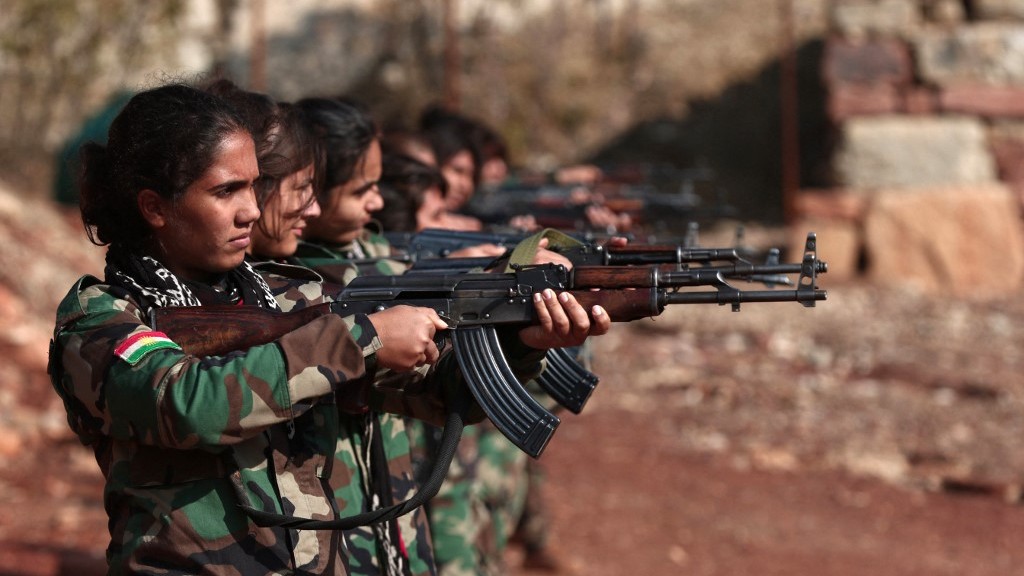
    As demographic data cited by Minority Rights Group International shows, Kurds make up roughly 10 percent of Iran’s total population, concentrated primarily in the country’s western provinces of Kurdistan, Kermanshah, West Azerbaijan, and Ilam. For decades, several Iranian Kurdish opposition movements – which Tehran designates as terrorist organizations – have maintained operational bases in the semi-autonomous Kurdistan Region of northern Iraq. These groups include Komala, PAK, the Kurdistan Democratic Party-Iran (PKDI), Khabat, and the Kurdistan Free Life Party (PJAK), the latter of which holds ties to the Turkey-based Kurdistan Workers Party (PKK).

    While the groups hold a range of distinct ideological positions, most are united around two core goals: the self-defense of Kurdish communities inside Iran, and the eventual achievement of self-determination for Iranian Kurdistan. In late February of this year, the major factions announced a new formal coalition, with an explicit stated mission of coordinating efforts “to overthrow the Islamic Republic of Iran.”

    In April, former U.S. President Donald Trump claimed his administration had supplied large quantities of firearms to anti-government protesters in Iran, and that Kurdish groups had taken possession of the weapons – a claim the Kurdish parties have repeatedly denied.

    “We have formed this alliance to strengthen and escalate our struggle in East Kurdistan [Iranian Kurdistan] and across Iran against the Islamic Republic,” Yazdanpanah said. “In this struggle, we utilize every available method of resistance.” Even so, she emphasized that the coalition has “openly maintained and declared its neutrality” in the ongoing U.S.-Iran conflict.

    Estimates of the coalition’s collective military strength put it far below the capacity of Iran’s state security forces. PAK reported roughly 1,000 members in 2019, while PDKI, Komala, and Khabat are believed to have similar troop counts. PJAK officials have claimed as many as 3,000 active fighters. Combined, the entire coalition’s fighting force pales in comparison to Iran’s hundreds of thousands of Islamic Revolutionary Guard Corps (IRGC) personnel, plus an additional hundreds of thousands of volunteers in the Basij militia network.

    This military imbalance has led most independent analysts to conclude the Kurdish coalition lacks the raw power to overthrow Iran’s government on its own. The repeated claims of foreign-backed regime change have also sparked growing frustration among the Kurdish parties themselves.

    Winthrop Rodgers, an associate fellow at the London-based Chatham House think tank, noted that the Kurdish parties have approached the ongoing U.S.-Iran war with significant caution, a choice that reflects their own clear assessment of their limited capabilities and the current strategic context. “This caution likely disappointed the expectations of some reckless U.S. and Israeli planners, who failed to grasp the complex dynamics at play on the ground,” Rodgers explained.

    Even so, Iran’s continued targeting of Kurdish positions in northern Iraq makes clear that the opposition groups remain a persistent concern for Tehran, even if they do not pose an immediate existential threat. Faramarzi argued that Komala’s core work focuses on building political power, not large-scale conventional military invasion. “Our main role is organizing, supporting, and strengthening civil society and protest movements across Iran – and that is what the government fears,” he said. “Through these attacks, the Islamic Republic is trying to erode our political and organizational capacity, while also sending a warning to all opposition forces across the country.”
  • Archbishop of Canterbury committed to £100m slavery fund

    Archbishop of Canterbury committed to £100m slavery fund

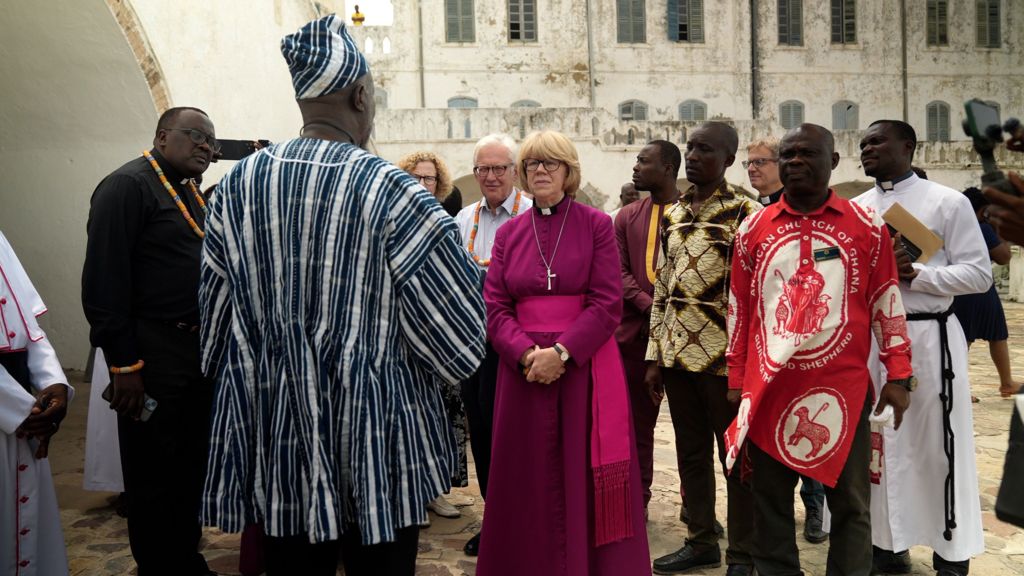
    During her first pastoral visit to Africa as the head of the Church of England, Dame Sarah Mullally, the Archbishop of Canterbury, has stood by the church’s controversial 100 million-pound reparative justice fund set up to address the institution’s deep ties to the transatlantic slave trade. The confirmation came during a somber tour of Cape Coast Castle, one of Ghana’s most infamous slave trading outposts, where thousands of enslaved Africans were detained before being trafficked across the Atlantic to the Americas.

    After walking through the windowless dungeons where enslaved people were crammed in inhumane conditions and passing through the iconic “Door of No Return” that marked their final departure from the continent, Dame Sarah spoke openly about the weight of the church’s historical complicity. Touring the site, she said, forced a visceral reckoning with the crimes committed by the institution she now leads.

    “We played a part in the transatlantic slave trade. That is clear,” the archbishop told reporters on the trip. “Part of the Christian belief in repentance is about action, so we are putting in place action to support those communities that feel the legacy of the slave trade.” She described being deeply unsettled by the contrast between the horrific dungeons below and a Christian chapel built above them, calling the arrangement a stark, inescapable illustration of how the church was directly embedded in the system of human trafficking.

    The Church of England has a well-documented history of involvement in the transatlantic slave trade: its missionary branch operated slave-worked plantations in the Caribbean to generate funding for missionary work, dozens of clergy personally owned enslaved people, and the church accepted substantial donations from prominent slave trading families and businesses. An internal audit three years ago also confirmed that the church’s historical endowment fund held major investments in a company engaged in slave trafficking. That audit prompted a formal decision to establish the £100 million fund, which is earmarked for investment, historical research, and community outreach in regions still grappling with the intergenerational harm of slavery.

    Despite the church’s stated goals, the fund has faced significant pushback since it was announced. Critics have challenged the historical findings outlining the church’s level of complicity, raised legal questions about the fund’s structure, and voiced ideological opposition to the project of reparative justice.

    Ghana has emerged as a global leader in the campaign pushing for reparations from nations and institutions that accumulated wealth from the transatlantic slave trade, and the archbishop’s visit and reaffirmation of the fund has drawn praise from senior Ghanaian officials. Foreign Minister Samuel Okudzeto Ablakwa said Dame Sarah’s actions send a critical message to global institutions grappling with their own historical legacies. “What the Archbishop of Canterbury is doing in Ghana on her current visit will begin to send the right signals,” he said. “And those who are either revisionists or who are obstructionists within the Church of England are going to start thinking twice.” He added that the Christian faith the church brought to Africa centers the principle that sin must be acknowledged before forgiveness can be granted, a standard that applies to institutions as well as individuals.

    Dame Sarah’s March installation as head of the Church of England made history as she became the first woman to hold the post of Archbishop of Canterbury, and her trip to Ghana marks a key milestone in her first year in the role, with reparative justice as the central theme of the Ghana leg of her tour.

  • Liberian authorities burn $336 million in cocaine as senior police officials are implicated

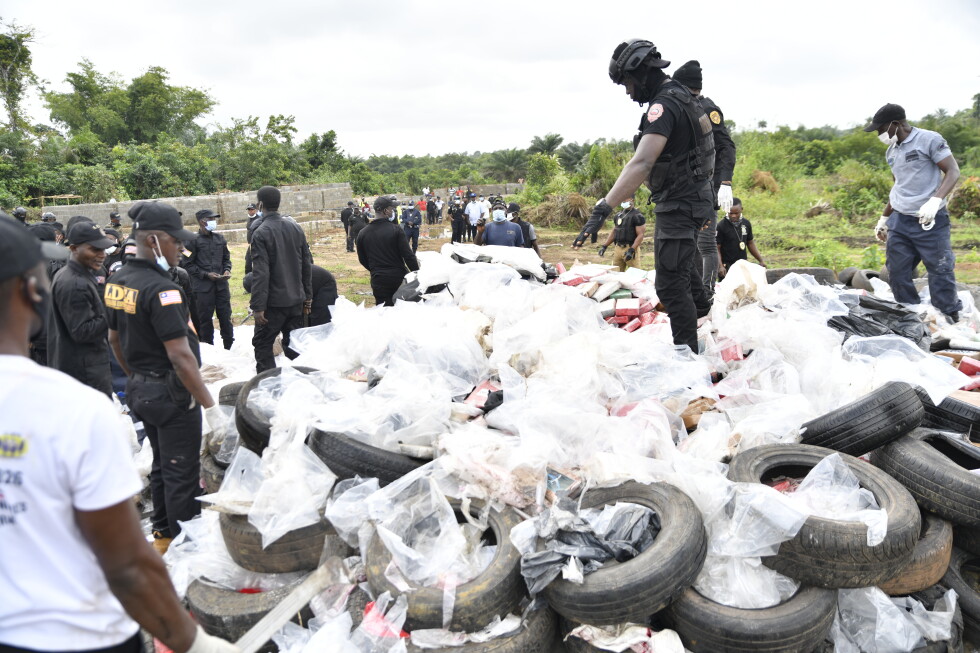
    Liberian authorities burn $336 million in cocaine as senior police officials are implicated

    On a clear Thursday in Monrovia, Liberia, law enforcement teams set fire to a historic cache of narcotics: 4.2 metric tons of cocaine with an estimated street value of $336 million. The incineration marks a defining moment in the West African nation’s fight against transnational drug trafficking, coming just days after authorities uncovered the largest drug seizure in Liberia’s recorded history and revealed a shocking link to senior members of the country’s own police force.

  • Nevada wildfire still burning out of control near secretive Area 51

    Nevada wildfire still burning out of control near secretive Area 51

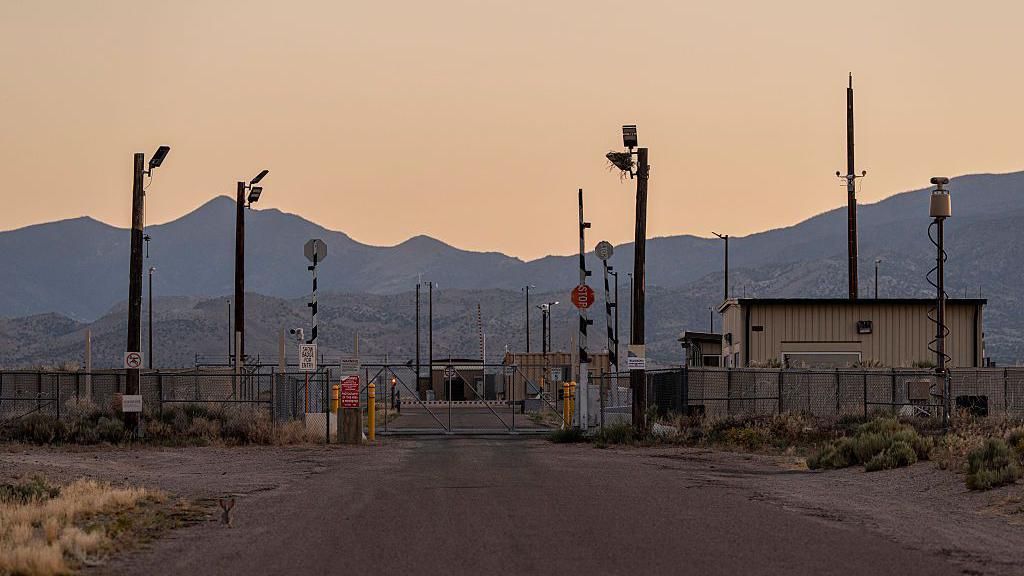
    A lightning-caused wildfire burning adjacent to the United States’ most secretive military installation, Area 51 in southern Nevada, has exploded in size over nearly a week of burning, with containment efforts barely keeping pace, federal land management officials confirmed this week.

    Dubbed the Quail Springs Fire, the blaze has already charred more than 13,500 acres (roughly 54.6 square kilometers) of dry, rugged terrain, and as of the latest update from the Bureau of Land Management (BLM), just 7% of the fire’s perimeter has been secured. The blaze is concentrated within the boundaries of the Nevada Test and Training Range (NTTR), a sprawling restricted military reservation closed to all unauthorized public access that sits directly adjacent to the classified Area 51 facility.

    Firefighters have faced steep challenges in reining in the blaze, hampered by a combination of unforgiving terrain, triple-digit extreme heat, and gusty dry winds that have allowed the fire to jump containment lines and expand steadily. The entire region remains under an extreme heat warning through at least this coming Sunday, with forecasters predicting no significant precipitation in the near term to help douse the flames — conditions that are expected to keep fire activity high through the coming days.

    As of the latest BLM update, no residential structures or public spaces are currently under immediate threat from the advancing fire. However, the small nearby community of Rachel has been placed under an official smoke advisory, warning residents of poor air quality that can pose respiratory risks for vulnerable groups.

    The NTTR, where the fire is burning, has a long history as a core U.S. military testing ground, and its neighbor Area 51 carries an almost unparalleled reputation for secrecy. Originally established during the Cold War-era arms and technology race between the U.S. and the Soviet Union, Area 51 was built to develop and test cutting-edge military aircraft. Today, activities conducted within its secured boundaries remain highly classified, with the site ringed by warning signs, constant electronic surveillance, and armed patrols that bar all unauthorized entry.

    This extreme secrecy has spawned decades of popular conspiracy theories, the most famous being unconfirmed claims that the U.S. government stores and studies crashed alien spacecraft and extraterrestrial remains at the site — claims federal officials have repeatedly and firmly denied.

    The Quail Springs Fire is far from an isolated event this wildfire season. Across the western United States and southern Canada, dozens of large blazes are continuing to burn across millions of acres. Neighboring Oregon has already seen more than a million acres consumed by wildfire this year, while Canadian fire crews continue to battle hundreds of active blazes across the country’s western and northern regions, many of which have sent plumes of smoke across much of North America. Experts have linked the increasingly severe wildfire seasons across western North America to rising temperatures and prolonged drought driven by climate change, which create ideal conditions for large, fast-spreading blazes.

  • Milei empowers Argentina to bar or deport foreigners over hateful remarks about the country

    Milei empowers Argentina to bar or deport foreigners over hateful remarks about the country

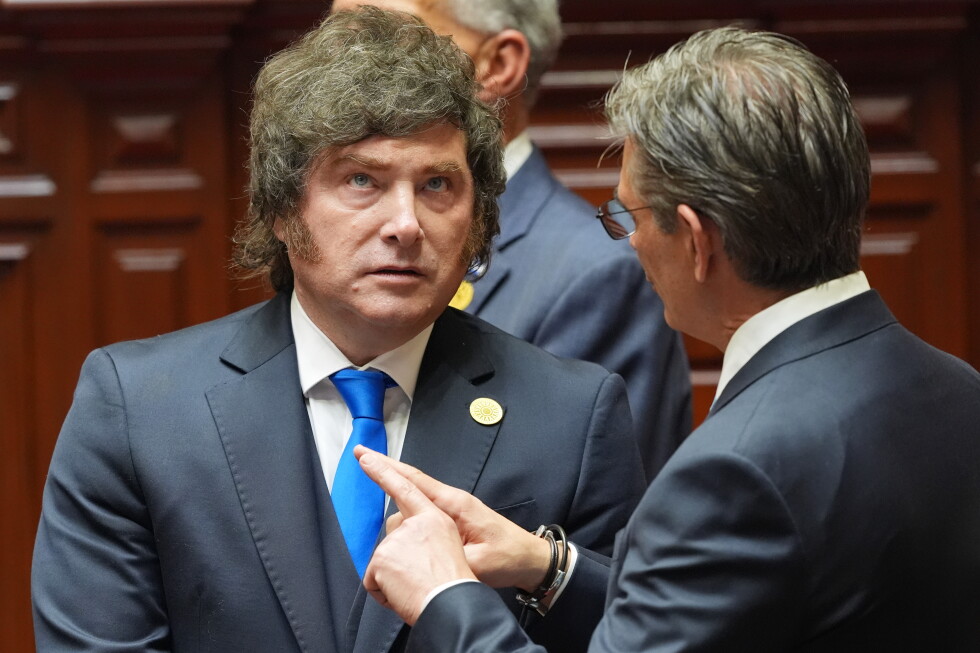
    BUENOS AIRES, Argentina — In a direct response to a widespread wave of international criticism targeting Argentina and its citizens in the wake of the country’s controversial 2022 World Cup run, President Javier Milei signed an emergency executive decree on Thursday granting federal authorities sweeping new powers to deny entry to or deport foreign nationals found guilty of inciting discrimination or violence against Argentines based on their nationality.

    The new measure amends Argentina’s existing immigration legislation by adding a new set of grounds for immigration enforcement. Under the updated rules, officials can bar entry, revoke existing visas, and deport any non-citizen who spreads anti-Argentine hostility through oral or written communications, or who desecrates official Argentine national symbols.

    In an official statement released alongside the signing, the president’s office emphasized the non-negotiable nature of the government’s commitment to protecting national sovereignty, citizens, and national symbols. “Anyone who attacks the Argentine Republic is not welcome in our country,” the statement read.

    The executive action marks a dramatic departure from Argentina’s long-standing national identity as a welcoming haven for global immigration. Enshrined in the country’s constitution is an explicit commitment to encouraging immigration, and for more than a century, Argentina has extended broad civil rights to foreign residents, along with relatively accessible pathways to legal residency and access to public education and healthcare services.

    The crisis that prompted the decree began after controversial refereeing decisions during Argentina’s World Cup campaign fueled widespread claims that global soccer governing body FIFA had manipulated the tournament to favor the eventual champions, led by global superstar Lionel Messi. What started as targeted condemnation of occasionally unruly Argentine fan behavior and aggressive on-pitch conduct from the Argentine squad quickly expanded into blanket criticism of Argentine society as a whole. This criticism amplified long-standing regional tensions over claims that many Argentines see themselves as culturally and economically superior to their Latin American neighbors. Online petitions calling for Argentina’s expulsion from the tournament collected hundreds of thousands of signatures from users across the globe.

    The backlash escalated further after a post-World Cup final brawl between Argentine players and staff and their Spanish opponents. On Wednesday, FIFA opened formal disciplinary proceedings against the Argentine Football Association over the scuffle, alongside separate allegations of racist abuse by Argentine fans and general fan misconduct. Argentine players also face an ongoing FIFA investigation over a banner displayed following the team’s semi-final victory over England that reaffirmed Argentina’s territorial claim to the British-controlled Falkland Islands.

    Milei, a libertarian leader and known close ally of former U.S. President Donald Trump, has framed the coordinated wave of international criticism as a deliberate “anti-Argentina campaign.” Last week, he made unsubstantiated allegations that left-wing governments in Brazil and Mexico, as well as the U.S. Democratic Party, financed the campaign to stigmatize Argentina and undermine his newly elected libertarian administration. These sharp accusations and public insults have already triggered a major diplomatic crisis with neighboring Brazil, which recalled its ambassador to Argentina over the weekend in protest.

    The text of Thursday’s decree explicitly clarifies that the new enforcement powers do not apply to protected ideological disagreement, or political, academic, and civic criticism that is guaranteed under Argentina’s constitution. However, the new rule leaves critical questions unanswered: it does not define how officials will distinguish between constitutionally protected speech and criminalized hate speech, whether immigration authorities will begin routine monitoring of foreigners’ social media activity, or how aggressively the new powers will be enforced against both temporary tourists and long-term permanent residents.

  • Barranquilla FC stuns parent club Junior in Colombia cup upset as Luis Diaz watches on

    Barranquilla FC stuns parent club Junior in Colombia cup upset as Luis Diaz watches on

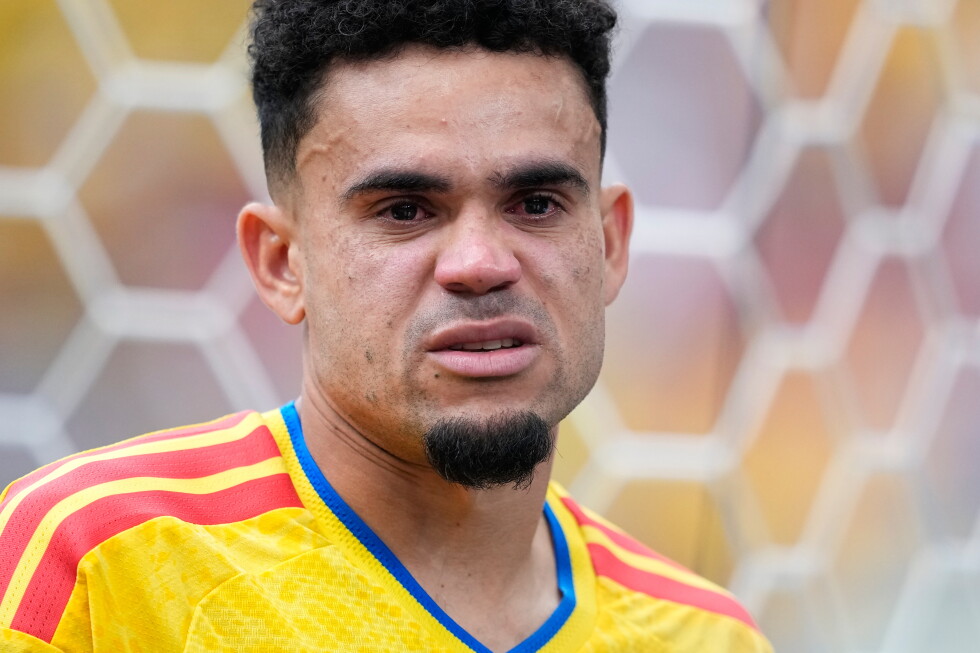
    BARRANQUILLA, Colombia — On a dramatic Wednesday night at Romelio Martínez Stadium, Colombian soccer star Luis Diaz got a front-row seat to one of the most shocking domestic cup upsets in recent Colombian football history, a result that echoed the giant-killing magic he experienced in England’s FA Cup during his time at Liverpool.

    The match ended with one of Colombia’s most successful powerhouse clubs, Junior, crashing out of the Copa Colombia at the hands of its very own second-division feeder team, Barranquilla FC. After 90 minutes of tense, even play failed to produce a winner, Barranquilla held its nerve to secure a 5-3 victory in a penalty shootout, sending the top-flight side packing early from the competition.

    For Diaz, the 29-year-old Colombian international who currently plies his trade at Bayern Munich after moving from Liverpool earlier this year, the moment carried personal weight. The forward launched his professional career right at Barranquilla FC, earning a promotion up to Junior’s senior squad in 2017 before his breakout move to European club Porto set him on the path to global stardom.

    Reaction to the upset was mixed within Junior’s camp. Yimmi Chará, a key first-team player for the top-flight side, described the result as deeply disappointing. “We knew they would make it difficult for us, but we failed to get the result we needed,” Chará said. “What happened is embarrassing.”

    Junior manager Alfredo Arias, however, took a more gracious stance toward the upset. He noted that most of Barranquilla’s squad has direct ties to the first team, with many players even spending last season as part of Junior’s senior setup. “If anyone had to eliminate us, I’m glad it was Barranquilla,” Arias said. “I hope they go as far as possible in the competition.”

    Barranquilla FC’s giant-killing run is far from over: the second-tier side will next face another Colombian soccer powerhouse, Millonarios, in the following round of the Copa Colombia. Much like the FA Cup — the iconic English competition famous for its history of lower-division underdogs toppling top-flight giants — the Copa Colombia has already delivered one massive upset, and fans across the country are now waiting to see if more surprises are on the horizon.

  • Aoun’s Ankara visit seeks clarity in Lebanon-Turkey relationship

    Aoun’s Ankara visit seeks clarity in Lebanon-Turkey relationship

    On Thursday, Lebanese President Joseph Aoun will travel to Ankara for a high-stakes one-day meeting with Turkish President Recep Tayyip Erdogan, a diplomatic mission focused on bringing long-overdue clarity to a relationship that has remained formally intact but strategically undefined amid sweeping shifts in Middle Eastern geopolitics. Unlike traditional state visits packed with cabinet delegations and formal treaty signings, Aoun will be accompanied only by a small group of senior presidential advisors, with no binding bilateral agreements scheduled to be finalized during the talks.

    Multiple Lebanese and Turkish sources confirmed to Middle East Eye that the discussions will center on mapping out the broader strategic contours of the relationship between Beirut and Ankara. Key topics on the agenda include Turkey’s long-held concerns about Lebanon’s regional alignment, as well as new opportunities to expand bilateral military and diplomatic cooperation. A senior Lebanese insider described the meeting as a critical starting point for a more transparent bilateral dialogue, noting that Lebanon’s fragile domestic politics and exposed geographic position require it to balance relationships across competing regional blocs without alienating any major power.

    While diplomatic ties between the two countries have never been severed, both sides have acknowledged a persistent gap in clear communication around their respective core political priorities. The senior Lebanese source emphasized that this lack of regular open dialogue has not risen to the level of public Turkish discontent with Lebanon’s policy direction, but the upcoming meeting is designed to address that gap head-on. “This will be a full, open and honest exchange between the two heads of state,” the source added.

    Far from a reconciliation effort to repair broken relations, the visit is an attempt to add explicit political definition to a partnership that has already operated through quiet diplomatic, economic and security channels, but has never been anchored by a shared strategic framework. For Lebanon, the meeting comes as the country walks a careful diplomatic tightrope, managing relationships with Turkey, Gulf Cooperation Council states, the United States, Europe and other regional actors while avoiding any permanent, exclusive alignment with a single bloc.

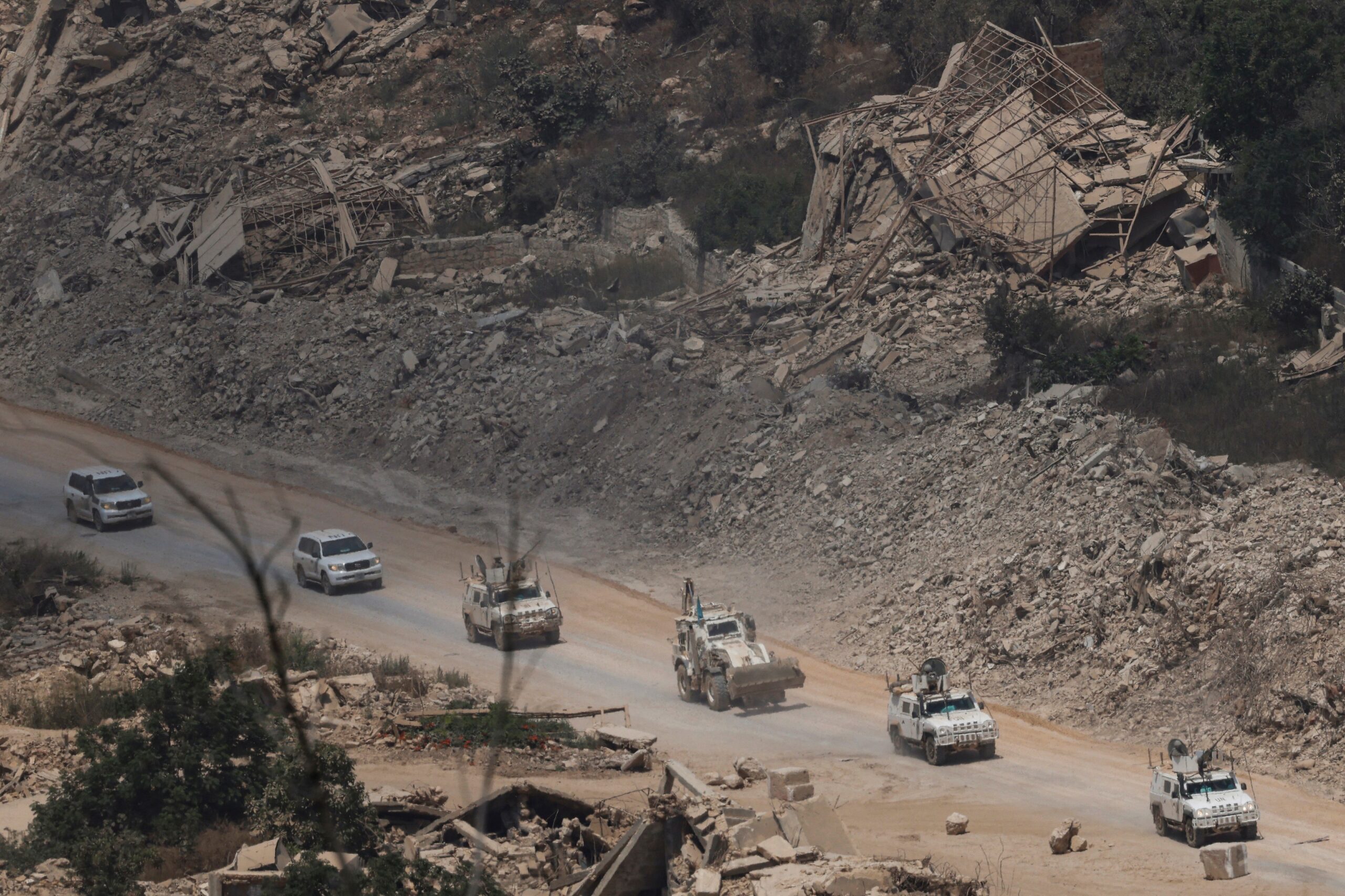
    For Turkey, the summit offers a rare opportunity to lay out its clear expectations for Lebanon’s positioning in a region increasingly defined by cutthroat competition over energy transit routes, maritime boundary claims, defense pacts and relationships with Israel. Ahead of his departure, Aoun told Turkey’s state-owned Anadolu Agency that Lebanon welcomes a meaningful Turkish role in any future international governance arrangement for southern Lebanon, particularly as global powers negotiate the future mandate of the United Nations Interim Force in Lebanon (UNIFIL). Turkey has a long history of contributing to UNIFIL’s maritime task force and has maintained steady military and security cooperation with the Lebanese state for decades, and Aoun’s remarks were crafted to signal that Beirut views Ankara as a contributor to Lebanese stability, not just an outside power pursuing its own regional interests.

    Aoun is also expected to use the meeting to update Turkey on efforts to implement existing agreements governing southern Lebanon, including calls for a full Israeli withdrawal from contested territory and continued international backing for the Lebanese Armed Forces (LAF). However, Turkish officials plan to use the summit to press Aoun for clear answers on the future direction of Lebanese foreign policy, sparked by Beirut’s 2023 unilateral maritime border agreement with Cyprus.

    A senior Turkish official told Middle East Eye that Ankara was caught off guard by Lebanon’s decision to move forward with the deal without any prior consultation with Turkey. The concern extends far beyond Ankara’s exclusion from negotiations: Turkish policymakers argue the agreement carries sweeping regional implications because of Cyprus’s close strategic and energy ties to Greece and Israel. The eastern Mediterranean has emerged as one of the most contested regions in the Middle East, with two competing blocs vying for control of energy and trade infrastructure. One bloc, linking Israel, Cyprus and Greece, is developing cross-border gas infrastructure, electricity interconnectors and shipping routes designed to connect the eastern Mediterranean directly to European markets. Turkey, by contrast, has championed alternative energy and trade corridors that position it as the central hub connecting Asia, the Middle East and European markets.

    While Lebanon’s agreement with Cyprus does not formally bring Beirut into an alliance with Israel, Ankara fears the deal could gradually draw Lebanon into the regional framework built around Cyprus, Greece and Israel – a shift that would directly undermine Turkey’s own core strategic ambitions in the region. A senior diplomatic source confirmed that Erdogan will raise the maritime agreement directly with Aoun during their talks, making clear that Turkey cannot accept Lebanon aligning with Israel, a path that some figures close to the Lebanese presidency are rumored to favor. “At a minimum, Ankara expects Lebanon to maintain strict neutrality in regional geopolitical conflicts,” the source stated.

    Turkey’s concerns do not stem from a belief that Lebanon has already joined an Israeli-led bloc, but rather from deep uncertainty about how Beirut will position itself as new maritime, energy and security arrangements take shape across the eastern Mediterranean. The summit will give Aoun a platform to reassure Erdogan that Lebanon’s expanding engagement with Cyprus and other regional actors is not intended to counter or isolate Turkey. Aoun will also explain that Lebanon’s negotiations with Israel are focused on securing an Israeli withdrawal from contested territory, strengthening Lebanese state sovereignty and ending cross-border hostilities, not forging a strategic alliance with Israel.

    In exchange for greater clarity on Lebanon’s regional posture, Ankara is prepared to expand its security and military support to the Lebanese state, with a particular focus on bolstering the Lebanese Armed Forces. The senior diplomatic source revealed that Ankara plans to invite the LAF commander to tour Turkish defense manufacturing and industry facilities, and Ankara is ready to provide significant military hardware to the LAF if Lebanon formally outlines its equipment requirements and expresses interest in a partnership. Turkey’s domestic defense industry produces a wide range of military technology, including combat drones, armored vehicles, communications systems, and naval platforms, and Ankara has increasingly used defense cooperation as a key tool of regional diplomacy in recent years.

    The source also pushed back against any interpretation of Turkey’s engagement with Lebanon through the lens of the Ottoman Empire’s historical rule over the territory, noting “Turkey is a NATO member and approaches Lebanon from a modern strategic perspective, rather than through any Ottoman historical framework.” For Lebanon, additional Turkish military assistance would offer a much-needed supplementary source of support for the LAF, which has taken on expanded security responsibilities across the country and along its volatile borders. But Beirut will need to manage any expanded cooperation carefully to avoid creating the perception that it is moving away from its longstanding military partnerships with the United States, France and other Western powers.

    The true significance of Aoun’s visit lies not in the prospect of immediate, headline-grabbing agreements, but in the effort to finally map out the clear political boundaries of the Lebanon-Turkey relationship. The two countries already maintain active diplomatic ties, steady commercial trade and ongoing security cooperation, and Turkey holds meaningful political, cultural and humanitarian influence in multiple parts of Lebanon. But the relationship has remained strategically ambiguous for years, as neither side has fully articulated its expectations of the other amid rapid regional change.

    Aoun’s one-day trip is not expected to resolve all outstanding questions in a single meeting. But it is likely to establish a new, direct communication channel between the two presidents, reducing the risk that future Lebanese policy decisions will be misinterpreted in Ankara without prior consultation. As the senior Lebanese source put it: the visit will not mark the start of a new relationship between the two countries, but rather the start of a far more candid conversation about where that relationship is headed in an increasingly divided region.

  • Ancient mummy DNA provides scientific evidence that colonization brought smallpox to the Americas

    Ancient mummy DNA provides scientific evidence that colonization brought smallpox to the Americas

    For centuries, historical accounts have documented the catastrophic impact of smallpox on Indigenous populations across the Americas after European contact, but concrete genetic proof linking the virus’s arrival to colonization has remained elusive. Now, groundbreaking analysis of ancient DNA extracted from mummified remains recovered in northern Chile has delivered the most definitive scientific evidence to date confirming the deadly virus was introduced to the hemisphere from the Old World via colonial expansion.

    Smallpox ranks among the most devastating infectious diseases in human history. Before its global eradication in 1980, achieved through decades of widespread vaccination campaigns, the virus killed roughly one in every three people it infected, and left most surviving victims with permanent, disfiguring scarring. Repeated outbreaks ravaged populations across Europe and Asia for centuries, before spreading to the Americas in the wake of Columbus’s 1492 voyage. Historical documents from colonial administrators, missionaries and early settlers already record that the virus killed millions of Indigenous people, who had no prior exposure or built-up immunity to the pathogen. But until now, this narrative has lacked solid molecular confirmation.

    The new research, published Thursday in the journal *Science*, was led by a team of international geneticists and anthropologists. Led by Shigeki Nakagome, a geneticist at Trinity College Dublin, the team analyzed 13 ancient bone samples recovered from an archaeological site in Camarones, a region in northern Chile that has preserved numerous well-preserved pre- and post-contact mummified remains. The team’s sequencing uncovered clear fragments of smallpox viral DNA in the leg bones of two individuals: an adult man and an adult woman.

    Radiocarbon dating and genetic analysis placed the deaths of these two individuals between 1492 and 1632, aligning perfectly with the earliest waves of European colonial expansion into South America. When researchers compared the viral genome recovered from the mummies to other known smallpox strains, it fell evolutionarily between medieval European smallpox variants and later New World strains. This phylogenetic placement confirms that the smallpox circulating in South America shortly after contact descended directly from European lineages.

    Patricia Foster, a biologist at Indiana University who was not involved in the new study, noted that while the broad narrative of smallpox’s introduction via colonization has long been accepted, this research provides the hard genetic proof that settles decades of debate. “Nobody would ever question that smallpox came to this hemisphere from colonization, but this proves it,” Foster said.

    While the study confirms the virus originated in the Old World, it leaves open key questions about exactly how it spread to the remote South American site where the mummies were found. The research team notes that it remains unclear which specific group of colonizers or traders first brought the virus across the Atlantic. It could have been carried by early European settlers exploring the South American coast, or spread indirectly via transatlantic slave trade routes that passed through Africa before reaching the Americas.

    Notably, the Camarones site where the remains were found has no surviving historical records of early smallpox outbreaks, raising new questions about how the virus traveled so far south so quickly. The research team hypothesizes the virus may have spread along long-established Indigenous trade networks that connected communities across the Americas long before the first European settlers arrived, allowing it to reach remote inland and southern populations much faster than previously thought.

    Beyond confirming the origin of the virus, the study also offers new insights into how smallpox evolved over time to become more deadly. Comparing the ancient strain to later variants shows the virus gradually silenced specific genes that allowed it to become more efficient at infecting and killing human hosts.

    The research also puts a human face on the catastrophic demographic collapse that followed colonization. Both of the individuals found to carry smallpox were between 18 and 35 years old, and the disease was almost certainly the cause of their deaths. Constanza de la Fuente Castro, study coauthor and biological anthropologist at the University of Chile, emphasized the findings underscore how the devastation of smallpox reshaped the Americas, wiping out entire Indigenous communities and leaving surviving populations vulnerable to European conquest.

    “This wasn’t just a cultural or demographic shift,” de la Fuente Castro said. “It’s literally written into biological evidence that we can still recover and read today.”

  • ‘I am dying slowly’: Gaza professor blocked from cancer treatment by Israel’s siege

    ‘I am dying slowly’: Gaza professor blocked from cancer treatment by Israel’s siege

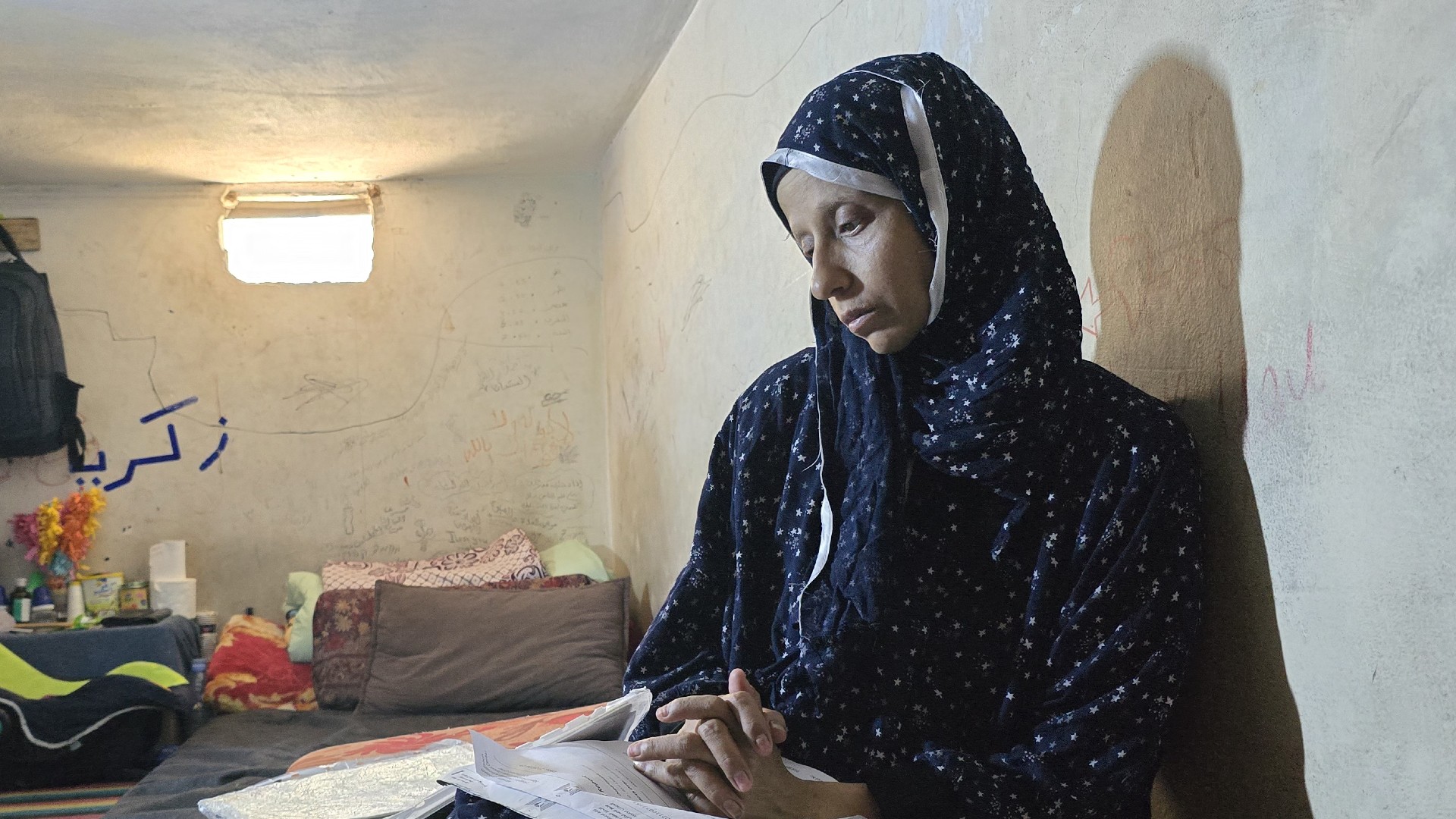
    Deep in the cramped, overcrowded space beneath a school staircase in Khan Younis, southern Gaza, 33-year-old Palestinian university professor Kholoud Abu Sahmoud waits helplessly as her late-stage liver cancer progresses out of control. Nine months after her diagnosis, what should have been a treatable condition has become a death sentence, cut short by a catastrophic shortage of life-saving medicine and a months-long bureaucratic blockade that has kept her trapped in the war-ravaged enclave.

    Abu Sahmoud received her devastating diagnosis just days after giving birth to her second child nine months ago. She completed 15 rounds of chemotherapy using the limited drugs available inside Gaza, but her condition has only continued to worsen. Unlike the targeted therapies she needs, the available medications have failed to shrink her tumor, only leaving her grappling with brutal side effects. “The chemotherapy never treated my cancer. It only caused my hair and nails to fall out,” she told reporters from Middle East Eye. “Almost every day, parts of my nails come off.”

    Nearly 10 months after a ceasefire halted large-scale active fighting in October 2025, Israeli authorities continue to enforce tight restrictions on the entry of all essential medical supplies into Gaza, including specialized oncology drugs, chemotherapy agents, antibiotics, anesthetics, diagnostic tools and surgical equipment. UN data from earlier this year shows that by March, 46 percent of all essential medications and 66 percent of critical medical consumables across the enclave were completely out of stock.

    This month, Gaza’s Palestinian Ministry of Health announced that most chemotherapy programs for common high-mortality cancers—including breast, colorectal, gastrointestinal, head and neck tumors, and sarcomas—have already been forced to stop entirely, as stockpiles of specialized cancer drugs dropped to critically low levels. Out of Gaza’s nearly 11,000 registered cancer patients, at least 4,000 have received formal medical referrals for urgent treatment outside the enclave, but remain stuck waiting for exit approval from Israeli or Egyptian authorities.

    Dr. Muhammed Abu Nada, director of the Gaza Centre for Cancer, told Middle East Eye that the current shortage is the most severe Gaza has seen in decades. “We have been forced to use some medicines that had already expired because of the severe shortages. Now even those have run out,” he said. “This is clearly increasing the mortality rate.” For existing patients, remaining stockpiles barely cover ongoing care, leaving no options for newly diagnosed cases. Facing empty drug cabinets, doctors have been forced to abandon evidence-based combination treatment protocols in favor of less effective single-drug regimens. “This obviously reduces the effectiveness of treatment, worsens outcomes and can lead to further complications,” Abu Nada explained. “We are also facing shortages of immunotherapy drugs, which further increases the risks for our patients.”

    Abu Sahmoud’s case is far from unique. Her medical referral for treatment abroad was approved just after her diagnosis, as clinicians confirmed the therapy she needs is not available anywhere inside Gaza. Doctors recommended she travel to Jordan or Turkey for targeted care, but nine months later, she remains trapped in Gaza, her health declining with each passing day. “Doctors told me the treatment I need is available in Jordan or Turkey, and there was no way to improve my condition here,” she said. “I’ve been waiting for urgent medical evacuation for nine months. My health deteriorates every day with this endless waiting.”

    Under longstanding regional medical protocols, Gazan patients who require specialized care unavailable locally receive referrals funded by the Palestinian Authority’s Ministry of Health, but final permission to exit through border crossings controlled by Israel or Egypt remains a mandatory prerequisite. Since the start of large-scale military operations in Gaza in October 2023, Israel has drastically limited the number of medical evacuations allowed out of the territory, leaving thousands of critically ill patients stranded without access to care that could save their lives.

    Four months after the October 2025 ceasefire, Israel partially reopened the Rafah crossing with Egypt for medical evacuations under a strict, tightly controlled system that caps the number of patients allowed to exit at just 50 per day, all subject to Israeli approval. As of June 30, only 1,655 patients have been evacuated since Rafah reopened in February, while more than 20,000 people—including 4,000 children—remain on the waiting list for urgent exit. Since October 2023, more than 1,570 critically ill patients have died while waiting for permission to leave Gaza for treatment.

    For Abu Sahmoud, the waiting game has already left her bedridden, unable to carry out even the most basic daily activities or care for her two young children, a five-year-old son and her nine-month-old daughter. She has lost 20 kilograms as fluid buildup in her abdomen leaves her unable to eat for days at a time, and she has not been able to hold her newborn daughter since she gave birth. “I cannot fulfil any of my responsibilities towards my children. Because of my illness, I have become bedridden,” she said. “I am dying slowly.”

    Like most Gazans, Abu Sahmoud has been forcibly displaced dozens of times since the war began, after her home was destroyed in Israeli attacks. She most recently lived in a makeshift tent in Mawasi al-Qarara, but the unsanitary, harsh conditions caused her health to decline even faster. She moved in with her displaced sister, who already occupies the cramped space under the staircase at Ahmed bin Abdul Aziz School, bringing the total number of people sharing the tiny space to 10. “The environment is completely unsuitable for someone in my condition. Even a healthy person would struggle to live here, let alone a cancer patient,” she said.

    Next to the thin mattress where Abu Sahmoud spends her days sits a small box of medication, carefully positioned out of reach of the rats that frequent the shelter. Beside it rests a cloth bag holding nearly 50 academic certificates, testaments to a career and academic journey cut short by war and illness. A self-described lifelong bookworm, Abu Sahmoud made history at the Islamic University of Gaza as the first student to complete a two-year master’s degree program in just 16 months, before going on to pursue a PhD and take a position as an assistant professor specializing in curriculum and instruction. “I love learning. My whole life has been devoted to education,” she said. “My dream was to become a professor and continue my academic journey beyond my PhD. I never wanted to stop learning. But the illness has taken all of that away from me. The hardest part is waiting for treatment, with no end in sight.”

  • Exclusive: Festival supporting rescued animals forced to cancel after UK Lawyers for Israel complaint

    Exclusive: Festival supporting rescued animals forced to cancel after UK Lawyers for Israel complaint

    A London-based vegan charity festival, organized specifically to raise funds for rescued animals, has been scrapped just weeks before its scheduled start following a formal complaint from a controversial pro-Israel lobbying group, UK Lawyers for Israel (UKLFI). Organizers have confirmed the event will not proceed in 2025 and will be rescheduled to 2027 at a new, undisclosed location.

    The Great Vegan Gathering was planned as a four-day long weekend event running from August 27 to 31 at Gilwell Park Scout Activity Centre, a popular outdoor venue owned by the UK Scout Association. Billed as a community-focused celebration of plant-based living featuring more than 50 musical performers, food vendors, educational talks, and practical workshops, the event was structured as a non-profit initiative with 100 percent of ticket sales and proceeds earmarked for donation to animal sanctuaries across the UK.

    In a statement released after the cancellation, festival organizers called the outcome deeply disappointing, noting that the venue withdrew its booking agreement solely after receiving correspondence from UKLFI, which organizers labeled an anti-Palestinian group with a well-documented history of targeting cultural events and grassroots organizations that express support for Palestinian rights. “We are devastated to announce that the Great Vegan Gathering will not be going ahead this year,” the spokesperson added.

    In its complaint to the Scout Association, UKLFI alleged that three performing acts booked for the festival held public records of promoting content it claimed was antisemitic, supportive of violence against Israelis and Jews, and capable of inciting racial hatred under the UK’s 1986 Public Order Act. The organization specifically named three bands: HAWXX, Active Slaughter, and Millie Manders and the Shutup, claiming that other acts on the lineup had also publicly aligned with anti-Israel campaigning, creating an unacceptable risk that the entire festival would become a platform for anti-Jewish hostility.

    All three named bands have forcefully rejected UKLFI’s allegations, pushing back against the claims in interviews with Middle East Eye (MEE), the outlet that first broke the story. JJ Maguire, lead singer of Active Slaughter, shared that his Jewish grandfather escaped Nazi persecution in Germany, though many of his grandfather’s family members were murdered in the Holocaust. Maguire explained that his family history inspired him to found a punk band rooted in rejecting far-right extremism in all its forms. He said he was appalled by UKLFI’s attack on pro-Palestine free speech, adding that it was morally indefensible to target a charity event dedicated to raising funds for animal rescue. One of the band’s most well-known tracks is titled “It’s Not Anti-Semitic To Hate Fascists”.

    Millie Manders, frontwoman of Millie Manders and the Shutup, who publicly described Israel’s military campaign in Gaza as genocide in a 2023 Facebook post, emphasized that her band’s support for Palestinian justice is rooted in a broader commitment to human rights and animal welfare that spans all communities. “My band and I are proud to support justice for all animals and humans. This includes opposing Israel’s genocide of Palestinians in Gaza, a position shared by millions of Christians, Jews, Muslims, Hindus, and atheists – people from every background,” Manders said. She added that the band has a long history of fundraising for humanitarian causes including Doctors Without Borders and trans advocacy organizations, and regularly hosts representatives from animal rights and mental health charities at their performances.

    HAWXX, the third named band, released a joint statement reaffirming its commitment to Palestinian solidarity, rejecting attempts to frame support for oppressed Palestinians as illegitimate. “To equate solidarity with the Palestinian people with anything but the pursuit of justice stokes conflict and disrupts efforts for peace,” the band said. “It puts the Jewish community at more risk and silences Palestinian voices. This is deeply disturbing. Free, free Palestine.”

    When contacted by MEE to elaborate on its allegations, UKLFI stood by its claims, pointing to HAWXX’s track “Resistance Is Justified”, arguing that the song’s title endorses violent resistance rather than peaceful political action in the context of the Israel-Gaza conflict. A review of the full lyrics by MEE found no explicit endorsement of violent acts. The organization also criticized Active Slaughter’s aforementioned track for accusing Israeli forces of killing for fun and planting weapons on injured Palestinian teenagers, and took issue with Millie Manders’ repeated public descriptions of Israel as genocidal, colonialist, and fascist.

    In a response to MEE’s questions, the Scout Association did not directly confirm whether UKLFI’s complaint prompted the cancellation, but issued a general statement confirming that the booking had been cancelled after a routine post-confirmation review. “Following the initial confirmation of the booking, we conducted a review into some actions taken by the event organisers. The review concluded that these actions were not consistent with Scout values or our venue hire policies,” the association said, adding that it is committed to maintaining inclusive, respectful environments at all its venues that align with its core organizational values.

    Founded in 2011, UKLFI has a long track record of leading campaigns to pressure and discredit UK-based individuals and organizations that criticize Israeli government policy or express solidarity with Palestinians. The organization is listed 128 times in the Britain Index of Repression, a database maintained by the European Legal Support Centre that documents systemic repression of Palestine solidarity activism across the United Kingdom. According to the centre’s analysis, UKLFI has played a key role in creating a “chilling environment” for Palestinian advocacy, where legal and public pressure prompts organizations to cancel or modify lawful pro-Palestine activity out of fear of legal consequences. The group most commonly operates by sending formal complaint letters, issuing legal threats, and applying public pressure to public institutions including schools, universities, and event venues, prompting them to cancel events or open disciplinary proceedings against organizers and participants.

    Middle East Eye, the outlet that first reported on this cancellation, provides independent, in-depth coverage of the Middle East, North Africa, and related global issues.