博客

  • 15 years in prison for father of US teenage school shooter

    15 years in prison for father of US teenage school shooter

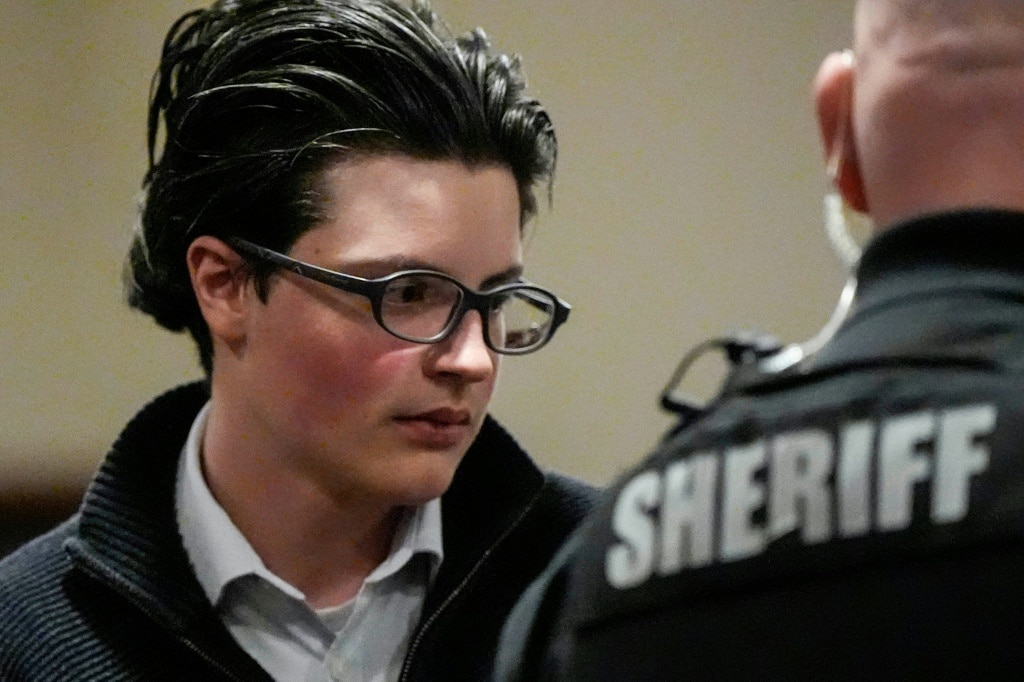
    In a historic ruling that amplifies national conversations around parental responsibility and gun access in the United States, a 55-year-old Georgia man has received a 15-year prison sentence for enabling his teenage son’s deadly 2024 school shooting that left four people dead. Colin Gray was found guilty by a jury in March of second-degree murder, involuntary manslaughter, and multiple additional charges connected to the attack carried out by his 16-year-old son Colt at Apalachee High School in Winder, Georgia.

    Court documents and courtroom statements reveal that Colin Gray gifted his son an AR-15-style semiautomatic rifle as a Christmas present in 2023, a decision that came despite explicit warnings that the teenager had previously threatened to commit a school shooting. Just months after receiving the weapon, Colt Gray carried out the September 2024 attack, murdering two 14-year-old students and two educators, and wounding nine other people. The shooter pleaded guilty to all charges earlier this week and was sentenced on Tuesday to life in prison without any opportunity for parole.

    During Thursday’s sentencing hearing, Superior Court Judge Nicholas Primm emphasized that the conviction was not rooted in Colin Gray’s broader failures as a parent, but in his deliberate disregard for clear red flags. “It is clear you failed as a parent. You did not provide a stable household. You didn’t have him in school. None of those failures helped your case,” Primm told the defendant. “But those aren’t why you were convicted. You were convicted because the warning lights were flashing brighter and brighter and you didn’t get him help and you didn’t remove his access to the guns.”

    This case marks a pivotal turning point in the national debate over gun regulation and accountability for school shootings, a crisis that has grown increasingly pervasive in the U.S. Currently, the total number of firearms in circulation across the country outnumbers the total population, and regulatory restrictions on access to powerful military-style rifles remain extremely lax. While parental liability in mass casualty school shootings has only recently begun to draw widespread legal and public scrutiny, this conviction builds on a landmark 2024 ruling in Michigan.

    In that 2021 case, Jennifer and James Crumbley, the parents of a Michigan teenager who murdered four people at Oxford High School, became the first parents of a school shooter to be convicted of involuntary manslaughter for their child’s actions, receiving sentences of 10 to 15 years in prison. Colin Gray’s conviction is unprecedented in U.S. legal history: legal experts confirm he is the first parent of a school shooter to be charged and convicted of murder for their role in enabling their child’s attack.

  • ‘So much chaos’: Api Koroisau gives his take on the Adam Doueihi drama as Tigers star prepares for major milestone

    ‘So much chaos’: Api Koroisau gives his take on the Adam Doueihi drama as Tigers star prepares for major milestone

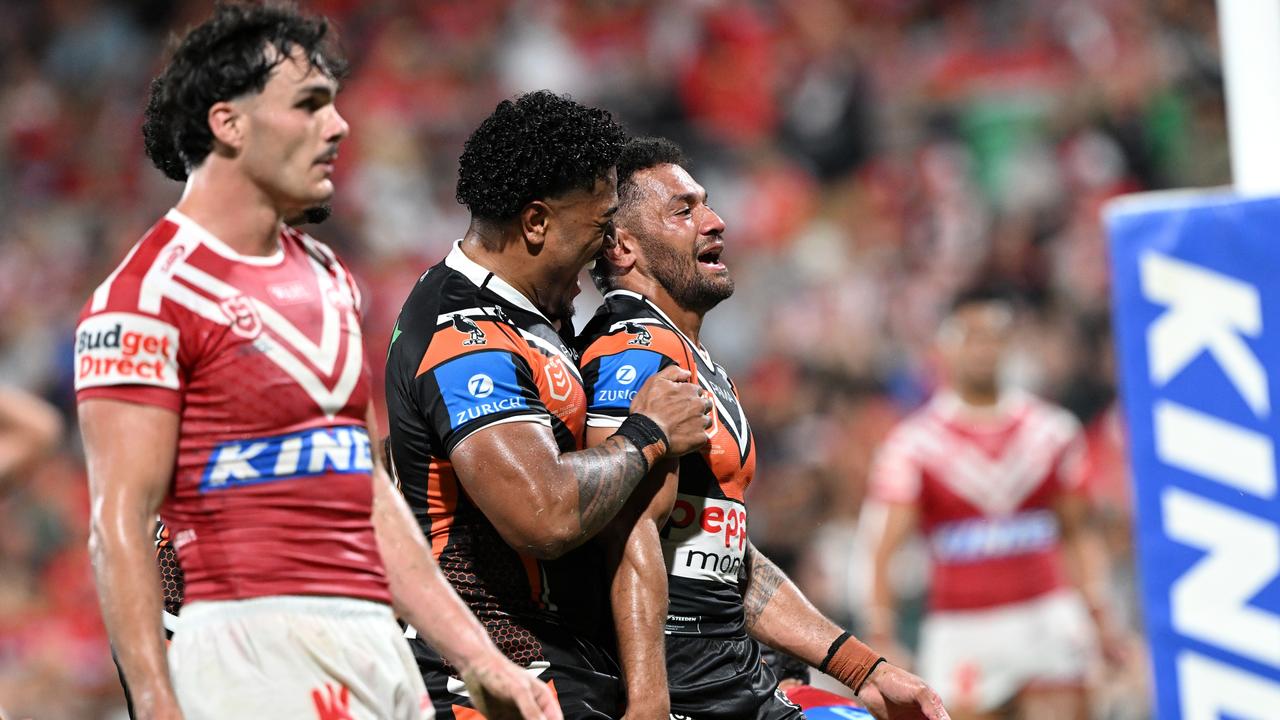
    This weekend, National Rugby League (NRL) veteran Api Koroisau is set to hit one of the sport’s most respected career milestones: his 250th top-flight appearance. But instead of letting the hooker take the spotlight, all eyes have shifted to ongoing internal drama involving halfback Adam Doueihi that has thrown the struggling Wests Tigers further into the headlines.

    Koroisau, a 3-time premiership winner and Fijian international, concedes he can barely recall fragmented moments from his very first NRL game. Ahead of Sunday’s clash against the Parramatta Eels, he says he is determined to set aside the chaos of the past few weeks to focus on marking his career milestone with a much-needed win. Benji Marshall’s Tigers side have slumped to a six-match losing streak, sitting second-last on the 2024 NRL ladder. Off the field, the club has been roiled by reports of friction between Doueihi and coaching staff after the halfback opted to sit out last week’s loss to Canberra.

    The conflict was addressed publicly by both Doueihi and Marshall earlier this week, and Koroisau shared his perspective on the standoff during a media briefing Friday morning. According to the veteran hooker, the issue has been resolved internally among the playing group. “I think it’s been dealt with pretty well behind closed doors,” Koroisau said. “I think he’s good. I think the boys have been really receptive towards him as well and I think you guys saw him training the other day, so we just sort of dealt with that. It was between us and Adam and we’ll probably just leave it there.”

    For a club that has dominated rugby league headlines for all the wrong reasons in recent weeks, Koroisau says the only path to silencing external noise is through on-field results. “For us it’s just been so much talk and there’s been so much chaos, so for us it’s about going out there this weekend and putting on a performance. That’ll be the biggest factor in all this,” he explained. “I think rugby league is built on that. And if we go out there and have a good performance, I’m sure it’ll all quiet down.”

    Despite the off-field speculation, Koroisau insists the culture within the Tigers’ locker room has improved over recent seasons, adding that the playing group remains unified despite external criticism. “It (the culture at the Tigers) definitely has (improved). There’s a lot of noise and everything that comes from the outside, but us, in these four walls, we’ve been pretty good. And the boys are sticking solid with each other.”

    Sunday’s match will double as a celebration of Koroisau’s decorated 10-year career, which includes premiership titles in his rookie 2014 season, 2021 and 2022. The 2014 title remains one of the most iconic moments of his career: he was called into the grand final side at the last minute to replace suspended starting hooker Issac Luke, and walked away a champion. “It was all a bit surreal. I still think about it now,” he recalled. “You never know when it’s going to be your opportunity and I just sort of had to do my part for the team in that one, but it was definitely a crazy story.”

    Now a veteran leader at the Tigers, Koroisau says his core approach to the game has not changed over his decade in the NRL, even as he has added new tactical tricks to his gameplay. “I don’t know if much has changed (for me as a player). I just try to get a bit more trickery in my game and build on that. I still love putting my body on the line and just defending and going out there.”

    Three years ago, Koroisau made the high-profile decision to leave powerhouse side Penrith Panthers, where he won two premierships, to join the rebuilding Tigers. Penrith have gone on to win two more consecutive titles since his departure and are heavily favored to claim a fourth straight premiership in 2024. Even with the Tigers’ ongoing on-field struggles and off-field chaos, Koroisau says he has never regretted his choice to move to the Sydney club. “I’d still take it (and wouldn’t) change anything, even with everything that’s gone down,” he said. “I love this place and I love the boys that are here, and anything I can do to help them. I definitely would still take it knowing everything that was to come.”

  • Houthis consider imposing fees for Red Sea passage: Report

    Houthis consider imposing fees for Red Sea passage: Report

    As geopolitical fault lines across the Middle East deepen, Yemen’s Houthi movement is developing a plan to levy new fees on commercial maritime traffic transiting the strategic Bab el-Mandeb Strait, multiple regional sources have confirmed to Reuters. This emerging policy shift comes against a backdrop of already heightened tensions across the Red Sea and Persian Gulf, reshaping global energy transit routes and challenging Western military presence in the region.

  • BHP faces $120m loss as unions plan 24-hour Pilbara strike

    BHP faces $120m loss as unions plan 24-hour Pilbara strike

    Major Australian mining conglomerate BHP is on the brink of new operational disruptions at its iron ore facilities in Western Australia’s Pilbara region, after a coalition of trade unions formally notified regulators of planned 24-hour work stoppages set to kick off in early August. The industrial action comes after months of slow-moving, unproductive negotiations over a new enterprise bargaining agreement, with union leaders accusing BHP management of using deliberate stalling tactics to avoid addressing worker demands.

    Unions have officially filed industrial action notice with Australia’s Fair Work Commission, scheduling a two-stage stoppage for August 8 and 9. On August 8, workers will implement a full 24-hour ban on all ship loading operations at Pilbara ports. From 5:30 a.m. local time on August 9, all site workers will down tools for a further 24-hour work stoppage, unless BHP agrees to return to good-faith negotiations before the deadline.

    The financial impact of even a single 24-hour stoppage in the Pilbara is substantial: industry estimates put BHP’s lost revenue at roughly $120 million per day of halted operations, while the Western Australian state government stands to lose approximately $6.85 million in foregone mineral royalty payments each day work is stopped.

    The joint union action is led by the Combined Port Unions, which counts the Electrical Trade Union (ETU) and the Australian Manufacturing Workers Union (AMWU) among its member organisations, alongside the Western Mine Worker Alliance. Union representatives unanimously criticized what they describe as the “glacial pace” of talks with BHP leadership, saying the company has dragged out negotiations for months without meaningful progress.

    Craig Beveridge, a spokesperson for the Western Mine Worker Alliance, said BHP has had ample opportunity to engage in good-faith collective bargaining but has instead prioritized delay and obstruction. “Our members are fed up and ready to fight harder and longer, if that is what it takes to secure a fair and reasonable agreement,” Beveridge stated. “BHP rakes in billions of dollars in profits each year, thanks to the hard work and dedication of our members. It’s only right that they receive their fair share.”

    Adam Woodage, state secretary of the WA branch of the ETU, expanded on worker frustrations, noting that BHP posted a staggering $15 billion in net profit last year. Despite that massive windfall, Woodage said the company is pushing a controversial pay proposal that includes a “false floor” structure that would cut base pay below what workers currently earn, while offering unregulated off-agreement backdoor payments that lack transparency.

    “That isn’t a real agreement. It isn’t fair or transparent,” Woodage said. “The people who enable this company’s exorbitant profits are sending a message with this action: We want an honest deal, in black and white, and we are not going to entertain what the company is pushing.”

    If the planned strike goes ahead, it will mark the second round of industrial action at BHP’s Pilbara operations in just two months. In mid-July, 100 workers walked off the job for an eight-hour stoppage to protest the stalled negotiations. BHP has not yet issued a public response to the latest strike notice, and requests for comment from the company remain unanswered as of press time.

    Federal government minister Matt Keogh, speaking to reporters, acknowledged that the breakdown in talks is disappointing, but noted that worker frustrations stem from BHP’s failure to engage in meaningful negotiations. “I understand that this strike action is because the workers there feel that the employers are not engaging with them properly in the negotiations,” Keogh told media. “We want to see good negotiated outcomes, enterprise agreements to support the workforce, support business, and the best outcome for Australia.”

    Keogh also highlighted the unique challenges Pilbara mining workers face, including long-distance rotational rosters that require extended periods away from home, alongside broader cost-of-living increases that have put extra pressure on worker wages across the country. “It’s important that workers are able to do that when they’re in the process of bargaining,” he said. “But we want to see the employers properly engaging with their workforce to get to good outcomes.”

  • Trump announces agreement for disarmament of Hamas

    Trump announces agreement for disarmament of Hamas

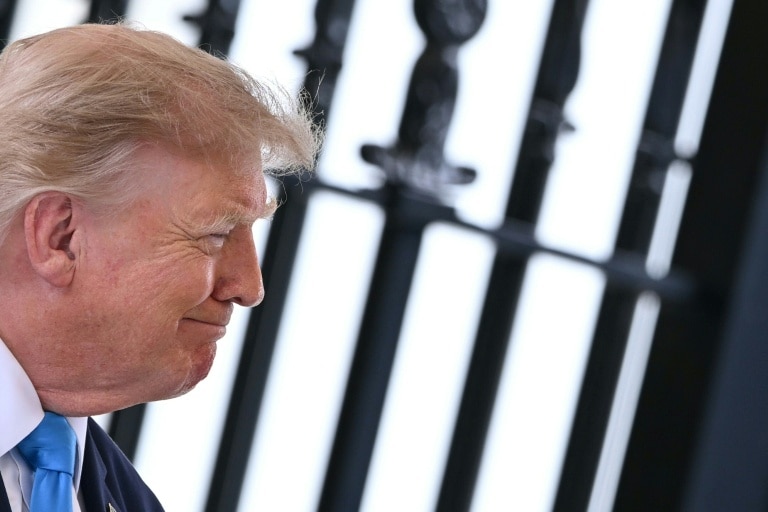
    In a dramatic development for Middle East peace efforts, former U.S. President Donald Trump announced Thursday that Hamas has reached a landmark agreement to fully disarm in Gaza, framing the deal as a pivotal breakthrough toward establishing a new unified Palestinian government in the war-torn enclave.

    Senior Hamas officials confirmed to Agence France-Presse that the tentative deal with Israel includes binding provisions addressing the future of the group’s weapons arsenal and maps out a timeline for the gradual withdrawal of Israeli military forces from the Gaza Strip. A senior anonymous Hamas official stated, “An agreement has been reached regarding the issue of weapons… Furthermore, an agreement has been reached on a gradual withdrawal of (Israeli forces)” from the coastal territory.

    As of Thursday, Israeli officials had not issued any immediate public comment on the announcement. Trump’s confirmation follows reports from anonymous sources close to mediated negotiations in Cairo, who told AFP that the Palestinian Islamist movement had made substantial progress toward a deal that would require the full decommissioning of all its military capabilities.

    Posting to his Truth Social platform, Trump wrote: “Today, the Board of Peace reached a HISTORIC agreement for the COMPLETE DISARMAMENT of Hamas and all other armed groups in Gaza. This is a monumental step toward lasting PEACE and SECURITY.” He added that the disarmament process would unfold in “carefully structured phases.”

    He went on to outline the next steps of the plan: “As disarmament is completed, Israeli forces will withdraw, and the International Stabilization Force will work with a new Palestinian police force to take responsibility for Gaza being safe for its residents and its neighbors.” Trump also extended public thanks to mediation teams from Egypt, Qatar, and Turkey, who have facilitated months of backchannel talks.

    The question of Hamas disarmament has long been one of the most intractable sticking points in advancing the existing ceasefire between Israel and Hamas, which has been in place in Gaza since October. Even with the ceasefire in effect, low-level violence has persisted across the enclave: on Thursday alone, Israeli airstrikes killed at least four Palestinians, including two children, according to local Gaza health officials.

    Early Friday, Egypt’s state-linked outlet Al-Qahera News reported that Cairo would host a new round of talks between truce mediators “soon.” The delegation of mediators includes representatives from the United States, Qatar, and Turkey, in addition to Egyptian hosts. While the outlet did not share a specific date for the gathering, it confirmed the meeting will focus on implementing the second phase of the existing Gaza ceasefire plan, a roadmap that Hamas and all major Palestinian factions have already signaled their approval of.

    The second phase of the ceasefire, as laid out in Trump’s 20-point Gaza peace framework, requires Hamas disarmament and the gradual drawdown of Israeli forces from all occupied areas of Gaza. The plan also establishes a transitional governing body made up of independent Palestinian technocrats, the National Committee for the Administration of Gaza (NCAG), which will oversee day-to-day governance of the enclave during the post-war transition period.

    In off-the-record comments to AFP, an anonymous senior diplomatic source detailed the core terms of the agreed implementation roadmap: “We continue to advance the implementation roadmap that offers a balanced and pragmatic path forward, with all weapons decommissioned and a phased transition of responsibilities taking place to hand over full authority to the technocratic government.”

    The source emphasized that there would be no carve-outs for any faction or weapons system: “no exceptions for certain weapons or certain people. One authority, one law, one weapon.” The roadmap also includes a formal process to locate and destroy all smuggling tunnels, weapons storage depots, and illicit weapons manufacturing facilities operating across Gaza, the source added.

    “All weapons, heavy and light, will be under full control of the NCAG in coordination with and with the support of the ISF,” the source said, referring to the International Stabilisation Force, a new multinational security body created under the Trump-led Board of Peace framework. A formal independent verification mechanism will be put in place to ensure full compliance from all parties to the agreement, the source confirmed.

    A Hamas official familiar with the negotiations told AFP earlier this week that the movement is “awaiting the Israeli response to the amendments we recently submitted to the mediators.” The amendments focus on two specific articles of the original roadmap presented by the Board of Peace, the official said. Regarding the section focused on weapons disarmament, the official noted that “some points were removed, and alternatives were proposed.”

    Yet the proposed deal has yet to win Israeli endorsement: an anonymous Israeli political source told AFP that the current text does not “satisfactorily” address core Israeli national security demands. “Israel demands the complete disarmament of Hamas, including the removal of weapons from Gaza and full demilitarization of the Strip as a precondition for any process,” the source said. The source also added that “the issue of Gaza did not come up at all” in this week’s White House meeting between Israeli Prime Minister Benjamin Netanyahu and Trump in Washington.

  • Trump considers pulling Todd Blanche’s attorney general nomination as senators hold out

    Trump considers pulling Todd Blanche’s attorney general nomination as senators hold out

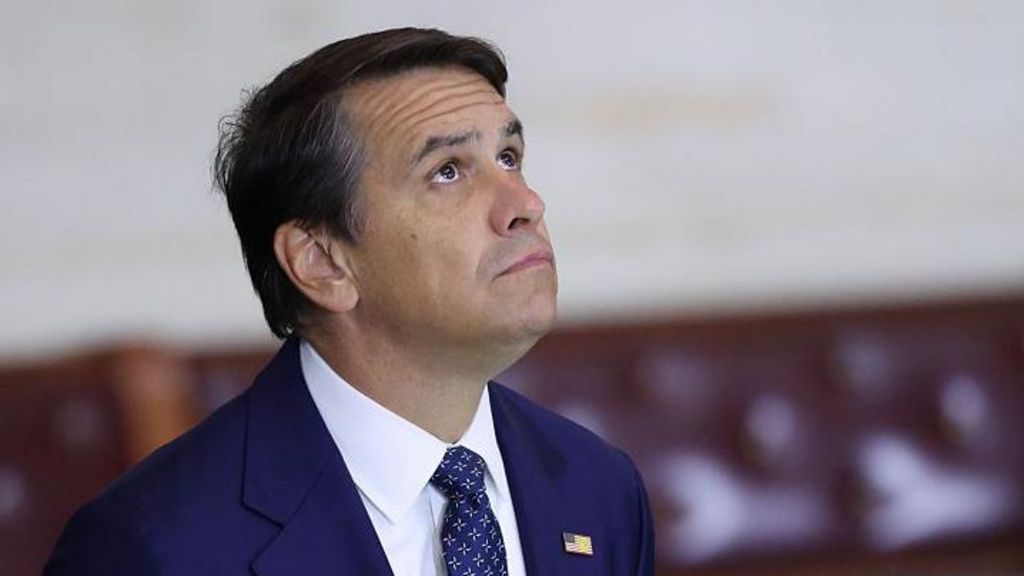
    A high-stakes political standoff has stalled the confirmation of Todd Blanche, the acting United States Attorney General, for the permanent post, as former President Donald Trump floats a controversial plan to temporarily pull his nomination and reintroduce it after two opposing Republican senators leave office.

    Blanche, who has filled the role of the nation’s top law enforcement officer in an acting capacity since April, requires full backing from all Republican members of the Senate Judiciary Committee to move his confirmation forward. But two GOP senators—John Cornyn of Texas and Thom Tillis of North Carolina, both of whose current terms end in January next year—have refused to support his nomination over a scrapped $1.8 billion compensation plan for allies of Trump.

    The fund, labeled the “anti-weaponization fund” by the Trump administration, was created earlier this year to resolve a personal lawsuit Trump filed against the Internal Revenue Service over the unauthorized leak of his confidential tax returns. If enacted, the fund would have allowed Trump associates to file claims for financial compensation for what they frame as politically biased prosecutions carried out during prior Democratic administrations. The proposal sparked immediate bipartisan backlash from lawmakers on both sides of the aisle, who criticized it as a misuse of federal funds for political favor. Blanche, who led negotiations for the plan, ultimately walked away from the deal, and a federal judge later formally blocked the fund, ruling it raised serious concerns over violations of federal ethical guidelines.

    Now, Cornyn and Tillis are demanding a written guarantee from Blanche that the Department of Justice will not revive the fund at any point in the future. As of press time, the Trump administration has not issued that public commitment. Blanche held a closed-door meeting with the two senators on Thursday, but no details of a potential agreement have emerged. Tillis laid out his opposition publicly, saying “The only logical conclusion I can draw from this setback is that, in fact, there is somebody who wants to enable [the fund] at the right time. This is unacceptable.”

    Trump, for his part, has issued a blunt response to the blockade, saying he is open to temporarily withdrawing Blanche’s nomination if the two senators do not reverse their position, with plans to re-nominate him after their terms end in January. But Trump’s proposal faces a major, immediate obstacle: Democrats are widely forecast to flip control of the Senate in November’s midterm elections, which would all but kill any chance of confirming Blanche after the new Congress is seated.

    Under current federal rules, acting officials can hold vacant cabinet positions for up to 210 days, and may continue to serve in an acting capacity while the Senate confirmation process remains ongoing. That means even if Democrats retake the Senate majority in November, Blanche could theoretically retain his post as Attorney General for a prolonged period.

    Current polling forecasts show Democrats are heavily favored to flip the U.S. House of Representatives, but the battle for Senate control remains far closer. In North Carolina, Democratic candidate Roy Cooper holds a consistent lead over his Republican challenger in the race to replace Tillis. In Texas, Cornyn was already ousted in the Republican primary by state Attorney General Ken Paxton, who earned a public endorsement from Trump. Paxton, who has faced multiple high-profile ethics scandals over his career, will face Democratic candidate James Talarico in November, with polling showing the race is currently a toss-up.

    This blockade marks the latest instance of Trump’s cabinet nominees facing opposition from within his own party. In November 2024, Trump initially tapped former Congressman Matt Gaetz for the Attorney General post, but was forced to scrap the nomination within days over widespread Republican opposition. Two of Trump’s nominees to lead the Centers for Disease Control and Prevention have also failed to secure enough support for confirmation in the Senate.

  • Nirmal Purja among 10 climbers feared missing after avalanche

    Nirmal Purja among 10 climbers feared missing after avalanche

    In a developing breaking emergency unfolding on one of the world’s most formidable high-altitude peaks, a 10-person international mountaineering expedition led by legendary Nepal-born climber and former British Royal Marine Nirmal Purja has been unaccounted for following a sudden avalanche on Pakistan’s Broad Peak.

    The destructive snow slide hit the climbing team around midday local time Thursday on the 8,047-meter mountain, located in Pakistan’s remote Karakoram mountain range, according to local Pakistani mountaineering authorities. In the hours since the avalanche struck, no contact has been reestablished with any member of the group, leaving rescue teams and the global mountaineering community deeply concerned.

    The expedition includes climbers of four nationalities: one American, one Chinese, one Omani, and five Nepali expedition members, alongside team leader Purja. Purja, one of the most high-profile high-altitude climbers of his generation, rose to international fame in 2019 for completing a historic feat: summiting all 14 of the planet’s peaks that exceed 8,000 meters in elevation in just over six months, a breakthrough achievement that redefined what was considered possible in elite alpinism.

    A former service member with the British Armed Forces, Purja’s path to becoming a world-famous climber began in 2003 when he enlisted in the British Army, earning a place in the Royal Marines in 2009. His professional climbing career launched unexpectedly in 2012, when he trekked to Everest Base Camp and made the spontaneous decision to continue upward to summit the world’s highest peak, launching his legendary career.

    Broad Peak, the 12th highest mountain on Earth, is widely recognized as one of the most technically challenging peaks for high-altitude expeditions, even in the best climbing conditions. Right now, rescue teams are preparing to launch a large-scale search operation, with aerial helicopter search efforts planned as soon as weather conditions in the region are stable enough to permit flight.

    The Alpine Club of Pakistan, the national governing body for mountaineering in the country, confirmed in an official statement Thursday that it has maintained constant coordination with Pakistani government agencies to launch an immediate search and rescue response. “Every possible effort is being made to secure helicopter support, and all available resources have been mobilized at the earliest opportunity,” the organization said. The statement concluded: “The Club prays for the safety and successful rescue of all the climbers and stands in solidarity with their families and the international mountaineering community during this difficult time.”

    This is an ongoing breaking news story, with new details expected to emerge as search operations progress. Readers can access the latest updates through the BBC News mobile app, or by following BBC Breaking on the social platform X.

  • Watch: Moment empty building collapses in New York

    Watch: Moment empty building collapses in New York

    A dramatic surveillance video has captured the startling moment an empty, unfinished building gave way and collapsed in New York, sending chunks of concrete and other construction debris spilling across a nearby public roadway.

    The structure, which was still in the active construction phase when the incident occurred, collapsed inward and outward in a matter of seconds, according to the footage. No workers or bystanders were inside the building at the time of the collapse, and there have been no immediate reports of injuries linked to the incident. Local emergency response teams were dispatched to the scene shortly after the collapse to secure the area, clear debris from the road, and launch an investigation into what caused the structure to fail. Authorities have cordoned off the surrounding neighborhood to prevent unauthorized access while inspections are ongoing.

  • Geelong coach Chris Scott says free kick count ‘very strange’ in win over Collingwood

    Geelong coach Chris Scott says free kick count ‘very strange’ in win over Collingwood

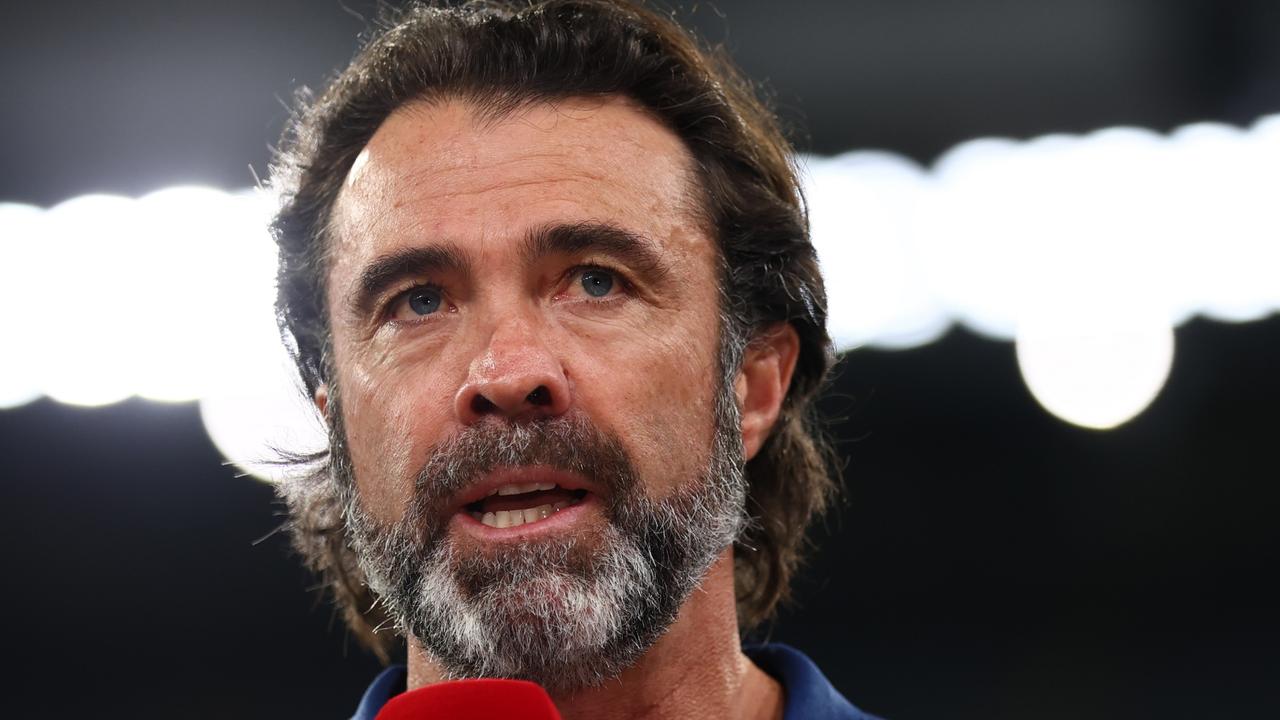
    Despite a dominant 25-point victory over Collingwood at the Melbourne Cricket Ground on Thursday night, Geelong Cats head coach Chris Scott has not shied away from calling out one of the most imbalanced free kick tallies recorded at the venue this AFL season.

    The final free kick count told a striking story: Collingwood, the Cats’ opponent, was awarded 24 free kicks over the course of the match, while Geelong was called for just seven – a 17-free-kick advantage for the Magpies that left Scott confused and frustrated in his post-match press conference.

    The second half saw the disparity grow even starker, with Collingwood holding a 12-2 edge in free kicks as the Magpies mounted a comeback attempt. That comeback effort came after Geelong got off to a blistering start, kicking nine of the match’s opening ten goals to build an unassailable early lead.

    Scott told reporters that while the 24 free kicks awarded to Collingwood did not raise major red flags for him, the fact his side only earned seven struck him as deeply irregular. “We’ve had a few games like that this year, and if it’s like 7-12, it’s like okay it’s just put the whistle away night,” Scott explained. “I will bring up one issue that’s been confusing for everyone. When you have one umpire 12m away with a perfect view and he gets overruled, that’s strange.”

    Beyond the officiating controversy, Scott addressed broader team questions heading into the closing stretch of the AFL regular season. Star midfielder Patrick Dangerfield missed Thursday’s clash with a lingering injury, and Scott clarified that the club was holding Dangerfield out of the lineup not because he was physically unable to play, but because coaching staff would not rush him back until he is fully prepared to perform at his best. “He’ll come back into the team at some stage, but we’re not going to bring him back when we think he’s not ready to play his best,” the coach said.

    Scott added that even with the strong win, the 16th-year head coach believes his squad still has plenty of room to improve as they enter the latter part of the campaign. Two other key Cats stars – Max Holmes and Jeremy Cameron – remain sidelined with injury, but Scott said the club remains optimistic that both will be able to return to action before the end of the season.

    The pivotal win over Collingwood has already moved Geelong up the AFL ladder, catapulting the side from ninth place to a provisional fifth spot in the standings. Geelong still has three remaining regular season games, all scheduled against teams currently ranked outside the top 12, giving the Cats a strong path to solidify their position in the top eight and qualify for the finals series.

  • Chaos at London court as over 1,500 Palestine Action cases listed in one day

    Chaos at London court as over 1,500 Palestine Action cases listed in one day

    A logistical and procedural crisis descended on London’s Westminster Crown Court Thursday, as more than 1,500 defendants facing terrorism-connected charges related to pro-Palestine protests were summoned for hearings amid conflicting guidance, widespread confusion, and widespread criticism of the UK government’s ban on the direct action group Palestine Action.

    The chaos unfolded after hundreds of defendants had already received formal notifications that their trials, originally scheduled for July 30, would be adjourned until October. Yet despite the adjournment notices, court records published Wednesday listed all 1,579 cases for hearing on July 30 at Westminster Crown Court, leaving defendants with contradictory instructions about whether they were required to attend. One letter obtained by independent news outlet Middle East Eye simultaneously ordered a recipient to “must attend” the July 30 hearing, then immediately instructed them “Please do not attend court” on that same date.

    Defend Our Juries (DOJ), a campaign group supporting the defendants, argues that this systemic confusion is a direct symptom of the disorder created by the government’s 2025 proscription of Palestine Action, which has pushed the UK’s criminal justice system into a state of “complete meltdown”. In a parallel development Thursday, the UK Supreme Court ruled that Palestine Action could legally challenge the ban, which was first implemented by former Prime Minister Keir Starmer’s administration in July 2025. Since the proscription took effect, thousands of people have been arrested over the past year, most simply for holding placards or wearing clothing expressing solidarity with the group.

    Court records obtained by Middle East Eye show a printed list of roughly 2,000 cases spanning 82 pages pulled from the CourtServe listings service, with multiple defendants listed multiple times under different spelling variations of their names. When dozens of defendants traveled to London to attend their scheduled hearings Thursday, they wandered the court grounds with their conflicting notices, receiving inconsistent explanations from court staff. One defendant reported her hearing was assigned to a courtroom that does not exist at the Westminster complex. Upon arrival, attendees were generic “To Whomever It May Concern” leaflets stating all cases had been adjourned to October 26 for an administrative directions hearing, and that no attendance was required.

    “That is crazy. That’s not how the court system is meant to work,” said Tim Crosland, a former government lawyer representing the defendants. “What a court normally does is send a clear letter to every person with a hearing, telling them exactly when and where to appear. That’s basic court communication, not generic flyers handed out to random people at the door. If you’re facing a terrorism charge, you have a right to be present for your case — you don’t want prosecutors discussing the future of your case without you there. It looks like the court is trying to avoid the logistical problem of hundreds of people arriving at once by turning the entire process into a mass-produced sausage machine, with no respect for individual cases.”

    Middle East Eye reached out to the Crown Prosecution Service for comment ahead of publication, but received no response. Late Wednesday, London’s Metropolitan Police issued a public statement dismissing a planned protest outside the court as “nonsensical”, claiming no Palestine Action-related hearings would take place Thursday. In response, DOJ sent a formal letter to the Met demanding clarity on the source of the police’s information, arguing that “if court hearings have been postponed, that fact should be communicated by the court to the parties directly, not via a police statement the evening before the hearing.”

    Multiple defendants who spoke to Middle East Eye, many of whom requested anonymity for legal reasons, described the deep disruption the charges and procedural chaos have caused to their daily lives. Steve, who traveled from Norwich for an 11 a.m. hearing, only to be told he did not need to attend, said: “That’s very polite of them, but I can’t imagine any other circumstance where they charge you with a crime — especially terrorism — and just tell you not to bother showing up.” Another defendant, Tony, said he had received multiple overlapping notices that said “the defendant need not come to court but they may do so if desired.” He added: “If you’re going to call me a terrorist, at least treat me like one and let me attend my own hearing.” Tony explained that the pending terrorism charge already bars him from traveling to the U.S. to visit family, and has damaged his ability to secure new contracts as a self-employed contractor.

    Bernie and Heather traveled eight hours from mid-Wales to attend their hearings, after booking accommodation and receiving an initial adjournment notice, only to see their names reappear on the final court listing Wednesday. Marji, a 69-year-old DOJ spokesperson who traveled two hours from Chichester, told reporters she was listed for three separate hearings under two different spellings of her name, and held a court letter that simultaneously required her attendance on July 30 and forbade it. “I am legally entitled to attend every one of my hearings,” she said. “They say there is a hearing listed, they say I have a right to speak at every hearing, but they won’t let us in. Is this a secret court?” Miriam, a self-represented defendant from east London, faces five separate charges under the Terrorism Act, only received adjournment notices for three, and saw four of her five cases listed for Thursday. “I came because it’s all unclear, but also because I strongly object to the adjournment,” she said. “I don’t have a lawyer, I’m representing myself, so I need to be here in person to follow what’s happening.”

    Clive Dolphin, a DOJ spokesperson, called the court’s mass handling of the cases unlawful. “There has been no clear individual communication to defendants. The court seems to be treating this as a single block booking, but that is not how justice works. All these cases are different, they involve different people in different circumstances. Under Section 13 of the Terrorism Act, an offense is only committed if the display of support arouses reasonable suspicion of membership — the circumstances of one person holding a sign are not the same as another. You cannot round up hundreds of people, treat them all as a single group, and arbitrarily move their hearings en masse. That is not how the justice system is supposed to operate.”

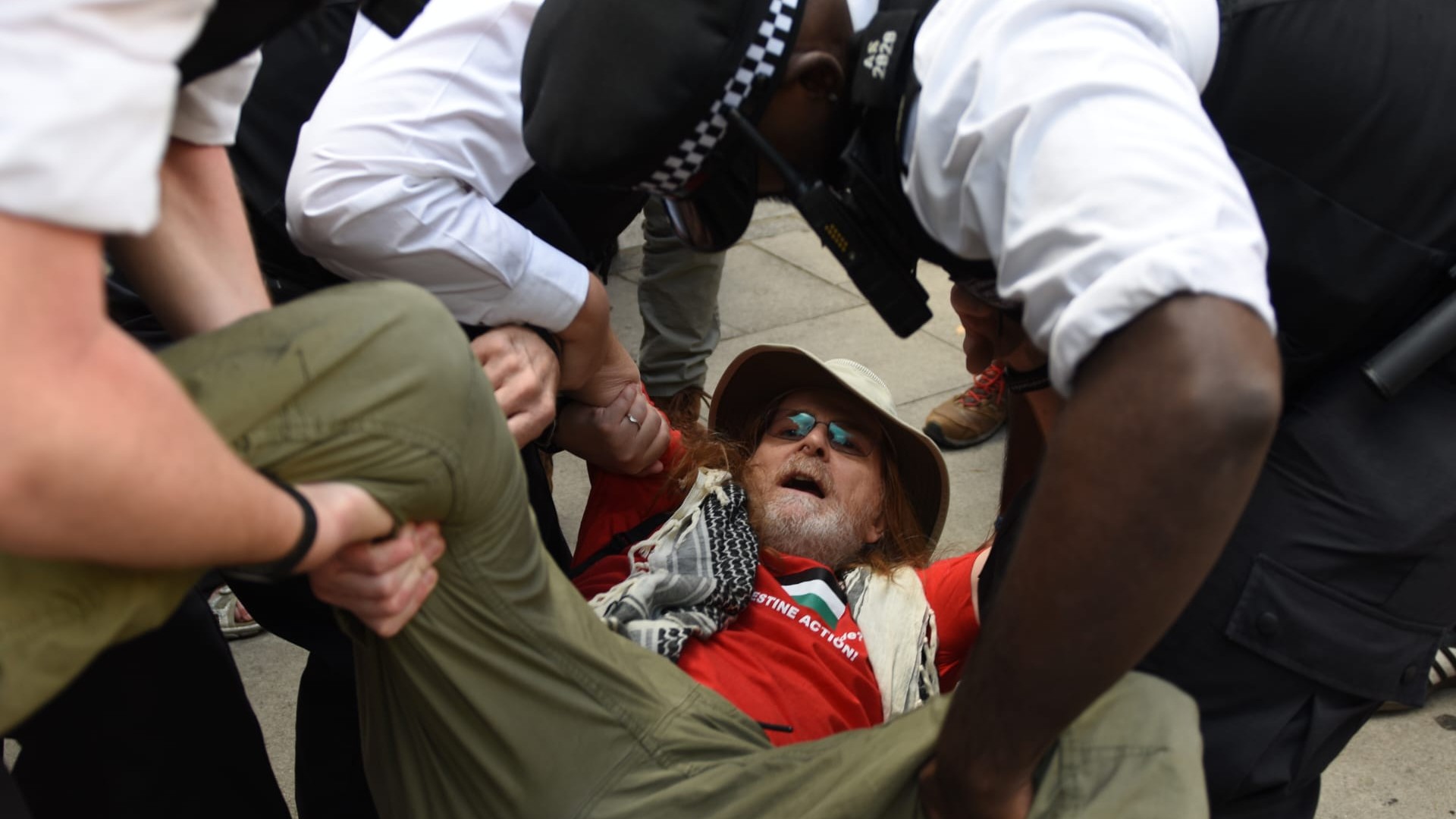
    Outside the court, police arrested 77 people after around 200 protesters staged a sit-in, where they planned to read statements supporting Palestine Action, a act that can carry charges under Section 12 of the Terrorism Act — a more severe offense than the Section 13 charges most defendants face, that carries a maximum 14-year custodial sentence for inviting support for a proscribed organization. The Metropolitan Police confirmed most arrests were for expressing support for a proscribed organization, with four additional arrests for encouraging criminal offending. DOJ reported that two people were arrested a day early simply for setting up a podium for speakers, and that police were arresting people based solely on proximity to the protest, even if they had not expressed support for Palestine Action.

    Among those arrested was Sir Jonathan Porritt, former director of Friends of the Earth and former Green Party co-chair. In footage shared on social media platform X, Porritt can be heard saying as he is escorted away by officers: “I am a supporter of Palestine Action. Trying to save lives is not terrorism. Exposing this government’s complicity in genocide is not terrorism.”

    Human rights organizations have sharply condemned the use of counterterrorism legislation against peaceful protesters. Thomas Bell, acting UK director at Human Rights Watch, said: “Using terrorism legislation to arrest people, many of them older, just for peacefully supporting a direct-action protest group, is making a mockery of justice. Using counterterror powers to suppress dissent goes against core democratic values, and harms freedom of expression and assembly in this country. Prime Minister Andy Burnham must order a full reset. The government needs to end the misuse of terrorism powers and re-examine the pile of hardline anti-protest laws passed in recent years.”