博客

  • Danube’s record low levels force shutdown of Hungary’s only nuclear plant

    Danube’s record low levels force shutdown of Hungary’s only nuclear plant

    A historic climate-fueled drought has pushed water levels in the Danube, Europe’s second-longest river, to their lowest point in decades, triggering cascading energy disruptions, shutting down key nuclear infrastructure, and halting shipping across multiple Central and Eastern European nations this summer. What began as a gradual drop in water levels amid months of below-average rainfall and a sustained record-breaking heatwave has escalated into a full-blown energy and transportation crisis, with implications that underscore the growing vulnerability of European infrastructure to accelerating climate change.

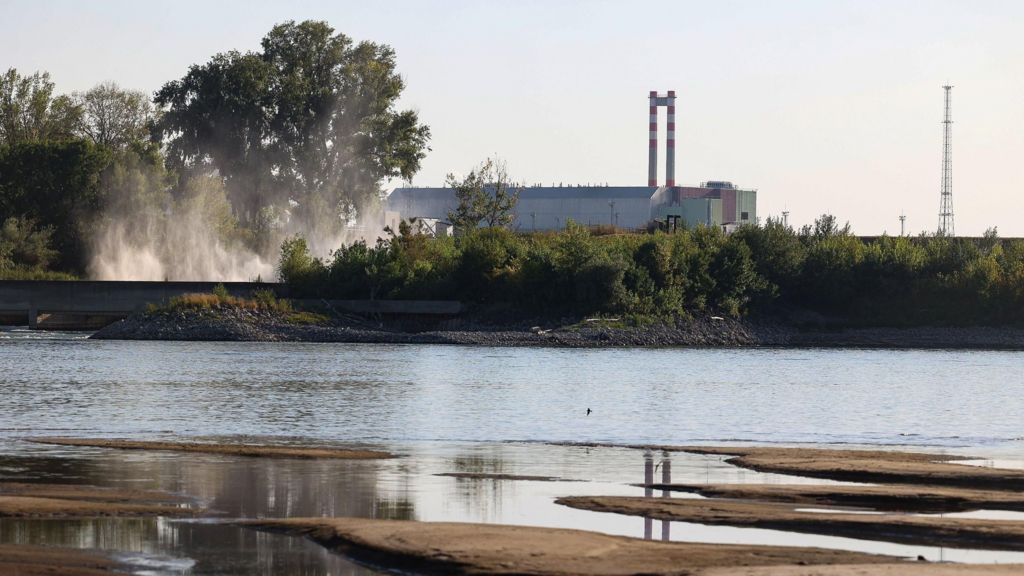
    Hungary’s prime minister, Péter Magyar, announced last week that the country’s only nuclear power plant, the Soviet-era Paks facility, will be forced into a complete, temporary shutdown for the first time in its history. The plant relies on Danube water to cool its reactors, but receding waters have left the facility’s water suction nozzles unable to reach the river’s surface. Magyar warned that the combination of the Paks shutdown and ongoing heatwave, which will keep temperatures hovering around 37°C for a full week, could push Hungary’s national energy supply into a “critical” state starting Monday.

    To avoid a total grid collapse, the prime minister has called on all Hungarian residents to cut back on high-energy activities during peak evening demand hours between 17:00 and 22:00, including electric vehicle charging and heavy use of air conditioning. He added that authorities are also preparing a contingency plan for rotational power outages if voluntary conservation fails to balance grid supply and demand, and the government is currently compiling a list of commercial and industrial users whose electricity and water consumption can be restricted if necessary.

    Hungary is far from alone in facing crisis. Neighboring Romania has already shut down one of its two operational nuclear reactors at the Cernavoda power plant, which generates roughly 20% of the country’s total electricity output. The 706-megawatt unit was taken offline earlier this week due to the catastrophic drop in Danube levels, and state power firm Nuclearelectrica was working frantically late this week to prevent the shutdown of the remaining reactor. If the second unit goes offline, Romania will join Hungary in losing 100% of its nuclear power generation temporarily, a devastating blow to national energy security. Official hydrological data from Romania’s National Institute of Hydrology shows that average July flow of the Danube at the country’s entry point is 4,700 cubic meters per second; this week, that figure dropped to less than a third of the normal level at 1,600 cubic meters per second, with forecasts calling for further declines to 1,500 cubic meters per second by next Tuesday.

    The current crisis is the product of months of abnormal weather that has gripped much of Europe, a continent that the European Union’s Copernicus Climate Change Service confirms is warming twice as fast as the global average, making it the fastest-warming continent on Earth. Climate change has amplified the frequency and intensity of summer heatwaves, dried up continental water reserves, and increased the risk of catastrophic wildfires across the region. This summer, persistent drought and high temperatures have pushed Danube levels to their lowest point in 30 years across most of the river basin, with some Serbian hydrologists noting levels have not been this low in 50 to 60 years. Low rainfall this spring combined with summer’s extreme heat has compounded the problem, according to experts, and no significant recovery in water levels is expected before mid-September.

    Alongside energy disruptions, the falling river has all but halted commercial and passenger shipping along large stretches of the Danube. In Bulgaria, shipping has completely stopped, and earlier this week border police were forced to evacuate 186 passengers from the Viking Ullur river cruise ship after the vessel ran aground near the border city of Vidin. Stranded passengers faced dwindling food and water supplies after the ship could not dock in Vidin, and a secondary rescue vessel initially struggled to reach the grounded craft due to shallow waters. “I have never heard of such low levels over the years. There has certainly not been a similar situation since 1990,” Ivan Zhekov, head of river supervision at Bulgaria’s maritime administration agency, told local news outlet BTA. The low waters have even exposed vast stretches of riverbed around the Bulgarian-Romanian border, leaving dozens of small boats stranded on dry ground near the Calafat-Vidin cross-border bridge.

    While the crisis has brought severe disruption, the receding waters have also uncovered rare long-submerged artifacts and natural remains. In Croatia, the wreck of a sunken Hungarian cargo ship has resurfaced, while in Serbia’s Prahovo region, the hulk of a World War II German warship that had been submerged for decades is now fully exposed. Most remarkably, a resident of the Bulgarian city of Ruse discovered well-preserved mammoth bones on the exposed riverbed, including a lower jaw, two tusks, and what experts believe to be a rib bone.

    The Danube, which stretches 2,857 kilometers across 10 European countries, is a critical transportation artery and key water source for power generation and agriculture across Central and Eastern Europe. Its tributaries, including the Sava and Tisa in Serbia, are also hitting record low levels this summer, compounding regional stress. Beyond the Danube basin, the broader European climate crisis continues to escalate: extreme fire weather is spreading toward central Europe, after France and Spain experienced some of the most intense and widespread wildfires on record in recent weeks, forcing hundreds of thousands of people to evacuate their homes. Greece and Turkey remain the worst-affected countries for wildfire activity this season.

  • Watch: Giant 100-metre Mexican sandwich sets Guinness record

    Watch: Giant 100-metre Mexican sandwich sets Guinness record

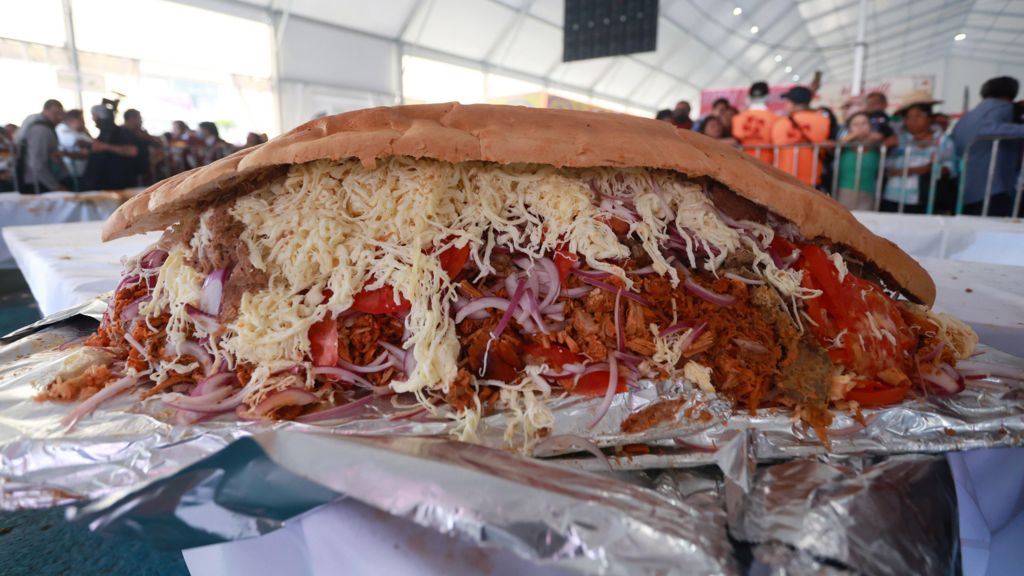
    A culinary feat has made its way into the Guinness World Records, as food lovers and chefs in Mexico came together to construct a jaw-dropping 100-metre-long line of traditional tortas, cementing the country’s beloved street food in global record books.

    The ambitious record attempt unfolded during the yearly Torta Fair, a long-running community food festival dedicated to honoring one of Mexico’s most iconic and widely consumed street eats. For decades, the fair has drawn crowds of local residents and tourists alike, who gather to sample different regional variations of the torta, a savory stuffed sandwich that typically blends fresh bread, meats, beans, avocado, and a range of local spices and toppings.

    This year, organizers set out to do more than just celebrate the cultural staple: they aimed to claim the Guinness World Record for the longest line of traditional sandwiches, drawing dozens of local vendors and culinary teams who worked together to assemble the massive 100-metre spread. After official measurements were completed and verified by Guinness adjudicators, the attempt was confirmed as a new world record, marking a milestone for both the fair and Mexico’s rich street food culture.

    Event organizers noted that the record-breaking achievement not only shines a global spotlight on Mexican culinary heritage but also supports the local vendors and small food businesses that have kept the tradition of the torta alive for generations. Thousands of attendees who gathered for the fair got to witness the historic attempt, with many sharing photos and videos of the giant sandwich spread on social media that quickly went viral after the record was announced.

  • Father of teen school shooter sentenced to 15 years in prison

    Father of teen school shooter sentenced to 15 years in prison

    A Georgia father has been sentenced to 15 years in prison on murder and manslaughter charges connected to the 2024 mass shooting at Apalachee High School that left four people dead, marking only the third time a U.S. parent has faced criminal conviction for their child’s act of mass gun violence.

    Fifty-five-year-old Colin Gray was found guilty by a jury in March on multiple charges stemming from the attack in Winder, a small community outside Atlanta. His 16-year-old son, Colt Gray, pleaded guilty to committing the murders last week. Investigations have confirmed that the AR-style rifle the teenager used to carry out the shooting was a Christmas gift from his father, purchased just one year before the attack.

    The four victims of the shooting included two 14-year-old students, Christian Angulo and Mason Schermerhorn, and two teachers, 39-year-old Richard Aspinwall and 53-year-old Cristina Irimie. Four innocent lives were cut short in what remains one of the most high-profile school shooting cases in recent U.S. history.

    Prosecutors argued during the trial that Colin Gray was the single person with the power to stop the attack from ever happening. They laid out extensive evidence that Gray ignored multiple clear warning signs about his son’s mental state and violent intentions: just seven months before the shooting, local police had questioned the teenager over online threats to carry out a school attack. Gray also failed to address notes in his son’s notebook that explicitly detailed plans to kill students and staff at the high school. Despite these red flags, Gray not only refused to secure his firearms in a locked storage container but gifted his son a military-style assault weapon.

    “After seeing sign after sign of his son’s deteriorating mental state, his violence, his school-shooter obsession, the defendant had sufficient warning that his son was a bomb just waiting to go off,” Barrow County Assistant District Attorney Patricia Brooks told the jury during closing arguments. “And instead of disarming him, he gave him the detonator.”

    Defense lawyers for Colin Gray attempted to shift full responsibility to the teenage shooter, arguing that the boy made a deliberate, secret decision to carry out the attack that his father could not have foreseen. “This is the person who went into the high school and shot and killed four people he didn’t even know and injured scores of others,” defense attorney Jimmy Barry told jurors. “This is the person who needs to be punished. He made a conscious decision to do this — a secretive decision.”

    Prosecutors had requested the maximum possible sentence of 80 years in prison, while the defense pushed for a reduced 10-year sentence. On Thursday, Judge Nicholas Primm handed down a concurrent 15-year sentence, delivering a sharp rebuke of Gray’s failure as a parent before announcing the punishment.

    “It is clear you failed as a parent,” Judge Primm stated. “The warning lights were flashing brighter and brighter…and you failed to do the simplest things to prevent this.” The judge did acknowledge a key mitigating factor, however: that Gray never intended to harm anyone and did not personally pull the trigger during the attack.

    According to CBS News, this conviction is only the third time a U.S. parent has been held criminally liable for a mass shooting committed by their child. Legal precedents for holding parents accountable in such cases are very new, with the first major conviction coming earlier this year in Michigan. In that April 2024 case, the parents of a Michigan teen who killed four students were sentenced for their role in the attack — after they bought the gun their son used just days before the shooting, marking the first time a U.S. parent was convicted on criminal charges stemming from their child’s mass shooting.

  • Weekly quiz: Why was a French teenager fined for licking a straw?

    Weekly quiz: Why was a French teenager fined for licking a straw?

    Every week, major international headlines tend to focus only on a handful of high-profile events, pushing a range of other noteworthy happenings around the world to the margins of public attention. This week is no exception: three major developments have already dominated breaking news coverage, including a walkout by the United States delegation during a French envoy’s address at the United Nations, an out-of-control large wildfire that has been spreading along Suffolk’s coastal stretch, and a massive iceberg that has capsized in waters close to a populated Greenlandic town.

    Despite the saturation coverage given to these stories, however, many smaller but still notable events have flown under the radar for most news consumers. Compiled by editor George Sandeman, a new weekly interactive quiz has been launched to challenge readers to recall and recognize the other key developments that unfolded across the globe over the past seven days. For readers who enjoy testing their knowledge of current events, the quiz project maintains a growing archive of past challenges: enthusiasts can access last week’s published quiz, or browse through a wide selection of older quizzes from the collection to put their global awareness to the test. This week’s quiz also includes thematic content covering etiquette, law and order issues related to Singapore.

  • Coal mine blast in Pakistan kills at least 11 miners and traps 31 others

    Coal mine blast in Pakistan kills at least 11 miners and traps 31 others

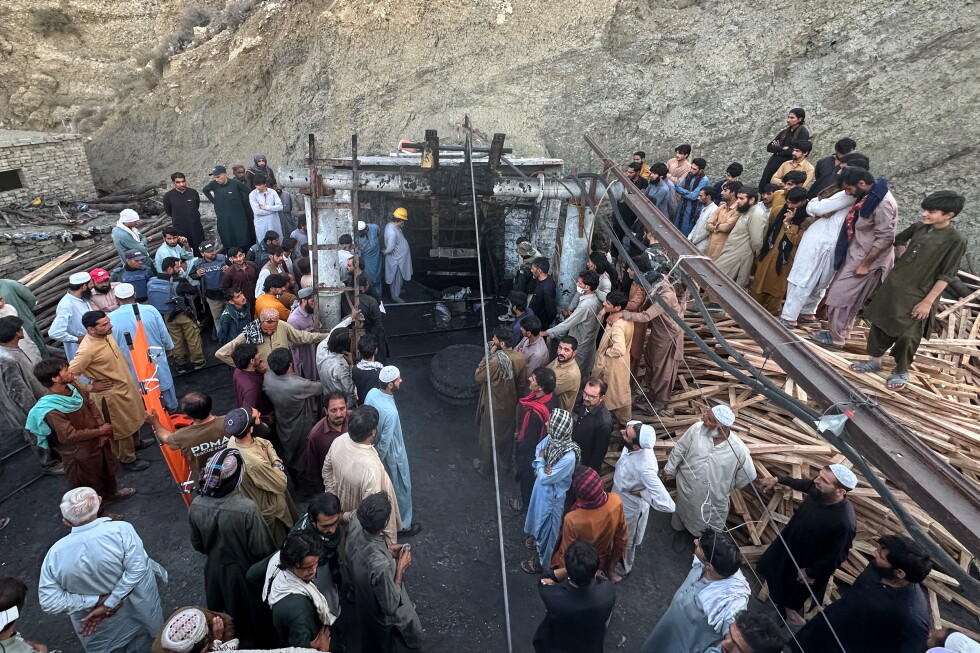
    On Thursday, a catastrophic methane gas accumulation triggered an explosion inside a coal mine on the outskirts of Quetta, the capital of Pakistan’s restive southwestern province of Baluchistan, leaving at least 11 miners dead and 31 more trapped deep underground with little hope of survival, according to local officials. Emergency response teams have launched a rushed, high-stakes rescue operation to reach the trapped workers, but extremely dangerous underground conditions have slowed progress significantly.

    Hours after the blast, responders recovered the first seven bodies of deceased miners, with an additional four bodies located in subsequent search efforts, government officials confirmed. Ghani Baloch, a senior government mine inspector, told reporters that rescue operations would continue nonstop until every trapped miner is accounted for. However, he warned that the final death toll is almost certain to climb, as methane explosions create immediately lethal conditions underground.

    “After a methane gas blast, oxygen levels drop to zero inside the mine, so the chances of pulling anyone out alive fade by the hour,” Baloch explained, adding that rescue teams must move cautiously to avoid triggering secondary accidents that could put their own lives at risk.

    Shoaib Nosherwani, Baluchistan’s provincial Mines and Minerals Minister, acknowledged that rescue crews are operating in extraordinarily harsh terrain and conditions. He reaffirmed the provincial government’s full commitment to the ongoing response effort, extended formal condolences to the families of those killed, and announced a compensation package of 500,000 Pakistani rupees, equal to roughly $1,800, for each victim’s next of kin. Nosherwani also added that authorities would launch a full, transparent investigation into the root causes of the blast, followed by a comprehensive review of national and provincial mining safety protocols to prevent future similar tragedies.

    The disaster has sparked renewed criticism of systemic safety failures in Pakistan’s coal mining sector from organized labor groups. The Pakistan Central Mines Labour Federation, the country’s leading miners’ union, said it suspects that widespread negligence on the part of mine operators was the primary cause of the explosion, and is calling for accountability for all parties found responsible. In a formal statement, the union urged federal and provincial officials to strictly enforce existing mine safety regulations and impose harsh penalties on mining companies that violate safety standards.

    Fatal mining accidents are an all-too-common occurrence in Pakistan, particularly in Baluchistan, where most small and medium coal mines operate without basic life-saving infrastructure. For decades, miners and labor advocates have documented that many operations lack adequate ventilation systems, functioning gas monitoring equipment, and other critical safety measures. Mine operators have repeatedly been accused of cutting corners on safety requirements and failing to provide workers with even basic personal protective equipment.

    Despite the extreme occupational hazards and low wages that define the industry, thousands of local families in Baluchistan rely on coal mining for their sole source of income. Pakistan’s largest province by area, Baluchistan is also its least developed, with persistently high rates of unemployment and widespread poverty that leave few alternative work options for working-class residents.

  • What to know about the Spanish enclave of Ceuta as migrant arrivals from Morocco spike

    What to know about the Spanish enclave of Ceuta as migrant arrivals from Morocco spike

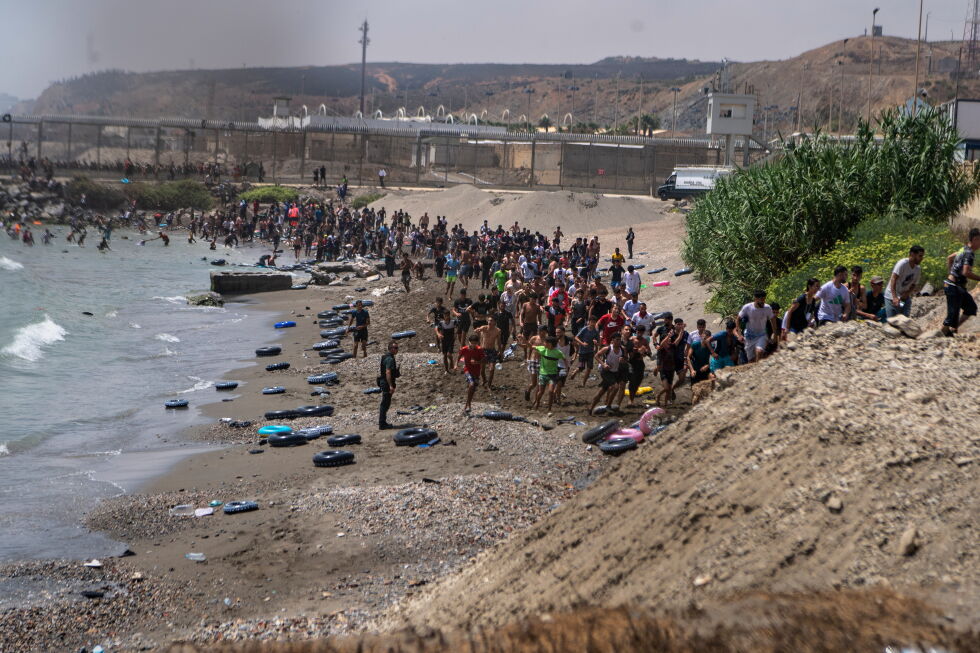
    MADRID – A sudden and massive influx of thousands of migrants crossing from Morocco into Spain’s small North African exclave of Ceuta has forced local authorities to urgently request support from the national government in Madrid to secure the border and restore order.

    Visual footage captured at the frontier shows large crowds, overwhelmingly composed of Moroccan nationals but including entire families with women and children, crossing over breakwaters at an urban beach adjacent to the official border checkpoint and moving onto local roads inside Ceuta. Most of the migrants crossing were young men, according to on-site observations.

    Spain’s Interior Ministry has publicly committed to upholding the safety of Ceuta’s existing residents and protecting the integrity of Spain’s border, but confirmed that a national state of emergency over the migration crisis will not be declared at this time.

    The large-scale crossing follows a sharp 24-hour increase in migration attempts, many of which saw migrants attempting to swim across the maritime boundary to reach the exclave. As of initial reporting, the root cause of the sudden surge in crossings remains unconfirmed.

    To understand the significance of this event, context about Ceuta’s unique geopolitical status is critical. Along with Melilla, a larger Spanish territory located 250 miles further along the African Mediterranean coast, Ceuta is one of two Spanish autonomous territories on continental Africa. These two regions host the only land borders between the European Union and the African continent, a position that has made them a persistent flashpoint for migration and diplomatic tension.

    Ceuta has been under Spanish administration since 1580, and is currently home to a diverse, largely peaceful mixed population of Christian and Muslim residents, including both Spanish and Moroccan citizens and daily cross-border workers. However, the government of Morocco has never formally recognized Spanish sovereignty over Ceuta and Melilla, consistently referring to both territories as illegally occupied lands.

    With a permanent population of just 85,000, Ceuta has long been at the center of major diplomatic standoffs between Spain’s central government in Madrid and Morocco’s ruling monarchy in Rabat. Thousands of Moroccan day workers cross the border legally into Ceuta each day to access employment, a routine arrangement that has been repeatedly disrupted by political disputes.

    The most significant prior crisis occurred in May 2021, when the Moroccan government relaxed its own border security controls, allowing roughly 8,000 migrants from Morocco and sub-Saharan African nations to flood into Ceuta over a 48-hour period. That move was widely analyzed by global diplomatic observers as a retaliatory action against Spain’s decision to permit a pro-independence leader from the disputed Western Sahara region to receive COVID-19 medical treatment in a Spanish hospital.

    Tensions were only de-escalated and full border operations restored after Spanish Prime Minister chose to revise Spain’s decades-long diplomatic stance on the Western Sahara dispute, followed by an official meeting between the Spanish leader and Moroccan King Mohammed VI the next year.

    As a key entry point to the European Union, Ceuta is a common target for migrants and asylum seekers fleeing conflict, political repression, or economic hardship across Africa, who hope to ultimately gain residency in mainland Spain or other EU member states. Both Ceuta and Melilla are heavily fortified with border security infrastructure to manage irregular migration attempts.

    Irregular migrants that successfully reach Ceuta or Melilla face one of two outcomes: many are immediately repatriated back to Morocco, while those that are not repatriated are held in dedicated migrant processing centers, where they can complete the required steps to apply for asylum in Spain. Migrants attempting to reach Ceuta most often swim from the Moroccan coastal town of Castillejos, a crossing of roughly 3.1 miles, while others depart from the closer coastal town of Belyounech for a shorter maritime journey.

    Despite its status as a migration flashpoint, total annual irregular arrivals to Ceuta and Melilla remain far lower than the number of migrants that reach mainland Spain via airports or the Canary and Balearic Island routes. For decades, Spain has seen consistent growth in its total immigrant population: of the country’s 50 million total residents, roughly 10 million are foreign-born. The largest groups of immigrants currently residing in Spain come from Colombia, Venezuela, and Morocco, and many fill critical labor roles in key Spanish economic sectors including agriculture, tourism, and domestic and commercial services.

  • Turkey’s foreign minister Hakan Fidan meets newly elected Hamas leader

    Turkey’s foreign minister Hakan Fidan meets newly elected Hamas leader

    In a high-profile diplomatic meeting held in Ankara on Thursday, Turkish Foreign Minister Hakan Fidan welcomed Khalil al-Hayya, the newly appointed chief of Hamas’s political bureau, and a full delegation from the Palestinian militant group, according to Turkish diplomatic sources cited by the semi-official Anadolu Agency. The meeting, which was publicly confirmed by the Turkish Ministry of Foreign Affairs via an official Twitter post on July 29, 2026, comes at a period of escalating violence across Palestinian territories occupied by Israel, and amid growing global legal pressure on Israeli Prime Minister Benjamin Netanyahu.

    During the opening of the talks, Fidan formally congratulated Hayya on his recent elevation to the top leadership role of Hamas. Hayya, who is currently based in Qatar, took over the post on July 20, 2026, making him the third person to lead Hamas’s political wing since the outbreak of the ongoing Israel-Gaza war in October 2023. He succeeds Yahya Sinwar, who was killed by Israeli forces in Rafah just three months after Israeli operatives assassinated previous leader Ismail Haniyeh in Tehran in July 2024. Tragically, Hayya has also lost four of his own sons – Osama, Hamza, Hammam and Azzam – to the conflict, marking a deep personal toll alongside his new political responsibilities.

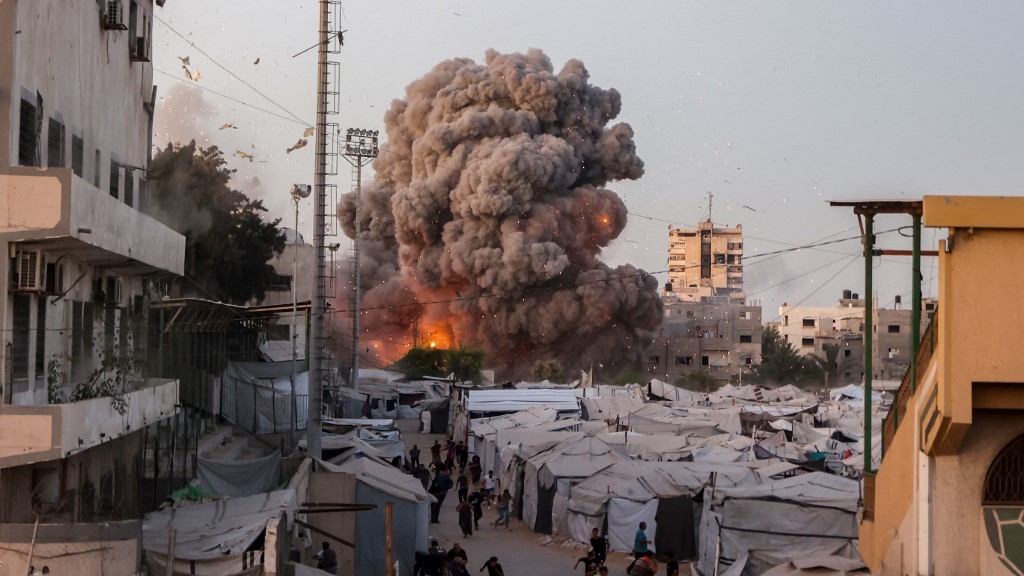
    In the closed-door briefing, Hayya updated Fidan on the ongoing military operations carried out by Israeli forces across the Gaza Strip and the occupied West Bank. He highlighted that overnight attacks carried out by Israeli air forces between Thursday and Friday alone left at least six Palestinian civilians dead and 25 more injured. Beyond Gaza, Hayya accused Netanyahu’s government of accelerating the expansion of illegal Israeli settlements in occupied Palestinian territory and ramping up provocative attacks on religious holy sites located in East Jerusalem, a territory claimed by Palestinians as the capital of their future state. He added that Hamas remains fully committed to playing a constructive part in future peace negotiations aimed at ending the conflict, and outlined ongoing efforts by the group to secure national reconciliation between competing Palestinian political factions.

    The meeting also comes against the backdrop of a major international legal development: the International Criminal Court has recently issued an arrest warrant for Netanyahu, charging him with alleged war crimes and crimes against humanity committed during the military campaign in Gaza.

    Responding to Hayya’s briefing, Fidan reaffirmed that Turkey will maintain its unwavering support for what Ankara describes as the Palestinian people’s just cause, both in multilateral diplomatic forums and across global international institutions. The foreign minister stressed that Turkey will continue working to focus global public and political attention on Israeli military actions in Gaza and the occupied West Bank, including targeted attacks on religious holy sites. Fidan also added that Turkey plans to expand the flow of humanitarian aid into the blockaded and besieged Gaza Strip, and will continue backing regional and international efforts to advance a lasting peace process between Israelis and Palestinians. He also publicly praised Hamas’s ongoing engagement in negotiation efforts aimed at bringing an end to Israel’s military campaign in Gaza.

  • Iranian press review: Iran relies on speedboats to keep Strait of Hormuz closed

    Iranian press review: Iran relies on speedboats to keep Strait of Hormuz closed

    As military clashes between Iran and the United States stretch across neighboring Iraq and Yemen, new developments are shedding light on internal Iranian divides over the conflict, Tehran’s key asymmetric military strategy in the Persian Gulf, and allegations of transnational repression targeting Iranian dissident students abroad.

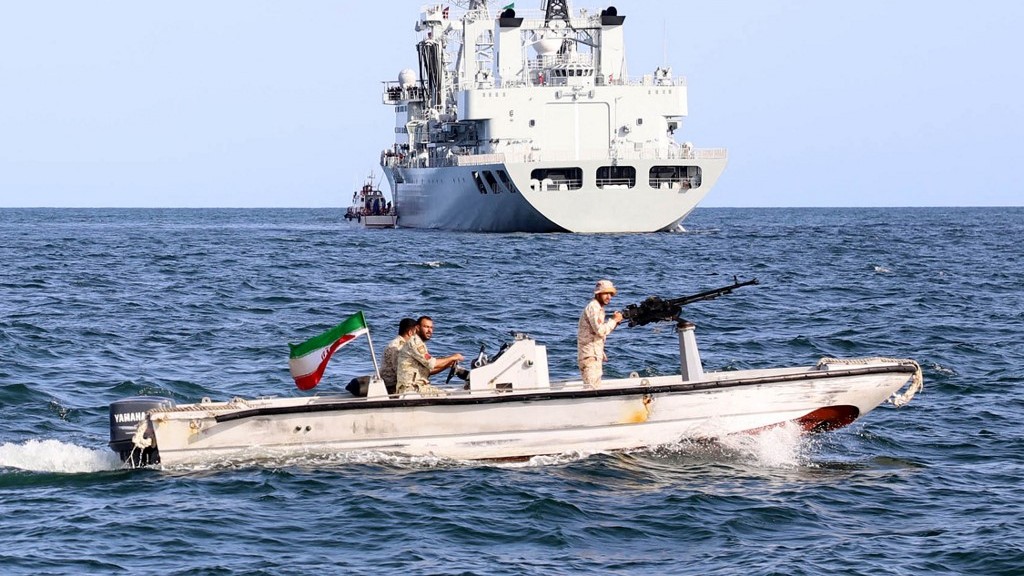
    A prominent Iranian daily with deep official ties to the Islamic Revolutionary Guard Corps (IRGC) has centered its latest front-page coverage on the IRGC’s fleet of small speedboats operating in the Persian Gulf, framing the force as a decisive asymmetric advantage for Tehran amid escalating hostilities. In Wednesday’s coverage, Hamshahri labeled the speedboat fleet Iran’s “winning card” in the Persian Gulf, noting it forms a core component of the country’s deterrence architecture designed to discourage further expansion of U.S. military attacks.

    For more than 20 years, the outlet explained, the fleet has posed one of the most persistent and complex threats to U.S. naval forces deployed in the region, built around the effective use of “swarm attack” tactics. Over the past five months, it has also evolved into a key strategic asset for controlling movement through the critical Strait of Hormuz, a chokepoint through which roughly 20% of the world’s global oil supplies pass annually.

    Tehran’s naval strategy prioritizes mass production of small, high-velocity, low-cost craft rather than pursuing direct military competition with larger, far more expensive U.S. naval vessels. This approach is intentionally designed to raise the operational and human cost of any confrontation for adversarial forces while restricting their ability to maneuver freely in the Gulf. On the topic of controlling the Strait of Hormuz, Hamshahri added that the speedboat fleet complements other Iranian military assets including naval mines, cruise and ballistic missiles, and unmanned aerial vehicles to complete Tehran’s strategic ability to block access to the waterway if needed.

    Amid rising hardline pressure to continue military clashes, a senior former IRGC commander has broken ranks to join growing calls for a cessation of hostilities with the U.S., arguing that genuine national victory for Iran only comes through the restoration of regional peace and stability. Brigadier General Hossein Alaei, the inaugural commander of the IRGC Navy and a former senior Iranian defense official who led IRGC naval forces during the 1980–1988 Iran-Iraq War, shared his perspective on the ongoing conflicts that have pitted Iran against the U.S. and Israel since 2025.

    “While Iran has every right to defend itself, maintain its position, and respond to enemy attacks, the simple reality is that ongoing war causes irreversible harm to the Iranian people,” Alaei stated. The former commander also criticized the collapse of the earlier bilateral memorandum of understanding (MoU) between Tehran and Washington, describing the now-defunct agreement as a clear strategic win for Iran and a major setback for Israel.

    Alaei emphasized that Iran conceded virtually no critical ground under the terms of the deal: “The U.S. claims it has degraded, damaged, and effectively dismantled Iran’s nuclear program. The maximum concession Iran made was agreeing to open discussions on the nuclear issue in the future, which aligns with Iran’s long-stated public position that it has no intention to develop nuclear weapons.” He added that the agreement also successfully pressured Israel to pause its frequent military strikes on Lebanon, a major win for regional stability: “Israel was launching strikes on Lebanon daily before the MoU; through that agreement, we halted those daily attacks. That is a very significant victory.”

    Since large-scale military clashes resumed between Iran and the U.S. on July 7, hardline political and military factions within Iran have pushed to cut off all diplomatic negotiations with Washington and continue offensive operations. But Alaei is among a cohort of older-generation IRGC leaders who are publicly advocating for an end to the fighting.

    Separately, a new investigation by BBC Persian has uncovered allegations that Belarusian security services have carried out a coordinated campaign of interrogation, detention, and deportation against Iranian students studying in Belarus who posted social media content critical of the Islamic Republic. The students have directly accused the Iranian Embassy in Minsk of collaborating with Belarusian security forces to enable this cross-border repression of Iranian government critics.

    Khatereh Khodadadi, a dental student who spoke to the outlet, said she was arrested at her home by masked security agents just days after she posted a message expressing joy on Instagram following the killing of former Iranian supreme leader Ali Khamenei by U.S.-Israeli forces. She told reporters that agents interrogated her extensively about her views on Islam and the Iranian government before convicting her of “deliberate disobedience” and sentencing her to 15 days in prison. Khodadadi said she ultimately spent 45 days in detention, held in poor, unsanitary conditions, before being deported to a third country and issued a 30-year ban on reentering Belarus.

    Another Iranian student, identified only by the first name Pezhman, alleged that the Iranian ambassador personally provided Belarusian authorities with a target list of Iranian dissident students living in the country, falsely labeling them as plotters to carry out an arson attack on the Iranian Embassy. Similar coordinated repression allegations have also emerged from other regional states: in Armenia, Iranian dissident protesters claim local authorities seized their passports in a coordinated action organized by the Iranian Embassy in Yerevan.

    In additional new details on a previously unconfirmed Iranian military operation, local media has named Brigadier General Majid Kazemi as one of two pilots killed when Iranian Su-24 tactical bombers were shot down during an attack on a U.S. military base in Qatar on March 2. The strike was carried out in retaliation for earlier U.S. and Israeli attacks on Iranian targets, but no official details of the operation had been released publicly prior to this disclosure.

    Recent independent reports confirm the two Su-24 aircraft were struck down while returning to Iranian airspace after carrying out bombing runs on the large U.S. Al Udeid Air Base in Qatar. The bombers took off from a major IRGC military base outside the southern Iranian city of Shiraz, according to the accounts. Iranian authorities have not yet released any public information identifying the second pilot killed in the downing or shared any official confirmation of the operation. Iranian state television has previously reported on a separate retaliatory strike carried out by Iranian F-5 fighter jets against a U.S. military base located in Kuwait, marking a series of escalating cross-border attacks on U.S. assets in the Persian Gulf region.

  • Belgium says a Canadian intern is suspected of spying at Nato. Here’s what we know

    Belgium says a Canadian intern is suspected of spying at Nato. Here’s what we know

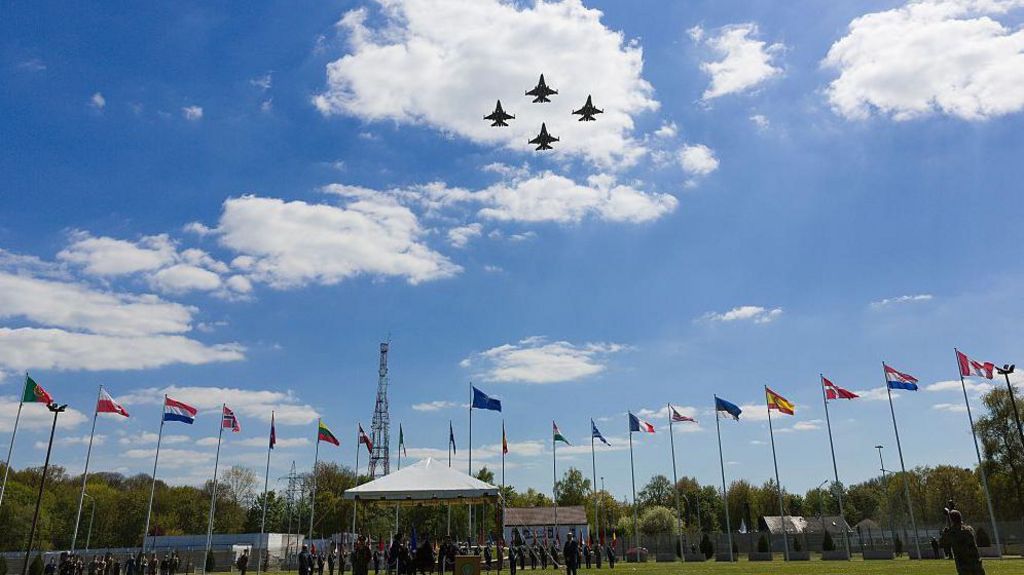
    In a high-stakes security breach at one of NATO’s most critical command centers, a Canadian woman of Chinese descent has been taken into custody by Belgian law enforcement over allegations that she engaged in espionage while serving as an intern at the alliance’s Supreme Headquarters Allied Powers Europe (SHAPE) in Mons. Belgian federal prosecutors confirmed the development Saturday, stating that the investigation was launched after NATO’s internal security services flagged suspicious activity and tipped off national authorities.

    Following the alert, law enforcement teams executed coordinated raids at both the suspect’s private residence and her workplace inside the SHAPE compound. In an official statement, prosecutors outlined two key allegations against the woman: that she conducted spying activities on behalf of an unnamed third country, and that she is affiliated with a structured criminal organization. As of the latest updates, Belgian officials have not publicly released the suspect’s identity, nor have they officially confirmed which nation she is accused of working for.

    Early reporting outlines that the woman’s conduct drew the attention of NATO security personnel through a series of unusual behaviors, including prolonged unauthorized presence near secured NATO facilities and inappropriate questioning of staff about sensitive alliance matters. A Belgian court has since approved a one-month period of pre-trial detention, keeping the suspect in custody as the investigation progresses.

    SHAPE serves as NATO’s central operational military headquarters, tasked with planning and executing all of the alliance’s global military operations. Both Canada and Belgium are long-standing NATO member states, falling under the alliance’s collective security framework. Under existing SHAPE security protocols, the responsibility for conducting background security clearance checks for interns falls to the candidate’s home country. In this case, that responsibility rested with Canadian authorities.

    SHAPE’s official public guidance notes that security clearance processing timelines vary across NATO member states, ranging from as little as eight weeks to as long as 18 months, with formal vetting only launching after a candidate has been selected for an internship role. Global Affairs Canada, Canada’s foreign affairs department, has confirmed that Canadian security clearances for citizens working at international organizations are determined based on security assessments provided by the Canadian Security Intelligence Service (CSIS), Canada’s national intelligence and security agency.

    Multiple international and national law enforcement and security bodies have confirmed their involvement in the ongoing investigation. NATO has moved to reassure member states of its commitment to safeguarding sensitive information and protecting personnel. A NATO spokesperson told U.S. media outlets that the alliance “remains fully committed to protecting Allied personnel, safeguarding classified information, and maintaining the trust and security upon which the Alliance depends.”

    Canada’s national police force, the Royal Canadian Mounted Police (RCMP), confirmed it is providing support to Belgian investigating authorities but declined to share any additional details on the ongoing case. Canadian Public Safety Minister Gary Anandasangaree addressed the incident during a recent press conference, noting that Canadian officials will conduct a full review of existing national security screening processes.

    “In this particular case, I think it’s important to get to the bottom of what happened,” Anandasangaree told reporters. The BBC has reached out to both NATO and Canadian law enforcement for additional comment on the investigation, and has not yet received further substantive responses as inquiries remain ongoing.

  • War on Iran: Rescuers search for survivors on Qeshm Island after US kills toddler and parents

    War on Iran: Rescuers search for survivors on Qeshm Island after US kills toddler and parents

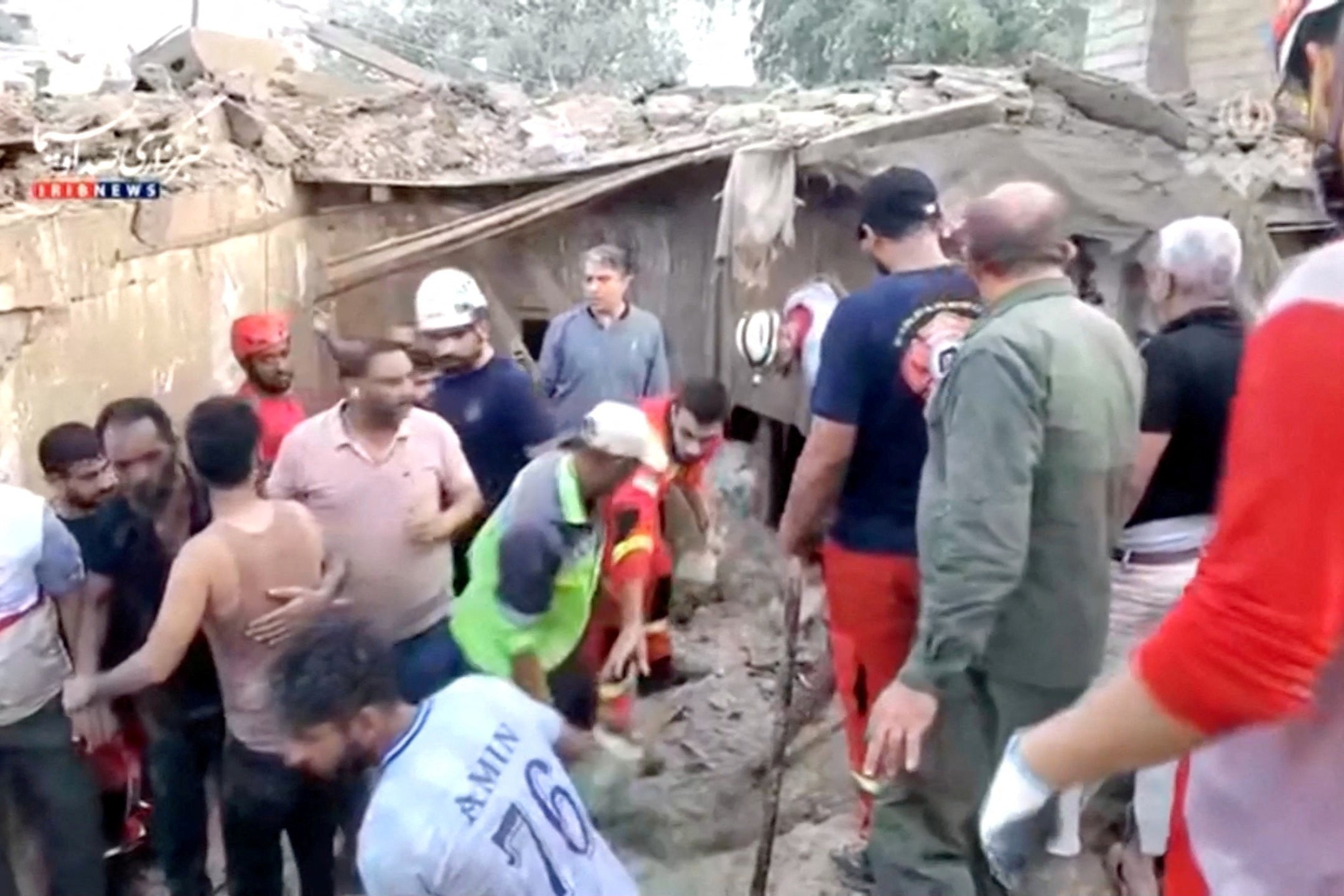
    On Thursday, Iranian state broadcaster IRIB published aerial and on-the-ground footage showing emergency rescue teams sifting through collapsed concrete and debris in Qeshm Island’s Chah-Tango neighbourhood, located in southern Iran’s Hormozgan province. The destruction was left behind by a newly launched United States military strike that targeted a residential civilian home in the area.

    According to local Iranian officials, the attack claimed the lives of three members from a single local family: a 30-something father, his wife, and their two-year-old toddler. Two other children from the family, ages seven and nine, escaped the rubble with non-fatal injuries and were urgently transported to a nearby regional medical center for ongoing care.

    This civilian death toll is part of the broader large-scale US assault launched across Iranian territory overnight Thursday, an operation ordered by US leadership in direct retaliation for an earlier Iranian missile strike targeting a joint US-Jordanian military base in Jordan. Prior to launching the assault, former US President Donald Trump issued an aggressive public vow, stating he would “beat the fucking shit out of Iran” following the attack on Muwaffaq Salti Air Base in northern Jordan.

    Critics point to a repeated pattern of civilian and child casualties stemming from US military operations in the ongoing conflict that Washington launched alongside Israel on February 28. The very first strike of the coordinated campaign was a double-tap cruise missile attack on a public school in the southern Iranian city of Minab, which killed at least 155 people, a majority of whom were school-aged children.

    In direct response to Thursday’s US strikes across Iran, Tehran launched a new round of retaliatory strikes targeting US military assets in Jordan Thursday. Multiple regional media outlets reported loud explosions heard within the perimeter of Muwaffaq Salti Air Base, though independent outlet Middle East Eye has not been able to independently confirm these on-the-ground claims. A official spokesperson for the Jordanian Army released a statement confirming that five missiles launched from Iranian territory were “detected, intercepted, and shot down” before reaching their intended target. This announcement follows multiple past instances where US officials and regional allies claimed to have intercepted Iranian missiles, only for subsequent evidence to confirm the projectiles ultimately hit their intended targets.

    Alongside the military response, Iran’s Islamic Revolutionary Guard Corps issued a formal public warning Thursday that any countries choosing to provide support or assistance to the US military operation will be added to Tehran’s list of legitimate retaliatory targets. “Countries involved in aiding the aggressor will receive a harsh response if they do not correct their behaviour,” the IRGC statement read. Since the conflict began last month, Iran has repeatedly targeted US military and diplomatic interests across Jordan and Gulf Cooperation Council member states in response to joint US-Israeli operations.