博客

  • Watch: ‘He’s losing it’ – Americans react to Lake Ontario name change

    Watch: ‘He’s losing it’ – Americans react to Lake Ontario name change

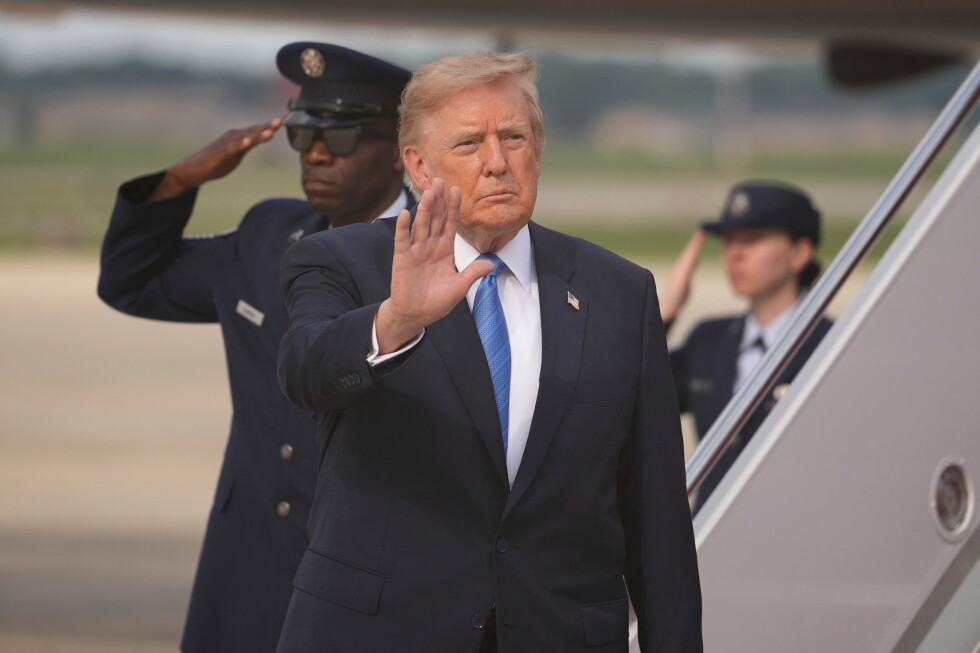
    A bombshell executive order signed by former US President Donald Trump has sent shockwaves across the nation, igniting fierce public debate after it proposed rebranding one of North America’s iconic Great Lakes — Lake Ontario — to a new name: Lake America. The unexpected policy move has drawn divided responses from US citizens, with many taking to social media and public gatherings to voice their criticism, with some commentators going so far as to declare “He’s losing it” in response to what many see as an unnecessary and divisive policy gesture.

    Lake Ontario is one of the five Great Lakes that straddle the border between the United States and Canada, holding deep geographic, cultural, and economic significance for communities on both sides of the international boundary. The lake’s long-standing name has roots in Indigenous history, tracing back to centuries-old Haudenosaunee terminology that has endured through colonial and modern eras. The sudden push for a name change has raised questions not only about domestic political priorities but also about potential diplomatic ripples between the US and its northern neighbor, which shares jurisdiction over the lake.

    Footage captured from public reactions across several US states shows a range of public opinion, from a small subset of nationalist supporters who frame the change as a gesture of national pride to the overwhelming majority of critics who argue that the executive order wastes government time and political capital on a non-issue that could damage cross-border relations. Many members of the public have also pointed out that the name change erases the lake’s Indigenous historical roots, further adding to the backlash against the proposal. As of now, it remains unclear how the order will be implemented, as legal experts note that changing a transboundary geographic feature requires cooperation from Canadian authorities, making the executive order largely symbolic at this stage.

  • Trump announces deal for huge US stake in Venezuelan oil reserves

    Trump announces deal for huge US stake in Venezuelan oil reserves

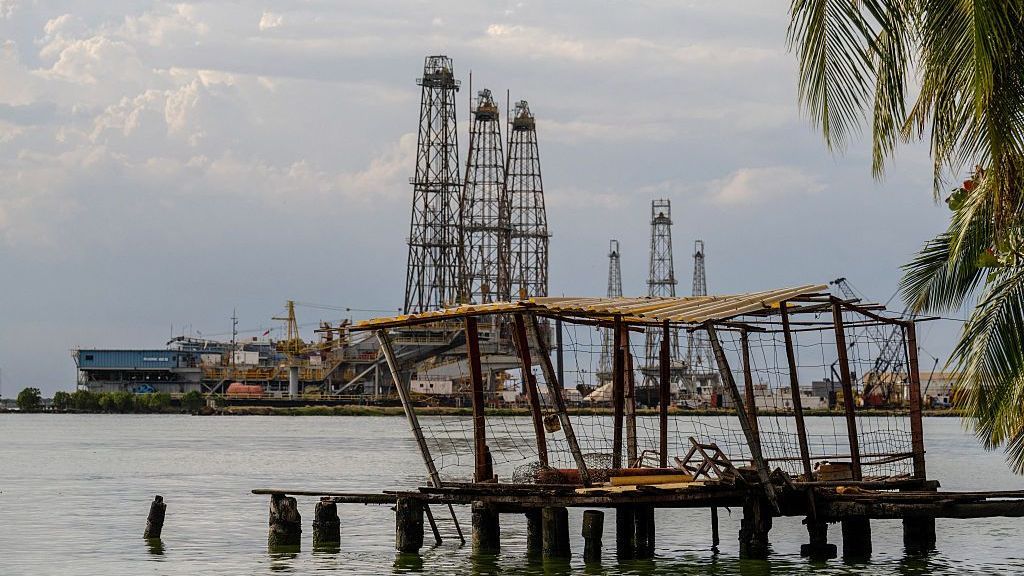
    In a surprise announcement made public Friday, former and current President Donald Trump revealed that his administration has finalized a historic energy agreement with Venezuela’s interim government that secures majority U.S. ownership of 65 billion barrels of the country’s proven oil reserves. Trump hailed the agreement as unparalleled in global energy history, saying it would dramatically expand America’s domestic-held petroleum reserves and deliver much-needed relief to U.S. consumers facing elevated fuel prices.

    U.S. Secretary of State Marco Rubio confirmed that the arrangement is set to unlock nearly $100 billion in private sector investment into Venezuela’s struggling oil sector, a move the top diplomat framed as a win for both nations. The breakthrough comes less than five months after the Trump administration oversaw the ousting and capture of long-time Venezuelan ruler Nicolas Maduro in January, after years of escalating diplomatic and economic pressure on his socialist government. Following Maduro’s removal, the U.S. allowed Maduro’s former vice president Delcy Rodriguez to remain in place as interim head of government on the condition that she align her policy agenda with Washington’s priorities.

    Trump has long positioned securing Venezuelan oil reserves as a core foreign policy goal, and in a post on his Truth Social platform, he emphasized that the agreement will more than double the volume of proven oil reserves under U.S. control. He credited Secretary of State Marco Rubio and Defense Secretary Pete Hegseth with negotiating the arrangement with Rodriguez’s administration, noting that the deal was structured as a public-private partnership with U.S. private energy firms. “This Transaction will greatly strengthen the already growing relationship between Venezuela and the United States!” Trump wrote in his post.

    Rubio echoed that framing in a post on X, arguing that the deal delivers on the Trump administration’s core “America First” foreign policy agenda. “President Trump’s bold foreign policy is driving America First wins: securing stable reserves and low-cost oil in our Hemisphere and lowering gas prices here at home,” Rubio wrote, adding that for Venezuelan citizens, the near-$100 billion in private investment will support thousands of high-wage jobs and lay the groundwork for widespread economic reconstruction after decades of mismanagement under the Maduro regime. No additional details on the terms of the agreement, including timeline for development or revenue sharing arrangements, have been released publicly.

    As of Friday afternoon, there has been no official confirmation of the agreement from Rodriguez’s interim government in Caracas. Prior to Trump’s announcement, U.S. news outlet Axios published a report Thursday citing two unnamed senior U.S. officials that the two countries had been in advanced negotiations over a dozen producing oil fields holding a combined 90 billion barrels of proven reserves – roughly one-third of Venezuela’s total 300 billion barrel proven reserve base, the largest in the world. According to Axios’ reporting, in exchange for U.S. private and public entities taking an ownership stake in the fields, American and international private energy firms will lead infrastructure upgrades and development of the reserves, with a larger share of gross oil revenue returned to Venezuela’s government than under previous arrangements.

    The report also noted that the deal comes at a critical moment for U.S. energy security: America’s Strategic Petroleum Reserve currently sits at its lowest level in 40 years, and the agreement would allow the U.S. to more than double its total domestically controlled proven reserves.

    For the Trump administration, the deal also addresses a pressing political vulnerability: the president has faced sliding approval ratings ahead of November’s midterm elections, driven in part by elevated global oil prices that have pushed up U.S. gasoline costs. The price spikes followed Trump’s decision to launch a military campaign against Iran that disrupted global oil supply chains, and Trump has explicitly tied the new Venezuelan deal to lower pump prices for American consumers.

    While the Trump administration has spent months urging U.S. energy companies to expand operations in Venezuela, many firms have remained cautious about committing large-scale capital to the country. Venezuela’s oil infrastructure has fallen into severe disrepair after decades of underinvestment and mismanagement, and previous Venezuelan governments led by Maduro and his predecessor Hugo Chavez expropriated billions of dollars in foreign-owned energy assets, leaving many investors wary of future political risk.

    Chevron, the only major U.S. oil company that maintained operations in Venezuela through the end of the Maduro regime, announced in July that it had already lifted its daily crude production in the country to 280,000 barrels, with plans to increase output by an additional 50% by the end of 2028.

  • US and Venezuela reach ‘historic’ oil deal, Trump says

    US and Venezuela reach ‘historic’ oil deal, Trump says

    In a surprising announcement that has sent ripples through global energy and political circles, former U.S. President Donald Trump has confirmed that Washington has struck a wide-ranging agreement with Venezuela that grants the United States control over more than 65 billion barrels of the South American nation’s proven crude oil reserves.

    Taking to his social media platform, Trump framed the agreement as a landmark achievement for American energy security, emphasizing that the deal would more than double the United States’ total documented oil reserves. He added that the expanded access to Venezuelan crude would significantly boost domestic oil supply and drive down retail gasoline prices for consumers across the country, a key priority for his political agenda.

    The agreement comes months after U.S. authorities arrested Nicolás Maduro, Venezuela’s sitting president, earlier this year. Following that high-profile detention, Trump publicly pledged to unlock access to Venezuela’s vast oil reserves, which are officially recognized as the largest proven crude reserves on the planet. In recent weeks, the former president has faced mounting domestic political pressure to address elevated gasoline prices that have weighed on American household budgets, making a push for expanded oil supply a critical policy and political win.

    U.S. Secretary of State Marco Rubio has also publicly praised the pact, calling it a transformative victory that delivers tangible benefits for both the American public and the people of Venezuela. As of the current announcement, no further details about the terms of the deal, its timeline for implementation, or the specific terms of control over the reserves have been released to the public, leaving energy analysts and political observers waiting for additional clarity on the agreement’s long-term implications.

  • Canada poaches dozens of top US researchers for its universities

    Canada poaches dozens of top US researchers for its universities

    Against a backdrop of worsening U.S.-Canada relations and growing politicization of academic research in the United States, Canada is successfully recruiting dozens of leading academic researchers from top American universities through a generous new federal funding initiative, with climate science and medical research among the key focus areas.

    Out of 64 international researchers moving to Canadian institutions under the program, 48 — more than three-quarters of the total cohort — hail from U.S. universities, including elite institutions such as Harvard University. The initiative allocates a total of C$504 million (equivalent to roughly $362 million) to support researchers working in high-priority fields ranging from climate change adaptation to cutting-edge medical research.

    The shift of academic talent comes as the Donald Trump administration has taken multiple steps that have created widespread uncertainty for U.S.-based researchers. The administration has repeatedly criticized U.S. universities for what it claims is a dominance of left-wing ideology, and has accused institutions of failing to address alleged antisemitism on campus. It has also frozen billions in federal research funding for a range of programs it deems wasteful, creating an unstable funding landscape that has pushed many scholars to seek opportunities abroad.

    This talent migration unfolds alongside an escalating U.S.-Canada trade war, which recently hit a major turning point amid new tariff disputes. As tensions rise, Canada has taken an increasingly assertive stance on the global stage, positioning itself as a welcoming alternative for scholars locked out of stable funding in the U.S.

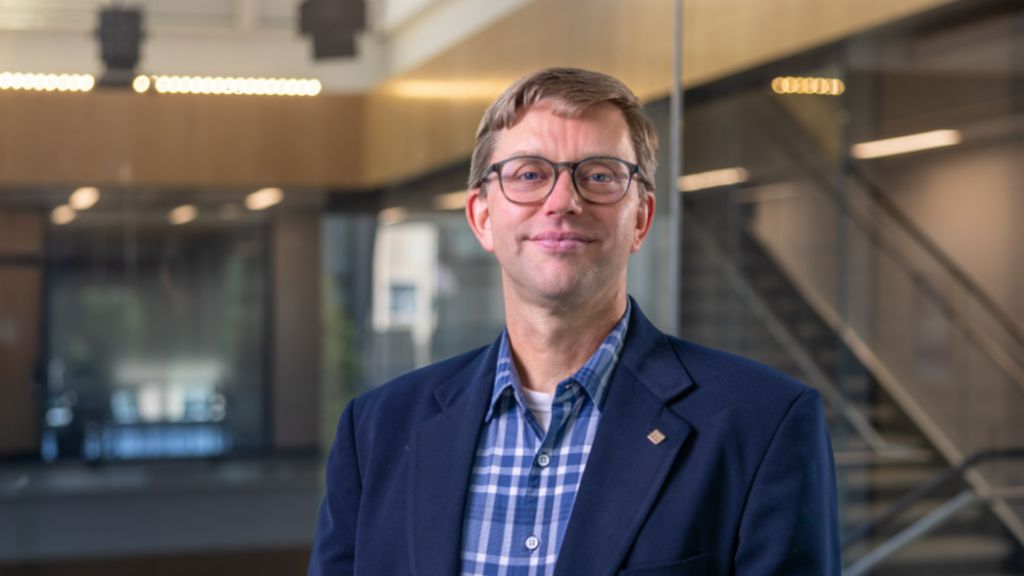
    Seth Guikema, a leading climate resiliency researcher currently based at the University of Michigan who will join the University of Western Ontario, is one of the many scholars making the move. Guikema explained that he began reaching out to Canadian institutions last year, frustrated by the growing challenges facing climate-related research in the U.S. “The funding environment in the U.S. for anything related to climate and resilience has become challenging,” he said. “I was looking for a good intellectual home where I could have practical impact.” Over the next eight years, Guikema will use C$8 million in program funding to develop new tools for improving community preparedness for natural hazards including extreme storms and wildfires. The University of Michigan declined to provide comment on his departure.

    Another high-profile recruit is Peter Caravan, a biopharmaceutical researcher who spent 20 years on the faculty at Massachusetts General Hospital and Harvard Medical School. Caravan, who will now continue his work on early detection of cancer and chronic diseases at the University of British Columbia in Vancouver, spoke emotionally at a press conference announcing the new appointments this week. Some recruits like Caravan and Guikema are U.S.-born scholars, while others are Canadian academics who built their careers abroad and are now returning to their home country.

    Academics across the U.S. have cited the Trump administration’s policies as the core driver of this brain drain. Steven Lamy, a professor of international relations at the University of Southern California, noted that major U.S. grant agencies “have been cut and politicised” by the current administration, making offers from foreign universities far more appealing than they once were. Stephanie Burt, an English professor at Harvard University, called the ongoing funding cuts “a generational disaster for science and scientists,” adding that Canada offers a “far more welcoming environment” for academic work.

    While U.S. universities still top global rankings — with MIT, Stanford, and Harvard holding three of the top five spots in the 2026 QS World University Rankings — higher education leaders warn that the long-term impact of current policies could severely damage U.S. research leadership. Lynn Pasquerella, president of the American Association of Colleges and Universities, said member institutions feel “helpless” in the face of widespread federal and state funding cuts. “The deeper concern is not the short-term brain drain,” she explained, “but the possibility that the U.S. could become less attractive as a place to pursue knowledge.”

    Canadian officials have pushed back against suggestions that the program amounts to deliberate talent poaching that could further escalate bilateral tensions. “The US administration is taking its own decisions and we’re taking ours,” Industry Minister Melanie Joly told reporters this week, adding that the Canadian government is “very glad that these fantastic professors are coming.”

  • Sudanese in Kordofan’s Bara the latest civilians to be forced into battle

    Sudanese in Kordofan’s Bara the latest civilians to be forced into battle

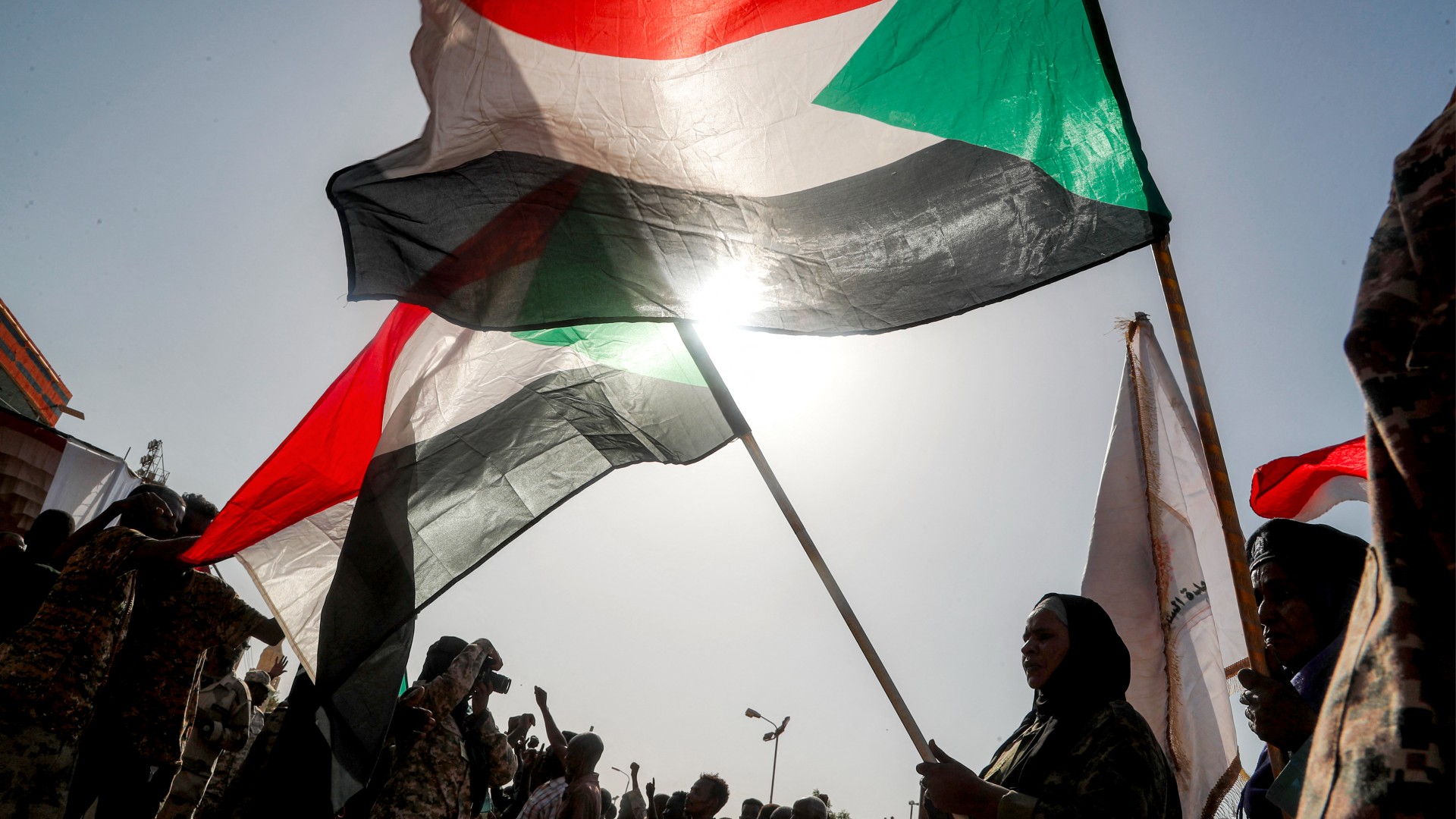
    Two and a half years into Sudan’s brutal civil conflict between the Sudanese Armed Forces (SAF) and the Rapid Support Forces (RSF), civilian communities across the country have been left with no choice but to take up arms to defend their homes, families and lives. As fighting shifts to the resource-rich Kordofan region south of Darfur, this pattern of civilian mobilisation has repeated – drawing in pro-democracy activists, former regime opponents, and ordinary people united by the shared threat of RSF violence, even as political divisions over the movement persist.

    This wave of civilian self-defence is not a new development. From the earliest months of the war, which broke out in April 2023, communities have risen up to repel RSF incursions when central military defences failed. In summer 2023, Masalit fighters in Darfur’s al-Geneina launched a counteroffensive against advancing RSF and allied militias that were rampaging through the city. Villages in al-Jazira state, south of Khartoum, fought off invading RSF fighters even as surrounding neighbourhoods and towns fell. Most infamously, residents of el-Fasher – the besieged capital of North Darfur – helped hold RSF forces at bay for more than 550 days, until defensive lines collapsed in October 2025, leading to a massacre that killed an estimated 60,000 people.

    Today, the epicentre of the conflict has moved south to Kordofan, and civilians here too have joined the fight. Most have aligned with Popular Resistance units, organised to fight alongside the SAF. The Popular Resistance was formally established by SAF chief General Abdel Fattah al-Burhan in June 2023, with the military providing tens of thousands of civilian volunteers with weapons and basic combat training. Its ranks include a diverse cross-section of Sudanese society, even counting pro-democracy revolutionaries who once opposed Burhan and his military government.

    But the movement has not escaped political controversy. Sumood, a bloc of civilian political parties led by former Sudanese prime minister Abdalla Hamdok, argues that the Popular Resistance is dominated by religious conservatives who seek to use the movement as a vehicle to restore political figures from the authoritarian regime of former president Omar al-Bashir to power.

    For civilians on the frontlines in North Kordofan, however, politics have been set aside in the face of existential violence. Mustafa Karam al-Din, a pharmacist from the strategic city of Bara, joined the Popular Resistance under SAF command after RSF fighters killed his brother and ransacked his family home in 2024. “They raided our house, killing my brother and others in my neighbourhood, so I had no option other than taking up weapons to protect myself and my family and neighbours,” Karam al-Din explained in an interview with Middle East Eye in el-Obeid, capital of North Kordofan. “The RSF was very brutal with everybody when they entered the city. That wasn’t just against armed people but against all citizens, including the civilians.”

    According to Karam al-Din, the RSF launched a campaign of collective revenge when it recaptured Bara in 2024, after the SAF briefly seized control of the city and residents celebrated the RSF’s expulsion. “They had videos and lists of some people, including the agents of the Popular Resistance,” he said. For civilian communities across Bara and wider Kordofan, this brutality made clear that self-defence was a necessity. “They entered police stations and weapons stores and took up weapons. They also got others from the SAF. Then the Popular Resistance was organised, including in Bara, el-Obeid and other areas in Kordofan,” Karam al-Din added.

    Bara has been one of the hardest-hit areas in the latest phase of the war, changing hands between the SAF and RSF multiple times over the past three years due to its position along Kordofan’s critical Export Road. Since July 2025, the city has been held by the SAF. “Since October last year we have been fighting with the SAF against the RSF until we liberated our city, and I’m very proud of that,” Karam al-Din said.

    Karam al-Din frames the conflict not just as a domestic civil war, but as a fight against foreign intervention: the RSF has been widely backed by the United Arab Emirates, which has continued to supply the paramilitary with weapons and foreign mercenaries despite global condemnation and widespread accusations of RSF war crimes, including genocide in Darfur – a charge already formally leveled by the U.S. government and multiple leading human rights organisations. “This conflict has become a war against the UAE’s foreign invasion, which is using the RSF as a tool,” said Karam al-Din, who now mans frontline checkpoints. He added that SAF forces recovering Bara found evidence of UAE-origin weapons and supplies in captured RSF positions, and that resistance fighters have arrested foreign mercenaries from Colombia, South Sudan and other countries fighting alongside the RSF in towns including Um Syala and Gabrat al-Shiekh.

    Godat Abdul Hadi, a senior Popular Resistance leader, told MEE that the organisation now runs military training programs for hundreds of young people displaced from Bara to el-Obeid. “The Popular Resistance in el-Obeid, Bara and other areas began at the start of the war and even before the SAF officially declared and expanded it under SAF command,” he explained. “The number was initially small, but it has hugely increased in response to the RSF invasion of the majority of North and West Kordofan and with the widespread atrocities it committed.”

    Not all civilian activists in Kordofan have embraced armed resistance alongside the SAF, however. Mohammed Adam, a pro-democracy activist and member of the Resistance Committees network that led the 2019 revolution that ousted Bashir, long questioned whether aligning with the military was the right response to RSF aggression. When the RSF overran Bara in October 2024, Adam was sheltering a group of armed young resistance fighters in his home, and faced immediate danger when the paramilitary advanced.

    “I can never forget that day. Some of the armed youths were with me in my house, and they were unable to join their units because of intensive RSF fire. So, we lay under beds for hours, and when the crossfire stopped, we realised the SAF had been defeated and RSF fighters were starting to attack civilians,” Adam recalled. The group quickly hid all weapons and military uniforms, and Adam provided civilian clothes for the fighters before they attempted to flee. Even after RSF fighters entered the home, accused the group of being associates of the former “deep state” and searched the property, they did not discover the hidden arms, allowing Adam and the fighters to escape that night to el-Obeid.

    Looking back on the chaos, Adam described scenes of widespread carnage: dozens of civilian bodies left in the streets, with wounded and displaced residents relying on help from nearby village communities for basic food, water and emergency medical care. He recalled a particularly brutal incident that turned even hesitant residents in Bara completely against the RSF: paramilitary fighters killed a local neighbour, then opened fire on his funeral the same day, killing dozens more unarmed civilians for no reason.

    Critics within Kordofan’s pro-democracy movement share the concern that the Popular Resistance has been co-opted by allies of the old Bashir regime. One anonymous Resistance Committees activist from Bara told MEE that former regime associates are leading the Popular Resistance in the region to pave the way for an authoritarian comeback. “Former regime associates are leading the so-called Popular Resistance in Bara and other places in order to pave the way for the old regime to exploit the war and return to power,” the activist said. “This war has to be stopped by all means and concessions. It destroyed the country and enabled the old regime to come back through the SAF.”

    Even Adam, who has reservations about aligning with Burhan’s military, acknowledges that ordinary civilians have no other viable option to protect themselves from RSF brutality. “The RSF has attacked everybody: civilians or military, young or old, men or women. They take revenge on everybody in Bara,” he said. “Those who took up weapons in self-defence were our brothers, cousins and neighbours. Any previous political disagreements are not an issue at the moment. Let me tell you: I prefer not to carry weapons under the SAF, but I can’t tell those who have been attacked and humiliated by the RSF not to defend themselves by all means.”
  • Trump says US has entered deal with Venezuela to take control of 65 billion barrels of oil reserves

    Trump says US has entered deal with Venezuela to take control of 65 billion barrels of oil reserves

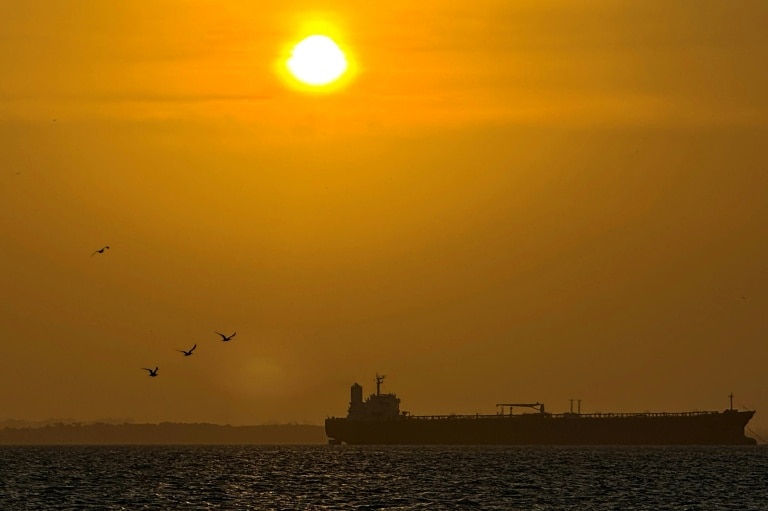
    Nearly nine months after ordering a U.S. military operation to capture Venezuelan sitting president Nicolás Maduro on federal narcoterrorism and drug trafficking charges, former President Donald Trump made a bombshell announcement Friday: the United States has struck a deal with Venezuela’s US-aligned interim government to take control of 65 billion barrels of the South American nation’s proven crude reserves.

    In a social media post, Trump framed the arrangement as the single largest oil agreement in global history, noting it was negotiated by U.S. Secretary of State Marco Rubio, Defense Secretary Pete Hegseth, and Venezuela’s interim President Delcy Rodriguez. The Maduro-aligned Venezuelan government did not immediately issue a response to requests for comment, and the White House also declined to elaborate on key details including which private sector partners would be involved in the deal, or how operational control of the reserves would be transferred.

    The announcement comes at a moment of intense political pressure for the Trump administration, as the U.S.-Israel war on Iran passes the six-month mark with no end to conflict in sight. The ongoing hostilities have severely disrupted global oil supplies, cutting off a large share of Gulf crude that once moved through the Strait of Hormuz — a chokepoint that carried roughly 20% of the world’s petroleum supplies before the conflict broke out.

    Domestically, the supply crunch has pushed U.S. gasoline prices sharply higher: AAA data puts the national average for a gallon of regular gas at $4.09 as of Friday, a steep jump from $3.21 per gallon during the same period last year. To offset market volatility, the Trump administration has drawn heavily from the nation’s Strategic Petroleum Reserve, which dropped below 300 million barrels in early August. That marks a decline of more than 100 million barrels since the start of 2026, leaving the reserve at its lowest level in decades.

    Trump only alluded to the deal’s structure as a private partnership in his post, but industry experts warn that persuading major U.S. oil firms to ramp up operations in Venezuela will face significant obstacles. Decades of underinvestment and political upheaval have left the country’s oil extraction and transport infrastructure severely dilapidated, and many major operators still carry bad memories of past nationalization efforts.

    Shortly after Maduro was ousted from power, Trump hosted top oil industry executives at the White House to urge a rapid return to Venezuelan operations. While many firms expressed preliminary interest in the massive reserve potential, leadership remained cautious. Darren Woods, CEO of ExxonMobil — the United States’ largest domestic oil company — publicly characterized Venezuela as “un-investable” in the immediate aftermath of the regime change.

    Despite these headwinds, the Trump administration has pushed forward with the agreement, arguing that past Venezuelan governments seized U.S. corporate assets decades ago when former President Hugo Chavez completed the nationalization of hundreds of foreign-owned oil holdings, including assets belonging to major American energy firms. The administration claims it has restored sufficient stability to Venezuela to open the sector for foreign investment, a claim echoed by Rodriguez’s interim government. One of Rodriguez’s first policy moves after taking power was signing legislation that reverses the core socialist principle of state control over oil that defined Venezuelan policy for more than two decades, fully opening the sector to private foreign investment.

    Appearing on the social platform X, Rubio framed the agreement as a mutually beneficial breakthrough, saying it would bring $100 billion in private investment into Venezuela while driving down domestic gasoline prices for U.S. consumers. “This deal is a huge win for both the American and Venezuelan people,” Rubio wrote.

    Venezuela already holds one of the largest proven crude reserve bases in the world. Data from the U.S. Energy Information Administration puts the country’s total in-ground reserves at 303 billion barrels, equal to roughly 17% of global proven supplies. Unlike most other major oil-producing regions, nearly all of Venezuela’s untapped reserves are already mapped and confirmed, eliminating the high costs of exploratory drilling. Yet due to decades of crumbling infrastructure and mismanagement, the nation currently produces only around 1% of the world’s total annual crude output, leaving massive room for expansion if new investment is successfully deployed.

  • Tennessee governor plans to name Nashville airport after Dolly Parton

    Tennessee governor plans to name Nashville airport after Dolly Parton

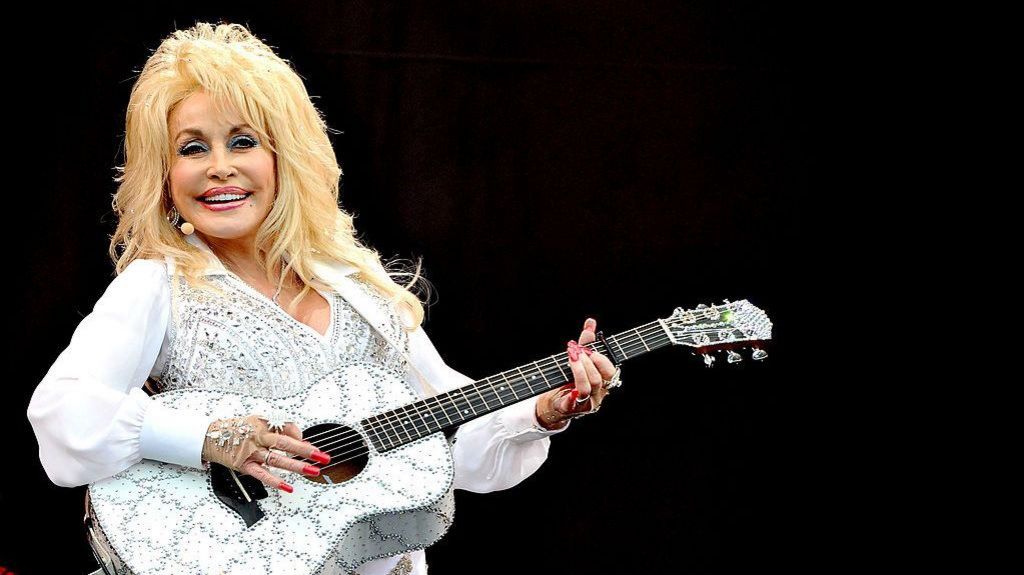
    Following the passing of 80-year-old country music icon Dolly Parton from cancer earlier this week, Tennessee Governor Bill Lee has formally tabled a plan to rename Nashville International Airport in her honor, a move that comes after a massive grassroots outpouring of support from fans across the globe.

    Born and raised in rural Sevier County, Tennessee, Parton launched her legendary entertainment career after moving to Nashville, the heart of American country music, making the city’s primary travel hub a fitting site to carry on her legacy. The push to rename the airport did not emerge overnight: the original online petition calling for the change was first launched in January 2025, but it saw a surge of new signatures after Parton’s death, accumulating nearly 160,000 signatures by Friday evening. The petition itself frames the renaming as a perfect way to spread Parton’s famous warmth, creativity, and generosity to visitors arriving from across the world, writing, “What a wonderful way to share her light and magic across Tennessee and the world.”

    In an official statement released Friday, Governor Lee confirmed that he has already reached out to Parton’s personal team, who conveyed their gratitude for the overwhelming public support to honor the late star. “Dolly Parton’s extraordinary life is forever woven into the fabric of our state,” Lee said. “At a place where Tennessee welcomes the world, it is fitting that Nashville International Airport would bear the name of our state’s favorite daughter and greet travelers with the enduring legacy of Dolly’s music, generosity, faith, and kindness.”

    The proposal still needs to clear several regulatory hurdles before it becomes official. The governor’s office confirmed that the Metro Nashville Airport Authority board will hold a formal vote on the name change at its upcoming meeting on September 17, and a final greenlight will also require approval from the Federal Aviation Administration. Beyond the grassroots petition, the push has also gained institutional support: a sitting Tennessee lawmaker has already pledged to introduce formal legislation in the state legislature to advance the renaming in Parton’s honor.

    This naming convention is not without precedent in the United States, where a number of major airports already bear the names of iconic cultural figures. New Orleans’ primary airport is named for jazz legend Louis Armstrong, while Louisville, Kentucky’s main airport honors boxing and cultural icon Muhammad Ali.

    Over the course of her decades-long career, Parton cemented her status as one of the most influential artists in American history: she won 10 Grammy Awards, sold more than 100 million records worldwide, and produced countless enduring hits including *Coat of Many Colors*, *9 to 5*, *Jolene*, and *I Will Always Love You*. In a touching tribute to Parton just days after her death, guards at Buckingham Palace paid their respects by playing her hit song *9 to 5* during a public ceremony, underscoring the global reach of her legacy.

  • Watch: Marchers reflect on voting rights 63 years after ‘I have a dream’ speech

    Watch: Marchers reflect on voting rights 63 years after ‘I have a dream’ speech

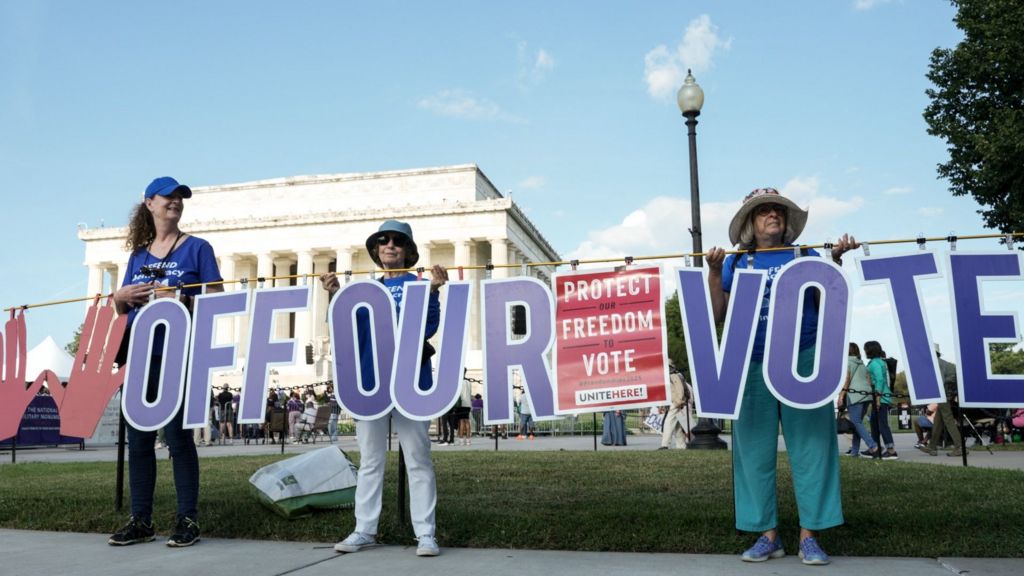
    Six decades have passed since Martin Luther King Jr. stood on the steps of the Lincoln Memorial and delivered his transformative ‘I Have a Dream’ speech, a moment that redefined the American civil rights movement. Today, thousands of activists, community organizers, and ordinary citizens gathered once again in the U.S. capital for the annual March on Washington commemoration, but this year’s gathering carried a renewed sense of urgency around a core promise of King’s work: equal access to the ballot box.

    Attendees marched through the streets of Washington D.C., carrying signs and sharing personal stories about persistent barriers to voting that remain entrenched across the country, from restrictive voter ID laws to gerrymandering, and cuts to early voting access. For many participants, the 63rd anniversary was not just a moment to reflect on how far the nation has come in advancing racial equality and democratic rights, but also a stark reminder of how much work remains unfinished. Speakers and marchers alike emphasized that the fight for voting rights is the direct continuation of the struggle King led in 1963, arguing that any celebration of his legacy must include concrete action to protect and expand access to voting for all marginalized communities.

    Unlike the historic 1963 march that drew national attention to segregation and unequal rights, this year’s gathering comes amid a series of recent legal and political setbacks for voting rights advocates. Federal voting rights legislation has stalled in Congress in recent years, and multiple states have enacted new restrictions on voting since 2020. Marchers called on federal and state policymakers to reverse these changes, pass sweeping national voting rights protections, and uphold the core democratic principle that every eligible voter deserves a voice, regardless of their race, zip code, or political affiliation.

  • Footage of Tibet floods isn’t being shown in China – and we know little about victims there

    Footage of Tibet floods isn’t being shown in China – and we know little about victims there

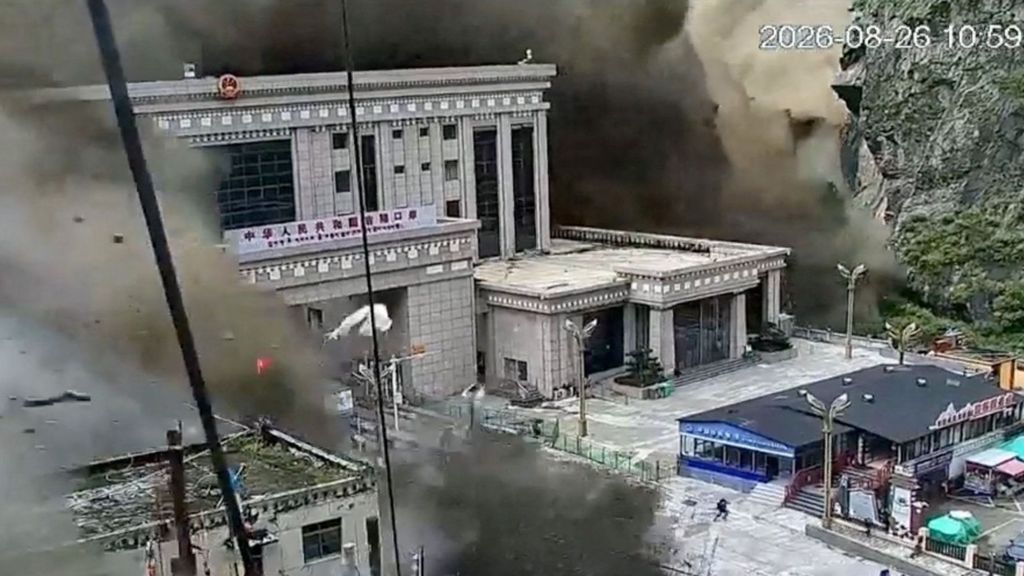
    Dramatic surveillance footage capturing a catastrophic flash flood tearing through Gyirong Port, a key border crossing between Nepal and Tibet Autonomous Region of China, has circulated widely across global social media and international news outlets—yet it remains almost entirely inaccessible to audiences inside China, according to a new Reuters report.

    The torrential flood, which struck earlier this week, has already claimed hundreds of lives, with hundreds more still unaccounted for as of Friday. But inside China’s strictly censored online ecosystem, searches for information about the disaster and related user-generated content are heavily restricted. As of Thursday, China’s national state-run flagship news bulletin had only aired a single still image of the event, with minimal additional context.

    While Beijing has launched a large-scale search and rescue operation deploying hundreds of emergency responders, and President Xi Jinping personally chaired an emergency coordination meeting to direct response efforts, the stark contrast between global access to on-the-ground footage and the controlled information environment inside China has thrown the country’s online censorship framework into sharp relief.

    China’s administration of Tibet has long been marked by strict information controls. Beijing asserts full sovereignty over the region, which it annexed in the 1950s, and has repeatedly cracked down on anti-government protests, while facing widespread international accusations of severe human rights violations against the Tibetan Buddhist population. Chinese authorities have designated the exiled Tibetan spiritual leader the Dalai Lama as a separatist, and the region’s name itself is a heavily monitored term for Chinese online censors. These long-standing sensitivities have shaped the government’s response to the disaster, observers say.

    State media has published incremental updates confirming the rising death toll, ongoing rescue work, and risks posed by a newly formed barrier lake at risk of catastrophic overflow. But beyond official statements highlighting rescue operations, little additional information has been released. No firsthand survivor accounts from the affected areas in Tibet have been made public, and no user-posted footage of the disaster or its aftermath has been allowed to remain online. Anxious families of missing people inside the region have also not spoken publicly, and contacting residents in the area remains extraordinarily difficult even in non-disaster times. One veteran foreign correspondent with experience covering North Korea noted that reaching interview subjects in Pyongyang is often easier than connecting to people in Lhasa, Tibet’s capital.

    The information gap was thrown into stark relief Thursday evening, when China’s main state broadcaster led its flagship evening news segment not with the Himalayan flood disaster, but with the launch of a new collection of President Xi Jinping’s political writings. Foreign journalists are barred from traveling to Tibet without prior official approval, leaving international reporters with a narrow window to gather information before content is scrubbed from online platforms and local voices are silenced. Most external reporting has therefore had to rely exclusively on official state media dispatches, which have focused heavily on the dramatic efforts of rescue teams scaling cliffs and crossing raging rivers to reach hard-hit communities, with no details on the number of people saved or the full extent of damage.

    Analysts emphasize that Beijing is not indifferent to the disaster: Premier Li Qiang, China’s second-highest ranking leader, was rapidly dispatched to the region to oversee debris removal and response efforts, an unusually quick visit for a top official following a major crisis. Instead, the muted, controlled public narrative is rooted in the Chinese Communist Party’s overriding priority of maintaining social stability, the report notes.

    Party leadership fears that a large-scale, unregulated public discussion of the disaster could stoke public discontent over the response or perceived lack of pre-disaster mitigation, observers say. There are also additional concerns that the tragedy could become a organizing point for dissent, particularly in a region where Buddhist religious identity remains a core part of community life. While large-scale public protests have not occurred in Tibet for years, Tibetan exile groups have repeatedly raised alarms over expanding Beijing control, including new education policies that critics say erode the influence of monasteries and Buddhist cultural practice.

    Within hours of the flood striking, local party authorities issued an internal notice calling on grassroots party members to lead relief efforts, provide psychological support to affected residents, and prioritize maintaining social order and public confidence in disaster zones. The notice explicitly states that members who perform well will receive rewards, while those who fail to meet expectations will face disciplinary action. Rights activists report that Tibetan residents can face detention or arrest for speaking to foreign journalists or posting online content that deviates from the official government narrative, a restriction that has left ethnic Tibetans living outside the region unable to confirm the safety of family members trapped in the disaster zone.

    The International Campaign for Tibet, an advocacy group, has acknowledged the critical work of on-the-ground first responders, but has accused Beijing of systematically removing user-generated videos and firsthand accounts of the disaster from domestic social platforms. The organization has called on Chinese authorities to release full, verifiable information about the scale of casualties and damage.

    Beijing has long rejected accusations of human rights violations in Tibet, pointing to massive infrastructure and economic investments that have grown the region’s tourism sector and integrated it more closely with China’s national economy. Even so, most Chinese citizens residing outside Tibet currently have little access to accurate, detailed information about the flood disaster unfolding in the Himalayan border region.

  • Smotrich announces plan to judaise Negev and Galilee

    Smotrich announces plan to judaise Negev and Galilee

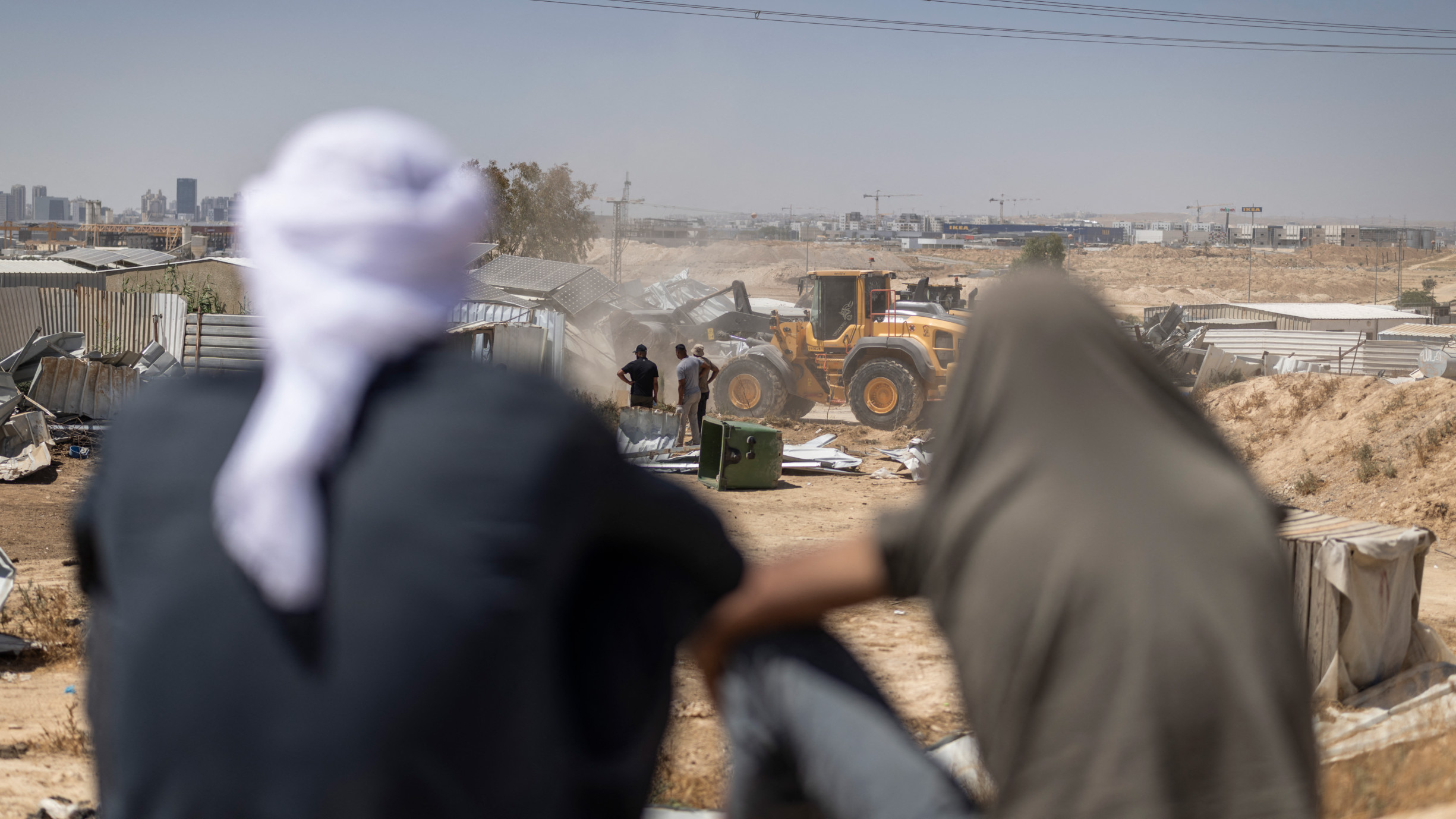
    Israel’s far-right Finance Minister Bezalel Smotrich, leader of the Religious Zionism party, has announced a sweeping new policy plan to advance the judaisation of Israel’s northern Galilee and southern Negev (called Naqab in Arabic), announcing he will replicate the aggressive settlement expansion policies he has implemented in the occupied West Bank across these two regions.

    Smotrich first unveiled the plan in a post on the social platform X on Thursday, framing the initiative as a continuation of what he calls a “revolution” in West Bank settlement policy. Over the past four years, Smotrich has overwritten planning protocols, seized large swathes of Palestinian territory in the occupied West Bank, and authorized dozens of new illegal settlements and outposts – actions that have been widely condemned by the international community as de facto annexation of Palestinian land.

    Under the new framework, Smotrich says he will scale this same model up dramatically across the Negev and Galilee, two regions that are already home to the vast majority of Israel’s Palestinian citizen population. The plan’s core targets are clear: to bring 1 million additional Jewish residents to the two regions, build 40 entirely new communities, establish dozens of new agricultural farms, expand existing Jewish localities, and create hundreds of thousands of new housing units designated exclusively for Jewish settlers.

    The far-right minister also explicitly pledged to scrap existing planning provisions for Arab communities, claiming these schemes have “seized land reserves” and pose a threat to Jewish settlement in the regions. “After the revolution in Judea and Samaria,” Smotrich stated, referring to the West Bank by its religious Jewish name, “it’s now the turn of the Negev and Galilee. Yes, we are judaising.”

    Looking ahead to Israel’s upcoming national elections, Smotrich announced that his party will demand full control over two of Israel’s most powerful national land planning agencies if it joins the next governing coalition. He made clear that bureaucratic procedures and opposing voices will be pushed aside to speed up the establishment of new agricultural settlements: “We are going to trample over procedures and people in order to allow the farms to be established.” The plan also calls for purging what Smotrich labels “anti-Zionist and post-Zionist elements” from the country’s land institutions, and cancelling existing policies that he claims “are strangling the Jewish communities” in the regions.

    Smotrich’s plan is structured around three core pillars: land, population, and security. It explicitly argues that “a land that we do not hold, Arabs will hold,” framing the policy as a zero-sum effort that advances Jewish settlement at the direct expense of existing Palestinian communities. On security, the plan calls for a harsh crackdown on criminal networks in Palestinian communities, with the stated goal of “dismantling the armed Arab autonomy.”

    This push for judaisation comes against a backdrop of surging violent crime in Palestinian communities inside Israel that has followed current Prime Minister Benjamin Netanyahu’s government taking power in 2022. As of this year, 161 Palestinian residents of Israel have already been killed in crime-related violence, marking a dramatic escalation that Palestinian leaders attribute to systemic government neglect of Arab community safety. Most recently, a young Palestinian man was shot and killed in a crime-linked incident in Jaffa on the same night Smotrich announced his new plan.

    While Smotrich’s plan marks a dramatic escalation of settlement efforts, the push to judaise the Negev and Galilee is not a new development in Israeli policy. Successive Israeli governments have pursued the same goal for decades, most notably in 1976, when the Yitzhak Rabin administration’s Galilee judaisation plan sparked mass protests among Palestinian communities in northern Israel. The Israeli military’s violent crackdown on those protests left six Palestinian demonstrators dead on March 30 1976, a date that has been commemorated annually by Palestinians around the world as Land Day ever since.

    Judaisation of these regions has already been a central policy priority for Netanyahu’s current far-right government, with Smotrich’s party colleague Orit Strook – who serves as Israel’s Settlement Minister – leading ongoing efforts in this area. Earlier this month, Strook claimed that one of her greatest policy achievements had been “halting the Islamic conquest of the Galilee,” and under her leadership, the Settlement Ministry has allocated millions of shekels in public funding to incentivize Jewish relocation to the Negev and Galilee.

    According to 2023 official Israeli data, roughly 740,000 Palestinian residents live in the Galilee, where they make up around half of the total population. In the Negev, official counts put the Palestinian population at around 200,000, but independent estimates put the actual figure closer to 300,000, as the Israeli government refuses to recognize dozens of unregistered Bedouin villages in the region, meaning their residents are excluded from official population counts. Overall, Palestinians make up roughly 30 percent of the Negev’s total population.

    Palestinian political leaders inside Israel have harshly condemned the plan, framing it as a explicitly racist effort to enforce apartheid-style demographic engineering. Yousef Jabareen, head of the left-wing Hadash party and leader of the newly formed Palestinian Joint List, called the initiative “racist minister Smotrich’s plan to judaise the Negev and Galilee is essentially an apartheid plan.” He added, “Arab citizens will not accept the status of second-class or third-class citizens,” and vowed that Palestinian political factions would work to defeat the plan through electoral and political action in the upcoming elections.