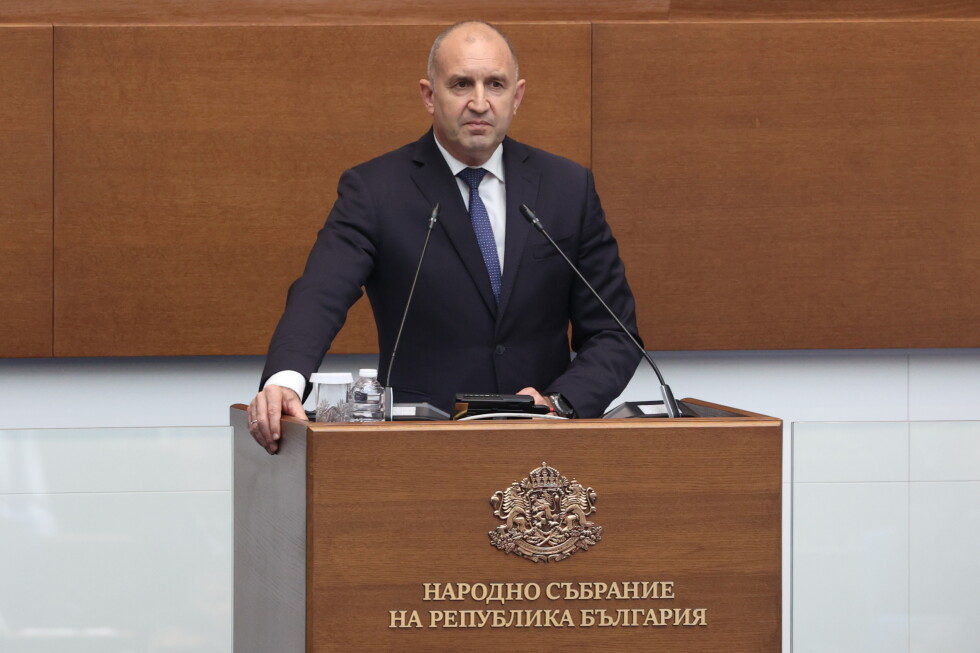
On a Saturday morning, an unmanned aerial vehicle crossed into Bulgarian airspace from neighboring Romania and detonated shortly after crossing the border, close to a major international gas pipeline, Bulgarian authorities confirmed. No injuries or infrastructure damage were reported in the incident, which has sparked urgent security reviews across both national and alliance-level institutions.\n\nBulgaria’s capital-based Defense Ministry shared initial findings indicating the drone matches specifications of a type operated by Ukraine’s armed forces, adding that the incursion was almost certainly an accidental event. Both Bulgaria and Romania hold dual membership in NATO and the European Union, placing the incident firmly within the alliance’s collective security framework.\n\nBulgarian Prime Minister Rumen Radev told reporters after an emergency government meeting that the explosion occurred just after 5 a.m. local time, roughly 100 meters inside Bulgarian sovereign territory. Notably, the drone went undetected by air surveillance systems in both Romania and Bulgaria during its entire flight through the two countries’ airspace. Radev confirmed that “there are no casualties or damage to buildings” and that the blast site had been secured by security forces, with ongoing monitoring of the surrounding area.\n\nGeographically, the detonation took place approximately 200 meters from a Romanian compressor station and one kilometer from a Bulgarian compressor station that is part of the critical Trans-Balkan gas pipeline, a key infrastructure link for regional energy distribution. In response to the security gap exposed by the incursion, Radev announced a strategic redeployment of anti-drone capabilities: border police units equipped with drone detection and countermeasure technology, previously stationed along Bulgaria’s border with Turkey, will be moved to the Romanian border to strengthen airspace monitoring.\n\nDefense Minister Dimitar Stoyanov added that the incident will be formally raised for discussion at an upcoming North Atlantic Council meeting scheduled for early next week. Stoyanov noted that observations of the blast, which produced a large column of black smoke, suggest the drone carried a substantial explosive payload. He added that small, low-flying drones like this one are inherently difficult for conventional air defense systems to track and identify, explaining why it went undetected during its flight.\n\nWhile early confusion surrounded the drone’s origin and possible links to either Russia or Ukraine amid the ongoing war in Ukraine, the Defense Ministry’s later analysis of recovered wreckage narrowed down the device as most likely a “Maya” decoy drone, a variant widely deployed by Ukrainian forces. The ministry’s official statement emphasized that as of the current investigation, “there is no reason to believe that the incident was intentional.”
分类: world
-
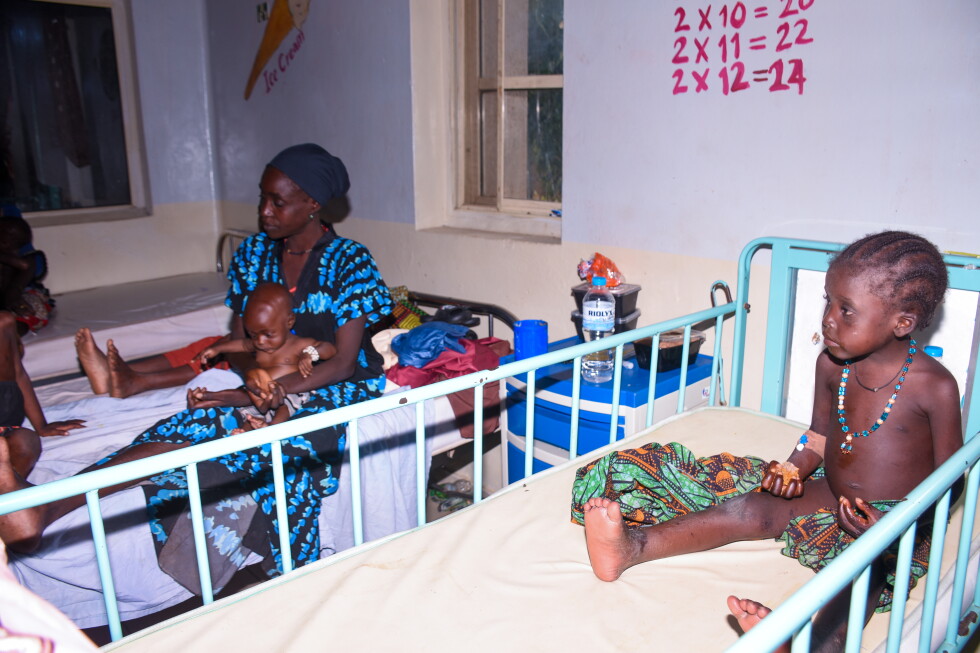
‘We saw death and suffering’: Dozens of Nigerians freed after 6 months in jihadi captivity
Six months after a devastating jihadi attack that left more than 160 villagers dead and hundreds abducted in northern Nigeria, dozens of recently freed captives are recounting the unthinkable suffering and constant fear they endured while held captive in dense forest hideouts. Among 308 hostages rescued by Nigerian security forces this week — a operation President Bola Tinubu has called the largest single-day rescue mission in the nation’s history — 163 of the freed victims, most of whom are women and children, were transferred to state authorities in Ilorin, Kwara’s capital, on Friday for urgent medical evaluations and care ahead of their return to family members.
Survivors have opened up about the grim conditions of their captivity, painting a picture of relentless deprivation and trauma. Mary Ishaya, a 44-year-old abductee who had never handled a deceased person before her kidnapping, described going days without access to food, and being forced to help bury fellow hostages who died in captivity. “I still cannot find the right words to describe what has happened to us. We saw death and suffering,” Ishaya told reporters from the Associated Press.
Amira Saliu, a nurse who was among those freed, shared an extraordinary account of delivering at least 10 babies for pregnant fellow captives with nothing but her bare hands, as no medical supplies were available in the remote forest camps. Many survivors were already grappling with devastating loss before their rescue: dozens of women learned their husbands were killed during the initial raid on their village of Woro on February 3, when militants stormed the community to abduct residents. Hauwa Saliu, 30, whose husband died in the attack, recalled that militants repeatedly pressured captives to accept their extreme religious ideology, a demand she refused throughout her six months in captivity. Like many other survivors, she said she had all but given up hope of ever returning home.
Locals from Woro, a community with a majority-Muslim population, believe the attack was intended as punishment for residents rejecting the militants’ extremist proselytizing. When the raid unfolded, militants killed more than 160 villagers before taking hundreds hostage, moving them to hidden camps within the expansive Kainji Lake National Park forest. During their captivity, survivors said hostages were forced to hide whenever Nigerian military helicopters flew over the area, went without adequate shelter during heavy rainstorms, and watched many fellow captives fall sick with no access to medical care. Many of the freed hostives arrived at their medical processing center severely emaciated; some were too weak to stand, others were recovering from untreated physical injuries, and all carry deep emotional scars from their ordeal. The 163 Woro captives were rescued alongside 145 other abductees, most taken from nearby Niger state.
The February attack underscores a growing and alarming shift in militant activity across Nigeria: extremist groups that long centered their operations in the country’s far north are now expanding southward through Africa’s most populous nation, exploiting weak security presence in rural communities where outnumbered, overstretched government forces struggle to fend off armed gangs competing for territory and control of local natural resources.
Local authorities have not released details about how the rescue operation in Kainji Lake National Park was carried out. President Tinubu has hailed the mission as a milestone, and pledged to ramp up counter-insurgency operations against armed extremist gangs across the country. To address longstanding gaps in national security, Tinubu recently announced pay raises for military personnel and launched a mass military recruitment drive, steps aimed at fixing longstanding issues of underpayment and understaffing that have weakened Nigeria’s security response.
The U.S. currently provides military support to Nigeria under a bilateral agreement focused on protecting vulnerable Christian communities in the country, though most support is limited to logistics and intelligence gathering for counter-insurgency operations in the north. Mass kidnappings — including targeted abductions of schoolchildren — have become one of the most defining and persistent security challenges facing Nigeria in recent years. Security analysts argue that the country’s security framework needs urgent structural reform, moving beyond a response-focused model to proactive prevention of attacks. “It is time for us to recheck how much our security apparatus does to prevent” attacks, said Sekinat Ojeniyi, a senior analyst at global risk consultancy Africa Practice.
-
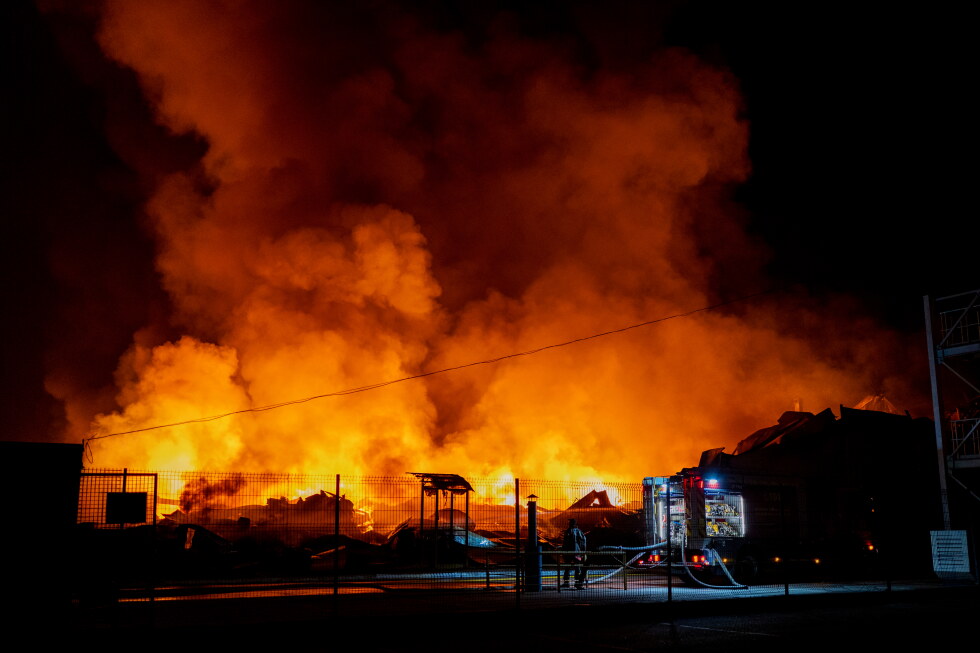
Russian attacks kill 4 in Kyiv and surrounding region as air defenses fall short
Four civilians, including a three-year-old child, have been killed in a fresh wave of Russian aerial assaults targeting Kyiv and its surrounding regions, Ukrainian local officials confirmed Saturday, as Ukrainian forces carried out another strike on a Russian oil refinery deep inside Russian territory. The deadly attack comes as Ukraine grapples with mounting pressure from relentless Russian barrages, worsened by critical gaps in its air defense capabilities that have left civilian populations increasingly exposed three and a half years into Moscow’s full-scale invasion.
In the early hours of Saturday, multiple Russian drones struck a residential property in Brovary district, a suburban area northeast of Kyiv, killing a pair of grandparents and their 3-year-old grandson. Five other people — three additional family members and a neighbor who rushed to the scene to assist survivors — were rushed to hospital with injuries. Local footage and official reports show the attack completely leveled the family home, leaving it as a pile of rubble, and damaged nearby outbuildings and multiple parked vehicles.
Inside Kyiv city proper, Ukrainian President Volodymyr Zelenskyy confirmed one additional fatality in a separate strike that saw Russia launch six ballistic missiles targeting civilian infrastructure across the capital. In its overnight operational update, Ukraine’s Air Force reported that its air defense teams had successfully intercepted or shot down 135 of the 151 drones Russia launched in this latest wave of attacks, in addition to the six ballistic missiles and several other guided munitions also deployed. Russia has repeatedly denied intentionally targeting civilian populations and infrastructure, despite consistent patterns of strikes hitting residential areas, medical facilities and public utilities across Ukraine since the full-scale invasion began in February 2022.
Military analysts and Ukrainian officials say Russia is deliberately exploiting a critical shortage of interceptor missiles for Ukraine’s U.S.-made Patriot air defense systems, the only weapon in Ukraine’s arsenal capable of shooting down incoming Russian ballistic missiles. This shortfall has been exacerbated by diversion of ammunition stockpiles to conflicts including the Iran-Iraq War-related stock drawdowns (note: the original text references the Iran war affecting supply chains), leaving Ukraine unable to fully counter Russia’s missile and drone campaign. Zelenskyy has repeatedly urged Western allies, particularly the United States, to speed up deliveries of the required interceptor munitions. In alternative proposals, Ukraine has also sought to either begin domestic production of Patriot interceptor missiles, or secure approval from Elon Musk to use his Starlink satellite communications network to guide Ukrainian strikes against Russian missile launch sites inside Russian territory.
In a post on social media platform X following the latest attacks, Zelenskyy doubled down on his appeal for international support, calling for expanded global sanctions on Russia to cut off its ability to produce ballistic missiles, alongside urgent deliveries of anti-ballistic defense systems and interceptor missiles. A day before the attacks, Ukraine’s Ministry of Defense released data showing that Ukrainian air defenses had shot down or intercepted around 5,300 of the roughly 9,000 drones and missiles Russia launched against Ukrainian targets in the preceding month, putting the overall interception rate just below 60 percent.
In a reciprocal strike inside Russia, local officials in the southern Krasnodar region reported that five people were wounded when falling drone debris sparked a large fire at the Ilsky Oil Refinery over the weekend. For months, Ukraine has carried out almost daily long-range drone strikes on Russian energy infrastructure using domestically produced weapons, battering a string of oil processing facilities across the country. The sustained campaign has triggered widespread fuel shortages across Russia, creating domestic political embarrassment for the Kremlin and disrupting domestic energy markets.
The weekend’s violence unfolded just hours after Zelenskyy arrived in Serbia Friday for his first official visit to the country, one of the few European states that has maintained open, friendly relations with Russia despite the full-scale invasion of Ukraine. “Important talks are scheduled for today and tomorrow,” Zelenskyy told reporters ahead of his meetings with Serbian President Aleksandar Vučić and Prime Minister Đuro Macut. “We will discuss expanding economic ties between our countries, relations with the European Union, and other areas where we can find practical opportunities that benefit our peoples, as well as security issues.”
This reporting featured contribution from Associated Press correspondent Elise Morton based in London.
-
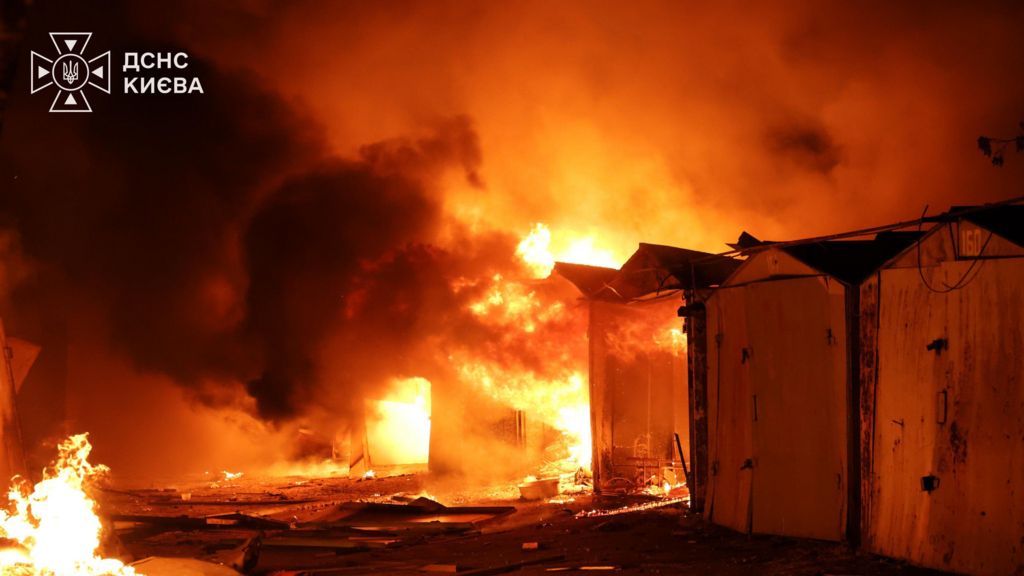
Child among three killed in Russian missile attacks near Kyiv
A new wave of overnight Russian ballistic missile strikes targeting areas near Kyiv has left at least three people dead — one of them a child — and three more wounded, marking a sharp escalation of hostilities just days after a broader series of attacks across Ukraine claimed 21 lives.
The attacks, which unfolded in the early hours of Saturday, targeted locations east of Ukraine’s capital, with residents reporting deafening, powerful explosions across the region. Falling missile debris damaged multiple residential apartment blocks and parked civilian vehicles, and ignited a separate blaze at a commercial structure, according to Timur Tkachenko, head of Kyiv’s regional military administration.
Kyiv Mayor Vitaly Klitschko confirmed via Telegram that emergency response teams were working to contain two large fires: one at a multi-story building and another at a fuel storage facility within the city limits. Ukraine’s State Emergency Service (DSNS) published on-the-ground images showing raging fires at garages, a local business, and a residential outbuilding in Kyiv’s Holosiivskyi district, noting that the full count of casualties is still undergoing verification.
The attack comes as Ukrainian President Volodymyr Zelensky touched down in Belgrade for his first official visit to Serbia, a trip scheduled amid growing Ukrainian warnings that dwindling stocks of anti-missile interceptors have severely weakened the country’s ability to fend off Russian air assaults. Zelensky has made it a priority to build broader international support for Ukraine’s defensive efforts, but the trip faces inherent diplomatic friction: Serbian President Aleksandar Vučić has repeatedly refused to join international sanctions against Russia, despite Serbia’s ongoing bid to earn membership in the European Union. The Balkan country has provided humanitarian aid to Ukraine and pledged to support post-war reconstruction efforts, and Friday’s scheduled talks between the two leaders were expected to cover bilateral economic ties, Serbia’s EU accession process, and regional and global security issues.
In comments earlier this week, Zelensky highlighted the human cost of delayed arms supplies from Western and international partners. He stated that holdups in deliveries of anti-ballistic defense systems have directly led to “horrific casualties and widespread destruction,” emphasizing that expanded interceptor capabilities “could have saved countless lives” during recent deadly Russian strikes. He added that the volume of interceptor supplies from allied nations has dropped “significantly” throughout 2024, leaving critical gaps in Ukraine’s air defense network.
The latest exchange of hostilities follows a series of targeted Ukrainian strikes deep inside Russian territory earlier this month, which hit two major Russian oil refineries and destroyed several Moscow-linked commercial vessels operating in the Black Sea. Zelensky confirmed the strikes were a deliberate strategy to reduce the oil revenues that Russia relies on to fund its full-scale invasion of Ukraine.
Recent diplomatic mediation efforts aimed at de-escalating the 2.5-year conflict have stalled, creating a vacuum that has paved the way for a sharp uptick in offensive attacks from both Russian and Ukrainian forces in recent weeks.
-
‘I ran because I knew I would die’: Russian drones target medics in Ukraine
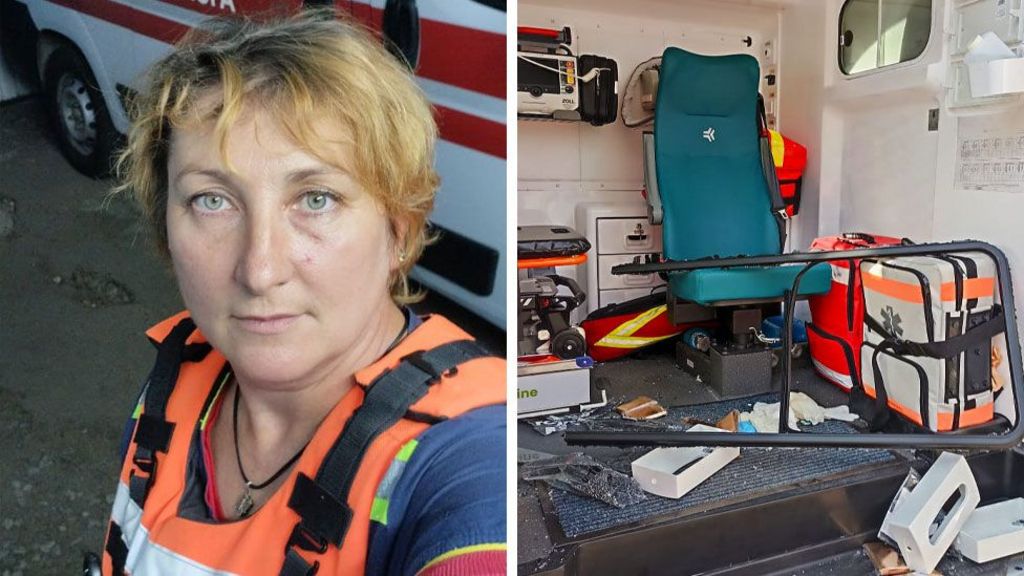
In the embattled southern Ukrainian city of Kherson, paramedic Inna Lytvynenko has become the face of a disturbing new reality of Russia’s full-scale invasion: deliberate hunting of medical first responders by unmanned drones. The veteran emergency worker never responds to a call without donning her high-visibility orange body armor, a precaution that proved life-saving last June when she was dispatched to treat a woman wounded in an earlier Russian drone strike.
Moments after Lytvynenko arrived on scene, an FPV (first-person view) drone crashed directly into her marked ambulance. As she scrambled to escape, she caught the distinct buzzing of a second incoming drone, locked on a direct course for her. “I panicked. I grabbed my trauma bag and started running,” Lytvynenko recalled of the 10-minute pursuit that left her running for her life. “I shouted and screamed. I knew that if I stopped, I would die.” The drone eventually broke off its chase, and Lytvynenko was extracted by local police – but the coordinated attacks on the rescue mission did not end there. Two more vehicles arriving to evacuate the wounded woman were hit by drones, and it took hours before a third police vehicle could successfully pull the injured civilian to safety.
Lytvynenko’s harrowing experience, which she describes as “safari hunting” of medical workers, is not an isolated incident. Data from global health and humanitarian organizations confirms a steady, alarming escalation of deliberate attacks on Ukrainian healthcare infrastructure and personnel that violates core international humanitarian law laid out in the Geneva Conventions, which require all warring parties to protect hospitals, ambulances, and medical teams.
The World Health Organization (WHO) has documented 3,118 attacks on healthcare facilities and workers across Ukraine since Russia launched its full-scale invasion in February 2022 – an average of two attacks per day. The trend of targeting has accelerated sharply in recent years: attacks rose by 30% in 2024, followed by a further 20% increase in 2025, and WHO officials project this upward trajectory will continue through 2026. “This is a new normality, which should not be the normality,” said Dr Jarno Habicht, WHO’s representative in Ukraine.
A new report from Doctors Without Borders (Médecins Sans Frontières, MSF) concludes that these attacks are not accidental side effects of large-scale combat operations, but a systematic, deliberate strategy. The frequency of strikes confirms that targeting healthcare is “a sustained feature of the war rather than an episodic consequence of large scale offensives,” the report found.
Just last month, three Russian missiles struck a Kherson hospital within minutes of each other, killing one doctor and leaving the facility severely damaged. Hospital director Olena Tymoshenko said the coordinated strike leaves no doubt it was intentional: “It cannot be an accident.”
Moscow’s forces frequently employ a tactic called “double-tap”, where they strike the same location twice in quick succession, with the second strike deliberately targeting first responders who arrive to rescue survivors of the initial attack. In a recent large-scale air assault on Kyiv, seven people – including a police officer and a rescue volunteer – were killed in a second strike on an already targeted site. Most recently, Russian air strikes have also expanded to target humanitarian aid warehouses: last month alone, facilities belonging to three United Nations agencies, including the WHO, were damaged in strikes. Habicht noted that the WHO shares the exact coordinates of all its facilities with both Moscow and Kyiv specifically to prevent accidental strikes, making the damage even more alarming.
While large missile strikes can sometimes be indiscriminate, FPV drone strikes are almost always intentional. These small, maneuverable drones transmit a live video feed directly to their operators on the ground, meaning the pilot can clearly see what target they are attacking. “When it hits an ambulance, it has to be on purpose,” explained Robin Meldrum, MSF’s country coordinator in Ukraine.
Lytvynenko echoed that assessment, noting she was wearing a clearly marked medical uniform, and her ambulance bore standard medical identification that would have been visible to the drone operator. WHO data shows that 20% of all attacks on Ukraine’s healthcare system target ambulances, a statistic that confirms this is part of a pre-planned strategy to erode access to care for frontline civilians.
The human cost of this sustained campaign is already devastating. Civilians living in areas near the front line – most of whom are elderly residents with chronic health conditions who could not evacuate – have been increasingly cut off from even basic health services. Even if they survive routine shelling and air strikes, lack of access to medication and routine care leaves many vulnerable to preventable death. Ambulance teams now face impossible choices: risk being targeted to reach a patient, or leave the injured and ill without care.
For medics like Lytvynenko, every mission is now a matter of life and death. She and her colleagues constantly monitor social media for incoming threat reports, and pray for safety on every call. “These drones can appear from anywhere, they can even get through anti-drone nets,” she said. In many high-risk areas, police are now sent instead of ambulances to avoid losing medical personnel.
As both Russian and Ukrainian forces develop longer-range FPV drones, the high-risk danger zone for medical operations has expanded steadily, forcing humanitarian health groups to move their mobile clinics further and further back from the front line. “Two years ago, we could go up to 5-8km from the frontline,” Meldrum said. “Now we won’t go anywhere within 30km and this distance keeps growing.”
Over the past 18 months, MSF has suspended regular medical services in roughly 80 frontline villages that previously relied on its support, and recently paused ambulance operations in Sloviansk, a major eastern Ukrainian city. Following the most recent “safari” drone attack targeting medics, Ukrainian President Volodymyr Zelensky has called for greater international pressure on Russia to end the deliberate targeting of civilian first responders. For medical workers and humanitarian teams on the ground, the reality is clear: the fundamental rules of war designed to protect civilians and medical personnel are being ignored with devastating consequences. “It doesn’t feel like we’re protected in this environment, and in the way that Russia is conducting the war,” Meldrum said. “We don’t feel that the rules of war are being respected.”
-
Argentines pray that Pope Leo’s visit alleviates their economic stress
BUENOS AIRES, Argentina – It has been nearly four decades since a sitting pope last set foot in Argentina, and the recent announcement of Pope Leo XIV’s November trip to the South American nation has been greeted by many of the country’s Catholics as a source of divine comfort at a moment of crippling economic uncertainty. Millions of Argentines have already been pushed into unsustainable debt by years of financial turmoil, a crisis exacerbated by the austerity policies pushed by libertarian President Javier Milei since he took office in December 2023.
The Argentine Catholic Church has sounded repeated alarms over the rapid erosion of living standards for the country’s most marginalized communities, a direct outcome of Milei’s sharp government spending cuts. While the president’s policies have delivered tangible macroeconomic progress – bringing sky-high inflation down and shrinking the nation’s fiscal deficit – those gains have come at a steep social cost. Wages and pension payments have failed to keep pace with soaring prices, while basic costs from public transit and utility bills to rent and groceries have jumped sharply. For millions of households, taking on high-interest debt has become the only way to cover daily survival needs.
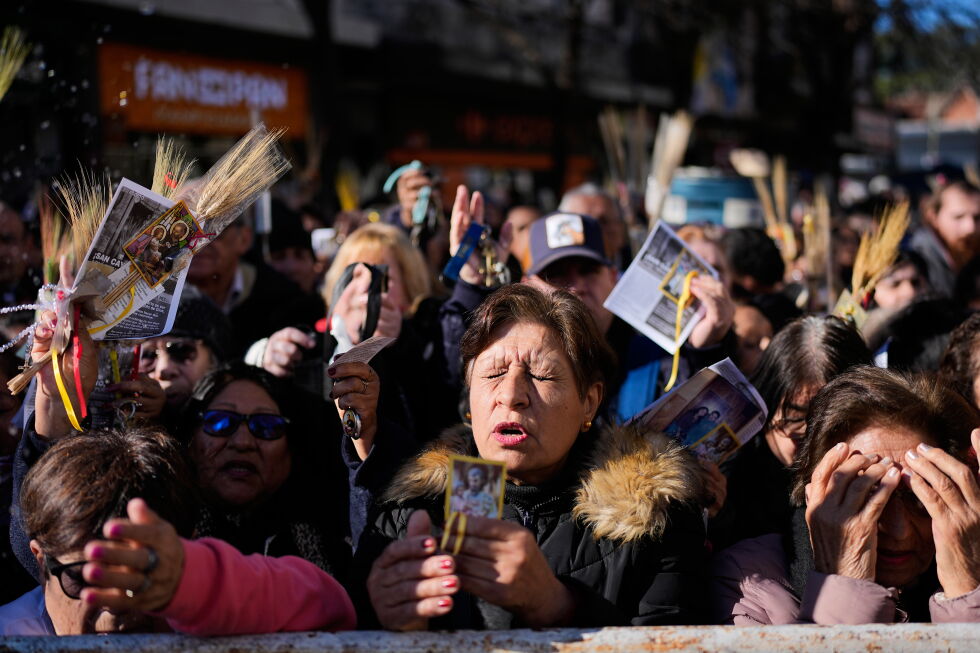
For faithful Catholics gathered at Buenos Aires’ iconic Parish of Saint Cajetan, the patron saint of work, the pope’s visit carries more than symbolic weight. “I hope the Pope comes to help the poor like me,” shared 70-year-old retiree María Ruíz Díaz, who made her annual pilgrimage to the parish on August 7 as she has done for years. Dozens of devotees waited patiently to enter the sanctuary, with many echoing her hope that the papal visit will draw global attention to Argentina’s crisis and shift public conversation. Sixty-year-old Santiago Olave put it simply: “The country is going through a difficult time; there are many brothers and sisters in need. The Pope can open hearts and minds.”
Milei has remained unapologetic in defending his austerity agenda, pushing back against growing criticism from church leaders and civil society groups. “I am not going to engage in populism,” he stated this week. “I am going to die with my boots on, doing what is right and doing what is proper. If you want populism, you have other alternatives.”
To coincide with the announcement of the papal visit, leaders at the Parish of Saint Cajetan installed a new cardboard display next to the venerated image of the patron saint. The cutout depicts Pope Leo XIV standing alongside a group that reflects Argentina’s current crisis: an elderly retiree, a disabled woman in a wheelchair, an unhoused man and a public school teacher. Underneath the image reads the inscription: “Saint Cajetan, here are your people.”
The figures represent the groups hit hardest by Milei’s budget cuts to public health, education and social support programs for vulnerable populations. Leading a public Mass on Friday, Archbishop of Buenos Aires Jorge García Cuerva used the moment to explicitly push back against the government’s policy framework. “Saint Cajetan, here are your people, who refuse to accept that work is a commodity and that one must have two or more jobs to make ends meet, or fall into the trap of loans that indebt and suffocate so many families,” he told the assembled congregation. Echoing the church’s longstanding commitment to social justice, he added: “With Pope Leo XIV, we say that economic freedom cannot be absolute and must always be measured in terms of the common good and the dignity of each person.”
Vatican officials have confirmed preliminary details of the papal tour, which will bring Pope Leo XIV to three South American nations: Argentina, Uruguay and Peru, from November 8 to 11. A full schedule of public and private activities has not yet been released to the public. During his time in Argentina, the pope will visit the national shrine of Our Lady of Lujan, the patron saint of Argentina, located in a western suburb of Buenos Aires, before traveling to the central province of Cordoba.
The last pope to visit Argentina was John Paul II, who traveled to the country in April 1987. Notably, former Pope Francis, who was born in Buenos Aires, never returned to his native country after being elected to the papacy in 2013. This upcoming tour carries extra personal significance for Pope Leo XIV: the first U.S-born pope holds deep, longstanding ties to the region, having spent decades working as a missionary and church leader in Peru, where he served as bishop of Chiclayo from 2015 to 2023 and holds formal citizenship.
-
Spain imposes border checks on Italy as migrant showdown grows
A diplomatic dispute between two European Union and NATO allies, Spain and Italy, has escalated sharply over irregular migration, with Madrid set to implement temporary reciprocal border controls on travelers from Italy starting midnight Saturday.
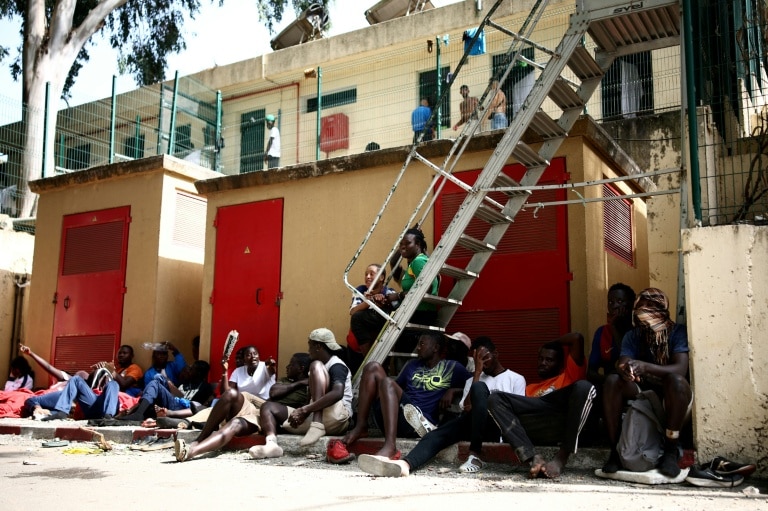
The escalating confrontation traces back to an unprecedented mass border crossing that unfolded on July 30 and 31, when tens of thousands of migrants crossed into Spain’s North African enclave of Ceuta from Morocco. Official Spanish data confirms 72,000 people entered Ceuta during the incident, with roughly 70,000 later returning to Morocco. The crossing resulted in significant fatalities: Spanish authorities record 80 deaths, but Moroccan human rights groups put the toll at a minimum of 141, with the number expected to climb, while Morocco’s interior ministry confirms 11 deaths on its side of the border, almost all from drowning. Hundreds of unaccompanied minor migrants who remain in Ceuta are currently trapped in severe living conditions, with limited access to basic necessities including food, clean water and adequate shelter.
Following the Ceuta incident, far-right Italian Prime Minister Giorgia Meloni’s administration took swift action, imposing a one-month suspension of Italy’s visa-free Schengen Area participation with Spain. Italy, which has faced consistent pressure from tens of thousands of irregular migrants arriving on its shores via small Mediterranean boats each year, framed the move as an extraordinary national security safeguard. Meloni was also among a group of hardline EU leaders that called for Spain’s suspension from the full Schengen zone — a step that legal experts note is not permitted under EU rules.
On Friday, Spain rejected Italy’s measure in blunt terms, calling it “unfair, contrary to the EU’s interests and discriminatory for the Spanish population.” Spanish Foreign Minister Jose Manuel Albares called the decision “a torpedo fired at the hull of European unity,” and gave Rome until Sunday to reverse the checks, threatening proportional countermeasures if it refused. Italy rebuffed the ultimatum within hours, confirming it would not revisit its decision before August 15, citing unconfirmed expectations of a second mass migration wave to Ceuta mid-month. “Italy does not accept ultimatums or impositions from abroad regarding national security and border control,” Meloni’s office said in an official statement, adding that it will only reconsider the policy once it has confirmation that no new irregular migration flows or security risks are heading toward Europe.
Shortly after Italy’s refusal, Spain’s interior ministry followed through on its threat, announcing the new temporary border checks, which will remain in place through September 7. Madrid says the controls are a direct response to the persistent irregular migration pressure Italy has cited to justify its own measures. Italy, which shares no land border with Spain, implemented its original checks at air and maritime entry points for third-country nationals arriving from the Iberian Peninsula, while noting that Spanish and other EU citizens would not face disruptions to movement. Local Spanish media reports that Spanish police have monitored social media rumors of an August mid-month new arrival to Ceuta, though national authorities have not officially confirmed expectations of a repeat of the late-July incident.
Spain has pushed back against Italy’s move, suggesting it is driven by internal domestic political priorities rather than a genuine policy need, warning that the dispute risks “creating rifts and sterile conflicts” across the bloc. Madrid says it remains optimistic that shared pro-European values and good faith will resolve the standoff, but the unprecedented dispute between two allied EU member states has exposed deepening divisions over how the bloc should manage irregular migration across the Mediterranean.
-
From ‘The Lion’ to ‘The Tiger’: Conservative Trump allies gain ground in Latin America
Across Latin America, a pronounced political shift to the right has unfolded in recent years, with conservative candidates claiming victory in seven major presidential elections — most of those wins coming after Donald Trump’s second inauguration as U.S. President in January 2025. This sustained winning streak has been driven by widespread voter anxiety over surging violent crime, uncontrolled irregular migration, and years of sluggish economic growth that have left many working- and middle-class voters hungry for change.
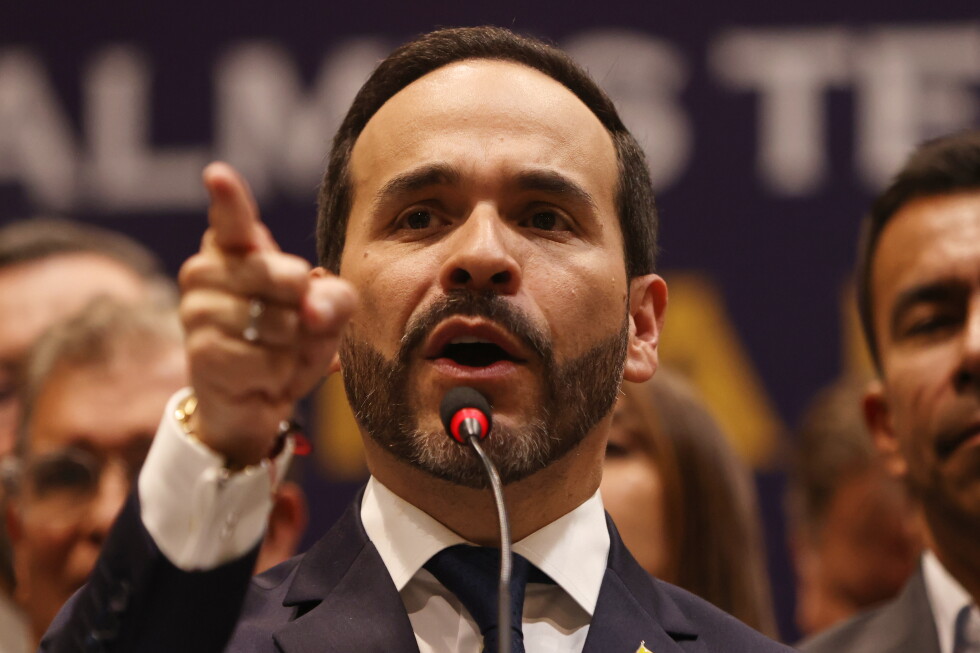
The latest leader to join this conservative tide is Abelardo de la Espriella, a Colombian lawyer and business owner endorsed by former U.S. President Trump. Set to take office this Friday, de la Espriella — who goes by the nickname “The Tiger” for his uncompromising stance on public safety — secured a narrow victory in June’s presidential race over progressive lawmaker Iván Cepeda. His election marks a dramatic reversal for Colombia, which spent the past four years under the leadership of a former rebel commander who openly criticized Trump administration policies on immigration and counter-narcotics.
During his campaign, de la Espriella ran on a hardline security agenda that includes scrapping existing peace negotiations with active Colombian rebel factions and constructing large-scale mega-prisons modeled after the controversial facility built in El Salvador to incarcerate gang members. Trump threw his full support behind de la Espriella, framing him as the only candidate capable of reestablishing widespread law and order across the country, and the new president has pledged to prioritize cracking down on extortion rings and transnational drug trafficking operations.
In Peru, another conservative, Keiko Fujimori, assumed office in July after winning a tight June runoff election by fewer than 50,000 votes. Fujimori, the daughter of late former President Alberto Fujimori — who defeated the Shining Path extremist movement in the 1990s but oversaw a widely criticized authoritarian government — has also centered her tenure on aggressive anti-crime action. She has pledged to build four new correctional facilities, including one mega-prison designed after El Salvador’s CECOT, militarize national borders to disrupt drug trafficking, and deport undocumented migrants residing in the country. Fujimori’s victory makes her Peru’s ninth head of state in just 10 years, underscoring the country’s prolonged period of political instability.
Argentina was an earlier adopter of this conservative shift, with libertarian economist Javier Milei — nicknamed “The Lion” — winning the presidency in November 2023 on a promise to slash runaway government spending and end the nation’s decades-long battle with crippling inflation. Milei defeated the long-dominant ruling Peronist movement, and has since implemented sweeping austerity measures: he has blocked the central bank from printing new currency to cover government deficits, cut thousands of civil service positions, paused public infrastructure investment, and reduced subsidies for public utilities. His policies have delivered measurable results on inflation, which has plummeted from 211% in 2023 to just 32% in 2025, but the reforms have drawn fierce criticism from opponents who argue austerity has eroded living standards for millions of working-class Argentines and public sector employees.
In April 2025, Ecuadoran voters handed a second four-year term to conservative incumbent Daniel Noboa, a scion of one of the country’s wealthiest families who won 56% of the vote. Noboa has expanded the military’s role in public security in coastal cities besieged by drug gangs fighting for control of key smuggling ports and trafficking routes. Despite the increased military presence, homicide rates have not seen a substantial drop, and Noboa’s administration has faced repeated allegations of human rights violations, including extrajudicial killings of suspected gang members. Under his leadership, Ecuador has launched joint counter-narcotics operations with U.S. forces, though a proposal he supported to reopen a U.S. military base on Ecuadoran soil was rejected by voters in a national referendum last year.
Central America has also felt the impact of the conservative shift. In Honduras, National Party candidate Nasry Asfura, a real estate investor and former mayor, claimed a narrow election win in November, edging out his closest rival by less than one percentage point. Asfura’s party is the same that counted former President Juan Orlando Hernández, who received a presidential pardon for his drug trafficking conviction from Trump after taking office. Trump personally endorsed Asfura, even threatening to cut U.S. aid to the small Central American nation if he lost. Since Asfura took office, Honduras has accepted dozens of deportees from third countries — mostly Guatemalan nationals — under a deportation agreement signed with the U.S. in early 2025.
In Chile, conservative activist José Antonio Kast, a devout Catholic, defeated the sitting progressive government in December’s presidential election, taking 58% of the vote to claim victory. Kast centered his campaign on voter fears of rising crime, promising to expel undocumented migrants from Venezuela and Haiti. One of his first policy moves after taking office was to expand a border trench along Chile’s frontiers with Peru and Bolivia, a measure his administration says will curb cross-border drug trafficking and irregular migration. Kast’s government has already faced widespread public protests over rising unemployment and austerity budget cuts that have reduced pay and benefits for public sector workers.
Most recently in Costa Rica, Laura Fernández, a former economy minister under outgoing conservative President Rodrigo Chaves, won February’s election with 48% of the vote — a 15-point margin over her closest rival, enough to avoid a runoff election. Fernández ran on a hardline anti-crime platform that included declaring a national state of exception allowing police to arrest suspects without judicial warrants, and plans to construct a mega-prison modeled after El Salvador’s CECOT. She has continued the previous government’s policy of accepting deportees from third countries deported by the U.S., with one June flight carrying migrants from China, Vietnam, Colombia and Azerbaijan.
-
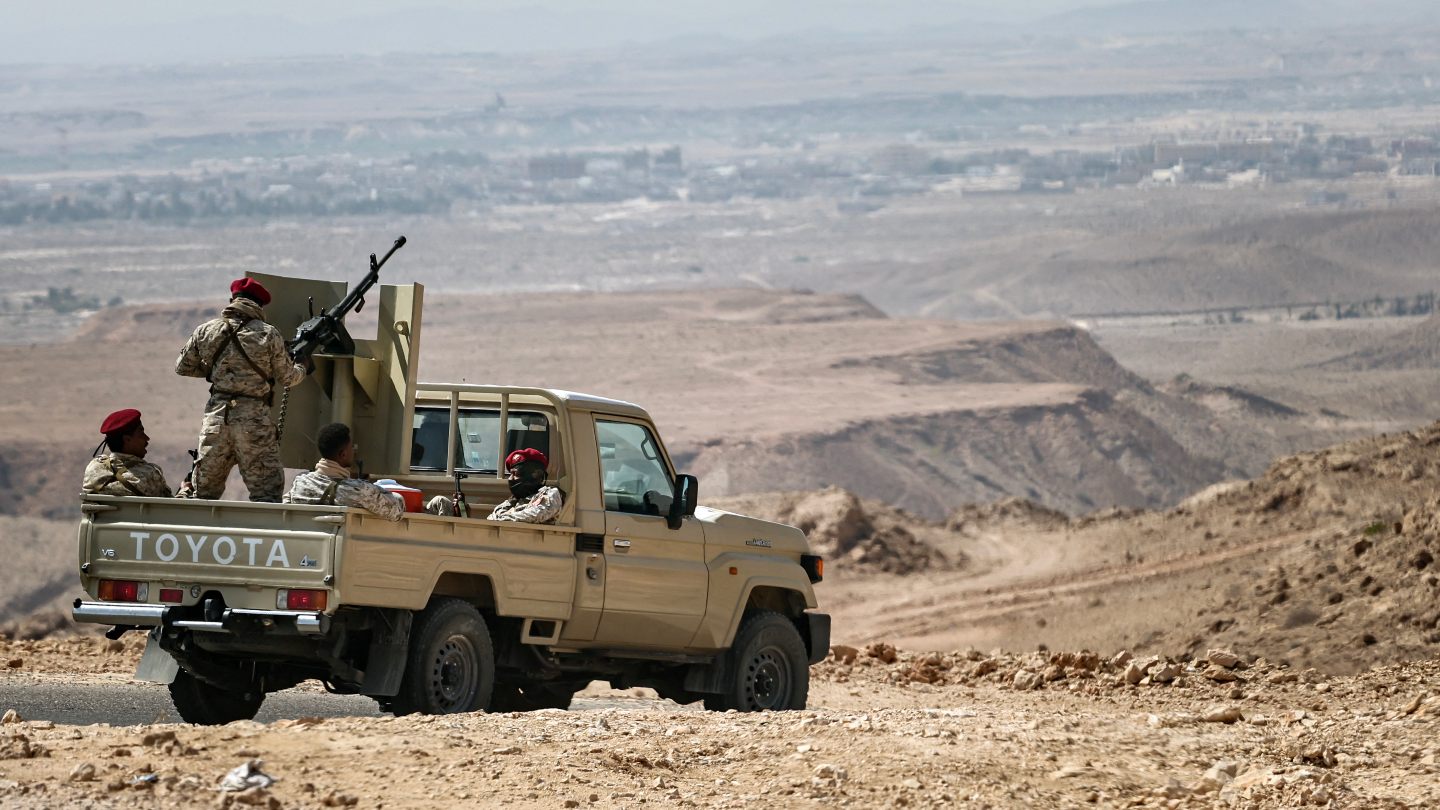
Houthi missile and drone attacks kill dozens of Yemeni government troops
In a dramatic escalation of hostilities that has shattered years of relative calm in Yemen, Houthi missile and drone attacks killed at least 38 Yemeni internationally recognized government forces and wounded 29 others on Thursday, according to multiple sources cited by Agence France-Presse. Military officials confirm this assault is the deadliest strike against government-aligned troops since the United Nations-brokered ceasefire took effect in 2022.
Houthi military spokesperson Yahya Saree confirmed the group carried out the coordinated attacks, saying the operation was launched in direct retaliation for what the group calls a Saudi-backed military buildup in strategic Yemeni regions. Saree added that ballistic missiles and drones targeted multiple government military positions across three key areas: al-Ruwaik in Marib province, al-Thaniyah, and al-Abr in Hadramawt province. “We are fully prepared to confront any further escalation from our opponents,” Saree stated in the official announcement.
Detailed on-the-ground accounts from medical and military sources reveal one of the deadliest strikes hit a government military camp during morning formation in the al-Ruwaik district of Marib, alone leaving 45 personnel dead or injured. Additional simultaneous strikes targeted military outposts in al-Abr and al-Wadiah, Hadramawt province, a region that sits directly along Yemen’s border with Saudi Arabia, a key backer of the Yemeni government.
Yemen’s defense ministry swiftly issued an official statement condemning the attacks, vowing that the country’s armed forces would respond to the drone and missile assault “at the appropriate place and time.”
The Thursday offensive represents the latest spike in a broader resurgence of conflict that has followed rising tensions between the United States and Iran this year. After the 2022 UN truce brought an extended period of relative stability, the Houthi movement formally ended the de-escalation phase on July 12, following what the group claims was an Saudi air strike on Sanaa International Airport while an Iranian aircraft was on the tarmac in the Yemeni capital. Since that announcement, the Houthis have significantly ramped up military operations across the country.
In the weeks following the end of de-escalation, the Houthi group declared a full maritime blockade of all Saudi ports and launched a series of attacks on commercial shipping linked to Saudi interests. This disruption of Red Sea and Gulf of Aden shipping comes as Saudi Arabia has rerouted much of its oil shipments through the Bab el-Mandeb Strait, after Iran blocked the Strait of Hormuz to vessels aligned with the U.S. and its allies in March. The closure of Hormuz followed the February 28 launch of US-Israeli military operations against Iran.
This most recent deadly attack is not an isolated incident: just one month ago, Houthi strikes killed 16 government-aligned troops in an offensive south of the Red Sea port city of Hodeidah, AFP reports.
The current escalation of fighting in Yemen extends a nearly decade-long conflict that began when Houthi forces seized the capital Sanaa in 2014, pushing the internationally recognized government into exile and later into control of southern Yemeni territories. The conflict has killed hundreds of thousands of Yemenis through direct fighting, starvation, and lack of access to medical care, creating what the United Nations has repeatedly called one of the worst humanitarian catastrophes on the planet. Even after the formal expiry of the 2022 truce, front lines remained largely static for more than two years, until the recent regional spillover from the US-Iran confrontation reignited large-scale hostilities.
-
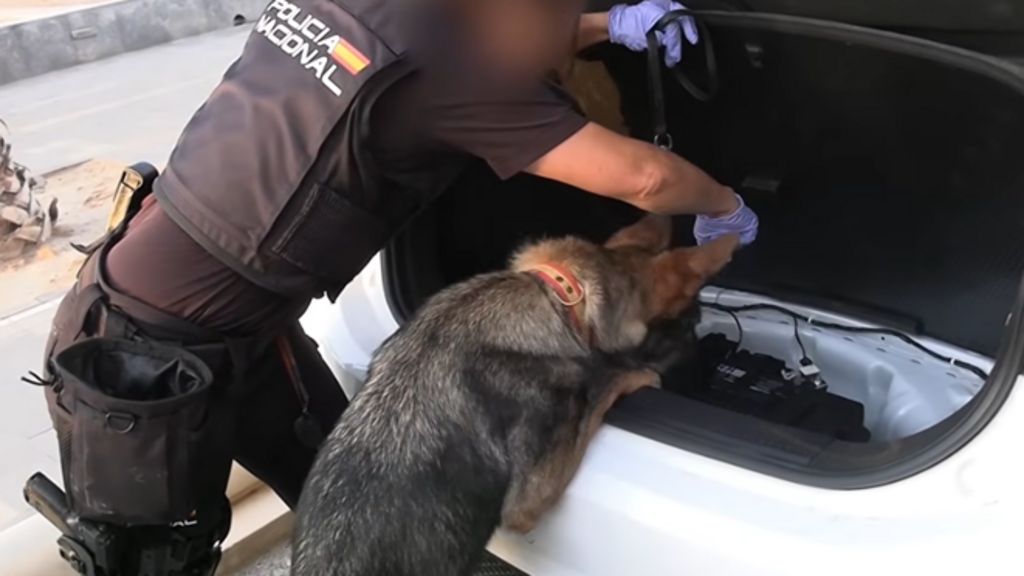
Spanish police arrest 78 people in bust of ‘one of largest’ smuggling networks
A sprawling criminal organisation responsible for large-scale drug and human trafficking across the western Mediterranean has been taken down by international law enforcement authorities, following a months-long coordinated investigation. The European Union’s law enforcement agency Europol announced that 78 suspects have been taken into custody during simultaneous raids carried out in both Spain and Algeria, with the criminal network linked to a wide range of additional illicit activity ranging from violent armed robbery and extortion to unlawful detainment and global money laundering operations.
Unlike typical one-way smuggling rings, this enterprise developed a unique dual-trafficking model designed to maximise illegal profits, moving synthetic narcotics from Spain and Portugal into Algeria on outbound journeys, then using the same return routes to smuggle undocumented migrants and illegal weapons into mainland Spain and the popular tourist island of Ibiza. All cross-border maritime operations were carried out using unregistered, undetectable “ghost speedboats”, a class of high-powered watercraft banned under Spanish maritime law.
In total, law enforcement teams seized 18 high-speed vessels with an estimated total value of €5 million (£4.2 million), an arsenal of unregistered firearms, more than €25,000 (£21,400) in untraceable cash, and over 15,000 MDMA pills. Additional seized items included satellite communication phones, GPS navigation devices, encrypted messaging tools and satellite communication dishes, all used by the network to avoid detection by border authorities.
The operation was led by Spain’s national police force, which executed search warrants at 17 different locations across the country, spanning coastal regions including Alicante, Almería, Cartagena and Murcia. Europol officials detailed that the organisation began as a small drug trafficking ring before expanding into the dual-flow enterprise. On northbound routes from Algeria to Spain, the group charged as much as €12,000 (£10,200) per person to smuggle migrants, with a single voyage sometimes carrying more than 50 people at once. Europol estimates that the network generated more than €24 million (£20 million) in profit from migrant smuggling alone, and also offered smuggling coordination services to other organised crime groups moving illicit goods and people across the Western Mediterranean.
Investigation records show the network ran multi-directional trafficking routes beyond the core Spain-Algeria corridor: synthetic drugs and occasionally migrants were moved from France and Spain into Algeria, while cannabis resin, weapons and additional migrants were transported north from Algeria to Spain. All transfers were coordinated in international waters just off the Spanish coast: after cargo or migrants were transferred at sea, land-based network cells handled overland transport to final destinations.
The conditions the network forced migrants to endure were found to be inhumane and extremely dangerous. Migrants were packed into overcrowded vessels with no navigation lighting or life jackets, and often made crossings in severe, dangerous weather conditions. After arriving in Spain, suspects held migrants in unregulated makeshift housing, where investigators documented multiple cases of sexual assault, physical abuse and degrading treatment.
Most of the arrested suspects are of Algerian origin, and investigators have confirmed the network maintained operational connections to other organised crime groups based in France, Belgium, Portugal, Italy and Poland.
The announcement of the network’s dismantling comes just one week after a major mass migration incident at Spain’s North African exclave of Ceuta, when roughly 78,000 migrants crossed into the territory following false online rumours that the border with Morocco would be opened temporarily. While most of the migrants have since returned to Morocco, Ceuta’s regional leader Juan Jesús Vivas confirmed that between 3,000 and 5,000 people remain in the territory, intensifying longstanding concerns over people smuggling operations in the western Mediterranean region.