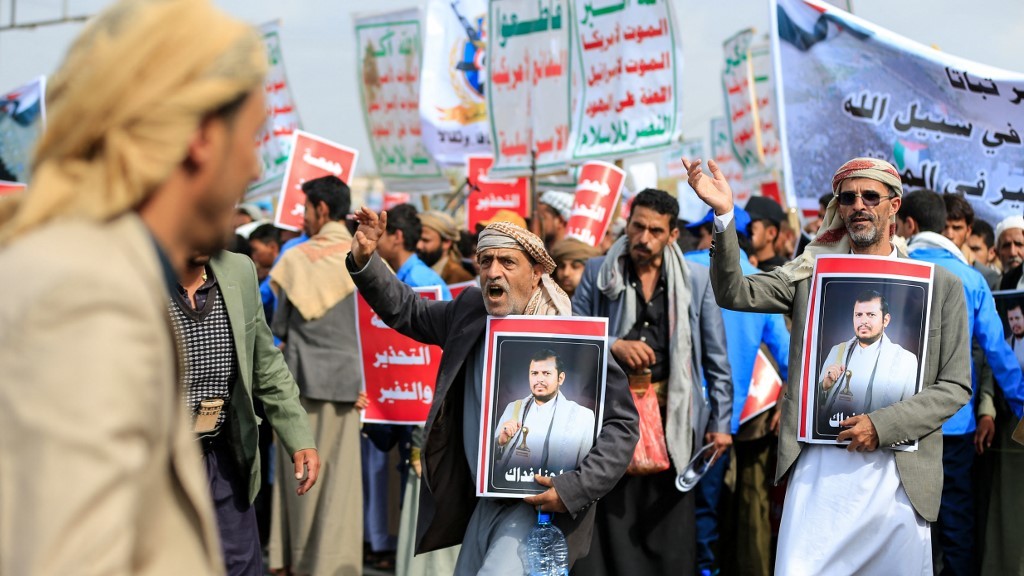
Amid escalating regional tensions that have sent global energy markets reeling, the top leader of Yemen’s Houthi movement has issued a firm public denial of allegations that the group launched a drone attack targeting Saudi Arabia’s holy city of Mecca. In a televised address broadcast to followers and international observers alike, Abdul-Malik al-Houthi dismissed the accusation of targeting the Islamic holy site as a “major lie”, emphasizing that the Houthi movement holds a core commitment to protecting all of Islam’s sacred locations. Instead of claiming or acknowledging any strike on Mecca, al-Houthi shifted blame to what he called the “Zionist enemy” — a reference to the State of Israel — framing Israel as the true source of danger to the region’s holy sites. Al-Houthi warned that Israel seeks to target all major Islamic sacred sites, including Mecca, Medina, and Jerusalem’s Al-Aqsa Mosque, and called for a unified Islamic alliance to confront this purported threat, stating that the movement stands ready to join this collective defensive effort. The denial comes on the heels of major territorial advances and military actions by the Houthis, formally known as Ansar Allah, that have upended security along one of the world’s most critical energy chokepoints. Over just one weekend, the group seized large swathes of Yemen’s coastline adjacent to the Bab-el-Mandeb strait, a key Red Sea chokepoint through which a large share of global maritime energy trade passes. Immediately following this territorial gain, the Houthis carried out an attack on the East-West Pipeline, a critical Saudi energy infrastructure that transports roughly 4% of the world’s total daily oil supply. According to reporting from Reuters, Saudi Arabian energy officials estimate that repairing the damage from the drone strike on the pipeline will take between five and six weeks, leaving a key piece of the kingdom’s energy network offline for more than a month. The recent Houthi advances have already caused significant volatility in global energy markets. Oil prices rose sharply last week in response to the group’s rapid offensive, which secured full control of the Yemeni side of the Bab-el-Mandeb strait, a pinch point for Saudi oil exports heading to global markets. For their part, Houthi officials have framed their ongoing military campaign as a direct response to what they say are unprovoked Saudi attacks on Yemeni territory, including a recent drone strike that targeted Yemen’s capital city of Sanaa. In his address, al-Houthi pushed back against claims that the Houthis are the aggressor in the long-running regional conflict, stating that Saudi Arabia has been the party that initiated hostilities at every turn of the conflict. “We are in a defensive position. We are not the ones who initiate aggression,” al-Houthi said. This original reporting was produced by Middle East Eye, a media outlet that provides independent, in-depth coverage of the Middle East, North Africa, and surrounding global regions. Information on republishing MEE content and details about the organization are available through the outlet’s official channels.
分类: world
-
Nigerian police probe 37 deaths in custody of suspected illegal miners
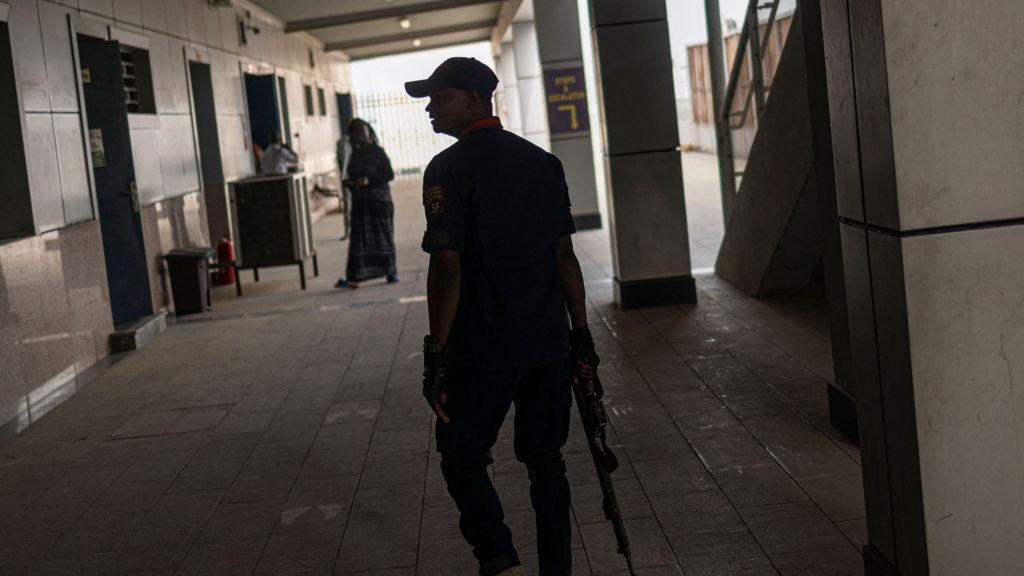
A devastating incident in north-western Nigeria has left 37 suspected illegal miners dead while in government detention, triggering official investigations, public mourning and sharp disputes over the cause of death, local authorities have confirmed.
The group of young men was taken into custody on Tuesday by security forces on suspicion of engaging in unlicensed mining activities near Borgu, a community in Niger state – a mineral-rich region that has long been a hub for small-scale informal gold extraction. Two days after their arrest, all 37 detainees were found dead inside a detention facility operated by the Nigeria Security and Civil Defence Corps (NSCDC).
In an initial statement, the NSCDC attributed the mass death to an apparent outbreak of infectious disease, specifically naming diphtheria – a severe bacterial infection that can turn fatal without prompt medical intervention. However, an intelligence document shared with the AFP news agency has presented an alternative narrative, claiming the deaths stemmed from extreme overcrowding and inadequate ventilation in the holding cell where the suspects were held. Relatives of the deceased have gone further, rejecting the official disease explanation entirely and alleging the suspects were deliberately killed while in custody.
In a press conference held Thursday, Niger state governor Mohammed Umaru Bago described the incident as “sad and tragic”, announcing that a senior NSCDC commander has already been taken into custody in connection with the deaths. Bago has also declared a three-day period of official mourning across the state, and postponed the launch of election campaigning previously scheduled to begin ahead of January’s polls.
Nigerian police have launched an independent probe into the incident. “The Niger State Police Command has commenced an immediate investigation into the unfortunate death of suspected illegal miners while in the detention facility of the NSCDC”, police spokesman Wasiu Abiodun confirmed in an official statement. The bodies of all 37 victims have been transferred to the general hospital in Minna, the capital of Niger state, to undergo post-mortem examinations to determine the exact cause of death.
The incident shines a renewed spotlight on long-running issues surrounding informal gold mining in central Nigeria. According to government officials and independent analysts, unregulated competition for the region’s gold reserves has been a key driver of widespread criminal gang violence across the state. A 2024 investigation by SwissAid also found that a large share of the gold extracted from illegal mines in the region enters global supply chains through illicit trafficking networks.
-

British woman rescued in Malawi shootout that left four suspected kidnappers dead
A 47-year-old British national held captive by kidnappers for nearly six days in southern Malawi has been freed in a dramatic police operation that left four suspected abductors dead and a top-ranking police officer injured, Malawi law enforcement officials have confirmed.
Nusrat Osman, a long-term Malawi resident who works for a local auditing firm and originally hails from Leicester in the UK, was recovered on Thursday during a targeted raid on a location in the outskirts of Blantyre, the country’s second-largest city. A shootout broke out when responding officers encountered the kidnappers, who were armed with a military-grade AK-47 assault rifle and a sidearm. All four suspects were hit by gunfire during the exchange and later died of their wounds after being transported to a local medical facility, the Malawi Police Service said in an official statement.
Deputy Inspector General of Police Noel Kayira, who took part in the rescue mission, was also struck by gunfire during the clash. Authorities confirmed he is currently receiving hospital care and remains in a stable condition as of the latest update.
Following her successful extraction, Osman was reunited with her family and immediately taken to a hospital for routine evaluation and care, including physical and mental health assessments, according to local media reports. Osman had been abducted on September 11 from Blantyre’s Mount Pleasant neighborhood: she was driving to her home when four unidentified men blocked her car, forced her into their vehicle, and abducted her at gunpoint.
Her disappearance triggered a large-scale, cross-agency search operation, with Malawi authorities offering a substantial reward of 30 million Malawian kwacha (equivalent to roughly $17,000 USD or £12,500 GBP) for any information that would lead to her safe recovery and the arrest and conviction of the perpetrators.
Investigators have faced multiple unanswered questions in the case in the days since the abduction. Notably, no ransom demand was ever received from the captors, and no communication was received from the group after Osman was taken – a detail that has left law enforcement confused as they work to establish a motive. Police have not yet released the identities of the four dead suspects, nor have they shared details of how intelligence teams tracked the group to the raided location. Authorities also have not confirmed whether additional accomplices remain at large.
Osman, who is married with two young children, has lived and worked in Malawi for several years. Before the rescue, her family issued heartfelt public appeals for her safe return, describing the weeks of uncertainty as deeply traumatizing and urging anyone with even small details of her whereabouts to contact law enforcement immediately.
The UK Foreign, Commonwealth & Development Office confirmed to the BBC shortly after the abduction that it was aware of the incident and had been in constant contact with local Malawian authorities to support the search effort.
Kidnappings of foreign nationals are considered relatively rare in Malawi, so the abduction sparked widespread anxiety among both the southern African nation’s business community and the small population of British expatriates living in the country. In a statement after the rescue, authorities urged the general public to remain calm as investigators continue to piece together the full sequence of events that led to the kidnapping and the subsequent rescue operation. Police say their investigation into the incident remains ongoing.
For more reporting from across the African continent, visit BBCAfrica.com, or follow BBC Africa on Twitter, Facebook, and Instagram.
-

Watch: US military fighter jet crashes during training exercise
A U.S. military F-16 fighter aircraft has crashed while conducting a scheduled training exercise in the state of Michigan, newly released on-site footage confirms. Visual content captured shortly after the incident clearly shows thick plumes of smoke billowing into the sky alongside intense flames erupting from the crash site, where the wreckage of the jet rests.
Military sources have confirmed that the pilot was able to initiate emergency ejection protocols before the aircraft impacted the ground, a procedural move that is designed to preserve aircrew safety in catastrophic in-flight emergencies. As of initial reports, no additional updates on potential ground damage or injuries to bystanders have been released, and military officials have launched a formal investigation to determine the root cause of the crash. Training exercises for military aircraft are regularly held across the United States to maintain pilot proficiency and operational readiness, though mechanical failures or unexpected in-flight issues can occasionally lead to dangerous incidents like this one.
-
UN investigators find ‘reasonable grounds’ US committed war crimes in Iran
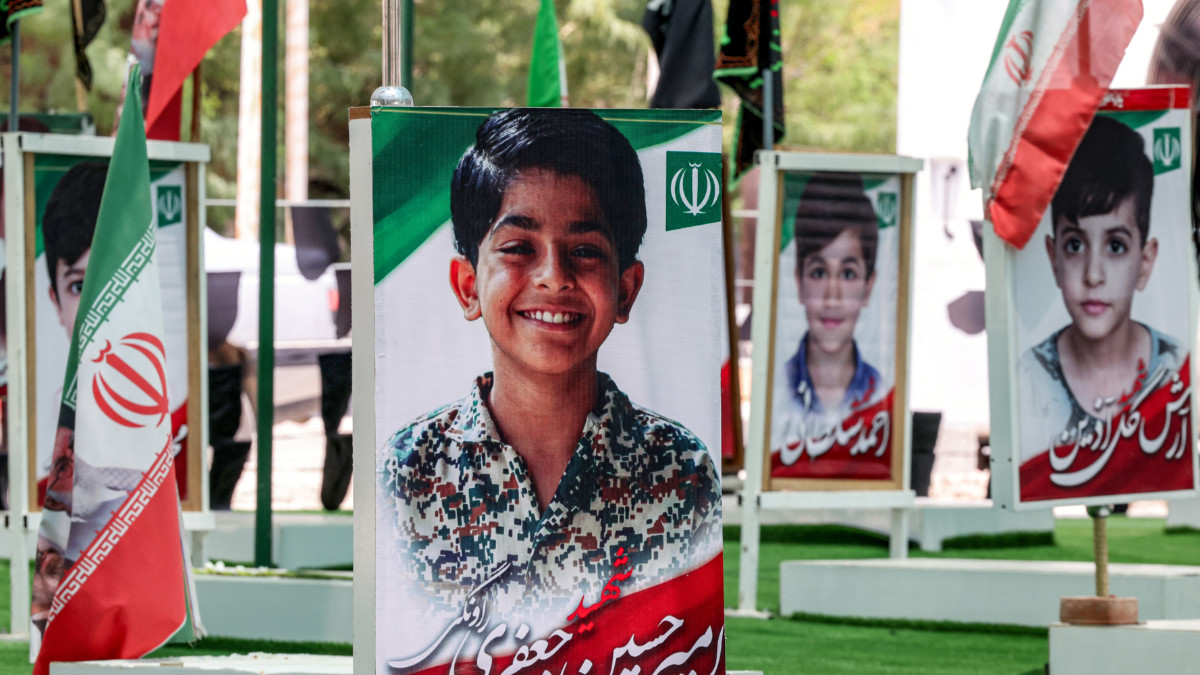
A United Nations independent fact-finding mission has concluded there is credible evidence to hold that the United States committed war crimes in two opening-day strikes against civilian targets during the US-Israeli military campaign on Iran, according to a formal report published Thursday.
The deadliest of the two attacks targeted Minab Elementary School, a clearly marked civilian education facility, claiming a minimum of 150 lives, roughly 120 of whom were children. A second assault hit an easily identifiable sports complex and surrounding residential neighborhood in Lamerd, another southern Iranian city.
In its official assessment submitted to the UN Human Rights Council in Geneva, the mission confirmed the finding of reasonable grounds to back the charge that the U.S. carried out the war crime of indiscriminate attacks that caused mass civilian casualties and widespread damage to civilian infrastructure. The document is not a binding judicial ruling, but carries significant diplomatic and moral weight for global human rights accountability efforts.
Investigators detailed that the Minab school was hit by a Tomahawk cruise missile, launched as part of a broader operation targeting an adjacent Islamic Revolutionary Guard Corps (IRGC) base. Crucially, the mission ruled out the claim that the strike was the result of an off-target errant missile or unintended collateral damage from an attack on the nearby military site. According to the report’s text, the closest IRGC installation sits just 72 meters from the school building, and investigators confirmed the school itself was the intended impact point.
Citing anonymous sources briefed on an internal U.S. probe, The New York Times previously reported that U.S. Central Command officers generated target coordinates for the strike using outdated intelligence supplied by the Defense Intelligence Agency. While the internal U.S. investigation found the American military was most likely culpable for the attack, the Trump administration has repeatedly refused to accept any responsibility for the civilian deaths.
The UN report also outlines damning findings for the second strike on the Lamerd sports complex. The New York Times revealed earlier this year that the U.S. deployed a previously untested new ballistic weapon, the Precision Strike Missile (PrSM), for this combat attack. The PrSM is designed to detonate just above its target, dispersing thousands of lethal tungsten pellets across a wide area.
The mission concluded that by selecting the PrSM for use in a densely populated civilian area, U.S. forces launched an attack that intentionally put civilian lives and property at risk, with reckless disregard for the foreseeable scale of death and injury. Investigators added that the weapon system, which spread an estimated 180,000 tungsten pellets across the civilian area, could not be focused on a single specific military target, and its harmful effects on civilians could not be constrained as required by international law.
The UN assessment ultimately found both attacks qualified as indiscriminate assaults that violated the core principle of distinction between military and civilian targets laid out in international humanitarian law. This report marks one of the most high-profile global accountability findings against a major military power for actions in a recent Middle Eastern conflict.
-

My dream was to be a doctor, now it could come to zero
### Pakistan’s Order to Deport Afghan Medical Students Sparks Outcry Over Future of Young Aspirations
For a young Afghan woman who uses the pseudonym Nooria, the dream of becoming a doctor was forged in tragedy. Growing up in an Afghan village, she watched a 13-year-old boy die from appendicitis because blocked roads prevented him from reaching care in time. That moment, paired with her own academic potential, convinced her that she could be the help that so many rural Afghans desperately need. Today, that dream hangs by a thread, caught in the middle of deteriorating cross-border relations between Pakistan and Afghanistan’s Taliban government.
Nooria is one of hundreds of Afghan medical and dental students studying in Pakistan who now face deportation back to Afghanistan, where the Taliban has barred women from all education beyond primary school and banned them from medical training. Under an order issued earlier this month by Pakistan’s Medical and Dental Council (PMDC), all Afghan students enrolled in Pakistani medical and dental institutions must return to their home country, with regulatory action threatened against colleges that fail to comply. A temporary stay order from the Lahore High Court has paused immediate deportation for students like Nooria in Punjab province, but the next court hearing is scheduled for Friday, and there is no guarantee the protection will be extended.
The crisis comes amid a broader wave of deportations that has swept Pakistan over the last two years. According to United Nations data, more than two million Afghans have left Pakistan since 2023, with hundreds of thousands forcibly deported. The surge in expulsions comes as bilateral relations between Pakistan and the Taliban-led Afghan government have collapsed dramatically. Islamabad accuses the Taliban of harbouring anti-Pakistan militant groups on Afghan soil, a charge the Taliban government denies.
The PMDC’s order has sparked widespread condemnation from human rights groups and former diplomatic officials. Amnesty International has decried the decision as “patently discriminatory and arbitrary”, noting that Pakistan is bound by international human rights law to protect the right to education without discrimination based on national origin. Multiple former Pakistani ambassadors to Afghanistan have also called on the PMDC to reverse course, with one describing the order as “shocking” and framing it as a test of Pakistan’s “humanity, compassion and moral responsibility”.
The PMDC has declined to comment further on the order while the court case is ongoing, but the regulator’s legal representative has told the BBC that none of the affected Afghan students are officially registered with the PMDC. The students, however, say that registration is the responsibility of their host colleges, not individual students, pointing to a PMDC notification issued earlier this year that directs colleges to handle student registration. Afghan student representatives estimate that roughly 1,000 medical and dental students across Pakistan are affected by the order, 65% of whom hold valid student visas. About 15% have either had their visas canceled or have not yet applied, while the remaining 20% are still awaiting visa approval.
While Pakistan’s foreign ministry has stated that Afghan students with valid visas and registered for legitimate courses will be allowed to complete their studies, students say they have yet to see any practical change to their situation. For Nooria, who is in her final year of medical school in Lahore, the stakes could not be higher. She escaped Kabul as the Taliban advanced, won a scholarship to study medicine in Pakistan, and has spent the last five years sacrificing everything – time with family, social connections, even personal rest – to reach her final year of training. Her final exams are just months away, but deportation would mean all that work counts for nothing.
“These five years I have sacrificed everything that would be zero, multiplied by zero,” Nooria said. “And then I would become a poor and helpless Afghan female, facing this destiny. I cannot imagine this.”
Another final year student, Mubin, shared similar despair. He says the order gave students just days to evacuate college accommodation, leaving him completely shocked and disoriented. Many students who have finished their coursework but not completed their required practical House Job training fear they will lose all their academic credits if deported, forcing them to restart their entire medical education from scratch – if they are even allowed to study at all in another country.
For women like Nooria, deportation back to Afghanistan is not just the loss of an education – it is the end of any chance to build a career, help her community, or escape the systemic gender discrimination imposed by the Taliban. As the court prepares to rule on the temporary stay, the future of hundreds of young Afghans who dared to pursue a better future remains deeply uncertain.
-
Far-right Israelis call for NAZA co-director to be hanged in protest outside parents’ home
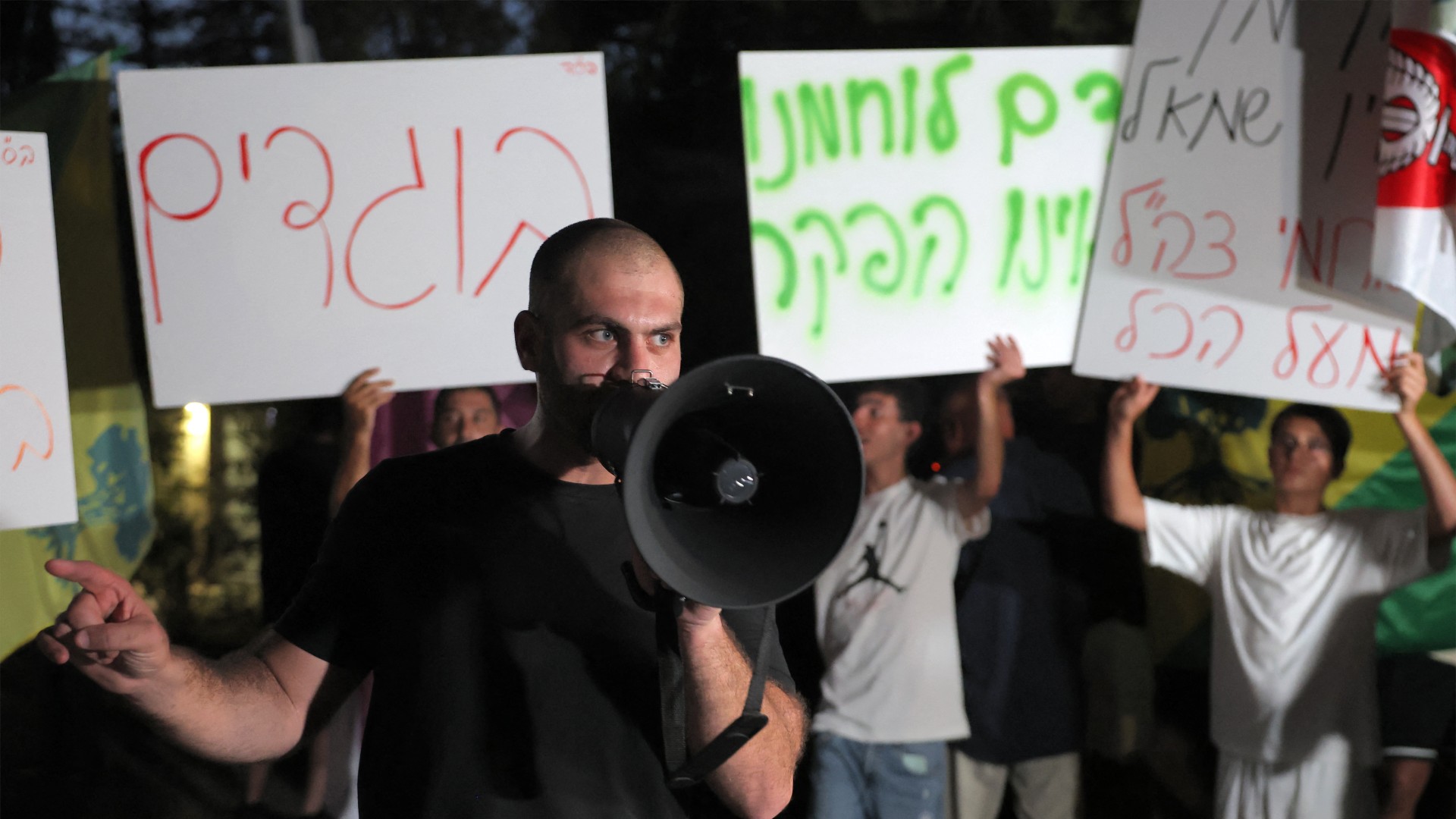
A wave of fierce public and political backlash has swept across Israel this week, centered on two Israeli filmmakers whose documentary examining alleged war crimes in the country’s ongoing military campaign in Gaza won major international recognition. Dozens of far-right Israeli demonstrators assembled outside the family home of co-director Rachel Szor on Wednesday, issuing violent calls for her execution over the content of the film *NAZA*.
The controversy ignited after Szor and her creative partner Yuval Abraham, both Oscar-winning filmmakers, took home the Special Jury Prize at the Venice International Film Festival this past Saturday for their work. Since the award announcement, the pair has faced escalating condemnation and threats from across Israeli political and public life.
Israeli daily *Haaretz* documented that multiple protesters gathered outside Szor’s home chanted demands for “the death penalty for traitors.” One demonstrator went even further, calling for not only the two filmmakers to be put to death upon their return to Israel but also for Szor’s family to be expelled from the country and their home permanently sealed. A far-right activist with confirmed close ties to Israeli National Security Minister Itamar Ben Gvir urged members of the crowd to publicly identify the filmmakers if they encountered them in any public space, insisting the pair should not be allowed to gather in any public venue such as restaurants. “Whoever sees them should circulate their location across all social and community groups — these scums have nowhere to run,” the activist stated.
Multiple right-wing outlets, including Walla, captured additional hostile remarks from attendees. “This is an act of treason from within,” one protester told the outlet. Photos from the protest show demonstrators holding signs labeling the pair “traitors” and waving flags of Israeli army combat units. One far-right attendee framed the controversy as a unifying cause for all of Israeli society, regardless of political alignment, saying “This is not a matter of right or left” and that all Israelis “need to denounce” the filmmakers. Other protesters vowed to keep organizing demonstrations until the entire country rejects the documentary’s claims, which they dismissed as “blood libels” against Israeli service members.
*NAZA*, the documentary at the center of the conflict, investigates the artificial intelligence targeting systems the Israeli military uses in its Gaza campaign and explores allegations that military planners explicitly factored high volumes of Palestinian civilian casualties into their targeting strategies. To build the film’s narrative, the directors conducted on-the-record interviews with 24 anonymous current and former Israeli military and intelligence insiders who shared firsthand insight into military targeting practices.
The backlash against the film and its creators has expanded far beyond far-right street protesters, with mainstream politicians, leading journalists, and senior public figures uniformly lining up to condemn the pair and challenge the film’s core claims. A public opinion poll published by Israel’s Channel 13 News on Wednesday underscores the depth of public rejection of the documentary’s claims: 68 percent of surveyed Israeli adults said they do not accept the film’s allegations of intentional mass civilian killing in Gaza, while only 13 percent said they find the claims credible. On the question of whether the film should be banned from public screening in Israel, 48 percent of respondents supported a ban compared to 32 percent who opposed restrictions on screening.
In the days following the Venice Film Festival award, senior Israeli political leaders have doubled down on public attacks, even proposing legislative and legal action against the filmmakers. As early as Sunday, Israeli Culture Minister Miki Zohar called *NAZA* “despicable” and announced he would move immediately to revoke the Israeli citizenship of the two creators on charges of treason against the state. On Wednesday, Prime Minister Benjamin Netanyahu joined Zohar in condemning the pair, revealing he would introduce two new pieces of legislation targeting anyone found to “defame” the Israeli military. The first bill would codify the revocation of citizenship for anyone convicted of defaming Israeli soldiers, while the second would increase potential civil defamation damages against such individuals by 20 times. “They have no place among us,” Netanyahu said of anyone who defames the country’s military.
Even before reviewing the film’s content, the Israeli military has formally rejected all of its allegations. Israeli media reports confirm that IDF Chief of Staff Eyal Zamir has ordered the military’s legal corps, working in partnership with Israel’s domestic intelligence agency Shin Bet, to pursue legal action against Szor and Abraham.
Prominent Israeli journalists have also joined the condemnation, with many questioning the film’s journalistic credibility and attacking the directors. Michael Shemesh, a political correspondent for the left-leaning Channel 13 News, wrote Tuesday that “One good thing came out of the film *NAZA*: There is a price for defamation,” and praised what he called cross-ideological Israeli unity in rejecting the film. Amit Segal, one of Israel’s most high-profile journalists with Channel 12 News, drew widespread attention Tuesday when he compared *NAZA* to Adolf Hitler’s antisemitic manifesto *Mein Kampf*. After the Union of Journalists in Israel — the country’s largest journalists’ organization — issued a formal statement condemning the threats and attacks against Szor and Abraham, Segal dismissed the union as “a supporter of Hamas’s propaganda ministry,” implying the filmmakers were operating on behalf of the Palestinian armed group.
Not all official voices have backed the backlash, however. A report published by Channel 12 News noted that senior military and diplomatic officials have expressed discomfort with the coordinated attacks on the filmmakers, warning that the aggressive crackdown risks framing Israel globally as a state that does not tolerate freedom of expression. These unnamed officials also accused Netanyahu of exploiting the controversy surrounding the documentary for domestic political gain. “Israel is trapped between what is right for it internationally and what is right for politicians electorally,” the officials told the outlet.
-
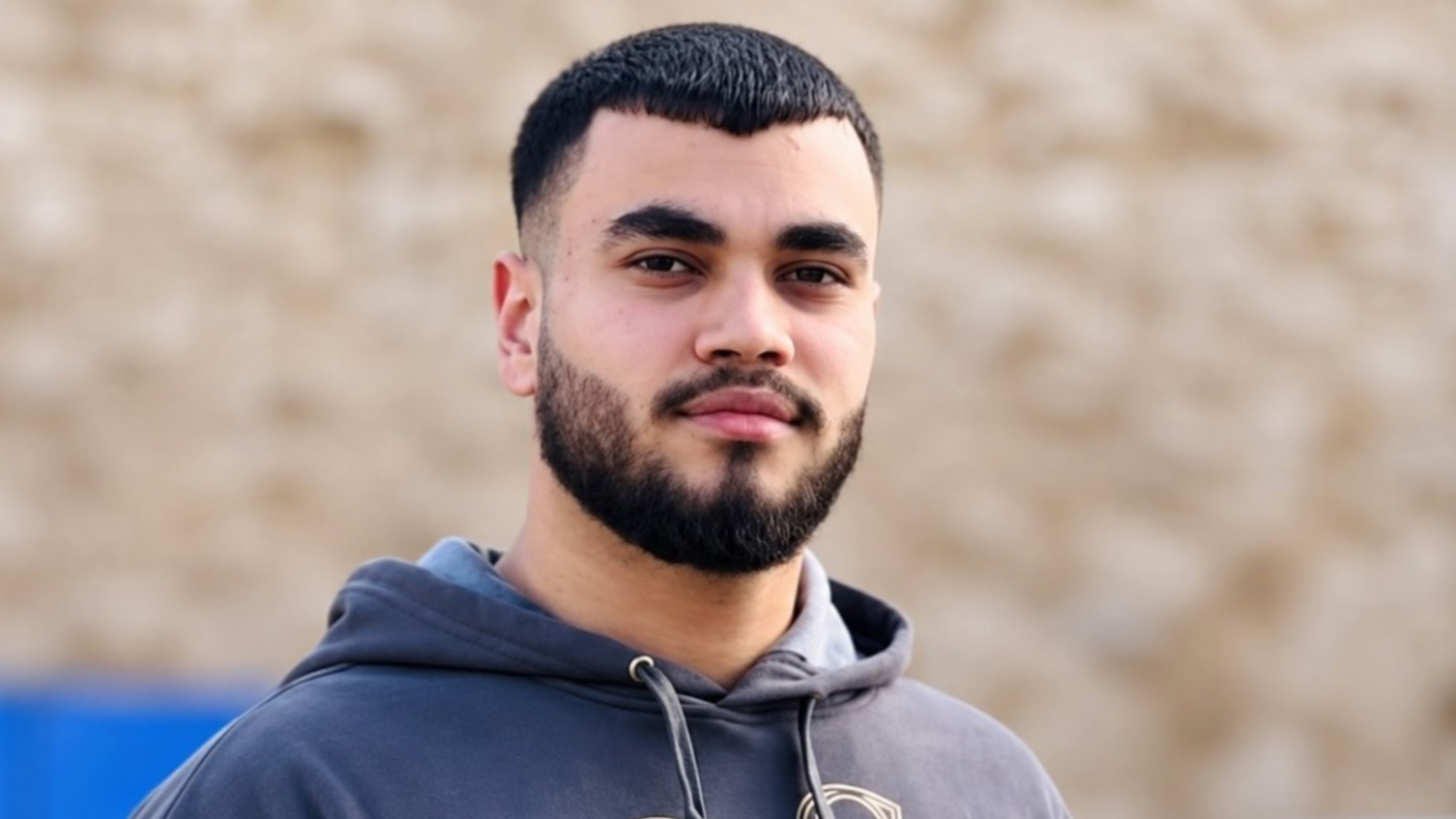
Palestinian prisoner dies in Israeli custody as family seeks answers
The death of a 21-year-old Palestinian man held without charge or trial in an Israeli prison has thrown a harsh spotlight on longstanding allegations of abuse and neglect inside Israeli detention facilities, leaving his family shattered and demanding full accountability.
Moataz Nizam al-Atrash, a native of Hebron and the youngest of six siblings, died earlier this week at Israel’s Ofer Prison, the Palestinian Commission of Detainees and Ex-Detainees Affairs confirmed in an official announcement Wednesday. At the time of his death, al-Atrash had spent nearly 12 months in administrative detention – a controversial Israeli policy that allows authorities to hold individuals indefinitely based on sealed evidence labeled a ‘secret file,’ with no formal charges or public trial. Official legal documentation confirms al-Atrash had no pre-existing chronic health conditions prior to his October 2025 arrest at his family home.
For al-Atrash’s family, the sudden loss has been compounded by a total lack of transparency from Israeli officials. His older brother Basil al-Atrash shared that the family has been left reeling in shock, with no clear explanation for how the young man died. The last contact with al-Atrash via legal representation came two months before his death, in a five-minute meeting where he reported being in good health, passed along well wishes to his family, and showed no visible signs of illness. A former detainee released from Ofer just two days before al-Atrash’s death also confirmed to the family that he appeared healthy during their time incarcerated together.
‘Israel’s occupation forces called my father in yesterday, and an officer simply told him his son had died in prison. They gave no cause of death, no mention of any health problems,’ Basil al-Atrash told reporters from Middle East Eye in an interview. He added that Israeli officials asked his father to sign a consent form for an autopsy, and the family is currently awaiting official results. Beyond the uncertainty over the cause of death, the family says it harbors deep fears that Israeli authorities will choose to withhold al-Atrash’s remains – a common practice documented by Palestinian prisoner advocacy groups in dozens of past cases.
The family had been preparing to welcome al-Atrash home just days before his death. After his initial six-month administrative detention order was issued following his arrest, the order was renewed for a second term that was set to expire on October 3. ‘We were counting down the days to the end of this second renewal, hoping for his release and getting ready to welcome him home,’ Basil al-Atrash said. ‘Instead, we got the devastating news that he would never come back.’ Before his arrest, al-Atrash worked at a local pastry factory, where he was saving to build a future for himself. His 2025 arrest marked his first run-in with Israeli detention, a detention that ultimately proved fatal.
Leading Palestinian prisoner rights organizations have labeled al-Atrash’s death as part of what they call a deliberate ‘policy of extermination’ targeting Palestinian detainees held in Israeli custody. According to joint data collected by the Palestinian Commission of Detainees and Ex-Detainees Affairs and the Palestinian Prisoners’ Society, al-Atrash’s death brings the total number of verified Palestinian detainee deaths in Israeli prisons to 92 since October 2023. Of those 92 deaths, 53 were detainees from the Gaza Strip. The organizations warn that the 92 figure only includes deaths where the identity of the detainee has been fully confirmed, and the actual death toll is likely far higher.
Dozens of additional Palestinian detainees are currently considered forcibly disappeared, with no independent or reliable information available about their location or physical condition. In a joint statement released after al-Atrash’s death, the groups noted that ‘Israeli prisons are currently experiencing one of the bloodiest periods for Palestinian detainees since 1967.’ Cumulative data collected by the organizations puts the total number of Palestinian detainee deaths in Israeli custody since 1967 at 329.
The advocacy groups attribute the sharp recent rise in detainee deaths to widespread, systematic abuse inside Israeli facilities. They cite a pattern of torture, severe starvation, deliberate medical neglect, physical violence, sexual assault, systemic humiliation, and the routine denial of basic human rights to detainees. The statement added that the fates of hundreds of Gaza detainees remain unknown due to widespread enforced disappearance, and that accumulating witness testimony and evidence confirms dozens of detainees have been subjected to extrajudicial field executions.
As of early September 2025, Palestinian prisoner advocacy groups estimate that roughly 9,350 Palestinians are currently being held in Israeli jails. This official count includes 90 women and more than 350 minor detainees, most held at Megiddo and Ofer prisons. Approximately 3,176 of those detainees are held under administrative detention, the same policy that kept al-Atrash imprisoned without charge. An additional 1,393 detainees have been classified by Israeli authorities as ‘unlawful combatants,’ a designation that also allows for indefinite detention without formal charges or trial. The organizations note that their current count does not include the full number of Gaza detainees held in Israeli military camps under the unlawful combatant classification, nor does it include Arab detainees from Lebanon and Syria held in Israeli custody.
-
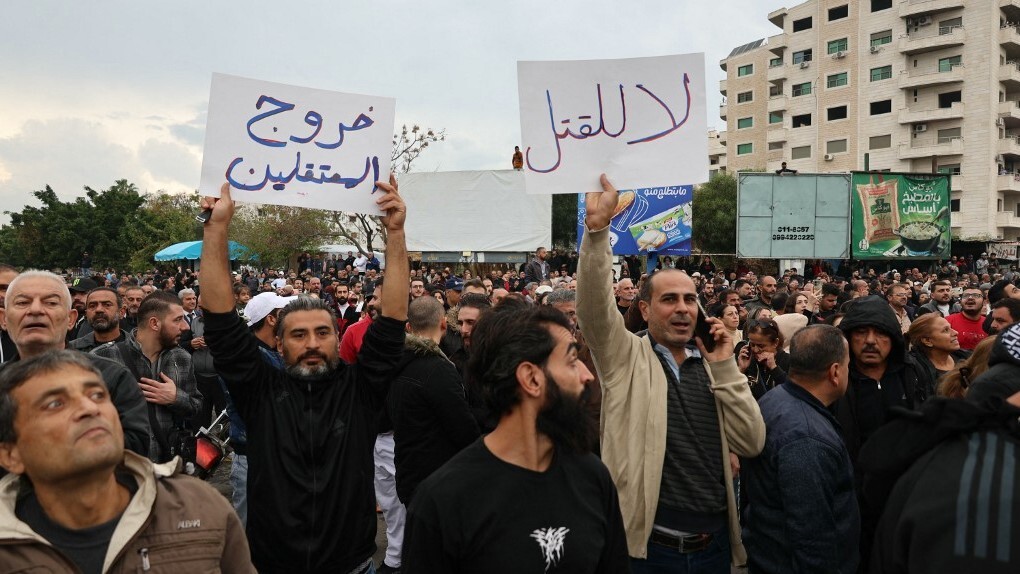
Syria’s court issues first sentences over 2025 Alawite massacres
Nearly a year after brutal sectarian violence left at least 1,500 Alawites dead in coastal Syria, a military criminal court in the northern city of Aleppo has issued the first convictions in a widely watched mass trial, marking a pivotal moment for accountability amid ongoing post-conflict sectarian tensions across the country.
Four of the 14 defendants on trial received verdicts on Thursday, with additional rulings scheduled for September 24. Two former supporters of ousted president Bashar al-Assad were sentenced to death: one from Latakia, the historic heartland of Syria’s Alawite community, was condemned to death by hanging after being convicted of orchestrating aggression to incite civil war and stoke sectarian clashes. A second Assad loyalist also received a death sentence, while a third former regime supporter was handed a life prison term. One government officer, a serving member of the Syrian Ministry of Defence under current transitional president Ahmed al-Sharaa, was sentenced to 20 years in prison after being found guilty of intentional murder. A fourth defendant was acquitted of all charges.
The 14 defendants tried in this case are split evenly between seven current members of forces aligned with Sharaa’s transitional government and seven loyalists to the former Assad regime. When the trial launched in November, multiple defendants linked to the old regime entered not guilty pleas. One Assad supporter even claimed he was present in Lebanon at the time of the 2025 violence, with no connection to the bloodshed.
The massacre that sparked these trials unfolded last year, when small-scale armed attacks on Syrian security forces by suspected Assad loyalists in Latakia quickly escalated into widespread, targeted sectarian violence targeting the Alawite community, the minority religious group to which the Assad family has belonged for decades. A 2025 Reuters investigation later traced the bulk of the retaliatory violence to senior security officials based in Damascus, a finding that has raised questions about the role of current transitional government forces in the bloodshed.
The 2025 massacre came just months after Assad was ousted from power in December 2024, ending his family’s 50-year hold on power and forcing the former president to flee into exile in Moscow. Syria’s 13-year civil war, which began in 2011 when Assad’s forces launched a brutal crackdown on peaceful pro-democracy protesters, has already left hundreds of thousands dead and millions displaced both within Syria and across the globe.
While a small portion of Alawites initially backed the 2011 pro-democracy movement, rising persecution by the Assad regime and growing fears of sectarian armed factions within the opposition pushed most of the community to align with the former government over the course of the war. Since Assad’s fall, Alawite communities have repeatedly raised alarms over escalating sectarian revenge attacks, kidnappings and targeted violence targeting Alawite women and girls.
In July 2025, global human rights group Amnesty International published a report documenting credible evidence of at least 36 kidnappings of Alawite women and girls in the months following Assad’s ouster. The Syrian Feminist Lobby has put the number of missing Alawite women and girls at 80 since the start of 2025, confirming 26 of those cases as confirmed kidnappings. Multiple survivors have reported being subjected to sectarian abuse, with their attackers framing the assaults as revenge for decades of Assad regime repression against majority Sunni communities.
Leaders of Sharaa’s transitional government have pushed back against these reports, claiming that accounts of targeted sectarian violence and kidnappings have been heavily overstated. In an April interview with the *New York Times*, interior ministry spokesman Nour al-Din Baba said a government investigation into 42 reported kidnappings found only one case to be legitimate. The government’s handling of the massacre and ongoing sectarian tensions has drawn fierce international criticism from Alawite advocacy groups. During an official visit to London earlier this year, Sharaa was met with large protests from Alawite and Alevi communities — a related religious group prominent in Turkish and Kurdish communities — who accused his government of facilitating what they call a genocide against Alawites in post-Assad Syria.
“At a time when Syrians continue to endure displacement, insecurity, and marginalisation, allowing such a figure to enter the UK risks sending the wrong message: that accountability can be overlooked, and that those associated with violence can be normalised on the international stage,” explained Maher Hamadouch, director of the UK-based Syrian Coastal Society, an advocacy group representing Alawite interests. Hamadouch, who has previously defended Assad’s rule, told Middle East Eye that his group is calling on the UK government to refuse any platform or diplomatic legitimacy to individuals linked to extremist activity or human rights violations.
As the Syrian state navigates its first full year of transition after Assad’s departure, these first convictions have drawn close international attention, with stakeholders on all sides watching to see whether the transitional government will deliver impartial accountability for the sectarian violence that continues to deepen divides in the war-ravaged country.
-
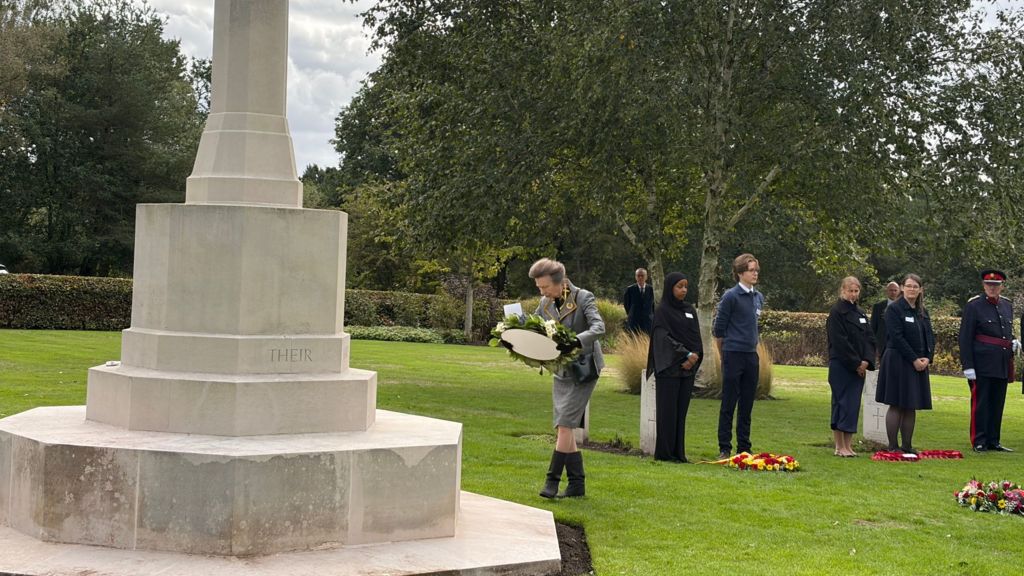
Anne opens history centre at war cemetery
In a landmark ceremony highlighting post-war reconciliation between the United Kingdom and Germany, Princess Anne has officially opened a new purpose-built history centre at the Cannock Chase German Military Cemetery in Staffordshire. The Thursday event drew senior representatives from both nations, gathering at the sombre, historic site that holds the remains of nearly 5,000 German and Austrian service members killed across the two World Wars. An adjacent cemetery also holds the remains of 350 additional personnel, making the location one of the UK’s most prominent sites of shared cross-national commemoration.
Managed and developed in partnership by the German War Graves Commission (Volksbund Deutsche Kriegsgräberfürsorge) and the Commonwealth War Graves Commission, the new facility is designed to turn the cemetery from a site of remembrance into a hub for public education. It features a fully bilingual exhibition and dedicated workshop spaces, which trace the complex shared history of Britain and Germany, and trace the decades-long process of reconciliation that has shaped their modern alliance.
Vice Admiral Peter Hudson, Vice Chairman of the Commonwealth War Graves Commission, spoke at the ceremony, expressing deep honour for his organisation’s role in delivering the project and gratitude for Princess Anne’s participation in the inauguration. He described the Cannock Chase site as a uniquely meaningful space for collective reflection, noting that it honours individual lives lost in the devastating global conflicts of the 20th century. “This new centre is more than a building, it’s a place of learning, of reflection and understanding. It reminds us of the immense human cost of war,” Hudson said. “The stories told within this centre help us understand that cost.”
Hudson emphasized that the centre’s core mission extends beyond remembrance, to educating coming generations about the value of global cooperation and lasting peace. “Perhaps most importantly, the centre will help future generations engage with that history by understanding the past honestly and thoughtfully,” he explained. “People can better appreciate the value of peace, democracy and international cooperation. The friendship that exists today between the United Kingdom and Germany is one of the great achievements of post-war reconciliation. Places like this demonstrate how remembrance can bring people together.”
The project marks a key milestone in cross-border collaborative remembrance work, creating a permanent public space that bridges historical division to foster mutual understanding and respect between former adversaries.