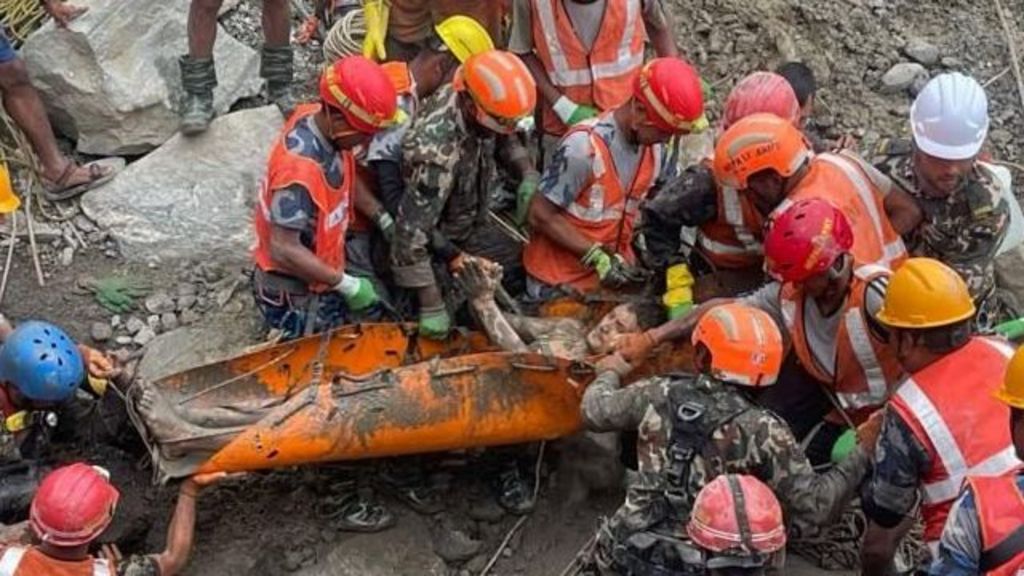
In a gripping, widely shared moment of rescue that has drawn global attention, emergency teams in Nepal have successfully extracted two trapped workers from a flooded hydropower tunnel, more than seven days after catastrophic flash floods swept through the Nepal-China border region. The disaster, which struck with little warning, buried the tunnel entrance under debris and cut off all contact with the workers inside, leaving rescue teams racing against time to reach the trapped men before supplies of oxygen and clean water ran out. Footage captured by rescue personnel on site shows the emotional moment the two workers emerged into open air, wrapped in emergency blankets after spending more than a week trapped in the dark, waterlogged underground passage. The flash flood, triggered by unusual heavy rainfall that swelled glacial meltwater in the Himalayan highlands, devastated remote border communities, destroying infrastructure and leaving dozens of people missing or dead in the immediate aftermath. The hydropower project, a joint development initiative between Nepali and Chinese investors, had been under construction in the remote mountainous region when the disaster hit, trapping dozens of construction workers inside the unfinished tunnel. While this successful rescue offers a rare moment of hope amid the tragedy, recovery teams continue to search for other workers still reported missing in the aftermath of the flood, with relief operations ongoing to support displaced local communities.
分类: world
-
Russia shifts tactics with round-the-clock attacks on Kyiv, disrupting daily life
For nearly two years of full-scale war in Ukraine, residents of Kyiv grew accustomed to a grim, predictable pattern of Russian aerial assaults: nearly all drone and missile strikes came under cover of darkness. Late evening alerts would pop up on Telegram monitoring channels, tracking incoming drone swarms, launched missiles and the activation of Ukrainian air defenses, and civilians would weigh the threat level to decide whether to hunker indoors or descend to metro station bomb shelters. Today, that grim predictability is gone.
Russia has rewritten its playbook for attacking the Ukrainian capital, deploying new fast-flying jet-powered drones to launch strikes around the clock. The long-held assumption that daylight hours bring safety for normal daily activity has been completely shattered. Over the past week, attacks have hit at all hours, compounding the long-standing terror of overnight strikes with the constant disruption of daytime assaults that has drained Kyiv residents emotionally and physically.
The constant wail of air-raid sirens has become an inescapable thread woven into the fabric of Kyiv’s daily routine. Alerts interrupt morning commutes, midday grocery runs, and children’s school classes. They have intruded on life’s most meaningful moments, from joyous wedding celebrations to somber funeral gatherings, and as always, they have left civilian casualties in their wake. The unrelenting stream of alerts has pushed many residents to their breaking point, with some now questioning how much longer they can remain in the capital.
The routine of daily disruption follows a familiar pattern: An alert triggers, Kyiv residents glance at their phone notifications or scan the sky for threats, and moments later, the distant thud of Ukrainian air defenses intercepting incoming drones echoes across the city. Plumes of smoke often rise from impact sites, and photos of destruction spread rapidly across local Telegram channels within minutes. An hour or less later, the next siren sounds.
For public-facing businesses across Kyiv, mandatory air-raid protocols require all customers and staff to evacuate to shelters immediately when an alert is issued, turning routine activities into chaotic cycles of interruption. A bank transaction is cut off mid-conversation; a shopping trip becomes a repeated loop of entering a store, evacuating, returning, and evacuating again.
Getting basic shopping done has turned into a nightmare for Volodymyr Bovsunovskyi, who recounted a recent trip to a local mall to buy new clothes for his nearly 4-year-old daughter. The family had only been inside for 20 minutes when an alert sounded, forcing them to rush outside, where they spotted smoke rising from a nearby impact site. They left without buying the clothes at all. “A lot has changed in the last seven days,” Bovsunovskyi said. Like many Kyiv residents, he has held out hope the attacks will slow, but the bombardment has continued unbroken, as Ukraine works to develop an effective defense against the new fast drones Russia is deploying.
Even intercity train travel, already strained by war, has faced far longer delays and disruption. Journeys that normally take a few hours now stretch on for much longer, and in some cases, trains have stopped mid-route along tracks, forcing passengers to walk for hours through grassy fields with their luggage as one alert follows another. Getting around the city itself carries the same uncertainty.
When Ukrainian authorities disrupt GPS signals to jam incoming Russian drones, ride-hailing apps become nearly unusable. A car that appears to be just minutes away can suddenly show up dozens of kilometers away, and an imminent pickup can suddenly shift to an estimated arrival time of thousands of minutes.
Even life’s most intimate and momentous occasions do not escape the disruption. One Kyiv couple moved forward with their wedding plans despite the constant sirens. When 38-year-old Iryna Baranova returned home from hair and makeup appointments Wednesday morning to finish getting ready, explosions rang out across the city. “We heard two explosions, the alarm ended, we got together and went to the registration ceremony,” Baranova said, clad in a white satin gown with strands of pearls around her neck. After the ceremony, she and her 40-year-old husband Evhen Mytsyk walked hand-in-hand through a local botanical garden. Mytsyk said the ongoing attacks did not dim the joy of their wedding day. “If you wake up in the morning, you have to make the most of that day, because there might not be another chance,” he said. “At a time like this, you appreciate life and the love of your family more, and you give love more openly yourself.”
In the same garden, Tetyana Shevchenko meditated in a small wooden gazebo modeled after a Buddhist prayer space, a practice she has kept for years to stay calm amid the constant air raids around her. “When the air raids first started, we couldn’t stand the sound at all. It was very loud, disturbing, depressing,” she said. “The body works in a way, it gets used to everything, including nighttime attacks, spending the night on the floor in the corridor, and insomnia.” Meditation also helps her navigate the slow, tedious process of bureaucratic work, which has grown even more difficult amid the frequent alerts. Shevchenko has been trying to obtain documents to recover state funds owed to her mother, who died last year. On a recent day, she waited in a long line for her appointment, only for an air-raid alert to sound just before her turn, forcing her to forfeit her spot and move to the back of the line to start the process over. “In this period of adjustments and grieving all of us are united, united in our suffering,” she said as another siren blared, followed moments later by a distant thud of an explosion.
After a full week of unrelenting attacks, a growing number of Kyiv residents are now considering leaving the capital for safer, quieter parts of the country. Ivan Datsiv, an IT worker, was in his apartment in Kyiv’s historic Podil district when a Russian drone crashed through his floor on Tuesday, charring the walls and ceilings of his unit and completely destroying the adjacent apartment. Datsiv tries to joke about the damage, saying he had already been planning to repaint his walls anyway.
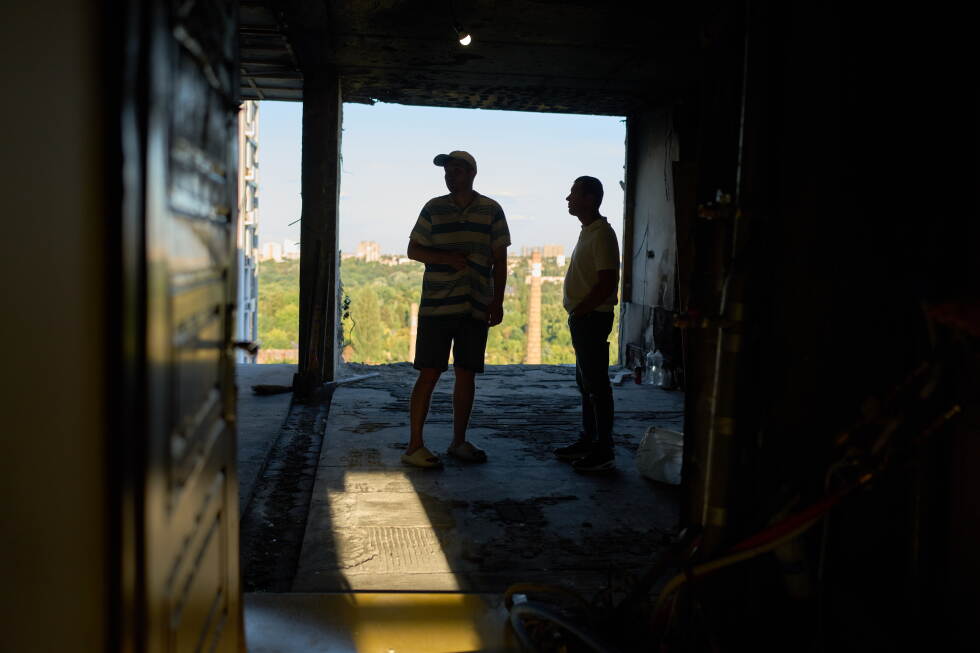
Alerts have become so frequent that he no longer sees the point of repeatedly trekking to a bomb shelter. At the current rate, he said, the only option would be to move into a basement full-time. “The alarms sound constantly,” he said. “You don’t even have time to go down and come back up. It’s just a waste of time running back and forth.” He is now actively planning to leave Kyiv. “I’m thinking of living in another city, somewhere quiet and without this danger,” he said. From the blown-out window of the destroyed apartment next door, the view looks down onto a playground and basketball court where children still play between alerts—until another siren sounds, and minutes later, the white zigzag trail of an intercepted drone stretches across the sky.
Bovsunovskyi is also considering leaving the capital temporarily, to give his pregnant wife and young daughter a chance to escape the constant stress and danger. The kindergarten his daughter attends moves all children to a shelter every time an alert sounds, and the alerts have grown so frequent that he now picks her up halfway through every day. “There is no stability,” he said.
-
2 trapped workers rescued alive from a tunnel in Nepal, officials say
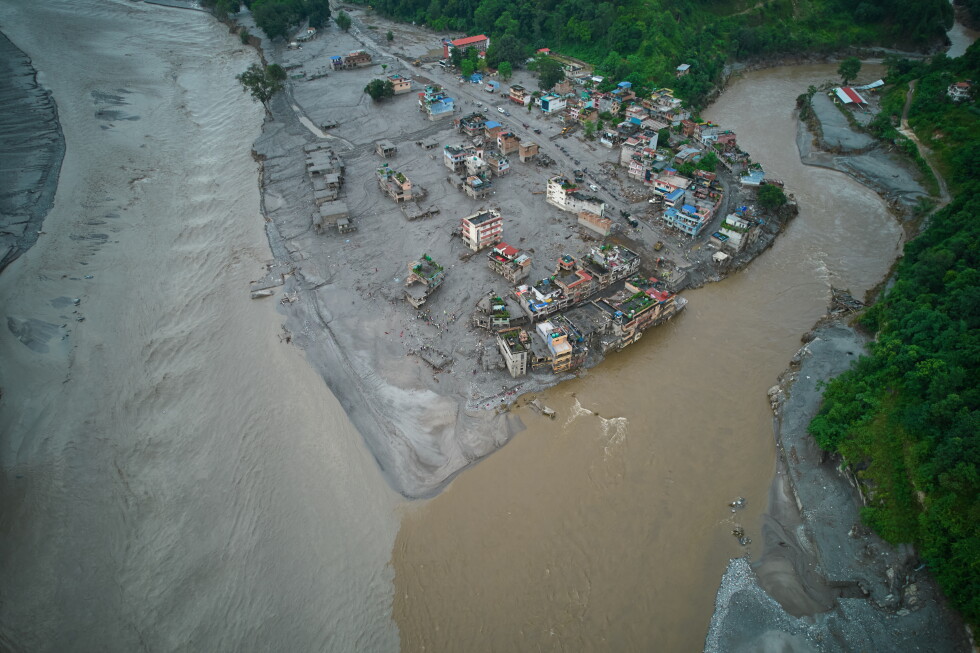
KATHMANDU, Nepal – In a striking breakthrough in Nepal’s massive multi-day search and rescue operation, rescue teams have extracted two construction workers alive from the collapsed Trishuli 3A hydropower tunnel, officials confirmed Friday. The dramatic rescue comes nine days after catastrophic flash floods swept through Nepal’s river valleys, triggered by a glacial collapse that sent torrents of water and debris cascading through downstream communities and work sites.
-
Nepal says it will need billions in funding to rebuild after flash floods
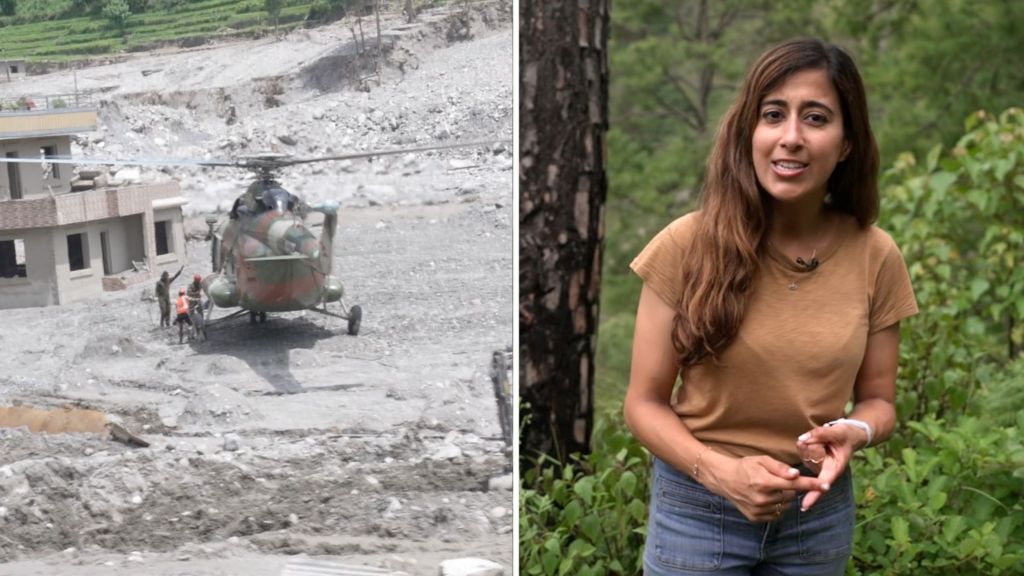
In the wake of devastating flash floods that swept through large swathes of Nepal, the Himalayan nation has announced it will need billions of dollars in international and domestic funding to launch comprehensive reconstruction efforts. BBC’s South Asia correspondent Azadeh Moshiri is currently on the ground reporting from the disaster zone, where government agencies and local rescue teams are just starting the painstaking work of clearing rubble and laying the groundwork for rebuilding.
The flash floods, which are often amplified by Nepal’s steep mountain terrain and erratic monsoon patterns that have grown more intense in recent years, left widespread destruction in their wake. Entire villages were washed away, critical infrastructure including roads, bridges, and water systems was destroyed, and thousands of residents were left displaced from their homes. As emergency response operations shift to longer-term recovery, Nepali authorities have outlined a daunting price tag for restoring communities and reinforcing the country’s disaster resilience.
Moshiri’s on-site reporting captures the scale of the challenge: entire neighborhoods still lie buried under mud and debris, while local communities wait for support to begin rebuilding their lives. International disaster relief organizations have already dispatched initial aid, but the government has stressed that multi-billion-dollar commitments will be necessary to not just rebuild what was lost, but to upgrade infrastructure to withstand future flood events, which are projected to become more frequent due to shifting climate patterns in the Hindu Kush Himalaya region.
-

US diplomat Boulos won’t name ‘at least 12 countries’ involved in Sudan war
The ongoing civil conflict in Sudan, which erupted in April 2023 and has already spawned the world’s most severe humanitarian catastrophe, has drawn direct or indirect military involvement from at least a dozen foreign nations, a senior White House advisor for African and Arab affairs has revealed. Massad Boulos, a Lebanese-born American diplomat whose son is married to former President Donald Trump’s daughter Tiffany, laid out the widespread regional meddling in an exclusive interview with the BBC’s *Focus on Africa* program, though he declined to publicly name the intervening states.
In his comments, Boulos emphasized that nearly every neighboring country in the Northeast African region has taken on some level of participation in the conflict, whether that means deploying military resources directly to one of the warring parties or enabling weapons transfers and militia movements across shared borders. “As for the military support, this is done currently by all the neighbouring countries in addition to some other regional actors. This is really very sad,” Boulos told the program. He went on to confirm that the total number of countries providing military backing to either the Sudanese Armed Forces (SAF) or the paramilitary Rapid Support Forces (RSF) stands at roughly 12, adding that the identities of these backers are already an open secret in international diplomatic circles. “We are not going to go into names at this time, but I think they are well known,” he said.
When pressed on why the U.S. has declined to publicly name the external backers of Sudan’s warring factions, Boulos deflected the question and refocused on Washington’s core diplomatic push: a push to impose a full, nationwide arms embargo on Sudan that would cut off all weapons flows to both sides of the conflict.
Right now, only a limited UN arms embargo is in place, restricted solely to Sudan’s vast western Darfur region – the historic stronghold of the RSF and its predecessor militia, the Janjaweed, which carried out a genocidal campaign that killed hundreds of thousands of civilians in the early 2000s. That 20-year-old targeted embargo is set to expire on September 12, creating a narrow window for UN diplomats to craft a broader, more effective regulatory framework.
According to reporting from Middle East Eye (MEE), the UN Panel of Experts tasked with monitoring the existing Darfur embargo submitted its final assessment report to the UN Security Council on July 13, and the document includes substantial new evidence confirming repeated violations of the embargo by the United Arab Emirates (UAE). The UAE has repeatedly and publicly denied providing any support to the RSF throughout the 16-month-long conflict. However, multiple independent sources – including UN experts, international human rights organizations, and MEE’s own on-the-ground reporting – have documented consistent Emirati military backing for the RSF, which is led by former Janjaweed commander Mohamed Hamdan Dagalo and has been formally accused of genocide in Darfur by multiple international bodies.
Weapons serial numbers traced from battlefield recovered hardware, public flight tracking logs, and testimony from dozens of regional sources all confirm that the UAE routes military supplies to the RSF through third-party transit points in Libya, Chad, Ethiopia, and the self-declared independent state of Somaliland. The latest Panel of Experts report also adds new granular detail to longstanding public accusations that the UAE contracted Colombian mercenaries to fight alongside RSF forces on the ground in Sudan, MEE has learned.
When asked directly about the accusations against the UAE during his BBC interview, Boulos confirmed he holds regular diplomatic meetings with Emirati officials, including talks held just one week prior to the interview. He added that Emirati officials “deny any direct involvement” in arming the RSF, suggesting that any weapons transfers that do occur are the unapproved actions of independent traders rather than official state policy. “There might be some traders or whatever that are doing these sorts of supplies, providing supplies to both sides, but again we are not here to go into these details,” Boulos said.
While the UAE backs the RSF, public reporting confirms that other foreign powers have aligned with the opposing SAF. Egypt and Turkey are the two largest military backers of the Sudanese regular army, with Turkish diplomatic and military sources confirming to MEE that Ankara supplies the SAF with unmanned combat drones, artillery ammunition, and advanced air defense systems. Turkish drone operators have also deployed directly to Sudanese territory to carry out offensive operations, and both Turkey and Egypt have launched airstrikes against RSF weapons convoys operating in the remote desert border triangle where Sudan, Libya, and Egypt meet.
Boulos told the BBC that a full nationwide arms embargo would impose a complete ban on the sale, transfer, and delivery of all weapons and military equipment to any party in the Sudanese conflict. “We have to act, we have to do something about it and that’s why I talked to the members of the Security Council about it,” he said, though he acknowledged that the proposal faces major barriers to passage at the UN Security Council. Russia has already used its veto power to block similar embargo proposals in recent months, leaving the diplomatic effort on uncertain ground.
Boulos framed the push for a full embargo as an urgent response to a sharp recent escalation in external military support for both warring sides. “This call came in the context of the increasing levels of military support that we have seen to both warring parties in the recent weeks and months. There’s a tremendous increase to both sides,” he explained.
The conflict between the SAF and RSF, which broke out over a disputed plan to integrate the two forces into a unified national military ahead of a planned transition to civilian rule, has displaced more than 10 million Sudanese and left millions more on the brink of famine, making it the world’s worst humanitarian disaster in decades.
-
Death toll from Israeli settler attacks spirals in ‘most violent’ year for West Bank
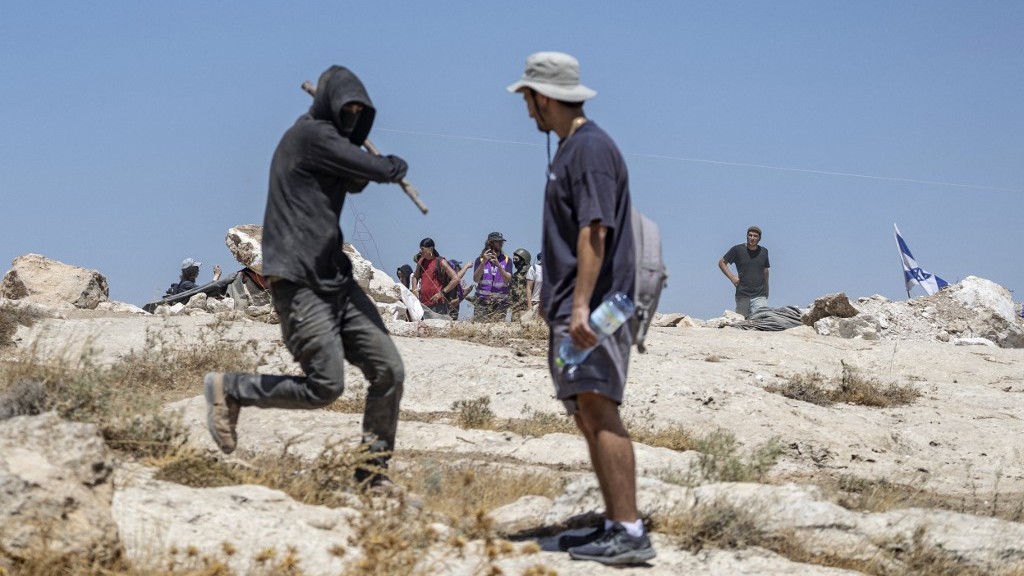
On a Wednesday evening in the Palestinian village of Al-Mughayyir, located east of Ramallah in the Israeli-occupied West Bank, a violent settler incursion targeting sheep theft ended with two Palestinian civilians dead at the hands of Israeli soldiers, deepening longstanding concerns over systemic, state-backed settler violence in the region.
According to official records from the Palestinian Ministry of Health, the two victims have been identified as 19-year-old Omar Muhammad Na’san and 16-year-old Khalil Rasem Shahada, both fatally shot by Israeli military personnel during the incident. Marzouq Abu Na’im, a village council member and local activist who has spent years documenting settler attacks in the area, detailed the sequence of events to Middle East Eye, confirming that armed settlers first launched an assault on a local residential property with the explicit goal of stealing the family’s livestock.
Shortly after the incursion began, Israeli forces stormed the village to provide armed protection for the settlers, positioning troops and snipers on the roof of the targeted home. “The settlers stole the sheep and attacked the homeowners, who were unable to resist or object due to the heavy presence of soldiers and snipers on the roof,” Abu Na’im explained.
Na’an, whose own home sits adjacent to the targeted property, stepped outside to investigate the commotion when an Israeli sniper positioned on the rooftop opened fire, killing him instantly. Minutes later, 16-year-old Shahada emerged from his home on the opposite side of the village after hearing residents screaming in alarm from their windows. Abu Na’im confirmed that the teenager had moved barely a few meters from his front door when Israeli soldiers also shot him.
Tragically, both victims were left bleeding heavily for an extended period after the shooting, as Israeli forces blocked ambulances from reaching the scene. Though coordination was eventually secured through the military liaison office to allow medical transport, both civilians had already succumbed to their injuries by the time paramedics arrived. “Their blood filled the ambulance because of the severity of the bleeding. The paramedics tried to resuscitate them, but they had already passed away. Meanwhile, the settlers managed to steal the sheep and left under the protection of the army,” Abu Na’im added.
This deadly incident is far from an isolated event: Al-Mughayyir has already seen five Palestinian residents killed since the start of 2026, three of those deaths at the hands of settlers. Human rights organizations have repeatedly warned that settler attacks across the occupied West Bank are escalating rapidly, and the violence has grown increasingly deadly with the explicit backing and protection of the Israeli military.
New data from the Wall and Settlement Resistance Commission underscores the scale of the crisis: in August 2026 alone, the group recorded 2,030 total attacks across the West Bank, 1,402 carried out by Israeli soldiers and 628 by extremist settlers. Attacks were concentrated in the flashpoint regions of Ramallah and al-Bireh, which saw 157 incidents, followed by Nablus with 137 and Hebron with 120. The report also documented that settlers attempted to establish 32 new unauthorized settlement outposts in August, part of a broader pattern of land seizure. Joint soldier-settler raids on agricultural land damaged more than 21,500 trees, 19,375 of which were productive olive trees that form a critical livelihood for thousands of Palestinian families. Overall, 164 Palestinians suffered direct harm from settler violence in August, including 20 children and 17 women.
A major August 20 report from Human Rights Watch, titled *West Bank: Israel-Backed Settler Violence Drives Displacement*, outlines the broader humanitarian impact of the ongoing escalation. The organization confirmed that rising settler attacks have forced complete or partial displacement of residents from 107 Palestinian towns and villages since January 2023. Data indicates 2026 is on track to become the deadliest year on record for settler violence, with attacks driving widespread displacement of Palestinian rural communities.
Citing statistics from the United Nations Office for the Coordination of Humanitarian Affairs (OCHA), the report notes that the average number of daily settler attacks resulting in injury or property damage now stands at 6.6, the highest rate recorded in the agency’s history. As of July 24, OCHA had documented 15 Palestinians killed by settlers in 2026, including two children, putting the year on track to surpass the previous record of 16 settler killings set in 2023.
Human Rights Watch has explicitly accused Israeli authorities of not only failing to uphold their obligation to protect Palestinian civilians from settler violence, but also actively providing financial, material, and legal support to the extremist settlers responsible for these attacks.
International officials have echoed these warnings. The UN deputy special coordinator for the Middle East peace process warned in August that settler violence in the West Bank has reached unprecedented levels, stating that the occupied territory has “reached a breaking point.” He confirmed that the UN had recorded more than 1,430 separate incidents of settler violence since the start of 2026, impacting roughly 260 Palestinian communities. As of August 10, 76 Palestinians had been killed in the West Bank by either Israeli forces or settlers in 2026, and more than 3,800 Palestinians have been displaced since January as a result of settler violence, home demolitions, and forced evictions.
Late last month, the European Union issued a formal statement condemning the ongoing violence, specifically highlighting the crisis in the village of Qusra, where Palestinian families were trapped in their homes for more than a week by a sustained settler siege. Even U.S. Ambassador to Israel Mike Huckabee labeled the settlers besieging Qusra as terrorists. The EU demanded an immediate end to intimidation, harassment, property destruction, and physical assaults against Palestinian civilians, calling on Israeli authorities to take decisive action and hold all perpetrators of violence accountable.
Despite this international outcry, Palestinian leaders and activists argue that statements of condemnation are no longer sufficient to end the crisis or hold perpetrators accountable. Palestinian officials are now calling on the international community to move beyond rhetoric and take concrete legal action against the Israeli government and extremist settler groups.
Salah Khawaja, director of the Wall and Settlement Resistance Commission’s central West Bank office, noted that all international statements and institutional responses have so far been limited to condemnation, which he says has effectively provided political cover for Israel to continue its expansion and aggression. “The fundamental problem is the absence of any effective international steps to hold Israel, as a government, and the settler groups accountable for their practices and support of terrorism and attacks in various areas of the West Bank,” Khawaja told Middle East Eye.
Khawaja explained that while successive Israeli governments have prioritized settlement construction, expansion, and land seizure, the current Israeli administration has advanced these policies further than any preceding government. He added that Israel openly defies international norms and institutions, while the global community’s response remains limited to empty statements of condemnation.
Data confirms 2026 is already the most violent year on record for settler violence: for comparison, only one Palestinian was killed by settler gunfire in 2019, two in 2020, and five in 2021. In the first half of 2026 alone, 20 Palestinians were killed by settler gunfire. “This escalation represents one aspect of a systematic approach…which enjoys the full support of the Israeli government and security apparatus,” Khawaja concluded.
-
Hope for survivors in Nepal as tunnel rescue efforts continue
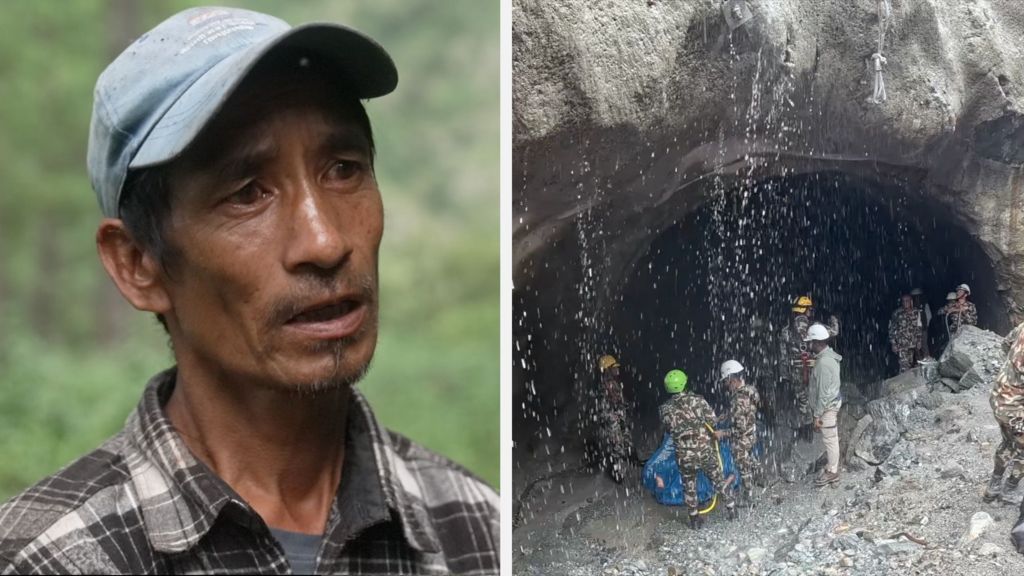
Days after catastrophic flash floods swept through cross-border regions between Nepal and Tibet, rescue operations are still underway at a collapsed tunnel in Nepal, where search and rescue teams refuse to abandon hope of finding survivors trapped inside.
The devastating natural disaster, which triggered landslides and washed out critical infrastructure across the Himalayan border area, left dozens of people missing after the floodwaters inundated road construction sites and rural settlements, including the tunnel that was under expansion when the disaster hit. According to initial on-site reports, a number of workers were trapped inside when the tunnel’s entrance collapsed under the force of the surging flood and subsequent debris flow.
Azadeh Moshiri, a seasoned South Asian correspondent for international media, has been reporting live from the disaster zone, providing on-the-ground updates on the pace and challenges of the rescue mission. Rescuers from Nepal’s national armed police force, alongside specialized mountain search teams, have been working around the clock to clear tons of rock and mud blocking the tunnel’s access point, hampered by unstable terrain and ongoing risks of secondary landslides in the flood-ravaged area.
Even as the window for finding living survivors narrows in the days after the disaster, first responders and official spokespeople have confirmed that operations will continue as long as there is a possibility of locating people alive. Local authorities have also mobilized additional heavy machinery and emergency supplies to the site to support the sustained search effort, as the international community watches closely for updates on the high-stakes rescue operation.
-
Pacific leaders at summit fail to reach unanimous condemnation of China’s ballistic missile launch
KOROR, Palau — At their annual regional summit held this year in Palau, Pacific island leaders have formally recorded collective concern over China’s recent ballistic missile test that landed in Pacific regional waters, but the body ultimately failed to secure the unanimous backing the bloc traditionally requires for official statements, falling short of issuing a harsher rebuke of Beijing’s actions, leaders announced Thursday.
The effort to rally a unified regional response to the July missile launch had been widely framed as a key benchmark for measuring how intensifying great-power competition in the Pacific has strained cohesion among the bloc’s mostly small, low-lying island states. For years, rising geopolitical jockeying between Washington, Beijing and other major global actors has pulled Pacific nations in competing directions, creating growing rifts within the 18-member Pacific Islands Forum (PIF) over how to engage with major powers.
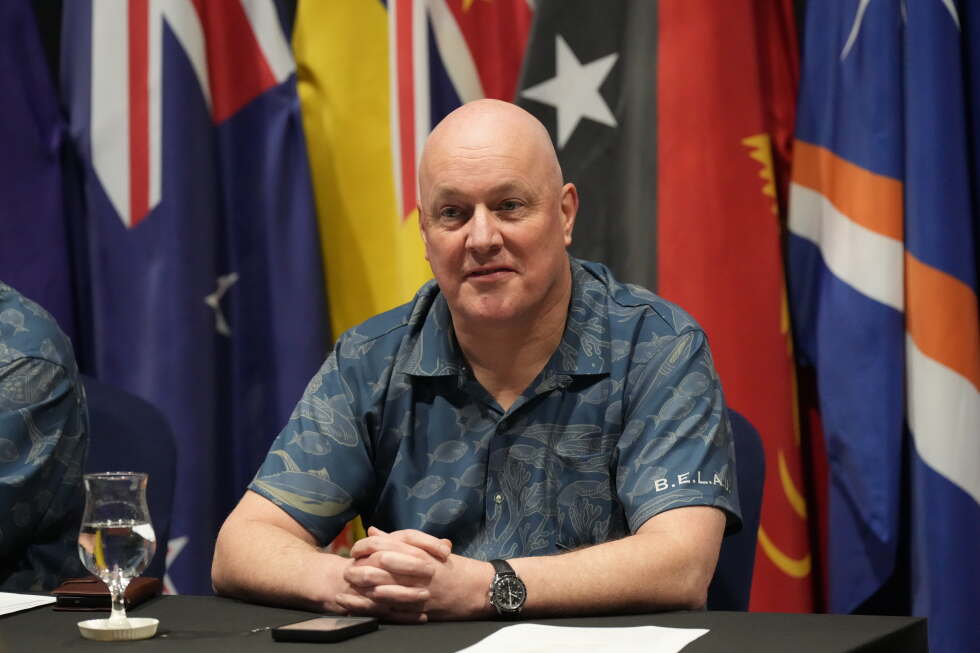
According to New Zealand Prime Minister Christopher Luxon, who attended the closed-door leaders’ retreat where the statement was negotiated, only the Pacific island nation of Nauru publicly dissented from the agreed text of concern. Nauru has steadily deepened its diplomatic and economic ties with Beijing over the past four years, and formally cut official ties with Taiwan earlier in 2024 to align with China’s One China policy. A second China-aligned Pacific nation, Kiribati, was entirely unrepresented at the daylong closed retreat, after Kiribati’s president skipped the full summit and sent his country’s former ambassador to China as a delegate instead.
Luxon sought to downplay the significance of both Nauru’s dissent and Kiribati’s absence from the retreat, arguing that the PIF had still reached a usable, meaningful collective position despite the split. The PIF has long operated on a norm of unanimous consensus for all official communiqué language, a tradition that reflects the bloc’s emphasis on collective regional decision-making, with closed-door retreat negotiations limited to just leaders and a small handful of senior aides.
“I think we’ve got to a very good place,” Luxon told reporters after the retreat concluded. “Yes, Nauru has dissociated itself from that statement, but that shouldn’t be a reason for why we shouldn’t be able to express a PIF position or a consensus position.”
Even as the New Zealand leader framed the outcome as a success, the breakdown in consensus signals that navigating competing great power demands will remain an increasingly complex challenge for the Pacific bloc. Over the past decade, the vast Pacific region has grown dramatically in geopolitical importance, driven by its strategic location for global trade and security, and its abundant untapped natural resources. Major powers have competed fiercely to build diplomatic and economic ties with Pacific island states, offering large-scale infrastructure funding, aid packages and other incentives to win influence, creating a tangled network of competing allegiances that have upended longstanding regional dynamics.
Palau, this year’s summit host, is one of the 12 United Nations member states that still maintain official diplomatic recognition of Taiwan, a status that has put it at odds with Beijing. Some regional analysts had privately suggested that the absence of key leaders from China-aligned states could be tied to Beijing’s diplomatic pressure over Palau’s position on Taiwan, though there is no public evidence to support that claim. Attendees of the summit noted that most absences of top leaders, all of whom sent senior government delegates in their place, were tied to domestic political commitments or personal health issues.
The failure to reach full consensus on the missile statement also highlights deeper, long-simmering divides within the PIF that have emerged as great-power competition has intensified. The joint statement itself was largely a symbolic gesture — most regional nations had already criticized China’s missile launch publicly when it took place in July. But the bloc’s inability to agree on a unified text mirrors a similar breakdown weeks earlier at a PIF foreign minister retreat in Suva, Fiji, where a planned statement on the launch was scrapped after Nauru and Kiribati rejected the language.
-
‘Secretive’ UAE and Swiss-based firms found to be major crude suppliers to Israel, says report
A joint investigation by two leading research organizations, Oil Change International (OCI) and the Centre for Research on Multinational Corporations (SOMO), has pulled back the curtain on a little-scrutinized network of oil traders that have become among the largest suppliers of crude oil to Israel during the ongoing military campaign in Gaza. The investigation identifies Swiss-based Vitol and Dubai-founded Heritage Petroleum FZCO as the key players in this supply chain, which collectively delivered around 22 million barrels of crude to Israel between October 2023 and June 2026, accounting for 11% of the nation’s total crude imports over that period.
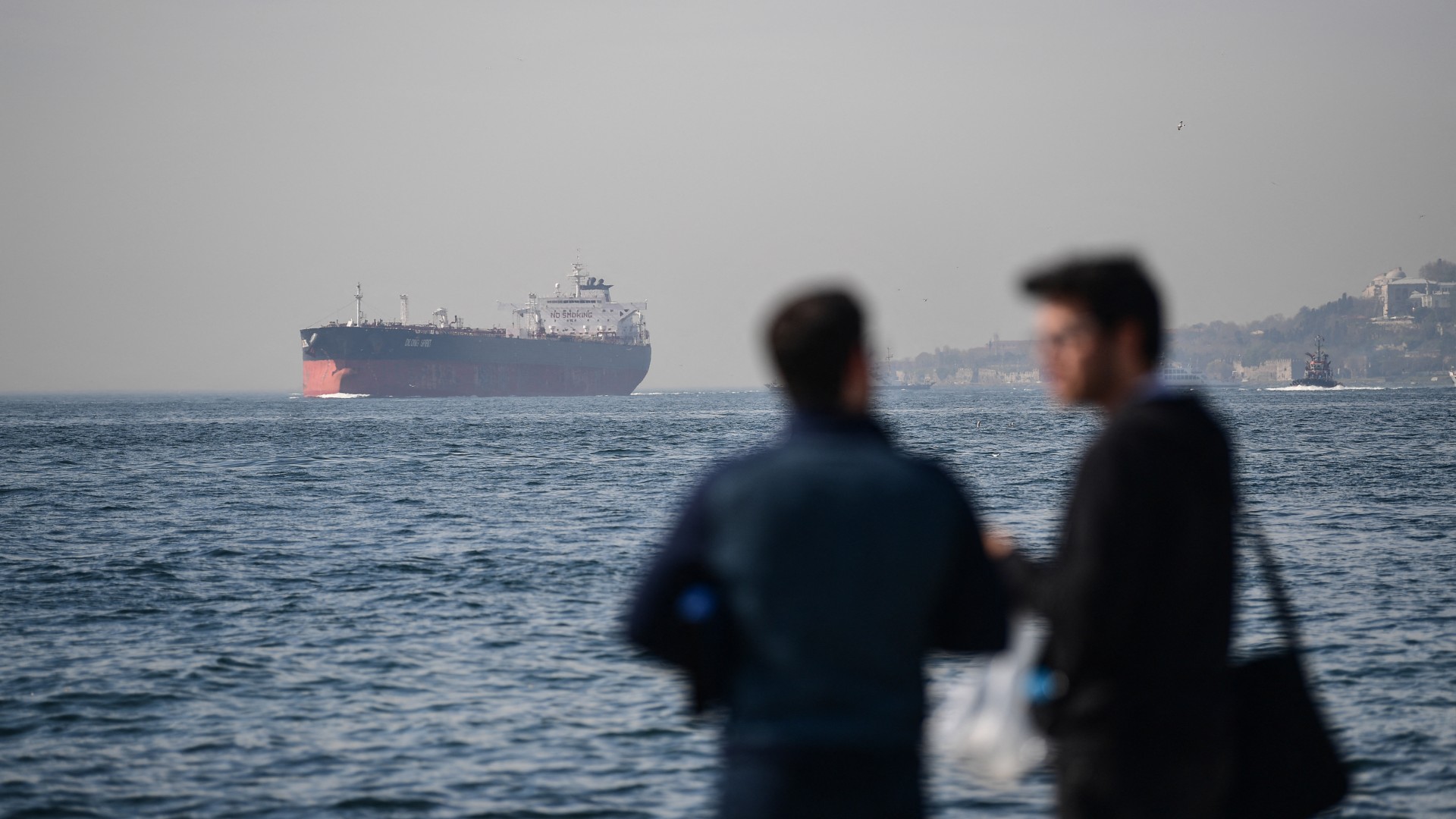
What makes the findings particularly striking is that the vast majority of shipments from both traders passed through Ceyhan, a major Turkish Mediterranean port, despite Turkey’s official embargo on Israeli-bound oil trade imposed in May 2024. Researchers also confirmed that two Heritage subsidiaries, classified as shipping servicing firms, are formally registered in Turkey’s national trade registry. While major Western oil giants including BP, Chevron, ExxonMobil, and Shell have already faced widespread public backlash and scrutiny for their roles in supplying energy to Israel during the conflict, the activity of smaller, opaque trading networks in this supply chain has largely flown under the radar until now.
The research team built its findings on trade and shipping data from analytics platform Kpler, cross-referenced with additional data from the London Stock Exchange Group and verified via satellite imagery confirming vessel arrivals at Israel’s Ashkelon port. Both Vitol and Heritage operate as dual charterers and traders, meaning they take full ownership of the crude they ship to Israel. Of more than 250 tracked shipments carrying over 200 million barrels of crude from 19 source countries to Israel, the two firms ranked among the largest charterers for Israeli-bound cargo.
In response to the report’s findings, a Vitol spokesperson stated that the company conducts all its business activities in full compliance with applicable local and international laws. When Middle East Eye reached out to Heritage Petroleum for comment, no response was received prior to publication.
Turkey’s foreign ministry has pushed back against suggestions that it is failing to enforce its own embargo, noting that all crude moving through the Baku-Tbilisi-Ceyhan (BTC) pipeline, which carries Caspian Sea crude from Azerbaijan to Ceyhan, is required to adhere to Turkey’s ban on trade with Israel. “No vessel loading from Ceyhan is authorised or executed with Israel designated as the delivery destination,” a ministry source told Middle East Eye. The source explained that once tankers leave the Ceyhan terminal, cargo ownership can transfer to third-party buyers while in transit, opening a loophole for changes to the final destination. The ministry also clarified that Turkish state energy firms hold only minority stakes in the BTC pipeline project, and the firm operating Turkey’s section of the pipeline has no commercial authority over the sale or routing of cargo, adding that any sale of Turkish state-owned crude to Israel is “entirely out of the question.”
Vitol, one of the world’s leading independent oil traders with a global footprint including major offices in London, Geneva, and Houston, has a long history of controversy tied to unethical business practices. The company pleaded guilty to grand larceny charges in 2007 for paying $13 million in kickbacks to Saddam Hussein-era Iraqi officials to secure lucrative oil supply contracts. In 2026, it became the first firm to secure U.S. authorization to sell Venezuelan crude after the detention of Venezuelan President Nicolas Maduro. When approached by OCI and SOMO for comment, Vitol denied profiting from war and conflict in Venezuela, Ukraine, Iran, or Iraq, but declined to address its role as a charterer of Israeli-bound crude. Between October 2023 and June 2026 alone, Vitol shipped nearly 14 million barrels of crude to Israel, with its shipment volumes spiking sharply in 2023 after the outbreak of the Gaza conflict.
Far less is known about Heritage Petroleum, which was only founded in December 2023 and sent its first chartered shipment of crude to Israel in November 2024, more than a year into the conflict. Despite its recent creation, it quickly rose to become Israel’s second-largest crude supplier, delivering a total of 8.3 million barrels, all of which departed from Turkish ports after the embargo was implemented. “Heritage has appeared out of nowhere to be a leading charterer of fuel to Israel, and its operations are very opaque,” noted Andy Rowell, contributing editor at OCI. “We still do not know who the board of the company are or who the people with significant control are.”
Beyond the two registered Turkish subsidiaries, researchers found that little public information exists about the firms. Limosa Trading Logistics Inc., one of the two Heritage subsidiaries, took its website offline after SOMO’s strategic litigation lead Lydia de Leeuw reached out for comment, and phone calls went unanswered. The second subsidiary, Shiptech Maritime Ltd., initially provided a statement on behalf of both itself and Heritage, claiming the firms were not violating Turkey’s trade ban with Israel. When de Leeuw followed up with additional questions and presented corroborating data from LSEG and port control inspections confirming the shipments, Shiptech declined further comment. A conversation with Shiptech’s Turkish head of operations confirmed that Shiptech and Heritage are the same entity. No responses to Middle East Eye’s requests for comment were received from either subsidiary prior to publication.
The investigation’s findings raise serious questions about how effectively Turkey is enforcing its embargo on Israeli energy trade. While researchers acknowledge that crude oil has legitimate civilian uses in Israel, they stress that the link between imported crude and Israeli military operations is unambiguous. “What we do know is that Israel relies heavily on imported crude oil,” Rowell explained. “In 2024, for example, the country imported 97 percent of its crude oil. The imported oil is refined in Ashdod and Haifa and both refineries have been clear that they are supplying the military. Bazan Group, which owns the Haifa refinery, has been clear that it supplies the Israeli military.”
The report also highlights the enabling role that national governments hold over this ongoing energy flow, and puts forward clear policy recommendations. It calls on major oil-producing countries that supply the crude, including Azerbaijan, Kazakhstan, and Nigeria, to implement formal embargoes on Israeli-bound crude, and urges Turkey to strengthen enforcement against firms exploiting loopholes to facilitate shipments. It also notes that the countries hosting the traders’ headquarters – the United Arab Emirates for Heritage and the United Kingdom for Vitol – hold significant policy tools to restrict and halt these shipments.
Rowell particularly emphasized the implications of the findings for the UK, given new Foreign Secretary Ed Miliband’s pledges to reset the UK’s relations with Israel. “This will be a real test – Vitol has huge operations out of London; will the government take action against them?” he said.
The report also notes that the full scope of the two traders’ roles may be even larger than documented, as roughly half of all Israeli-bound crude shipments analyzed for the investigation did not list a named charterer, leaving open the possibility that additional undisclosed activity by the two firms is unaccounted for.
-

Watch: JD Vance ‘extremely sceptical’ over alleged strike on Iranian wedding
A growing diplomatic and political controversy has emerged in recent days following Iranian allegations that a United States missile strike targeted a wedding gathering, leaving four dead including two young children – a claim that has now drawn public scepticism from prominent American political figure JD Vance, who says he remains “extremely sceptical” of the official Iranian account.
Iranian government officials have directly leveled accusations against the U.S., framing the reported strike as a deliberate act of violence against civilians that qualifies as a war crime under international law. According to Iranian statements, the attack unfolded when a missile hit a venue hosting a wedding celebration, ending the lives of four attendees. Two of those killed were confirmed to be children, a detail that has amplified the anger and condemnation coming out of Tehran in the aftermath of the incident.
The allegations come at a moment of already heightened tensions between the United States and Iran, with long-standing disputes over nuclear policy, regional military activity, and diplomatic relations creating a fragile geopolitical environment across the Middle East. Even as Iranian officials push their narrative of American culpability, Vance, a leading U.S. conservative voice, has pushed back against accepting the claim at face value, publicly stating that he doubts the official version of events that has been presented by Iranian authorities. Vance’s comments add a layer of domestic political conversation to the international controversy, as U.S. officials have not yet formally confirmed or denied involvement in the strike.
Widespread international attention has turned to the incident amid competing claims, with global observers calling for a transparent, independent investigation to clarify who was responsible for the attack, confirm the details of the casualties, and determine what exactly took place at the wedding venue. The incident has already stoked new fears of further escalation between Washington and Tehran, at a time when the international community is already grappling with multiple ongoing conflicts across the Middle East.