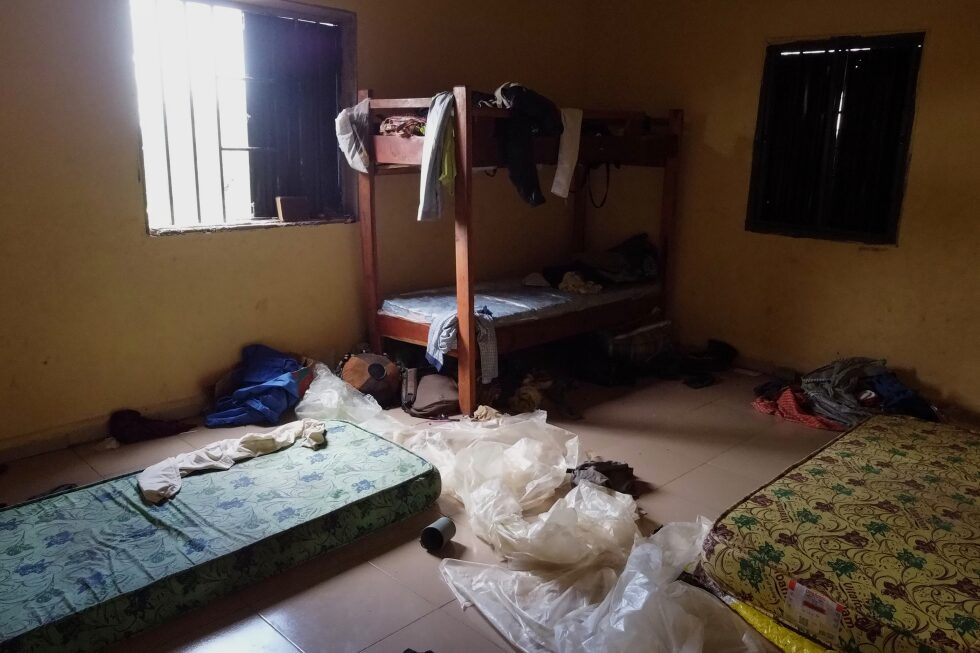
ABUJA, Nigeria — Armed attackers launched a raid on an orphanage-affiliated school in north-central Nigeria over the weekend, abducting 23 young pupils before local security forces recovered 15 of the children in immediate follow-up operations, state authorities confirmed in a public announcement Monday.
The assault targeted the Dahallukitab Group of Schools, a mixed educational and orphanage facility located in a remote, cut-off area of Lokoja, the capital city of Kogi State. In an official statement, Kogi State Commissioner Kingsley Femi Fanwo noted that the institution had been operating without legal authorization from Nigerian educational regulators, a detail that raises new questions about oversight of community-based care facilities in the region.
As of Monday, no insurgent or criminal group had publicly claimed credit for the abduction. The wider north-central and northwestern regions of Nigeria have recorded a steady uptick in kidnapping-for-ransom attacks targeting civilian institutions over the past three years, with criminal gangs increasingly focusing on soft targets including schools and orphanages.
While official confirmation of the victims’ ages has not been released, local context clarifies that the term “pupil” in Nigerian educational and law enforcement discourse almost exclusively refers to young learners in kindergarten or primary school, meaning most of the abducted children are likely 12 years old or younger.
Fanwo confirmed that intensive search and rescue operations are currently underway across Lokoja and surrounding rural areas to locate the eight remaining abducted children and take the perpetrators into custody. “Our security teams are working around the clock to bring every missing child home safely and hold those responsible for this horrific attack to account,” the statement added.
Widespread school kidnappings have emerged as one of the most visible markers of the persistent insecurity plaguing Nigeria, Africa’s most populous nation with over 220 million residents. Security analysts who study the country’s criminal landscape explain that armed gangs deliberately target students and educational facilities because attacks on children generate widespread media and government attention, increasing pressure on authorities and families to pay large ransoms for captives’ release.
Nigeria has grappled with a layered, multi-faceted security crisis for more than a decade, with instability concentrated most heavily in the country’s northern regions. A long-running Islamist insurgency first emerged in northeast Nigeria in 2009, led by the militant group Boko Haram. The group splintered in 2016, with a breakaway faction calling itself the Islamic State’s West Africa Province, or ISWAP, which now carries out most large-scale attacks in the northeast. In recent years, a new IS-affiliated group called Lakurawa has established a foothold in northwestern communities along Nigeria’s border with Niger, further expanding the scope of extremist activity in the country.