Tensions across the Middle East have reignited in recent days, bringing new volatility to diplomatic efforts, regional security and global markets, following weeks of low-level conflict and stalled negotiations. Multiple breaking developments have deepened uncertainty over the prospects of de-escalation, just two months after open fighting erupted between Israel and Iran.
The most significant shift came from Lebanon’s powerful Iran-aligned militant group Hezbollah, whose deputy leader Naim Qassem delivered a firm rejection of planned direct negotiations between Lebanese authorities and Israel. In an official statement released this week, Qassem slammed the proposed talks as a “grave sin” that risks plunging Lebanon into full-blown instability, warning that any push for direct dialogue would harm both the country and the political leaders pushing for the move. “We categorically reject direct negotiations with Israel, and those in power should know that their actions will not benefit Lebanon or themselves,” Qassem said, urging Lebanese governing bodies to immediately abandon the plan that he argues threatens to drag the nation into a dangerous spiral of unrest.
Meanwhile, on the diplomatic front, Iran’s top diplomat placed full blame on the United States for the ongoing impasse in talks aimed at ending the conflict. Iranian Foreign Minister Abbas Araghchi made the comments while arriving in Moscow as part of a rapid, multi-stop international diplomatic tour. He argued that the latest round of negotiations, which had made limited incremental progress, collapsed entirely due to unreasonable and excessive demands put forward by Washington. Araghchi also highlighted the strategic importance of unimpeded maritime access through the Strait of Hormuz, a critical global chokepoint for energy supplies, noting that stable, safe passage through the waterway is a non-negotiable issue for the entire global community.
The renewed volatility has already rippled through global energy markets. On Monday, benchmark crude oil prices jumped more than 2% as investors reacted to the growing risk of regional disruption to energy production and shipping, while global equity markets posted mixed results amid the heightened uncertainty, with no sign of a breakthrough to de-escalate the eight-week-old conflict between Israel and Iran.
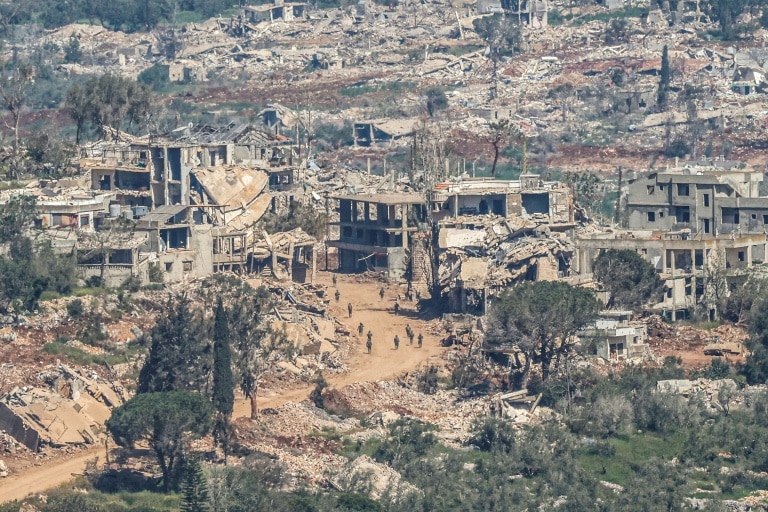
A separate security development further underscored the fragility of the existing truce in southern Lebanon. The Israeli military confirmed Monday that one of its soldiers was killed during active combat in the border region, where a ceasefire agreement has been nominally in place since mid-April. Both Israel and Hezbollah, which is backed by Iran, have repeatedly traded accusations of truce violations along the Lebanon-Israel border in recent weeks, raising fears that the low-level skirmishes could escalate into a wider conflict that draws in regional powers.
Beyond the Middle East, the conflict is already shaping major central bank policy decisions in Europe. The European Central Bank is widely expected to keep interest rates unchanged at its upcoming policy meeting this week, as policymakers wait to assess whether the uptick in inflation driven by Middle East conflict-related energy price shocks will prove temporary, or if it will persist and start to drag on eurozone economic growth.