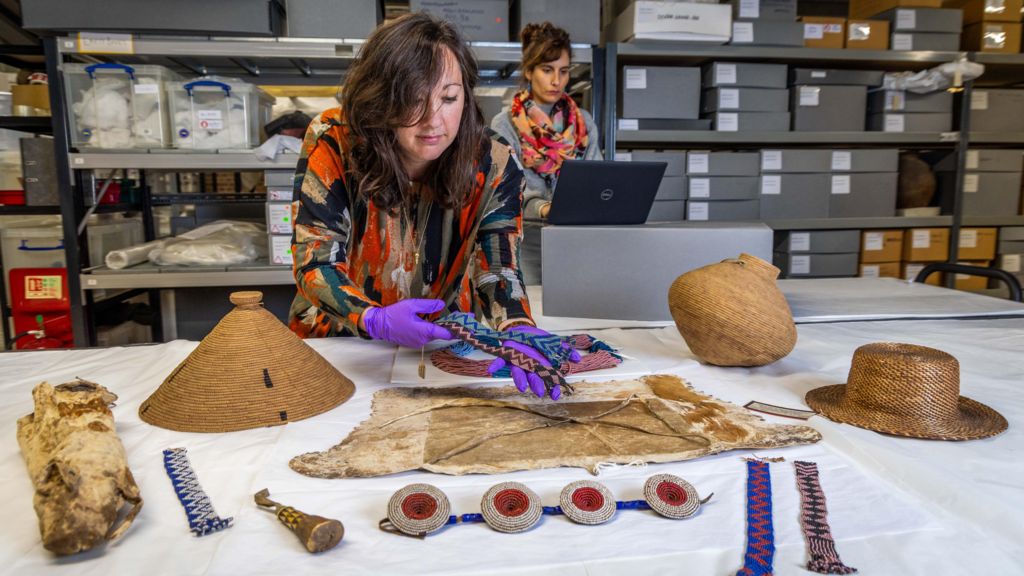
In a groundbreaking move that signals a growing shift toward accountability for colonial-era cultural theft, a British museum institution has announced plans to hand back 45 historical cultural artefacts to their country of origin, Botswana. This transfer, arranged through a formal collaborative partnership between the UK and Botswanan museum sectors, is being hailed as the first large-scale repatriation of indigenous cultural heritage ever carried out by a United Kingdom museum.
The objects set for return were originally pulled from Botswana’s Gammangwato region in the 1890s, collected by Christian missionary Rev William Charles Willoughby during the height of British colonial expansion across southern Africa. The collection spans a broad cross-section of daily and cultural life for local communities, including traditional clothing, personal accessories, hunting tools, and everyday domestic items that carry deep cultural meaning for Batswana people.
The process that led to this transfer grew out of the Making African Connections initiative, a research and partnership project led by the University of Sussex that ran between 2019 and 2021, which built formal connections between Brighton & Hove Museums and Botswana’s Khama III Memorial Museum based in Serowe. Two years after the project concluded, in 2022, the Khama III Museum submitted a formal repatriation claim for the collection, launching the negotiation process that has now resulted in an agreement for return.
Curators on both sides of the partnership have framed the transfer as far more than a simple movement of objects across borders. Portia Tremlett, senior curator at Brighton & Hove Museums, emphasized that the repatriation fills a critical long-standing gap by returning cultural items to the community that created and gave them meaning. “This repatriation represents an important step in reconnecting these artefacts with the communities, histories and knowledge systems that give them meaning,” Tremlett explained.
For the receiving institution and the people of Botswana, the handback carries profound meaning for cultural self-determination. Gase Kediseng, curator at the Khama III Memorial Museum, described the transfer as an act of historical restoration that goes beyond material exchange. “This process affirms dignity, identity, and material culture, empowering [the people of] Batswana to tell their own story on their own terms through objects that represent who we were, and who we continue to be,” Kediseng said.
The 45 artefacts are scheduled to be unveiled to the public as part of a new permanent exhibition opening at the Khama III Memorial Museum on May 27. To mark the milestone occasion, the Botswanan museum will host a two-day international summit alongside the exhibition opening, in partnership with both the University of Sussex and the University of Botswana, to bring together global experts on cultural repatriation and indigenous heritage.