分类: world

  • US-Iran strikes: latest developments

    US-Iran strikes: latest developments

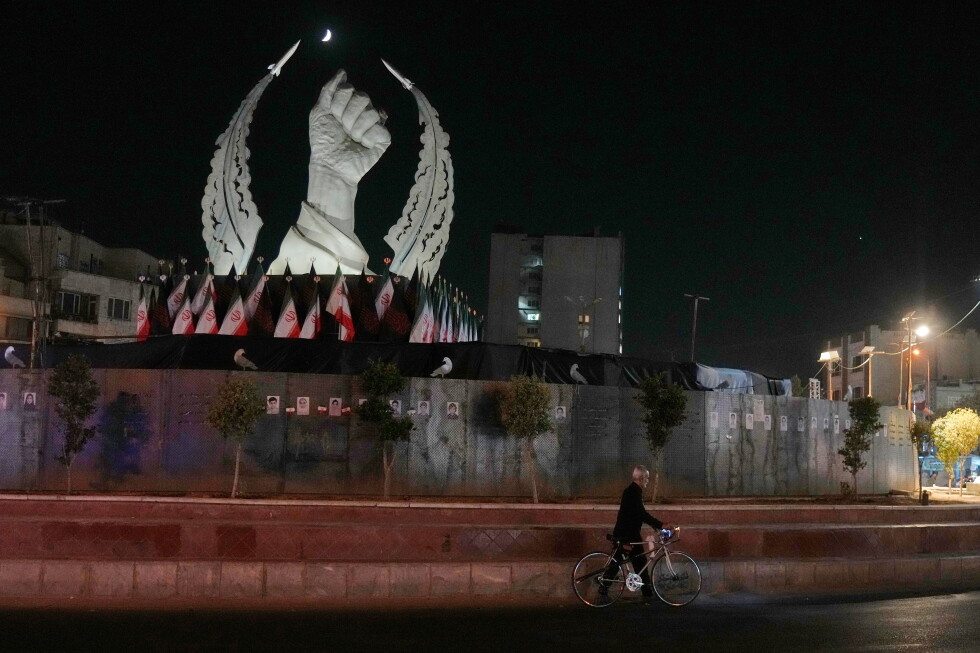
    A wave of reciprocal military strikes between the United States and Iran escalated across the Middle East throughout Sunday, triggering responses from regional allies and urgent calls for de-escalation from global watchdog bodies. The flare-up stems from a deadly drone attack on a US base in Jordan last Friday that claimed the lives of two American service members, a strike Washington directly attributes to Iranian-backed militant groups.

    On the diplomatic front, US Secretary of State Marco Rubio hosted Lebanese President Joseph Aoun in Washington DC this week. A State Department spokesperson confirmed that Rubio praised Aoun for his administration’s ongoing work to restore full Lebanese government sovereignty across the country, disarm the Iran-aligned militant group Hezbollah, dismantle Hezbollah’s terrorist networks, and advance cross-border stability with neighboring Israel.

    The International Atomic Energy Agency (IAEA), the United Nations’ leading nuclear oversight body, stepped in to issue a call for maximum restraint from all parties after Iranian officials confirmed a US strike targeted an under-construction nuclear power plant in Darkhovin, a site in southwestern Iran. IAEA Director General Rafael Grossi clarified in a public statement posted to X that no nuclear fuel or radioactive material had yet been placed at the facility, and the attack does not currently create any public radiological hazard for the surrounding region.

    Tensions spilled further as Israeli authorities issued a stark warning to Tehran Sunday, following a joint interception operation with Jordanian forces that took down an Iranian missile targeting the Jordanian Red Sea port city of Aqaba. Israeli Defense Minister Israel Katz reiterated that his country would not tolerate unprovoked attacks, stating that any direct Iranian missile strike on Israeli territory would be met with an overwhelming, full-scale military response. While Israeli military confirmed the joint interception of an incoming projectile near the Israeli resort city of Eilat, adjacent to Aqaba, Jordanian military officials later adjusted the account, confirming they had downed three Iranian missiles aimed at Jordanian sovereign territory, though they did not specify exact impact or launch sites.

    Two Gulf Arab states have also come forward to accuse Iran of targeted attacks on critical civilian infrastructure over the past 48 hours. Kuwaiti authorities confirmed that an Iranian strike hit a combined power and water treatment plant, sparking a large fire at the facility. This marks the third attack on Kuwaiti energy and water infrastructure in as many days, with officials adding that an oil storage facility was also struck Saturday. Bahrain similarly confirmed that Iranian forces targeted civilian infrastructure within its borders over the weekend.

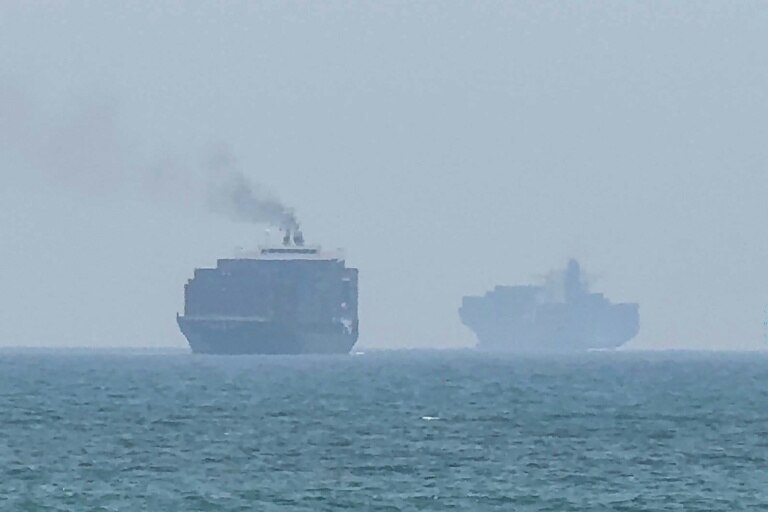
    In a separate development in the strategically vital Strait of Hormuz, Iran’s Islamic Revolutionary Guard Corps announced it had intercepted commercial vessels that attempted to transit the waterway without obtaining prior authorization from Iranian authorities. The Guards confirmed two of the four vessels experienced incidents during the interception and were detained, while the remaining two abandoned their planned transit through the strait, a critical chokepoint through which roughly 20% of the world’s daily oil supplies pass.

    US Central Command (CENTCOM), the US military command overseeing operations in the Middle East, confirmed that its latest round of strikes against Iranian targets serves two core purposes: first, to deliver punitive action against Tehran for the fatal Jordan base attack that killed two US soldiers and left a third unaccounted for, and second, to weaken Iran’s capacity to disrupt and threaten international commercial shipping passing through the Strait of Hormuz.

  • 5.5 magnitude earthquake hits Peru’s Andes region and kills at least 5 people

    5.5 magnitude earthquake hits Peru’s Andes region and kills at least 5 people

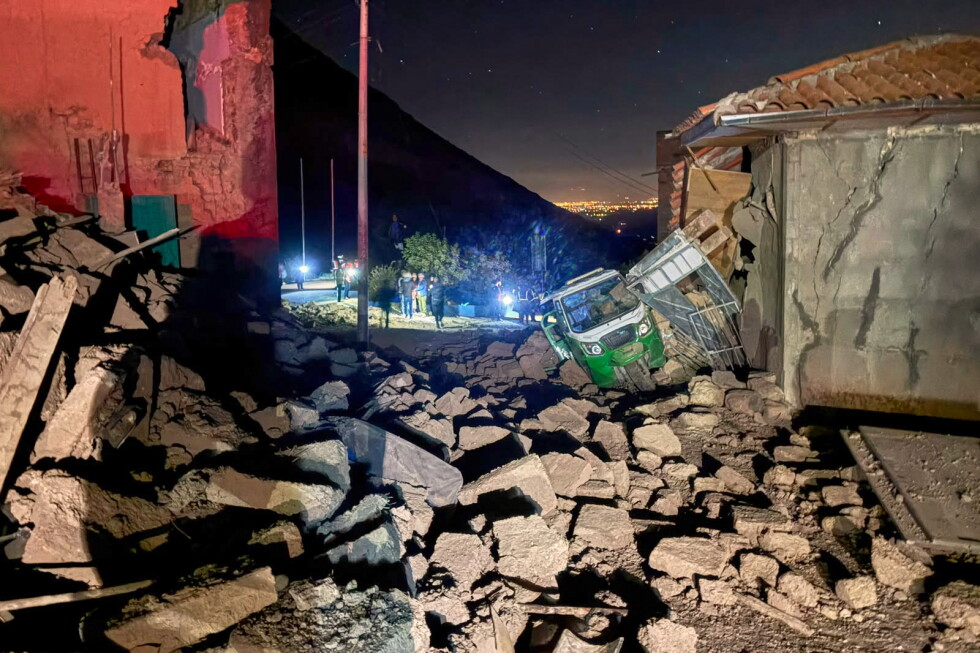
    A destructive 5.5-magnitude earthquake has rocked the Andean highlands of central Peru, leaving at least five people dead and triggering widespread displacement and infrastructure damage, Peruvian national authorities confirmed Sunday. Over 20 residents were treated for quake-related injuries, and roughly 300 people have been forced to leave their damaged or destroyed homes in the aftermath of the disaster.

    According to data from the U.S. Geological Survey (USGS), the seismic event hit at 9:24 p.m. local time Saturday. Its epicenter was positioned just 2 kilometers (1.24 miles) west-southwest of Sicaya, a small city in Peru’s Huancayo province, and the quake originated at a relatively shallow depth of 10 kilometers (6.21 miles) below the Earth’s surface.

    In an official update, Peru’s National Civil Defense Institute stated that the full scope of the disaster remains unclear, as the total number of people unaccounted for has not yet been confirmed. Multiple structures across the affected region have either completely collapsed or sustained critical structural damage, among them a historic local church and adjacent convent.

    Luis Vásquez, director of the regional civil defense office, explained to reporters that the widespread heavy damage can be partially attributed to common building practices in the Andean region. Many local homes and structures are constructed with traditional rustic adobe, a material that offers far less resistance to seismic shaking than modern engineered building materials, amplifying the disaster’s impact.

    Peru sits along the Pacific Ocean’s geologically active “Ring of Fire,” a zone where constant tectonic plate movement makes major and minor earthquakes a frequent hazard for the country’s population. The 2007 Pisco region earthquake, which measured magnitude 7.9, killed close to 600 people and stands as one of the deadliest seismic events to hit the South American nation in recent decades.

    Footage aired by local Peruvian media outlets has captured the acute distress of residents in one of the hardest-hit communities, the low-lying agricultural zone of Chongo Bajo. Locals can be seen gathered outside their heavily damaged homes, huddled together under blankets to stay warm after being forced to evacuate, with some livestock also reported trapped under collapsed rubble.

    Hermenegilda Guamalato, a displaced resident, shared her experience with local radio after relocating to neighboring Huayucachi province to find emergency shelter. “My home has been destroyed,” she explained, adding that she was now searching for safe, stable accommodation alongside her three children.

    Response teams continue to assess the full extent of casualties and damage across the affected region as of Sunday, with emergency shelter and basic supplies being mobilized for displaced residents.

  • What to know about the Tate brothers, social media influencers facing rape and trafficking charges

    What to know about the Tate brothers, social media influencers facing rape and trafficking charges

    MIAMI — A years-long international legal case involving high-profile influencer brothers Andrew and Tristan Tate took a sharp new turn Saturday, when U.S. law enforcement took the pair into custody at the request of British authorities who have leveled additional serious charges including rape, sex trafficking, and child indecent image offenses. The development adds another chapter to a sprawling saga that has stretched across three countries and drawn global attention to the pair’s polarizing online presence and repeated denials of wrongdoing.

    Britain’s Crown Prosecution Service (CPS) confirmed that the new charges stem from allegations made by four additional victims, with evidence compiled by investigators from Bedfordshire Police, based in southeastern England. The updated charges bring the total number of alleged victims in the UK case to seven. The offenses are alleged to have occurred between 2010 and 2015, expanding on a previous set of charges filed over claims from three earlier victims dating back to 2012–2015.

    Breakdown of the new charges shows Andrew Tate, 39, faces seven additional counts of rape, three counts of arranging or facilitating trafficking for sexual exploitation, three counts of assault, and 19 offenses related to indecent images of children and extreme pornography. His younger brother Tristan, 38, faces one count of sexual assault, two counts of rape, and three counts of arranging or facilitating sex trafficking. Both brothers are dual U.S.-British citizens, and the CPS has formally requested their extradition from the U.S. to face trial in the UK. The pair remain in U.S. custody as extradition proceedings get underway.

    The Tate brothers first rose to prominence as former professional kickboxers who built a massive global social media following centered on a controversial brand of content that promotes extreme wealth, male dominance, and open misogyny. Andrew Tate, the more prominent of the two, has amassed more than 10 million followers on X, formerly Twitter, but has been permanently banned from major platforms including YouTube, TikTok, and Instagram for repeated violations of hate speech policies. He also operates a paid online academy that markets itself to young men as a guide to building wealth and attracting romantic partners. Both brothers have been open about their vocal support of former U.S. President Donald Trump.

    This is not the first time the pair have faced legal repercussions. In late 2022, they were arrested in Romania, where they had resided since 2016, alongside two local Romanian women. All four were accused of running a criminal network that lured women into coercive sexual exploitation. The brothers have consistently denied all allegations in the Romanian case, and procedural legal delays have kept the case from going to trial, though it remains open. A separate Romanian legal case against the brothers is also still active. Andrew Tate has repeatedly claimed that Romanian prosecutors hold no evidence against the pair and that a political conspiracy is in place to silence him.

    Earlier this year in the UK, a High Court judge rejected a legal attempt by the Tate brothers to force authorities to release the names of their accusers, clearing a key procedural hurdle for the prosecution. Earlier this year in February 2025, after Romanian authorities lifted court-imposed travel restrictions that had kept the pair in the country for more than two years, the brothers were permitted to leave Romania. They flew to Florida on a private jet to enter the United States.

    Their travel to the U.S. sparked minor political controversy after Romania’s foreign minister noted that a former U.S. official from the Trump administration had previously expressed interest in the brothers’ Romanian legal case. When asked whether his administration had pressured Romanian officials to release the Tate brothers, Trump stated he knew nothing about the case. The arrest in Miami marks the latest development in a legal saga that continues to unfold across transnational jurisdictions.

  • France commemorates the Vel d’Hiv roundup after a Paris plaque honoring rescuers is vandalized

    France commemorates the Vel d’Hiv roundup after a Paris plaque honoring rescuers is vandalized

    On a solemn Sunday in Paris, France gathered to honor the memory of more than 13,000 Jewish victims of the 1942 Vel d’Hiv roundup, one of the darkest chapters of collaboration between the wartime Vichy regime and Nazi Germany. The annual commemoration this year carries heightened urgency, as the nation confronts a sharp increase in antisemitic violence and harassment across the country following the outbreak of the Israel-Gaza conflict in October 2023.

    The mass arrest operation, named for the Paris Winter Velodrome where thousands of detainees were crowded in inhumane conditions before deportation, unfolded over four days starting July 16, 1942. French authorities mobilized more than 4,500 police officers and requisitioned dozens of civilian buses to carry out the raid, acting on Nazi orders. Over 13,000 Jews were arrested, one-third of them children. Families were torn apart as officers seized children from their parents’ arms, and nearly all detainees were ultimately sent to Nazi death camps, where very few survived.

    During World War II, after Nazi Germany invaded and occupied France in 1940, the collaborationist Vichy government administered French territory and actively aided the Nazi regime’s genocidal campaign against European Jewry. It would take five decades for the French state to formally take responsibility for its role in the Holocaust: in 1992, then-President Jacques Chirac issued a historic public apology for the French authorities’ central participation in the Vel d’Hiv roundup and other atrocities.

    Today, France is home to the largest Jewish community in Europe. In the months after the October 7, 2023, Hamas attacks on Israel and the subsequent Israeli military campaign in Gaza, official data has recorded a major surge in antisemitic incidents, ranging from verbal threats and graffiti vandalism to physical assaults on Jewish people and sites. The troubling wave of hate cast a shadow over this year’s commemoration, after authorities confirmed a memorial plaque honoring a French family recognized as Righteous Among the Nations by the State of Israel was vandalized in Paris in the days leading up to the ceremony. The family had saved a 13-year-old Jewish child from capture during the 1942 roundup.
    French Deputy Defense Minister Alice Rufo condemned the act of vandalism in stark terms, saying “To attack the Righteous is to desecrate the entire universe.” She reaffirmed the state’s commitment to restoring the plaque and preserving the legacy of those who resisted antisemitism and genocide, stressing that “In the face of antisemitism, in all its forms, the Republic will not yield an inch.”

    Each year’s commemoration serves as both a tribute to the victims of the roundup and a reminder of the ongoing need to confront antisemitic hate in modern French society, keeping the memory of the Vel d’Hiv victims alive for future generations.

  • Russia pounds Kyiv with ballistic missiles in escalating air war

    Russia pounds Kyiv with ballistic missiles in escalating air war

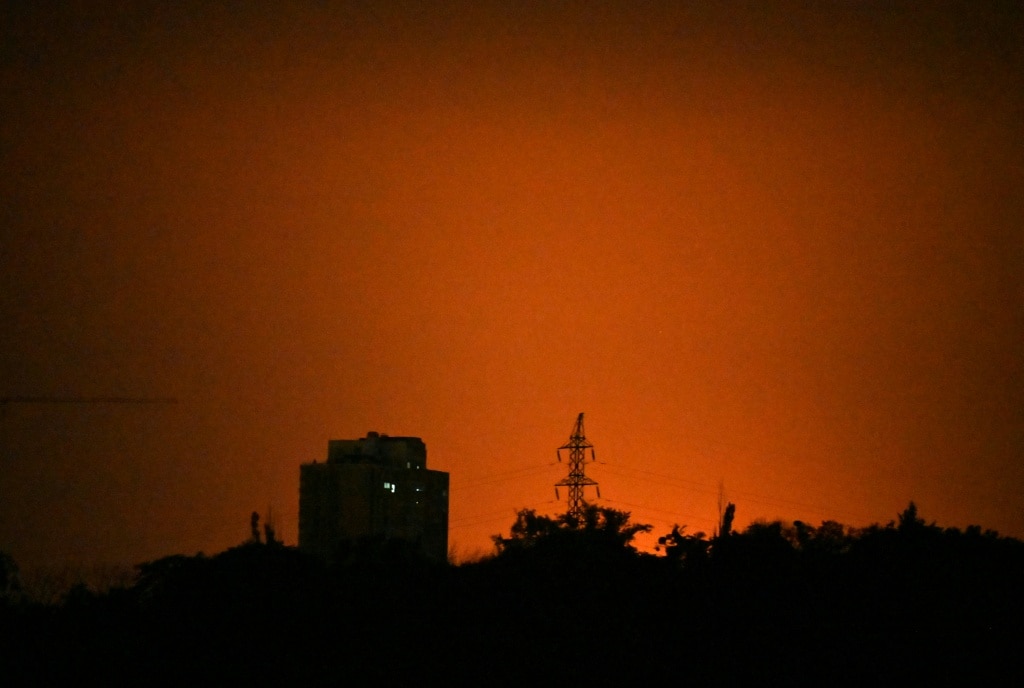
    In an escalation of the ongoing air conflict between Russia and Ukraine, Moscow launched a massive barrage of ballistic missiles targeting Ukraine’s capital Kyiv overnight Sunday, leaving one civilian dead and 16 others injured. The attack marks one of the largest concentrated ballistic missile strikes on the capital in months, deepening civilian casualties amid a rapidly intensifying air campaign that has hit populated areas on both sides of the front line.

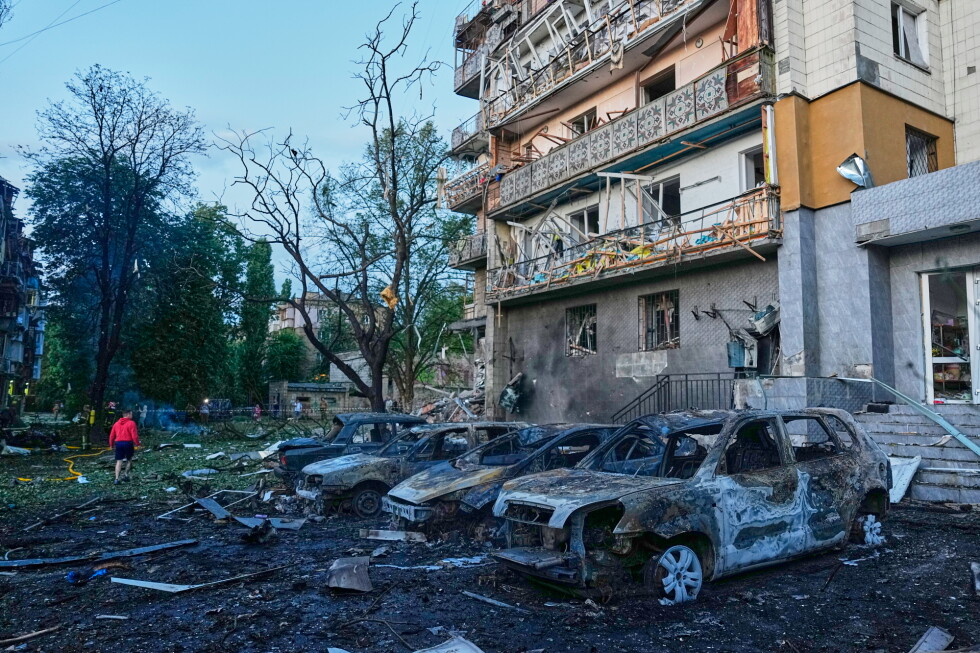
    Eyewitnesses on the ground described a terrifying sequence of nonstop explosions that shook residential neighborhoods. “The missiles just kept coming one after another, the explosions were powerful, it was horrible,” 47-year-old Kyiv resident Ganna Zagorodnia told AFP. “I thought that life was just about to end.” When morning broke, AFP reporters observed widespread destruction across the city: charred facades on multi-story apartment blocks, shattered glass blown out hundreds of meters from blast sites, and crumpled, overturned vehicles littering residential streets.

    Ukrainian President Volodymyr Zelensky confirmed the scale of the attack in a post on X, noting that Russian forces launched more than 40 missiles of multiple types, with the vast majority targeted at Kyiv. Of those, 25 were ballistic missiles—high-speed, difficult-to-intercept weapons that Russia frequently fires in rapid, overwhelming salvos to overwhelm air defense systems. Local authorities reported the strike hit six districts across Kyiv, damaging residential buildings, public supermarkets, and a local entertainment center.

    Russia has repeatedly denied intentional targeting of civilian infrastructure, and in a statement following the attack, officials said the strikes hit legitimate military facilities and logistics nodes in Kyiv, as well as port assets used by the Ukrainian military in the Black Sea city of Odesa.

    The attack comes as Ukraine faces a dual crisis: intensifying Russian pressure from the air and growing domestic political unrest triggered by a sudden shakeup of the country’s defense leadership. For three consecutive days, thousands of demonstrators have gathered in major Ukrainian cities to protest the dismissal of popular former defense minister Mykhailo Fedorov, a tech-focused official who earned broad public support during the war. Zelensky’s surprise reshuffle, announced amid reports that frontline fighting has stabilized, has sparked a rare public backlash against the wartime government.

    On the military front, the latest bombardment has underscored Ukraine’s critical shortage of air defense interceptors, a gap Russia is actively exploiting to step up strikes on Kyiv. Zelensky emphasized the urgency of the situation, stating, “Protection against ballistic missiles is our constant and top priority right now. Interceptors are needed every day.” Since the outbreak of the U.S.-Israeli conflict in the Middle East, Ukraine has faced depleted stockpiles of interceptor missiles for its U.S.-made Patriot systems, the primary defense Ukraine relies on to shoot down incoming ballistic rounds. Over the past 35 days, Kyiv has now faced four large-scale ballistic missile attacks, with roughly one major barrage launched per week, according to Yuriy Ignat, Ukrainian Air Force communications chief.

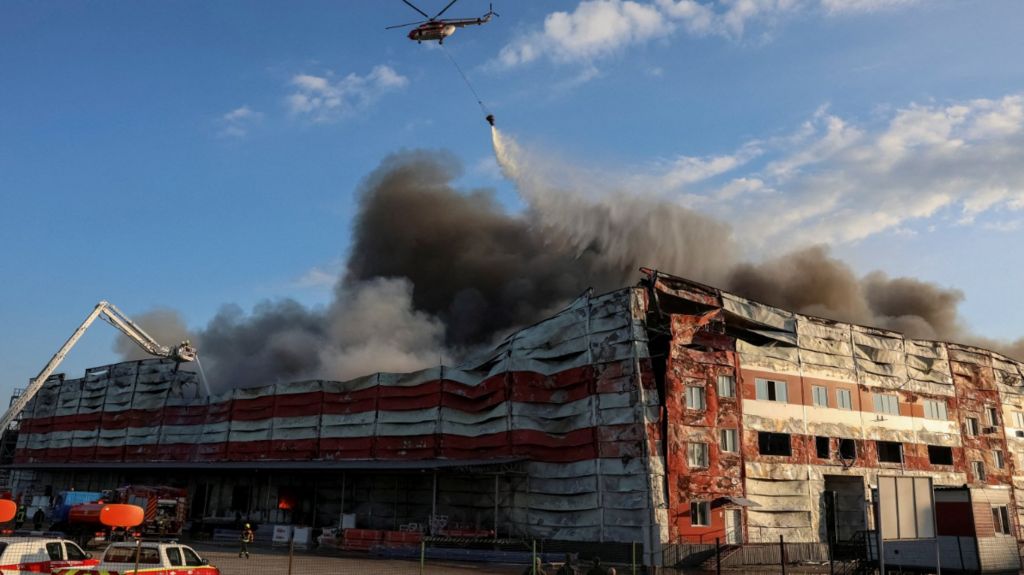
    The escalation of air operations is not limited to Ukrainian territory. Ukraine has ramped up its own long-range strike campaign against Russian infrastructure in recent months, hitting targets deep inside Russian borders in what Kyiv calls “long-range sanctions” in retaliation for years of Russian bombardments of Ukrainian cities. On Monday, Russian regional governor Alexander Khinshtein reported that a Ukrainian strike killed one civilian in the border region of Kursk. A separate drone attack hit the Caspian Pipeline Consortium terminal near Novorossiysk, a key Black Sea export hub for Kazakh oil that counts major Western energy firms Chevron and Shell as partial owners. The consortium confirmed two crude oil tankers were damaged in the strike, forcing a full halt to pumping operations. A day earlier, Ukrainian drone strikes destroyed two large e-commerce warehouses in the Moscow and Tambov regions, killing eight workers and sparking massive infernos that burned for hours. Ukraine’s cross-border campaign, which has primarily targeted Russian oil and energy infrastructure, has already contributed to a widespread fuel shortage in one of the world’s largest oil-producing nations.

    Civilian casualties have spiked sharply amid this mutual escalation of air strikes. The United Nations reports June 2025 was the deadliest month for Ukrainian civilians since April 2022, with at least 293 civilian lives lost across the country. With frontline fighting largely locked in a stalemate and peace talks remaining completely frozen, the war—already the bloodiest European conflict since World War II—continues to exact a growing toll on civilian populations on both sides.

  • Russia launches major ballistic missile attack on Kyiv

    Russia launches major ballistic missile attack on Kyiv

    Overnight drone and missile strikes exchanged between Russia and Ukraine have sent tensions soaring to new heights in the nearly four-year full-scale invasion, with the Ukrainian capital Kyiv absorbing one of the largest ballistic missile assaults of the war to date. Ukrainian officials confirmed that the Russian bombardment left at least one civilian dead and at least 14 others wounded, after a wave of projectiles targeted multiple districts across Kyiv and its surrounding suburbs.

    Ukrainian President Volodymyr Zelenskyy labeled the attack as one of the most extensive ballistic missile campaigns against Kyiv since Russia launched its full-scale invasion in February 2022. In an official update shared via Telegram, Zelenskyy added context to the mounting pressure facing Ukraine, noting that over the preceding seven days, Russian forces had launched roughly 1,450 attack drones, more than 1,640 precision-guided bombs, and 99 missiles of different variants against Ukrainian targets across the country.

    According to the Ukrainian Air Force, the overnight assault on Kyiv deployed a diverse arsenal of Russian weaponry, including Iskander short-range ballistic missiles, hypersonic Zircon anti-ship cruise missiles, and a total of 125 attack drones. Ukrainian air defense crews managed to intercept 18 of the 41 incoming ballistic missiles, as well as 108 of the drones launched in the wave. Kyiv Mayor Vitaliy Klitschko confirmed that both civilian residential buildings and commercial non-residential structures suffered damage in the strikes, with a local supermarket and a student dormitory among the impacted sites. Emergency response teams remained on scene through Sunday morning, working to extinguish large fires that broke out at two commercial warehouses damaged in the attack.

    The Russian strikes on Kyiv came in direct retaliation for a coordinated Ukrainian drone assault on facilities owned by Wildberries, Russia’s largest e-commerce retailer, widely compared to Amazon in the United States. The drone attacks destroyed two Wildberries warehouses, left eight people dead, and triggered massive uncontrolled fires at the sites. Seven of the fatalities and 25 injuries were reported at a warehouse in Tambov, a city located roughly 475 kilometers southeast of Moscow. One additional fatality and 37 injuries were recorded at a second warehouse in Elektrostal, a city just outside the Russian capital.

    In a statement released Saturday, Zelenskyy defended Ukraine’s cross-border targeting operations, framing them as a direct response to repeated Russian strikes on Ukrainian civilian infrastructure and population centers. The governor of Russia’s Stavropol Krai, a southwestern region of the country, also confirmed that a separate Ukrainian drone attack sparked a large fire at a local industrial park over the weekend, marking another in a growing string of strikes on Russian territory.

    In recent weeks, Ukraine has significantly ramped up its long-range drone campaign against Russian critical energy infrastructure, a strategy that has reportedly caused widespread fuel shortages across parts of Russia. Earlier this month, Ukrainian officials claimed that their strikes had disabled approximately 43 percent of Russia’s total oil refining capacity, a figure that the BBC has not been able to independently verify. Ukrainian officials have repeatedly stated that Russian oil and gas facilities are legitimate military targets, arguing that Moscow depends heavily on revenue from fossil fuel exports to fund its ongoing invasion of Ukraine. Founded in 2004, Wildberries has grown into Russia’s largest e-commerce platform; earlier this year, Forbes Russia valued the combined RWB group, which merges Wildberries and Russian advertising firm Russ, at roughly $12.6 billion.

  • Nigerian children pay the price for the Iran war as malnutrition and poverty surge

    Nigerian children pay the price for the Iran war as malnutrition and poverty surge

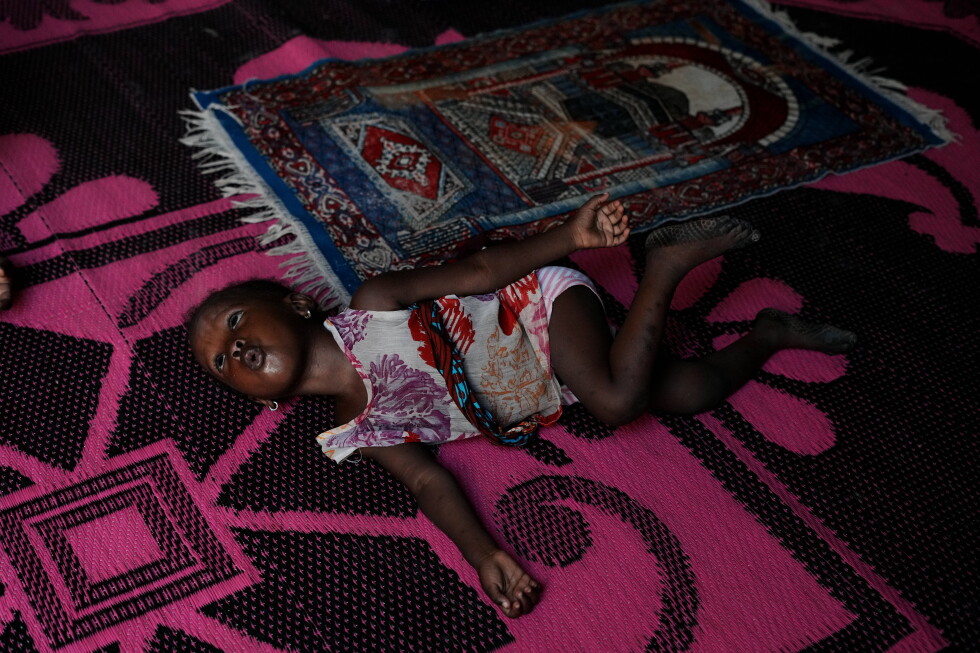
    In the quiet Sokoto State town of Kware, northwestern Nigeria, Maryam Aminu felt a familiar mix of grief and frustration when her 18-month-old toddler became the second of her six children to relapse into acute malnutrition this April. For months, the family has struggled to put consistent, nutrient-dense meals on the table, a hardship that intensified sharply in February after her husband Shehu lost his job as a taxi driver, a casualty of skyrocketing petrol prices triggered by the ongoing war in Iran.

    “Even though I suspected what the diagnosis would be, I was heartbroken and angry because I knew exactly why this happened,” Aminu explained from the plain living area of her family’s two-bedroom home, where coal stove ash drifted through the small space. “Meals are irregular, and we can barely afford enough to eat, let alone food that keeps children healthy.”

    Child malnutrition relapse is no longer an isolated case in Sokoto or across northern Nigeria, local health workers and international aid officials confirm. The ripple effects of the Middle East conflict have piled a new crisis onto a region already reeling from extreme poverty and a years-long insurgency that has displaced thousands and cut off many farming communities from their land. Now, the global fuel shock sparked by the war has pushed food insecurity to catastrophic levels for millions of impoverished people, with children bearing the brunt of the harm.

    This growing crisis comes as Nigeria is already grappling with sustained economic volatility sparked by President Bola Tinubu’s sweeping economic reforms, which included the elimination of national fuel subsidies and currency devaluation three years ago. New data from the World Bank released this week underscores the scale of deprivation: more than 139 million Nigerians now live below the poverty line or are classified as vulnerable to falling into poverty.

    The global spillover of the conflict reaches far beyond the Middle East, the United Nations Children’s Fund (UNICEF) warned in a new report published this week. If hostilities continue through the end of 2024, an additional 23.4 million children worldwide will fall into monetary poverty, defined as lacking sufficient income to cover basic needs. Eighty percent of these newly vulnerable children will live across Africa and Asia, the agency estimates.

    “Children are paying the heaviest price for the escalating conflict in the Middle East, even children thousands of miles from the fighting,” UNICEF Executive Director Catherine Russell said during a visit to Sokoto this week. “The longer hostilities continue, the more devastating the long-term consequences will be for a generation of children.”

    The disruption to global energy supplies stems from the closure of the Strait of Hormuz, the critical chokepoint that carried one-fifth of the world’s total oil and gas trade before the outbreak of war. The shutdown triggered a cascading global fuel crisis that drove up prices for nearly every essential good, from household groceries and gasoline to agricultural fertilizer and commercial travel. In Nigeria, retail petrol prices jumped nearly 75% between February and April, surging from 800 naira ($0.58) per liter to 1,400 naira ($1.02) per liter, passing higher costs directly to low-income households that already spend most of their income on food.

    For months, U.S. President Donald Trump has pursued a range of strategies to force Iran to reopen the strait, including targeted airstrikes, naval blockades, negotiations, and public threats, but the waterway remains closed to commercial traffic.

    At public health facilities across Sokoto, frontline workers say they have seen a sharp and steady rise in the number of children returning for repeat malnutrition treatment this year. Unofficial hospital records shared with the Associated Press show nearly 40 children who had previously recovered from malnutrition after February are now back in care for a second diagnosis — a figure that does not include the many families who cannot afford to travel to facilities for treatment.

    “I’m worried, and often angry, about how quickly these numbers are growing,” said Halimah Muhammad, a community health worker based in Sokoto.

    Beyond the immediate threat to child health, soaring prices and persistent economic hardship are setting the stage for long-term developmental harm, Russell warned. Children growing up in chronically food-insecure households face far higher rates of stunting, which irreversibly impacts physical and cognitive growth. Financial stress also pushes more children to drop out of school to support their families, locking intergenerational poverty in place for decades.

    “Their long-term development will be compromised, and many will not be able to stay in school because their parents face such extreme financial pressure,” Russell said. “The long-term implications for these children are absolutely terrible.”

    The conflict has also disrupted global fertilizer supplies and sent prices soaring, compounding risks for northern Nigeria’s majority farming communities. Many of these communities are already unable to access their farmlands regularly due to ongoing violence by armed insurgent and bandit groups, and higher input costs have made this year’s planting season far more precarious, threatening future harvests and deepening the food crisis.

    Shehu Aminu, Maryam’s husband, says the erosion of purchasing power has been overwhelming. “Two years ago, 2,000 naira could buy a nutritious meal for my whole family. Now that same basket of food costs 5,000 naira,” he said. Most days, the family only eats pap, a cheap corn pudding, and plain rice. “There is simply no way to give our children the food they need to grow. I wake up every morning unhappy, because I can no longer provide for the people I love.”

    Communities across northwestern Nigeria are already caught between overlapping security crises: routine attacks by bandit groups that specialize in kidnapping for ransom, and expanding territorial control by Islamist insurgent groups. The distant war in Iran has only multiplied existing vulnerabilities, analysts say.

    “This distant conflict offers no reprieve for the north’s most vulnerable populations, it only makes every existing crisis worse,” said Ikemesit Effiong, a partner at SBM Intelligence, a Lagos-based geopolitical risk advisory firm.

    The pattern of repeated child malnutrition seen in Maryam Aminu’s family plays out across hundreds of households in the region. Larai Malami, a 35-year-old mother of 10, gave birth to her youngest child last December, and the infant has already been diagnosed with malnutrition twice. Her husband lost his job as a motorcycle taxi rider last year, and crossed the border into neighboring Niger to search for work, leaving Malami to care for their children alone.

    Skyrocketing fuel prices keep food costs unaffordable and keep her husband from being able to afford to return home, Malami says. “I worry that my child will never get fully healthy,” she said.

    It is a fear Maryam Aminu shares. For her 18-month-old daughter, she says, “I just wish she were excited and full of life, like a toddler should be.”

  • 1 killed, 8 injured in an overnight Russian attack on Kyiv

    1 killed, 8 injured in an overnight Russian attack on Kyiv

    KYIV, Ukraine — A deadly overnight assault involving Russian ballistic missiles has left one civilian dead and eight more wounded, according to local Ukrainian officials, marking the latest large-scale bombardment of the country’s capital amid ongoing regional conflict.

    The assault began shortly after 1:30 a.m. local time, with the wave of strikes stretching across multiple hours. Deafening explosions resonated across every quarter of Kyiv, jolting residents awake and triggering widespread emergency responses. Ukraine’s State Emergency Service confirmed that the strikes ignited destructive blazes across five of the capital’s districts, leaving a trail of damage that spans civilian and infrastructure sites: residential apartment blocks, private homes, commercial office spaces, industrial facilities, a student dormitory, and dozens of civilian vehicles were all hit in the attack.

    Emergency rescue teams worked through the night to extract trapped civilians from burning structures. In the Sviatoshynskyi district, crews pulled four people from a decimated private home that had caught fire. Over in the Shevchenkivskyi district, responders evacuated residents from a three-story residential building that was fully engulfed in flames. Firefighters also successfully contained a large blaze at a non-residential commercial structure in the area, where the body of the deceased victim was later recovered. Additional fire response teams were deployed to blazes across the Solomyanskyi, Desnianskyi and Dnipro districts, bringing the total number of affected administrative areas to five.

    The attack is part of a recent uptick in large-scale Russian strikes targeting Kyiv, coming at a critical moment where Ukrainian defense forces face a crippling shortage of Patriot air defense missiles — the most capable interceptor system Ukraine currently has to shoot down incoming Russian ballistic missiles before they reach their targets. In a recent development that could shift Kyiv’s defensive capabilities, former U.S. President Donald Trump announced that his administration is prepared to issue manufacturing licenses that would allow Ukraine to produce its own Patriot interceptor missiles domestically. If implemented, the move could significantly strengthen Ukraine’s ability to fend off ongoing Russian ballistic missile attacks. To date, however, no concrete details have been released about the scope of the agreement or a clear timeline for rolling out the domestic production program, leaving the future of this defensive boost uncertain for Ukrainian forces.

  • US launches more airstrikes against Iran after announcing another death of a service member

    US launches more airstrikes against Iran after announcing another death of a service member

    In the early hours of Monday, the United States launched a fresh wave of airstrikes targeting Iran, marking nine straight nights of sustained bombardment, just one day after the Pentagon confirmed the death of a third American service member killed in recent regional attacks. The rapid escalation of hostilities comes as a previously brokered interim ceasefire deal, negotiated to lay the groundwork for a permanent end to conflict between the two nations, has completely collapsed, leaving the Middle East on the brink of a wider regional war that threatens to draw in neighboring Israel and key U.S. allies across the Gulf.

    The latest American service member death was announced Saturday, after the service member was killed in Iraq while conducting a controlled detonation of a downed Iranian drone that had entered coalition-controlled territory. This fatality followed a deadly Iranian attack on U.S. troops stationed in Jordan that killed two service members; remains found during recovery operations for a missing service member from that strike were confirmed on Sunday, bringing the total number of U.S. service members killed since the outbreak of hostilities to 17.

    U.S. Central Command, which oversees American military operations across the Middle East, confirmed in an official statement that Monday’s strikes continued a campaign focused on degrading Iranian military capabilities that Tehran has used to target commercial shipping and civilian mariners moving through the Strait of Hormuz, the world’s most critical chokepoint for global energy supplies. Shortly after the new strikes began, the British military reported a large ship caught fire off the coast of Oman in the Strait of Hormuz, a route Washington has encouraged commercial vessels to use to avoid Iranian interception. The cause of the blaze remains unconfirmed as of Monday morning.

    Tehran has responded to the ongoing U.S. bombardment with retaliatory strikes targeting U.S. allied states across the Middle East, drawing Jordan, Bahrain, Kuwait and other Gulf nations directly into the escalating conflict. Early Monday, Iran fired a barrage of missiles toward Jordanian territory, prompting Jordan’s military, which hosts major U.S. military bases and relies on American air defense support, to shoot down multiple incoming projectiles. Jordanian officials confirmed no casualties or damage from the strike, and later summoned Iran’s top diplomatic representative in Amman to issue a formal protest.

    The missile strike toward Jordan prompted Israeli security officials to issue a rare warning, noting that falling debris from intercepted missiles could cross into Israeli territory, marking the first time Israeli civilians have faced air raid warnings in weeks. Two Israeli air defense interceptors were launched on the outskirts of Eilat, the Israeli coastal city adjacent to Jordan’s port of Aqaba, the target of the Iranian strike, to neutralize any rogue debris.

    Across the Gulf, Bahrain activated its air defense systems early Monday and the U.S. embassy in Manama issued an emergency security warning alerting American personnel to potential Iranian targeting of unspecified sites in the capital. Kuwait also confirmed that one of its key power and water desalination plants, a critical piece of civilian infrastructure that supplies nearly 90% of the country’s drinking water, was attacked for the second time in 48 hours, causing significant fires but leaving the national power grid stable.

    In a revelation that adds new urgency to global nuclear non-proliferation concerns, Iran’s state-run television reported Sunday that U.S. strikes hit the construction site of the planned Darkhovin nuclear power plant in southwestern Iran. Satellite imagery captured by Planet Labs PBC on July 9 shows the site remains in early stages of development, with only preliminary earth clearing completed. The International Atomic Energy Agency, the United Nations’ nuclear watchdog, confirmed that during its most recent inspection, the site contained no nuclear material. Iran had not previously reported any strike on the facility to international observers.

    Jasem Mohamed al-Budaiwi, secretary-general of the six-nation Gulf Cooperation Council, has publicly condemned Iran for targeting critical civilian infrastructure, accusing Tehran of committing war crimes. Under international humanitarian law, civilian sites including power plants, water facilities and bridges are generally protected from deliberate attack, though they lose that protection if repurposed for military use. Even in those cases, attacking forces are required to minimize civilian harm and ensure strikes are proportionate to the military objective. The U.S. has similarly targeted Iranian bridges and electrical facilities as part of its nine-day bombing campaign, drawing criticism from humanitarian groups for the risk to Iranian civilians.

    The fight for control over the Strait of Hormuz remains at the core of the ongoing conflict. Before the outbreak of war, roughly one-fifth of the world’s global oil supplies transited the narrow waterway each day, making any disruption to shipping a major threat to global energy markets. U.S. President Donald Trump has publicly threatened to target Iran’s critical civilian infrastructure including power stations and bridges to force Tehran to back off its claims to control the strait, and recent U.S. targeting indicates the administration is following through on that threat. Over the past week, the U.S. Navy has reimposed a full naval blockade on Iranian ports to halt all Iranian crude oil exports, with military officials reporting Saturday that six tankers have been redirected and one Iranian vessel disabled since the blockade began.

    A maritime safety body overseen by the U.S. Navy issued an updated advisory Sunday warning that the threat to commercial mariners transiting the region remains severe, with deliberate hostile action against shipping considered highly likely. Shipping activity through the strait has fallen to a fraction of pre-war levels: just eight ships completed transits on Saturday, and only three did so on Friday, compared to a pre-war daily average of nearly 140. The near-standstill in traffic has already sent ripple effects through global energy markets, pushing fuel prices higher and hurting some of the world’s most vulnerable economies that rely on affordable energy imports.

    Iran’s Supreme Leader Mojtaba Khamenei issued a stern warning to the U.S. in a public statement Saturday, saying that continued attacks on the Islamic Republic will result in “unforgettable lessons” for Washington. An Iranian nuclear negotiator also confirmed that Tehran is suspending all its commitments under the previously agreed interim ceasefire deal, accusing the U.S. of being the first to violate the agreement. The 60-day window set out by the interim deal to negotiate a permanent end to hostilities and resolve outstanding disputes over Iran’s nuclear program is now past its halfway point, with no signs of renewed diplomatic progress.

    Iranian authorities reported Sunday that at least 50 Iranian civilians and personnel have been killed in the latest round of U.S. airstrikes, with another 517 people wounded. Tehran has not yet released any official figures on overall material losses from the nearly two weeks of sustained exchange of fire.

  • Influencer Andrew Tate and brother arrested in Miami

    Influencer Andrew Tate and brother arrested in Miami

    In a high-profile law enforcement development that has drawn global attention, controversial social media influencer Andrew Tate and his brother Tristan were taken into custody by U.S. Marshals Service agents in Miami on Saturday. The arrest comes as British authorities move to extradite the pair to face a series of serious criminal charges, including rape, sexual trafficking and physical assault.

    A spokesperson for the U.S. Marshals Service confirmed the arrest of 39-year-old Andrew Tate — a self-identified misogynist with a massive global social media following — and his younger brother to Agence France-Presse, but declined to release additional details citing a sealed arrest warrant. U.S. celebrity news outlet TMZ released on-the-ground footage showing uniformed officers placing the brothers in handcuffs before leading them to unmarked law enforcement vehicles. The video, also shared to the social platform X, shows Tristan Tate ignoring a bystander’s request for comment as he is escorted away.

    In an official public statement, the U.K. Crown Prosecution Service (CPS) confirmed the arrest aligned with its extradition request for the pair, who face multiple felony charges in British courts. Malcolm McHaffie, head of the CPS Special Crime Division, outlined the scope of the new prosecution: “We have decided to prosecute Andrew and Tristan Tate for further offences including rape, arranging or facilitating trafficking for sexual exploitation and offences relating to indecent images of a child.” McHaffie added that the updated charges were filed after investigators received new evidence from Bedfordshire Police, bringing the total number of alleged victims connected to the case to seven.

    The latest legal action is not the first investigation into the Tate brothers. Earlier in 2025, Hertfordshire Police, based north of London, announced it was reopening an investigation into historical rape and sexual assault allegations against Andrew Tate stemming from incidents alleged to have occurred between 2014 and 2015. Separate allegations of rape and human trafficking, investigated by Bedfordshire Police — which covers the pair’s hometown of Luton, also north of London — have also been pending, and the brothers additionally face accusations of tax evasion and money laundering under British law.

    Dual British-American citizens, the Tate brothers have long been vocal supporters of former U.S. President Donald Trump. Back in March 2025, Florida state authorities launched a separate criminal investigation into the pair, though no updates on the status of that probe have been released publicly.

    Andrew Tate is one of the most high-profile figures in the online “manosphere” — a loose network of online communities centered on traditional masculinity, anti-feminist rhetoric and gendered self-improvement. He has built an audience of millions across social platforms, including 10.8 million followers on X, by spreading polarizing content that leans heavily into alpha-male posturing and openly misogynistic viewpoints. For the past several years, the brothers have primarily resided in Romania, where they already face local charges of trafficking minors, sexual intercourse with a minor and money laundering.

    Throughout all ongoing investigations, the Tate brothers have issued blanket denials of all accusations against them.