分类: world

  • Amnesty International says Pakistan strike on Kabul drug treatment center may be a war crime

    Amnesty International says Pakistan strike on Kabul drug treatment center may be a war crime

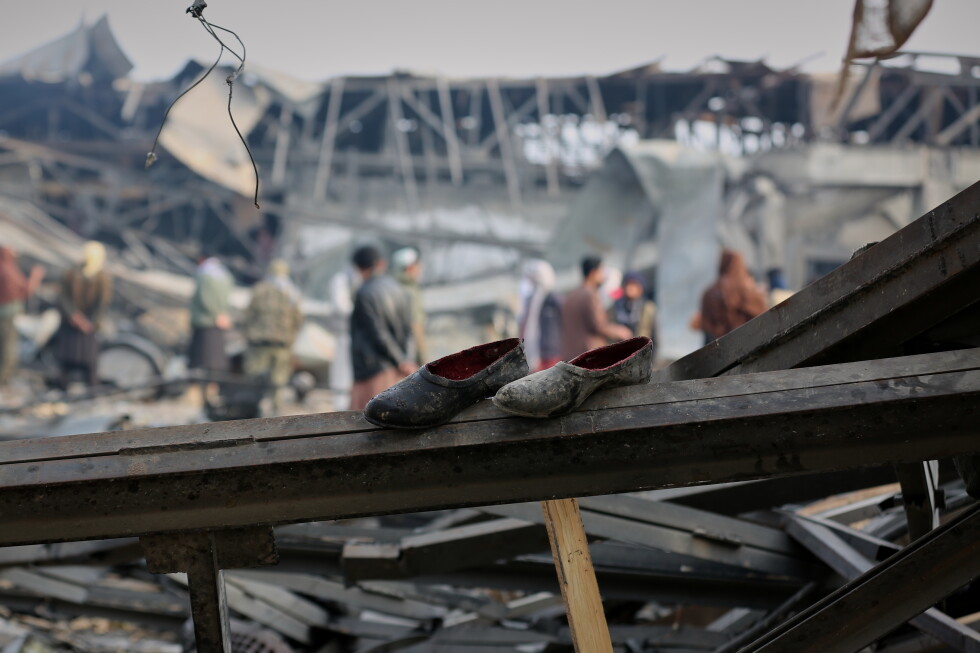
    A March Pakistani airstrike that destroyed a large civilian drug rehabilitation facility in Afghanistan’s capital Kabul, leaving hundreds of civilians dead, must be probed as a potential war crime, global human rights watchdog Amnesty International has concluded following a months-long independent investigation.

    The attack, carried out on March 16 against the 2,000-bed Omid drug treatment center, has sparked sharp disagreement between the two neighboring countries over casualty numbers and the nature of the site. Afghan officials have put the death toll at roughly 400 civilians, while Pakistan has disputed that count and maintained its forces targeted a legitimate military installation storing weapons and ammunition. The United Nations Assistance Mission in Afghanistan (UNAMA) previously confirmed at least 269 civilian deaths and 122 injuries from the strike in an independent May assessment, noting the actual fatality figure is likely far higher. Afghan authorities held multiple mass funerals for victims in the weeks following the attack.

    Amnesty published its full investigative findings on Tuesday, outlining the rigorous verification process its researchers conducted to assess Pakistan’s claims. The team analyzed and authenticated more than 60 photos and videos—including footage released by the Pakistani military itself—reviewed more than 30 pre- and post-strike satellite images of the site, and conducted dozens of interviews with witnesses and local officials.

    In its final report, the rights group confirmed it found no conclusive evidence to back Pakistan’s assertions. None of the reviewed footage showed secondary explosions immediately after the airstrike, a key indicator that ammunition or explosive stockpiles were stored at the location that would detonate following an initial impact. The Omid center had operated openly as a drug addiction treatment facility for nearly a decade, sitting on land that previously formed part of a NATO military base near Kabul’s international airport.

    The deadly strike occurred against a backdrop of escalating cross-border hostilities between Pakistan and Afghanistan that began in early 2023 and intensified dramatically in February 2024, when Pakistan formally declared it was in “open war” with Afghan authorities. UNAMA data shows that between January 1 and March 31 of this year alone, cross-border violence killed 372 Afghan civilians and injured nearly 400 more. Multiple rounds of internationally mediated peace talks have so far failed to secure a lasting ceasefire between the two sides. As recently as late June, another Pakistani cross-border attack killed at least 28 civilians across three eastern Afghan provinces, UNAMA confirmed.

    Pakistan’s core accusation against Afghanistan is that the ruling Afghan Taliban, which seized power in 2021 following the withdrawal of U.S.-led coalition forces, harbors Tehrik-e-Taliban Pakistan (TTP) militants that carry out deadly attacks inside Pakistani territory. The TTP, commonly known as the Pakistani Taliban, is organizationally separate from but militarily allied with the Afghan Taliban. Kabul has repeatedly denied Pakistan’s allegations of harboring anti-Pakistan militants.

    Amnesty’s investigation concluded the airstrike violated core tenets of international humanitarian law, which grants special protected status to medical facilities. The attack also broke the fundamental principles of distinction (separating civilian targets from military objectives), precaution (taking all feasible steps to avoid civilian harm), and proportionality (requiring that expected civilian harm does not outweigh anticipated military gains) that are designed to protect civilian populations during armed conflict.

    Isabelle Lassee, Amnesty International’s Acting Regional Director for South Asia, emphasized that the attack meets the legal threshold for a potential war crime. “Given the widely available information that the site had been used as a medical facility for more than a decade, this reflects a major failure in military planning by Pakistan that led to a significant loss of civilian life,” Lassee said. Immediately after the strike, Pakistan’s Information Minister Attaullah Tarar claimed on social media platform X that Pakistani forces carried out precision strikes against military infrastructure, destroying technical support hubs and ammunition storage sites at two locations in Kabul.

    Amnesty confirmed it contacted Pakistan’s foreign ministry on July 9 to request details on any domestic investigation into the strike and any evidence supporting the government’s claim that the Omid center stored weapons and ammunition. As of the publication of Amnesty’s report, the organization had not received a response from Pakistani authorities.
  • FBI chief hold talks in Cambodia over closer security cooperation to combat online scam crimes

    FBI chief hold talks in Cambodia over closer security cooperation to combat online scam crimes

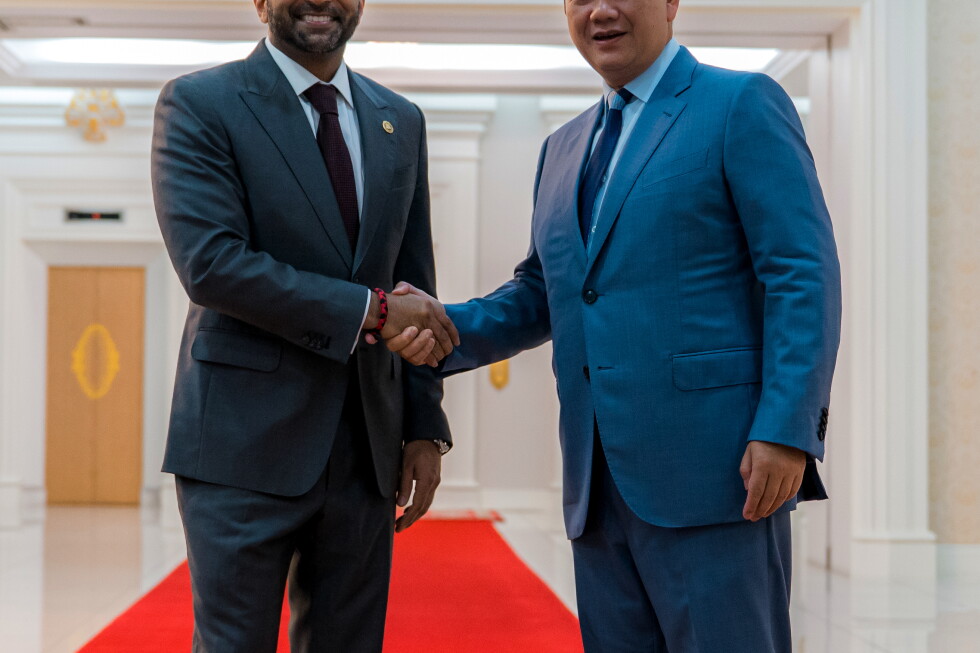
    PHNOM PENH, CAMBODIA — In a major push to crack down on transnational cybercrime, FBI Director Kash Patel met Wednesday with Cambodian Prime Minister Hun Manet to coordinate joint action against global online scam operations that steal billions of dollars from defrauded victims annually. The high-level meeting comes just days after a U.S.-Thailand co-hosted anti-scam summit in Bangkok that gathered delegates from nearly 20 countries and hundreds of regional law enforcement officers to address the growing crisis.

    Patel traveled to Phnom Penh from Bangkok, where he previously held talks with Thai Prime Minister Anutin Charnvirakul focused on deepening cross-border cooperation against scam networks and related transnational crimes including human trafficking and drug trafficking. The discussions centered on improving real-time intelligence sharing and information exchange between law enforcement agencies on both sides of the partnership, a key gap that criminal networks have long exploited.

    A recent United Nations Office on Drugs and Crime report released Tuesday underscores the urgency of these collaborative efforts. The UNODC analysis projects that by 2025, annual losses from these organized scams will reach as high as $114 billion in the Asia-Pacific region alone. The report also warns that while authorities have carried out successful raids on large-scale industrial scam hubs concentrated in border regions of Myanmar, Laos, and Cambodia, criminal groups have adapted by dispersing operations to new locations across the globe and downsizing their facilities to avoid detection.

    Southeast Asia has emerged as a global hotspot for cybercriminal activity in recent years, driven by uneven law enforcement capacity across the region, particularly in Cambodia and Myanmar. Beyond financial fraud, these scam operations are deeply intertwined with systemic human trafficking: thousands of foreign workers are lured to the region with false job promises, then forced into near-slavery to run pervasive schemes including romance scams and cryptocurrency fraud targeting victims in North America, Europe, and beyond.

    According to a statement from the U.S. Embassy in Phnom Penh, curbing the proliferation of online scam operations in Cambodia remains a top policy priority for the U.S. government. The statement noted that Washington welcomes Hun Manet’s public commitment to tackling the crisis and has maintained close coordination with Cambodian authorities to advance shared anti-crime goals.

    Patel’s visit, the embassy added, reinforces the critical need for robust cross-border collaboration to defeat transnational cybercrime. Key priorities moving forward include stepping up efforts to hold high-level criminal kingpins accountable, strengthening information sharing to identify corrupt officials and scam compound owners who enable these networks, and delivering justice for thousands of victimized people around the world. The U.S. reaffirmed its full support for efforts to prosecute scam operators, their protectors and enablers, and any actors complicit in linked human trafficking crimes.

    In a post to his official Telegram channel Wednesday, Hun Manet announced that Cambodia will host a full international conference focused on combating cyber scams this coming September, marking a key next step in the country’s pledged crackdown on the criminal networks that have operated within its borders.

  • Cocaine worth $370m seized in Liberia’s biggest-ever drugs bust

    Cocaine worth $370m seized in Liberia’s biggest-ever drugs bust

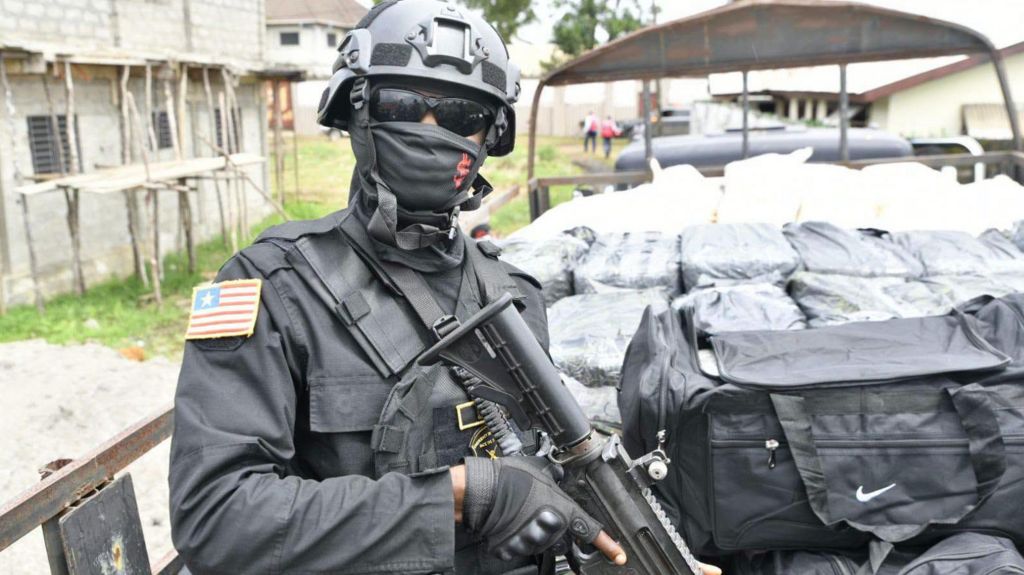
    Law enforcement agencies in Liberia have carried out the largest drug seizure in the nation’s history, confiscating a massive shipment of high-grade cocaine estimated to be worth more than $370 million near the capital, Monrovia. The operation targeted a suspected illicit storage facility in Duazon, a small town located roughly 20 kilometers east of Monrovia, and resulted in the arrest of multiple suspects, investigators confirmed this week.

    Visual evidence released by the Liberia National Police via social media shows dozens of sealed suitcases and cardboard boxes stowed inside a freight truck, all of which held the contraband confirmed as cocaine through forensic testing, according to Police Chief Gregory Coleman. In an interview with the BBC, Coleman explained that Tuesday’s seizure marked the culmination of 18 months of coordinated surveillance targeting transnational drug trafficking networks that have reestablished a foothold in Liberia since 2018.

    Among those taken into custody are two foreign nationals and several Liberian citizens. One foreign suspect was found carrying two passports – one Spanish and one Colombian – while the second holds a Serbian citizenship, Coleman confirmed. As of the latest update, no formal criminal charges have been filed against any of the detainees, and investigators are still working to trace the origin of the shipment and identify its final destination. Coleman noted that the two foreign suspects were arrested shortly after entering Liberia, as law enforcement was already actively tracing the supply chain of the network.

    Liberian Vice-President Jeremiah Koung has publicly commended security forces for their successful operation, emphasizing in a statement that any individual found guilty of involvement in the trafficking ring will face full legal accountability, regardless of their position or status. This historic bust comes just one month after a smaller but still significant cocaine seizure at Roberts International Airport, where security officers intercepted six mislabeled cargo boxes falsely declared as holding food seasoning and textiles. Inside, investigators found nearly 200 compressed blocks of cocaine bound for international export.

    That airport seizure sparked widespread political controversy, with public critics accusing authorities of delaying investigations to allow key suspects to flee the country. In response, President Joseph Boakai ordered a joint probe involving both national police and the Liberia Drug Enforcement Agency (LDEA). To date, several suspects have been formally charged, and international arrest warrants have been issued for other network members who remain at large.

    The bust underscores the growing challenge of transnational drug trafficking across West Africa, a region long identified by international law enforcement groups as a major transit hub for cocaine moving from South American production centers to consumer markets in Europe. Criminal organizations exploit the region’s porous border controls and uneven law enforcement capacity to move large shipments, and data from the Global Initiative Against Transnational Organised Crime shows that at least 30 percent of all cocaine bound for Europe now transits through West Africa. Beyond transshipment, the group also reports that local consumption of cocaine, including the cheaper crack cocaine variant, has risen steadily across the region in recent years.

    Total cocaine seizures across West Africa have climbed consistently since 2019, hitting roughly 30 tonnes in 2025 alone, according to the Global Initiative. The United Nations has repeatedly warned that the expanding influence of drug cartels in the region, who are running increasingly sophisticated smuggling operations, poses a major threat to regional stability and security.

    Liberia has already seen multiple high-profile drug seizures in recent years, including a 520-kilogram cocaine shipment intercepted at Monrovia’s seaport in 2022. Since taking office in 2024, President Boakai has made cracking down on drug trafficking a core policy priority, reshuffling the leadership of the LDEA multiple times amid growing public and international pressure to address the issue.

  • Hearing postponed for triple murder suspect

    Hearing postponed for triple murder suspect

    A high-profile triple murder case spanning three countries has hit a procedural delay, with court hearings for the primary suspect pushed back to late August amid ongoing investigative and extradition preparation work.

    The tragedy unfolded on July 6, when UK police responding to a welfare check at a residential property in Great Denham, a quiet community near Bedford, made a grim discovery: the bodies of 42-year-old Nothabo Zandile Tshuma and her two daughters, 15-year-old Natalie and 5-year-old Nala. Forensic post-mortem examinations later confirmed that all three died from blunt force trauma injuries.

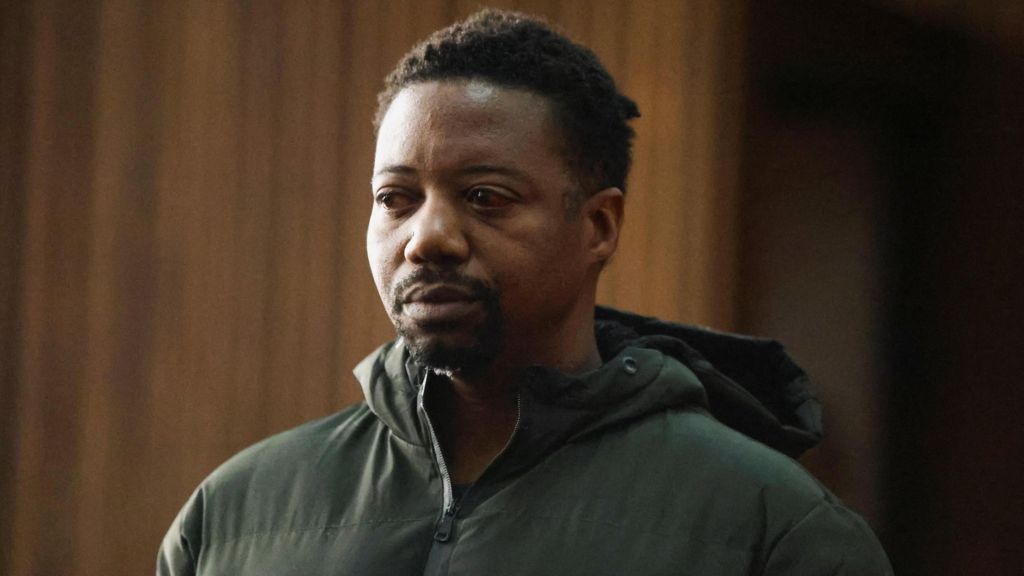
    The primary suspect in their deaths is 45-year-old Ndodana Mkhanyisi Tshuma, a British-Zimbabwean national who is the husband of the slain woman and father of the two dead girls. Investigative timelines show Tshuma flew from London’s Heathrow Airport to Johannesburg shortly before the bodies of his family were discovered by authorities. After his arrival in South Africa, he traveled onward to Zimbabwe before returning to Johannesburg, where he was taken into custody by local law enforcement.

    At the time of his arrest in the Kensington neighborhood of Johannesburg, Tshuma was found carrying an unlicensed firearm, leading to an independent weapons charge against him. During a first appearance at a Johannesburg court on Tuesday, Tshuma formally gave up his right to apply for bail. Magistrates agreed to postpone further proceedings in the firearms case until August 27, granting investigators additional time to complete ballistic testing and analysis connected to the unlicensed weapon.

    Alongside the South African firearms charge, UK prosecuting authorities have already given formal approval to bring three counts of murder against Tshuma for the deaths of his wife and daughters. To try Tshuma for the murders, UK officials will need to extradite him from South Africa back to British soil.

    The scheduled extradition hearing that was meant to review the UK’s extradition request has also been delayed, pushed to the same August 27 date as the next hearing for the firearms charge. South African court officials confirmed the delay is to allow legal teams enough time to finalize all required extradition documentation. It will ultimately be up to South Africa’s judicial system to determine whether the UK’s extradition request meets all domestic legal requirements for the suspect to be transferred back to the United Kingdom to face the murder charges.

    This developing cross-border case has prompted coordinated investigative work between law enforcement agencies in the UK, South Africa and Zimbabwe as authorities work through the procedural steps to bring the suspect to trial.

  • Police station opens at Hitler’s birthplace in bid to rid site of Nazi link

    Police station opens at Hitler’s birthplace in bid to rid site of Nazi link

    After more than a decade of public debate, legal battles, and extensive renovations, Austria has formally opened a new police station in the 17th-century building where Nazi dictator Adolf Hitler was born in the small border town of Braunau am Inn. The completion of this project marks the end of one of the most politically fraught legacy projects in modern Austrian history, as officials have long worked to block the site from becoming a shrine for neo-Nazi sympathizers and far-right extremists.

    Hitler, born in the building in April 1889, only stayed at the address Salzburger Vorstadt 15 for a few weeks before his family moved within the town, and they left Braunau permanently when he was three years old. He made only one brief return visit in 1938, shortly after annexing Austria to Nazi Germany, on his route to Vienna.

    For decades, Austrian authorities took a proactive step to prevent far-right tourism by renting the property from its long-time private owner, local resident Gerlinde Pommer, paying her above-market rent to block any extremist takeovers. For many years, the building housed a day center and workshop run by local disability charity Lebenshilfe, supporting people with special needs. That arrangement collapsed in 2011, when Pommer refused to approve government-led renovations and rejected repeated offers to sell the property to the state, leaving the building vacant for years amid ongoing negotiations.

    The stalemate broke in 2016, when Austria’s national parliament passed a special law allowing the government to expropriate the building, awarding Pommer €812,000 (approximately £690,000) in compensation. Pommer challenged the compensation sum in court, arguing it was far below the property’s market value, but ultimately lost her legal challenge. At the time, then-Interior Minister Wolfgang Sobotka called for the entire structure to be demolished and replaced with a new building, echoing an earlier provocative proposal from a Russian lawmaker who offered to purchase the site to destroy it. That plan sparked widespread public outcry, with critics arguing that demolishing the building would amount to erasing Austria’s complicit role in the Nazi era.

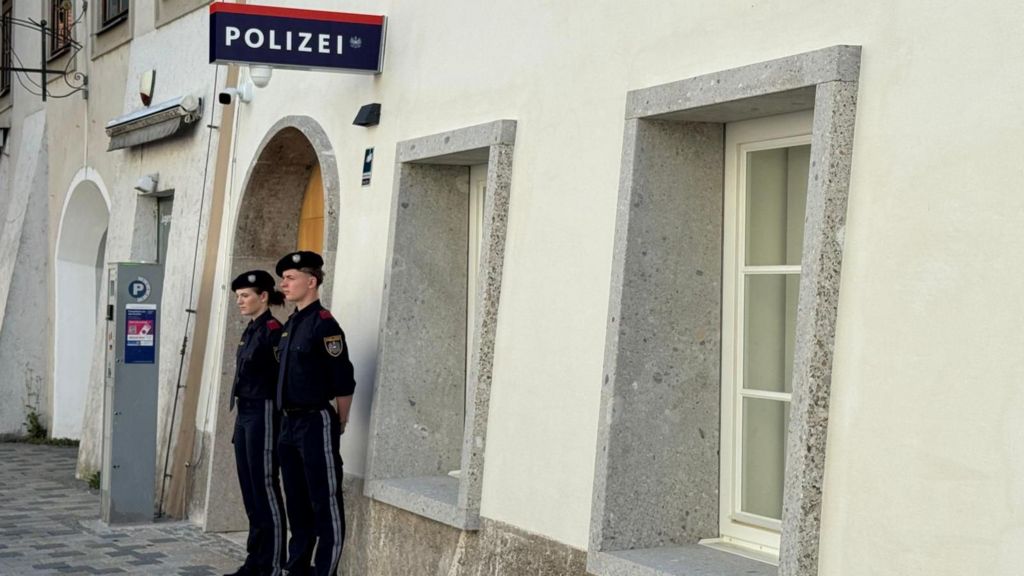
    In 2019, the government settled on a new plan: convert the property into a local police station, and launched a European-wide design competition for architects to reimagine the space. Millions of euros were invested in a full structural and cosmetic renovation, drastically altering the building’s original yellow-plaster facade to remove any visual connection to its historic association. The project opened to the public on Wednesday, with uniformed police posted permanently outside the building to monitor visitors.

    Not all stakeholders have supported the final plan, however. Critics argue that turning Hitler’s birthplace into a police station sends the wrong symbolic message, with many calling for a dedicated educational center focused on confronting Austria’s Nazi history. Even local historian Florian Kotanko, who previously supported a plan to let Lebenshilfe return to the site, acknowledged that the charity itself declined to come back, fearing it would be used as a political token to avoid harder conversations about the past.

    Today, there are no markers on the building itself noting its connection to Hitler. High-resolution security cameras are installed across the property to track any potential neo-Nazi pilgrims, and the only public reference to the site’s history is a memorial stone installed on the sidewalk outside in 1989. Quarried from the nearby former Mauthausen concentration camp, the stone bears the inscription: “For Peace, Freedom and Democracy – Never Again Fascism – Millions of Dead Warn,” and never mentions Hitler by name.

    Kotanko notes that even with the new police station and reduced extremist traffic, the site’s painful history can never be erased. “You have to deal with it, and so we all try to deal with it in an open and correct way. It’s not a matter of being proud, but it’s a matter of dealing with the fact,” he told the BBC.

  • Ukrainian drones hit Russian online retailer Wildberries, media and governor say

    Ukrainian drones hit Russian online retailer Wildberries, media and governor say

    Fresh overnight drone attacks launched by Ukrainian forces have targeted logistics facilities owned by Wildberries, Russia’s largest e-commerce platform, marking the second assault on the retailer’s infrastructure in less than a week and leaving multiple people wounded, regional officials and Russian media have confirmed.

    The strikes hit two separate Wildberries warehouses located in Russia’s Krasnodar and Stavropol regions, according to comments the company’s owner shared on social media. The attack forced emergency evacuation of all on-site staff and left 10 people with injuries, local governor reports confirmed.

    The new attacks come just four days after earlier drone strikes against Wildberries warehouses in the Tambov and Elektrostal areas. That earlier assault left eight people dead and 62 others injured, marking one of the deadliest attacks on Russian commercial logistics infrastructure in recent months.

    Ukrainian officials have explicitly justified the targeting of Wildberries facilities, asserting that the warehouses have been repurposed to supply critical parts for Russian drone production and military navigation systems. Independent Ukrainian security analysts have expanded on this rationale, noting that the e-commerce platform has been used by Russian pro-war volunteers to source a wide range of military and dual-use goods.

    “The main goal of these strikes is to cut off Russian military forces and domestic arms producers from access to dual-use components, critical electronics, and sanctioned products that move through Wildberries’ extensive logistics network,” explained Serhii Kuzan, chairman of the Ukrainian Security and Cooperation Centre, in prior comments to the BBC. Beyond disrupting military supply chains, Kuzan added that the collateral economic fallout from these attacks can create broader pressure on the Russian domestic economy, while also generating psychological shifts within Russian society that may erode public support for the ongoing full-scale invasion.

    In the wake of the latest attacks, Wildberries owner Tatyana Kim issued a public statement via Telegram expressing outrage over the targeting of civilian commercial operations and ordinary workers. “There are no words to describe all the feelings and emotions caused by the attacks on ordinary people, on our employees, on us, who are simply doing our jobs,” Kim wrote. Despite the repeated assaults, she reaffirmed the company’s commitment to continuing operations, saying: “But these situations demonstrate the most important thing: we must continue to do what we do for the benefit of people.”

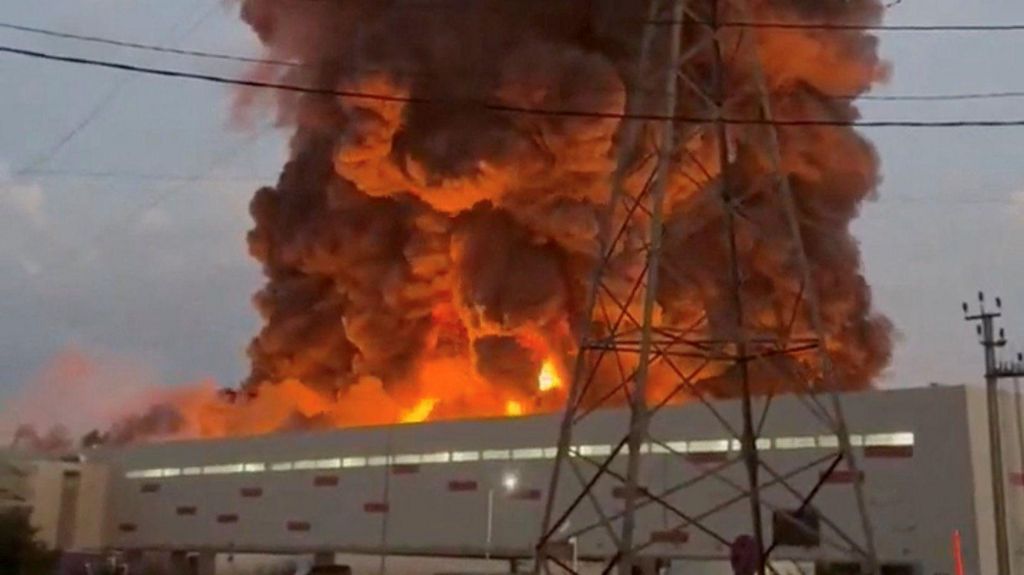
    A video still verified by independent news outlet Reuters shows thick plumes of smoke rising from one of the targeted warehouses, following the overnight strikes that have once again highlighted the expanding scope of Ukrainian drone attacks deep into Russian territory.

  • 24 hours in a Ukrainian hospital, buckling under the toll of war

    24 hours in a Ukrainian hospital, buckling under the toll of war

    Deep in Ukraine’s industrial heartland of Dnipro, 100 kilometers from the active front lines of Russia’s full-scale invasion, a major public hospital never stops moving. For more than two years, Dnipro Central Hospital has served as the primary trauma care hub for thousands of wounded soldiers and civilians streaming in from the embattled eastern and southern regions of the country, its corridors and operating rooms bearing unflinching witness to the human cost of war. A day in this facility is a relentless cycle of crisis, grief, quiet resilience and small moments of new life that keep medical staff going.

    It is just 9 a.m. when the surgical team completes its third amputation of the day. On the operating table lies a 27-year-old Ukrainian soldier, whose lower body was torn apart by shrapnel from a Russian drone attack. Lead surgeon’s scalpel hovers over the mangled flesh and shattered bone, a small cross drawn in the air before the first cut, as hospital director Sergiy Ryzhenko and his team watch in somber silence. One young medical worker slips out of the observation room, voice barely audible: “I’ll never get used to this.”

    Ryzhenko, who oversees between 50 and 100 operations every single day, says the nature of injuries flowing through his hospital has shifted dramatically since the invasion began in 2022. Common bullet wounds from the early phase of the war have been replaced by far more devastating damage from drones, missiles and Russian glide bombs. “The body is torn into pieces, chunks of flesh are ripped out, bones are shattered — everything happens in a way that makes saving them almost impossible,” he explains.

    By 10 a.m., morning rounds wrap up, and staff retreat to the break room for a quick bite. The sharp scent of antiseptic mixes with the aroma of garlic and coffee as medics snack on black bread and fresh cherries, trading dark gallows humor that has become their most vital coping mechanism. Nurse Ruslana Vorobyova recounts the unthinkable injuries she treats daily: 83% of patients arriving at the hospital are either unconscious or suffering catastrophic, limb-altering damage. “One guy’s intestines were sticking out. He was holding it in with his hands,” she says. “Another had his head smashed, everything was pouring out.”

    Working 24-hour consecutive shifts, staff grab what little rest they can on folding camp beds tucked into quiet corners, but even sleep offers no escape from the conflict. Even off shift, Vorobyova says, exhaustion can’t drown out the lingering trauma: “You come home exhausted, lie down to rest. And you still dream that you’re… You dream that there’s an explosion somewhere.” With Dnipro facing frequent Russian rocket and drone attacks, the fear of incoming strikes never fully fades for the team working here.

    A short walk across the hospital, on what staff call the “happy side,” obstetrician Olga Fandeieva has just helped deliver a healthy newborn. After the delivery, family members crowd into the small room, passing the tiny infant between them and snapping photos to mark the moment. Since the war began, Fandeieva has split her shifts between the trauma ward and the maternity wing, moving between scenes of catastrophic injury and new life every day. That contrast, she says, is what keeps her grounded.

    “When you look at young guys who’ve had their arms and legs cut off, and then in the morning you come here and you take these little paws in your hands – it’s a reset,” she explains. “You understand what you live for and what you work for.” Many of her colleagues make a point of visiting the maternity ward for a quiet break when the pressure of the trauma wing becomes too heavy. Others step out into the courtyard for a cigarette and a moment of fresh air, where on this afternoon two nurses sit chatting, and a young one-legged soldier with a singed beard laughs with a comrade, a small crack of light in the darkness.

    As the sun sets over Dnipro at 8 p.m., dark circles deepen under Vorobyova’s eyes. She pulls a heavy leather ledger from the windowsill of the nurses’ station, flipping to a page marked 1958 — the number of trauma surgeries the hospital has performed in just the first five months of this year. Since the invasion began in 2022, the facility has carried out almost 60,000 operations total. Today, multiple severe traumatic injuries are the norm, with some patients requiring as many as 20 separate surgeries in a single week to save their lives. The unique patterns of damage from modern drone attacks have even become a specialized field of study, with dozens of Western doctors traveling to Dnipro to learn from the team’s frontline experience.

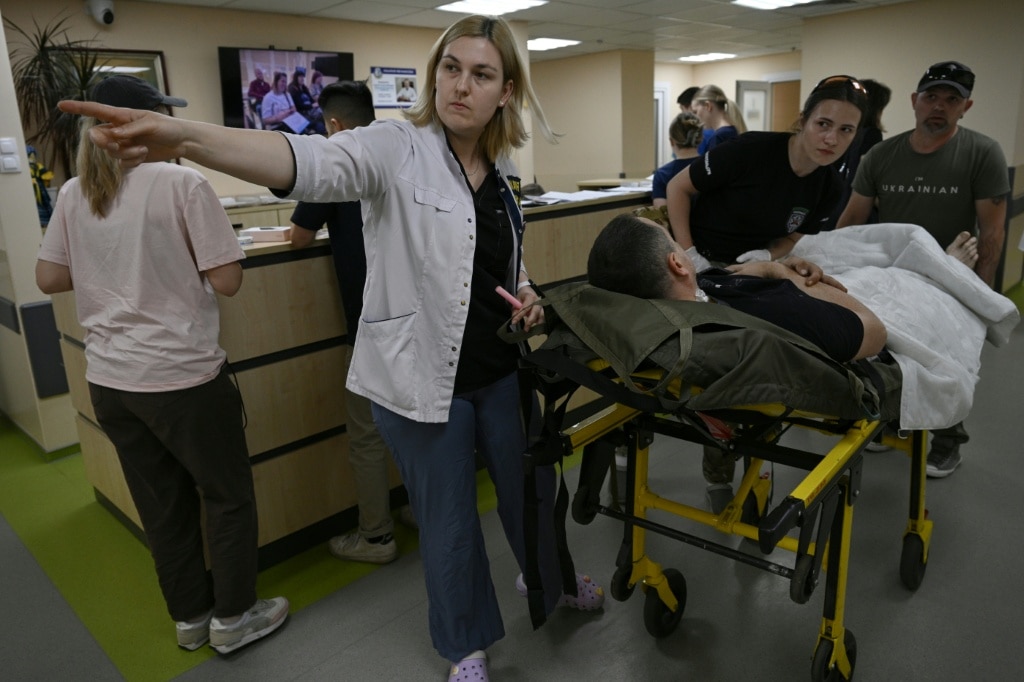
    As midnight approaches, overnight Russian air strikes begin. Paramedics in bulletproof vests wheel a heavily bandaged man into the emergency department, with drone fragments lodged in his throat, eyes and skull. Ryzhenko notes that facial injuries like this have become far more common amid drone attacks, and they are the most devastating to encounter. “You look, and there should be a person there, there should be a face. There is nothing,” he says.

    Half a dozen ambulances arrive before dawn, but staff call it a quiet night. Eventually, the neon lights over the emergency entrance are switched off, and the receptionist dozes off between incoming patients, soft snores echoing down the empty corridor. By 8 a.m., the new day shift has clocked in, and the hospital stirs to life once more. Vorobyova heads home to rest, surgeons pull on fresh sterile gowns, and Ryzhenko begins his morning corridor round all over again — the unending work of saving lives in a country at war.

  • ‘This will be your legacy’: Aoun seeks financing for Lebanon, pressure on Israel

    ‘This will be your legacy’: Aoun seeks financing for Lebanon, pressure on Israel

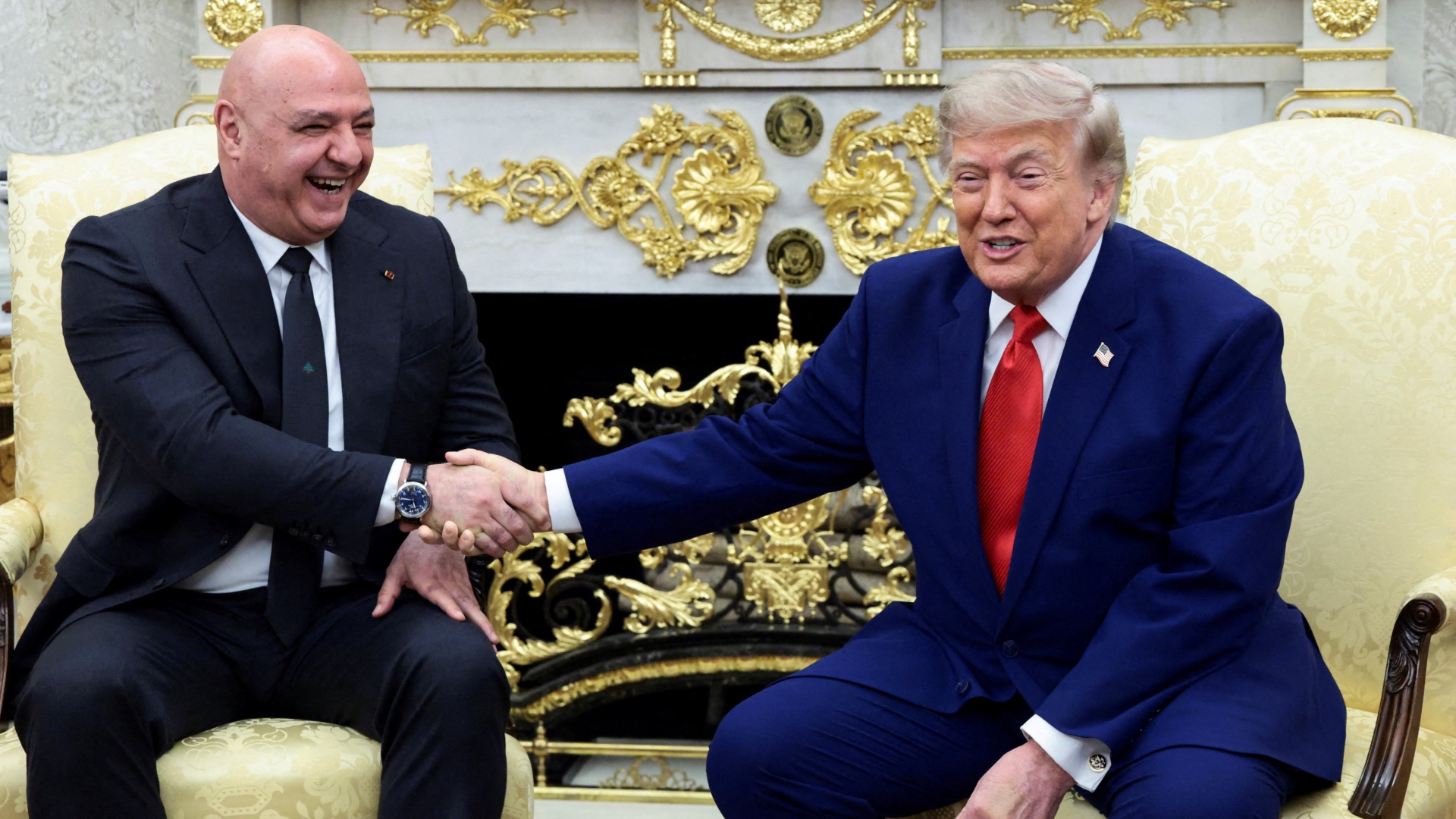
    On a historic Tuesday at the White House, Lebanese President Joseph Aoun sat down for his first face-to-face meeting with U.S. President Donald Trump, marking the first Oval Office gathering between leaders of the two nations in 16 years. Aoun, who took office just two weeks before Trump’s 2025 inauguration, had long waited for this high-stakes diplomatic opportunity, with the last Lebanese president to visit the Oval Office being Michel Sleiman alongside former U.S. President Barack Obama in 2009.

    Opening the press availability with diplomatic grace, Aoun addressed Trump in English, saying, “Been looking forward to this visit for a very long time, meeting such a great president like yourself.” The remark drew a lighthearted response from Trump, who joked, “See, he knows how to get to me. Now he can have anything he wants.”

    Behind the cordial opening exchanges lay stark, urgent priorities that Aoun brought to the table. Lebanon’s new president arrived in Washington seeking three core outcomes: consistent, committed U.S. diplomatic engagement that increases pressure on Israel to end its occupation of southern Lebanon, expanded military financing for the Lebanese Armed Forces (LAF), and substantial international support for reconstructing the war-ravaged southern region of the country. What Aoun left with, however, was far more modest: a White House announcement that U.S. commercial airlines would be permitted to resume direct flights to Lebanon, a service that has been suspended for 40 years.

    The ban on direct U.S. flights was first imposed by the Ronald Reagan administration in 1985, after Hezbollah operatives hijacked TWA Flight 847 to demand the release of Lebanese citizens held in Israeli custody. In a post on his social media platform TruthSocial, Trump wrote, “I am hereby directing my Administration to allow all US airline carriers to fly directly to Lebanon so that Americans can easily visit this beautiful land.”

    Regional analysts note that even this limited concession carries some upside for Lebanon. “It’s a win [for Aoun] if it’s easier for people to travel to Lebanon in a safe fashion,” Anthony Wanis-St John, a conflict resolution professor at American University in Washington D.C., told Middle East Eye. Still, the practical benefit of restored flights remains contingent on broader stability: until open hostilities between Lebanon and Israel end, American tourists are unlikely to visit in significant numbers.

    Like every Arab leader who has met with Trump at the Oval Office over the past 18 months, Aoun has stressed that only Trump holds the unique leverage to curb Israeli Prime Minister Benjamin Netanyahu’s ongoing military campaign in Lebanon. Aoun made his long-term goal clear to reporters, stating, “The ultimate objective [is] ending the state of hostility between Lebanon and Israel forever.” He added, turning to Trump, “I think, Mr President, this will be your legacy.”

    The conflict that has ravaged southern Lebanon dates back to October 8, 2023, when Hezbollah launched rocket attacks on Israel in solidarity with Palestinians in Gaza. Since Israel launched its counteroffensive and occupied large swathes of southern Lebanon in March 2025, more than 4,300 Lebanese people have been killed.

    In a surprising shift from longstanding U.S. policy, Trump acknowledged Hezbollah’s outsized influence in Lebanese politics and its critical role in any future peace framework, telling reporters, “I would speak to Hezbollah. I speak to everybody. If the president wanted me to speak to Hezbollah – you know he’s lived with Hezbollah for a long time – if the president wanted me to speak to Hezbollah, I would.” However, Aoun’s visit was rooted in a core goal: affirming that the Lebanese state is the sole legitimate authority in the country, making it extremely unlikely he would approve such a meeting. Hezbollah has been classified as a terrorist organization by the U.S. government since 1997.

    When pressed on concerns raised by Lebanese Parliament Speaker Nabih Berri that armed confrontation between the LAF and Hezbollah could spark a new Lebanese civil war, Aoun pushed back on the idea of widespread division. Aoun noted that Berri, leader of the Amal Movement, a Shia political party aligned with Hezbollah, is originally from southern Lebanon and has watched the region’s destruction firsthand. “He really wants to see the end of this war,” Aoun said. “He’s actually supporting what we are doing, but we need to be careful. His position as a speaker and as a leader of the Shia community, we have to understand how critical is his position.” Aoun also emphasized that the current negotiation framework falls under the constitutional prerogative of the presidency and does not require parliamentary endorsement.

    In the lead-up to the meeting, U.S. Ambassador to Lebanon Michel Issa hinted that Aoun would not leave Washington empty-handed. But after the nearly two-hour meeting, Massad Boulos, Trump’s senior advisor on Arab and Middle Eastern Affairs and a member of the Trump family through marriage, told reporters that the main outcome of the meeting was advancing implementation of the June 26 U.S.-brokered framework for southern Lebanon. Pilot zone operations for the agreement launched just one day before the meeting, in the southern Lebanese villages of Froun, Srifa, and Zawtar Al-Gharbiya, overseen by an international military coordination group.

    The core premise of the pilot zones is straightforward: as Israeli forces redeploy out of the area, the LAF will move in to take control and implement disarmament of Hezbollah fighters. But Trump clarified on Tuesday that this is not a full Israeli withdrawal, saying Israeli troops are only “in the process of redeploying to other sections” of southern Lebanon.

    That distinction has led many regional analysts to dismiss the pilot plan as a largely symbolic step that fails to address Lebanon’s core demand for full sovereignty. “In other words, the implication is Israel is staying on Lebanese territory,” said Khalil Jahshan, executive director of the Arab Center Washington DC. “It doesn’t solve the issue of sovereignty for Lebanon. It doesn’t solve the issue of foreign occupation for Lebanon. It does not offer the Lebanese government any potential to kind of go back to Hezbollah and say, ‘See, it’s working partially – a small area, but it’s working.’ So it’s basically a small step to nowhere.”

    Wanis-St John added that ongoing Israeli violence and occupation in the south is ironically boosting Hezbollah’s popular support among Lebanese, even as the group faces growing backlash over the enormous human cost of the conflict. “While Hezbollah is losing popularity on its own accord among the Lebanese because of the high cost of death and displacement, the Israelis go and make them more popular by staying and being extremely violent,” he explained.

    When asked what leverage the U.S. holds to push Hezbollah to comply with the disarmament framework, Boulos hinted at continued punitive action, referencing existing sanctions imposed by the U.S. Treasury Department on entities linked to the group. “There are always options,” he said. “It’s going to take time. This is not easy. Nobody believes for a second that this is going to be an easy task in any way. But we are determined – President Trump is absolutely determined – to see this through. He is the president of peace, as we all know.”

    Aaron David Miller, a veteran U.S. Middle East negotiator who served in both Republican and Democratic administrations, wrote on social media ahead of the meeting that unless Aoun could secure a massive expansion of U.S. training, weapons, and intelligence support for the LAF, any agreement would amount to little more than political performance. In line with that speculation, The Wall Street Journal reported Tuesday that the Trump administration is considering a new program to vet and train elite LAF units specifically to counter Hezbollah’s well-entrenched and heavily armed fighters.

    Many analysts argue the U.S. is currently pursuing a waiting game tied to Israel’s upcoming legislative elections, scheduled for the end of October. “What the US is trying to do is keep the process alive somehow until the Israeli elections take place, and there is a government – this government or a new one – that can deliver,” Jahshan explained. “In the interim, Lebanon has no choice under its current leadership but to put up with what are essentially promises. Undeliverable promises.” Wanis-St John echoed this analysis, noting, “This is definitely tied to Israeli political and electoral cycles.”

    Boulos pushed back on this characterization when questioned by reporters, insisting, “There is no direct link. The agreement is an agreement that is going to be implemented step by step. It’s not a question of specific dates that are cast in stone. There is a verification mechanism. We have to give it a chance. It has to work and it’s going to work.”

    The meeting also included a small, awkward unscripted moment: during the press availability, Trump referenced his Middle East envoy Tom Barrack, noting Barrack is of Lebanese descent, but failed to mention Boulos, who is married to Trump’s youngest daughter Tiffany, even after Aoun gestured to Boulos to draw him to Trump’s attention. Boulos was present in the Oval Office for the meeting but did not receive a public shoutout from the U.S. president.

  • Hormuz, Malacca and other key straits spawn tensions throughout history

    Hormuz, Malacca and other key straits spawn tensions throughout history

    For more than 500 years, narrow maritime straits across the globe have stood as the unshakable backbone of international commerce, and equally as persistent flashpoints for great power rivalry that shape global geopolitics to this day. Today, growing friction around two key Middle Eastern waterways underscores just how much these small stretches of water continue to hold the global economy hostage to political conflict.

    As Iran increasingly asserts unilateral control over the Strait of Hormuz, the primary maritime gateway to the Persian Gulf, its Yemeni allied faction the Houthi movement has launched repeated disruptions to commercial shipping transiting the Red Sea en route to and from Saudi Arabian ports. Experts warn this unrest could easily spill over to the Bab el-Mandeb Strait, the mandatory passage for all vessels traveling between the Red Sea and the Suez Canal, one of the world’s most vital man-made trade routes.

    Hormuz, Bab el-Mandeb, and roughly 10 other straits globally are classified as critical strategic chokepoints for international trade. Every year, thousands of vessels—from oil and liquefied natural gas tankers to bulk cargo ships and container carriers carrying consumer goods and raw materials—pass through these narrow natural maritime corridors, their operations critical to keeping global supply chains moving and energy prices stable.

    Sylvain Domergue, a geography lecturer at Sciences Po Bordeaux and author of *Geopolitics of Maritime Spaces*, explained the international legal framework governing these waterways in an interview with AFP. The 1982 United Nations Convention on the Law of the Sea (UNCLOS), signed in Montego Bay and widely described as the global constitution for the world’s oceans, formally enshrines two core rules for natural straits: they cannot be subject to commercial tolls, and the principle of free and unrestricted navigation for all vessels is guaranteed under international law. This stands in contrast to man-made waterways such as the Suez Canal and Panama Canal, where the nations that control the infrastructure have the legal right to charge transit tolls for passage.

    Domergue noted that while Iran has never formally ratified the UNCLOS convention, it has abided by its free navigation principle for decades as a matter of customary international law—something that is changing as Tehran escalates its geopolitical posturing.

    The struggle for control over strategic straits dates back centuries. As early as 1507, Portugal, whose explorers pioneered European sea access to South Asia and the East Indies, attempted to seize full control of Hormuz to lock in a monopoly over trade in spices and other valuable commodities from the Orient. That early attempt at control sparked a centuries-long debate over maritime sovereignty, which eventually settled on the *Mare Liberum* doctrine put forward by Dutch jurist and philosopher Hugo Grotius in the early 17th century. Grotius’ core thesis—that the sea is the shared property of all nations, belonging to no single state—became the foundation for modern international rules on navigation, with straits recognized as critical to enabling long-distance global trade.

    “To guarantee freedom of navigation across the world’s oceans, one had to start by guaranteeing freedom of passage through straits,” Domergue explained. The Netherlands championed this doctrine, and was later joined by Britain, and eventually the United States. While the U.S. has also never ratified UNCLOS, it adheres to almost all of the convention’s provisions to this day.

    However, the principle of free navigation did not stop European powers from shaping their colonial expansion around control of strategic straits. Britain built its global naval empire around key military outposts along critical waterways: its largest Asian colonial naval base was built in Singapore, which gives it direct oversight and control over the Strait of Malacca, the chokepoint that today carries the largest share of global maritime trade bound to and from China. Britain also established a key outpost on Socotra Island, located just off the Bab el-Mandeb Strait at the southern entrance to the Red Sea.

    In Europe, the Danish straits (the Oresund and Kattegat), which connect the Baltic Sea to the North Atlantic, were a major 19th century flashpoint. For centuries, Denmark charged transit tolls for passage through the waterways, and they remain strategically critical today, as they control all Atlantic access for Baltic nations, most notably Russia.

    The only major global straits where tolls are still legally collected today are the Turkish Straits—the Bosphorus and the Dardanelles. They are governed by the 1936 Montreux Convention, an earlier international agreement that predates UNCLOS and preserves Turkey’s right to charge for transit.

    Looking ahead, Domergue warned that new tensions over strategic straits are already emerging in other parts of the world. The Taiwan Strait has become an increasing flashpoint amid China’s rising territorial claims in the Indo-Pacific, while the Strait of Malacca—shared by Singapore, Malaysia, and Indonesia—carries its own set of unresolved sovereignty and economic disputes.

    Domergue pointed to growing low-level friction in the Taiwan Strait, where he noted there is already an ongoing “sand war”: Chinese vessels regularly travel into waters claimed by Taiwan to dredge marine sand for China’s construction sector, a move widely viewed as deliberate provocative encroachment.

    More recently, when Iran announced plans to introduce a new transit toll for the Strait of Hormuz, the Malaysian prime minister initially publicly praised the idea and suggested Malaysia could follow suit for the Strait of Malacca, before quickly walking back the comment. If tolls were introduced for Malacca, Domergue argued, Singapore would suffer a major blow to its status as the premier logistics and trade hub for East Asia.

    Today, as geopolitical tensions rise across the Middle East and Indo-Pacific, these centuries-old disputes over control of the world’s most critical maritime chokepoints remain as relevant to global trade and security as they were 500 years ago.

  • Ethiopian police arrest alleged leader of multi-million-dollar trafficking ring

    Ethiopian police arrest alleged leader of multi-million-dollar trafficking ring

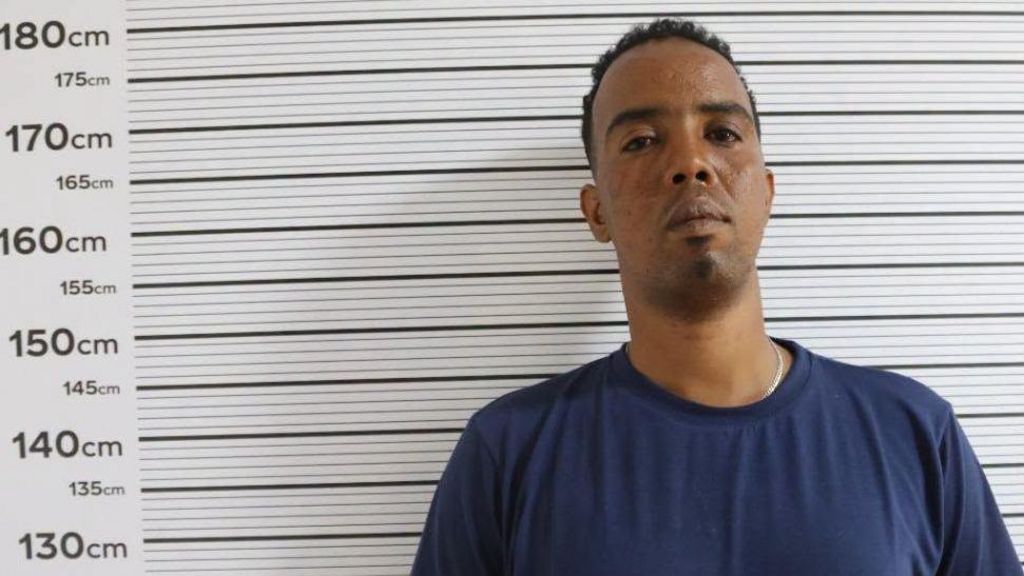
    Ethiopian law enforcement officials have announced a major breakthrough in the fight against cross-border human trafficking, with the arrest of 17 suspects believed to be part of a multi-million-dollar criminal ring responsible for dozens of migrant deaths and widespread abuse. The operation, which unfolded over 15 days targeting locations in Ethiopia’s capital Addis Ababa and the eastern city of Harar, netted the alleged ringleader Mohammed Tahir, who is also known by the alias “Wordi”.

    According to Ethiopian Federal Police, the criminal network stands accused of a string of heinous crimes that date back years, including the deaths of at least 60 migrants, sexual abuse of multiple female trafficking victims, and systematic torture of Ethiopian migrants held in facilities in Yemen. Authorities estimate the gang illegally extracted more than 1 billion Ethiopian birr, equivalent to approximately $6.1 million, from vulnerable migrants and their families over the course of their operations. As of the latest update, neither Tahir nor any of his co-accused have appeared before a court to enter pleas or issued any public response to the allegations brought against them.

    On Tuesday, law enforcement published photographs of all 17 suspects to their official Facebook page, as part of their public confirmation of the arrests. Court documents and police statements outline that the gang’s trafficking route moved thousands of Ethiopian migrants from the country through Djibouti and Yemen, before ultimately delivering them to Saudi Arabia. In total, investigators allege the network facilitated the irregular movement of more than 40,000 Ethiopian migrants through this route.

    The criminal group operated out of unregulated detention warehouses in Yemen, a country that has been decimated by years of civil war, leaving a power vacuum with virtually no functional rule of law. Yemen is currently classified as facing one of the world’s worst ongoing humanitarian crises by global human rights watchdog Human Rights Watch, a context that the traffickers exploited to carry out their abuse undetected. In one of the most disturbing details of the case, police confirmed that gang members recorded videos of torture inflicted on detained migrants, sending the footage to the victims’ families back in Ethiopia to extort additional ransom payments.

    After concluding the 15-day arrest operation, investigators have finalized the case file and submitted it to Ethiopia’s Ministry of Justice for prosecution. The evidence package supporting the charges includes witness testimony collected from survivors located in both Saudi Arabia and Ethiopia, along with documentary evidence linking the suspects to the network’s operations. Both the Ethiopian Federal Police and the Ministry of Justice have declined repeated requests from the BBC for additional context on the operation, including details of how the suspects have pleaded to the charges.

    This high-profile arrest is part of a broader, intensified crackdown on human trafficking networks launched by the Ethiopian government in recent months. Just three months prior, in April, police announced the arrest of a separate trafficking ring accused of luring thousands of Ethiopian migrants with false promises of passage to Europe via Libya. According to police spokesperson Jeylan Abdi, who first shared details of the latest arrest with BBC News Amharic, that previous case is now progressing through the national court system.

    For additional reporting from across the African continent, audiences can visit BBCAfrica.com, and follow BBC Africa’s social channels on Twitter, Facebook and Instagram for the latest updates.