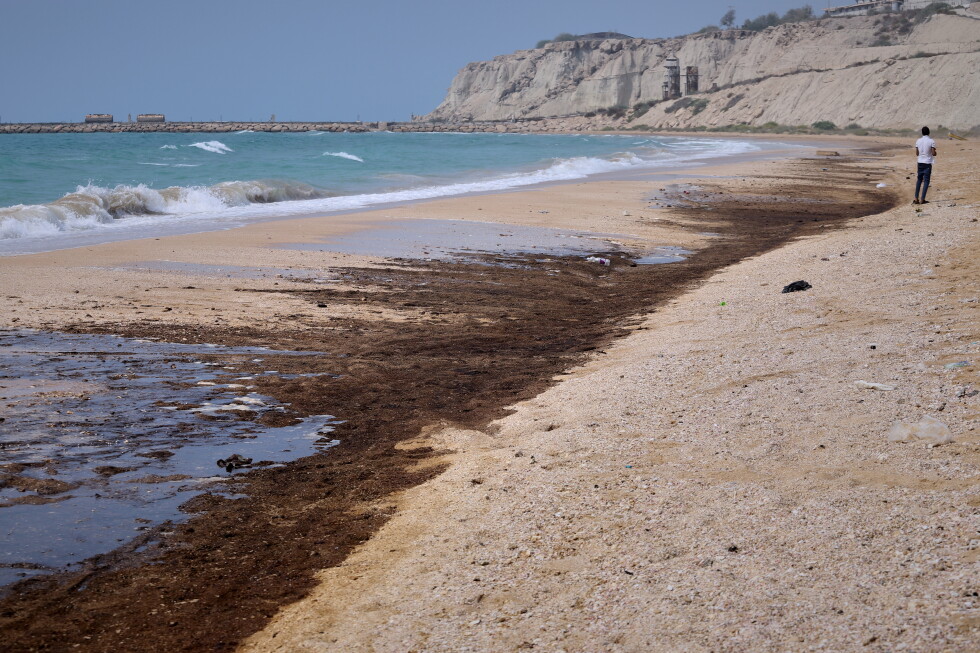
In a sharp escalation of maritime insecurity in one of the world’s most critical energy chokepoints, an unidentified projectile struck a commercial vessel early Tuesday as it transited the Strait of Hormuz off the Omani coast, the United Kingdom’s official maritime trade monitoring agency UK Maritime Trade Operations (UKMTO) has confirmed. The attack damaged the ship’s engine room and left one crew member injured or killed, a detail that authorities have not yet clarified. No group or nation has immediately claimed responsibility for the strike, but it underscores the persistent risk facing global shipping through the waterway even as diplomatic efforts to de-escalate the ongoing Iran war creep forward. Omani coast guard teams have deployed to assist the remaining crew, and local authorities have launched a formal investigation into the incident. UKMTO has not released public details about the vessel’s identity, ownership, or cargo, and confirmed that no oil pollution or environmental damage has been detected from the damaged ship, easing short-term fears of a major ecological spill in the Persian Gulf.
The Strait of Hormuz, which carried roughly one-fifth of the world’s traded crude oil supplies before the outbreak of the Iran war, has effectively been a closed conflict zone since a joint U.S.-Israeli strike on Iran on February 28. Both the U.S. and Iran have restricted commercial traffic through the passage: Washington currently maintains a full blockade of all Iranian-flagged shipping transiting the waterway. With formal U.S.-Iran peace negotiations stalled after a 60-day negotiating window expired late Monday with no extension agreed and the two sides remaining far apart on core issues, Iran has pursued separate bilateral talks with Oman to craft a new framework for managing shipping through the strait. Iranian officials confirmed Monday that a joint statement on the proposed framework is in the final stages of drafting.
That diplomatic progress has sparked an extraordinary angry reaction from U.S. President Donald Trump. According to unconfirmed reports from a telephone interview with Fox News correspondent Trey Yingst, Trump threatened that the United States would carry out bombing strikes against Oman if the Omani government “gets in the way” of U.S. strategic interests in the region.
As the standoff intensifies, Turkey has publicly pushed for a return to diplomatic negotiations. Late Monday, Turkish President Recep Tayyip Erdogan spoke with Trump by phone to urge continued diplomatic efforts to resolve the conflict between the U.S. and Iran. A formal statement from the Turkish presidential communications office confirmed that Erdogan emphasized the critical need for maximum diplomatic engagement to defuse rising tensions, expressed Turkey’s hope that negotiations would resume, and committed to continuing Turkish support for all regional peace efforts. Erdogan also raised concerns about escalating Israeli military operations targeting Palestinian communities as international efforts work to implement the second phase of the existing Gaza ceasefire agreement.
Turkey, a NATO member that shares a land border with Iran, recently signed a landmark collective defense agreement with Saudi Arabia and Pakistan earlier this month. The pact states that any armed attack against one of the three signatory nations will be considered an attack against all three. In a surprising move, Trump publicly praised the agreement in a social media post, saying it “shows how the Middle East is coming together, and how Countries will finally be able to defend themselves in a more meaningful way.” During his call with Trump, Erdogan reaffirmed that the tripartite agreement is intended to strengthen collective action for regional stability and security.