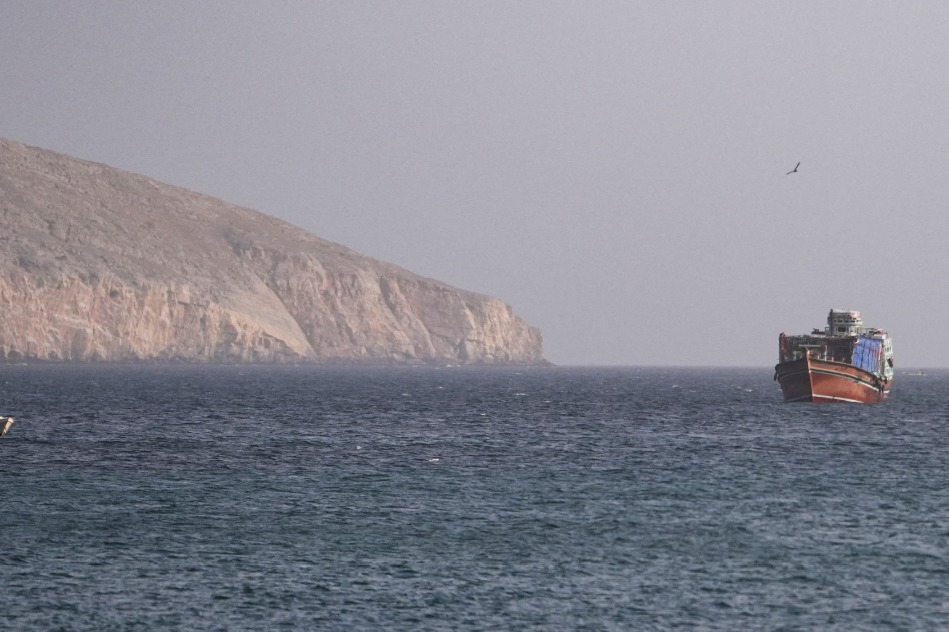
Escalating tensions in the strategic Strait of Hormuz have reached a new boiling point, as Iran’s Islamic Revolution Guard Corps (IRGC) announced it intercepted three oil tankers attempting to traverse the waterway on Thursday, just one day after U.S. forces carried out their 12th straight night of airstrikes across Iranian territory.
分类: world
-

Driver arrested after police call bomb disposal unit to roadside
A major security incident unfolded in the Republic of Ireland this week, concluding with the arrest of a woman in her 20s after a specialized bomb disposal unit was called to the scene. The incident began at approximately 3 p.m. local time on Wednesday, when officers from An Garda Síochána, Ireland’s national police service, intercepted a vehicle being driven by the suspect on the N2 arterial route, just south of the town of Carrickmacross in County Monaghan.
Following the stop, police determined there was sufficient potential risk to request backup from the Irish Defence Forces’ Explosive Ordnance Disposal (EOD) unit, the country’s lead service for handling and investigating suspected explosive devices. The EOD team carried out a full forensic and security examination of the detained vehicle, but authorities have chosen not to disclose the findings of that inspection. In a statement issued after the operation, An Garda Síochána confirmed that no additional details would be released while the investigation remains active. The N2 route, which was temporarily closed to all traffic during the EOD’s work, has since been fully reopened to the public.
-
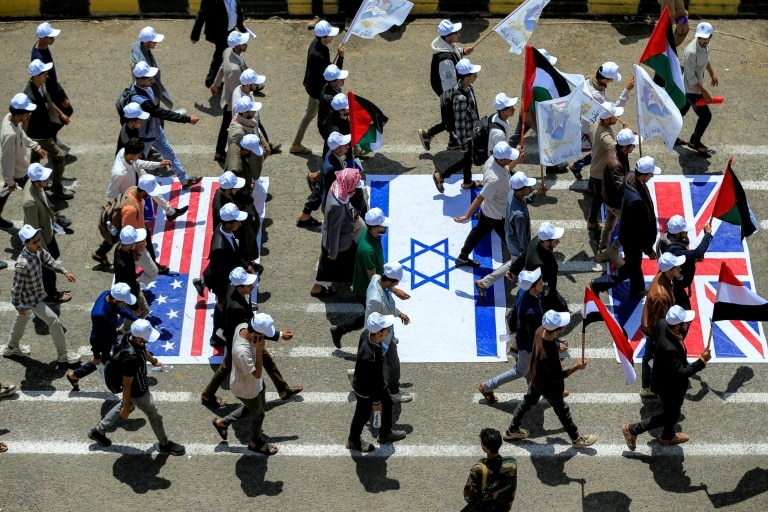
US-Iran strikes: latest developments
A wave of cross-border military strikes and rising geopolitical friction has swept through the Middle East, with Iran expanding its attacks on US-aligned targets and Washington launching its 12th consecutive night of strikes on Iranian military positions, spurring urgent diplomatic efforts to de-escalate the crisis.
On Thursday, the escalating violence triggered security alerts across the Gulf region. Bahrain, which has faced daily Iranian attacks, activated air raid sirens across the country, with audible warnings heard in the capital Manama by Agence France-Presse correspondents. In an official statement, Bahrain’s Interior Ministry urged all citizens and residents to remain calm and proceed to the nearest designated safe shelter immediately.
Neighboring Jordan and Kuwait also moved to neutralize incoming threats from Iran. The Jordanian military confirmed it intercepted three Iranian missiles launched early Thursday, with a fourth missile impacting an unpopulated area with no reported casualties. Overnight, Kuwait’s armed forces announced they were also intercepting “hostile drone threats,” though the military declined to share additional details on the intended targets of the unmanned aerial vehicles.
Iran’s Islamic Revolutionary Guard Corps (IRGC) and regular army issued separate claims of responsibility for the strikes, confirming they targeted American assets positioned in both Jordan and Kuwait. The IRGC stated it destroyed multiple US military assets in Jordan, including critical components of American air defense systems: a THAAD missile defense radar, a Patriot system radar, a C-RAM counter-rocket defense radar, and a helicopter hangar. In Kuwait, Iranian forces claimed strikes on several major US military installations, including Ali Al Salem Air Base, Camp Udairi, Camp Doha, Camp Arifjan, and a key telecommunications tower.
Amid the cross-border strikes, a new flashpoint emerged in the Red Sea following an attack on a Saudi-owned commercial tanker transiting the vital waterway, according to Saudi state media. The Iran-backed Houthi movement in Yemen claimed responsibility for the attack, just days after the group threatened to blockade Saudi Red Sea ports—a major strategic route for global oil shipments. The five-month ongoing regional conflict has already effectively closed the Strait of Hormuz, another critical chokepoint for global energy trade.
Oman, a longstanding neutral mediator between the Houthi movement and Saudi Arabia, has moved quickly to restart diplomatic negotiations following the tanker attack. The Omani foreign ministry expressed deep concern over the deteriorating Red Sea situation, noting it is coordinating closely with Saudi Arabia, Yemeni political factions, and the UN Special Envoy for Yemen to revive the formal political process and advance a roadmap for long-term regional security and stability.
Iran has signaled it has no plans to halt its current campaign of retaliatory strikes. Speaking to state television Thursday, Iranian army spokesperson Mohammad Akraminia confirmed that retaliatory attacks by Iran’s armed forces will continue for as long as US strikes targeting Iranian infrastructure and coastal areas persist. Akraminia added that Iran’s military is fully prepared to respond to any escalation scenario from enemy forces.
Top US officials have framed the escalation as a result of Iranian manipulation of regional proxy groups. US Secretary of State Marco Rubio, speaking on the sidelines of a Southeast Asian summit in Manila, argued that Houthi rebels had been lured into the conflict by Tehran. “The Houthis largely were smart and stayed out of all this throughout the conflict, but they now apparently have gotten themselves suckered into this, going after Saudi Arabia and their ships,” Rubio said.
For its part, the United States has continued its own campaign of strikes against Iranian targets. US Central Command announced Wednesday that American forces had launched new strikes on Iranian military positions, marking the 12th consecutive night of such operations. Early Thursday local time, Iranian state media reported that missile strikes targeted the southwestern cities of Ramshir and Ahvaz, with additional missile attacks reported in Bushehr province along Iran’s Persian Gulf coast.
-
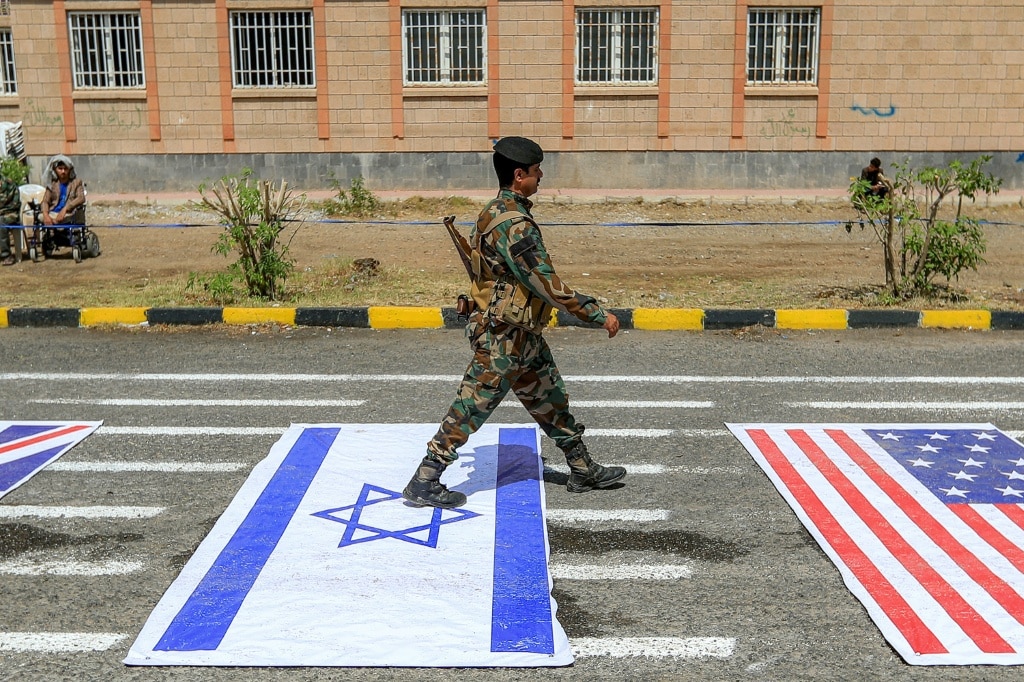
Iran vows to continue strikes in Mideast war
A widening regional conflict across the Middle East has entered a dangerous new phase, with Iran formally announcing Thursday that it will sustain retaliatory military operations for as long as it remains under attack, as its allied Houthi movement opens a new front in the Red Sea targeting Saudi commercial shipping.
The latest escalation follows a brief multi-week ceasefire that has collapsed, reintroducing widespread uncertainty to both the region and global energy markets, as Iran and the United States engage in a high-stakes contest for control of the strategically critical Strait of Hormuz.
This week, the Iran-aligned Houthi group entered the active conflict, announcing a blockade of Saudi ports and launching strikes on two Saudi oil tankers in Red Sea waters. Parallel to this Red Sea escalation, Jordan and Kuwait have both confirmed intercepting incoming strikes, as Iran’s regular military and Islamic Revolutionary Guard Corps (IRGC) have stated their operations are targeting U.S. assets positioned across both nations.
“The armed forces’ retaliatory attacks will continue as long as the U.S. attacks on the country’s infrastructure and coastal areas continue,” Iranian army spokesperson Mohammad Akraminia stated in comments carried by Iran’s state television.
The latest round of open hostilities comes on the heels of fresh U.S. airstrikes on Iranian military positions. U.S. Central Command confirmed it had conducted its twelfth consecutive night of strikes, noting the operations are intended to “further degrade Iran’s ability to threaten civilian mariners and commercial vessels transiting regional waters.”
On Wednesday, former U.S. President Donald Trump issued an unusually explicit threat via social media, stating that the U.S. would target Iranian civilian infrastructure every time Iranian forces attack vessels in the Strait of Hormuz. “Any time the Islamic Republic of Iran shoots at a ship in the Strait of Hormuz, whether it be by Missile, Rocket, Drone, or any other device or weapon, the United States will bomb and destroy ONE BRIDGE OR POWER PLANT,” Trump wrote.
Iranian Foreign Minister Abbas Araghchi reaffirmed Tehran’s commitment to proportional retaliation for any attacks on its infrastructure, writing, “Our defence doctrine is clear: eye for an eye.”
Iranian state media reported Thursday that a recent U.S. strike killed two people near Shalamcheh, located on Iran’s border with Iraq. The outlet also confirmed two U.S. missiles struck targets near Bushehr, the site of Iran’s only civilian nuclear power plant, which has been repeatedly targeted by U.S. strikes in recent weeks.
In the Red Sea theater, the Houthis confirmed they carried out combined missile and drone attacks on two Saudi-flagged oil tankers, the Encelia and the Layla, following their formal declaration of a blockade on Saudi commercial ports. UK Maritime Trade Operations (UKMTO), the British-led naval security monitoring service, reported the captain of one vessel confirmed a strike by an unidentified projectile roughly 70 nautical miles southwest of Saudi Arabia’s Al Shuqaiq, sparking a fire that the crew was working to extinguish as of Thursday.
Saudi Arabian officials have confirmed the Encelia sustained damage in the attack, but have not released any information on potential damage or casualties linked to the Layla strike.
While it remains unclear how effectively the Houthis can enforce a full-scale blockade of Saudi ports, the threat of sustained disruption to Red Sea shipping compounds existing volatility sparked by competing control of the Strait of Hormuz, threatening to undermine Riyadh’s ability to redirect oil exports away from the strait to bypass ongoing conflict.
In the Strait of Hormuz itself, the IRGC announced it has halted three oil tankers from transiting the waterway, which carried roughly one-fifth of global oil supplies prior to the outbreak of the current conflict. “The Strait of Hormuz is under our control… and any ship that is deceived by the U.S. and intends to pass without coordination with the Islamic Republic of Iran will suffer the same fate,” the IRGC said in a statement.
The fresh escalation has sent global oil prices climbing sharply Thursday. Brent crude, the global benchmark for oil pricing, rose 4% to trade at $97.80 per barrel, reviving widespread market fears of accelerating consumer inflation and slowed global economic growth.
Speaking on the sidelines of a Southeast Asian summit hosted in Manila, U.S. Secretary of State Marco Rubio accused Iran of manipulating the Houthis into joining the conflict to disrupt Red Sea shipping. “The Houthis largely were smart and stayed out of all this throughout the conflict, but they now apparently have gotten themselves suckered into this, going after Saudi Arabia and their ships,” Rubio said. “I hope they will de-escalate, because I think the Houthis, frankly, got snookered into this thing by the Iranians.”
Oman, which has served as a key neutral mediator in the years-long conflict between the Houthis and Saudi Arabia, announced Thursday it is working to restart negotiations between the two parties, while voicing “great concern” over the rapidly deteriorating security situation in Red Sea waters.
-

Russia’s biggest online retailer is the latest target of Ukraine’s attacks
A wave of Ukrainian drone strikes targeting logistics facilities across Russia has left at least nine people dead, dozens injured, and knocked out roughly 12 to 15 percent of the total warehouse space of Russia’s largest e-commerce platform Wildberries, in what Kyiv frames as a strategic escalation of its cross-border aerial campaign against the Kremlin’s war effort.
The first attacks unfolded over the weekend, striking two sprawling Wildberries distribution centers: one in Elektrostal, an industrial city just east of Moscow, and a second in Russia’s Tambov region. The weekend strikes killed eight people and wounded dozens more. Early Wednesday, two additional Wildberries facilities in the southern Russian regions of Krasnodar and Stavropol were hit and engulfed in flames, killing one person and injuring 14 others. Thick plumes of black smoke billowed from the burning sites, visible for miles across the surrounding areas.
Kyiv’s cross-border drone strikes are part of a broader intentional strategy to disrupt Russia’s wartime economy and bring the reality of the Kremlin’s full-scale invasion of Ukraine home to ordinary Russian citizens. Ukrainian President Volodymyr Zelenskyy has confirmed that targets struck in these attacks are linked to supplying Russian military forces with equipment and technical components, though he did not name Wildberries explicitly. An independent check of Wildberries’ online marketplace by The Associated Press found a wide range of goods available that are suitable for both civilian and military use, including body armor, combat helmets, tactical radios, and other electronics. Many of these items were openly labeled with tags referencing Russia’s “special military operation” – the Kremlin’s official term for its full-scale war in Ukraine – such as “tested in the SVO” and “SVO fighters’ choice.”
To understand why Wildberries became a high-priority target, it is necessary to examine the platform’s extraordinary rise to dominate Russia’s domestic e-commerce sector. Founded in 2004 by Tatyana Kim, a former teacher and young mother, the company began as a small online clothing retailer. Today, with its recognizable purple branding, it is a household name across Russia and the undisputed industry leader, hosting more than 500,000 to 800,000 independent sellers and accounting for 52 percent of all online retail orders placed in the country. It offers everything from apparel and cosmetics to home appliances, pharmaceuticals, and even travel booking services, and expanded into financial services with the 2021 launch of Wildberries Bank – an arm that has since been placed under sanctions by the United Kingdom and European Union.
As of last year, Wildberries operated more than 200 warehouses and distribution centers across Russia and neighboring markets where it has expanded, totaling more than 5.2 million square meters of storage space. The company had planned further expansion into Belarus and Kazakhstan by 2026. Kim, who remains the company’s leader, had an estimated net worth of $8.1 billion as of April 2024, according to Forbes Russia.
Kremlin spokesman Dmitry Peskov has rejected Ukraine’s claim that the targeted facilities support the Russian military, calling the assertion false and accusing Kyiv of deliberately attacking civilian infrastructure. Wildberries itself has not issued a formal response to the strikes beyond statements about operational resumption and support for affected sellers. The company confirmed it took three full days to extinguish the large fire at the key Elektrostal distribution hub, which serves the entire Moscow region, while the Tambov region facility in Kotovsk is scheduled to resume operations on Thursday. Neither Kim nor the company has released a full public accounting of the total inventory destroyed in the attacks.
Beyond the human cost and military strategic implications, the strikes have delivered a catastrophic blow to thousands of small and medium-sized Russian businesses that stored their entire inventory at the targeted warehouses. In the days after the attacks, hundreds of Russian entrepreneurs took to social media to share accounts of losing all their stock, many sharing emotional recountings of total business collapse. Sergei Semko, a leading e-commerce analyst at Moscow-based research firm Data Insight, noted that platforms like Wildberries have been a critical lifeline for small producers and craftspeople across Russia’s 11 time zones, allowing them to reach customers across the country’s vast territory that would otherwise be inaccessible. The damage from the strikes compounds a series of already severe pressures on Russian small businesses this year, including rising taxes, fuel supply disruptions, and growing regulatory burdens.
Semko estimates that total losses from the destroyed inventory could reach as high as $3 billion, describing the confluence of crises facing affected sellers as “almost a perfect storm.”
In response to widespread anger and uncertainty from sellers, Wildberries rolled out a series of support measures, including discounted storage fees, free transfer of surviving inventory to other undamaged facilities, and low-interest loans through Wildberries Bank. Controversy emerged earlier this month after the company updated its seller terms of service to exempt itself from liability for inventory damaged or destroyed during “force majeure” events, a category that explicitly includes drone attacks, leaving many sellers unsure if they would receive any compensation for their losses. Late Wednesday, however, Kim announced that the company had begun processing compensation payments for sellers affected by the Elektrostal attack. She emphasized that the company was prioritizing support for the smallest and most vulnerable entrepreneurs, of which there are more than 88,000 affected by the strike, and confirmed that funds would be posted to sellers’ account balances within 24 hours.
-
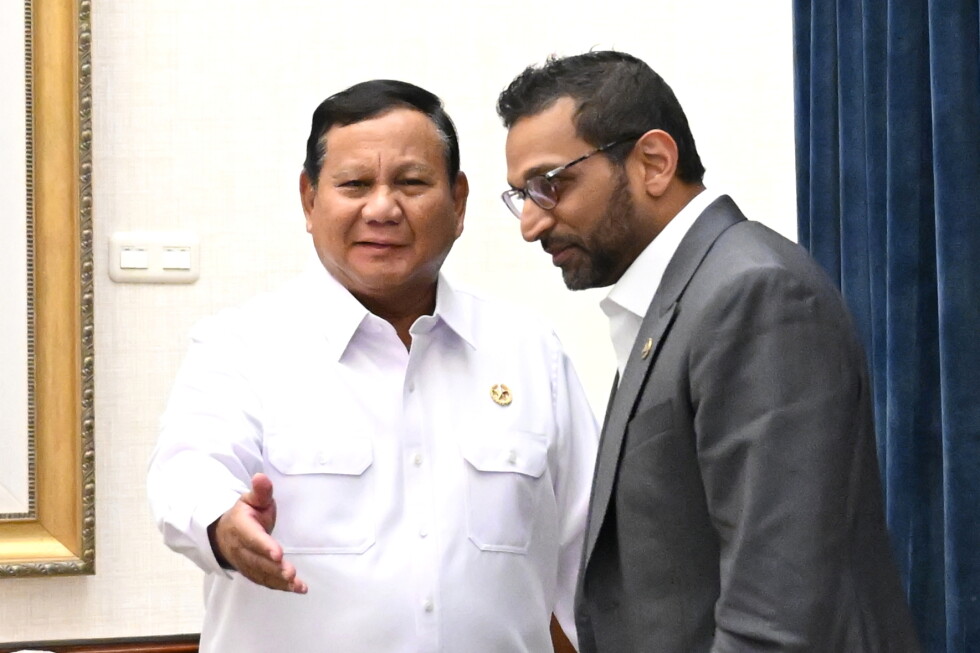
FBI Director Patel returns looted cultural artifacts to Indonesian President Prabowo
JAKARTA – In a landmark moment for cross-border cultural heritage protection, Indonesian President Prabowo Subianto has formally received a collection of sacred cultural artifacts from the country’s eastern Papua region that were illegally trafficked to the United States, senior Indonesian government officials confirmed Thursday.
The handover ceremony took place Wednesday evening at President Prabowo’s Jakarta residence, during a scheduled meeting between the Indonesian leader and FBI Director Kash Patel. Patel’s Jakarta visit came on the heels of high-level talks in Phnom Penh with Cambodian Prime Minister Hun Manet, where the pair discussed coordinated multinational action to dismantle transnational online scam rings that steal billions of dollars from victims globally each year.
Indonesia’s Minister of Culture Fadli Zon emphasized that the repatriation marks a significant deepening of collaborative ties between Jakarta and Washington in the global fight against illicit cultural property trafficking, focused on returning stolen heritage items to their countries of origin.
The artifacts, which originate from the lands of Papua’s Dani and Asmat tribes and Indigenous communities around Lake Sentani, were returned after joint investigative work between Indonesia’s Culture Ministry and the FBI confirmed the items had been smuggled out of Indonesian territory decades ago. “These are not just objects — this repatriation is a critical step toward restoring our full cultural sovereignty,” Zon explained in remarks after the handover, adding that all the artifacts will go on permanent public display at Indonesia’s National Museum in Jakarta.
Images released by the Indonesian Presidential Secretariat show a collection of finely polished stone axe heads and a series of carved ceremonial objects deeply tied to traditional Papuan cultural practices. Unlike ordinary stone tools, these axes held deep social meaning for highland Dani communities: historically, they functioned as symbols of wealth and social standing, were exchanged as part of marriage negotiations and formal ceremonial agreements, and were passed down through generations as cherished ancestral heirlooms, the Culture Ministry noted.
In an official statement, the U.S. Embassy in Jakarta clarified that this repatriation is the latest in a growing string of successful U.S. efforts to recover and return Southeast Asian cultural property trafficked by global illegal antiquities networks. Earlier this July, U.S. Attorney for the Southern District of New York Jay Clayton announced the repatriation of two 8th-century bronze Buddhist sculptures of the deity Avalokiteshvara, also stolen from Indonesian archaeological sites.
Those two sculptures were looted decades ago by organized criminal artifact poachers before being sold to an American collector via the late disgraced antiquities dealer Douglas Latchford, a Bangkok-based trafficker who was indicted by U.S. authorities in 2019 for running a massive transnational smuggling ring that moved looted artifacts out of Cambodia and other Southeast Asian nations. The legal case against Latchford was dismissed following his death, and the sculptures were among 34 Southeast Asian antiquities voluntarily given up by the American collector in 2021 after investigators confirmed their looted origin.
Zon recalled that the FBI has a long track record of supporting Indonesia’s efforts to recover stolen cultural items, including a range of bronze statues and artifacts taken from protected archaeological and historical sites across the country. The culture minister added that he expects this productive partnership on cultural repatriation and restitution to continue expanding in coming years.
For its part, Indonesia has ramped up its global outreach in recent years to track down and recover thousands of cultural treasures scattered across foreign collections, taken during centuries of colonial rule, systematic looting and modern illicit trafficking. A key focus of these efforts has been recovering items held in collections in the Netherlands, which occupied Indonesia as a colonial power for more than 300 years.
-
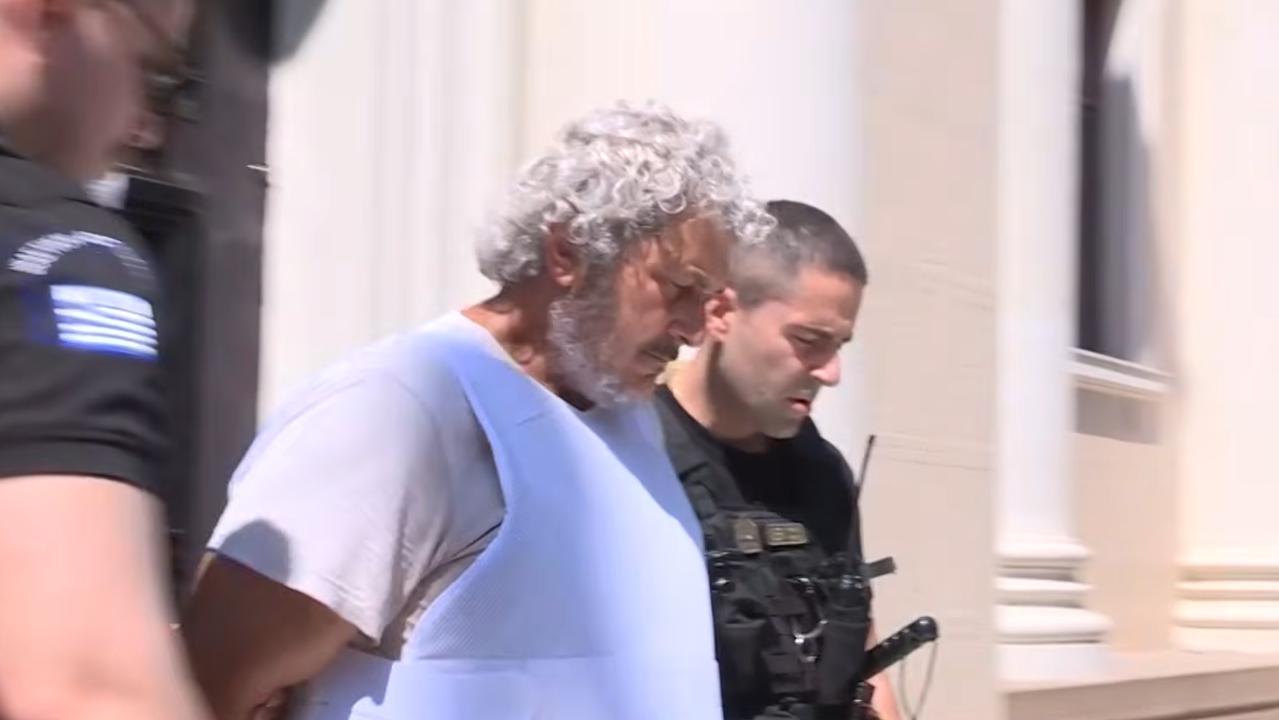
Greek court makes shock ruling in case of wanted man James Dalamangas
After 27 years evading Australian law enforcement, a man accused of a 1999 fatal Sydney stabbing will not face trial in his home country, after a Greek appeals court delivered a surprising ruling that rejects his extradition on statute of limitations grounds.
James Dalamangas, now 56, was taken into custody last month on a Greek farm, ending one of the country’s longest-running manhunts. He was charged by Australian authorities with the murder of George Giannopoulous in Sydney, a crime he is alleged to have committed before fleeing the country immediately after the incident. His name had been listed on Interpol’s international alert list for decades, and Australian police upped efforts to capture him earlier this year, offering a AU$200,000 reward for information leading to his arrest in January 2024, just months before the 25-year deadline for the case under Australian law approached in April.
Local Greek media reports confirm that Dalamangas had built a new life under the assumed identity of Antonis Tzimas, living for 18 years in the quiet rural town of Alsos before his capture.
In a ruling that upends long-running efforts by Australian authorities to bring the fugitive to trial, Greece’s Court of Appeals announced this week that Dalamangas will remain at liberty under restrictive bail conditions, and will not be extradited to Australia to face murder charges.
Giannis Apostolopoulos, Dalamangas’ Greek defense attorney, told local reporters that the ruling turned on a clear legal principle under both Greek domestic law and the bilateral extradition treaty between Greece and Australia. “The decision was made because the offence is statute-barred in Greece. Our arguments were accepted, particularly the fact that the offence had become time-barred under Greek law,” Apostolopoulos said. “Under both our country’s criminal procedure and the Greece–Australia treaty, if the offence has become time-barred in either country, that constitutes a mandatory ground for refusing extradition.”
Greek law sets a 25-year statute of limitations for the kind of offence Dalamangas is accused of committing, meaning the 1999 killing fell outside the legal window for prosecution in Greece just months before his arrest. The ruling marks a disappointing development for Australian investigators who spent nearly three decades tracking the fugitive.
-
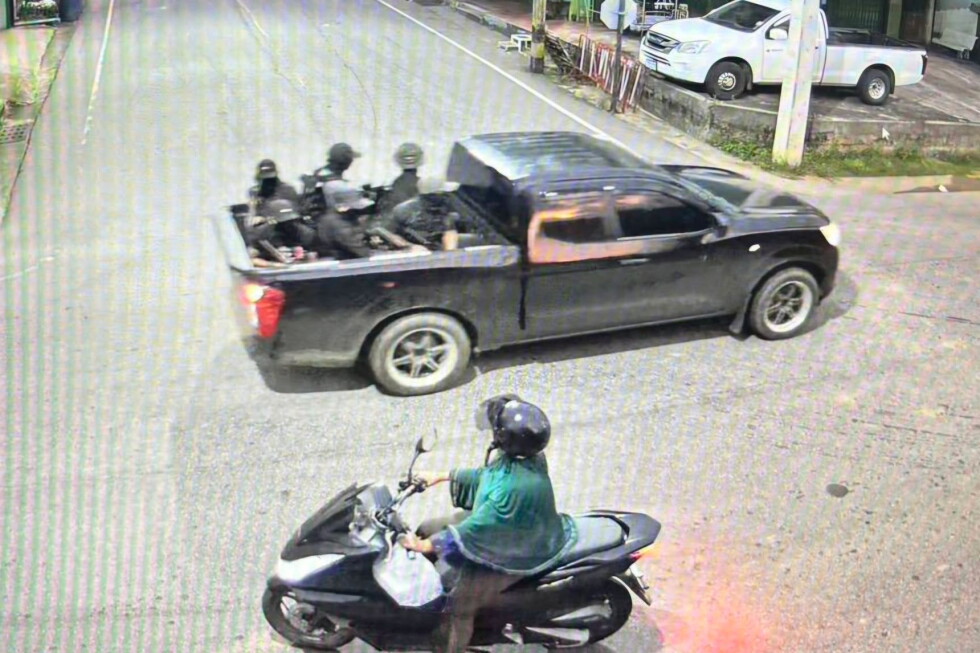
Thai authorities hunt for suspects after an attack in troubled south kills 5 soldiers
BANGKOK – Thai law enforcement and security agencies launched a large-scale manhunt Thursday following a coordinated pre-planned attack that claimed the lives of five Thai soldiers and wounded six civilians in the country’s conflict-plagued deep southern region, officials confirmed.
The assault unfolded Wednesday evening at a military security checkpoint positioned adjacent to a residential neighborhood in Narathiwat Province, one of three southernmost provinces that have faced a decades-long separatist insurgency. According to regional Internal Security Operations Command spokespeople, approximately 10 assailants carried out the strike: they opened sustained gunfire on stationed troops and hurled improvised pipe bombs before escaping the scene.
Six local civilians were caught in the crossfire and suffered injuries. Among those hurt was a 10-year-old child, who remains hospitalized for treatment but is in currently stable condition, officials said. Local property damage was extensive, footage from Thai public broadcaster Thai PBS confirmed: nearby residential homes suffered shattered windows, damaged roofs and bullet-riddled entry gates, and a civilian motorcycle parked outside one residence was completely destroyed in the blast.
Officials have released surveillance and identification photos showing the group of attackers, who were clad entirely in black clothing and head coverings while riding in the bed of a stolen black pickup truck. The vehicle was later found abandoned 13 miles from the attack site, set alight by the perpetrators to destroy potential evidence. Following the assault, the attackers stole three standard-issue AK-47 rifles, three military bulletproof vests and three personal mobile phones from the slain soldiers, security officials confirmed.
Narathiwat, along with neighboring Yala and Pattani provinces, make up Thailand’s only Muslim-majority region, in an otherwise overwhelmingly Buddhist country. Since 2004, the area has been the center of an active Muslim separatist insurgency that has killed more than 7,000 people to date. Local Muslim residents have long documented systemic grievances, reporting systemic discrimination that has left them treated as second-class citizens. Periodic separatist activity has stretched across seven decades, and heavy-handed government crackdowns on suspected insurgent cells have only amplified popular discontent in the region. While large-scale violence has declined in recent years, low-intensity attacks and clashes remain a regular occurrence.
Internal Security Operations Command Region 4, the governing body responsible for all security operations in southern Thailand, released an official statement via Facebook promising to spare no resources in tracking down those responsible. The agency vowed to “expedite the investigation and search for the perpetrators with the best efforts.”
Thailand’s Prime Minister Anutin Charnvirakul publicly condemned the assault, labeling it a deliberate act of terrorism. Government spokesperson Rachada Dhnadirek confirmed the prime minister’s statement, saying the attack “clearly aimed at killing government officials, and [is] a serious threat to national security.”
-
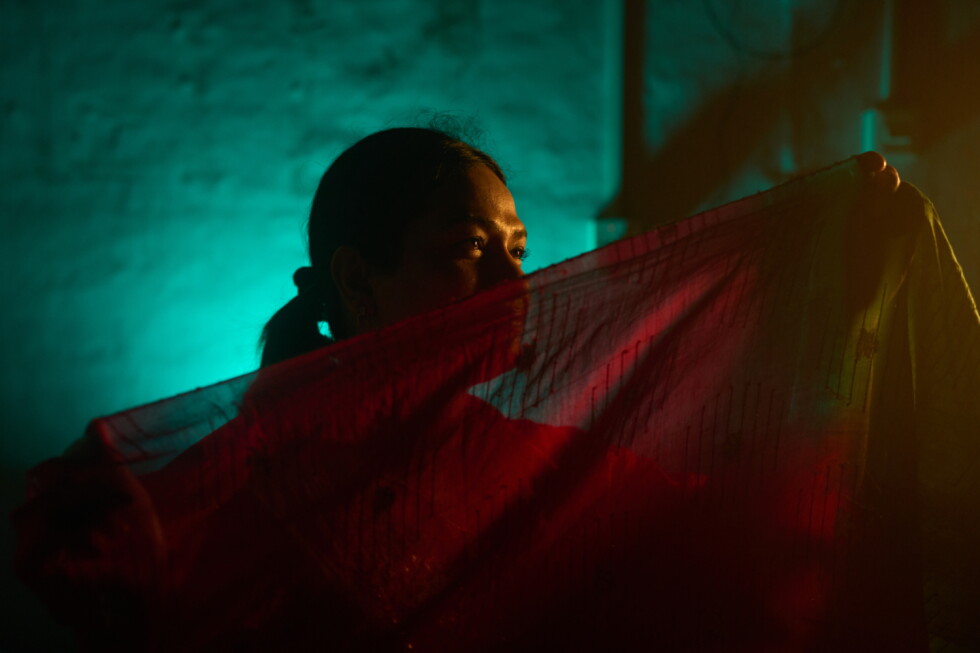
What a reporter learned covering the impact of USAID cuts on aid workers-turned-sex workers in Nepal
When former U.S. President Donald Trump framed the U.S. Agency for International Development (USAID) as a wasteful bureaucracy and dissolved the agency in 2023, the policy change sent shockwaves through global development networks, eliminating 280,000 jobs worldwide. While mainstream coverage has centered on how the cuts disrupted services for millions of vulnerable people relying on U.S. foreign aid, one on-the-ground investigation from Nepal has uncovered a hidden, devastating consequence: dozens of out-of-work local aid workers, many from marginalized LGBTQ+ communities, have been forced to turn to sex work to avoid starvation.
In an interview with AP editor Mary Rajkumar, investigative reporter Kristen Gelineau — who spent months documenting the crisis on the ground in Nepal — explained why she chose to center this underreported story. Global headlines have been dominated by coverage of the cuts’ direct harm to aid recipients: children losing access to nutrition programs, communities facing shortages of life-saving medications, and public health initiatives collapsing. Most of the rare coverage of displaced workers has focused on the small share of U.S. citizens employed by USAID, who make up less than 10% of all workers put out of a job by the dissolution. The vast majority of displaced workers are local hires living in low-income, conflict-impacted nations where alternative employment opportunities are effectively non-existent. Gelineau set out to uncover what happened to these forgotten workers.
Her reporting took an unexpected turn while examining the impact of cuts across South Asia. When an HIV researcher in Nepal offhandedly mentioned that former employees of HIV prevention NGOs were now entering sex work to pay their bills, Gelineau launched a deeper inquiry that revealed the trend was far from an isolated case. Across Nepal, many LGBTQ+ former aid workers who once supported marginalized communities including sex workers now faced the same desperate choice: find work in an economy that refuses to hire them, or turn to survival sex work to feed themselves. Local health officials already warned that the shift could drive a new increase in HIV prevalence, undoing years of progress made by the very programs USAID once funded.
Gaining access to and the trust of these traumatized workers took months of careful, ethical reporting. Working with visual journalist Bram Janssen and local translator Tulsi Rauniyar, Gelineau built connections through existing networks in Nepal’s LGBTQ+ community, shared her track record of ethical coverage of marginalized groups, and initiated contact through text before moving to in-person conversations. Reporting focused on Kathmandu and Hetauda, where a large cohort of displaced aid workers had turned to sex work and agreed to share their stories. Every interview opened with detailed conversations about informed consent, with workers guaranteed the right to pause, end the conversation, or skip any questions that could cause re-traumatization. The reporting team even shadowed workers on night shifts along major highways to understand the full scope of the risks they face daily.
What struck Gelineau most during the reporting process was the extreme vulnerability of the workers, a danger that only became tangible after observing their working conditions first-hand. The remote, dark highway corridors where most solicit clients offer no protection, and workers are regularly surrounded by intoxicated groups of men who bargain aggressively before taking them to isolated locations in nearby jungles, industrial areas, or private residences. Nearly every worker interviewed reported experiencing sexual or physical assault on the job. Even encounters with police do not improve their safety: multiple workers reported assault at the hands of officers, leaving them more afraid of law enforcement than of their clients.
For all the extreme risk they take on, workers typically earn just $2 to $3 per client. But for openly transgender workers in particular, legal formal employment is effectively banned by social stigma and discrimination in Nepal. As workers repeatedly told Gelineau, the choice is non-negotiable: it is sex work, or starve.
In a statement following the dissolution of USAID, the U.S. State Department defended the Trump administration’s restructuring, claiming the changes had reinvigorated foreign assistance programs to prioritize efficiency, effectiveness, and global partnership. The department also noted that the U.S. spends more on global health and humanitarian assistance than any other nation. For the dozens of Nepali workers now pushed into dangerous survival sex work, and the 280,000 displaced workers globally, that restructuring has come at a devastating human cost that has yet to be fully counted.
-

Sex work or starve: Aid workers in Nepal left jobless by USAID cuts turn to sex work to survive
In the shadow of a dimly lit central Nepalese highway, where passing trucks cast faint streaks of light across the roadside jungle and discarded condom wrappers litter the dirt, 28-year-old Rubi Lama paces the shoulder waiting for clients. Just a few years ago, she stood on this same stretch of road not as a sex worker, but as a trained HIV outreach worker dedicated to protecting the vulnerable transgender communities who gathered here after dark. Today, she is one of them — a casualty of sweeping cuts to United States foreign aid that have upended hundreds of thousands of livelihoods across the globe, with catastrophic consequences for public health.
Lama’s story is not unique. When the Trump administration froze and ultimately dissolved the U.S. Agency for International Development (USAID) in 2025 after labeling the agency a waste of taxpayer dollars (despite foreign aid accounting for just 1% of the total U.S. federal budget), the ripple effects shattered already fragile public health infrastructure in low-income nations like Nepal. Overall, the dismantling of USAID eliminated more than 281,000 jobs worldwide, according to tracking by global health consultant Sadie Healy. Only 23,000 of those positions were held by U.S. citizens; the vast majority were local workers in impoverished, economically depressed regions where alternative employment is nearly impossible to find. In Nepal alone, an estimated 35,000 former aid workers lost their livelihoods overnight.
For Lama and hundreds of other transgender former aid workers in Nepal, the collapse of USAID funding left no escape. In Nepal’s deeply conservative society, legal formal employment for openly transgender people is already extremely rare. For decades, USAID funding supported local NGOs like the Blue Diamond Society, an umbrella organization for LGBTQ+ health services that employed hundreds of gender and sexual minorities as outreach workers, counselors, clinic staff, and data collectors. The organization ran 20 clinics across the country, providing free HIV testing, condoms, lubricant, PrEP (HIV prevention medication for at-risk individuals), and antiretroviral treatment for people living with HIV. Eighty-five percent of the Blue Diamond Society’s total budget came from USAID — when the funding dried up, all core services collapsed immediately. Of the group’s 350 total staff, 262 lost their jobs, and more than 1,200 clients lost access to life-saving PrEP.
Manisha Dhakal, executive director of the Blue Diamond Society, estimates that between 35% and 45% of the organization’s laid-off transgender staff have turned to sex work to put food on the table. “One decision from one powerful country — all these services are cut,” Dhakal said, standing in the group’s now-quiet Kathmandu headquarters, where framed USAID certificates line the bookshelf, commemorating decades of work saving lives. “The Trump administration’s executive order will cause people to die.”
Lama’s journey to this point was marked by struggle long before the aid cuts. Raised in poverty by a conservative family that rejected her transgender identity, she worked selling eggs as a child to pay for school, survived sexual assault by a teacher, and dropped out of university after relentless harassment from peers and instructors. In 2016, she found her purpose when she was hired by Friends Hetauda, a central Nepalese NGO funded by USAID that provided HIV services to marginalized communities. For nine years, she walked this same highway to test sex workers for HIV, distribute prevention supplies, and offer counseling. Her father kicked her out of the family home for her work and gender identity, but the job paid roughly $200 a month — enough to rent a small apartment and build a life doing work she believed saved lives. That all ended in February 2025, when staff were called into the office and told all funding was gone; 14 of the organization’s 17 employees, including Lama, were laid off immediately.
Lama searched for months for other work. She was rejected for a local government job after she arrived for her in-person interview and her transgender identity was discovered. A hotel offered her a cleaning job, but the manager demanded she have sex with him and his friends in exchange for the position, which she refused. As savings ran out, she could no longer afford rent, food, or medication. Her landlord threatened eviction. For Lama, the choice was brutal: turn to sex work, or starve. “I know that every stranger who pays for my body could end my life,” she said. “But I also know their money is the only thing preventing my death right now.”
Today, the former offices of Friends Hetauda stand abandoned: unused laptops still bear USAID stickers, and empty condom distribution bins collect dust on barren desks. Out on the highway, the risks for the former aid workers turned sex workers are staggering. Nearly all have faced brutal violence: gang rape, assault at knifepoint and gunpoint, police brutality, and non-consensual unprotected sex. All 15 former aid workers interviewed by The Associated Press acknowledged the risk of HIV transmission, but say they have no other option to survive.
Barsha Magar, who spent 16 years as a peer educator and outreach worker with Friends Hetauda, was raped at gunpoint by two soldiers just two months after entering sex work. “For two weeks I was too traumatized to go back,” she said, wiping away tears as she recalled the attack. Bharati Thapa, a former field supervisor for the organization, was gang-raped by a group of drunk Indian tourists on her very first night working the highway. “My life is at risk now,” Thapa said. “I fear that I may contract HIV and sexually transmitted infections. I fear being beaten up and harassed by customers. I fear the police taking me away at night. How can I not be afraid? There is risk from all sides.”
Even when workers draw on their decades of public health training to convince clients to use condoms or avoid violence, they cannot protect themselves from every threat. Sujata Chaudhary, an 11-year veteran of HIV outreach work, still contracted syphilis after being forced into unprotected sex by clients, and survived a mass gang assault that left her traumatized. Lama herself escaped a knife attack only by using her HIV outreach training to talk down her attacker before fleeing.
The public health consequences of the aid cuts stretch far beyond the workers themselves. With free condom and lubricant distribution halted, and PrEP no longer available to most at-risk people, many transgender sex workers are forced to have unprotected sex. Many people living with HIV have stopped accessing antiretroviral treatment, too fearful of discrimination to seek care at public hospitals, increasing their risk of transmission and death. Data from the United Nations HIV agency shows that since the USAID cuts, HIV testing has dropped 22% in high-prevalence countries, and condom funding has been cut by more than 90% in some regions.
Dr. Sarbesh Sharma, director of Nepal’s National Centre for AIDS and STD Control, warned that the crisis is not just a Nepalese problem — it is a global one. Nepal shares an open border with India, and has massive flows of migrant workers and international students moving across its borders every year. “Viruses like HIV do not respect borders,” Sharma said. “Borders are for humans. So those make it not only a Nepal concern, it can become a global concern.”
In a statement to AP, the U.S. State Department defended the Trump administration’s changes, saying the administration had refocused assistance programs on efficiency, effectiveness, and partnership, and noted that the U.S. spends more on health and humanitarian assistance than any other nation. “The rest of the world needs to contribute more and share the burden,” the department said.
For the workers on Nepal’s highways, that offers little comfort. On a recent Friday night — the busiest night of the week — Lama earned $10.50 from five clients, a relatively good night’s income. She needs $80 to cover rent and food for the month, so she will return the next night, and the night after that, with no end in sight. She longs to return to her old job, helping the vulnerable, but there is no funding to bring the program back. There is no other work available to her as an openly transgender woman in Nepal.
“I wish it was fair,” Lama said, as she prepared to leave the highway after a police sweep scattered the sex workers. “I wish I could live with my identity. I wish I could walk in the way that makes me happy. I know what is right and wrong. I am aware of the road I am taking.” Without new funding to revive the programs that once supported these workers and the communities they served, there is no way off this road. Night after night, Lama and her former colleagues return to the dark highway, standing alongside the people they once worked to save, in a desperate bid to save themselves.