分类: politics

  • Rap star ex-mayor hopes to unseat  former PM in Nepal’s Gen Z election

    Rap star ex-mayor hopes to unseat former PM in Nepal’s Gen Z election

    CHITWAN, Nepal – The thunderous beat of an AI-generated campaign anthem echoes across the rally grounds as thousands chant “Balen” in unison. Thirty-five-year-old Balendra Shah, the rapper-turned-mayor now vying for Nepal’s prime ministership, has become the symbol of a generational uprising against the country’s entrenched political elite.

    Shah’s Rastriya Swatantra Party (RSP), which surprisingly secured fourth place in the 2022 general elections, now challenges Nepal’s longstanding political dynasties. His campaign directly confronts former Prime Minister KP Sharma Oli in Jhapa-5, a constituency traditionally considered Oli’s safe seat.

    The political upheaval follows September’s deadly anti-corruption protests that forced Oli’s resignation after police fatally shot 77 demonstrators, mostly young activists. The movement began as opposition to social media restrictions but evolved into a widespread demand for accountability and opportunities in a nation grappling with 20.6% youth unemployment – among South Asia’s highest rates.

    At Shah’s rallies, first-time voters like 18-year-old Nandav Yadav express unwavering support: “We want to fight for the young people who died in the Gen-Z movement. Our former prime minister could have stopped it, but he didn’t.”

    Meanwhile, Oli maintains his innocence regarding the protest violence, telling reporters his party “wants to understand the feelings of the new generation” while promising to restore “sovereignty, peace and democracy.” His supporters, including 82-year-old Narad Prashad Luitel, believe he should “finish the work he started on the country’s roads and infrastructure.”

    Political analyst Nischal Pandey notes the historic significance: “None of our governments have survived their full terms in decades. These are historic elections. People are tired of the same old faces.”

    With over 915,000 first-time voters among nearly 19 million eligible citizens, Thursday’s election represents a potential watershed moment. A victory for Shah could mark Nepal’s first government in years without communist participation, potentially ending decades of political instability and coalition bargaining among the same political families.

    The election mirrors recent regional movements, following weeks after similar youth-led anti-corruption protests in Bangladesh, signaling a broader generational shift in South Asian politics.

  • Saudi Arabia tells Gulf allies to avoid any steps that could inflame tensions with Iran, sources say

    Saudi Arabia tells Gulf allies to avoid any steps that could inflame tensions with Iran, sources say

    Senior Saudi officials have reportedly expressed significant discontent regarding the scope and timing of recent US and Israeli military actions against Iran. According to Gulf Arab sources familiar with the matter, Crown Prince Mohammed bin Salman has urgently communicated with leaders across the Gulf Cooperation Council (GCC) nations, advocating for collective caution to prevent regional escalation.

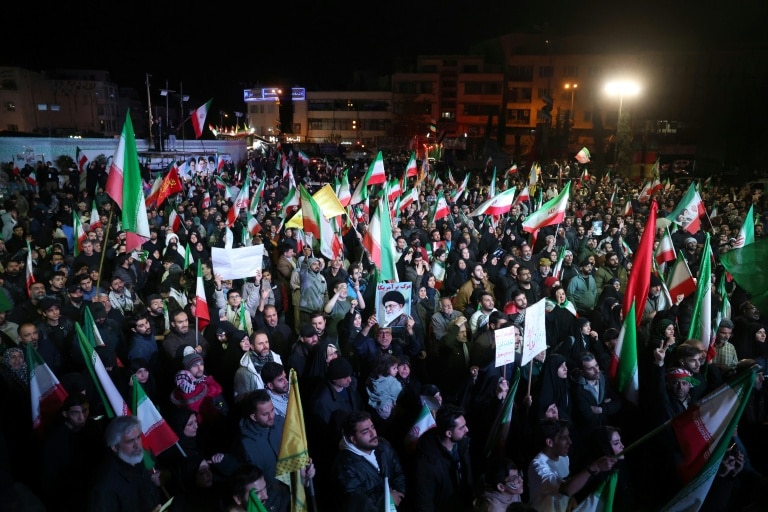
    The diplomatic outreach occurred shortly after Saudi Arabia’s foreign ministry formally condemned Iranian retaliatory strikes across the Arabian Peninsula. While the conversations were described as brief, they revealed a emerging consensus among Gulf states that Iran’s response was notably less intense than anticipated. This assessment has prompted regional leaders to advocate for measured responses that would avoid provoking further Iranian aggression.

    Notably, the communication between Crown Prince bin Salman and UAE President Mohamed bin Zayed signaled a temporary reconciliation of differences, highlighting how the security crisis has prompted unusual diplomatic coordination. The Saudi foreign minister, Prince Faisal bin Farhan, subsequently echoed this message in calls with regional counterparts, emphasizing the critical need for de-escalation and unified foreign policy positions among GCC members.

    Despite having received advance notification of the US-Israeli strikes, Saudi Arabia reportedly chose not to oppose the White House’s position, even as the kingdom faces criticism in Washington over diplomatic tensions with the UAE. This careful balancing act reflects Riyadh’s complex position as it navigates relationships with Western allies while maintaining regional stability.

    The situation has raised particular concerns about potential involvement of Iranian proxy groups, especially Yemen’s Houthi rebels. Saudi defense analyst Hesham Alghannam noted that maintaining a perceived distance from the anti-Iran front might actually discourage Houthi engagement in the conflict. Previous agreements had temporarily halted Houthi attacks on Red Sea shipping routes and Israeli targets, but the current escalation threatens to undermine these arrangements.

    Regional analysts warn that prolonged conflict could eventually push Gulf states toward closer alignment with US military objectives. Firas Maksad of Eurasia Group observed that ‘Iran is forcing the GCC up the escalation ladder,’ potentially necessitating greater operational freedom for US forces in the region. This assessment was indirectly supported by comments from UAE Minister of State Reem Al Hashimy, who suggested that continued Iranian attacks might necessitate opening Emirati airspace and bases to support US operations.

    Meanwhile, influential voices including Qatar’s former Prime Minister Hamad bin Jassim Al Thani have urged GCC states to avoid direct confrontation with Iran, warning that such conflict would deplete regional resources and create opportunities for external manipulation. This perspective aligns with Saudi Arabia’s apparent strategy of pursuing neutral positioning while exploring backchannel diplomacy to resolve hostilities.

  • Bettors profit hugely from suspiciously timed wagers on Iran war

    Bettors profit hugely from suspiciously timed wagers on Iran war

    A series of highly profitable and suspiciously timed bets placed on prediction platform Polymarket, coinciding with the United States’ military strikes against Iran, has triggered significant congressional concern and calls for immediate regulatory action. According to Bloomberg News reporting, six newly created accounts in February generated approximately $1 million in profits by accurately wagering on the timing of U.S. attacks. These accounts exclusively bet on military action timelines, with some positions established mere hours before explosions were reported in Tehran.

    One particularly successful account under the name ‘Magamyman’ transformed an $87,000 investment into over $515,000 in profits by correctly predicting that ‘US strikes Iran by February 28, 2026’ – the exact date President Donald Trump announced bombing campaigns against Iran.

    The extraordinary financial gains have drawn sharp criticism from lawmakers. Senator Chris Murphy (D-Conn.) characterized the situation as ‘insane’ and announced immediate legislation to prohibit such betting practices. ‘People around Trump are profiting off war and death,’ Murphy alleged via social media, though no concrete evidence has emerged connecting administration officials to the trades.

    Representative Mike Levin (D-Calif.) emphasized that ‘prediction markets cannot be a vehicle for profiting off advance knowledge of military action,’ demanding answers, transparency and oversight. Levin notably highlighted that Donald Trump Jr. sits on Polymarket’s advisory board, with his firm having invested ‘double-digit millions’ into the platform the previous year. He further noted that Justice Department and Commodity Futures Trading Commission investigations into Polymarket were discontinued following Trump’s assumption of office.

    This incident follows similar suspicious betting activity regarding U.S. actions toward Venezuela, raising broader concerns about insider trading on prediction markets. Current Polymarket offerings include wagers on Iran’s leadership changes, ceasefire agreements, and potential invasion timelines.

    Adding to the controversy, TMZ reported that individuals in a Washington, D.C. restaurant bar were openly discussing the impending military action hours before it occurred, suggesting possible information leaks beyond official channels. As journalist David Bernstein noted, this opens the possibility that ‘these insider bets have been placed by any rich person with good ears in DC.’

  • Myanmar’s military government pardons 10,000 prisoners before parliament opens

    Myanmar’s military government pardons 10,000 prisoners before parliament opens

    BANGKOK — Myanmar’s military regime has authorized a sweeping prisoner amnesty, releasing more than 10,000 individuals and reducing sentences for others in observance of Peasants’ Day, a national holiday honoring agricultural workers. State-controlled MRTV television confirmed the move ordered by Senior General Min Aung Hlaing, head of the ruling junta that seized power in February 2021.

    The amnesty includes 7,337 prisoners convicted under the country’s controversial counterterrorism legislation, which carries potential death penalties and has been extensively utilized to detain political opponents, journalists, and dissenters since the military takeover. A separate government announcement indicated that 12,487 individuals facing prosecution or evading authorities under the same law will have their incitement cases terminated.

    Notably absent from the release is former democratic leader Aung San Suu Kyi, who remains incarcerated while serving a 27-year sentence following what international observers have denounced as politically motivated trials. The 80-year-old Nobel laureate has been held virtually incommunicado since the coup.

    The prisoner release coincides with mounting political tensions, occurring just two weeks before parliament reconvenes for its first session in over five years. The recent electoral process preceding this parliamentary gathering has been widely criticized by international bodies as neither free nor fair.

    Additionally, ten foreign nationals will be released and deported from Myanmar, though specific identities of those pardoned remain undisclosed. While mass amnesties during national holidays represent established practice in Myanmar, the current release holds particular significance given the country’s ongoing political crisis.

    According to independent monitoring by the Assistance Association for Political Prisoners, Myanmar held over 22,800 political detainees as of last Friday, highlighting the extensive suppression of dissent under military rule. The organization maintains detailed records of arrests and casualties linked to the nation’s continuing political conflicts.

  • UK will allow US to use its bases to strike Iranian missile sites, Starmer says

    UK will allow US to use its bases to strike Iranian missile sites, Starmer says

    In a significant strategic shift, British Prime Minister Keir Starmer has authorized the United States military to utilize UK-operated bases for conducting defensive operations aimed at neutralizing Iranian missile capabilities at their source. This decision follows Iran’s recent missile campaigns across the region, which have directly threatened British interests and citizens.

    While emphasizing the defensive nature of this cooperation, Starmer revealed that British fighter jets have already participated in coordinated defensive operations, successfully intercepting several Iranian strikes. The Prime Minister stated that the authorization specifically permits targeting missile storage depots and launchers to prevent further attacks.

    The decision comes after Iran targeted locations with significant British presence, including airports and hotels housing UK citizens. Starmer highlighted that approximately 200,000 British nationals currently reside or travel through the region, with hundreds of troops narrowly avoiding missile impacts in Bahrain recently.

    Strategic military analysis indicates that Diego Garcia, the joint UK-US facility in the Indian Ocean’s Chagos Archipelago, will likely serve as the primary operational base for these defensive measures. This positioning places US bomber aircraft within operational range of Iranian territories while remaining vulnerable to Iran’s Shahed-136 kamikaze drones.

    The British government has committed to publishing a summary of legal advice received regarding this decision, grounding its actions in the principle of collective self-defense with allied nations. Despite calls for diplomatic solutions regarding Iran’s nuclear program, the immediate threat to British personnel and interests has necessitated this defensive posture.

    Political opposition has emerged from multiple fronts, with Green Party leader Zack Polanski expressing concerns about potential escalation and invoking lessons from the Iraq conflict. Reform UK and the Conservative Party had previously advocated for base access, creating unusual political alignments on Middle East security policy.

  • Argentina’s Milei says wants US ‘strategic alliance’ to be state policy

    Argentina’s Milei says wants US ‘strategic alliance’ to be state policy

    Argentine President Javier Milei declared his intention to formalize a strategic partnership with the United States as permanent state policy during his annual address to parliament on Sunday. The libertarian leader emphasized that this alignment with the US, particularly under the potential leadership of ally Donald Trump, would define Argentina’s foreign policy direction for decades to come.

    Milei characterized the South Atlantic as “the strategic battleground of the coming decades,” positioning Argentina as an essential regional player. “We must create the century of the Americas: Make Americas Great Again, from Alaska to Tierra del Fuego,” he proclaimed, adapting Trump’s famous campaign slogan to encompass the entire Western Hemisphere.

    The president highlighted Argentina’s strategic advantages, noting the country’s possession of “critical minerals that the West needs” and substantial energy resources including gas, oil, nuclear power, and renewable energy capacity. He further emphasized Argentina’s unique geographical position with access to two oceans and a presence in Antarctica.

    In a show of solidarity with Washington, Milei’s government endorsed recent US military strikes against Iran and placed the country on high alert. This alignment reflects Argentina’s longstanding concerns regarding Iranian influence, particularly following the 1994 bombing of a Jewish community center in Buenos Aires that killed 85 people, which Argentina attributes to Iran and Hezbollah.

    Domestically, Milei unveiled an ambitious package of 90 structural reforms designed to comprehensively reshape Argentina’s institutional architecture for the next half-century. The proposed reforms span multiple sectors including economy, taxation, criminal justice, electoral systems, education, and defense. The president announced “nine uninterrupted months of structural reforms” that would fundamentally transform the nation’s governance framework.

    This legislative agenda follows a period of political turbulence in 2025 marked by corruption allegations and currency instability. However, Milei enters the new parliamentary year from a position of strength, bolstered by electoral successes in recent midterm elections. His political momentum was further demonstrated by Congress’s recent adoption of his flagship labor modernization law, which introduces significant changes to working hours, dismissal procedures, overtime regulations, and strike limitations.

    The labor reforms have sparked substantial public opposition, with thousands protesting what they perceive as a rollback of workers’ rights protections. Despite this opposition, Milei remains committed to his comprehensive reform agenda, positioning Argentina for what he describes as a new era of international alignment and domestic transformation.

  • As Macron sets out his nuclear doctrine, a look at France’s capability by the numbers

    As Macron sets out his nuclear doctrine, a look at France’s capability by the numbers

    PARIS — In a significant address on Monday, French President Emmanuel Macron articulated France’s nuclear deterrence doctrine against a backdrop of mounting European anxieties regarding potential U.S. strategic disengagement and persistent Russian threats. As the European Union’s sole nuclear power, France maintains a strictly defensive posture designed to protect its fundamental interests, which Macron explicitly acknowledges now encompass a distinct “European dimension.

    While operating within NATO’s framework, France preserves complete autonomy over its nuclear arsenal, with constitutional authority for deployment resting solely with the president. The nation’s nuclear capabilities present a formidable deterrent force, characterized by both strategic depth and technological sophistication.

    France’s naval nuclear capacity centers on the aircraft carrier Charles de Gaulle, Europe’s only nuclear-capable surface warship. Currently operating in Northern European waters with recent port calls in Sweden, the carrier enables Rafale fighter jets to deploy nuclear weapons. However, due to extensive maintenance cycles, France does not maintain continuous sea-based air nuclear readiness. Macron has confirmed plans for a next-generation nuclear-powered carrier to replace the Charles de Gaulle by 2038.

    The underwater component of France’s nuclear triad consists of four ballistic missile submarines: Le Triomphant, Le Téméraire, Le Vigilant, and Le Terrible. Based at the highly secure Ile Longue facility on the Atlantic coast, these 138-meter vessels each carry 16 M51 intercontinental ballistic missiles with multiple warhead capability. Since 1972, at least one submarine has remained on continuous patrol, ensuring permanent strike capacity.

    France’s air-launched capability features the ASMPA cruise missile with an estimated 500-kilometer range, deployed by Rafale jets from both land bases and the Charles de Gaulle. This system serves as a final warning mechanism before potential escalation to full-scale nuclear conflict.

    The recently upgraded M51 submarine-launched missile boasts an estimated range of 8,000-10,000 kilometers with improved accuracy and countermeasure penetration capabilities. According to independent analyses by SIPRI and the Federation of American Scientists, France maintains approximately 290 nuclear warheads, positioning it as the world’s fourth-largest nuclear power behind Russia, the United States, and China. Over 80% of these warheads are submarine-deployed.

    This demonstration of French nuclear capability occurs amid heightened global non-proliferation concerns, particularly regarding Iran’s uranium enrichment activities and the ambiguous nuclear status of several nations outside the Non-Proliferation Treaty framework.

  • Argentina’s Milei opens Congress praising Trump and attacking opposition

    Argentina’s Milei opens Congress praising Trump and attacking opposition

    In a characteristically combative address to Argentina’s Congress on Sunday, libertarian President Javier Milei delivered a 90-minute polemic that celebrated his administration’s accomplishments while launching vitriolic attacks against political opponents. The presidential speech, marked by heated exchanges with opposition lawmakers, served as both a victory lap and declaration of continued political warfare.

    Milei’s address came following significant legislative victories that have strengthened his position. The president highlighted several key achievements including labor market reforms, adjustments to criminal responsibility age thresholds, the Mercosur-European Union trade pact, and preliminary approval of glacier protection legislation. “This extraordinary session represents one of the most productive periods in our historical record, fulfilling all campaign commitments made for 2025,” Milei declared.

    The Argentine leader devoted substantial attention to international relations, particularly emphasizing his administration’s alignment with the United States. Milei praised the financial assistance provided by Washington and highlighted his “special relationship” with former President Donald Trump, whom he characterized as a “key ally.” In a notable rhetorical flourish, Milei echoed Trump’s signature phrase, proclaiming, “We must create the century of the Americas. Make America Great Again.”

    Milei articulated Argentina’s geopolitical advantages, emphasizing the nation’s abundance of critical minerals sought by Western nations, strategic access to both Atlantic and Pacific oceans, and proximity to Antarctica. “Argentina functions as a natural nexus within the West’s strategic value chain,” the president asserted.

    The address frequently descended into confrontation as Milei denounced opposition legislators as “thieves,” “murderers,” and “ignorant” individuals. He specifically targeted former leftist President Cristina Fernández de Kirchner, currently imprisoned on corruption charges.

    Political analysts note Milei’s significantly strengthened legislative position compared to his early presidency in 2023, when his La Libertad Avanza party ranked only third in congressional representation. Following the 2025 elections and alliance with the right-wing Republican Proposal (PRO) party, Milei’s coalition now commands the largest bloc in both chambers and maintains veto-sustaining capabilities.

    According to Gustavo Marangoni, political scientist and director of M & R Asociados consulting firm, the administration has successfully consolidated support from previously reserved or critical allies, including PRO members who now demonstrate “perfect alignment with the ruling party.” Juan Negri, director of the Political Science program at Torcuato Di Tella University, observed that Milei now operates with “significant support and a parliamentary majority that seemed unprecedented in 2023.”

  • UK toughens asylum rules to discourage migration

    UK toughens asylum rules to discourage migration

    The United Kingdom has implemented a sweeping transformation of its asylum framework, introducing temporary refugee status provisions that mark a significant departure from previous protection protocols. Effective March 2, the Home Office’s new regulations mandate that both adult refugees and their accompanying children will undergo comprehensive status reassessment every 30 months.

    This structural reform establishes a conditional protection system where refugees demonstrating continued need for sanctuary will receive renewed status, while those originating from nations now classified as safe will face expectations to return to their countries of origin. The policy carves out an exemption for unaccompanied minors, who will maintain protected status for five-year intervals while authorities deliberate on permanent solutions for this vulnerable demographic.

    Home Secretary Shabana Mahmood defended the controversial measures, asserting that the previous system’s perceived generosity had created unsustainable pull factors encouraging perilous migration journeys and enriching human trafficking networks. The policy shift aligns with Denmark’s successful immigration model, which has driven asylum applications to historic lows through similar stringent approaches.

    Opposition voices from charitable organizations and Labour Party legislators have condemned the reforms, warning they will destabilize settled refugee communities and create perpetual uncertainty. Additional proposed measures requiring parliamentary approval would extend the waiting period for permanent residency applications from five to twenty years.

    The policy revision occurs against a backdrop of record asylum applications, with over 110,000 claims recorded in the year ending September 2025—representing a 13% increase from the previous year and exceeding previous historical peaks. Primary countries of origin for applicants include Pakistan, Eritrea, Iran, Afghanistan, and Bangladesh, while refusal rates have surged alongside slightly increased initial approval percentages compared to 2024.

  • CBS in turmoil as US media feels pressure under Trump

    CBS in turmoil as US media feels pressure under Trump

    A significant crisis is unfolding at CBS News as the renowned broadcast network experiences substantial internal upheaval following its acquisition by Paramount Skydance in mid-2025. The organization, once celebrated for its journalistic excellence under legendary figures like Walter Cronkite and Edward R. Murrow, now faces serious allegations of editorial interference that many insiders attribute to the influence of President Donald Trump’s administration.

    The situation escalated when CBS’s new leadership, headed by Trump ally David Ellison, appointed Bari Weiss—a known critic of progressive politics—as Editor in Chief. Weiss’s controversial decisions included abruptly pulling a scheduled report on the Trump administration’s immigration policies hours before broadcast, which later aired with substantial revisions. This move prompted widespread concern among journalists and triggered a wave of resignations, including top producers from the flagship ’60 Minutes’ program.

    Further controversy emerged when the network blocked Stephen Colbert from airing his interview with Texas Democrat James Talarico, who is challenging Republican Senator John Cornyn. The conflict reflects broader patterns of corporate media behavior, as noted by FCC commissioner Anna M. Gomez, who described these developments as ‘troubling examples of corporate capitulation’ to administrative pressure campaigns.

    Academic experts analyzing the situation suggest strategic motivations behind these changes. Victor Pickard, Professor of Media Policy at the University of Pennsylvania, indicated that CBS’s new approach primarily aims to ‘appease or curry favor with the Trump administration’ ahead of potential acquisitions, including the upcoming purchase of Warner Bros Discovery.

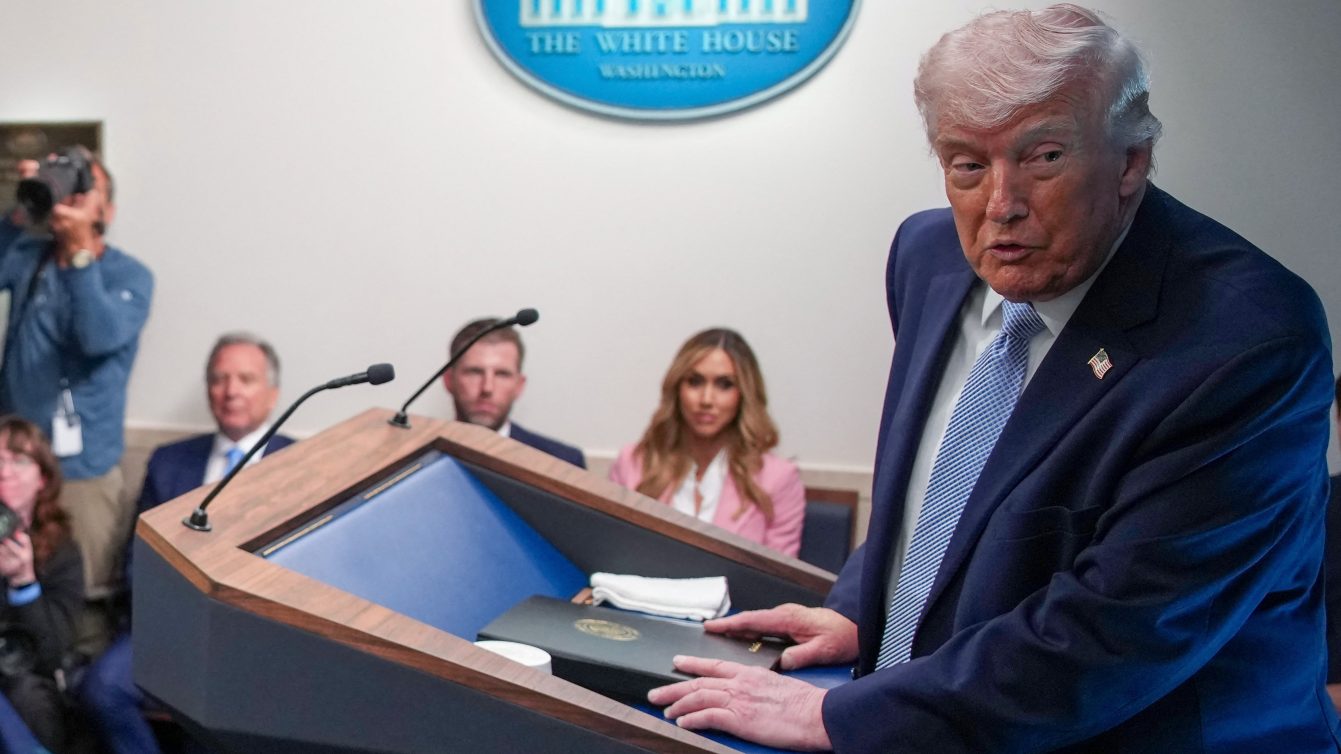
    The $16 million settlement Paramount paid regarding Trump’s complaints about CBS’s election coverage—described by Colbert as ‘a big fat bribe’—adds to concerns about financial influences on editorial independence. With CNN now facing similar ownership changes under Skydance, media analysts warn of reduced editorial diversity and increased alignment with administration-preferred narratives across major news networks.

    Christopher Terry, Professor at the University of Minnesota, emphasized the broader implications: ‘The real danger is the deals that follow because of this deal,’ suggesting this acquisition could inspire copycat megamergers that fundamentally reshape the American media landscape.