分类: politics

  • Argentina’s Milei opens Congress praising Trump and attacking opposition

    Argentina’s Milei opens Congress praising Trump and attacking opposition

    In a characteristically combative address to Argentina’s Congress on Sunday, libertarian President Javier Milei delivered a 90-minute polemic that celebrated his administration’s accomplishments while launching vitriolic attacks against political opponents. The presidential speech, marked by heated exchanges with opposition lawmakers, served as both a victory lap and declaration of continued political warfare.

    Milei’s address came following significant legislative victories that have strengthened his position. The president highlighted several key achievements including labor market reforms, adjustments to criminal responsibility age thresholds, the Mercosur-European Union trade pact, and preliminary approval of glacier protection legislation. “This extraordinary session represents one of the most productive periods in our historical record, fulfilling all campaign commitments made for 2025,” Milei declared.

    The Argentine leader devoted substantial attention to international relations, particularly emphasizing his administration’s alignment with the United States. Milei praised the financial assistance provided by Washington and highlighted his “special relationship” with former President Donald Trump, whom he characterized as a “key ally.” In a notable rhetorical flourish, Milei echoed Trump’s signature phrase, proclaiming, “We must create the century of the Americas. Make America Great Again.”

    Milei articulated Argentina’s geopolitical advantages, emphasizing the nation’s abundance of critical minerals sought by Western nations, strategic access to both Atlantic and Pacific oceans, and proximity to Antarctica. “Argentina functions as a natural nexus within the West’s strategic value chain,” the president asserted.

    The address frequently descended into confrontation as Milei denounced opposition legislators as “thieves,” “murderers,” and “ignorant” individuals. He specifically targeted former leftist President Cristina Fernández de Kirchner, currently imprisoned on corruption charges.

    Political analysts note Milei’s significantly strengthened legislative position compared to his early presidency in 2023, when his La Libertad Avanza party ranked only third in congressional representation. Following the 2025 elections and alliance with the right-wing Republican Proposal (PRO) party, Milei’s coalition now commands the largest bloc in both chambers and maintains veto-sustaining capabilities.

    According to Gustavo Marangoni, political scientist and director of M & R Asociados consulting firm, the administration has successfully consolidated support from previously reserved or critical allies, including PRO members who now demonstrate “perfect alignment with the ruling party.” Juan Negri, director of the Political Science program at Torcuato Di Tella University, observed that Milei now operates with “significant support and a parliamentary majority that seemed unprecedented in 2023.”

  • UK toughens asylum rules to discourage migration

    UK toughens asylum rules to discourage migration

    The United Kingdom has implemented a sweeping transformation of its asylum framework, introducing temporary refugee status provisions that mark a significant departure from previous protection protocols. Effective March 2, the Home Office’s new regulations mandate that both adult refugees and their accompanying children will undergo comprehensive status reassessment every 30 months.

    This structural reform establishes a conditional protection system where refugees demonstrating continued need for sanctuary will receive renewed status, while those originating from nations now classified as safe will face expectations to return to their countries of origin. The policy carves out an exemption for unaccompanied minors, who will maintain protected status for five-year intervals while authorities deliberate on permanent solutions for this vulnerable demographic.

    Home Secretary Shabana Mahmood defended the controversial measures, asserting that the previous system’s perceived generosity had created unsustainable pull factors encouraging perilous migration journeys and enriching human trafficking networks. The policy shift aligns with Denmark’s successful immigration model, which has driven asylum applications to historic lows through similar stringent approaches.

    Opposition voices from charitable organizations and Labour Party legislators have condemned the reforms, warning they will destabilize settled refugee communities and create perpetual uncertainty. Additional proposed measures requiring parliamentary approval would extend the waiting period for permanent residency applications from five to twenty years.

    The policy revision occurs against a backdrop of record asylum applications, with over 110,000 claims recorded in the year ending September 2025—representing a 13% increase from the previous year and exceeding previous historical peaks. Primary countries of origin for applicants include Pakistan, Eritrea, Iran, Afghanistan, and Bangladesh, while refusal rates have surged alongside slightly increased initial approval percentages compared to 2024.

  • CBS in turmoil as US media feels pressure under Trump

    CBS in turmoil as US media feels pressure under Trump

    A significant crisis is unfolding at CBS News as the renowned broadcast network experiences substantial internal upheaval following its acquisition by Paramount Skydance in mid-2025. The organization, once celebrated for its journalistic excellence under legendary figures like Walter Cronkite and Edward R. Murrow, now faces serious allegations of editorial interference that many insiders attribute to the influence of President Donald Trump’s administration.

    The situation escalated when CBS’s new leadership, headed by Trump ally David Ellison, appointed Bari Weiss—a known critic of progressive politics—as Editor in Chief. Weiss’s controversial decisions included abruptly pulling a scheduled report on the Trump administration’s immigration policies hours before broadcast, which later aired with substantial revisions. This move prompted widespread concern among journalists and triggered a wave of resignations, including top producers from the flagship ’60 Minutes’ program.

    Further controversy emerged when the network blocked Stephen Colbert from airing his interview with Texas Democrat James Talarico, who is challenging Republican Senator John Cornyn. The conflict reflects broader patterns of corporate media behavior, as noted by FCC commissioner Anna M. Gomez, who described these developments as ‘troubling examples of corporate capitulation’ to administrative pressure campaigns.

    Academic experts analyzing the situation suggest strategic motivations behind these changes. Victor Pickard, Professor of Media Policy at the University of Pennsylvania, indicated that CBS’s new approach primarily aims to ‘appease or curry favor with the Trump administration’ ahead of potential acquisitions, including the upcoming purchase of Warner Bros Discovery.

    The $16 million settlement Paramount paid regarding Trump’s complaints about CBS’s election coverage—described by Colbert as ‘a big fat bribe’—adds to concerns about financial influences on editorial independence. With CNN now facing similar ownership changes under Skydance, media analysts warn of reduced editorial diversity and increased alignment with administration-preferred narratives across major news networks.

    Christopher Terry, Professor at the University of Minnesota, emphasized the broader implications: ‘The real danger is the deals that follow because of this deal,’ suggesting this acquisition could inspire copycat megamergers that fundamentally reshape the American media landscape.

  • ‘Activist’: Angus Taylor snaps at journalist in Trump-like spray over ISIS brides

    ‘Activist’: Angus Taylor snaps at journalist in Trump-like spray over ISIS brides

    Australian Opposition Leader Angus Taylor engaged in a heated exchange with a journalist during a press conference addressing the controversial issue of repatriating citizens with ISIS connections. The confrontation occurred Monday following Taylor’s meeting with Nationals MP Michael McCormack and representatives of the persecuted Yazidi community.

    The political firestorm centers on the Coalition’s proposed legislation to criminalize assistance for 34 women and children seeking return to Australia after years in Syrian detention camps. These individuals are connected to ISIS fighters who traveled to support the terrorist organization in the Middle East.

    Taylor repeatedly characterized the group as ‘ISIS sympathizers’ during the briefing, emphasizing that one woman already faces temporary return restrictions. When pressed on whether this designation extended to children involved, the Opposition Leader maintained his position without qualification.

    The tension escalated when Saturday Paper journalist Jason Koutsoukis questioned why Syria should bear responsibility for Australian citizens. Taylor interrupted, referencing ISIS atrocities including mass genocide and murders of innocent people before challenging the reporter’s professional capacity: ‘Either you’re an activist or a journalist—you need to make up your mind which one you are.’

    The Coalition has consistently accused the federal government of facilitating the group’s return, allegations vigorously denied by Home Affairs Minister Tony Burke and Prime Minister Anthony Albanese. The controversy deepened with revelations that Burke associate Dr. Jamal Rifi is currently in Syria assisting the cohort, though Burke confirmed during Monday’s Question Time that their last communication occurred ‘many, many months’ ago.

    The parliamentary debate coincides with Save the Children’s expressed disappointment regarding Australia’s refusal to assist citizens in distress overseas, highlighting the complex humanitarian and security dimensions of this politically charged issue.

  • US troop deaths ignite anger over ‘war for Israel’

    US troop deaths ignite anger over ‘war for Israel’

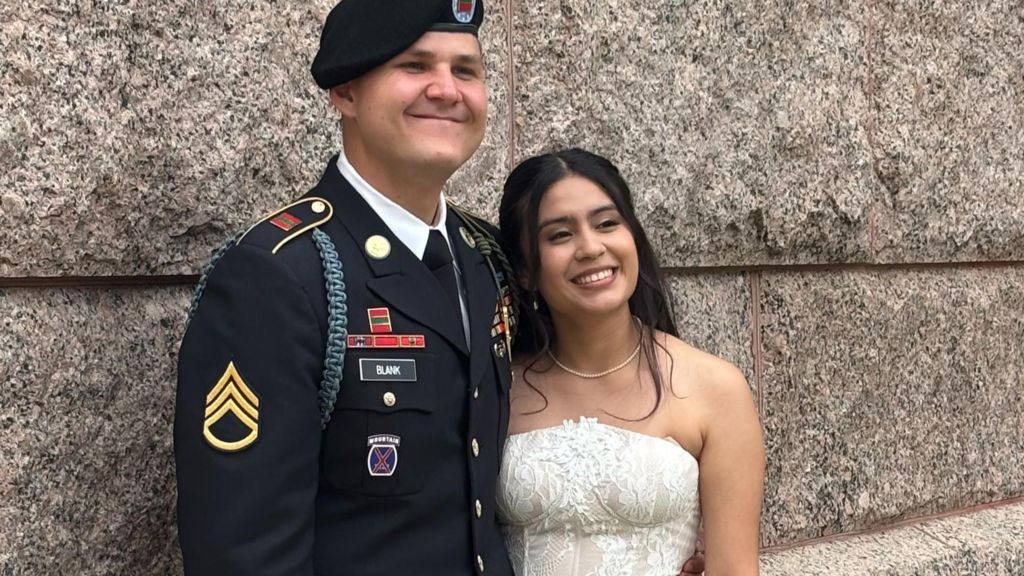
    The Pentagon confirmed on Sunday that three American service members lost their lives and five sustained serious injuries during joint military operations with Israel against Iranian targets. This development marks the first US combat fatalities since the initiation of this conflict. According to US Central Command, several additional personnel received minor shrapnel wounds and concussions, with many already returning to active duty while major combat operations persist.

    The incident, reported by NBC News to have occurred in Kuwait based on US official sources, has ignited substantial political backlash within the United States. Critics from across the political spectrum have intensified their condemnation of Washington’s decision to engage in a conflict that many argue primarily serves Israeli strategic interests rather than American national security objectives.

    Prominent Republican figures including former congresswoman Marjorie Taylor Greene offered condolences to bereaved families while simultaneously denouncing the military intervention as “absolutely unnecessary and unacceptable.” Greene emphasized that she and other Trump allies had campaigned explicitly against foreign wars and regime change operations.

    Democratic Senator Chris Van Hollen similarly criticized the escalation, noting that fallen soldiers “should still be with us” and characterizing the conflict as “Trump’s war of choice” despite campaign promises to avoid such entanglements.

    The criticism extends beyond traditional political channels, with influential voices from Trump’s own MAGA movement expressing vehement opposition. Longtime Trump ally Tucker Carlson described the joint US-Israeli operation as “absolutely disgusting and evil” during an ABC News interview, predicting substantial realignment within Trump’s political base due to this decision.

    Pro-Trump commentator Tim Pool joined the criticism, labeling the military action a betrayal of core campaign promises, while influential MAGA commentators Keith and Kevin Hodge explicitly rejected the intervention’s rationale, stating that freeing Iranian people was not their motivation for supporting Trump.

    The fatalities have intensified fundamental debates about whether American forces are effectively advancing national interests or primarily supporting Israeli strategic objectives in the region, raising questions about the future direction of US foreign policy in the Middle East.

  • Explained: Who will lead Iran now and what happens next?

    Explained: Who will lead Iran now and what happens next?

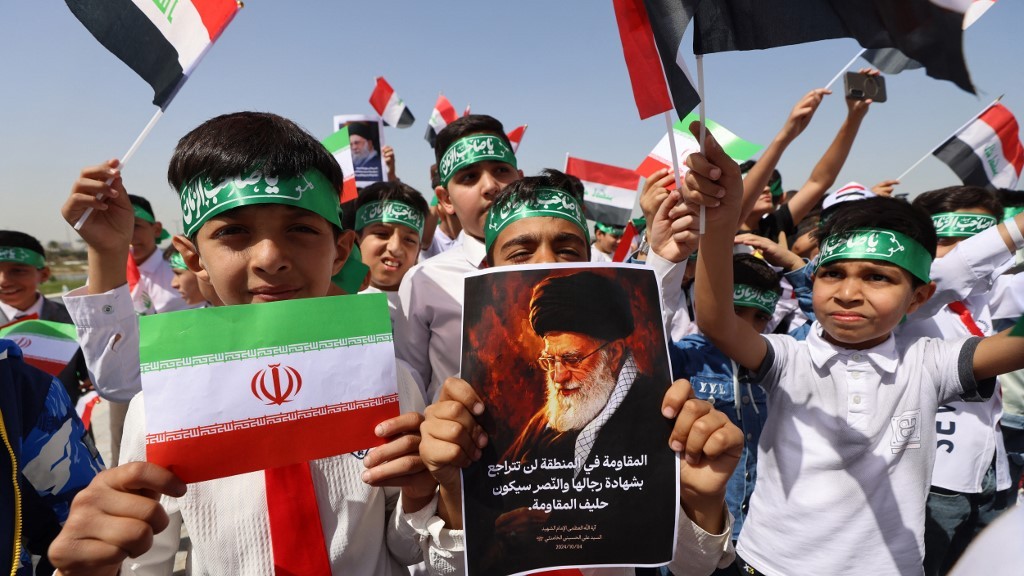
    Iran confronts an unprecedented leadership vacuum following the death of Supreme Leader Ali Khamenei, who held power for nearly four decades. His passing triggers constitutional protocols that place temporary authority with a three-member council consisting of President Masoud Pezeshkian, Judiciary Chief Gholam-Hossein Mohseni-Ejei, and Ayatollah Alireza Arafi from the Guardian Council.

    The succession process reveals the complex architecture of Iran’s political system, centered on the concept of Marja al-Taqlid (source of emulation) in Shia Islam. The Assembly of Experts, comprising 88 high-ranking Shia scholars, holds constitutional responsibility for selecting the new leader. However, this body operates within a carefully constructed vetting system that ensures only Khamenei-loyal candidates participate in the selection process.

    Multiple structural challenges complicate the transition. The Guardian Council, with half its members directly appointed by the late leader, serves as the primary filter for Assembly candidates. Additional vetting comes from the Ministry of Intelligence and the IRGC’s intelligence branch, creating what analysts describe as an impenetrable loyalty screen.

    The practical difficulties of convening the Assembly during heightened regional tensions present further complications. Recent targeted strikes against Iranian officials have raised questions about the safety of gathering members physically, potentially delaying the selection process.

    Several names have emerged as potential successors, including Ayatollah Arafi (already serving on the interim council), former judiciary head Ayatollah Sadeq Larijani, former president Hassan Rouhani, and Khamenei’s son Mojtaba. Beyond formal qualifications requiring religious expertise, political vision, and administrative capability, the successful candidate must maintain functional relationships with the powerful Revolutionary Guards and navigate competing fundamentalist and conservative factions.

    The 1989 selection of Khamenei himself, despite his then-questionable religious credentials, suggests that political considerations may ultimately outweigh strict doctrinal requirements in determining Iran’s next supreme leader.

  • Penny Wong lashed as Coalition, Greens vote to suspend Senate for Iran vote

    Penny Wong lashed as Coalition, Greens vote to suspend Senate for Iran vote

    Australia’s parliamentary proceedings descended into political turmoil as lawmakers clashed over a controversial motion concerning recent US-Israeli military actions against Iran. The Coalition and Greens parties forced an unexpected suspension of standing orders, temporarily halting government business to introduce a contentious resolution.

    Coalition Senator Michaelia Cash introduced the motion expressing support for US strikes against Iran and welcoming the death of Iranian leader Ayatollah Ali Khamenei, whom she characterized as ‘the most evil person in history.’ The resolution further sought to affirm Australia’s opposition to Iran’s alleged nuclear weapons program and condemn attacks on US allies in the Gulf region.

    Foreign Affairs Minister Penny Wong opposed the procedural motion while supporting the substantive motion with amendments. Wong emphasized prioritizing the safety of approximately 115,000 Australians in the region and criticized the opposition for their previous inaction on Iranian sanctions during their tenure.

    The debate grew increasingly acrimonious as senators exchanged heated remarks across party lines. One Nation Leader Pauline Hanson endorsed the motion, claiming Iranians were ‘dancing in the streets’ following the Ayatollah’s death. Tensions escalated when independent Senator Lidia Thorpe accused Hanson of using derogatory language, resulting in a personal confrontation.

    Greens senators criticized both major parties for supporting what they termed an ‘illegal war,’ with Senator David Shoebridge accusing Labor and Liberals of forming ‘the three war parties.’ The discussion also touched on concerns about regional stability, international law violations, and potential repercussions from other global powers.

    The parliamentary interruption delayed scheduled debates on Indigenous affairs, specifically the Closing the Gap initiative, highlighting the competing priorities facing Australian lawmakers amid international crises.

  • Trump vows to avenge first US deaths as Iran war intensifies

    Trump vows to avenge first US deaths as Iran war intensifies

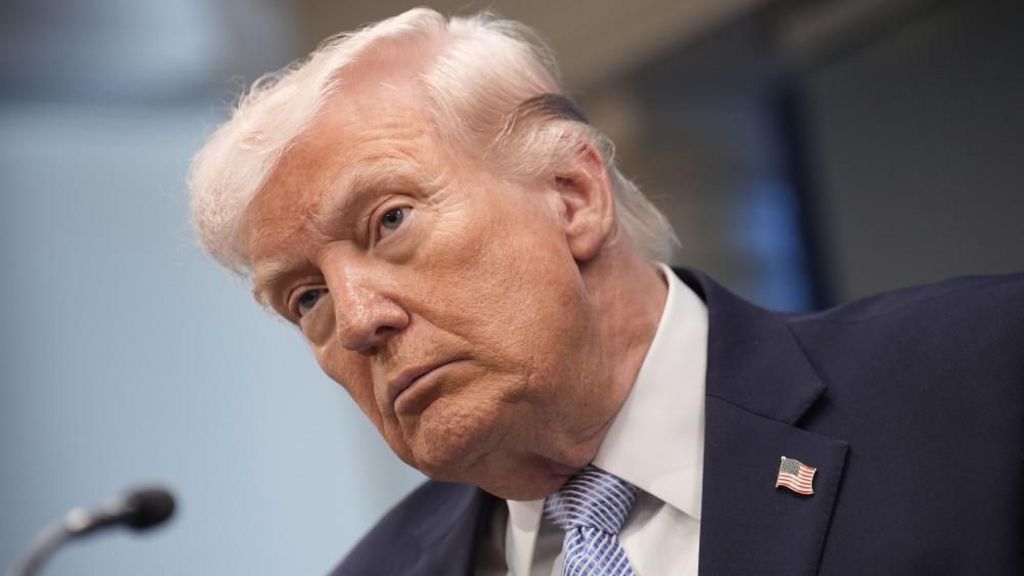
    The Middle East conflict initiated by the United States has entered a dangerous new phase with the confirmation of the first American military fatalities. President Donald Trump, speaking from his Mar-a-Lago estate in Florida, pledged severe retaliation against Iranian forces following a coordinated US-Israeli offensive that eliminated Iran’s Supreme Leader Ayatollah Ali Khamenei and decimated the headquarters of Iran’s Islamic Revolutionary Guard Corps (IRGC).

    The Pentagon confirmed three US service members killed and five seriously wounded in Operation ‘Epic Fury’ – the joint military campaign targeting Iranian leadership and military infrastructure. President Trump warned of additional casualties while promising ‘the most punishing blow to the terrorists who have waged war against civilization.’

    Iran’s response has been immediate and widespread, launching missile and drone attacks across the Middle East that have caused significant casualties in Israel and the United Arab Emirates. The conflict has transformed glittering Gulf economic centers into conflict zones, with explosions reported in previously secure urban areas.

    In Israel, Beit Shemesh suffered a devastating missile strike that killed nine civilians and injured dozens. The Iran-backed Hezbollah movement in Lebanon also entered the conflict, launching projectiles into northern Israel despite being weakened by previous Israeli military actions.

    Political fallout within the United States has been immediate, with House Democratic leader Hakeem Jeffries condemning the operation as a ‘reckless decision’ lacking sufficient justification. The casualties present a particular political challenge for President Trump, who built his political career criticizing foreign military interventions.

    Iran’s interim leadership, including President Masoud Pezeshkian and newly appointed Ayatollah Alireza Arafi, has vowed severe retaliation, characterizing Khamenei’s assassination as ‘a declaration of war against Muslims.’ Ali Larijani, head of Iran’s Supreme National Security Council, promised unprecedented counterstrikes against American and Israeli targets.

    The international response remains divided, with the attack occurring just two days after reportedly productive nuclear negotiations between US and Iranian officials in Oman. The sultanate itself became a casualty of the conflict when its commercial port at Duqm suffered drone strikes that injured a foreign worker.

    Maritime security has deteriorated dramatically, with three commercial vessels attacked in the strategically vital Strait of Hormuz and global oil prices spiking after Iran declared the waterway closed to navigation. While Iran’s Revolutionary Guards claimed successful strikes against the USS Abraham Lincoln, Pentagon officials dismissed these assertions as ‘not even close’ to accurate.

    Humanitarian organizations report significant casualties within Iran, with the Red Crescent documenting 201 fatalities and hundreds injured from the initial strikes. Among the confirmed deaths are Ali Shamkhani, a senior adviser to Khamenei, and General Mohammad Pakpour, commander of the Revolutionary Guards ground forces.

    The UAE has taken diplomatic action against Iran, recalling its ambassador and closing its embassy in response to attacks that killed three of its citizens. The conflict has sparked both celebration and anger across the region, with protests outside the US consulate in Karachi, Pakistan resulting in 17 fatalities.

  • Could Kim’s teen daughter become North Korea’s next leader?

    Could Kim’s teen daughter become North Korea’s next leader?

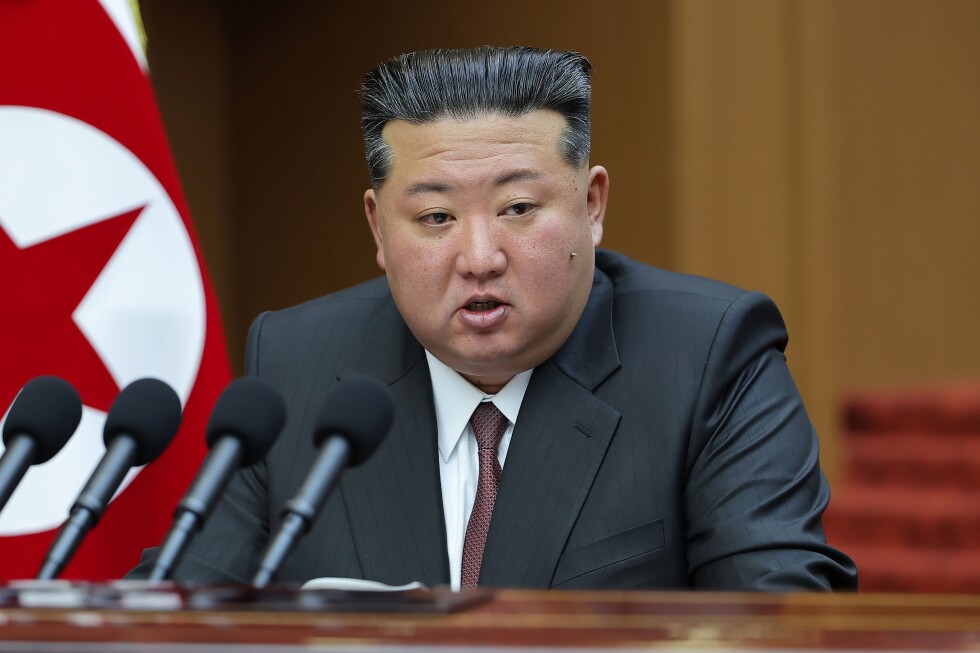
    The recent Workers’ Party Congress in North Korea has ignited intense speculation about the nation’s future leadership, shifting attention from Kim Jong Un’s routine nuclear threats toward his mysterious daughter’s political emergence. While the dictator used the platform to reaffirm his commitment to expanding sanctioned weapons programs, the absence of clear succession announcements has fueled analytical debates about 13-year-old Kim Ju Ae’s potential role.

    Intelligence assessments from Seoul suggest Kim has designated his daughter as political heir, though concrete evidence remains elusive. Her increasing visibility in state media—appearing alongside her father during military inspections and strategic meetings—marks a significant departure from North Korea’s traditionally secretive leadership transitions. Analysts note her central positioning in official photographs and the regime’s use of honorific language typically reserved for supreme leaders.

    Cheong Seong-chang, a prominent North Korea watcher at Sejong Institute, interprets these developments as deliberate preparation for hereditary succession. “The state media is cultivating her personality cult using terminology previously exclusive to sitting leaders,” he observes. Her military engagements appear particularly significant, with top generals shown kneeling to communicate with her during parades—a visual narrative designed to establish military credibility.

    However, former North Korean diplomat Ryu Hyun-woo challenges this interpretation, citing the country’s deeply entrenched patriarchy. Despite her Paektu bloodline connection to founding leader Kim Il Sung, Ryu argues that traditional gender norms would prevent female leadership. He describes widespread gender discrimination, including superstitious practices among taxi drivers who consider female passengers bad luck.

    The debate coincides with evolving social dynamics in North Korea. Researcher Song Hyun-jin documents how women gained economic influence during the 1990s famine, eventually rising to management positions and party roles. State television now occasionally shows men performing domestic chores, reflecting gradual social shifts.

    Kim Jong Un’s sister, Kim Yo Jong, recently ascended to propaganda minister, potentially positioning her as a regent figure should juvenile succession occur. This maneuvering suggests the regime is preparing for leadership continuity rather than reform, with analysts expecting any transition to maintain the country’s authoritarian trajectory.

    The attention surrounding Ju Ae may itself serve regime objectives, according to Ryu: “Kim thrives on international speculation about his dynasty—it reinforces his perceived importance on the global stage.”

  • Iran’s regime was built for survival and a long war is now likely

    Iran’s regime was built for survival and a long war is now likely

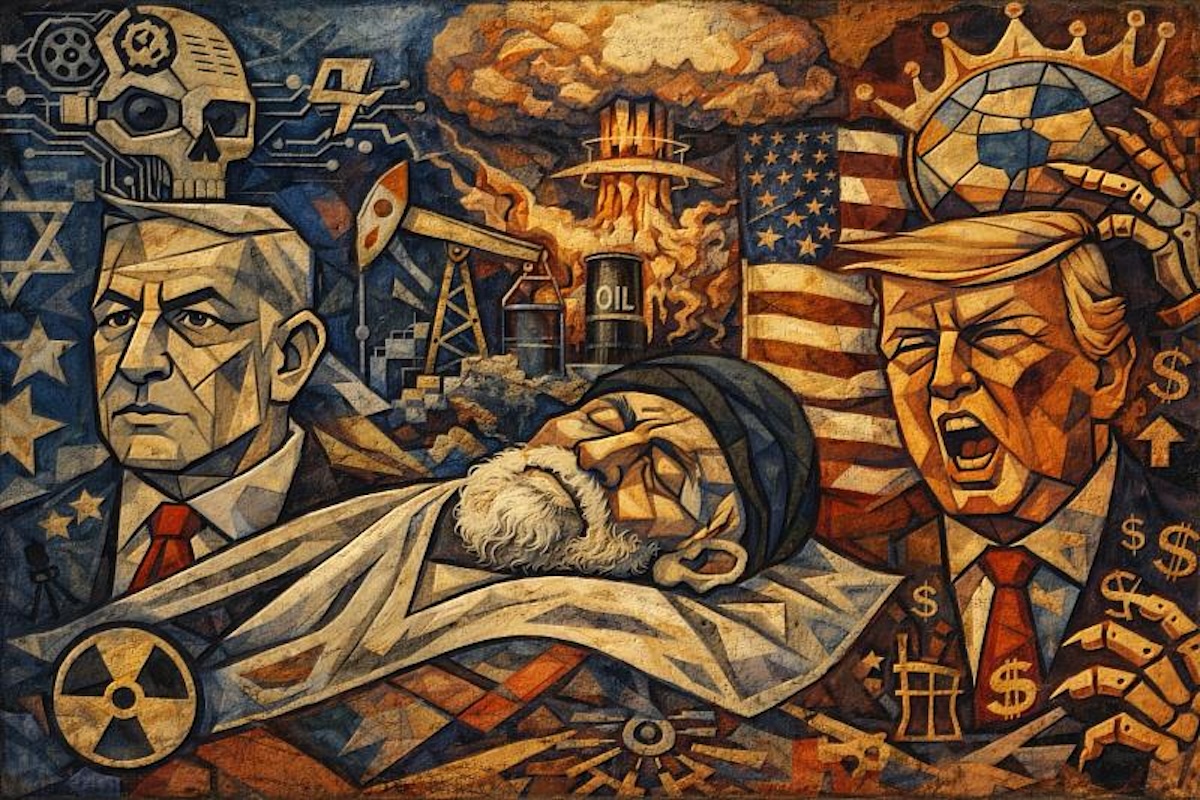
    The Middle East has descended into open warfare following the targeted assassination of Iranian Supreme Leader Ayatollah Ali Khamenei in a joint US-Israeli military operation. Tehran responded with immediate retaliatory strikes against Israeli and US military installations across the region, marking a significant escalation in longstanding tensions.

    US President Donald Trump and Israeli Prime Minister Benjamin Netanyahu publicly acknowledged their objective of facilitating regime change in Iran, though the immediate consequences have been widespread conflict rather than political transformation. The assassination represents the most significant blow to Iran’s Islamic regime since the 2020 killing of Qassem Soleimani, though historical precedent suggests the regime possesses considerable resilience.

    Khamenei’s dual role as both political and spiritual leader complicates the succession process. The Assembly of Experts must now convene to appoint an interim or permanent successor, with three primary candidates emerging: Gholam-Hossein Mohseni-Eje’i (head of judiciary), Ali Asghar Hejazi (Khamenei’s chief-of-staff), and Hassan Khomeini (grandson of the republic’s founder).

    The Islamic Revolutionary Guard Corps (IRGC) and paramilitary Basij forces remain firmly committed to regime preservation, having previously demonstrated willingness to suppress domestic dissent through lethal force during the 2025-2026 protests. The regime’s survival apparatus appears intact despite the leadership decapitation.

    Iran’s retaliatory measures have extended beyond direct military strikes to economic warfare tactics. The IRGC has initiated operations to choke the Strait of Hormuz, through which 20% of global oil and 25% of liquefied gas transit daily. This strategic maneuver threatens severe disruptions to worldwide energy markets and economic stability.

    International responses have highlighted the conflict’s global implications. China, Russia, and United Nations Secretary-General António Guterres have condemned the US-Israeli actions and called for de-escalation, though diplomatic solutions appear increasingly remote. The attacks occurred amid ongoing nuclear negotiations that Omani mediators described as nearing successful resolution.

    Analysts suggest the conflict may extend for weeks rather than days, with both sides demonstrating willingness to cross previously established red lines. The Trump administration appears to be using the confrontation to assert continued US global dominance, while Netanyahu seeks to cement Israel’s regional hegemony.

    The humanitarian consequences are expected to be severe, with Iranian civilians, regional stability, and global economic interests all facing significant collateral damage from what observers characterize as a war of choice for geopolitical advantage.