分类: politics

  • India and Canada reset ties with ‘landmark’ nuclear energy deal

    India and Canada reset ties with ‘landmark’ nuclear energy deal

    In a significant diplomatic turnaround, India and Canada have unveiled a comprehensive suite of agreements aimed at revitalizing their bilateral relationship, previously marred by serious tensions. The cornerstone of this renewed partnership is a landmark 10-year civil nuclear energy deal, announced following high-level talks in New Delhi between Indian Prime Minister Narendra Modi and his Canadian counterpart, Mark Carney.

    The two leaders pledged to deepen cooperation across multiple strategic sectors, including defense technology, critical minerals, space exploration, and advanced education. A particularly ambitious goal set was the conclusion of a long-pending free trade agreement, dubbed the Comprehensive Economic Partnership Agreement, by the end of 2026. This move is strategically viewed as a mutual effort to mitigate exposure to punitive trade tariffs imposed by the United States.

    This diplomatic reset follows a period of severe strain triggered in 2023 when former Canadian Prime Minister Justin Trudeau alleged potential Indian government links to the assassination of Sikh separatist Hardeep Singh Nijjar on Canadian soil—an accusation India vehemently denied. The fallout led to a near-complete breakdown in relations, involving reciprocal expulsions of diplomats and suspension of visa services.

    Since assuming office last year, Prime Minister Carney has adopted a pragmatic approach, consciously moving past the allegations. His government has stated it believes India is not currently linked to violent threats in Canada, though the Nijjar case remains before the courts. This shift has enabled a cautious but rapid rebuilding of ties, with Carney noting that governmental engagement in the past year has surpassed the total of the previous two decades.

    Beyond nuclear energy, the partnership will focus on joint development of small modular reactors, collaboration in artificial intelligence, supercomputing, semiconductor manufacturing, and a jointly hosted renewable energy summit. Both leaders emphasized the countries’ long-standing people-to-people connections, with Canada hosting one of the largest Indian diasporas globally.

    Analysts interpret this reconciliation as a pragmatic response to contemporary geopolitical realignments. For India, it represents a strategic step toward diversifying trade partnerships and reducing energy dependence on Russia. For Canada, it is part of a broader strategy to diversify its trade relationships and attract new investments, with Carney’s trip continuing to Australia and Japan.

  • China’s national legislature to hold press conference ahead of annual session

    China’s national legislature to hold press conference ahead of annual session

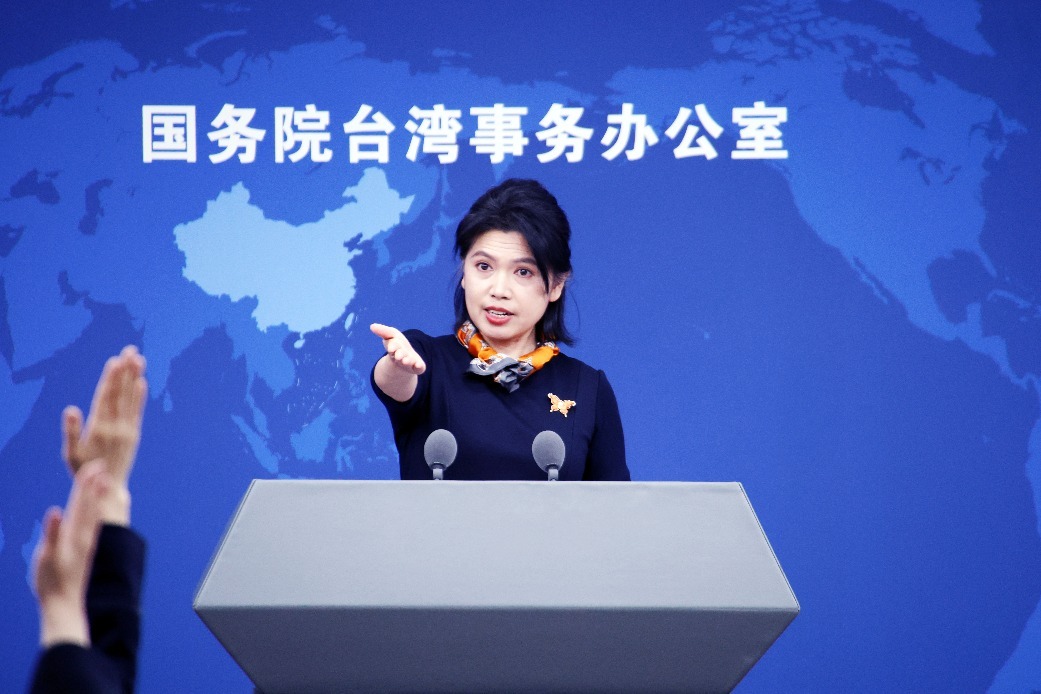
    BEIJING – China’s National People’s Congress (NPC) will conduct a formal press conference on Wednesday preceding the commencement of its annual legislative session, as confirmed by an official announcement released Monday. The media briefing, scheduled one day prior to the formal opening of the fourth session of the 14th NPC, will feature the legislature’s designated spokesperson addressing inquiries from domestic and international journalists.

    The press conference will serve as a crucial informational platform, providing comprehensive details regarding the session’s official agenda and outlining the substantive work undertaken by people’s congresses across various administrative levels. This pre-session briefing represents an established procedural tradition that enhances governmental transparency and facilitates media understanding of forthcoming legislative priorities.

    The annual NPC gathering constitutes China’s most significant political event, bringing together thousands of delegates from across the nation to deliberate on policy directives, legislative amendments, and national development strategies. The press conference mechanism enables journalists to obtain authoritative explanations regarding procedural matters and substantive agenda items before formal deliberations commence.

    This structured approach to media engagement reflects the NPC’s ongoing commitment to organized information dissemination and systematic communication with press representatives covering the parliamentary proceedings. The spokesperson’s briefing will establish the foundational context for understanding the scope, focus, and anticipated outcomes of the upcoming legislative session.

  • Macron says France will allow temporary deployment of nuclear-armed jets to allied nations

    Macron says France will allow temporary deployment of nuclear-armed jets to allied nations

    In a significant shift in nuclear policy, French President Emmanuel Macron declared on Monday that France would permit the temporary stationing of its nuclear-capable aircraft at allied nations’ facilities. The announcement, made during a strategic address at the L’Ile Longue ballistic missile submarine base in northwestern France, marks a recalibration of Europe’s security architecture amid growing continental uncertainties.

    Macron emphasized that while elements of France’s strategic air forces might be deployed to partner nations, ultimate authority over nuclear weapon deployment would remain exclusively with the French presidency. This distinction maintains France’s sovereign control while extending deterrence capabilities to allies.

    The French leader confirmed ongoing discussions with multiple European partners including Britain, Germany, Poland, the Netherlands, Belgium, Greece, Sweden, and Denmark regarding these arrangements. In a parallel development, Macron revealed plans to expand France’s nuclear arsenal by increasing warhead numbers above the current level of approximately 300—the first such augmentation since at least 1992, though specific quantities remain unspecified.

    This doctrinal evolution responds to mounting European security concerns, particularly regarding the reliability of American nuclear guarantees under NATO’s umbrella policy. Macron’s speech positioned French nuclear capabilities as a stabilizing force within the European Union, where France remains the sole nuclear power since Britain’s EU departure.

    The president articulated the deterrence philosophy underpinning these changes: ‘My responsibility is to ensure that our deterrence maintains—and will maintain in the future—its assured destructive power. If we had to use our arsenal, no state, however powerful, could shield itself from it.’

    Several nations have already engaged with France’s year-old offer to discuss nuclear deterrence cooperation, including German Chancellor Friedrich Merz’s acknowledgment of preliminary talks regarding potential German aircraft carrying French nuclear ordnance. Additionally, France and Britain recently established a framework for coordinated though independent nuclear forces, reinforcing trans-European security coordination.

  • Democrats criticize government for attacks on Iran

    Democrats criticize government for attacks on Iran

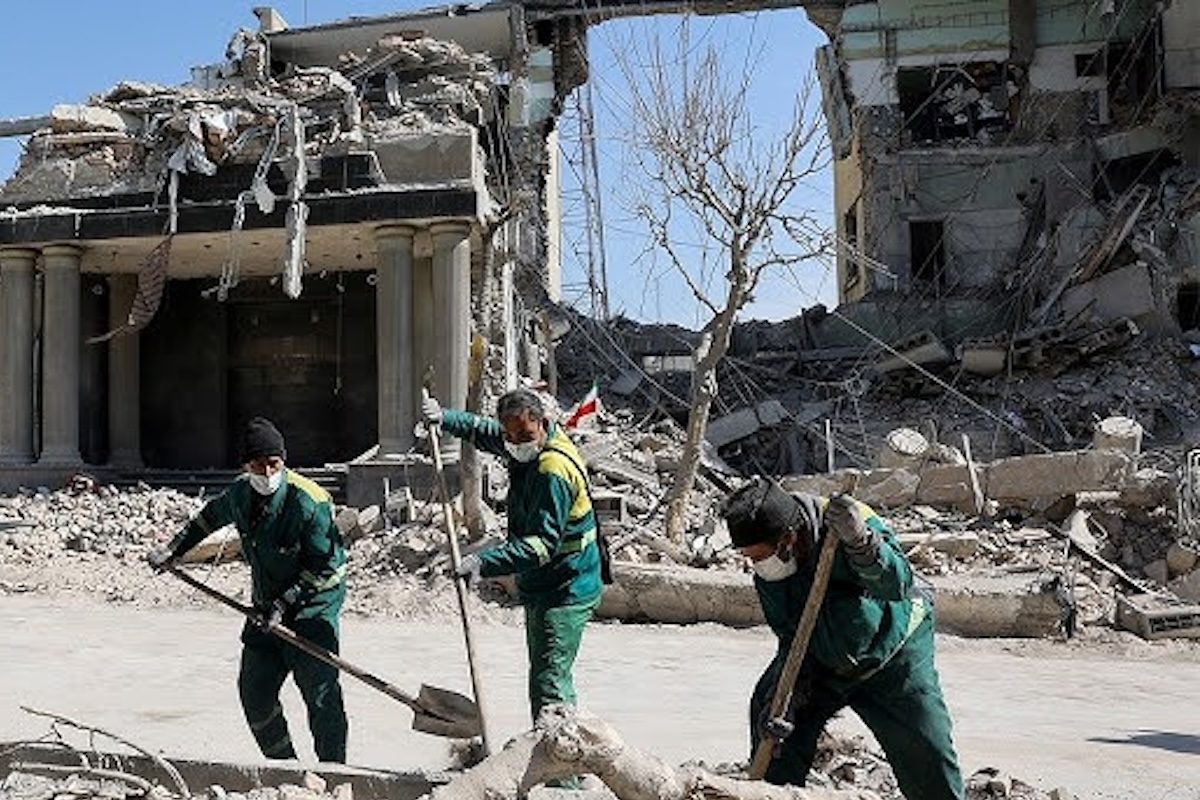
    WASHINGTON — A significant constitutional confrontation has emerged within the U.S. government as prominent Democratic legislators vehemently criticized the administration for executing extensive military operations against Iran without obtaining congressional war authorization. The strikes, which reportedly resulted in substantial casualties including schoolchildren, have ignited a fierce debate about executive overreach and constitutional war powers.

    Senator Mark Warner, vice-chairman of the Senate Select Committee on Intelligence, articulated grave concerns regarding the legal foundation of the military action. ‘By the president’s own acknowledgment, American lives may be lost in these operations,’ Warner stated. ‘This sobering reality should have mandated the most rigorous scrutiny, deliberation and accountability. Instead, the administration proceeded without seeking congressional authorization, violating fundamental constitutional principles.’

    Veteran Senator Tim Kaine characterized the military campaign as ‘a colossal strategic error’ and demanded immediate congressional reconvention to vote on authorizing or restricting further strikes against Iran. ‘For months, I have consistently emphasized that the American public desires economic relief and lower prices, not unauthorized military engagements—particularly those lacking clear objectives or constitutional justification,’ Kaine asserted.

    The constitutional dimension was further emphasized by Representative Hakeem Jeffries, the House Democratic leader, who noted that the administration ‘failed to seek Congressional authorization prior to striking Iran,’ adding that any preemptive military action constituting war requires legislative approval except under ‘exigent circumstances.’

    The political fallout extends beyond constitutional questions, with Senator Ruben Gallego warning on social media that American citizens should not ‘pay the ultimate price for regime change and a war that hasn’t been adequately explained or justified to the American people.’ The lawmakers also expressed concern that the unauthorized operation has potentially exposed American military personnel to retaliatory actions from Iran, creating additional security vulnerabilities.

  • ‘Not party to the intelligence’: Albo avoids questions on legality of strikes which killed Iran’s Supreme Leader, condemns planned mourning

    ‘Not party to the intelligence’: Albo avoids questions on legality of strikes which killed Iran’s Supreme Leader, condemns planned mourning

    Australian Prime Minister Anthony Albanese has reaffirmed his government’s endorsement of the military operation that eliminated Iran’s Supreme Leader Ayatollah Ali Khamenei, while carefully sidestepping inquiries regarding the operation’s compliance with international law. The coordinated US-Israeli strikes, which targeted Tehran over the weekend, resulted in the death of Khamenei—who had governed Iran since 1989—alongside several other high-ranking Iranian officials.

    The geopolitical aftermath has triggered immediate regional instability, with Iran already launching retaliatory assaults against multiple Gulf States. Australia emerged among the earliest nations to publicly support the offensive, with Albanese, Deputy Prime Minister Richard Marles, and Foreign Minister Penny Wong issuing a collective statement justifying the action as necessary to prevent Iran from acquiring nuclear capabilities and endangering global security.

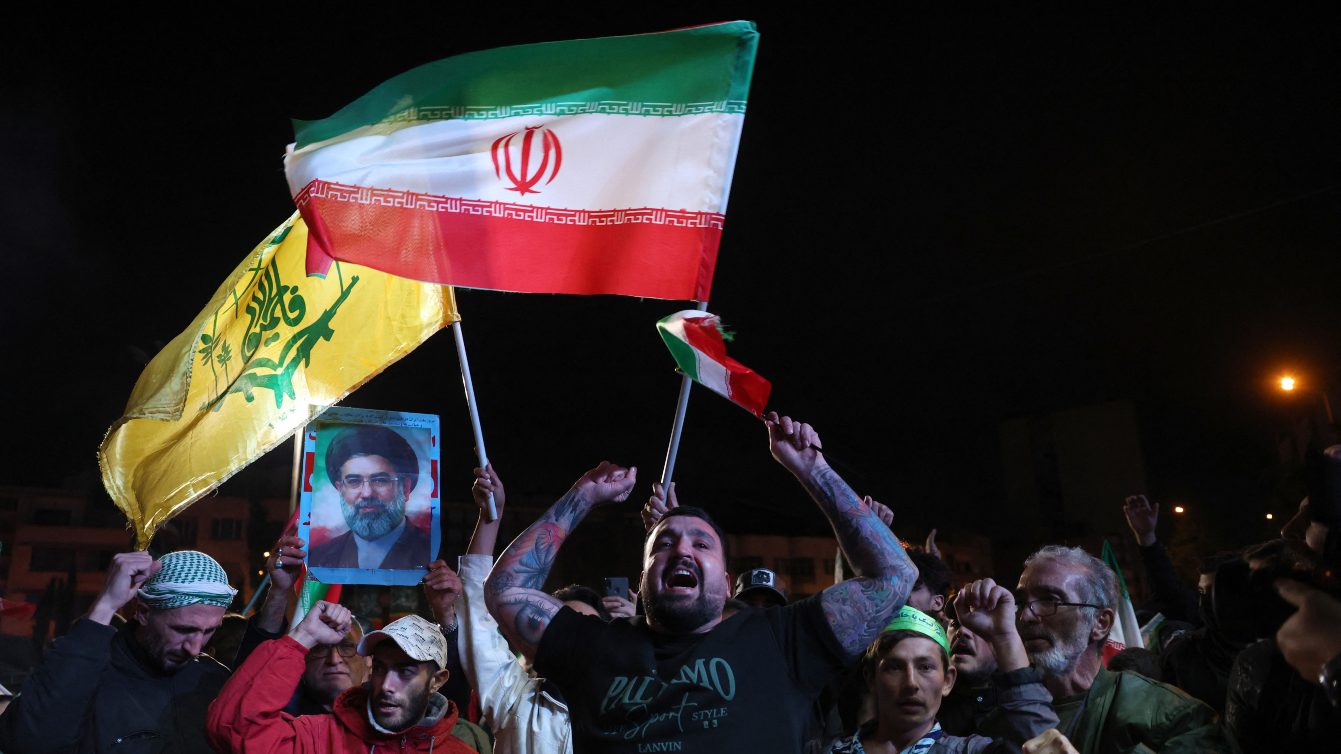
    During an appearance on ABC’s 7.30 Report, Albanese declined to address legal questions surrounding the preemptive strike, emphasizing that Australia was not privy to the intelligence underpinning the decision. He stated that the ayatollah’s death ‘would not be mourned’ in Australia, citing Iran’s history of state-sponsored terrorism, domestic oppression, and violent crackdowns on dissent.

    Albanese further condemned any public memorials honoring Khamenei as ‘inappropriate,’ expressing hope that the Iranian people would now determine their own political future free from the influence of the Islamic Revolutionary Guard and theocratic leadership.

    Meanwhile, Israel’s newly appointed ambassador to Australia, Hillel Newman, defended the operation as a justified act of self-defense, citing two primary threats: Iran’s nuclear ambitions and its development of ballistic missiles capable of large-scale attacks.

  • Cementing rural foundation for Chinese modernization

    Cementing rural foundation for Chinese modernization

    As China concludes its pivotal five-year transition period from absolute poverty eradication, the nation is now channeling its efforts toward cementing rural development as the cornerstone of its modernization blueprint. This strategic shift marks a significant evolution from the landmark achievement of February 2021, when President Xi Jinping declared China’s “complete victory” in lifting 98.99 million rural residents above the poverty threshold—a decade ahead of the UN’s 2030 Agenda target.

    The government’s approach has transcended mere poverty elimination, establishing a robust mechanism to prevent large-scale relapse while advancing comprehensive rural revitalization. Official data reveals sustained progress: per capita disposable income growth in formerly impoverished counties continues to outpace the national rural average, with employment among uplifted populations stabilizing above 30 million for five consecutive years.

    China’s resilience was tested during the December 2023 Gansu earthquake, where immediate intervention—including housing reconstruction for over 28,000 households—averted widespread regression into poverty. This demonstrated the effectiveness of the dynamic monitoring system designed to identify vulnerabilities through regular checks on key demographic groups.

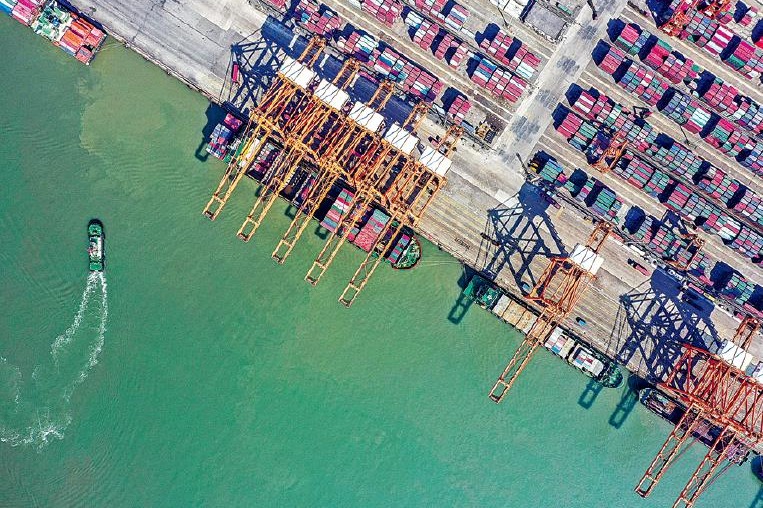
    Industrial development emerges as the centerpiece of this new phase. Across all 832 poverty-alleviated counties, cultivation of specialized industries has generated approximately $245 billion in output value. Coastal villages like Fujian’s Aojiao have transformed from traditional fishing into integrated economies featuring mariculture, e-commerce, and tourism—exemplifying how ecological assets can drive prosperity.

    The recently issued rural policy document introduces a groundbreaking mechanism for regularized, targeted assistance, signaling China’s entry into a new stage of precision rural development. During inspections in Guizhou and Yunnan, President Xi emphasized the critical importance of preventing poverty recurrence while promoting modernized agriculture and integrated urban-rural development.

    With the 15th Five-Year Plan (2026-2030) commencing, China’s rural strategy has crystallized around building agriculture into a modernized sector and ensuring rural populations achieve contemporary living standards—a vision that positions agrarian advancement as fundamental to national modernization.

  • Japanese protest bid to revise constitution

    Japanese protest bid to revise constitution

    TOKYO — In a significant display of public dissent, approximately one thousand Japanese citizens converged outside the Prime Minister’s official residence on Friday evening. The demonstration targeted Prime Minister Sanae Takaichi’s controversial initiative to amend Japan’s renowned pacifist Constitution, marking a critical moment of opposition against her administration’s policy direction.

    Protesters brandished placards with messages including ‘Oppose war, defend the Constitution’ and ‘No war, no Takaichi,’ while chanting slogans such as ‘No constitutional revision’ and ‘Protect peace.’ The organized rally represents growing societal apprehension regarding potential changes to Article 9, the constitutional provision that has formally renounced war and prohibited military aggression since Japan’s post-war Constitution took effect in 1947.

    The political climate has intensified since Takaichi assumed office in February 2026 and reaffirmed her commitment to constitutional reform. Simultaneously, the Prime Minister faces mounting criticism on multiple fronts, including her recent rejection of opposition demands for parliamentary approval regarding arms export decisions. Takaichi maintains that such determinations fall within the government’s executive authority following National Security Council deliberations.

    Further complicating matters, the ruling Liberal Democratic Party has proposed easing restrictions under Japan’s Three Principles on Transfer of Defense Equipment and Technology. This policy shift could enable exports of jointly developed defense equipment to third countries, potentially bypassing formal Diet voting procedures and raising democratic accountability concerns.

    Adding to the administration’s challenges, Takaichi faces allegations of potential violations of Japan’s Political Funds Control Act after distributing congratulatory gifts valued at approximately 30,000 yen ($192) per person to over 300 ruling party lawmakers. The gifts were funded through a local party chapter under her leadership, drawing scrutiny from opposition lawmakers and legal experts.

    Political analysts suggest these converging controversies may adversely affect deliberations on the fiscal 2026 budget and further diminish public confidence. Observers warn that sustained political disputes could substantially undermine governmental stability and the administration’s capacity to implement its agenda.

  • India and Canada agree to boost economic partnership in a move to reset ties

    India and Canada agree to boost economic partnership in a move to reset ties

    In a significant diplomatic development, India and Canada have committed to reinvigorating their economic relations following a period of substantial strain. The breakthrough emerged during high-level talks between Indian Prime Minister Narendra Modi and his Canadian counterpart Mark Carney in New Delhi on Monday.

    The two leaders announced ambitious plans to finalize a comprehensive economic partnership agreement by year’s end, setting a bilateral trade target of $50 billion by 2030. This initiative represents a substantial escalation in economic cooperation between the two nations, who had previously experienced diplomatic friction over allegations of Indian involvement in the killing of a Canadian Sikh activist near Vancouver in June 2023.

    The diplomatic rift had resulted in reciprocal expulsions of senior diplomats and suspension of certain visa services. Relations began improving when Carney extended an invitation to Modi for the G7 summit in Alberta last June, signaling a desire to rebuild diplomatic channels.

    Beyond trade, the nations signed a nuclear agreement facilitating Canadian uranium exports to India. Additional memoranda of understanding covered critical minerals, energy security, defense industry collaboration, maritime domain awareness, and cultural cooperation.

    Carney’s visit to India forms part of his broader strategy to diversify Canadian trade relationships beyond the United States. The Canadian leader has articulated ambitions to double non-U.S. exports within the next decade, citing American tariff policies as creating investment uncertainty. Following his India visit, Carney is scheduled to continue his trade diversification mission with stops in Australia and Japan.

  • Trump says US strikes Iran ‘in full force’, predicting more US casualties

    Trump says US strikes Iran ‘in full force’, predicting more US casualties

    President Donald Trump has declared that United States military operations against Iran are proceeding “in full force” and are expected to continue indefinitely until American objectives are met. The announcement came amid escalating hostilities that have resulted in significant casualties on both sides.

    In a six-minute video address delivered via Truth Social on Sunday afternoon, Trump confirmed the ongoing combat operations but declined to specify precise strategic goals. “Combat operations continue at this time, in full force, and they will continue until all of our objectives are achieved. We have very strong objectives,” the President stated without elaboration.

    The commander-in-chief somberly acknowledged the likelihood of additional American casualties as hostilities persist. “Sadly there will likely be more before it ends,” Trump remarked, adding that “that’s the way it is” in reference to the anticipated human cost.

    Trump reiterated his demand for members of the Iranian Islamic Revolutionary Guard Corps to surrender their weapons in exchange for “full immunity,” though he provided no details about how such a process would be implemented.

    The conflict escalated dramatically when the United States and Israel initiated large-scale airstrikes against Iranian targets on Saturday morning. These attacks prompted immediate retaliation from Tehran, which launched waves of missile and drone assaults against Israeli territory and American military installations throughout the Gulf region.

    In a separate interview with Fox News, Trump claimed that 48 senior Iranian officials had been killed during the offensive. Iranian authorities subsequently confirmed that Supreme Leader Ayatollah Ali Khamenei perished in the joint U.S.-Israeli operations conducted the previous day.

    Iranian Foreign Minister Seyed Abbas Araghchi responded defiantly to Trump’s statements during an appearance on ABC News. Araghchi asserted that no world leader possesses the authority to dictate Iran’s response to ongoing military actions, emphasizing his nation’s inherent right to self-defense. The Foreign Minister maintained that Iranian forces remain “capable enough to defend our country” despite the sustained attacks.

  • Myanmar grants amnesty to over 7,000 convicted of ‘terrorist group’ support

    Myanmar grants amnesty to over 7,000 convicted of ‘terrorist group’ support

    In a significant prisoner amnesty, Myanmar’s military regime has ordered the release of more than 7,300 individuals convicted under anti-terrorism legislation. The move, announced on a national holiday, comes as the junta attempts to reposition itself following controversial elections held earlier this year.

    The released prisoners had been sentenced for offenses including financing designated ‘terrorist organizations’ and providing logistical support through shelter or transportation. The military government has systematically applied the terrorist label to pro-democracy movements and armed resistance groups that emerged following the 2021 coup that overthrew Aung San Suu Kyi’s elected government.

    Simultaneously, the junta disclosed that nearly 12,500 pending cases involving similar terrorism charges would be dismissed. The amnesty also extended to over 2,800 additional prisoners and ten foreign nationals, though specific details regarding their offenses remain undisclosed.

    Eyewitness accounts from outside Yangon’s notorious Insein Prison described emotional scenes as approximately 300 detainees were transported from the facility in convoy buses. Anxious relatives gathered at the barbed-wire perimeter holding flowers and placards bearing names of loved ones.

    The military administration cited humanitarian considerations and public tranquility as motivations for the mass release. However, regional analysts interpret the move as a strategic effort to soften the regime’s international image during its transition to a nominally civilian government structure.

    This recalibration follows January’s widely criticized elections, which saw the pro-military party secure an uncontested victory while Suu Kyi remains imprisoned and her political party dissolved. The junta maintains that its phased electoral process represents a return to civilian rule and an opportunity to resolve the ongoing civil conflict, though substantial portions of the country remain under rebel control and the military’s ultimate political intentions remain unclear.