Weeks of quiet behind-the-scenes diplomacy led by Pakistan has culminated in a breakthrough agreement for a two-week ceasefire between long-standing adversaries Iran and the United States, a deal that narrowly came together after last-minute escalations nearly derailed the entire process.
In the hours leading up to the official ceasefire announcement, confidential insights shared with the BBC by an anonymous Pakistani source close to the negotiations highlighted the high-stakes, fast-moving nature of the talks. The source, who was not part of the core negotiating team, confirmed that Pakistan had maintained its role as the primary intermediary between Tehran and Washington, with discussions advancing “at pace” through a tightly controlled, very small circle of Pakistani negotiators. The mood throughout the final stretch, the source added, remained “sombre and serious but still hopeful” that a halt to hostilities could be reached, with only hours left to lock in the framework.
Pakistan’s long-standing ties to both sides made it a natural broker for the talks: it shares a lengthy border and decades of what it describes as a “brotherly” relationship with Iran, while it maintains close security cooperation with the United States. Former U.S. President Donald Trump has publicly praised Pakistan’s top military commander, Field Marshall Asim Munir, calling him his “favorite” Field Marshall and noting that Munir has unique insight into Iranian politics.
The path to the ceasefire was far from smooth, however. Just two days before the agreement, unplanned escalations – an Israeli strike on Iranian targets followed by an Iranian attack on Saudi Arabia – threw months of diplomatic work into doubt. Speaking to Pakistan’s parliament on Tuesday, Foreign Minister Ishaq Dar acknowledged that until the attacks, negotiators had been cautiously optimistic about progress. “Until yesterday we were very optimistic that things are moving in a positive direction,” Dar said, adding that Pakistan “was still trying to manage things as much as possible” to salvage the deal.
Munir, Pakistan’s top military leader, issued unusually blunt criticism of Iran’s move, calling the attack on Saudi Arabia a deliberate setback that “spoils sincere efforts to resolve the conflict through peaceful means.” The rebuke marked one of the strongest public statements Pakistan has made against Iran since the broader conflict began. International analysts noted that the criticism was likely intentional, designed to ramp up external pressure on Tehran to compromise, particularly given Pakistan’s existing mutual defense pact with Saudi Arabia – a pact that has not yet been activated despite repeated attacks on Saudi territory throughout the conflict.
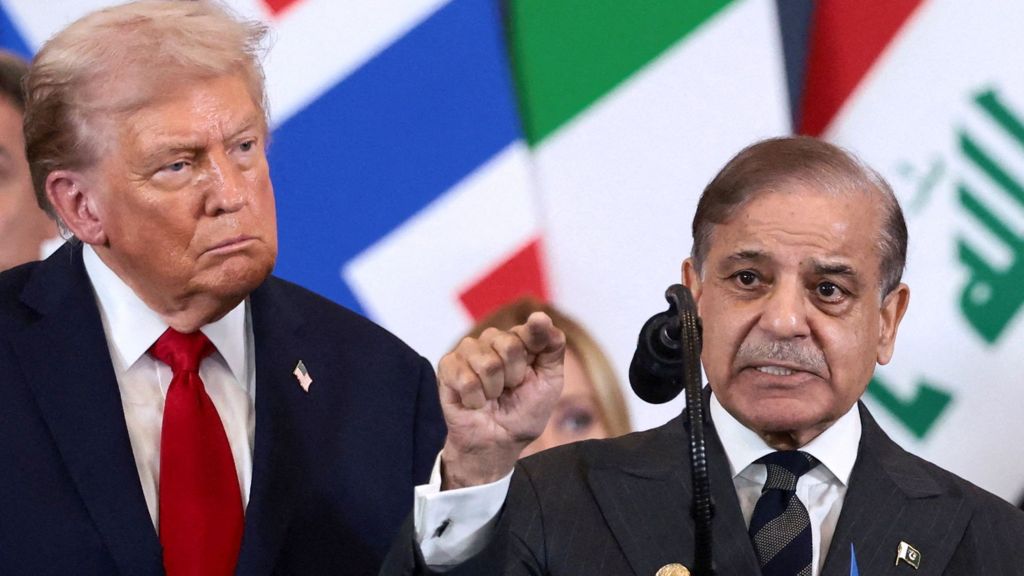
In the hours after midnight Pakistan local time, Prime Minister Shehbaz Sharif took to social media platform X to outline the emerging framework, writing that “diplomatic efforts… are progressing steadily, strongly and powerfully with the potential to lead to substantive results in near future.” Sharif called on Trump to extend the existing U.S. deadline for a negotiated outcome by two weeks, and requested that Iran keep the critical Strait of Hormuz open to commercial shipping for the duration of the ceasefire.
Shortly after Sharif’s post, Iran’s ambassador to Pakistan Reza Amiri Moghadam confirmed the diplomatic progress in his own X post, writing at around 3 a.m. local time that negotiations had moved “a step forward from critical, sensitive stage.” Just two hours later, Sharif made the official announcement: a two-week ceasefire had been formally agreed by both sides. As part of the next step, he invited representatives from Iran and the U.S. to travel to Islamabad on April 10 for direct talks aimed at reaching a permanent, conclusive peace agreement.
Even with the ceasefire in place, however, observers and insiders remain cautious about long-term prospects. The anonymous Pakistani source emphasized to the BBC that negotiators are “still being very circumspect” given the “continued fragility” of the situation. Decades of mutual hostility have left deep-rooted distrust between Iran and the U.S., with both sides holding strongly entrenched positions on core issues. While Pakistan has succeeded in bringing the two adversaries to the negotiating table in Islamabad, the question of what substantive agreements they can reach to lock in long-term peace remains far from answered.