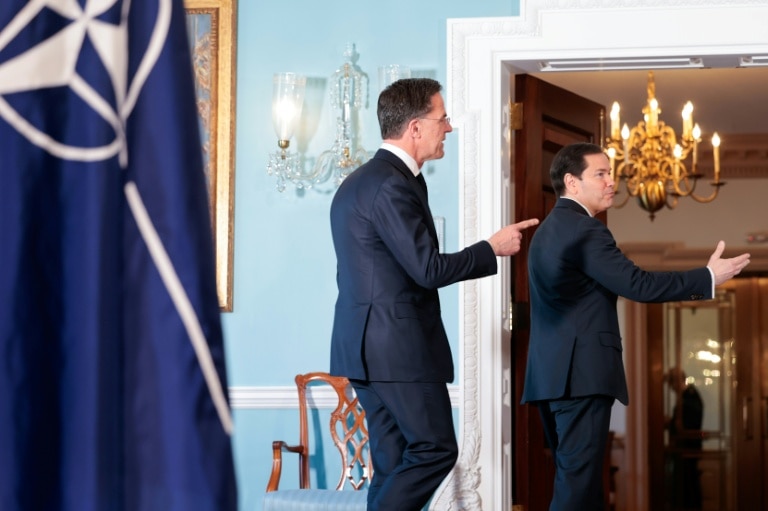
A high-stakes meeting at the White House on Wednesday is set to bring long-simmering transatlantic tensions to a head, as U.S. President Donald Trump confirmed he will open discussions about the possibility of a United States withdrawal from the North Atlantic Treaty Organization during talks with NATO Secretary-General Mark Rutte. The encounter comes just 24 hours after the U.S. and Iran reached a last-minute two-week ceasefire agreement that averted an all-out American military strike, and it unfolds against a backdrop of deep anger from the Trump administration over what it calls a betrayal by Western NATO allies.
分类: politics
-
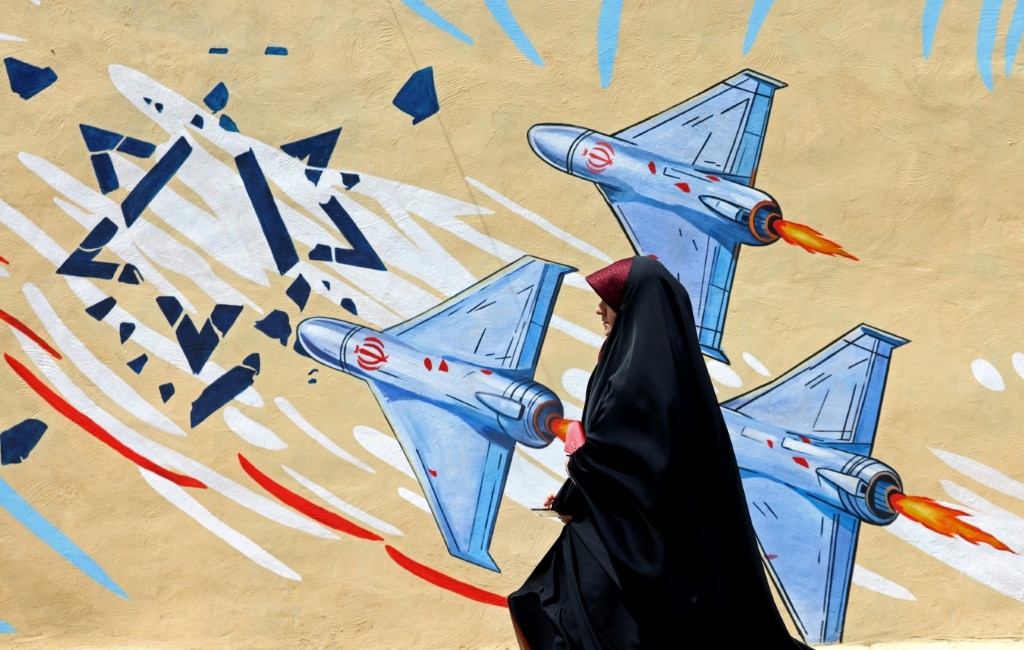
In Trump war on Iran, tactical wins and long-term damage to US
When former U.S. President Donald Trump launched a joint military campaign against Iran alongside Israeli Prime Minister Benjamin Netanyahu on February 28, he positioned the action as a definitive warning to Tehran to never challenge American military power, while calling on Iranian citizens to overthrow the country’s unpopular clerical leadership. Weeks of intense conflict ended this Tuesday with a two-week ceasefire between the two adversaries, and the outcome reveals a stark contradiction: while Trump claimed victory over the tentative reopening of the Strait of Hormuz – a waterway that Iran only closed in retaliation for the initial attack – the Islamic Republic’s governing authority has emerged more deeply entrenched domestically, and Tehran’s military operations have inflicted widespread disruption across the Middle East.
The campaign was driven largely by Israel’s long-standing strategic goal of undermining the Iranian government, which has been the Jewish state’s most bitter regional adversary for decades. For the United States, however, Trump’s objectives remained muddled and inconsistent throughout the conflict. He framed the strikes as a push to destroy Iran’s missile arsenal and block the country from developing a nuclear weapon – a puzzling framing, given that Trump had previously claimed he had already “obliterated” Iran’s nuclear sites, and formal diplomatic talks over the nuclear program were already ongoing when the war began.
As the conflict progressed, Trump walked back his early rhetoric about “librating” the Iranian people. Days before the ceasefire, he made a threat that was widely interpreted as genocidal, warning that Iran, home to one of the world’s oldest continuous civilizations, would be wiped off the map entirely. Analysts across the political spectrum have since concluded that the conflict has inflicted lasting damage to U.S. strategic interests, even as it delivered limited short-term tactical gains.
“ I think the US has lost the narrative war and the information war inside Iran, regionally in the Middle East, internationally, and even here at home,” said Alireza Nader, a veteran Iran analyst based in the United States. Nader noted that even Iranians who have long been critical of the Islamic Republic have rallied behind the country’s elite Islamic Revolutionary Guard Corps in response to U.S.-Israeli strikes that hit civilian targets including universities, bridges, and manufacturing facilities. “It is in the US national security interest to have a long-term positive relationship with Iran, and Trump really damaged that possibility for no reason whatsoever,” Nader added. “A lot of people who hate the regime are also outraged at the vast destruction of civilian infrastructure.”
Negar Mortazavi, a senior fellow at the Center for International Policy, argues that the strikes have only fueled nationalist solidarity across Iran, uniting disparate factions behind the hardline government. “For the US, they didn’t achieve any of their set goals. Nothing changed about the nuclear program. Iran still has operational missiles, it still has drones, the state has become more hardline, and there has been no regime change,” Mortazavi said.
Not all analysts see the campaign as a total loss for the United States. Michael Singh, a former top Middle East advisor to President George W. Bush and current managing director at the Washington Institute for Near East Policy, acknowledged that the U.S.-led campaign did significantly degrade Iran’s short-term military capabilities, destroying large stockpiles of missiles and drones, crippling the country’s navy and air force, and eliminating multiple senior military leaders. “From a US perspective, I would say the US was operationally brilliant but the conflict was strategically indecisive,” Singh explained.
Paradoxically, Singh added, the overwhelming display of U.S.-Israeli military power could push Iran to accelerate its nuclear ambitions. “Iran has seen that the US and Israel together have a vastly superior military capability, and of course that could create a stronger incentive to pursue nuclear weapons as a deterrent,” he said.
Despite the military disruption, Iran has emerged from the opening phase of the conflict with new diplomatic leverage ahead of planned long-term negotiations set to launch this Saturday in Pakistan. A core topic of the talks will be the future of the Strait of Hormuz, the critical chokepoint at the entrance to the Persian Gulf through which roughly one-fifth of the world’s global oil supplies pass. During the conflict, Iran proved it can quickly shut down the strait to disrupt global energy markets, a point it has made clear it will use as a bargaining chip.
Tehran has agreed to allow unrestricted safe passage through the waterway for the duration of the ceasefire, but has already floated the idea of implementing a new toll system for transiting vessels, with the revenue going toward post-war reconstruction in Iran. For its part, the United States has made a major concession during the conflict, relaxing decades-old sanctions on Iranian oil exports for the first time to bring down sky-high global oil prices – a move driven by political concerns over voter anger over energy costs ahead of upcoming U.S. elections.
Ali Vaez, Iran project director at the International Crisis Group, explained that if Tehran can secure acceptable concessions from Washington in the upcoming talks, it will be able to frame the entire conflict as a political victory. If Iran secures U.S. assurances, it can “argue that escalation produced negotiations on terms it could accept,” Vaez said. He added that the underlying balance of power in the standoff has not shifted dramatically: Iran still retains its stockpile of enriched uranium, while the United States has made clear that its immediate priority is preventing further disruption to global energy markets – particularly through the Strait of Hormuz – rather than adopting Israel’s more maximalist goal of toppling the Iranian government entirely. “That points both to Trump’s appetite for a deal and to the limitations of the strategy pursued so far,” Vaez noted.
-
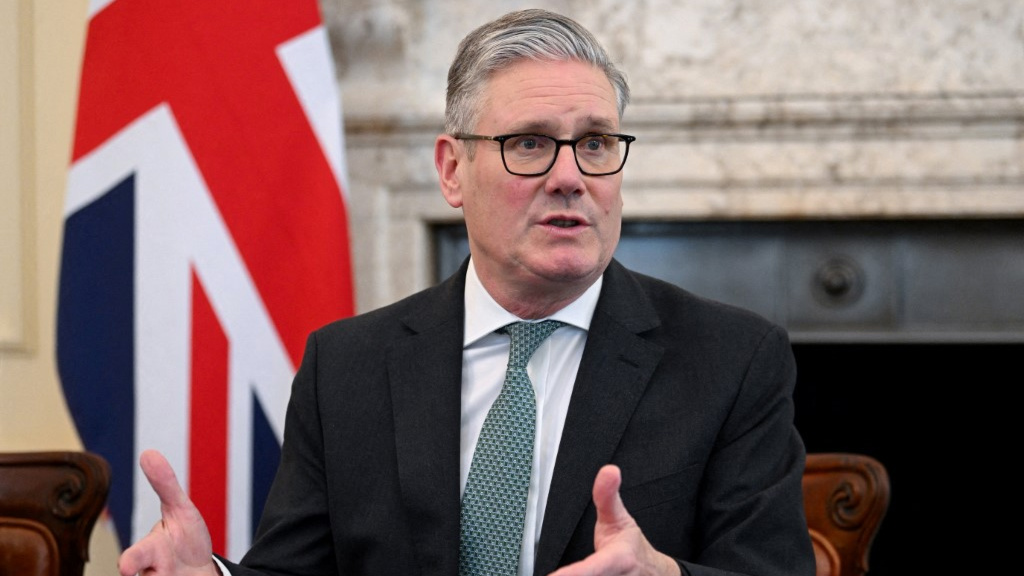
Starmer hopes to establish key diplomatic role for Britain as he heads to the Gulf
Fresh off the U.S.-Iran ceasefire deal that paused tit-for-tat hostilities across the Middle East, British Prime Minister Keir Starmer has launched a three-day diplomatic tour of Gulf states with a single, high-stakes core goal: locking in the temporary truce and unblocking the strategically critical Strait of Hormuz, a linchpin of global energy supplies.
Downing Street confirmed ahead of the trip that Starmer’s central focus will be advancing coordinated diplomatic work to entrench the ceasefire, a breakthrough that emerged after weeks of escalating conflict between Washington, Tehran and their regional allies. In remarks delivered early Wednesday, the prime minister struck a cautious but hopeful tone, noting that the overnight agreement has already delivered a much-needed moment of de-escalation for the region and energy markets worldwide. “Together with our partners we must do all we can to support and sustain this ceasefire, turn it into a lasting agreement and reopen the Strait of Hormuz,” Starmer said, framing the mission as a critical test of British diplomatic leadership in a fractured regional landscape.
The current standoff over the strait traces back to early March, when Iran closed the 21-mile waterway – which carries roughly 20% of the world’s daily oil and gas supplies – in retaliation for a joint U.S.-Israeli military strike on Iranian territory. While Tehran has already offered a two-week window of “safe passage” for commercial vessels during upcoming negotiations on a 10-point Iranian proposal, the long-term status of the strait remains unresolved. The Iranian plan enshrines the country’s continued full control over the waterway and includes a controversial provision to charge all passing vessels a minimum toll of $1 per barrel, to be paid in either Chinese yuan or cryptocurrency, a provision that has raised concerns among energy importing nations.
This diplomatic push comes after London hosted a high-profile summit last week aimed at assembling a broad international coalition to pressure Iran to fully reopen the strait. But the initiative suffered an early setback: major regional players including Saudi Arabia, Oman, Qatar, Turkey and Pakistan all declined to attend, leaving Bahrain and the United Arab Emirates as the only Middle Eastern nations to join the coalition. Western partners including France, Germany, Italy, Australia, Canada and Japan did sign on, but the absence of key Gulf states has left the UK’s effort far from the broad-based consensus it was designed to achieve. Downing Street has not yet released a full list of which Gulf nations Starmer will visit during the tour, fueling speculation that he will hold private outreach to the non-participating regional powers to win their support.
Starmer’s mission comes against a backdrop of shifting British diplomatic alliances, as London navigates increasingly tense relations with the U.S. under the second Trump administration. Over the past month, Trump has repeatedly criticized Starmer’s government for not doing enough to back the U.S.-Israeli campaign against Iran. While Starmer initially resisted U.S. requests to access British military bases for strikes on Iranian targets, he ultimately approved the use of those facilities for attacks on Iranian missile sites, and later for operations aimed at forcing the strait open. When Trump demanded in mid-March that NATO allies deploy warships to the waterway to enforce its reopening – even threatening that the alliance faced a “very bad” future if members refused to comply – Britain joined other major European powers in rejecting the call, a snub that further worsened transatlantic tensions.
The UK’s independent coalition initiative is widely interpreted as a deliberate effort to align London more closely with European partners and repair its longstanding ties with Gulf allies, at a moment when U.S. policy in the region has divided global powers. Like London, many Gulf states have pursued independent strategies for reopening the strait that diverge from Washington’s more confrontational approach. But with only two small Gulf states currently backing the UK plan, the prime minister faces an uphill battle to win buy-in from the region’s most influential powers, leaving the success of his mission very much in doubt.
The trip also carries a clear signal of the rapidly shifting status of Britain’s once-close relationship with Israel: Starmer has no plans to visit Israel during his Middle East tour, a break from longstanding tradition for sitting British prime ministers. Analysts say this choice underscores just how far bilateral relations have deteriorated over the past two years. While London cooperated militarily with Israel during its 2024-2025 military campaign in Gaza, and Israeli President Isaac Herzog was hosted in London in late 2025, Prime Minister Benjamin Netanyahu is effectively unwelcome in the UK due to an outstanding arrest warrant issued by the International Criminal Court on charges of war crimes. Relations have cooled even further amid Starmer’s public reluctance to fully back the U.S.-Israeli war on Iran.
-
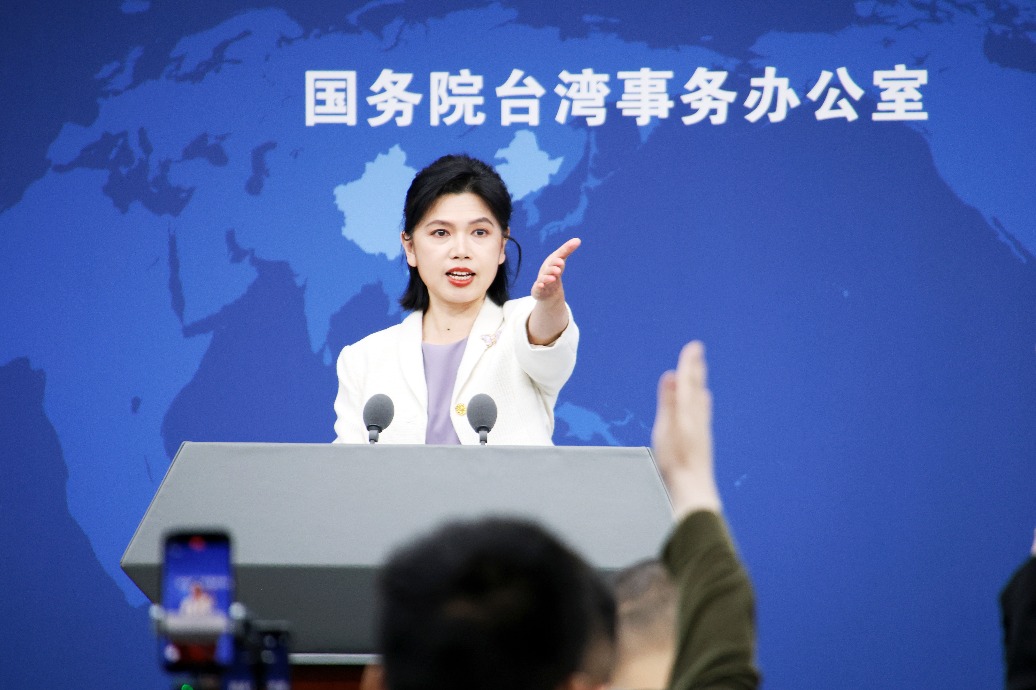
DPP’s servility will not get Taiwan any mercy: mainland spokeswoman
BEIJING – Amid unfolding trade developments that expose the emptiness of the Democratic Progressive Party (DPP) authorities’ claims of diplomatic gains, a senior spokeswoman for China’s State Council Taiwan Affairs Office issued a blunt rebuke on Wednesday, warning that the DPP’s groveling pursuit of United States favor will never deliver tangible benefits for the people of Taiwan.
Zhu Fenglian made the remarks in response to press inquiries surrounding a new U.S. trade policy that imposes a 100% tariff on imported pharmaceutical products. Contrary to repeated public claims from DPP leaders that Taiwan had secured exclusive preferential treatment under the new scheme, the island was ultimately left off the list of approved exporters eligible for tariff exemptions.
The spokeswoman stressed that what the DPP has misleadingly framed as “preferential treatment” from Washington is in reality little more than one-sided coercion and economic exploitation of Taiwan by the United States. For decades, the U.S. has operated under an explicit “America First” doctrine that prioritizes its own domestic and geopolitical interests exclusively, with no regard for the well-being of its self-proclaimed partners, Zhu explained.
Beyond economic harm, Zhu pointed out that the DPP’s deliberate choice to curry favor with Washington by sacrificing the livelihoods and economic interests of Taiwan’s people is rooted in a cynical, malicious political calculation. The ruling separatist party seeks to trade Taiwan’s resources and future for U.S. backing of its campaign to split Taiwan from China, a goal that runs directly counter to the shared interests of people on both sides of the Taiwan Strait.
The spokeswoman added that growing numbers of Taiwan compatriots have already come to recognize this pattern. More and more residents of the island now understand that the U.S. advances its own goals through pressure tactics and unilateral power politics, with no commitment to fairness or mutual benefit, regardless of promises made to regional partners.
-

Former attorney general Pam Bondi will not testify on Epstein files next week, justice department says
A sudden development in the congressional probe into the Jeffrey Epstein investigation has thrown Capitol Hill into partisan friction, after the U.S. Department of Justice announced former Attorney General Pam Bondi would not honor a scheduled deposition next week. Citing Bondi’s recent removal from the top law enforcement post by former President Donald Trump just one week prior, DOJ officials argued that the original subpoena was issued to Bondi exclusively in her official capacity as sitting attorney general, eliminating her requirement to appear before the House Oversight Committee on April 14. A committee spokesperson later confirmed this notification to the BBC.
The announcement has immediately drawn pushback from lawmakers across both major parties, who argue that a change in position does not erase Bondi’s legal and ethical obligation to answer questions about the handling of the Epstein investigation. House Oversight Committee Republican member Nancy Mace was among the first to speak out, emphasizing that the subpoena remains legally binding regardless of Bondi’s current employment status. Mace called on committee chairman James Comer to publicly reaffirm that Bondi still must comply with the deposition order. “The American people deserve to know whether Congress was misled and whether information about Jeffrey Epstein and his associates is being withheld,” Mace wrote in her public statement.
Ranking Democratic member Robert Garcia echoed Mace’s demands, going a step further to threaten consequences for noncompliance. “She must come in to testify immediately, and if she defies the subpoena, we will begin contempt charges,” Garcia said in an official release. As of press time, Bondi has not issued any public comment on the dispute.
The subpoena for Bondi was first issued earlier this year, when Comer formally requested her testimony to address allegations of potential mismanagement of the Department of Justice’s Epstein investigation. Epstein, a deceased convicted sex offender, has long been the center of conspiracy and scrutiny due to his extensive connections to high-profile global political and business figures. Both Bondi and the Trump administration have faced sustained bipartisan pressure to declassify and release all documents tied to the case, a push that resulted in congressional legislation forcing disclosure that Trump signed into law in November 2024.
After the release of millions of documents earlier this year, the DOJ faced widespread bipartisan criticism from lawmakers. Some legislators accused the department of two key failures: first, it improperly failed to redact identifying information for Epstein’s survivors, putting vulnerable victims at risk; second, it allegedly intentionally protected the identities of well-connected associates of Epstein who were not classified as victims.
Last month, Comer justified the request for Bondi’s testimony by noting her direct oversight of the document release process mandated by the Epstein Files Transparency Act. “As Attorney General, you are directly responsible for overseeing the Department’s collection, review, and determinations regarding the release of files pursuant to the Epstein Files Transparency Act, and the Committee therefore believes that you possess valuable insight into these efforts,” Comer said at the time.
The House Oversight Committee’s Epstein probe has already pulled in a string of high-profile witnesses, including former President Bill Clinton and former Secretary of State Hillary Clinton. The committee recently announced that Microsoft co-founder Bill Gates is scheduled to provide testimony in June, while U.S. Commerce Secretary Howard Lutnick is expected to appear in the coming weeks.
-
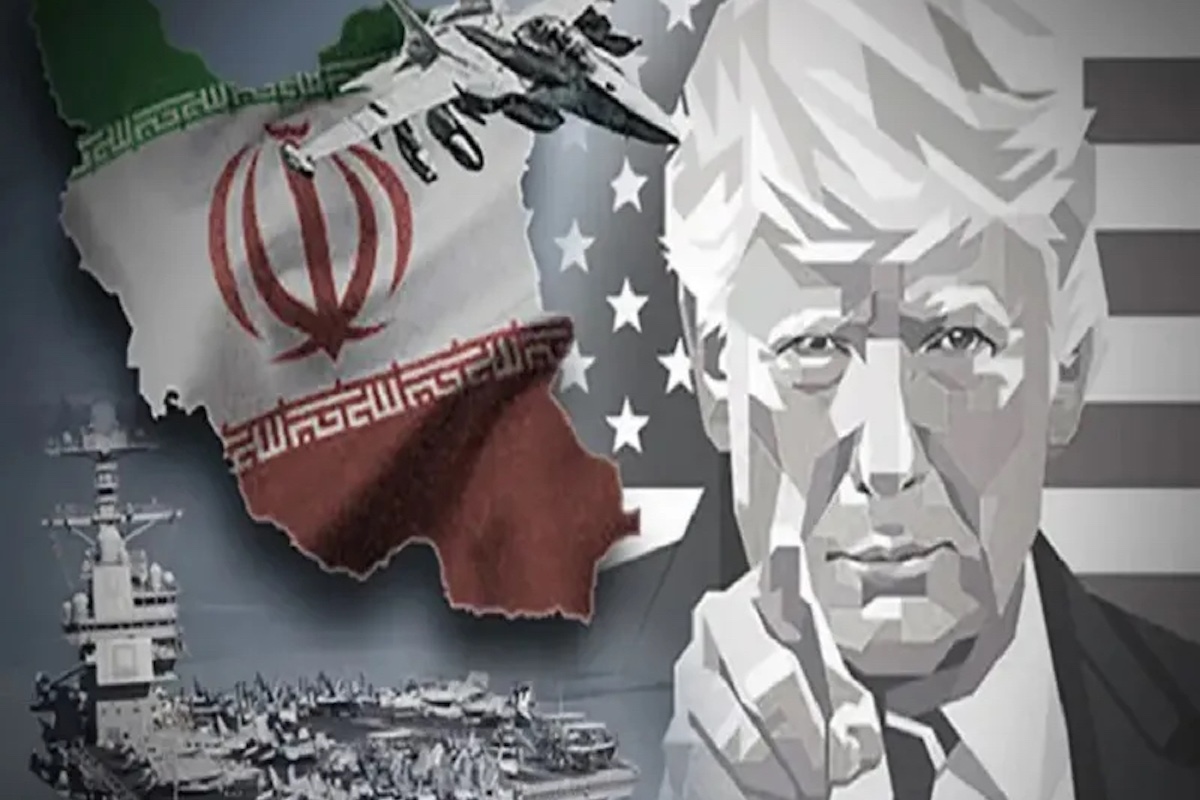
What the US-Iran ceasefire does and doesn’t mean
Tensions between the United States and Iran appear to have eased temporarily following widespread reports of a two-week ceasefire agreement, a deal that has yet to be officially confirmed by either government and that averted an open military confrontation after former U.S. President Donald Trump threatened to destroy Iran if hostilities escalated.
Contradiction and confusion have marked public messaging around the reported deal: CNN and other major international outlets cited a statement from Iran’s Supreme National Security Council confirming the truce, but Trump quickly dismissed that account as fabricated. Instead, the former president shared a cryptic post from Iranian Foreign Minister Seyed Abbas Araghchi on X to his Truth Social platform, leaving the full terms of any potential agreement unconfirmed and open to interpretation.
Regardless of the ambiguity surrounding the ceasefire’s details, direct negotiations between Washington and Tehran are scheduled to resume this Friday, April 10, in Islamabad. This moment of temporary de-escalation offers an opportunity to break down five critical preliminary observations about the strategic landscape shaping the talks:
1. Israel will align its actions with U.S. leadership
While Israeli leaders have long pushed for the U.S. to pursue shared strategic goals against Iran through military action, analysts agree the country will not openly obstruct the ceasefire process. Israel risks alienating its closest ally and being left to face Iran alone if it derails the truce, leading it to formally accept the current agreement. This cooperation in turn clears the way for Friday’s planned negotiations to move forward as scheduled.
If talks do stall, however, Israel may choose to provoke Iran into resuming full-scale hostilities if it assesses that the U.S. will join the conflict on its side. No such provocation is likely as long as negotiations show signs of progress.2. Multiple competing demands will shape security negotiations
Iran’s core non-negotiable demand centers on a U.S. military drawdown in the Persian Gulf, ranging from a return to pre-conflict force positions to a full withdrawal from the region. On the opposing side, the U.S. and Israel are pushing for two key concessions: the elimination of Iran’s stockpiles of enriched uranium, and at minimum the implementation of strict international monitoring of Iran’s nuclear program alongside binding limits on its ballistic missile development.
The U.S. has also retained the leverage of reimposing sweeping sanctions, including harsh secondary restrictions, if hostilities resume. Beyond the U.S.-Iran dynamic, broader regional military shifts are already underway: the United Arab Emirates is moving toward a formal military alliance with Israel, while other Gulf states are consolidating their military coordination under the leadership of Saudi Arabia.3. The petroyuan is unlikely to be accepted in any final deal
One widely reported Iranian demand that is expected to be dropped from any final peace agreement is the requirement that all payments for safe transit through the Strait of Hormuz be made in Chinese yuan, a system referred to as the petroyuan. U.S. negotiators are strongly opposed to any arrangement that would elevate the yuan as a competitor to the petrodollar system that underpins the global oil market.
Instead, the U.S. is pushing for a framework where Iran splits transit payments with Oman in U.S. dollars as a form of reparation, a structure that would further strengthen the petrodollar’s dominant position. Washington is also expected to demand that Iran gradually reduce its oil sales to China to zero as a core condition for permanent sanctions relief, even if that commitment is only agreed to informally.4. A history of broken negotiations raises fears of another trap
Iran has repeatedly warned the international community that the U.S. launched two separate military attacks against Iranian targets while negotiations were ongoing in past conflicts, leaving Tehran deeply skeptical of American commitments. This history leaves open the possibility that a third attack could come during the current ceasefire period.
In this scenario, Trump’s earlier threat to destroy Iran may have been issued without prior coordination with Israel and Gulf Arab monarchies, leaving those allies more vulnerable to immediate Iranian retaliation than they would have been with advance preparation time. Even if regional leaders would prefer to avoid this sequence of escalation, the two-week ceasefire window gives them critical time to shore up their defenses against any potential sudden shift.5. The permanent threat of catastrophic global change remains
If the U.S. follows through on its threat to completely destroy Iran as a functional state, Iranian leaders have made clear they will use all military capabilities at their disposal to bring down Gulf Arab monarchies alongside them. A full-scale regional war would halt energy exports from the Persian Gulf indefinitely, throwing the entire Afro-Eurasian landmass into widespread economic and political chaos. This scenario would play out as the U.S. withdraws its formal military presence to a “Fortress America” strategy focused on the Western Hemisphere, from which it would pursue a divide-and-rule strategy for competing powers in the Eastern Hemisphere.
This “Sword of Damocles” hanging over the global order — the constant risk of radical, catastrophic change — remains in place and cannot be ignored amid temporary de-escalation.Both Washington and Tehran have publicly declared victory in the recent conflict, but the war cannot be considered fully over until a permanent bilateral agreement is reached. Analysts note that any final deal may incorporate key elements from a proposal put forward by former Iranian Foreign Minister Mohammad Javad Zarif, published in *Foreign Affairs* just last week. Until that deal is finalized, it remains far too early to name a definitive winner. The true outcome of the conflict will only be clear once the fates of Iran’s enriched uranium stockpile, its nuclear and missile programs, its oil exports to China, and the proposed petroyuan system are resolved. This article was originally published on Andrew Korybko’s Substack and republished with edits for clarity here.
-
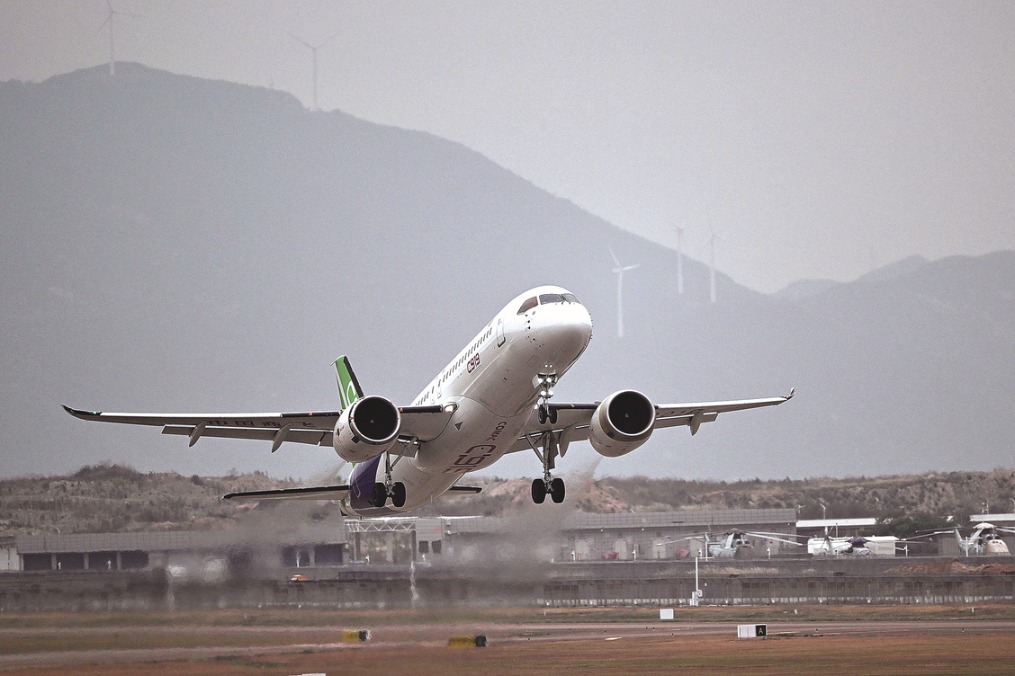
Courts to impose severe penalties for spreading fake terrorist news related to civil aviation
China’s top judicial bodies have introduced a landmark set of rules to crack down on dangerous misinformation targeting civil aviation, imposing heavy criminal penalties on anyone who fabricates or intentionally spreads false terrorist threats that endanger flight safety.
The new judicial interpretation, released jointly by the Supreme People’s Court (SPC) and the Supreme People’s Procuratorate, will go into effect on Thursday, April 9, 2026. The guideline is designed to standardize legal processes and help judges and prosecutors handle criminal cases related to civil aviation flight safety more consistently and effectively.
Luo Guoliang, chief judge of the SPC’s Fourth Criminal Division, emphasized that aviation safety is a non-negotiable foundation for public well-being and social order. “Ensuring the safety of civil aviation flights is crucial for protecting the lives and property of ordinary people, as well as for maintaining long-term social harmony and stability,” Luo said. He added that in recent years, sporadic cases of fabricated terrorist threats and unruly disruptive behaviors on board aircraft have drawn widespread public concern over aviation security.
To illustrate the real-world impact of these violations, Luo cited a 2024 incident: a passenger who missed his flight deliberately told airline staff at an information desk that his aircraft carried a bomb. The false claim forced the evacuation of all passengers for a full secondary security sweep, delaying the flight by roughly two hours and disrupting the entire airport’s operating schedule.
The seven-article judicial interpretation clearly outlines criminal penalties for various violations that threaten civil aviation, with particularly harsh sanctions reserved for creators and spreaders of fake terrorist information. The guideline formally classifies any behavior that disrupts the normal operations of flights or airports, or requires emergency intervention from public security, armed police, fire, health quarantine and other professional response agencies, as a criminal offense. Perpetrators whose actions cause major social disorder or substantial economic losses will face a minimum sentence of five years in prison.
Beyond defining penalties, the interpretation also clarifies court jurisdiction rules for criminal cases that threaten flight safety, closing legal loopholes that previously complicated prosecutions of these offenses.
Recent industry data shows that ongoing security crackdowns have already started to reduce in-flight violations. The Civil Aviation Administration of China reported that in 2025, China’s civil aviation sector handled 770 million passenger trips, and law enforcement teams responded to 1,081 in-flight safety incidents — a 6.5% decrease from 2024. The incident rate per 10,000 flights dropped even more sharply, falling 17% year-on-year. Judicial officials expect the new, clearer penalties will act as a stronger deterrent, further reducing these dangerous disruptions and protecting the traveling public.
-
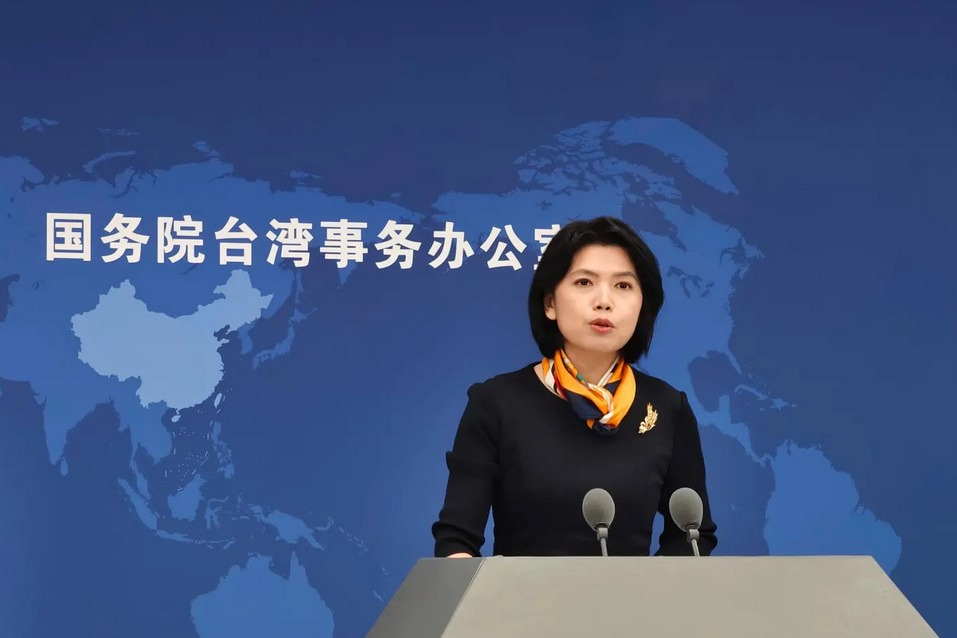
DPP blamed for fall in mainland students studying in Taiwan
A recent sharp decline in the number of new mainland students enrolling at Taiwanese higher education institutions, which has hit zero for five straight years, has sparked a fresh cross-Strait rhetorical exchange, with Beijing officially holding the island’s ruling Democratic Progressive Party (DPP) authorities responsible for the downturn.
On Wednesday, Zhu Fenglian, spokesperson for the Taiwan Affairs Office of the State Council, pushed back against a baseless claim from Taiwan’s Mainland Affairs Council that tied the five-year stretch of zero new mainland students to Beijing’s cross-Strait policies. Zhu characterized the Taiwanese body’s accusation as a deliberate distortion of facts and a politically motivated smear campaign against the mainland.
In her detailed explanation of the true drivers behind the decline, Zhu outlined a pattern of consistent obstruction of cross-Strait people-to-people and educational exchanges carried out by DPP authorities in recent years. Despite widespread and vocal demand from Taiwan’s education community, students, and young people for expanded cross-Strait interaction, the DPP has deliberately moved to curtail collaborative academic ties between the two sides of the Taiwan Strait.
One key punitive measure the DPP administration has implemented is a formal ban on partnerships between Taiwanese colleges and universities and 10 leading mainland higher education institutions, including Guangdong province’s Jinan University and Beijing’s Beihang University. Beyond banning institutional cooperation, the DPP has put in place a series of unreasonable regulatory barriers and unequal treatment that target mainland students seeking admission and enrollment at Taiwanese universities, creating an unwelcoming environment that has discouraged prospective students from pursuing academic opportunities on the island.
Zhu also highlighted additional forms of political intimidation the DPP has deployed to chill cross-Strait educational engagement. When leaders of Taiwanese universities, academic deans, and teaching faculty participate in legitimate exchange activities on the mainland, DPP authorities have retaliated against them through official investigations, cuts to public institutional funding, and suspensions of approved academic projects. These coercive tactics, she emphasized, have created a chilling effect that further disrupts normal cross-Strait academic cooperation.
“Such blatant political manipulation has inflicted severe damage on the normal development of cross-Strait educational exchanges,” Zhu stated. She closed by calling on DPP authorities to abandon political posturing, listen more closely to the voices of the Taiwanese public that favor expanded cross-Strait ties, and end their practice of shifting blame for their own policy choices through bad-faith political maneuvering.
-

Germany suspends military approval for long stays abroad for men under 45
Against the backdrop of shifting European security dynamics following Russia’s full-scale invasion of Ukraine, Germany has moved to roll back a little-noticed provision of its newly reinstated military service framework that sparked widespread public pushback in recent days.
The Military Service Modernization Act, which entered into force on January 1 this year, was designed to strengthen German and European defense capabilities in response to heightened regional security threats stemming from the ongoing war in Ukraine. In principle, the legislation brings back compulsory conscription after years of an all-volunteer force, though active conscription will only be triggered if voluntary recruitment falls short of the German armed forces’ targets.
Under the law’s original fine print, a previously little-publicized requirement mandated that all German males aged 17 and older secure prior official approval before taking any trip or extended stay abroad lasting longer than three months. This provision flew under the public radar until a major German newspaper broke the story last week, igniting a fierce public debate over civil liberties and the scope of the new conscription framework. As of this week, the rule has never actually been enforced against any German citizen, defense officials confirmed.
On Monday, German Defense Minister Boris Pistorius, a member of the Social Democratic Party, announced a broad exemption to the controversial requirement in comments to the German Press Agency (DPA). Pistorius emphasized that regardless of age — whether 17, 45, or any age between those thresholds — all military-age men retain full freedom of movement, and no advance approval is currently required for international travel of any length. Extended stays abroad also will not need to be reported to defense authorities, he added.
“During this peacetime period, there will be no permission procedures. We are suspending the permission requirement as long as military service is voluntary,” Pistorius stated. He added that the German government will develop tailored emergency protocols to activate the rule only in the event of a national security crisis, framing the original inclusion of the provision as a legitimate precautionary measure to prepare for unforeseen security contingencies.
The new law has already rolled out preliminary steps toward its goal of expanding Germany’s military capacity: since January, all 18-year-old Germans have received a mandatory questionnaire for men (voluntary for women) asking about their willingness to serve in the armed forces. Starting in July 2027, all 18-year-old men will also be required to complete a mandatory medical fitness examination to assess their eligibility for potential military service, should conscription be activated in the future.
This military expansion aligns with the top security priority laid out by German Chancellor Friedrich Merz, who has publicly stated his goal to build the most powerful conventional military force across Europe, in a bid to bolster collective European defense amid ongoing regional tensions.
-
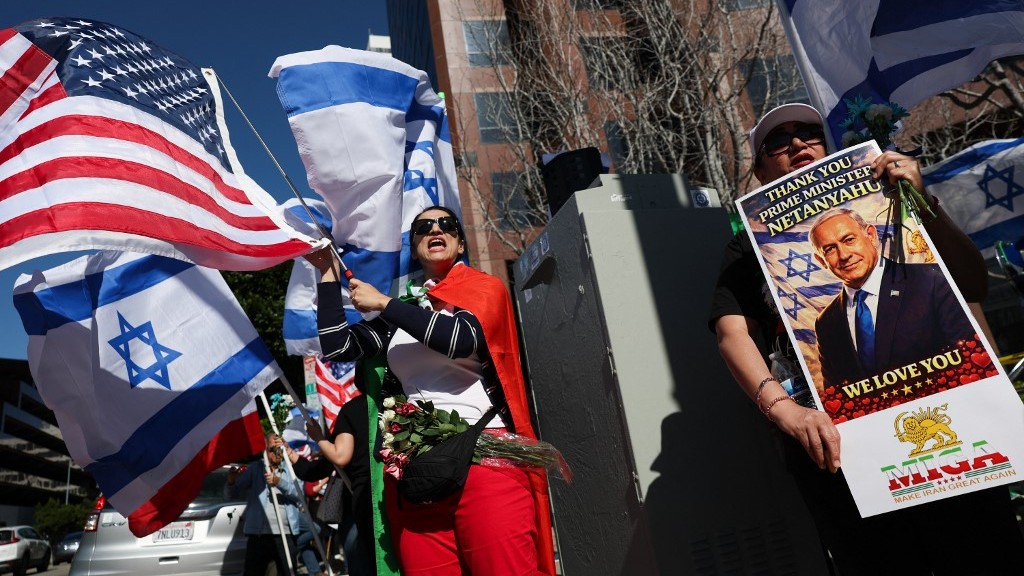
Survey finds 60 percent of Americans view Israel unfavourably following Iran war
Weeks into the joint US-Israeli military campaign in Iran, a newly released Pew Research Center survey has documented a dramatic, sustained shift in American public opinion, with a clear majority of US adults now holding unfavorable views of the State of Israel. Data collected in late March, published Tuesday evening just as a ceasefire agreement between Washington and Tehran was announced, shows 60% of Americans now view Israel unfavorably — up 7 percentage points from 2023 and a nearly 20-point jump from 2022 levels.
The erosion of public support extends to Israeli Prime Minister Benjamin Netanyahu as well. The survey finds that six in 10 Americans have little to no confidence that Netanyahu will act appropriately in global affairs, marking a 7-point increase in disapproval since last year and a 20-point rise since early 2023. Partisan gaps have widened alongside this overall shift: half of all Democratic respondents now report holding no confidence at all in Netanyahu, up from 37% just 12 months prior, while 80% of Democrats and Democratic-leaning independent voters now view Israel unfavorably. That marks a steep climb from 69% in 2023 and just 53% in 2022.
Perhaps the most striking finding for Israel’s long-term standing in US politics is the deep generational divide that cuts across both major American political parties. A majority of all US adults under the age of 50, regardless of partisan affiliation, now hold negative views of both Israel and Netanyahu. Even among young Republicans — a voting bloc that was reliably pro-Israel as recently as three years ago — 57% now view Israel unfavorably, up from 50% last year, and only 30% express confidence in Netanyahu’s leadership on the world stage.
The most dramatic shift can be seen in the share of Americans holding intensely negative views of the country: the proportion of respondents who say they have a “very unfavorable” opinion of Israel has nearly tripled since 2022, rising from 10% to 28% today.
This shifting public mood has unfolded against a backdrop of escalating regional conflict that has had tangible global impacts. By the time the survey was fielded, the US-Israeli war in Iran had already entered its second month, leaving more than 4,000 people dead, sending global oil prices soaring, and destroying critical civilian infrastructure across Iran. Growing public discussion of Israel’s extensive influence over US political and policy decision-making has also reshaped popular perceptions of the country.
Weeks before the survey was published, the controversy over Israel’s role in the conflict spilled into the open when a senior former Trump administration intelligence official resigned in protest over the war, claiming US leaders had been manipulated into launching the conflict by an Israeli-aligned and pro-war “echo chamber.” Joseph Kent, then-director of the National Counterterrorism Center — the US agency responsible for coordinating all federal counterterrorism intelligence, which falls under the oversight of Director of National Intelligence Tulsi Gabbard — outlined his opposition in a public resignation letter. “I cannot in good conscience support the ongoing war in Iran,” Kent wrote. “Iran posed no imminent threat to our nation, and it is clear that we started this war due to pressure from Israel and its powerful American lobby.” In the final days of March, a coalition of anti-war US military veterans issued a similar rebuke, condemning what they described as disproportionate Israeli influence guiding American military policy in the Middle East.