分类: politics

  • Donald Trump threatens to ‘take the oil’ in Iran

    Donald Trump threatens to ‘take the oil’ in Iran

    President Donald Trump has openly discussed the potential seizure of Iranian oil resources and strategic territories as the United States continues its substantial military mobilization in the Middle East. In a revealing interview with the Financial Times published Sunday, the president specifically mentioned Kharg Island—Iran’s critical oil export terminal—as a possible target for military action.

    “My favorite option would be claiming Iran’s oil reserves, though certain critics domestically question such maneuvers,” Trump stated, dismissing opposition as coming from “stupid people.” He drew parallels to previous U.S. actions in Venezuela, where American forces attempted to overthrow President Nicolás Maduro and establish permanent control over the country’s petroleum industry.

    The geopolitical tensions have triggered significant market reactions, with Brent crude surging past $116 per barrel in Asian trading Monday, approaching peak levels not seen since the initiation of hostilities between the U.S.-Israeli coalition and Iran.

    This military escalation coincides with substantial troop deployments ordered by the Pentagon. Approximately 10,000 personnel with specialized training in territorial seizure operations are being dispatched to the region, including 3,500 troops who arrived Friday with another 2,200 Marines en route. Additional forces from the 82nd Airborne Division have also received deployment orders.

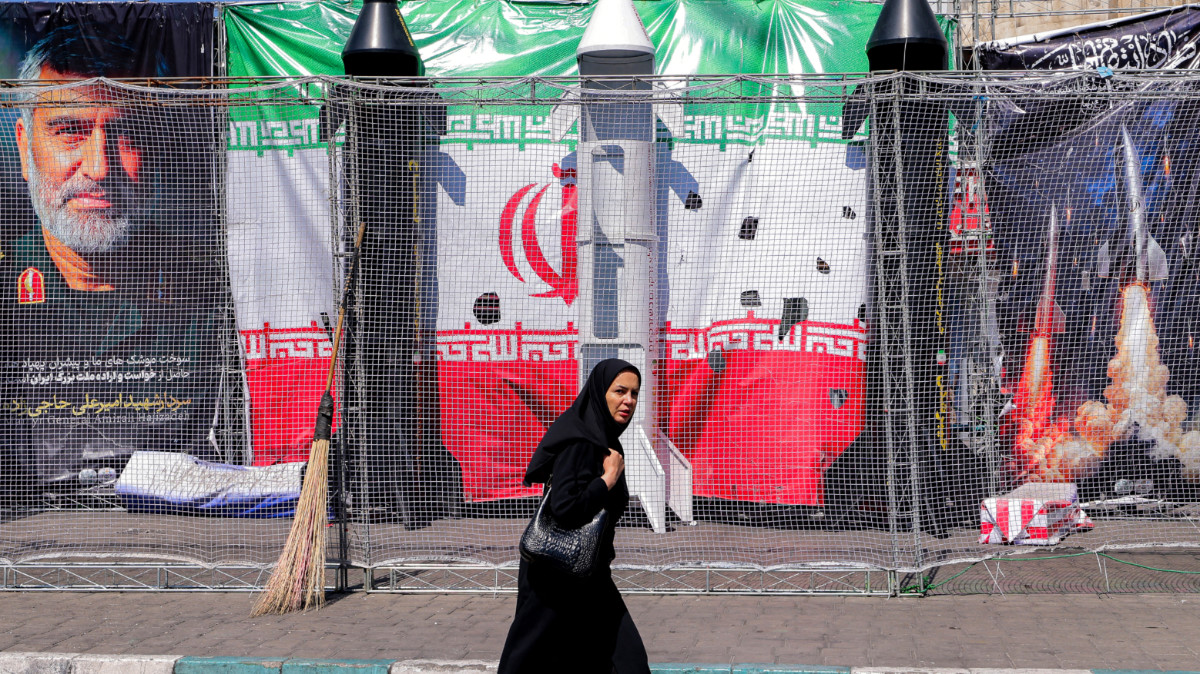
    The administration has contemplated military raids along coastal areas near the strategically vital Strait of Hormuz to eliminate weapons systems threatening international shipping lanes. Iran has effectively blockaded this critical waterway, which typically handles twenty percent of global oil shipments, since conflict commenced one month ago.

    Despite these aggressive posturings, Trump indicated diplomatic progress, claiming Iran has acquiesced to “most of” a 15-point list of U.S. demands aimed at resolving the conflict. The president revealed ongoing negotiations through both direct channels and intermediaries, characterizing them as “very good.” As a gesture of goodwill, Trump asserted Iran has offered twenty tankers of oil, with shipments potentially beginning imminently.

    The comprehensive U.S. demands reportedly include constraints on Iran’s defensive capabilities, cessation of support for proxy organizations throughout the region, and formal recognition of Israel’s sovereignty.

  • Central African Republic’s president sworn in for a third term after disputed election

    Central African Republic’s president sworn in for a third term after disputed election

    BANGUI, Central African Republic — President Faustin-Archange Touadéra commenced his controversial third presidential term on Monday during an inauguration ceremony in the nation’s capital. The swearing-in follows a highly contested December electoral process that opposition groups have broadly rejected.

    The extended seven-year mandate results from constitutional amendments approved in 2023 that eliminated presidential term limits while simultaneously extending the term duration. Official results from the Constitutional Council indicated Touadéra secured 77.9% of ballots, though the election faced a comprehensive boycott from the coalition opposition bloc.

    During his inauguration address, President Touadéra outlined ambitions to ‘establish a sovereign economic framework and guarantee transparent administration of our natural resources.’ The ceremony witnessed attendance from several African leaders, including the presidents of Congo-Brazzaville and Comoros.

    Civil society representatives and political opponents have vehemently disputed the electoral outcome. Activist Frédéric Godoba characterized the official results as unbelievable, stating ‘You have to be a fool to believe that.’

    The political turmoil occurs against a backdrop of persistent national instability. Since 2013, when predominantly Muslim rebels ousted former President François Bozizé, the country has experienced significant violence. A 2019 peace agreement between the government and fourteen armed groups temporarily reduced hostilities, though six factions subsequently withdrew from the arrangement.

    International observers note the increasing influence of Russian security operations in the region, with the Wagner Group having established early African operations within the Central African Republic.

  • Nigerian president’s rivals get major boost as political heavyweight joins fold

    Nigerian president’s rivals get major boost as political heavyweight joins fold

    Nigeria’s political landscape has undergone a significant realignment as prominent opposition figure Rabiu Musa Kwankwaso formally joined the African Democratic Congress (ADC), substantially strengthening the coalition challenging President Bola Tinubu’s administration. The former Kano state governor announced his departure from the New Nigeria People’s Party (NNPP) on Sunday, citing the nation’s political climate necessitating “strategic realignment,” before revealing his ADC affiliation Monday evening.

    Kwankwaso’s defection represents a major development in the emerging opposition alliance that now incorporates several political heavyweights, including former Vice-President Atiku Abubakar and ex-state governor Peter Obi—both formidable opponents to President Tinubu in the 2023 elections. This consolidation creates a unified front against the ruling All Progressives Congress (APC), which has maintained power since 2015.

    The ADC coalition gains considerable strategic advantage from Kwankwaso’s extensive support base in predominantly Muslim northern Nigeria, a crucial voting bloc in national elections. His followers, collectively known as the Kwankwasiyya movement and recognizable by their distinctive red caps, have demonstrated remarkable loyalty through multiple party transitions. Additionally, Kwankwaso’s previous tenure as defence minister provides the coalition with valuable security credentials as Nigeria confronts significant security challenges.

    This political reorganization occurs with less than one year remaining until Nigeria’s next general elections. President Tinubu has received the ruling party’s endorsement to pursue a second term in the January 2027 poll, with widespread expectations confirming his candidacy. The ADC has not yet selected its presidential flagbearer, presenting potential challenges in managing multiple high-profile figures within the coalition.

    The opposition consolidation develops alongside internal crises within Nigeria’s two primary opposition groups. The People’s Democratic Party (PDP) has fragmented into rival factions, diminishing its traditional position as the leading opposition force, while the Labour Party (LP) faces its own organizational challenges.

    Simultaneously, Nigeria’s electoral commission has implemented reforms addressing concerns from the disputed 2023 election. New regulations mandate electronic transmission of polling station results in real time, though opposition parties have expressed concerns about provisions permitting manual vote sorting in areas with limited internet access, warning this could compromise transparency.

    Kwankwaso’s political trajectory has recently included international attention, with Republican lawmakers in the United States proposing sanctions against him in February regarding alleged persecution of Christians in Nigeria—claims strongly denied by both Kwankwaso and the Nigerian government, which maintains that violence affects all religious communities equally.

  • Xi congratulates World Data Organization on its inauguration

    Xi congratulates World Data Organization on its inauguration

    Chinese President Xi Jinping formally extended congratulations on Monday commemorating the establishment of the World Data Organization, marking a significant advancement in international cooperation on data governance. The inauguration represents a multilateral effort to address the growing importance of data security, cross-border data flows, and digital infrastructure on a global scale.

    President Xi’s message emphasized China’s commitment to constructive participation in shaping international data standards and fostering collaborative digital ecosystems. The initiative aligns with broader global discussions about creating equitable frameworks for data management that balance innovation with security concerns.

    This development occurs amid increasing international attention to data sovereignty issues and the need for coordinated approaches to digital economy governance. The World Data Organization’s establishment signals a growing recognition among nations that data represents both an economic asset and an area requiring international regulatory cooperation.

    The organization is expected to facilitate dialogue between developed and developing nations regarding data resource allocation, technological capacity building, and ethical artificial intelligence development frameworks. China’s active endorsement positions the country as a key participant in these emerging global digital governance architectures.

  • US reopens embassy in Venezuela months after military operation to remove Maduro

    US reopens embassy in Venezuela months after military operation to remove Maduro

    In a significant reversal of foreign policy, the United States has officially restored its diplomatic presence in Venezuela by reopening its embassy in Caracas. This move comes seven years after the facility was shuttered during the Trump administration, which had severed relations and recognized opposition leader Juan Guaidó as the legitimate president in 2019.

    The State Department confirmed the resumption of normal operations on Monday, characterizing the event as the beginning of “a new chapter” in bilateral relations. The reopening follows a carefully orchestrated three-phase plan initiated by the current administration to re-engage with the South American nation. Prior to the formal reopening, a limited contingent of U.S. diplomats had been operating from a temporary base in neighboring Colombia for over a month, conducting preliminary assessments and engagements.

    The embassy building itself required substantial rehabilitation, including remediation of mold infestations and other repairs accumulated during its prolonged closure. The State Department emphasized that a functional embassy is crucial for direct diplomacy with Venezuela’s interim government structures, civil society organizations, and commercial entities. This development signals a pragmatic shift from the maximum pressure campaign of the previous administration towards a more engaged diplomatic approach, though challenges remain in navigating the complex political landscape.

  • How the US could try to seize Iran’s Kharg Island

    How the US could try to seize Iran’s Kharg Island

    The United States is contemplating a high-stakes military operation to capture Iran’s pivotal Kharg Island oil terminal, a strategic maneuver that could dramatically escalate tensions in the Persian Gulf. This offshore facility serves as Tehran’s primary oil export conduit, processing approximately 90% of the nation’s petroleum exports through its deep-water capabilities accommodating Very Large Crude Carriers.

    President Donald Trump’s administration has signaled potential deployment of nearly 7,000 troops—including 5,000 Marines and 2,000 paratroopers from the 82nd Airborne Division—to execute this complex operation. Military strategists envision nighttime airborne assaults by paratroopers to secure key positions on the 20-square-kilometer island, supported by amphibious landings using Osprey tilt-rotor aircraft and Landing Craft Air Cushioned vehicles.

    The operation’s stated objective would be temporarily severing Iran’s oil exports to compel concessions regarding the Strait of Hormuz, through which 21% of global petroleum passes. However, the mission carries extraordinary risks: invading forces would need to navigate Iranian-controlled waters past numerous drone and missile installations, then withstand anticipated defenses including anti-personnel mines and drone swarms.

    Iran has dramatically reinforced Kharg’s defenses with surface-to-air missile batteries, while Parliamentary Speaker Mohammad Bagher Ghalibaf promised ‘fire rain’ upon any invading forces. Historical precedent suggests challenges for occupation forces, with comparisons drawn to Russia’s experience at Ukraine’s Snake Island, where persistent artillery fire from the mainland proved decisive.

    Complicating the strategic calculus, analysts note that Kharg might be part of a deception plan, with alternative targets including Larak Island near Bandar Abbas, Qeshm Island with suspected underground military facilities, or the disputed Abu Musa and Tunb islands claimed by the United Arab Emirates.

    Paradoxically, the military buildup coincides with diplomatic overtures. President Trump acknowledged ‘serious discussions’ with Iran that could potentially ‘end our military operations,’ highlighting the administration’s simultaneous pursuit of military and diplomatic pressure campaigns. This dual-track approach reveals the enormous gap between American and Iranian positions that any potential agreement must bridge.

  • Netanyahu says Israel to seize more Lebanese lands and expand ‘buffer zone’

    Netanyahu says Israel to seize more Lebanese lands and expand ‘buffer zone’

    Israeli Prime Minister Benjamin Netanyahu has declared plans for military expansion into southern Lebanon, stating his forces will establish an enlarged buffer zone to counter security threats. In a Sunday video address from the Northern Command, Netanyahu emphasized the strategic objective of definitively neutralizing Hezbollah’s invasion capabilities and pushing anti-tank missile operations beyond range of northern Israeli communities.

    The Prime Minister framed this escalation as part of a broader regional transformation, citing simultaneous Israeli operations in Syria, Gaza, and Lebanon alongside coordinated efforts with the United States against Iran. Netanyahu asserted significant degradation of Iranian proxy networks, claiming visible fractures within Tehran’s leadership and fundamental changes to Iran’s regional influence. He characterized Israel’s current military engagements as a ‘multi-arena campaign’ targeting Iran and its allied forces throughout the Middle East.

    Despite acknowledging military advancements, Netanyahu conceded that Hezbollah maintains residual attack capabilities. This declaration coincides with preparations for an expanded ground offensive targeting territory south of Lebanon’s Litani River, approximately 30 kilometers from the Israeli border.

    The ongoing conflict has produced severe humanitarian consequences. Lebanese health authorities report over 1,200 fatalities since March, including more than 100 children and 50 emergency responders, with at least 3,500 individuals wounded. Critical infrastructure has sustained extensive damage, compelling the closure of 50 primary healthcare facilities and five hospitals according to WHO assessments. Displacement has reached crisis levels, with over 1.2 million people forced from their homes including approximately 136,000 residing in temporary shelters.

  • German leader raises prospect of many Syrians returning home as the country’s president visits

    German leader raises prospect of many Syrians returning home as the country’s president visits

    In a significant diplomatic meeting in Berlin, German Chancellor Friedrich Merz and Syrian interim President Ahmad al-Sharaa engaged in substantive discussions regarding the future of Syrian migrants in Germany and Syria’s post-war reconstruction. Chancellor Merz articulated a vision where a substantial majority of Syrian nationals currently residing in Germany—potentially up to 80%—would return to their homeland over the next three years to contribute to rebuilding efforts. This proposal was framed as aligning with the wishes of the Syrian leadership.

    The context for these talks is a Syria emerging from a devastating civil war that concluded in late 2024 with the ousting of former President Bashar Assad. The conflict resulted in approximately half a million deaths, catastrophic infrastructure damage, and a massive refugee exodus. Germany became a primary destination, currently hosting over 900,000 Syrian citizens, many of whom have since obtained German citizenship.

    Chancellor Merz clarified that Germany’s immediate priority is the repatriation of a specific group: Syrians who have committed crimes and are deemed to have ’caused problems.’ However, he expanded the long-term strategy to include a much broader return migration, stating that Syria needs its citizens for national recovery while Germany seeks to manage migration flows, a key policy of his eleven-month-old administration.

    President al-Sharaa, while not explicitly confirming the 80% figure, presented a contrasting perspective by highlighting the significant contributions of the Syrian diaspora. He noted the presence of 6,000 Syrian doctors in German hospitals and over 250,000 tax-paying individuals, describing them as ‘common national assets.’ Instead of a simple mass return, al-Sharaa advocated for a ‘circular immigration model.’ This innovative approach would allow skilled Syrians to contribute to Syria’s revival without being forced to relinquish their stable lives and established careers in Germany, fostering a partnership that benefits both nations.

    The discussions extended beyond migration to economic cooperation, with the leaders attending a German-Syrian economic roundtable. Chancellor Merz pledged Germany’s support for Syria’s future, emphasizing the heightened importance of success and stability given the ongoing war in Iran and regional tensions.

  • US lawmakers express support for stalled Taiwan special defense budget

    US lawmakers express support for stalled Taiwan special defense budget

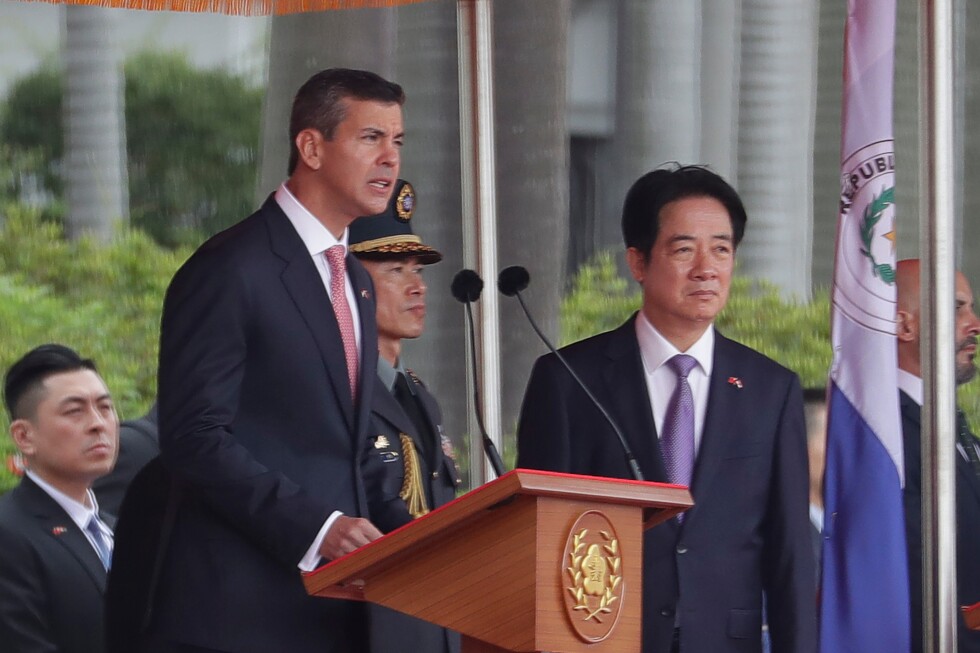
    A bipartisan delegation of U.S. senators visiting Taipei has expressed strong support for Taiwan’s efforts to advance a $40 billion special defense budget currently deadlocked in the opposition-controlled legislature. The congressional group, comprising Democrats Jeanne Shaheen (New Hampshire) and Jacky Rosen (Nevada) alongside Republicans John Curtis (Utah) and Thom Tillis (North Carolina), met with Taiwanese President Lai Ching-te during their two-day visit focused on strengthening informal bilateral ties.

    The diplomatic engagement occurs against a backdrop of escalating regional tensions, with China maintaining its longstanding claim over Taiwan as a breakaway province that must be reunified—by force if necessary. The visit coincides with preparations for an upcoming summit between U.S. President Donald Trump and Chinese leader Xi Jinping, where substantial American arms sales to Taiwan are expected to feature prominently in discussions.

    During Monday’s meeting, Senator Curtis explicitly acknowledged Taiwan’s progress in enhancing defense capabilities and societal preparedness, noting that “the seriousness is noticed in Washington D.C., and your efforts on the special defense budget are also noticed and supported.” The proposed eight-year security package would fund advanced missile defense systems (dubbed ‘T-dome’), artificial intelligence integration into national defense, and development of indigenous military technology.

    President Lai urged legislative approval of the budget “without delay,” affirming his government’s “unwavering resolve” to strengthen self-defense capabilities and bilateral cooperation with the United States. Meanwhile, opposition leaders have advocated for reduced defense spending, creating parliamentary gridlock.

    China’s Foreign Ministry spokesperson Mao Ning condemned the congressional visit, demanding the U.S. cease “all forms of official exchanges with Taiwan” and refrain from sending “wrong signals to Taiwan independence separatist forces.” Beijing has labeled President Lai a separatist seeking to transform Taiwan into a “powder keg” while refusing to engage with his administration.

    In a contrasting diplomatic maneuver, opposition leader Cheng Li-wun announced plans to visit China next month to promote peaceful cross-strait relations, though potential meetings with Chinese leadership remain unspecified.

  • ‘No Kings’ protesters gather across the US as Bruce Springsteen joins rally

    ‘No Kings’ protesters gather across the US as Bruce Springsteen joins rally

    A significant wave of civic demonstrations swept across multiple American urban centers as citizens mobilized for the third consecutive ‘No Kings’ protest series. These coordinated rallies represent a growing grassroots movement expressing opposition to current presidential governance structures. The movement’s latest iteration gained notable visibility when legendary musician Bruce Springsteen joined participants at a major gathering, lending his cultural influence to the cause. Protest organizers reported substantial turnouts in numerous cities, with participants advocating for increased governmental accountability and democratic safeguards. The movement’s name directly challenges conceptions of expansive executive authority, embodying its core philosophical stance against concentrated power. These demonstrations appear to be developing into a sustained mobilization effort rather than isolated events, suggesting evolving political engagement strategies among dissenting voices. The involvement of high-profile figures like Springsteen signals potential for increased media attention and public discourse around the movement’s objectives and underlying principles of democratic governance.