分类: politics

  • US envoy Barrack plays down idea Turkey could be ‘next Iran’ for Israel

    US envoy Barrack plays down idea Turkey could be ‘next Iran’ for Israel

    Appearing at a high-profile panel discussion during the Antalya Diplomacy Forum, senior U.S. envoy Tom Barrack has sought to de-escalate spiraling public tensions between NATO member Turkey and Israel, framing the heated exchanged rhetoric between the two countries as just verbal sparring rather than a precursor to open conflict. Barrack pushed back directly against growing warnings from political figures on both sides that a direct confrontation between Ankara and Tel Aviv could be on the near horizon.

    Barrack opened his remarks by acknowledging Turkey’s regional standing, noting, “I think Turkey is just not a country to be messed with.” He went on to argue that sensationalized media coverage on both sides has created a deeply distorted, exaggerated perception of the other country’s ambitions, framing each side as aggressively expansionist to their domestic audiences.

    “If you wake up in Tel Aviv, you read the newspaper, what do you see? You see the diagram on the paper of The Ottoman Empire 2.0, which is Vienna to the Maldives, right,” Barrack explained. “You wake up in Istanbul and read the paper and it’s Greater Israel.”

    The two countries share a long history of largely cooperative relations: Turkey became the first Muslim-majority nation to formally recognize Israeli statehood in 1949, and maintained cordial security and commercial ties for most of their modern bilateral history. That stable dynamic shifted dramatically in 2010, when Israeli commandos raided the Mavi Marmara, a Turkish-flagged aid flotilla bound for Gaza, killing nine Turkish passengers on board (a tenth died of his injuries later). Since that incident, bilateral relations have remained strained, with successive Turkish governments increasingly criticizing Israel’s treatment of Palestinian people in the occupied territories and Gaza.

    A recent push to normalize ties gained traction in September 2023, when Turkish President Recep Tayyip Erdogan and Israeli Prime Minister Benjamin Netanyahu met and shook hands for the first time in years on the sidelines of the United Nations General Assembly in New York. That progress unraveled just one month later, following the October 7 attacks on Israel led by Hamas and the subsequent Israeli military campaign in Gaza that has killed more than 34,000 Palestinians to date. Since the outbreak of the latest Gaza war, verbal attacks from political leaders on both sides have intensified, with former Israeli Prime Minister Naftali Bennett labeling Turkey as a potential “next Iran” in comments made in March 2024.

    The U.S. government has maintained unwavering public support for Israel’s military actions across the Middle East, including its ongoing confrontation with Iran. However, Turkey’s status as a longstanding NATO ally and former U.S. President Donald Trump’s publicly stated positive regard for Erdogan has pushed American diplomatic officials to work toward repairing the fractured bilateral relationship between the two regional powers.

    Speaking at the forum, Barrack pointed to recent global energy market shocks spurred by the ongoing conflict with Iran as clear evidence that deepened regional cooperation between Turkey and Israel is critical to shoring up long-term energy security for the entire region. “Everything comes from Turkey. It’s fiber optics. We’re talking about Azerbaijan and Armenia, which is flowing oil, gas, information, data and materials. Where does it go? How does it go?” he said. “So Israel aligned with Turkey, like Israel aligned with Abu Dhabi. Saudi Arabia could be aligned with Israel and, for the prosperity of the Israeli people, to me that’s the answer.”

    Barrack went further, urging Israeli leaders to invite Turkey to take part in the proposed international stabilization force for Gaza that was outlined as part of ongoing ceasefire negotiations. “The smartest thing that Israel could do is to entice and embrace Turkey to enter that force,” he said. He added that Erdogan’s existing open channels to Hamas — which Ankara has not formally designated as a terrorist organization — were critical to securing earlier hostage release deals, making Turkey a uniquely valuable partner for post-ceasefire stability in Gaza.

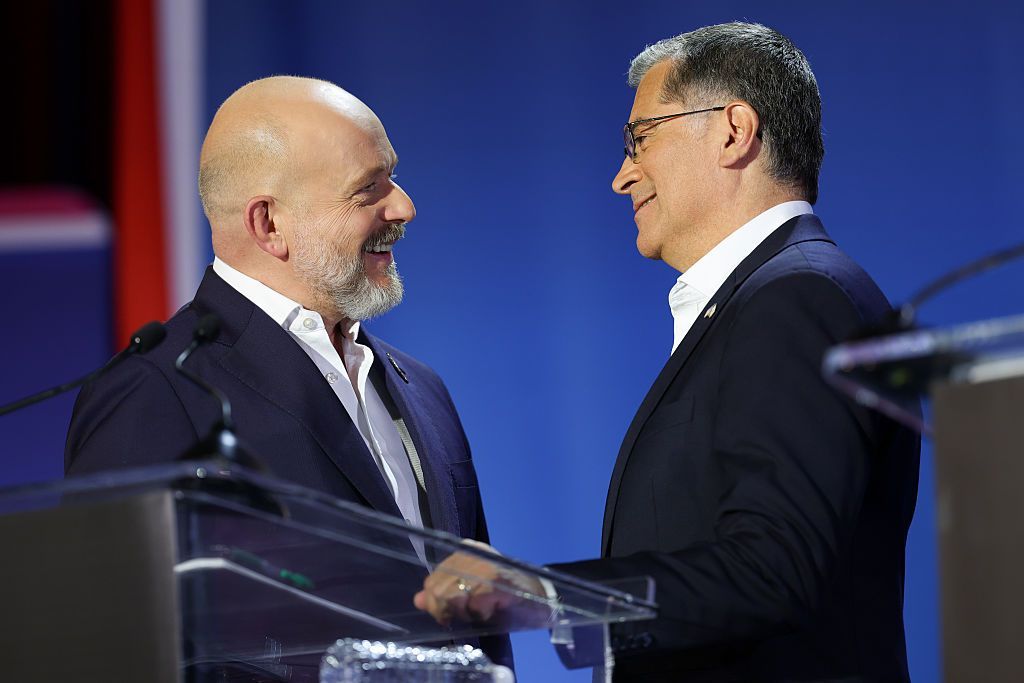
    The forum also saw a bilateral meeting between Barrack and Turkish Foreign Minister Hakan Fidan on Monday, which the pair described as “productive” in discussions of regional issues.

  • Flying Tigers foundation revisits military cooperation legacy in Shanxi

    Flying Tigers foundation revisits military cooperation legacy in Shanxi

    Eighty years after the World War II-era partnership between Chinese and American combatants and civilians, a delegation led by Jeffrey Greene, chairman of the Sino-American Aviation Heritage Foundation, has traveled to northern China’s Shanxi province to commemorate the enduring friendship forged by the legendary Flying Tigers and renew cross-cultural people-to-people bonds.

    During the April 2026 visit, Greene lauded Shanxi’s consistent efforts to preserve the historical record of the Chinese People’s War of Resistance Against Japanese Aggression (1931-1945) and expand people-centered international educational exchange. He emphasized that the shared history of Sino-U.S. wartime collaboration remains deeply rooted in collective Chinese memory, noting that the mutual trust and joint effort displayed by Chinese and American people 80 years ago proved that partners can overcome even the most daunting obstacles when they stand side by side.

    “This spirit of cross-border cooperation is a treasure that must be passed from one generation to the next,” Greene said. “In today’s deeply interconnected global landscape, the core values of the Flying Tigers legacy hold growing contemporary relevance. It continues to inspire both our peoples to rise above ideological and political differences, and work collaboratively toward shared goals that benefit everyone.”

    A key focus of Greene’s visit was expanding the Flying Tigers Friendship Schools initiative, a program designed to connect secondary and postsecondary institutions in China and the United States. Greene called on more Shanxi-based schools to join the network, saying that structured exchange activities — including virtual dialogues, in-person student visits, and themed academic competitions — will deepen mutual understanding and foster genuine friendship between young people from both nations, ensuring the Flying Tigers spirit is carried forward into the new era.

    Shanxi holds profound historical significance for this wartime legacy: it was one of the most critical battlefields of the Chinese resistance, served as the headquarters of the Eighth Route Army, and hosted multiple key revolutionary bases during the war. During their trip, delegation members visited two local educational institutions — Taiyuan University of Technology and Shanxi Experimental Secondary School — to tour campuses, learn about the schools’ unique academic profiles and existing international exchange programs, and hold open discussions with students and faculty on topics ranging from Flying Tigers history to U.S.-China cultural differences and youth people-to-people exchange.

    Ma Xiaomin, deputy director-general of the Foreign Affairs Office of Shanxi Province, reaffirmed the province’s commitment to advancing the Flying Tigers legacy during the visit. He noted that the Flying Tigers spirit is far more than a historical footnote: it is a tangible, living witness to the joint struggle and mutual assistance between the Chinese and American people, and a precious spiritual asset that preserves the longstanding friendship between the two nations.

    “The Foreign Affairs Office of Shanxi will fully support local schools to join the Flying Tigers Friendship Schools network,” Ma said. “We hope that by using this program as a binding link, we can build a strong bridge for exchange and mutual learning between Chinese and American young people, carry forward the great Flying Tigers spirit, and advance more practical cooperation between Shanxi and the United States in education, culture, and other key fields. In doing so, we can contribute our part to strengthening the non-governmental friendship between our two nations.”

  • Ontario Premier Doug Ford criticised for $21m private jet purchase

    Ontario Premier Doug Ford criticised for $21m private jet purchase

    A planned C$28.9 million ($21 million) acquisition of a pre-owned private jet by Ontario Premier Doug Ford’s provincial government has sparked fierce public and political criticism across Canada, with opponents labeling the aircraft a symbol of elite entitlement disconnected from everyday Ontarians’ struggles.

    Breaking news of the deal first in Friday reporting, the Toronto Star confirmed the purchase of the 2016 Bombardier Challenger 650, an executive jet manufactured right here in Canada, which Ford’s office later formally acknowledged in an official media statement. In its defense of the expenditure, Ford’s administration argued the jet is a necessary investment for the premier’s official travel needs, highlighting that Ontario covers more than twice the land area of the U.S. state of Texas. The aircraft, they said, will enable more reliable, flexible, secure and private travel for the premier across the province, as well as for his frequent out-of-province and cross-border trips.

    A key stated mission for the jet, according to Ford’s office, is supporting the premier’s ongoing lobbying campaign in the United States to push for the removal of Donald Trump’s tariffs on Canadian goods. Ford has made this anti-tariff effort a centerpiece of his cross-border outreach, making regular appearances on U.S. news networks and funding anti-tariff advertising that has already drawn the ire of the former president – Trump once temporarily paused U.S.-Canada trade negotiations over an Ontario ad that featured former U.S. President Ronald Reagan. Just last week, the premier traveled to Texas to meet with automotive industry leaders and Texas Governor Greg Abbott as part of this work. Prior to this purchase, Ford relied on chartered private aircraft for his official travel.

    The purchase has drawn intense pushback from across the political spectrum and advocacy groups. Marit Stiles, leader of the Ontario New Democratic Party, the province’s official opposition, condemned the deal in a post on X, arguing Ford should fly commercial economy class just like ordinary Ontario residents. Appearing later on a morning breakfast television program, Stiles emphasized that many households across the province are currently struggling to cover basic living costs, including rent and grocery bills, calling the timing of the luxury purchase “terrible”.

    The Canadian Taxpayers Federation, a non-partisan advocacy group that monitors government spending on behalf of Canadian taxpayers, has also called on Ford to cancel the purchase and commit to continuing commercial air travel for official trips.

    In pushing back against criticism, Ford’s office has attempted to frame the purchase as a cost-saving measure compared to other recent government jet acquisitions across Canada. The statement noted that Ontario’s C$28.9 million price tag is far lower than the C$107 million the province of Quebec paid for a fleet of three Challenger 650 jets – one pre-owned and two new – purchased for the province’s air ambulance service. It also referenced the federal Canadian government’s late December 2025 announcement of a C$753 million purchase of six new Bombardier Global 6500 jets, which are set to replace aging Royal Canadian Air Force aircraft used to transport the prime minister, other senior officials, and support military operations.

    This controversy is not without historical precedent in Ontario. Back in 1981, then-Premier Bill Davis faced massive public outcry over his own government’s purchase of a multi-million-dollar Challenger jet. The mounting criticism ultimately forced the Davis administration to retrofit the jet to serve as an air ambulance, and Davis eventually backed down and sold the aircraft, replacing it with two water bombers designed for fighting forest fires.

    For Ford, who won a historic third consecutive majority government in Ontario last year after holding office since 2018, the controversy comes as his public approval rating remains among the lowest of any provincial premier in Canada. An Angus Reid poll conducted earlier this year placed Ford’s approval at just 31%, a weak standing that leaves the premier particularly vulnerable to criticism over high-profile, costly government spending.

  • What next for South African opposition firebrand Malema after his five-year prison sentence?

    What next for South African opposition firebrand Malema after his five-year prison sentence?

    South African opposition leader Julius Malema, the firebrand head of the Economic Freedom Fighters (EFF), is facing a five-year prison term after being convicted on weapons charges — but legal complexities and ongoing appeals mean he remains free to lead his party into the country’s upcoming local government elections this year. The 45-year-old politician was found guilty on five separate criminal offenses, including unlawful possession of a firearm, discharging the weapon in a public space, and reckless endangerment, following a trial held in KuGompo, the newly renamed former East London in Eastern Cape province. During court proceedings, Malema testified that he fired the weapon as part of a celebratory gathering.

    Malema, a polarizing figure in South African politics, has built his political brand around unapologetic criticism of what he frames as Western imperialism, and calls for the full nationalization of land currently owned by white South African descendants — a policy designed to redress decades of harm caused by colonial rule and the apartheid system. His anti-establishment rhetoric has earned him a fervent base of support, particularly among young South Africans frustrated by slow economic transformation and persistent inequality. But the EFF leader has also drawn widespread condemnation across the political spectrum, from women’s rights advocacy groups to white agricultural communities, and has faced repeated legal troubles: he has been convicted of hate speech on multiple occasions, and was denied entry to the United Kingdom twice in 2025. Known colloquially as the “Red Berets” for the red overalls party members wear in parliament — a symbolic gesture of solidarity with the country’s working class — the EFF has emerged as one of South Africa’s most high-profile opposition groups since its founding.

    Following his conviction and sentencing, the court granted Malema permission to appeal his sentence, though not the initial guilty verdict. The EFF has pushed back aggressively against the ruling, with Malema’s legal team confirming they will challenge both the conviction and the five-year term in higher courts. According to Ulrich Roux, a South African legal expert interviewed by the BBC, the appeal process will require Malema to first secure approval from the Eastern Cape High Court to challenge his conviction. Roux noted that state prosecutors are almost certain to oppose the appeal application. Malema has publicly vowed to escalate his challenge all the way to South Africa’s highest judicial body, the Constitutional Court, if needed. If the case follows that full legal path, Roux projects a final ruling could take four to five years to reach.

    Under South Africa’s constitution, any person sentenced to more than 12 months in prison without the option of a fine is disqualified from serving as a Member of Parliament. However, this disqualification does not take effect until all appeal processes have been exhausted and a sentence is considered final. Because Malema’s appeal is still pending, he retains his parliamentary seat and is eligible to lead his party’s campaign in the upcoming local elections. Political analysts say this timeline could even allow Malema to run for re-election to parliament in the 2029 national elections, even if his appeal ultimately fails. Even in the worst-case scenario for Malema — a failed appeal that results in prison time — the sentence would only bar him from office for five years after his release, leaving the door open for a future political return.

    This precedent already exists in recent South African political history: former President Jacob Zuma was sentenced to 15 months in prison in 2021, which barred him from serving as an MP. Despite that, Zuma launched a new political party, uMkhonto weSizwe, in 2024, and led the party to a third-place finish in that year’s national elections — outperforming Malema’s EFF, which lost significant vote share to Zuma’s new movement.

    Some political analysts argue that the conviction could actually benefit Malema’s campaign. Khanyi Magubane, a South Africa-based political analyst, told the BBC that the sentence may be the “trump card” Malema needs ahead of the local elections. “I believe this will position the EFF and Malema well. It’s actually going to have unintended consequences… because he will play on the public sympathy and use this opportunity to continue standing his ground,” Magubane explained. For Malema, the timing comes as he seeks to reverse the EFF’s recent electoral decline: the party lost significant support to Zuma’s uMkhonto weSizwe in 2024, and saw a number of high-profile departures after the election, including that of deputy leader and party co-founder Floyd Shivambu. In the wake of the sentencing, thousands of Malema’s supporters have already rallied behind their leader, signaling continued loyalty to the polarizing politician.

  • Trump signals Iran deal near, hails ‘brilliant day for world’

    Trump signals Iran deal near, hails ‘brilliant day for world’

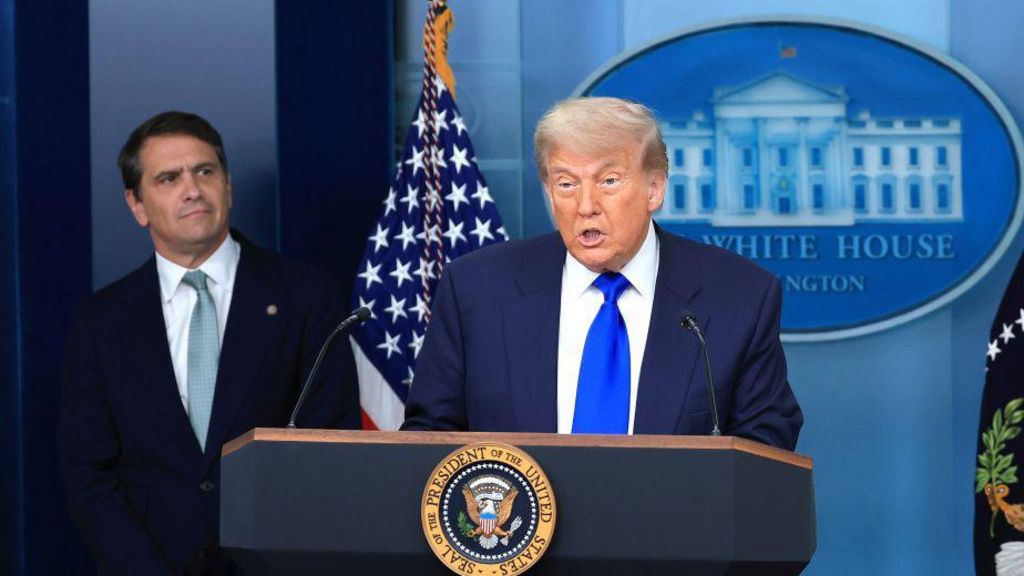
    In a flurry of posts on his Truth Social platform Friday, former and current U.S. President Donald Trump sent a clear signal that a landmark peace deal with Iran is within reach, celebrating breakthrough agreements on two critical sticking points: the status of the Strait of Hormuz and Iran’s nuclear program.

    Without formally issuing a formal announcement of a finalized accord, Trump opened his series of posts by declaring the day a “GREAT AND BRILLIANT DAY FOR THE WORLD!” He extended public gratitude to Pakistan, the neutral broker that hosted U.S.-Iran talks last weekend, as well as key Gulf Cooperation Council allies that have supported the negotiations, while launching a sharp public rebuke of NATO, telling the alliance to “STAY AWAY” after it offered assistance to secure the strategically vital waterway.

    The latest flurry of optimism comes after Iran confirmed earlier this week it would reopen the Strait of Hormuz—a critical global oil chokepoint through which roughly 20% of the world’s daily oil supplies transited—for the duration of a wider Middle East ceasefire. In his post, Trump went further, asserting Iran has committed to permanently keeping the strait open, ending its history of using closure threats as a geopolitical tool. “Iran has agreed to never close the Strait of Hormuz again. It will no longer be used as a weapon against the World,” he wrote. He added that Tehran is already in the process of clearing sea mines from the strait, with technical support from the United States, while noting that the existing American naval blockade of Iranian ports will remain fully in place until a final deal is signed.

    Negotiations have progressed rapidly following an initial round of talks led by U.S. Vice President JD Vance in Islamabad last weekend. While that first round of negotiations did not yield a final agreement, Trump has steadily leaked details of breakthroughs in recent days. On Thursday, he confirmed Iran had agreed to surrender its entire stockpile of enriched uranium, and announced a second round of talks would be held in the Pakistani capital, adding he may travel to Islamabad personally to sign the final accord if negotiations hold.

    On Friday, he pushed back against a recent Axios report that claimed the U.S. was offering $20 billion in unfrozen Iranian assets in exchange for Tehran’s uranium stockpile, explicitly denying any financial transfer would take place. “The U.S.A. will get all Nuclear ‘Dust,’ created by our great B2 Bombers – No money will exchange hands in any way, shape, or form,” he wrote, contradicting reporting that outlined a cash-for-uranium swap that would see Washington release billions in assets held in foreign banks.

    Beyond the nuclear and strait agreements, Trump also doubled down on his announcement of a 10-day ceasefire between Israel and Lebanon, saying the U.S. has formally prohibited Israel from conducting further airstrikes on Lebanese territory. The cross-border conflict erupted after the Iran-backed militant group Hezbollah launched strikes on Israel in response to the U.S.-Israeli military operation against Iran that began on February 28, and it had been widely seen as a major barrier to advancing any broader Iran peace deal. Trump emphasized that while the ceasefire is not formally linked to the Iran negotiations, he is committed to stabilizing the small Middle Eastern nation. “This deal is not tied, in any way, to Lebanon, but we will, MAKE LEBANON GREAT AGAIN!” he wrote.

    Trump reserved special praise for Pakistan’s leadership, thanking Prime Minister Shehbaz Sharif, whom he called “fantastic,” and army chief Asim Munir for their work brokering the backchannel negotiations between Washington and Tehran. He also extended gratitude to Saudi Arabia, the United Arab Emirates, and Qatar for their cooperation amid Iranian strikes on the region that followed the launch of the U.S.-Israeli operation.

    The sharpest criticism of the day was reserved for NATO, which has refused to join the U.S.-led conflict against Iran or deploy forces to the Strait of Hormuz while active hostilities continued. Trump said he received a formal request from the alliance to assist with securing the strait following the reopening, and he rejected the offer outright. “Now that the Hormuz Strait situation is over, I received a call from NATO asking if we would need some help. I TOLD THEM TO STAY AWAY, UNLESS THEY JUST WANT TO LOAD UP THEIR SHIPS WITH OIL,” he wrote. “They were useless when needed, a Paper Tiger!”

    Trump’s rejection of NATO assistance comes shortly after British Prime Minister Keir Starmer and French President Emmanuel Macron announced following a bilateral meeting that the two European powers would lead a multinational naval mission to the strait as soon as security conditions permit.

  • India Parliament blocks Modi’s bid to redraw voting boundaries alongside seat quota for women

    India Parliament blocks Modi’s bid to redraw voting boundaries alongside seat quota for women

    NEW DELHI – A sweeping, decades-in-the-making proposal to reshape India’s political landscape by guaranteeing 33 percent female representation in national and state legislatures collapsed Friday in the country’s parliamentary lower house, derailed by bitter partisan conflict over a tied constituency redrawing plan that critics argued would skew power toward Prime Minister Narendra Modi’s ruling party. The defeat of the bill marked a stunning end to two days of tense debate during a special three-day parliamentary session called by the Modi government, and left one of the most ambitious proposed political reforms since India’s 1947 independence from British colonial rule deadlocked for the foreseeable future.

    The core of the legislation was designed to address a longstanding gender gap in India’s political institutions, where women have remained drastically underrepresented despite making up nearly half of the country’s population. By mandating that one out of every three seats in Parliament and state legislative assemblies be reserved for female candidates, supporters framed the bill as a transformative step toward equal political participation for women across India. But from its introduction, the gender quota was inextricably linked to a separate, highly contentious proposal to redraw national voting boundaries, known as delimitation, and expand the total size of the lower house of Parliament.

    Under the delimitation plan, the number of lower house seats would have jumped from the current 543 to roughly 850 ahead of the 2029 national elections, with boundaries redrawn using 2011 population census data. This framework sparked immediate pushback from opposition parties, which raised two overlapping sets of objections. First, opposition leaders argued that basing seat allocations on 2011 population figures would shift political power away from India’s southern states, which have seen slower population growth in recent decades, toward the faster-growing northern states where the ruling Bharatiya Janata Party (BJP) maintains its strongest base of support. Second, opponents warned that the entire restructuring would alter the national political balance to deliver a structural advantage to the BJP, a claim the government has forcefully denied.

    To secure passage, both bills were required to win approval from a two-thirds majority of sitting lawmakers. When the votes were counted, the linked legislation failed to hit that threshold, prompting the Modi government to withdraw the delimitation proposal entirely and leaving the women’s quota bill without the tied provision it was paired with, resulting in its defeat.

    Modi defended the government’s proposal in a post on X hours ahead of the vote, claiming that all stakeholder concerns had been addressed and that “misconceptions surrounding the legislation” had been debunked with factual evidence and logical reasoning. The government also sought to ease opposition worries by stating the plan would mandate a uniform 50 percent increase in seats across all Indian states to preserve proportional representation at the national level. But critics quickly pointed out that this guarantee was not explicitly written into the draft legislation, leaving it unenforceable.

    Top opposition leaders remained steadfast in their rejection of the paired bills in the lead-up to the vote. Rahul Gandhi, leader of the main opposition Congress party, characterized the entire proposal as “an attempt to change the electoral map of India” to benefit the ruling party. While there was broad cross-party consensus in favor of increasing women’s political representation, the deep partisan divisions over the delimitation provision ultimately derailed the entire reform package, leaving the future of gender quota reform in India uncertain as the country heads into a national election cycle.

  • Former head of national TCM administration indicted for bribery

    Former head of national TCM administration indicted for bribery

    China’s top prosecutorial body announced Friday that Yu Wenming, the former director of the National Administration of Traditional Chinese Medicine (NATCM), has been formally indicted for alleged bribery by prosecutors in the northern Chinese city of Tianjin.

    The case against Yu follows a full investigation conducted by the National Commission of Supervision, China’s top anti-corruption watchdog. After investigators concluded their probe, the case was transferred to prosecutorial organs for formal review and indictment proceedings. The central authority assigned Tianjin’s prosecuting team to handle the case, and legal documents were recently filed with the Tianjin No. 1 Intermediate People’s Court to move the trial process forward.

    According to the indictment filed by Tianjin prosecutors, Yu abused his authority during his tenure as deputy head of the NATCM to secure improper benefits for multiple individuals and entities. In exchange for these favors, the former official accepted substantial sums of money and high-value valuables, prosecutors allege.

    Prosecutorial officials confirmed that the legal process has adhered to all required criminal procedures: Yu has been formally notified of his full legal rights throughout the review and prosecution stage, and legal representatives have accepted and reviewed arguments submitted by Yu’s defense team.

    A 62-year-old native of East China’s Shandong Province, Yu has a decades-long career rooted in the medical and pharmaceutical sectors. He began his professional career in August 1988, and joined the NATCM’s leadership as deputy director in April 2004. He was promoted to head of the national TCM administration in 2018, and was first placed under formal corruption investigation by supervisory authorities in June 2025. Yu is a member of the Chinese Peasants and Workers Democratic Party, one of China’s eight non-communist political parties that participate in state governance consultation.

    The indictment marks a key milestone in China’s ongoing national anti-corruption campaign, which has targeted officials across all sectors of government, including public health and regulatory agencies, since it was launched in 2012.

  • Chinese veto of Hormuz draft resolution helps de-escalate Iran tensions: envoy

    Chinese veto of Hormuz draft resolution helps de-escalate Iran tensions: envoy

    UNITED NATIONS – At a United Nations General Assembly meeting focused on Security Council veto practices this Thursday, China’s top permanent representative to the UN, Fu Cong, offered a clear, detailed defense of Beijing’s April 7 veto of a Gulf-backed Security Council draft resolution focused on the Strait of Hormuz, framing the move as a critical step that prevented already heightened tensions between Iran, the United States and Israel from boiling over into full-scale expanded conflict.

    Fu emphasized that in casting its veto, Beijing did not act out of narrow self-interest, but to uphold foundational international fairness and justice, defend the core purposes and principles enshrined in the UN Charter, and block dynamics that would have dragged more actors into the regional confrontation. Far from undermining stability, Fu argued, the veto created critical space for the temporary ceasefire that has since taken hold and opened a pathway to the direct dialogue and negotiations that all parties now need to resolve long-running disputes.

    “China’s vote was a choice made out of responsibility for regional peace and for the millions of people who call this region home,” Fu told the assembled delegates. “It stands on the right side of history, and it will withstand the test of time.”

    Fu went on to outline Beijing’s nuanced approach to the crisis, noting that China carefully considered the draft resolution and fully recognizes the legitimate, serious security concerns that Gulf Arab states hold regarding navigation security in the strategically vital waterway. Even so, Fu stressed that any action taken by the UN Security Council must be geared explicitly toward cooling tensions, not amplifying them. He argued that the draft resolution risked granting a false veneer of legitimacy to unapproved military operations by outside powers, opening the door to widespread authorization of the use of force that would only pour fuel on already smoldering conflict and drive full-scale escalation.

    Fu clarified China’s position on key issues at play: Beijing does not condone any Iranian attacks against Gulf states, and firmly supports the principle that unimpeded, safe passage for all international shipping through the Strait of Hormuz, one of the world’s busiest and most economically critical maritime chokepoints, must be fully protected. He added that China calls on Iranian authorities to implement proactive, concrete measures to restore normal, uninterrupted navigation through the strait as quickly as possible.

    At the same time, Fu condemned the escalating military deployment and targeted economic blockade that the United States has implemented in the region, calling these actions deeply dangerous and irresponsible. He reminded delegates that the navigation crisis in the Strait of Hormuz is not an isolated conflict, but a spillover effect of broader escalating tensions across Iran and the wider Middle East. Only a full, lasting ceasefire across the region, he argued, can create the fundamental conditions needed to ease the crisis long-term.

    Fu welcomed the recent ceasefire announcement reached by relevant regional parties, and expressed Beijing’s backing for every diplomatic effort that moves the region closer to a permanent end to hostilities. He specifically highlighted the recent direct negotiations between U.S. and Iranian officials held in Pakistan as a positive, promising step forward on the path to de-escalation.

    Moving forward, Fu said, all relevant parties must honor the terms of the existing ceasefire, remain committed to the path of dialogue and direct peace talks, stick to the principle of resolving all outstanding disputes exclusively through political and diplomatic channels, and take tangible, consistent actions to reduce regional tensions rather than inflame them. The international community, he added, must continue to ramp up its diplomatic engagement to push for peace talks, and must clearly and unequivocally reject any actions that seek to break the ceasefire or escalate confrontation between rival parties.

    Fu also emphasized the need for all actors to respect Lebanon’s full sovereignty, security and territorial integrity, warning that any escalation of tensions along the Israel-Lebanon border could unravel the existing ceasefire framework and destabilize the entire region.

    As a trusted, sincere friend and strategic partner to all Middle Eastern nations, Fu said, China has remained closely attuned to shifting regional dynamics, maintained a consistent objective and impartial stance, and carried out intensive, behind-the-scenes mediation with all rival parties to advance the cause of peace talks. Beijing stands ready, he concluded, to continue supporting efforts to reduce tensions, build positive relations between rival regional states, and play a constructive role in building a foundation for lasting, enduring peace and stability across the entire Middle East.

  • A transgender teen’s case in Ecuador opens path for others seeking legal recognition

    A transgender teen’s case in Ecuador opens path for others seeking legal recognition

    For Lorena Bonilla, the name she chose for her 17-year-old transgender daughter carries deep meaning: in Spanish, Amada translates to “beloved,” a reflection of the unconditional love that turned a family’s private fight for inclusion into a landmark victory for LGBTQ+ rights across Ecuador.

    Amada’s years-long legal battle, alongside a second case decided in early 2026 by Ecuador’s Constitutional Court, has formally opened a pathway for transgender adolescents across the country to update their legal name and gender marker on official government records. This breakthrough comes two years after transgender adults in Ecuador secured the same right, following decades of grassroots advocacy that culminated in a 2024 national reform.

    The court’s rulings have been widely celebrated by LGBTQ+ rights organizers across Latin America, a region where conservative and religious right movements have rapidly gained political influence in recent years. But activists and researchers warn that the legal victory does not erase the deep social and institutional barriers that transgender Ecuadorians still navigate daily.

    “In Ecuador, powerful political, religious, and social groups still frame gender recognition for young trans people as an inherent threat to society,” explained Cristian González Cabrera, a LGBTQ+ rights researcher at Human Rights Watch. “This hostile rhetoric translates directly to institutional pushback: long processing delays, unjustified application denials, and open discrimination from state officials.”

    Bonilla and her family experienced this systemic hostility firsthand nearly a decade ago. When Amada was 9 years old in 2018, school authorities turned her away from enrollment, arguing her birth certificate did not match her gender identity. “We applied to 14 different schools, and not a single one would admit her,” Bonilla recalled. “That’s when we knew we had to fight to change her name on official documents.”

    An initial lower court ruling sided with the family and granted Amada the right to update her identity documents, but the national civil registry appealed the decision. A higher court ultimately reversed the ruling, ordering that Amada’s passport and national ID retain her birth name and assigned sex at birth. For the Bonilla family, that decision felt like a devastating step backward.

    Across Ecuador, progress in LGBTQ+ rights has historically been driven by judicial rulings rather than legislative or executive action, a pattern that mirrors other Andean nations including Colombia and Peru. “The legislative and executive branches are designed to represent majority opinion, and LGBTQ+ people are constantly sidelined and ignored,” said Christian Paula, president of the Pakta Foundation, a legal advocacy group that supports trans people in gender recognition cases. “Turning to the courts for these wins exposes the deep lack of openness and sensitivity to trans issues within Ecuador’s governing institutions.”

    Three of the most significant advances for LGBTQ+ rights in Ecuador have come via court orders: the decriminalization of homosexuality in 1997, a 2009 ruling that allowed the first trans woman to change her legal name, and the 2019 legalization of same-sex marriage. Each of these decisions has sparked fierce backlash from conservative and religious groups, a trend that repeated after the 2026 adolescent gender recognition rulings.

    In a post on X following the Constitutional Court’s decision, André Santos, president of one of Ecuador’s most prominent conservative organizations, accused the court of overstepping its constitutional authority. Santos has also repeatedly opposed school policies that allow trans students to use uniforms and restrooms aligned with their gender identity. Ecuador’s national conference of Catholic bishops echoed the criticism, releasing a statement claiming that allowing adolescents to pursue gender recognition “poses serious risks to their overall physical and psychological development.”

    Ecuador’s current president, Daniel Noboa, has not aligned himself with the most harshly anti-trans rhetoric adopted by other conservative leaders across Latin America, but his administration has shown little to no public support for LGBTQ+ rights. As a candidate, Noboa ran on a platform that explicitly pledged to “defend the traditional family,” and since taking office, his policy agenda has been overwhelmingly focused on rising violent crime and national economic instability, pushing gender equity and LGBTQ+ issues entirely off the executive agenda.

    Diane Rodríguez, a trans lawyer and president of Guayaquil-based LGBTQ+ advocacy group Silueta X, says the real concern lies within Noboa’s cabinet. She points to current Education Minister Gilda Alcívar, who has repeatedly rejected the inclusion of what she labels “gender ideology” in public school curricula. This anti-gender climate shapes daily life for trans Ecuadorians, Rodríguez says, including her own experience as a parent. Rodríguez is raising a 4-year-old daughter with her partner, a trans man, and the pair faced significant barriers enrolling their child in local schools. “We had trouble getting her signed up because people see me and assume that just because I’m trans, I’m going to ‘convert’ their children,” Rodríguez said.

    Silueta X publishes an annual report tracking killings of LGBTQ+ people across Ecuador, a dataset that reveals a disturbing upward trend in anti-trans violence. The organization’s first report in 2013 documented just two murders of LGBTQ+ Ecuadorians, but that number has risen steadily every year. The 2025 report recorded 30 killings, 21 of which were trans women.

    For the Bonilla family, the path to advocacy began long before the Constitutional Court’s ruling. Amada first told her parents she was a girl when she was just 3 years old, asking for a princess-themed birthday party. Raised in conservative Catholic households, Bonilla and her husband Mauricio Caviedes initially assumed Amada was confused, and dressed her as a prince for the party. It took several years for the couple to unlearn the harmful narratives they had absorbed, including pushing back against psychologists who claimed Amada had developmental issues or that the couple were poor parents.

    “People say the most ruthless things, and they have no idea what families like ours go through every single day,” Caviedes said. “I hope that comprehensive education about trans issues will one day change that, so people can understand who we really are.”

    As the family learned more about the trans community and fought Amada’s legal battle, their private struggle grew into a public movement. Bonilla and Caviedes became full-time activists, bringing their children to protests and rights conferences, advocating for same-sex marriage and other LGBTQ+ causes, and founding a support organization for families with trans children. At its launch, the group counted 25 member families with trans children of varying ages, the oldest of whom was just 12. “That was the only way we could fight the state,” Bonilla explained.

    The family relocated to Canada during the COVID-19 pandemic, and Bonilla says she deeply values the welcoming environment their new home has provided for Amada. But she has no plans to stop advocating for trans rights in her home country. Today, Amada is an honors student who dreams of becoming a pediatric nurse, shaped by years of watching her parents support trans community members fighting to access non-discriminatory health care. Though Amada has never chosen to speak publicly on camera, her landmark case has created a lasting legacy for trans youth across Ecuador.

    “People still stereotype trans people, assuming our destiny is to be sex workers or to live our whole lives in hiding,” Bonilla said. “But we want every parent to know that one day their trans child can grow up to be whatever they want to be.”

  • Kosovo to approve troop contribution for Gaza force

    Kosovo to approve troop contribution for Gaza force

    PRISTINA, Kosovo — The small Balkan country of Kosovo is set to become the latest contributor to a new U.S.-backed international stabilization mission in Gaza, a step national leaders frame as a historic turning point: after relying on NATO-led peacekeeping for its own security for nearly 25 years, Kosovo is now stepping forward to provide security to a conflict zone abroad.

    Kosovo’s parliament is scheduled to vote Friday to formally approve the government’s earlier decision to deploy a contingent of several dozen security personnel to the International Stabilization Force (ISF), a multinational mission established following last year’s ceasefire between Israel and Hamas. The force, which will support peacekeeping and post-conflict reconstruction in Gaza under the Trump administration’s Board of Peace initiative, counts Kosovo among its participating members, alongside other nations including Indonesia, Albania, and Kazakhstan, which have already pledged contributions.

    For Kosovo, the deployment carries far more symbolic weight than its small troop size suggests. The country has viewed the contribution as tangible proof of its progress and growing international standing since it declared independence from Serbia in 2008 — a sovereignty declaration that Belgrade still refuses to recognize.

    The modern context of Kosovo’s security journey traces back to the 1998-1999 conflict between Serbian forces and Kosovo separatist fighters. When Belgrade launched a brutal crackdown on separatist movements, NATO launched a military intervention in 1999 that ousted Serbian troops from Kosovo territory, clearing the way for the deployment of the alliance’s KFOR peacekeeping mission. Ever since, NATO member states have shouldered the responsibility of maintaining Kosovo’s security, a reality that has shaped the country’s perspective on international peacebuilding.

    “Our country has been a security consumer, meaning NATO countries have contributed to the security of the Republic of Kosovo,” Defense Minister Ejup Maqedonci told the Associated Press in an interview. “Today we are entering a phase where we are becoming a provider, or exporter, of security.”

    Maqedonci detailed that the Kosovo contingent will include personnel from the country’s demining units along with other specialist officers. Once deployed, the troops will carry out a range of duties aligned with the ISF mandate: delivering humanitarian aid to civilian populations, providing local security support, and other tasks as assigned by mission leadership. The minister added that preparations for deployment are in their final stages, with a U.S. diplomatic representative assisting with critical logistical arrangements, including troop vaccinations, visa processing, and other administrative requirements.

    Currently, Kosovo’s domestic security force numbers approximately 4,000 personnel. The force is currently undergoing training and restructuring to evolve into a small, professional military aligned with NATO integration goals.

    Public reaction to the deployment decision has been largely supportive among Kosovar citizens. Milot Hoxha, a 43-year-old musician from Pristina, voiced strong backing for the mission, noting that Kosovo’s own post-conflict experience gives the country unique perspective on the value of international support. “We ourselves have gone through such a transition and every small help for us has been very significant,” Hoxha said. “I believe it will be the same for them, that any kind of help will be positive. I strongly support this decision.”

    Despite the milestone for Kosovo’s international engagement, cross-border tensions with Serbia remain unresolved. Friction between Belgrade and Pristina has simmered constantly since the 1999 war, with occasional outbreaks of violent confrontation. The European Union has led long-running mediation efforts to normalize relations between the two sides, but those negotiations have stalled in recent months.

    Global recognition of Kosovo’s independence remains split: the United States and a majority of European Union member states recognize Kosovo as a sovereign state, while Russia and China continue to back Serbia’s territorial claim to the region.