分类: health

  • WHO chief says ‘work not over’ after hantavirus evacuation

    WHO chief says ‘work not over’ after hantavirus evacuation

    In the wake of a deadly hantavirus outbreak that killed three passengers on the cruise ship MV Hondius and triggered a multinational evacuation off Spain’s Canary Islands, World Health Organization Director-General Tedros Adhanom Ghebreyesus has warned that containment efforts are far from complete. The rare Andes variant of hantavirus — which can spread between humans and has no licensed vaccine or targeted cure — has sparked global unease after emerging on the Atlantic cruise, but public health leaders have moved quickly to dismiss comparisons to the early days of the Covid-19 pandemic, noting the current global risk remains low.

    Speaking at a joint press briefing with Spanish Prime Minister Pedro Sanchez in Madrid on Tuesday, following his oversight of the evacuation operation, Tedros emphasized that there is currently no evidence to suggest a large-scale global outbreak is imminent. “But of course the situation could change, and given the long incubation period of the virus, it’s possible we might see more cases in the coming weeks,” he added. As of the latest official counts compiled by Agence France-Presse, seven confirmed cases and one probable case remain among surviving passengers and crew members on the vessel, with affected individuals holding citizenship from six nations: the United States, United Kingdom, France, Spain, Switzerland, and the Netherlands.

    More than 120 passengers and crew members were repatriated from the Canary Islands over Sunday and Monday, with each country implementing its own public health measures aligned with WHO guidance. The UN health body’s recommendations call for a 42-day quarantine and continuous monitoring for high-risk contacts, matching the virus’s maximum six-week incubation period. Tedros urged all nations receiving evacuees to adhere to the organization’s guidance, while acknowledging that countries retain full authority to set their own public health protocols. On Tuesday, French Prime Minister Sebastien Lecornu added his voice to the conversation, calling for tighter coordination of health safety rules across the European Union to manage the situation.

    The MV Hondius outbreak has already created unexpected diplomatic strains, as nations negotiated over responsibility for hosting and treating the infected vessel. Initially, Cape Verde refused entry to the cruise ship, which was forced to anchor off the capital Praia while three critically ill patients were airlifted to Europe last week. Spain ultimately agreed to allow the vessel to anchor off the Canary Islands to complete the full evacuation of all passengers and crew, but the regional government of the Atlantic archipelago strongly pushed back against the decision. Defending his administration’s choice to accept the ship, Sanchez stressed that “the world does not need more selfishness or more fear. What it needs are countries that show solidarity and want to step forward.”

    After the evacuation wrapped up, the MV Hondius departed Tenerife on Monday with only a minimal skeleton crew on board. It is scheduled to arrive in the Netherlands, its home country, this Sunday, where it will undergo full professional disinfection. Hantavirus is typically transmitted to humans through contact with the urine, feces, and saliva of infected rodents, and the Andes variant is endemic to parts of South America. The MV Hondius began its transatlantic cruise from Argentina on April 1, bound for Cape Verde before the outbreak was detected.

  • Spain reports new hantavirus case in passenger evacuated from cruise ship as outbreak grows to 11

    Spain reports new hantavirus case in passenger evacuated from cruise ship as outbreak grows to 11

    THE HAGUE, Netherlands — A growing public health incident linked to an international cruise ship has yielded a new confirmed case of hantavirus, global and national health authorities confirmed this week, as the death toll from the outbreak stands at three. Spain’s health ministry announced Tuesday that one evacuated Spanish passenger from the MV Hondius — the expedition cruise at the center of the first recorded hantavirus outbreak on a passenger vessel — has returned a positive test result for the pathogen. The infected patient is currently isolated in quarantine at a Madrid military hospital, where 13 other evacuated Spanish nationals, all of whom have tested negative for the virus, are also completing mandatory quarantine stays.

    With the full evacuation of all passengers and most crew members completed this week, the MV Hondius has set sail for its home country of the Netherlands, where it will undergo a thorough professional cleaning and full disinfection process before any future use. Speaking from Madrid during an official visit, World Health Organization Director-General Tedros Adhanom Ghebreyesus confirmed that 11 cases of hantavirus have now been validated globally, all tied directly to the cruise ship, with nine of those cases confirmed to be the Andes strain — a variant that differs from most hantaviruses in that it carries a rare risk of person-to-person transmission.

    Thankfully, Tedros noted that case numbers have remained largely stable over the past seven days, a development he attributed to coordinated rapid response efforts from multiple national governments and global public health partners. “At the moment, there is no sign that we are seeing the start of a larger outbreak,” he stated, “but of course the situation could change, and given the long incubation period of the virus, it’s possible we might see more cases in the coming weeks.”

    In a separate development related to the outbreak, 12 clinical staff at Radboud University Medical Center in the eastern Dutch city of Nijmegen have been ordered into six weeks of preventive quarantine after incorrectly handling bodily fluids from a positive hantavirus patient evacuated from the Hondius. The hospital confirmed Monday that while the overall infection risk for the staff remains low, the precautionary quarantine was implemented out of an abundance of caution, as the patient’s blood and urine were not handled per the stricter safety protocols required for potential hantavirus exposure.

    In France, a French woman evacuated from the stricken vessel remains in stable condition in intensive care at a Paris hospital, and Prime Minister confirmed that French authorities scheduled two new emergency hantavirus response meetings for Tuesday to coordinate ongoing monitoring and response.

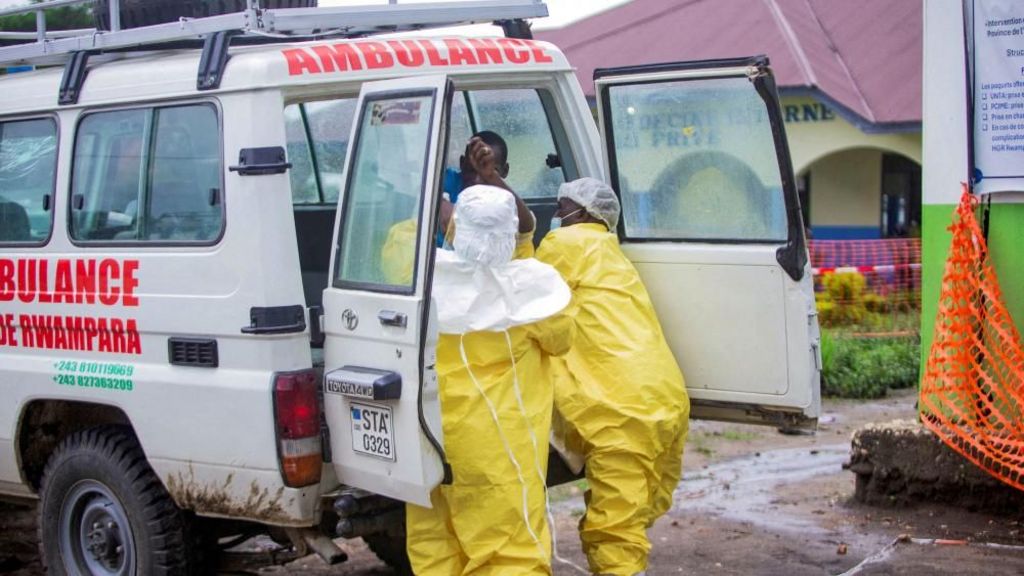
    The MV Hondius outbreak marks the first time a hantavirus outbreak has been recorded on a cruise ship. All 87 passengers and 35 crew members were escorted off the ship by fully protected public health personnel off the coast of Tenerife, with the full evacuation operation wrapping up Monday night. After the final passengers left the vessel, remaining crew took on necessary supplies and set a course for Rotterdam, the Netherlands, per an announcement from the ship’s operator, Oceanwide Expeditions.

    Two evacuation flights arrived overnight in the southern Dutch city of Eindhoven. The first carried 19 crew members and three medics; Dutch crew members returned to their homes for quarantine, while 17 Filipino crew members were transported to a dedicated quarantine facility established by Dutch public health authorities. A second plane, chartered by Australian authorities, carried six passengers: four Australians, one New Zealand national, and one British citizen residing in Australia. Per the Dutch foreign ministry, these passengers will complete a short quarantine period near Eindhoven Airport before continuing their travel to Australia as soon as public health officials clear them for departure. Australian authorities have not yet released additional details on the passengers’ status.

    Public health guidance notes that most hantavirus strains spread primarily through exposure to rodent droppings, and do not spread easily between humans. The Andes strain detected in this outbreak, however, can spread between people in rare circumstances. Symptoms of hantavirus infection include fever, chills, and muscle aches, and typically develop between one and eight weeks after exposure, a wide window that requires extended monitoring for potentially exposed people. Currently, there is no specific cure or licensed vaccine for hantavirus, though the WHO confirms that early detection and supportive treatment significantly improves patient survival outcomes.

    Tedros recommended that all passengers returning from the MV Hondius complete a 42-day quarantine period, either at home or in dedicated public health facilities, to account for the pathogen’s long incubation period. He added that the WHO cannot mandate this guidance globally, and individual nations may adopt different monitoring protocols for asymptomatic passengers who were exposed to the outbreak.

  • No sign of larger hantavirus outbreak, says UN health agency

    No sign of larger hantavirus outbreak, says UN health agency

    Nearly six weeks after the first hantavirus-related death on the Dutch-flagged expedition cruise ship MV Hondius, the final batch of passengers have disembarked and been repatriated, with the World Health Organization (WHO) confirming there is currently no evidence of an escalating large-scale outbreak. Still, global health leaders are urging continued vigilance, noting the virus’s long incubation period could bring additional confirmed cases in the weeks ahead.

    On Monday, the emptying vessel departed Granadilla port on Spain’s Canary Islands off Tenerife, bound for its home port of Rotterdam. The final 28 evacuated passengers arrived in the Dutch city of Eindhoven via two charter flights on Tuesday, marking the end of a multi-country repatriation operation that has brought 122 passengers and crew members back to their home nations over recent days. As of Monday evening, 27 people – 25 crew and two medical staff – remained on board to sail the vessel to Rotterdam, with an expected arrival on the evening of May 17. The ship will undergo full sanitization after docking, with arrival protocols still being finalized, according to operator Oceanwide Expeditions.

    The outbreak has already claimed three lives, with seven confirmed cases recorded across multiple countries as of mid-May 2026. The first fatality was an elderly Dutch man who died on board the ship on April 11, before posthumous confirmation of infection. His wife died two days after disembarking in St Helena and traveling to Johannesburg, South Africa, and a third passenger, a German woman, died on the ship on May 2; both women have since been confirmed as positive cases.

    In the days following the final repatriation, new positive detections have continued to emerge across the globe. A Spanish national quarantined in Madrid after evacuation returned a preliminary positive result on Monday, while French health authorities confirmed one infected woman is in isolation in Paris with worsening health, and contact tracing is underway for 22 of her close contacts. U.S. health officials reported a second American repatriate has developed mild symptoms, with both U.S. cases transported back in biocontainment units as a precaution. Two British citizens with confirmed infections are currently receiving treatment in the Netherlands and South Africa respectively.

    Twelve clinical staff at a Nijmegen, Netherlands hospital have entered precautionary quarantine after potential exposure while treating an evacuated passenger. Hospital officials explained the workers did not follow full strict biosafety protocols when handling the patient’s blood and urine samples, making the precautionary measure necessary. Ukraine’s foreign ministry confirmed the four Ukrainian crew remaining on the ship to sail it to Rotterdam will enter medical quarantine on arrival, and all have so far shown no signs of infection. Seventeen Filipino crew members who disembarked arrived in the Netherlands on Tuesday, the Philippine Embassy confirmed.

    Speaking at a press conference in Madrid on Tuesday, WHO Director-General Tedros Adhanom Ghebreyesus delivered the UN body’s latest assessment of the outbreak. “At the moment, there is no sign that we are seeing the start of a larger outbreak,” he said, though he cautioned that the dynamic situation could shift. “Given the long incubation period of the virus, it’s possible we might see more cases in the coming weeks. Our work is not over” to contain the outbreak linked to the vessel, he added.

    Hantaviruses are most commonly carried by wild rodent populations, but the Andes strain detected in this outbreak – which WHO believes passengers contracted during a port of call in South America before boarding the MV Hondius – is capable of spreading between humans. Common symptoms of infection include high fever, extreme muscle fatigue and body aches, gastrointestinal distress including stomach pain, vomiting and diarrhea, and shortness of breath that can progress to severe respiratory complications. WHO has repeatedly stated that the overall risk of a large community-level outbreak from this event remains very low.

    The MV Hondius departed Ushuaia, Argentina on April 1 with 147 passengers and crew members representing 23 nationalities on board, marking the start of what was supposed to be a planned South Atlantic expedition before the outbreak forced the vessel to divert to the Canary Islands for evacuation.

  • How are countries responding to hantavirus?

    How are countries responding to hantavirus?

    A hantavirus outbreak linked to the Dutch cruise ship MV Hondius has triggered coordinated public health responses across the globe, after the vessel docked at Granadilla port in southeast Tenerife to disembark all remaining passengers and crew over the weekend. Three people who had traveled on the ship have died, with two of the deaths confirmed to be caused by the virus, and the World Health Organization (WHO) has logged a total of nine cases: seven confirmed and two suspected.

    As dozens of international passengers make their way back to their home countries, public health agencies around the world have rolled out targeted quarantine and monitoring protocols to prevent wider community spread of the Andes strain of hantavirus, which is primarily endemic to Argentina and Chile. Investigations remain ongoing into the origin of the outbreak, with the leading hypothesis tying initial exposure to rodent habitats in Argentina, where the cruise began its itinerary after passengers completed a bird-watching trip through Argentina, Chile, and Uruguay. No official confirmation of this origin story has been released to date.

    In the United Kingdom, 20 British nationals, one German resident of the UK, and one Japanese passenger were flown to Manchester Airport on a chartered evacuation flight Sunday, then transferred to Arrowe Park Hospital in Merseyside for 72 hours of mandatory testing and medical assessment. Following this initial monitoring period, the group will return to their homes to complete a 42-day precautionary self-isolation period. UK Health Security Agency officials confirmed that strict infection control measures were enforced throughout the entire repatriation journey. Public Health Minister Sharon Hodgson noted that none of the repatriated passengers have shown any symptoms of the virus, adding that the overall risk to the UK public remains extremely low thanks to stringent monitoring and isolation protocols. In total, 31 British nationals, including both passengers and crew, were on board the MV Hondius, and some disembarked before the first confirmed hantavirus case was reported on May 4.

    United States health officials have echoed the UK’s assessment that the broader public risk remains minimal. Eighteen American passengers have returned to the U.S. so far: 16 are currently undergoing screening at the University of Nebraska Medical Center in Omaha, while two are being cared for at Emory University’s Regional Emerging Special Pathogen Treatment Center in Atlanta, including one patient with mild symptoms who was transported in a specialized biocontainment unit on the repatriation flight. Four California residents with potential exposure are also being monitored: three were passengers on the cruise ship, and one may have been exposed on an international flight. The California Department of Public Health confirmed Monday that the risk to California residents remains extremely low. Per Centers for Disease Control and Prevention guidance, all returning exposed Americans will undergo multi-day health assessments, followed by a 42-day self-isolation and monitoring period that requires daily temperature checks, with individual care plans adjusted based on each patient’s health status and living situation.

    The European Union, via the European Centre for Disease Prevention and Control, has issued guidance aligned with the UK’s protocols: all returning citizens must undergo medical triage by trained healthcare workers, followed by a six-week self-isolation and symptom monitoring period, with instructions to seek immediate care if symptoms develop. In the Netherlands, 13 Dutch nationals (eight passengers and five crew members) who were on board when the ship docked were flown to Eindhoven Sunday, then transported directly to their homes for quarantine. Dutch health officials will conduct daily check-ins with all isolating individuals to catch any early symptoms and provide prompt care if needed.

    Fourteen Spanish nationals repatriated from Tenerife to Madrid are currently in mandatory quarantine at a military hospital in the capital. Spanish Health Minister Mónica García confirmed Monday that one person has received a preliminary positive test result, but remains asymptomatic, in isolation, and in good general health. The other 13 have tested negative preliminarily, with definitive results expected within 24 hours. While Tenerife and Canary Islands residents have expressed public concern over the outbreak being centered in their port community, WHO officials have emphasized that the risk of widespread local transmission is low due to the specific transmission characteristics of hantavirus, and all disembarkation processes were carried out at a port located far from residential areas.

    France has recorded its first confirmed hantavirus case linked to the outbreak: a French national who developed symptoms during a chartered repatriation flight from Tenerife to Paris. French Health Minister Stéphanie Rist reported that the woman is currently isolating in Paris, and her health is deteriorating. Health officials have already traced 22 close contacts of the patient, and all five French citizens returning from Tenerife were placed in immediate strict isolation per Prime Minister Sébastien Lecornu’s weekend order.

    In Germany, four asymptomatic exposed people arrived in the country overnight Monday and were initially monitored in an isolation unit at Frankfurt University Hospital, before being transferred to their home jurisdictions across Berlin, Baden-Wuerttemberg, Bavaria, and Schleswig-Holstein. Germany’s federal health ministry stated that the group will remain under continuous close symptom monitoring, with local authorities responsible for determining any additional local public health measures.

    Six Canadian citizens were on board the MV Hondius: four returned to British Columbia Sunday on a chartered repatriation flight, and are currently self-isolating for a precautionary 21 days, a period that may be extended to 42 days to align with the virus’s 1 to 8 week incubation period. Two other Canadian passengers, a couple in Ontario, are already self-isolating at home with no reported symptoms, according to Canadian Health Minister Sylvia Jones.

    A Swiss national who disembarked the cruise at Saint Helena before returning home has tested positive for hantavirus and is currently receiving medical care. His wife, who traveled with him, remains asymptomatic and is self-isolating as a precaution. Switzerland’s Federal Office of Public Health has confirmed that the overall risk to the Swiss public remains low. Thirty-eight Filipino crew members are on the MV Hondius, and the Philippines has no recorded cases of hantavirus, with local officials stating that the risk of an outbreak there remains extremely low.

  • NSW Health issues measles alert after confirmed case linked to overseas traveller, multiple exposure sites listed

    NSW Health issues measles alert after confirmed case linked to overseas traveller, multiple exposure sites listed

    Public health officials in New South Wales (NSW), Australia, have issued a broad public health warning after a confirmed case of highly contagious measles was detected in an international traveller returning from a region with ongoing outbreaks. The case, which was confirmed earlier this week, has already been linked to dozens of exposure sites across greater Sydney, ranging from popular retail and community hubs to medical facilities and an international flight.

    NSW Health confirmed the infected individual had recently travelled through South and Southeast Asia, a region where health officials are currently reporting persistent measles outbreaks. The traveller remained infectious while moving through multiple NSW communities, leading authorities to publish an ever-expanding list of exposure locations that is updated regularly as contact tracing work progresses.

    Among the sites identified so far are well-trafficked locations including 7-Eleven Emerald Hills, Southgate Shopping Centre in Sylvania, Caringbah Auto Repairs and Service, Philter Brewery in Marrickville, as well as multiple medical centres, retail outlets, and major transport hubs across western, southern, and inner Sydney. A China Airlines flight travelling from Taipei to Sydney, which arrived at Sydney Airport on April 26, has also been listed as an exposure site.

    Officials were quick to clarify that the identified venues no longer carry an ongoing risk of transmission, but have issued urgent guidance for anyone who visited these locations during the active exposure windows to monitor their health closely for 18 days following potential contact. As of the latest update, 48 confirmed measles cases have been recorded in NSW since the start of 2026, leaving public health teams warning that the risk of further community spread remains significantly elevated.

    Dr Alvis Zibran, a public health staff specialist with the Nepean Blue Mountains Local Health District, emphasized that ongoing vigilance is critical, especially for individuals who may have visited one of the listed exposure sites. “If you develop symptoms and have been at one of the locations during the specified times, contact your doctor or local health service, including an emergency department,” Dr Zibran advised. “Be sure to call ahead before you arrive to let providers know you may have been exposed to measles, that way you won’t wait in shared waiting rooms with other patients, and always wear a mask during your visit.”

    Dr Zibran outlined the key symptoms of measles that the public should watch for: initial symptoms typically include fever, irritated sore eyes, runny nose, and a cough, with a distinctive red, blotchy rash developing three to four days after symptoms first appear. The rash usually starts on the head and face before spreading outward to the rest of the body. Even people who have not visited any of the identified exposure sites should consider testing if they develop these classic symptoms, he added.

    Unlike many common infectious diseases, measles can take up to 18 days from the time of exposure for symptoms to emerge, meaning people who may have been exposed need to monitor their health for the full incubation window. The virus spreads easily through respiratory droplets that enter the air when an infected person coughs or sneezes, making highly contagious in crowded indoor spaces.

    In addition to guidance for people who may have been exposed, public health officials are urging all community members to review their vaccination status to confirm they are protected. “One of the most important messages we can share right now is that people need to ensure their measles vaccinations are up to date,” Dr Zibran said. “Crucially, the measles vaccine can even prevent infection after exposure if it is administered quickly enough.”

    Officials recommend that anyone born after 1965 confirm they have received two full doses of the measles vaccine. This check is especially critical before planning any international travel, as active measles outbreaks are currently circulating in multiple regions across the globe. In NSW, the combined measles-mumps-rubella (MMR) vaccine is provided free of charge as part of the routine childhood immunization schedule, with doses given at 12 months and 18 months of age. The vaccine is also available free of charge to any person born after 1965 who has not yet received two doses.

    For children under 12 months of age who are travelling internationally, an additional early dose of the vaccine can be given as early as six months of age, though families are advised to consult with a medical provider before travel. For people who are unsure of their vaccination history, health authorities confirm that receiving an extra dose of MMR is completely safe, and eligible age groups can access the vaccine through general practitioners and participating pharmacies across the state.

  • What if we killed all mosquitoes?

    What if we killed all mosquitoes?

    Often overlooked for larger, more intimidating predators, the tiny mosquito stands as humanity’s deadliest natural enemy. Each year, this tiny blood-sucking insect claims an estimated 760,000 human lives — a toll far higher than that of lions, snakes, or even humans themselves, which rank a distant second in annual global deaths caused by animal species, data from research outlet Our World in Data shows.

    Mosquitoes are responsible for spreading 17% of all infectious diseases globally, including life-threatening conditions such as malaria, dengue, yellow fever, chikungunya and Zika. As human-caused climate change continues to raise global temperatures, mosquito populations are expanding their ranges into previously uninhabited regions, and longer warm seasons extend their active periods each year, spurring growing concern that these insects could fuel catastrophic new public health crises in the coming decades.

    Against this backdrop, a critical question has emerged for the global scientific community: can humanity safely eliminate the most dangerous mosquito species to stop the spread of disease, and what would be the environmental costs of such a move?

    To start, experts note that a global eradication campaign would not need to target the more than 3,500 known mosquito species. Out of this entire diversity, only around 100 species actually bite humans, and just five species are responsible for roughly 95% of all mosquito-borne human infections, according to Hilary Ranson, a leading vector biologist at the Liverpool School of Tropical Medicine, in an interview with AFP.

    On balance, Ranson argues that the loss of these five high-risk species could be easily tolerated, given the enormous harm they inflict globally, from hundreds of thousands of annual deaths to crippling long-term economic damage in affected regions. Dan Peach, a mosquito entomologist at the University of Georgia, shares this broad perspective but stresses that more research is needed to fully compare the risks and benefits of eradication against alternative disease control strategies.

    Ranson explains that the five disease-carrying mosquito species have evolved to be extremely closely tied to human habitats, feeding on people and breeding in areas close to human settlements. This close association means eradicating these specific species would not cause major disruption to broader global ecosystems, she argues. In their absence, other genetically similar, non-lethal mosquito species would likely quickly fill the vacant ecological niche left behind.

    Peach, however, cautions that the scientific community still lacks a full understanding of the ecological role of most mosquito species, so it is impossible to be completely certain of the outcome of eradication. Even with this knowledge gap, he notes that it is reasonable to acknowledge the uncertainty and still move forward with controlled research and testing. Mosquitoes do play measurable roles in ecosystems: they transfer nutrients from their aquatic larval habitats to terrestrial food webs, serve as a key food source for fish, birds, insects and other animals, and contribute to pollination of some plant species, though the extent of this pollination role remains poorly understood and varies widely between species, Peach adds.

    Ranson also acknowledges the legitimate ethical debate around the concept of human-driven “specicide” — the intentional extinction of an entire species — but points out that human activity is already unintentionally driving the extinction of thousands of species globally every year.

    For researchers pursuing targeted elimination of dangerous mosquito populations, two leading technological strategies are currently under development and testing. The most high-profile new approach is gene drive technology, a genetic engineering tool that modifies organisms to ensure a desired trait is passed down to nearly all offspring, rather than the roughly 50% inheritance seen in natural reproduction.

    In laboratory trials, scientists used gene drive to modify female Anopheles gambiae — the primary mosquito species that spreads malaria — to be infertile, and the modification wiped out an entire lab population of the insects in just a few generations. Target Malaria, a non-profit research project funded by the Bill & Melinda Gates Foundation, has already begun conducting field trials of the technology in several African nations. However, the project suffered a major setback last year when Burkina Faso’s military-led government suspended testing in the country, after the work faced criticism from local civil society groups and became a target of widespread disinformation campaigns.

    A second, more established strategy involves infecting Aedes aegypti mosquitoes, the primary spreaders of dengue, with the naturally occurring bacteria Wolbachia. The bacteria can either crash local mosquito populations or simply reduce the insects’ ability to transmit the dengue virus to humans, leading to an alternative approach: instead of killing the mosquitoes, can we simply make them harmless to people?

    Research published last year found that when sterile, Wolbachia-infected mosquitoes were released in the Brazilian city of Niteroi, local dengue cases dropped by 89% compared to previous years. Today, more than 16 million people across 15 countries are protected by this approach, with no recorded negative ecological or public health consequences, according to Scott O’Neill, founder of the World Mosquito Program, speaking to AFP.

    Other projects are also working on alternative genetic approaches: the Transmission Zero initiative is working to use gene drive technology not to eradicate Anopheles gambiae, but to modify the species so it can no longer spread the malaria parasite at all. Laboratory research published in *Nature* late last year found the project is making significant progress toward this goal, with the team planning to launch its first in-country field trial in 2030.

    Even with these technological advances, the Burkina Faso setback highlighted a key requirement for success: any new mosquito control technology must have sustained political support and local buy-in from the communities and nations where it is tested, according to Dickson Wilson Lwetoijera, a researcher at Tanzania’s Ifakara Health Institute.

    Experts warn that there is no single “magic bullet” to solve the threat of mosquito-borne diseases. Ranson argues that rather than relying solely on high-tech solutions, most of which are funded by the Gates Foundation, the global community needs to pursue a more holistic, multifaceted approach to reducing disease burden. This includes expanding access to affordable diagnosis, treatment, improved housing and more effective vaccines for people in high-burden countries.

    Over the past year, however, sweeping cuts to foreign aid from Western nations have threatened the significant progress made against mosquito-borne diseases over the last two decades, humanitarian organizations have warned, putting hundreds of thousands of lives at renewed risk.

  • Vitamins over vaccines: misinformation entrenched amid Indonesia measles surge

    Vitamins over vaccines: misinformation entrenched amid Indonesia measles surge

    Indonesia is grappling with one of the world’s worst measles outbreaks in recent years, a public health crisis fueled by plummeting childhood vaccination rates that have dropped sharply since the COVID-19 pandemic and deep-rooted misinformation spreading across social media platforms.

    For many parents like Fitri Fransiskha, a 40-year-old stay-at-home mother of four based in Banten province on the western tip of Java, fear of vaccines took root after her first child developed a mild fever following an infant tuberculosis shot. That initial anxiety was amplified by viral falsehoods circulating online that claim routine vaccines cause paralysis, developmental behavioral disorders, and even death. Instead of immunizing her children against the highly contagious, potentially fatal measles virus, Fitri relies on nutrient-dense diets and vitamin supplements to keep her family healthy. Even the ongoing surge in cases has not changed her mind.

    Fitri is far from alone. As the world’s fourth most populous nation, Indonesia has seen a steady rise in vaccine refusal among parents, even as public health officials race to contain the growing outbreak. Data from the Indonesian Paediatrics Association confirms the country now has the second-highest number of measles cases globally, outranked only by conflict-ravaged Yemen.

    Official health data underscores the severity of the crisis: in the first three months of 2026 alone, authorities recorded more than 8,000 suspected measles cases and 10 confirmed deaths. From 2024 to 2025, annual cases more than doubled to over 63,000, resulting in 69 fatalities. A January research paper published in the *Indonesian Journal of Internal Medicine* noted that measles, once on the brink of global elimination, has re-emerged as a major public health danger across Indonesia.

    Public health experts trace the crisis to widespread vaccine misinformation amplified by vocal anti-vaccine activists across popular Indonesian social platforms. A recent study from local data analytics firm Drone Emprit found anti-vaccine content on nearly all of the country’s largest social media networks, reaching a very large share of the population. Ismail Fahmi, founder of Drone Emprit, explained that while anti-vaccine advocates make up a smaller share of users, they are far more vocal and active online than pro-vaccine communities. Many popular influencers, he added, use their platforms to push unproven herbal alternatives to routine vaccination, amplifying distrust in immunization. In March, AFP’s fact-checking team debunked a widespread viral falsehood claiming that natural infection with measles provides stronger protection than approved vaccines.

    Religious concerns have also deepened vaccine hesitancy in the Muslim-majority nation, where pork products are forbidden under Islamic law. Some parents refuse vaccines because certain products contain gelatine derived from pigs, which they argue violates halal dietary rules. Yusran, a 46-year-old entrepreneur based in Makassar, South Sulawesi, has refused to vaccinate any of his five children over halal concerns, saying his children remain healthy without immunization. Even so, Indonesia’s highest Islamic authority, the Indonesian Ulema Council, issued a 2018 fatwa ruling that vaccines are permissible for protecting public health even when they contain porcine gelatine, a clarification that has failed to reach all hesitant communities.

    The combination of misinformation and religious hesitancy has done severe damage to the country’s herd immunity, the threshold of vaccination required to stop measles from spreading easily through communities. “Our herd immunity has been compromised,” explained Riris Andono Ahmad, an epidemiologist at Gadjah Mada University in Yogyakarta. Currently, only around 76% of Indonesian children receive both required doses of the measles-rubella (MR) vaccine, far below the 95% coverage needed to hit herd immunity and eradicate the virus.

    The Indonesian government has made urgent moves to reverse the trend: with a goal of eradicating measles and rubella by the end of 2026, authorities launched an emergency mass vaccination campaign in March across more than 100 regencies and cities, including MR booster shots for over 220,000 frontline health workers. The government has also partnered with leading religious organizations to spread accurate information and encourage parents to vaccinate their children. Indri Yogyaswari, the country’s director of immunization, told reporters that the campaign has already helped reduce measles transmission significantly. Even so, official health ministry data shows that infant first-dose MR vaccination coverage dropped 10 percentage points between 2024 and 2025, leaving the 2026 eradication goal well out of reach at current coverage levels.

  • How worried should we be about hantavirus?

    How worried should we be about hantavirus?

    A hantavirus outbreak aboard the expedition cruise ship MV Hondius has triggered a mass international evacuation of passengers and crew, with global health authorities moving quickly to contain the spread of the virus while reassuring the public that the risk of widespread community transmission remains extremely low.

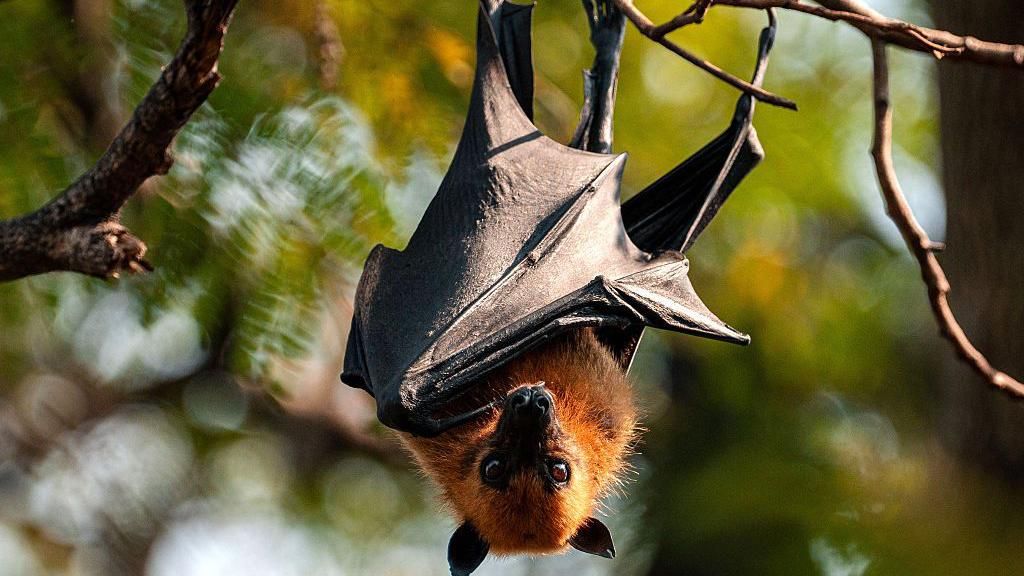
    Three passengers who traveled on the vessel have died, two of whom have been confirmed to have been infected with the Andes strain of hantavirus. To date, nine total cases have been linked to the outbreak, seven of which have been confirmed via laboratory testing. The origin of the outbreak is still under active investigation. Hantavirus is most commonly transmitted to humans from rodents, through inhalation of air contaminated with viral particles from rodent urine, feces, or saliva. Since the cruise sailed through remote, wildlife-rich regions, public health experts say an infected passenger could have picked up the virus either during an onshore excursion or before boarding the ship.

    Unlike highly contagious respiratory viruses such as COVID-19 or influenza, the Andes hantavirus does not spread easily through casual contact. While limited human-to-human transmission is possible through prolonged, close physical contact, World Health Organization (WHO) technical lead Dr. Maria Van Kerkhove emphasized in a Thursday update that this outbreak does not signal the start of a new global pandemic. “This is not Covid, this is not influenza, it spreads very, very differently,” she stated, adding that the overall risk of global infection remains low. UK health officials have echoed this assessment, confirming the virus cannot spread through routine social interactions in public spaces such as shops, offices, or schools.

    Experts note that the cramped, shared living quarters common to even large cruise ships create conditions that could enable limited transmission between passengers in close contact, such as cabin mates. The first recorded death linked to the outbreak was a passenger who died on board the vessel on April 11; his wife, a Dutch national who disembarked when the ship stopped at St. Helena on April 24, later died, and officials are still working to confirm the cause of the first passenger’s death.

    All passengers and crew have now been evacuated and repatriated to their home countries for medical monitoring and isolation. Some passengers departed on earlier connecting flights, and global contact tracing efforts are underway to track every potential exposed individual as a precaution. UK Health Security Agency (UKHSA) chief scientific officer Prof. Robin May described the massive contact tracing operation as “quite a mammoth effort,” noting the work would continue for an extended period.

    Due to the virus’s incubation period, which can range from two weeks to more than a month, exposed passengers face a recommended isolation period of more than 40 days. Multiple countries have implemented formal quarantine protocols for repatriated citizens: 14 Spanish nationals are undergoing mandatory quarantine at a military hospital in Madrid, 20 British passengers arrived in the UK on a chartered flight Sunday and will spend 72 hours in quarantine at Arrowe Park Hospital before completing an additional 42 days of self-isolation at home. Prof. May confirmed all British evacuees are currently healthy and showing no symptoms, and added that the isolation period may be adjusted in the coming days as new scientific data emerges.

    As of the latest updates, new symptomatic and confirmed cases continue to be identified among evacuated passengers. One French passenger developed symptoms during repatriation and is currently isolating in Paris, where her health is reported to be deteriorating; 22 of her close contacts have already been traced. Two British citizens with confirmed cases are receiving treatment in the Netherlands and South Africa, respectively. Spanish health authorities announced Monday that one quarantined passenger in Madrid has received a preliminary positive test result. Two U.S. passengers also reported potential exposure: one has developed mild symptoms, while the other received a weak positive test result for the Andes strain. Both were transported in specialized biocontainment units on their repatriation flight out of an abundance of caution, U.S. health officials confirmed.

    Common symptoms of Andes hantavirus mirror early influenza, including fever, fatigue, and muscle aches, and can progress to shortness of breath, abdominal pain, nausea, vomiting, and diarrhea. While diagnostic testing is available, there is no specific antiviral treatment for hantavirus infection; clinical care focuses on managing symptoms, though early supportive hospital care has been shown to improve survival rates.

    Global health authorities have repeatedly stressed that the risk of infection for members of the general public with no direct connection to the MV Hondius outbreak remains extremely low, and there is currently no cause for widespread public alarm.

  • Hantavirus ship heads to Netherlands after passengers flown home

    Hantavirus ship heads to Netherlands after passengers flown home

    A Dutch-flagged cruise vessel that experienced a deadly hantavirus outbreak that killed three people departed the Canary Islands of Spain on Monday, heading toward its home port of Rotterdam after all remaining passengers were disembarked, repatriated and placed in quarantine across multiple countries.

    The outbreak on the MV Hondius, operated by Netherlands-based cruise firm Oceanwide Expeditions, triggered a global public health alert after the rare rodent-borne virus was detected on board. Unlike the Covid-19 pandemic, global and national health officials have repeatedly emphasized that the general public faces a very low risk of transmission, and that no broad public alarm is warranted, despite the fact that no targeted vaccine or specific curative treatment exists for hantavirus infections.

    According to on-site reporting from Agence France-Presse, the last 28 passengers and personnel were removed from the vessel before it set sail from the port of Granadilla on the island of Tenerife on Monday evening. Cruise operator Oceanwide Expeditions confirmed in an official statement that the 6-day voyage to Rotterdam is scheduled to arrive at the port on the evening of May 17, 2026. The vessel remains crewed by 25 full-time staff and two medical personnel, and is also transporting the remains of a German passenger who died during the outbreak.

    The multi-day, large-scale evacuation wrapped up on Sunday, when 94 people representing 19 nationalities were safely removed from the ship. Spanish health authorities originally only granted permission for the vessel to anchor offshore due to public health protocols, but unfavorable weather conditions forced the ship to dock at the Granadilla industrial port. Spanish officials stressed that all public safety measures were strictly enforced to prevent any contact between people on the ship and local communities. Medical teams escorted all evacuees directly from the vessel to the Tenerife airport for repatriation flights, following mandatory health screenings at every step. The final group of evacuees removed on Monday included citizens of Australia, New Zealand, the United Kingdom and remaining crew members.

    As of Monday, eight confirmed cases of hantavirus and two additional probable cases have been recorded across the outbreak, with people from six countries affected, according to data from the World Health Organization and national health agencies. Multiple countries have already reported confirmed infections among repatriated passengers: A French woman repatriated to Paris tested positive for the virus after developing symptoms Sunday night; one Spanish evacuee has also tested positive, while 13 other Spanish evacuees returned negative results. U.S. health authorities confirmed one American evacuee with mild symptoms and a second positive case of the Andes virus, the only strain of hantavirus that can spread from human to human.

    In the Netherlands, 12 staff members at Radboud University Medical Center have been placed in six-week preventive quarantine after procedural errors occurred when handling blood work and disposing of urine samples from an infected evacuee being treated at the facility. Hospital officials noted the quarantine is a precautionary measure, as the overall risk of infection remains low.

    Health agencies around the world are currently conducting contact tracing operations, tracking all passengers who disembarked the vessel before the full evacuation, as well as any individuals who may have had close contact with infected evacuees.

    The origin of the outbreak remains a point of discussion between international health authorities. The MV Hondius departed Ushuaia, Argentina – where hantavirus is endemic – on April 1 for an Atlantic cruise bound for Cape Verde. The WHO has stated it believes the initial infection occurred before the voyage departed, with secondary human-to-human transmission taking place on board the ship. However, Argentine health officials have raised questions about this timeline, pointing to the virus’s multi-week incubation period and other epidemiological factors to cast doubt on the theory that the outbreak originated in Ushuaria.

    In a video address shared by the cruise line on Monday, MV Hondius Captain Jan Dobrogowski praised the resilience of everyone on board during the weeks-long crisis, highlighting the “unity and quiet strength” of passengers and the “courage and selfless resolve” of the crew that remained on the vessel to sail it back to Rotterdam.

  • US passengers from ship quarantined as officials say public risk ‘very low’

    US passengers from ship quarantined as officials say public risk ‘very low’

    Eighteen American passengers evacuated from the Dutch cruise vessel MV Hondius over potential hantavirus exposure are now under close public health supervision in the United States, with federal and state authorities repeatedly emphasizing that the overall risk to the general American public remains extraordinarily low.

    The current incident marks the first confirmed case of Andes virus — a rare strain of hantavirus — detected in an American passenger who was aboard the ship, which is currently docked in Spain’s Canary Islands. One passenger received a positive test result for the virus, while a second individual has developed mild, non-specific symptoms that could be consistent with infection. More than 90 passengers from the ship are in the process of being repatriated to their home countries following the outbreak.

    Of the 18 monitored Americans, 16 are being held at the United States’ only national quarantine facility located in Nebraska, while the remaining two, including the symptomatic passenger and their travel partner, have been transferred to monitoring sites in Atlanta to avoid overcrowding the Nebraska unit, according to Centers for Disease Control and Prevention (CDC) official Brendan Jackson. “No-one who poses a risk to public health is walking out the front door onto the streets of Omaha,” Nebraska Governor Jim Pillen confirmed during a joint press conference with state and federal health leaders on Monday morning.

    Admiral Brian Christine of the U.S. Department of Health and Human Services (HHS) reinforced the official risk assessment, saying, “Let me be crystal clear: the risk of hantavirus to the general public remains very, very low. The Andes variant of this virus does not spread easily, and it requires prolonged close contact with someone who is already symptomatic.”

    Unlike most hantavirus strains, which are carried by rodents and cannot spread between human hosts, public health experts confirm that the Andes variant — the strain detected in multiple passengers on the MV Hondius — is capable of person-to-person transmission. The outbreak on the ship has already resulted in three deaths, two of which have been confirmed by the World Health Organization to be linked to hantavirus infection. To date, two British nationals have also tested positive for the virus, and are receiving treatment in the Netherlands and South Africa respectively. One British-U.S. dual national is among the passengers quarantined in Nebraska.

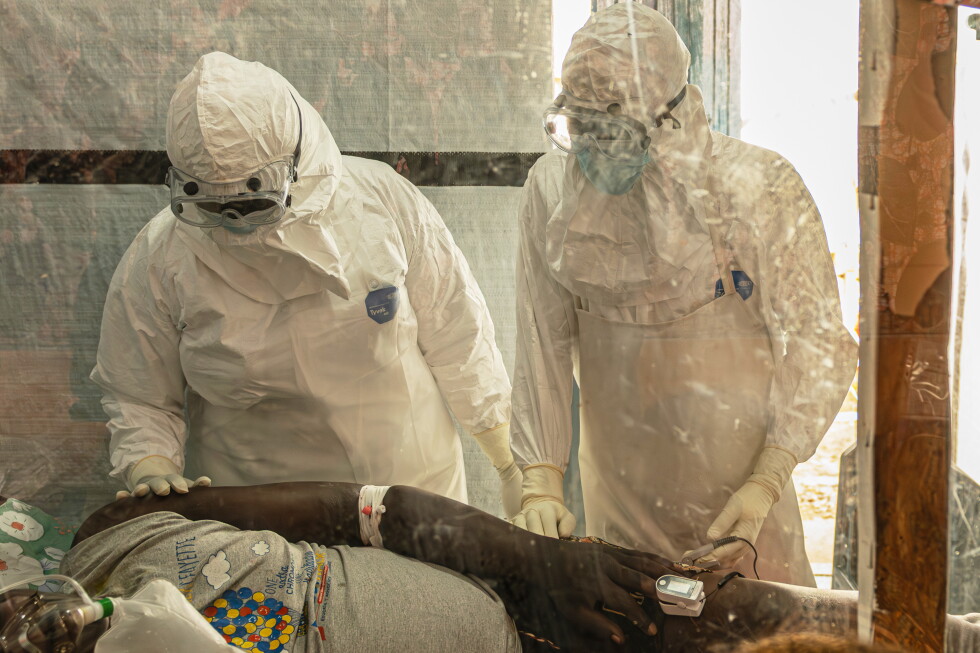
    Michael Wadman, medical director of the National Quarantine Unit in Nebraska, reported that the 16 passengers held at the facility are in good physical condition and positive spirits. The passenger who received the confirmed positive test result has been placed in a specialized biocontainment unit, and is currently not experiencing any symptoms of infection.

    Jackson explained that the CDC is taking an overly cautious approach to monitoring: even mild cold-like symptoms trigger further evaluation, as these can overlap with early signs of hantavirus infection. Earlier confusion over a “mildly positive” PCR test result from one passenger was clarified by Jackson, who noted the original sample was collected on the ship rather than in the U.S., and that one of two collected samples returned positive while the other was negative. “With these PCR tests… there’s sort of a range in where they can fall,” Jackson said. “And so for that reason, we just want to make sure there’s further testing to evaluate that.”

    U.S. health officials are currently prioritizing active symptom monitoring for all quarantined passengers. Wadman added that passengers in Nebraska will undergo full clinical assessment after they have had time to rest following their travel, and will remain at the facility for several days of evaluation. Officials will then review each case individually to decide whether passengers need to complete the full 42-day quarantine period before being released.