Public health officials in New South Wales (NSW), Australia, have issued a broad public health warning after a confirmed case of highly contagious measles was detected in an international traveller returning from a region with ongoing outbreaks. The case, which was confirmed earlier this week, has already been linked to dozens of exposure sites across greater Sydney, ranging from popular retail and community hubs to medical facilities and an international flight.
NSW Health confirmed the infected individual had recently travelled through South and Southeast Asia, a region where health officials are currently reporting persistent measles outbreaks. The traveller remained infectious while moving through multiple NSW communities, leading authorities to publish an ever-expanding list of exposure locations that is updated regularly as contact tracing work progresses.
Among the sites identified so far are well-trafficked locations including 7-Eleven Emerald Hills, Southgate Shopping Centre in Sylvania, Caringbah Auto Repairs and Service, Philter Brewery in Marrickville, as well as multiple medical centres, retail outlets, and major transport hubs across western, southern, and inner Sydney. A China Airlines flight travelling from Taipei to Sydney, which arrived at Sydney Airport on April 26, has also been listed as an exposure site.
Officials were quick to clarify that the identified venues no longer carry an ongoing risk of transmission, but have issued urgent guidance for anyone who visited these locations during the active exposure windows to monitor their health closely for 18 days following potential contact. As of the latest update, 48 confirmed measles cases have been recorded in NSW since the start of 2026, leaving public health teams warning that the risk of further community spread remains significantly elevated.
Dr Alvis Zibran, a public health staff specialist with the Nepean Blue Mountains Local Health District, emphasized that ongoing vigilance is critical, especially for individuals who may have visited one of the listed exposure sites. “If you develop symptoms and have been at one of the locations during the specified times, contact your doctor or local health service, including an emergency department,” Dr Zibran advised. “Be sure to call ahead before you arrive to let providers know you may have been exposed to measles, that way you won’t wait in shared waiting rooms with other patients, and always wear a mask during your visit.”
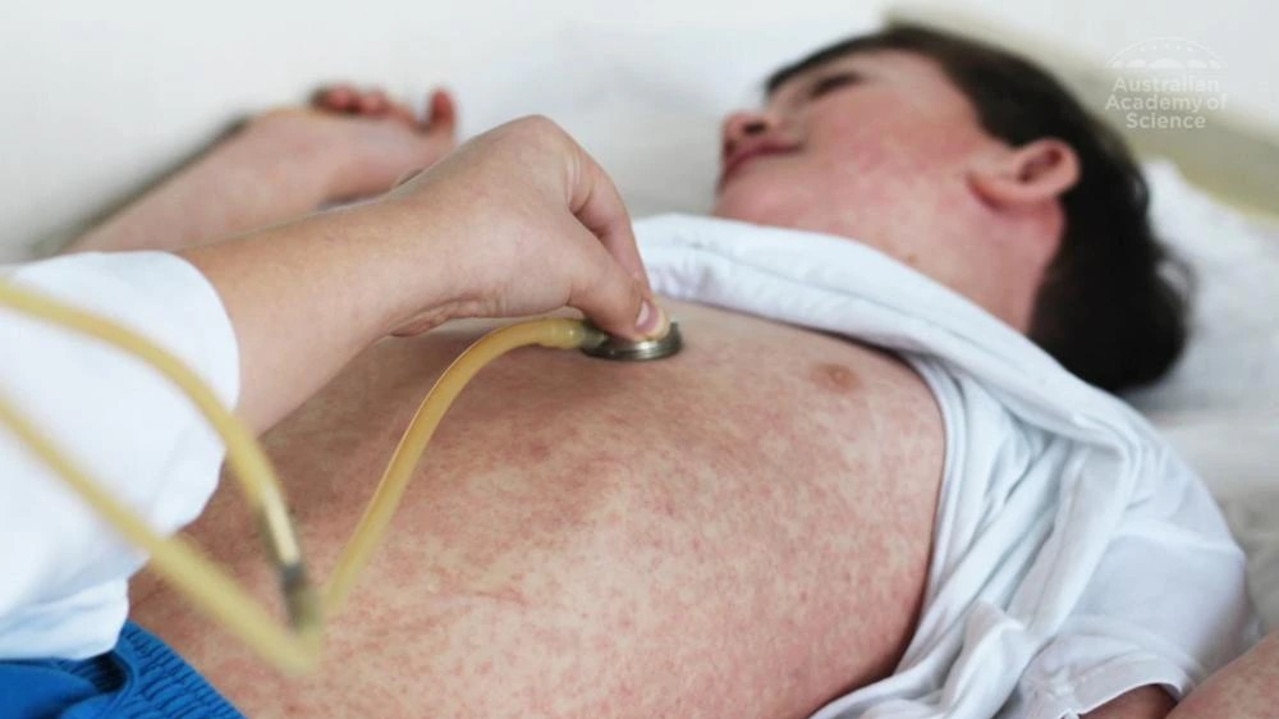
Dr Zibran outlined the key symptoms of measles that the public should watch for: initial symptoms typically include fever, irritated sore eyes, runny nose, and a cough, with a distinctive red, blotchy rash developing three to four days after symptoms first appear. The rash usually starts on the head and face before spreading outward to the rest of the body. Even people who have not visited any of the identified exposure sites should consider testing if they develop these classic symptoms, he added.
Unlike many common infectious diseases, measles can take up to 18 days from the time of exposure for symptoms to emerge, meaning people who may have been exposed need to monitor their health for the full incubation window. The virus spreads easily through respiratory droplets that enter the air when an infected person coughs or sneezes, making highly contagious in crowded indoor spaces.
In addition to guidance for people who may have been exposed, public health officials are urging all community members to review their vaccination status to confirm they are protected. “One of the most important messages we can share right now is that people need to ensure their measles vaccinations are up to date,” Dr Zibran said. “Crucially, the measles vaccine can even prevent infection after exposure if it is administered quickly enough.”
Officials recommend that anyone born after 1965 confirm they have received two full doses of the measles vaccine. This check is especially critical before planning any international travel, as active measles outbreaks are currently circulating in multiple regions across the globe. In NSW, the combined measles-mumps-rubella (MMR) vaccine is provided free of charge as part of the routine childhood immunization schedule, with doses given at 12 months and 18 months of age. The vaccine is also available free of charge to any person born after 1965 who has not yet received two doses.
For children under 12 months of age who are travelling internationally, an additional early dose of the vaccine can be given as early as six months of age, though families are advised to consult with a medical provider before travel. For people who are unsure of their vaccination history, health authorities confirm that receiving an extra dose of MMR is completely safe, and eligible age groups can access the vaccine through general practitioners and participating pharmacies across the state.