分类: environment

  • Kenya launches BIOFIN to unlock $150 billion for nature conservation

    Kenya launches BIOFIN to unlock $150 billion for nature conservation

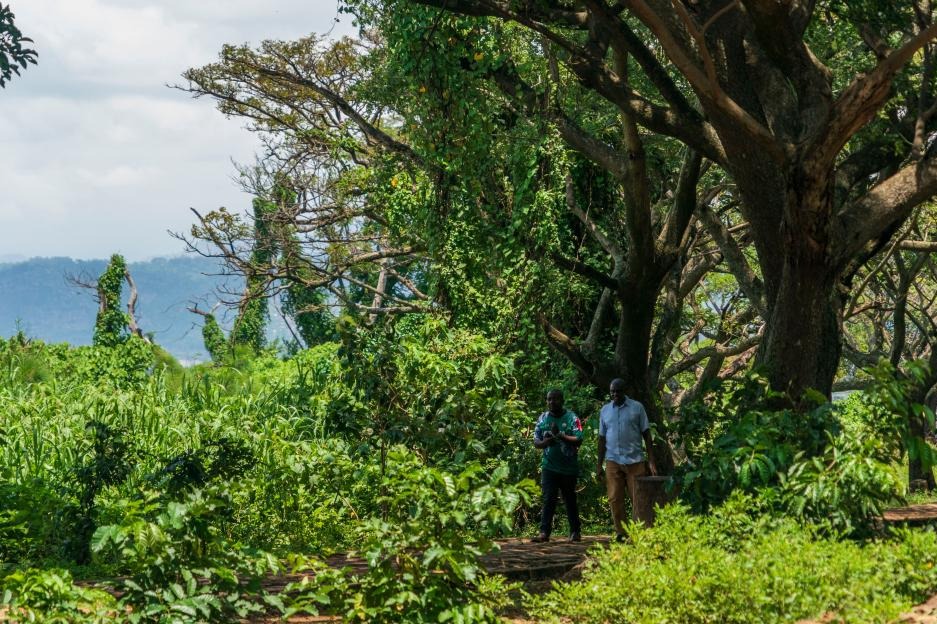
    In a landmark step to align environmental protection with long-term economic growth, the Kenyan government has partnered with the United Nations Development Programme (UNDP) to roll out the Biodiversity Finance Initiative (BIOFIN), an ambitious framework designed to mobilize between $100 billion and $150 billion in nature-focused investment over the next 10 years. Against a backdrop of widening gaps in conservation funding across the globe, the initiative re-frames biodiversity protection as a core economic pillar rather than a secondary environmental concern, creating a centralized national platform to bring diverse stakeholders together to scale up conservation investment.

    The collaborative platform unites a broad cross-section of actors, from Kenya’s National Treasury and Nairobi Securities Exchange to commercial banks, local and international conservation groups, and global development partners. This multi-stakeholder design is intended to break down silos between public policy, private finance and on-the-ground conservation work, creating a coordinated pathway to expand investment that delivers both ecological and economic benefits.

    Festus Ng’eno, Principal Secretary for Kenya’s State Department for Environment and Climate Change, framed BIOFIN as a practical, evidence-driven solution to the pressing biodiversity finance gap. He emphasized that while Kenya’s unparalleled natural capital forms the backbone of the national economy and sustains livelihoods for millions of Kenyans, this critical resource is facing growing pressure from multiple fronts: accelerating climate change, widespread land degradation, rising pollution, and unsustainable natural resource extraction.

    “That is why we must treat biodiversity conservation not just as an environmental issue, but as a key economic and development priority,” Ng’eno stated at the official launch. “Financing biodiversity should not be viewed as a cost, but as a strategic investment in economic resilience, climate adaptation and sustainable development. Let us move beyond dialogue and focus on implementation.”

    Chris Kiptoo, Principal Secretary at Kenya’s National Treasury, reinforced this framing, outlining the Treasury’s commitment to building a inclusive biodiversity finance architecture that protects fragile ecosystems while advancing economic empowerment for marginalized groups including women, young people, Indigenous peoples, and local host communities. Kiptoo noted that relying exclusively on public funding can never close the massive biodiversity finance gap, making cross-sector and cross-border partnership and private capital mobilization non-negotiable.

    He pushed back against the common narrative that conservation spending competes with other pressing public priorities. “It is an investment in economic resilience, fiscal sustainability, and intergenerational equity, fully consistent with the objectives of Medium-Term Plans IV and Kenya’s ongoing public finance reforms,” Kiptoo explained. He added that BIOFIN directly complements existing government initiatives, most notably the Financing Locally Led Climate Action Program, which already works to expand climate and nature investment at the county and community level.

    “Through the program, Kenya is already demonstrating how well targeted public finance can empower local actors, build resilience, and deliver measurable outcomes on the ground,” Kiptoo said. “BIOFIN builds on this foundation by providing a national framework to scale, coordinate, and sustain such investments over the long term.”

    UNDP Resident Representative in Kenya Jean-Luc Stalon noted that BIOFIN is a proven global model: more than 40 participating countries have already mobilized over $2.7 billion for biodiversity protection through the initiative, proving that investing in nature is far from a luxury — it is a strategic development choice for countries operating amid tight resource constraints.

    “Today’s launch signals Kenya’s intention to be part of that leadership,” Stalon said. “Success, however, will depend on what follows: strong institutional alignment, openness to innovative financing models, and sustained public private collaboration.” He emphasized that BIOFIN is not a traditional short-term conservation project, but a systemic financial framework designed to turn global climate and biodiversity commitments into tangible on-the-ground action.

    Led locally by program manager Christine Mwangi through UNDP Kenya, BIOFIN Kenya will deliver targeted support across three core areas: advancing policy reform aligned with biodiversity goals, developing a pipeline of investable conservation projects, and improving biodiversity budget tracking at both national and county levels. The initiative will also pilot a range of innovative financing instruments, including green bonds, blended finance structures, and ecosystem-based revenue mechanisms, building on the progress already made through ongoing government programs like the Financing Locally-Led Climate Action Programme.
  • Fiji villagers reject plan for ‘Pacific ashtray’ in beach paradise

    Fiji villagers reject plan for ‘Pacific ashtray’ in beach paradise

    A $630 million proposal to construct a massive waste-to-energy incinerator on Fiji’s main island has ignited widespread public and political pushback, with critics decrying the project as a form of “waste colonialism” that threatens one of the South Pacific’s most beloved coastal tourism hubs.

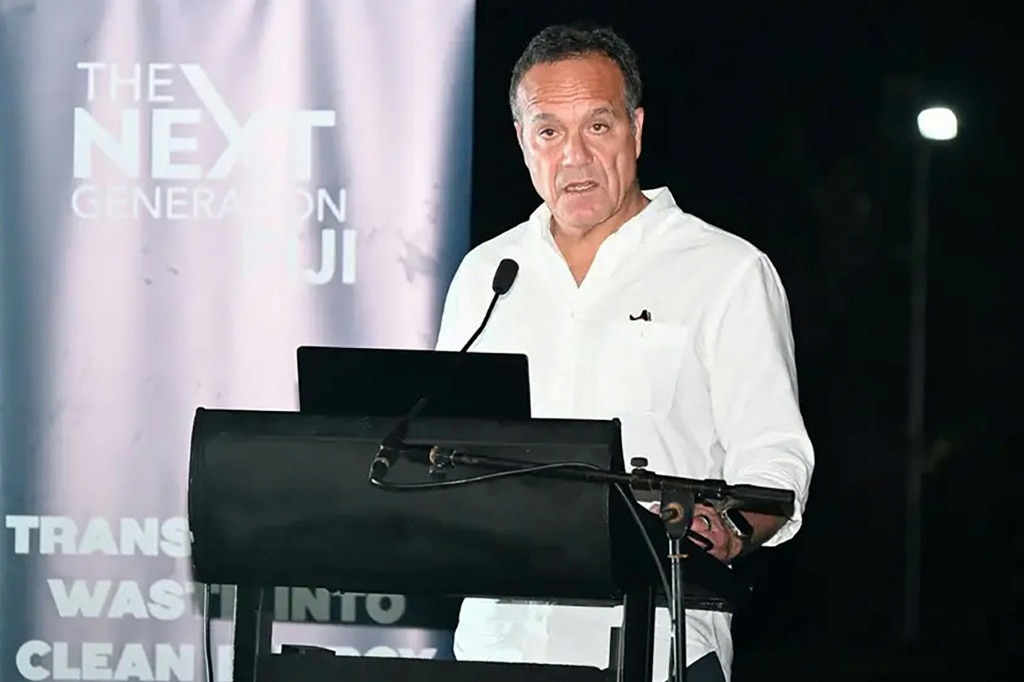
    The initiative is led by two Australian businessmen: Ian Malouf, founder of the Australian waste disposal giant Dial-a-Dump, and Rob Cromb, owner of the global fashion label Kookai, who was born in Fiji and maintains manufacturing operations for his brand in the country. The pair plan to build both the incinerator and a dedicated port just 15 kilometers from Nadi, Fiji’s primary international tourism gateway that welcomes hundreds of thousands of visitors annually to its iconic white-sand beaches and coral reefs.

    According to project projections, the facility would process up to 900,000 tonnes of non-recyclable waste each year. Proponents argue the incinerator could meet 40% of Fiji’s total electricity demand, cutting the small island nation’s heavy reliance on expensive and polluting diesel-generated power. In a formal statement, Cromb noted that energy-from-waste systems are widely deployed in regions with strict global environmental standards, asserting that diverting waste from landfills—where methane, a far more potent greenhouse gas than carbon dioxide, is released—would deliver net lifecycle emissions benefits. He also emphasized the project would address Fiji’s own domestic waste management challenges and rejected claims that it would primarily import foreign waste. “It is not a project intended to import waste from overseas,” Cromb said, adding that developer TNG has taken local concerns over environmental safety, transparency, and project scale seriously.

    However, official project documents submitted to Fiji’s government tell a different story: the facility is designed to process not only local waste but also up to 700,000 tonnes of waste shipped annually from Australia and other regional economies. Environmental documents also confirm the incinerator would increase Fiji’s total national greenhouse gas emissions by 25%—a striking figure for a low-lying island nation that has positioned itself as a global leader in climate change advocacy. Opponents add that toxic ash residue and dioxin emissions would contaminate local fishing grounds and the broader food chain, threatening the livelihoods of coastal villages that have relied on the ocean for generations.

    The project already faced a high-profile rejection years earlier in Australia: Malouf spent seven years pursuing approval for an identical waste-to-energy facility near Sydney’s Blacktown suburb, only to have it blocked in 2018 over documented risks to public health. Stephen Bali, who led local opposition as Blacktown mayor and now serves as a member of New South Wales’ state parliament, has publicly called on Fijian officials to commission independent scientific analysis of the proposal. “Gathering up rubbish from Australia, driving it in a diesel truck to port, putting it on a diesel ship to Fiji to be offloaded — it would be interesting to look at those emissions,” Bali told Agence France-Presse. “We need to deal with our own waste.”

    On Tuesday, Inoke Tora, a traditional Fijian landowner, traveled by bus from the proposed project site to the capital city of Suva to deliver a villagers’ petition opposing the plan to Fijian Prime Minister Sitiveni Rabuka. “There are hundreds of people living in villages in this place and they fish each day, eat fresh crabs. They call that beach paradise,” Tora told AFP during his journey. “The government should stop this.”

    High-profile Fijian figures have echoed the opposition. Fiji’s United Nations Ambassador Filipo Tarakinikini wrote in a social media post Monday that the Vuda Coast, the project’s proposed location, “must not become the Pacific’s ashtray,” echoing widespread criticism that wealthy nations are shifting their waste burdens to vulnerable Pacific island states, a practice opponents label as waste colonialism. Fiji’s Tourism Ministry has also warned that the incinerator could jeopardize the entire Nadi tourism region—Fiji’s economic backbone, which draws millions of visitors annually drawn to the country’s reputation as an unspoiled eco-tourism destination. The ministry noted that similar waste facilities globally are sited far from population centers and tourist hubs, while this proposal would place the incinerator near residential villages, hotels, and local schools. Local resident Eremasi Matanatabu, a food company manager based in the region, added that the industrial facility would irreparably alter the historic bay where the first Fijian settlers arrived centuries ago. “It will stick out like a big sore thumb,” he said.

    Opponents also point out that importing large volumes of foreign waste to Fiji would violate the 1989 Basel Convention, a global treaty restricting transboundary movement of hazardous waste, which both Australia and Fiji have ratified. As of this week, Fijian environmental officials confirmed the project is still under formal intergovernmental review, with no final decision yet reached. Malouf has not responded to multiple requests for comment from AFP.

  • Green belt helps curb desertification, invigorate local industries in Xinjiang

    Green belt helps curb desertification, invigorate local industries in Xinjiang

    Along the sun-baked southern fringe of the Taklimakan Desert, China’s largest shifting sand desert, a sweeping, vibrant green barrier stretches far beyond the visible horizon. Hardy sand-fixing trees stand tall as resilient sentinels holding back encroaching dunes, while fruit orchards and medicinal plantations have taken firm root in what was once barren, inhospitable sand. This dramatic transformation is the result of the region’s ambitious Taklimakan Desert sand-blocking green belt initiative, which is delivering dual wins: reversing advancing desertification and unlocking new sustainable economic opportunity for local communities in southern Xinjiang, Northwest China.

    What began as an ecological restoration project has evolved into a model of balanced development that pairs environmental protection with inclusive economic growth. Rather than treating desert management as a purely conservation effort, regional planners designed the green belt to support commercially viable, sand-adapted industries that benefit local households. Today, medicinal herbs such as Cistanche deserticola — a valuable traditional Chinese medicine — are grown among sand-fixing shrubs, while drought-tolerant fruit tree plantations produce high-quality crops for markets across China and beyond.

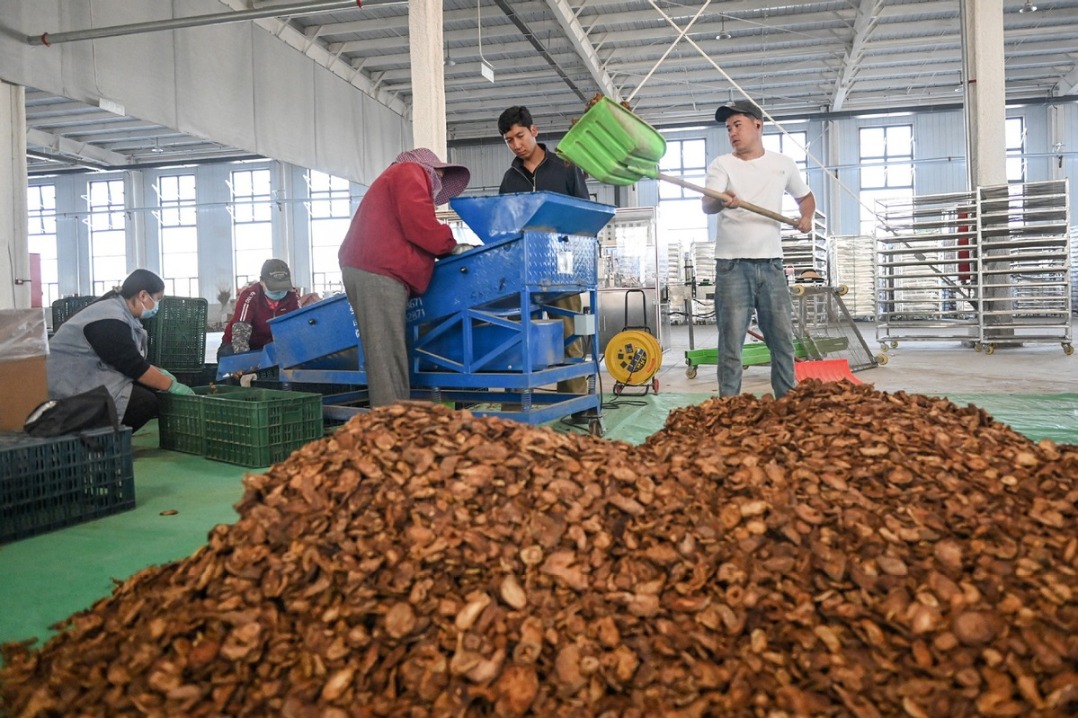
    Official project data shows that the expansion of these sand-based sustainable industries now covers 10.83 million mu, equivalent to roughly 722,000 hectares, of former desert land. The sector generates an annual output value of 28.975 billion yuan, approximately $4.25 billion, injecting much-needed vitality into the regional economy and creating stable local jobs for rural residents. Photographs from mid-April 2026 captured workers at an agricultural technology firm in Aksu, a key prefecture along the desert’s edge, sorting processed slices of harvested Cistanche deserticola ahead of distribution to pharmaceutical and wellness markets.

    Ecological monitoring data confirms the project’s environmental impact: the green belt has significantly slowed the southward advance of Taklimakan’s dunes, reduced regional sandstorm frequency, and improved overall soil retention across southern Xinjiang. For local stakeholders, the initiative stands as a proof of concept that arid desert landscapes do not have to be economic wastelands — with strategic planning and sustainable management, they can be turned into productive, vibrant lands that support both people and the planet.

  • Why your recycled clothes could end up in this South American desert

    Why your recycled clothes could end up in this South American desert

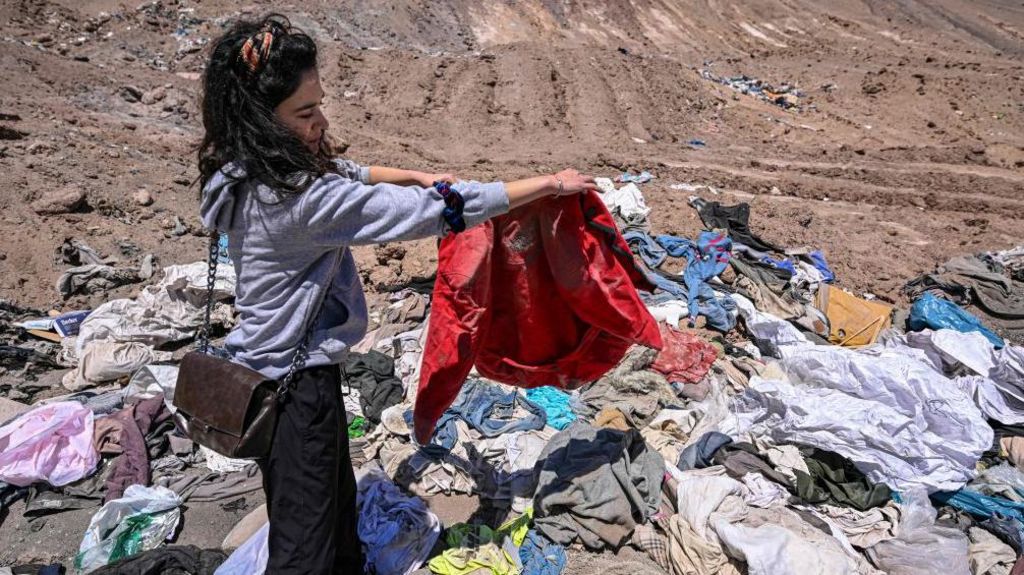
    Every year, millions of discarded pre-owned garments collected from donation bins across Europe, North America and Asia make their final resting place in one of the harshest landscapes on Earth: Chile’s Atacama Desert. A stark environmental crisis has emerged from the global secondhand clothing trade, which has long benefited the northern Chilean economy but left the arid region choking on unsold textile waste – and now a new private sector initiative is stepping in to address the problem, spurred by landmark regulatory change.

    At the heart of the global secondhand clothing flow is Iquique’s Zona Franca del Iquique, known locally as Zofri. Established in 1975 to drive economic growth in northern Chile’s underdeveloped regions, this duty-free free trade zone allows businesses to import, store and re-export goods without paying customs duties or value-added tax. Over decades, used clothing became one of Zofri’s largest import sectors: official Chilean government data puts annual imports of pre-owned garments at roughly 123,000 tonnes, with shipments arriving in compressed bales via container from across the globe. Once imported, the clothing is sorted, sold locally at low-cost markets or re-exported to other Latin American markets.

    For the local community, the sector delivers tangible economic benefits. Felipe González, Zofri’s general manager, notes that roughly 10% of the region’s local workforce – most of whom are low-skilled women without formal advanced qualifications – find employment in the clothing trade, sorting garments by quality for resale. The lowest-quality unsold stock ends up at La Quebradilla, a sprawling open-air market just 30 minutes uphill from Iquique in Alto Hospicio, where stalls sell everything from t-shirts to dresses starting at just $0.54. Tourists and local residents flock to the market on weekends to hunt for bargains, cementing the trade’s role in the local economy.

    But the boom in secondhand clothing has come at a devastating environmental cost. Unsold garments cannot be deposited in local municipal landfills, which are only permitted to accept household waste rather than commercial import waste. Legitimate disposal options – including exporting the unsold stock, paying taxes to sell the garments outside the free trade zone, or contracting authorized waste management firms – all carry significant costs. For unethical traders, the far cheaper alternative is to illegally burn unsold clothing or dump it in the vast, unpatrolled expanses of the surrounding Atacama Desert. By the largest industry estimates, this illegal dumping totals 39,000 tonnes of textile waste every year.

    Local authorities have struggled to curb the practice. Miguel Painenahuel, who works in Alto Hospicio’s urban planning department, explains that the desert’s wide open terrain and countless accessible access points make it easy for trucks to sneak in and dump waste overnight. While the municipal government conducts patrols and operates surveillance cameras to issue fines to violators, limited resources mean enforcement efforts cannot keep pace with the steady flow of dumped clothing.

    Now, a public-private partnership spurred by new national regulation is working to turn the crisis into a circular economy opportunity. In Iquique, the non-profit CircularTec – the Centro Tecnológico de Economía Circular, which advances sustainable resource reuse – has partnered with veteran local textile importer Bekir Conkur to build Chile’s first large-scale textile recycling facility targeted at this unsold clothing waste.

    Conkur, a Turkish-born entrepreneur who has operated in Chile’s textile trade for more than 15 years and imports 50 containers of secondhand clothing monthly, has invested $7 million in the new facility, currently under construction 20 minutes outside Alto Hospicio. When fully operational in a few months, the water- and chemical-free plant will process unsold garments into raw fibers, which are then converted into felt for use in mattresses, furniture, automotive interior components and building insulation. Conkur projects the facility will have the capacity to process 20 tonnes of textile waste per day, handling a large share of the region’s annual unsold clothing stock.

    The initiative comes in response to a landmark update to Chile’s environmental regulation: last July, the national government added textiles to its existing Extended Producer Responsibility (EPR) Law. The regulation shifts the financial and operational responsibility for end-of-life product management from local governments and the public sector to the brands, retailers and importers that put the clothing on the market. While the specific regulatory details for the textile sector are still being drafted by the government, the rule change has created a clear incentive for private companies to invest in recycling infrastructure, turning waste management into a viable business opportunity.

    Luis Martínez, executive director of CircularTec, emphasized that the goal of the project is far more than just compliance: “We don’t want the Atacama Desert to be famous as a tourist attraction where visitors can see mountains of clothes.” Looking forward, Conkur believes his facility will not only handle waste from across Chile, but could eventually process textile waste from other countries around the world, turning a growing global environmental problem into a sustainable, profitable circular business.

  • Chernobyl’s radioactive landscape is testament to nature’s resilience and survival spirit

    Chernobyl’s radioactive landscape is testament to nature’s resilience and survival spirit

    Deep within the radioactive contamination of Ukraine’s Chernobyl Exclusion Zone, where humans have not been allowed to settle for nearly four decades, one of the planet’s most remarkable ecological recoveries is unfolding. On ground poisoned by the worst nuclear disaster in human history, rare and once-endangered wildlife roams free, turning a symbol of human catastrophe into an accidental wild refuge—now facing a new, man-made threat from Russia’s full-scale invasion of Ukraine.

    The disaster that created this strange landscape dates back to April 26, 1986, when a catastrophic explosion at the Chernobyl Nuclear Power Plant blew a plume of radioactive fallout across much of Europe. The disaster forced the immediate evacuation of every town and village across a 2,600-square-kilometer exclusion zone spanning Ukraine and neighboring Belarus, displacing more than 100,000 people. To this day, the zone remains too radioactive for permanent human habitation, unfit for settlement for generations to come. But in the absence of people, nature has reclaimed the land.

    Wolves now traverse the vast unoccupied terrain that humans abandoned. Brown bears, absent from the region for more than a century, have returned to repopulate their historic range. Populations of lynx, moose, red deer, and even free-roaming dog packs have rebounded dramatically, creating an ecosystem that mirrors the wild European landscapes of centuries past. The most notable success story, however, centers on Przewalski’s horse, a rare wild breed native to the steppes of Mongolia that once hovered on the edge of total extinction.

    Distinct from all domestic horse breeds, Przewalski’s horses carry 33 pairs of chromosomes—one more than their domesticated relatives— and are the last truly wild horse species walking the planet today. Known as takhi, meaning “spirit,” in their native Mongolia, the species was first formally documented by 19th-century Russian explorer Nikolai Przhevalsky, from whom it takes its common name. As the species declined to near-extinction across its original Asian range, conservationists launched an experimental reintroduction in the Chernobyl exclusion zone in 1998, releasing a small founding population into the radioactive landscape.

    Four decades on, that experiment has yielded what leading zone ecologist Denys Vyshnevskyi calls a “small miracle”: a self-sustaining, free-roaming population of the rare horses has taken root and grown. Hidden motion-activated camera traps, which Vyshnevskyi spends hours installing across dense, overgrown terrain, have revealed the horses adapting to their new home in unexpected ways: they seek shelter from harsh winters and biting insects in crumbling Soviet-era barns and abandoned human homes, even bedding down inside the derelict structures. While many of the original introduced animals died off in the first years, the remaining population has adapted, forming small, stable social groups: one mature stallion, multiple mares, and their young, alongside separate all-male bands of younger horses.

    Scientists have not recorded widespread wildlife die-offs tied to the zone’s persistent background radiation, though subtle biological impacts have been documented: some frog species have evolved darker pigmentation to protect against radiation damage, while bird populations in the most contaminated areas show higher rates of cataract development. Even so, ecologists broadly agree that the absence of human activity, from industrial development to hunting and agriculture, has created a net benefit for wildlife that far outweighs the costs of low-level radiation exposure. “Nature recovers relatively quickly and effectively,” Vyshnevskyi explained, noting that the exclusion zone now looks much like European landscapes did centuries before widespread industrialization and human settlement. The transformation is visible to the naked eye: tree saplings push through the foundations of abandoned apartment blocks, crumbling roads have been reclaimed by forest, and faded Soviet road signs stand weathered beside overgrown cemeteries dotted with leaning wooden crosses.

    For conservation science, the Chernobyl recovery offers an unprecedented natural experiment. “For those of us in conservation and ecology, it’s kind of a wonder,” Vyshnevskyi said. “This land was once heavily used—agriculture, cities, infrastructure. But nature has effectively performed a factory reset.”

    That accidental wonder is now under severe threat from the 2022 Russian invasion of Ukraine. When Russian troops advanced toward Kyiv in the early weeks of the war, fighting swept directly through the Chernobyl exclusion zone, with soldiers digging fortifications and military positions directly into contaminated soil. Military activity has sparked widespread wildfires across the zone’s forests, sparked by downed drones and artillery strikes. Oleksandr Polischuk, who leads a local firefighting unit in the zone, says crews often must travel dozens of kilometers across unpaved, dangerous terrain to reach blazes. The fires pose an additional hidden risk: they can stir up trapped radioactive particles and release them back into the atmosphere, spreading contamination across wider areas.

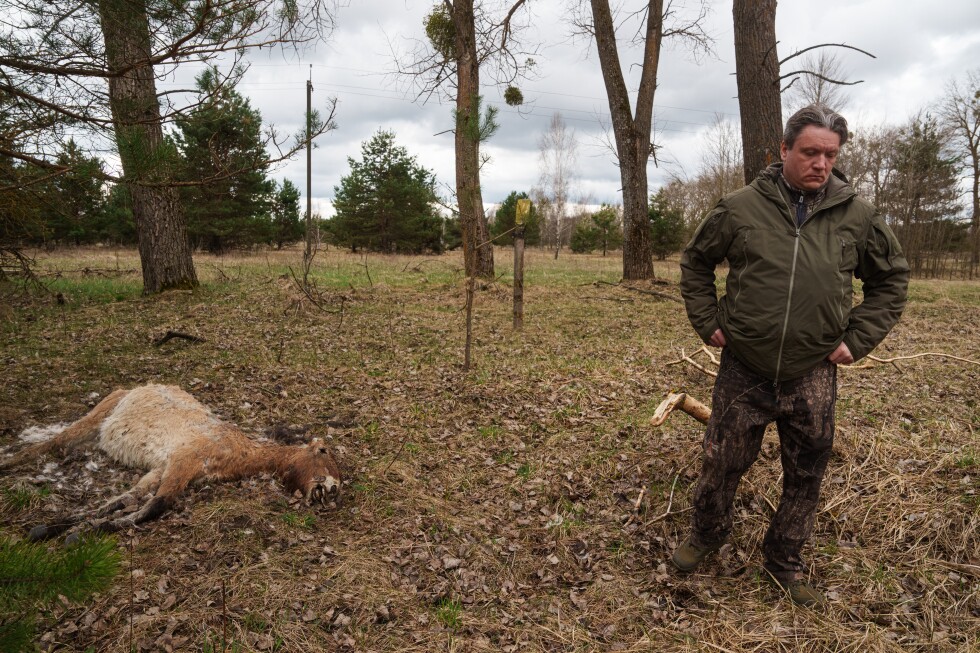
    Harsh wartime winters and damage to Ukraine’s power grid have also taken a heavy toll, stripping protected area management teams of critical resources. Scientists have recorded sharp increases in fallen trees and dead wildlife, casualties of both extreme cold and hastily built military fortifications that fragment habitat and disrupt animal movement. Today, the exclusion zone is no longer just a quiet accidental wildlife refuge: it is a heavily militarized corridor, crisscrossed with concrete barriers, barbed wire, and unmarked minefields. Personnel who monitor the wildlife and maintain the zone rotate in and out constantly to limit their radiation exposure, just as they navigate the constant risks of a war that has settled across the contaminated landscape.

    The paradox of Chernobyl remains, decades after the disaster: it will almost certainly remain off-limits to permanent human settlement for generations. It is a landscape defined by one of humanity’s worst mistakes, too dangerous for people to call home. Yet in that absence, it has become a haven for life—one that ecologists are working desperately to protect even amid the chaos of a new man-made conflict.

  • Wildfires used to ‘go to sleep’ at night. Climate change has them burning overtime

    Wildfires used to ‘go to sleep’ at night. Climate change has them burning overtime

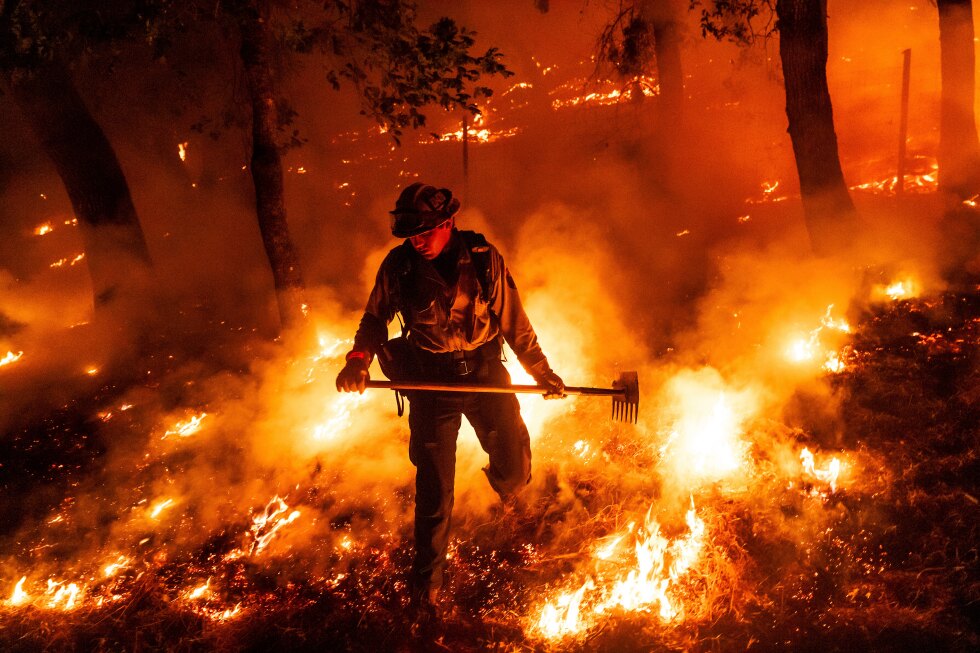
    For decades, wildfires across North America followed a predictable rhythm: as temperatures dropped and nighttime humidity rose, flames would die down, giving crews a critical window to contain blazes before they spread further. But a landmark new study published in *Science Advances* confirms what firefighters and researchers have suspected for years: human-caused climate change has thrown that natural cycle off balance, extending wildfire-prone conditions deep into the night and pushing the start of dangerous fire weather earlier each season. The findings paint a stark picture of how rising global temperatures are escalating wildfire risk across the United States and Canada. The study, led by researchers from the Canadian Forest Service and University of Alberta, calculates that the total number of annual hours with weather conditions favorable to wildfire spread across North America has jumped 36% over the past 50 years. In some hard-hit regions, the increase is far more dramatic: parts of southwestern New Mexico and central Arizona now see more than 2,000 additional fire-prone hours each year compared to the mid-1970s, the highest increase recorded in the research. California, a state that has faced repeated catastrophic wildfire seasons in recent years, has gained 550 extra high-risk hours annually. Beyond extending daily burning windows, the research also found the overall wildfire season has grown 44% longer, adding 26 extra days of fire-prone conditions to the calendar over the past half century. Study authors note the shift is driven overwhelmingly by warmer, drier nighttime temperatures paired with slightly increased wind speeds. Unlike past decades when overnight humidity would restore moisture to vegetation and cool temperatures would slow flame spread, modern nights no longer deliver that relief. “Fires normally slow down during the night, or they just stop,” explained study co-author Xianli Wang, a fire scientist with the Canadian Forest Service. “But under extreme fire hazard conditions, fire actually burns through the night or later into the night.” Wang warned that ongoing atmospheric warming means this trend will only grow more severe in coming decades. Overnight-burning blazes are not just a statistical shift — they pose a direct, increased danger to communities and firefighters alike. Recent high-profile catastrophic fires have followed this dangerous new pattern: the 2023 Lahaina wildfire on Maui that killed more than 100 people ignited at 12:22 a.m., while the 2024 Jasper fire in Alberta and 2025 Los Angeles fires all raged uncontrolled through the night. Fires that do not die down overnight gain a critical head start the next day, making them far harder to extinguish, explained John Abatzoglou, a fire scientist at the University of California Merced who was not involved in the study. “Nights aren’t what they used to be — that is, more reliable breaks for wildfire,” Abatzoglou said in an email interview. “Widespread warming and lack of humidity is keeping fires up at night.” Wildland firefighters face unique hazards battling overnight blazes, from navigating dark, rough terrain to encountering nocturnal wildlife displaced by approaching flames. Nicholai Allen, a career wildland firefighter and founder of a home fire prevention company, noted a colleague of his was bitten by a bear fleeing a nighttime fire. “You have to deal with all the same hazards you face in the daytime: snakes, bears, mountain lions,” Allen explained. “But at night, those animals are disoriented and terrified, running straight away from the flames, putting them right in our path.” To reach their conclusions, the research team analyzed hourly atmospheric data — including temperature, humidity, wind, precipitation, and vegetation fuel moisture — from nearly 9,000 large wildfires recorded between 2017 and 2023, using data from weather satellites and ground monitoring stations. They built a statistical model linking weather conditions to fire activity, then applied that model to historical climate data stretching back to 1975 across the U.S. and Canada. The research aligns with longstanding climate science that shows nighttime temperatures are warming faster than daytime temperatures across most of the globe. The root cause is the accumulation of heat-trapping greenhouse gases from fossil fuel burning, which increase nighttime cloud cover that traps heat near the Earth’s surface, acting like a blanket to prevent cooling. Data from the U.S. National Oceanic and Atmospheric Administration confirms that since 1975, average summer overnight low temperatures in the contiguous United States have warmed by 2.6 degrees Fahrenheit (1.4 degrees Celsius), compared to a 2.2 degree Fahrenheit (1.2 degrees Celsius) increase in average daytime high temperatures. This rapid nighttime warming means overnight humidity no longer rebounds to the levels it reached in past decades after a day of hot, dry conditions, explained study lead author Kaiwei Luo, a fire science researcher at the University of Alberta. Drought conditions, which have become more frequent and severe across much of western North America due to climate change, amplify this effect: higher temperatures suck additional moisture out of soil and vegetation, turning trees and underbrush into highly flammable fuel for fires. When vegetation dries out, it can take weeks to regain enough moisture to become less fire-prone, Wang explained. Just as warm summer nights prevent human bodies from cooling off and recovering from heat stress, warmer nights prevent forest ecosystems and vegetation from recovering from daytime heat and dryness. “It’s just an added stress to the plants,” Wang said. “That also increases fuel flammability and makes fire spread more easily.” The trend of lengthened burning windows has already translated to far more area burned across the continent. Between 2016 and 2025, U.S. wildfires burned an average of 11,000 square miles (28,500 square kilometers) — an area roughly the size of Massachusetts — each year, according to the U.S. National Interagency Fire Center. That is 2.6 times the average annual burn area recorded in the 1980s. In Canada, the past decade has seen an average annual burn area 2.8 times higher than the 1980s average, per the Canadian Interagency Forest Fire Centre. Outside experts have called the study a rigorous, important confirmation of climate change’s growing impact on wildfire risk. Jacob Bendix, a fire scientist at Syracuse University who was not part of the research team, called the work “a sobering reminder of climate change’s role in driving increased fire potential across almost all of the fire-prone environments of North America.” This reporting on climate and the environment is supported by funding from multiple private foundations, with The Associated Press retaining full editorial control over all content.

  • Star-rated hotels defy plastic items mandate

    Star-rated hotels defy plastic items mandate

    A groundbreaking new audit released Thursday has exposed large-scale noncompliance with China’s national policy to cut unnecessary single-use plastic waste in the hospitality sector, revealing that star-rated hotels — the first establishments required to phase out routine provision of disposable plastic amenities — are falling even further behind their non-star-rated counterparts in meeting regulatory requirements.

    The investigation was jointly conducted by two leading Chinese environmental nonprofits: the Institute of Public and Environmental Affairs (IPE) and the Wuhu Ecology Center, with technical and strategic guidance from the China Forum of Environmental Journalists. The research combined nationwide public oversight activities with on-the-ground field surveys to paint a comprehensive picture of policy adherence across China’s accommodation industry.

    The policy in question was first rolled out by China’s Ministry of Commerce in August 2020, as part of the country’s broader national strategy to curb growing plastic pollution. The phased rule mandated that all star-rated hotels end the proactive placement of disposable plastic toiletries and amenities in guest rooms by the end of 2022, with the requirement expanding to all hotels, guest houses, and homestays nationwide by the end of 2025.

    Despite this clear five-year phase-in period for the first phase of the mandate, the 2025 public monitoring initiative led by IPE and its partner NGOs confirms that the vast majority of hotels across China continue to automatically place disposable plastic toothbrushes, combs, and other single-use amenities in guest rooms without request.

    The hotel plastic reduction monitoring project, which collects real-time, photo-verified data from volunteer observers across the country, had expanded to cover 1,867 hotels across 256 Chinese cities by the close of 2025. Of these surveyed locations, only 8.4 percent have stopped proactively placing disposable toothbrushes, and just 12.1 percent have ended routine provision of disposable plastic combs.

    Most alarmingly, the report classifies star-rated hotels — which were given a two-year head start to comply with the rule — as the most consistent “laggards” in the sector. Every single one of the 40 five-star hotels included in the survey was found to still automatically provide full sets of disposable plastic amenities to guests. Further, data confirms that the share of compliant star-rated hotels for both disposable toothbrushes and combs is lower than the corresponding compliance rate among unrated accommodation establishments.

    Ma Jun, founding director of IPE, outlined two core barriers driving widespread noncompliance among high-end and star-rated properties. First, a long-standing industry norm in China ties the perceived quality of hotel service directly to the inclusion of free disposable amenities, creating a cultural expectation that operators are reluctant to challenge. High-end hotels’ core customer base, which includes a large share of frequent business travelers, tends to prioritize granular service details, and intense market competition has left most properties fearful that becoming an early adopter of plastic reduction would harm customer satisfaction and put them at a competitive disadvantage against peers that continue to offer disposables.

    Second, Ma noted that current regulatory frameworks impose only weak enforcement constraints on star-rated and high-end hotels. While 16 Chinese cities have introduced formal financial penalties for hotels that continue proactively providing prohibited disposable plastics, only 280 penalty cases were recorded across these jurisdictions between 2019 and 2025. And nearly all of these penalties were issued to small and medium-sized non-star-rated hotels, with almost no enforcement action taken against high-end star-rated properties.

    Compounding these issues, Ma added that plastic waste reduction carries very little weight in China’s official hotel star-rating assessment framework and national green hotel certification programs, removing a key incentive for properties to invest in compliance.

    Industry data underscores the scale of the plastic waste problem the policy is intended to address. According to the China Hospitality Association, China was home to more than 570,000 separate accommodation facilities and over 19 million guest rooms as of the end of 2024. A 2025 industry report estimated that China’s accommodation sector consumed 73,000 metric tons of disposable plastic products in 2020 alone, a figure that has remained largely steady due to widespread noncompliance with the reduction rule.

  • Colombia approves plan to cull dozens of wild hippos

    Colombia approves plan to cull dozens of wild hippos

    On a Monday announcement from Bogotá, Colombian federal environmental authorities greenlit a controversial plan to cull dozens of invasive wild hippos that have overrun fertile, humid river valleys in the nation’s central region. The large non-native mammals have increasingly encroached on human settlements, while pushing native wildlife out of their natural habitats, prompting officials to approve the cull after more than a decade of failed non-lethal population management.

    Colombian Environment Minister Irene Vélez explained that all alternative population control strategies—including surgical sterilization of individual hippos and relocation of the animals to domestic and international zoos—have proven exorbitantly costly and ineffective at curbing the species’ rapid population growth. Up to 80 hippos will be targeted under the approved cull order, though Vélez did not disclose a timeline for when the culling operations will begin. “If we don’t take this step, we will never get this population under control,” Vélez stated, emphasizing the move is a necessary intervention to protect Colombia’s unique native ecosystems.

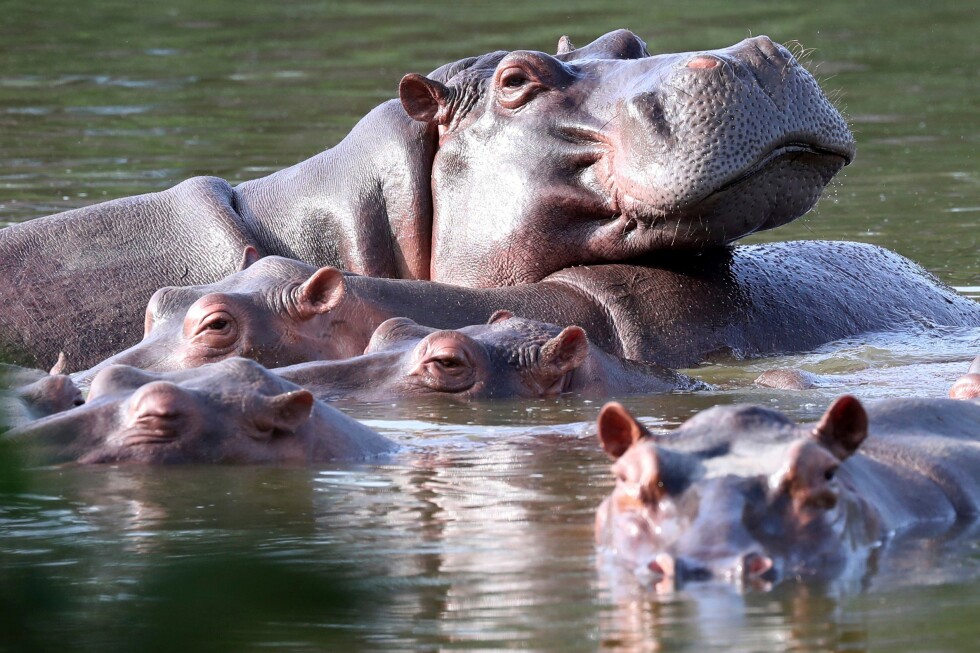
    This wild hippo population is unprecedented: Colombia remains the only country outside of Africa with a sustainable wild hippo colony. The animals trace their roots directly to the private menagerie of infamous Medellín Cartel drug kingpin Pablo Escobar, who imported four hippos to his sprawling Hacienda Nápoles ranch in the Magdalena River Valley during the 1980s. After Escobar was killed in a 1993 police raid, the Colombian government seized most of his assets, including the ranch. While most of his exotic zoo animals were relocated to facilities across the country, the large hippos were left to roam the surrounding river ecosystems due to the logistical difficulty and cost of capturing and moving them.

    From that founding population of four, the hippo colony has exploded in size. A 2022 study from Colombia’s National University pegged the current wild population at roughly 170 individuals, and the animals have expanded their range more than 100 kilometers north of their original territory at Hacienda Nápoles. Environmental officials warn the animals pose a clear danger to local residents, who increasingly encounter the territorial, fast-moving mammals on rural farms and along riverbanks. Ecologists also note that hippos outcompete native aquatic species, including vulnerable Colombian river manatees, for limited food and habitat resources.

    Despite the ecological and public safety risks, the hippos have become an unexpected economic boon for the region. Hacienda Nápoles, now a government-operated theme park featuring water attractions, a zoo housing other African species, and historical exhibits related to Escobar, counts the hippos as one of its top draws. Local villagers outside the park have also built small businesses around the animals, offering guided hippo-watching tours and selling hippo-themed handicrafts and souvenirs to visiting tourists.

    The decision to cull the hippos has drawn fierce pushback from Colombian animal welfare advocates, who have opposed lethal population control proposals for years. Activists argue the hippos have as much right to live in the region, and add that sanctioning a lethal cull sets a harmful precedent for a country still emerging from decades of violent internal conflict.

    For 12 years, across three successive Colombian presidential administrations, the government prioritized non-lethal sterilization programs to slow the hippo population’s growth. But those efforts never expanded beyond a small pilot scale: capturing the powerful, dangerous animals and performing invasive sterilization surgery carries extreme risk and carries a price tag that has been unsustainable for long-term population management. Relocating the entire colony back to Africa is also off the table: the small founding gene pool of the Colombian population and concerns that the animals could carry non-native diseases make a transcontinental relocation unfeasible, leaving officials with few remaining options.

  • The myrrh tree that’s key to luxury perfumes and African incomes is threatened by drought

    The myrrh tree that’s key to luxury perfumes and African incomes is threatened by drought

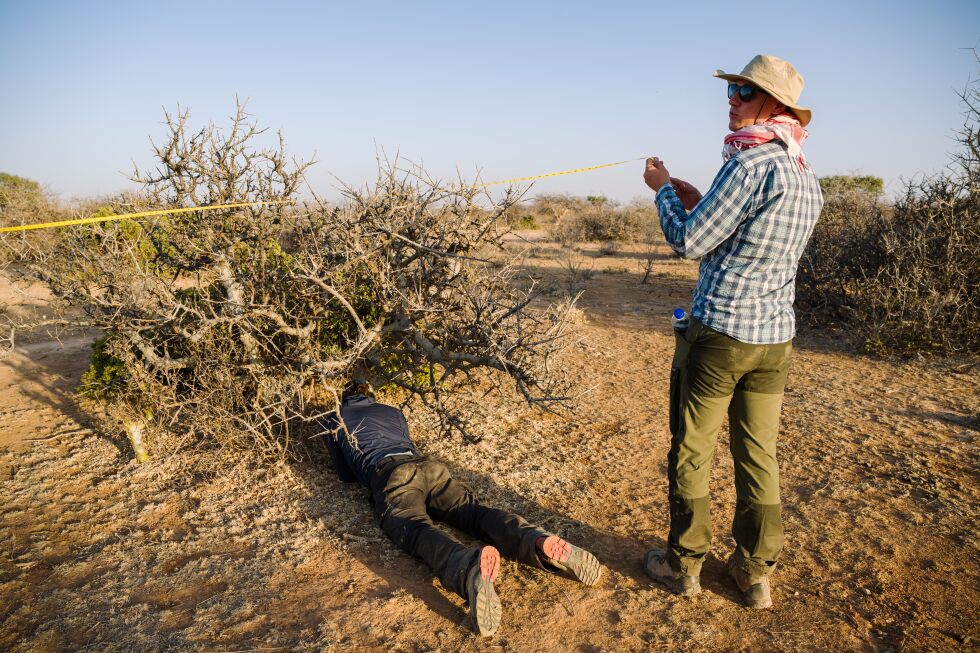
    In the parched, dust-choked lowlands of Ethiopia’s Somali region, a natural resource that has shaped global trade and culture for millennia is facing an unprecedented existential crisis. Myrrh, the aromatic tree resin that serves as a signature base note in hundreds of high-end perfumes from luxury brands including Tom Ford, Comme des Garcons, and Jo Malone, is being pushed to the brink by a climate-fueled historic drought that has ravaged the Horn of Africa for years. Once stretching across dense, sprawling forests across the region, the native Commiphora myrrha trees that produce the resin are now dying off, starved of water and grazed by desperate, hungry livestock struggling to survive in the arid landscape.

    This 2026 on-site research expedition, backed by the American Herbal Products Association and led by supply chain sustainability experts from the University of Vermont and ethical botanical supplier FairSource Botanicals, set out to address two overlapping crises threatening the myrrh trade: the ecological collapse of myrrh forests and the systemic exploitation of local harvesters by exploitative middlemen. For generations, myrrh harvesters in eastern Ethiopia have practiced traditional, low-impact harvesting methods that prioritize long-term forest health: rather than cutting intentional wounds into tree bark to force more resin production—a practice that weakens trees and makes them more vulnerable to pests and disease—local communities collect resin that naturally oozes from existing small wounds on tree trunks. This centuries-old technique produces the highest-quality resin on the global market, but leaves harvesters with just a tiny fraction of the profits generated by the luxury goods myrrh goes into.

    A kilogram of raw myrrh resin earned harvesters between just $3.50 and $10 in 2026, a tiny fraction of the $500 price tag carried by some luxury perfumes that rely on the resin’s distinct earthy fragrance. Currently, most myrrh produced in eastern Ethiopia is sold unregulated to traders from neighboring Somalia, with the Ethiopian government collecting no taxes on the commodity, and harvesters cut off from direct access to global markets that would let them negotiate fairer prices. The research team aims to change that by building transparency into the supply chain, connecting harvesters directly to global buyers to ensure a larger share of profits flow back to the communities that produce the resin.

    Beyond supply chain inequity, the far more urgent threat is the ongoing historic drought, amplified by human-caused climate change. The region’s annual seasonal rains have failed consistently for years, following a devastating extreme flood event in 2023 that devastated crops and grazing land. Today, once-full lakes outside towns like Afcadde sit completely dry, and herders travel as much as 200 kilometers across cracked, parched earth to access the few working wells that still hold water in villages like Sanqotor. Water gathering consumes entire days for local children, who drive donkey carts to deep wells dug into the dry beds of former lakes.

    The drought has hit myrrh populations hard. While mature trees are still largely standing, resin production has dropped sharply as trees conserve what little water they can access. More alarmingly, very few young myrrh seedlings are surviving the harsh conditions. Starving livestock graze on young tree buds, and children pulling goats and sheep through the forest often accidentally uproot small seedlings. Local elder Mohamed Osman Miyir explained that the entire myrrh tree population is declining at an alarming rate, leaving communities deeply worried about the future of a resource that has sustained them for generations. For the poorest residents of the region, who own no livestock and rely entirely on myrrh harvesting for their livelihoods, the collapse of the industry would be catastrophic.

    Myrrh has occupied a central place in global culture, medicine, and trade dating back to ancient Egypt, where it was used in burial rituals, cosmetics, and medicine. Today, growing global interest in natural remedies has sparked new demand for the resin, alongside its steady use in high-end perfumery and traditional local practices—from making ink for Quranic wooden tablets to burning in homes to repel bugs and snakes. Local researchers and harvesters hope that greater global visibility into the challenges facing their industry, paired with the push for direct, fair trade, will help them protect both the myrrh forests and their own traditional way of life. As senior researcher Abdinasir Abdikadir Aweys of the Somali Regional Pastoral and Agro-Pastoral Research Institute noted, local communities are counting on direct market access to deliver stable, sustainable livelihoods that let them continue protecting the forests that the rest of the world depends on for luxury fragrance and natural products.

  • Ocean protections clash with mining pressure in Indonesia’s most diverse marine ecosystem

    Ocean protections clash with mining pressure in Indonesia’s most diverse marine ecosystem

    Tucked away in the remote eastern reaches of Indonesia, the Raja Ampat archipelago rises from the Coral Triangle, the global epicenter of marine biodiversity. Powerful, nutrient-rich ocean currents course through its waters, nurturing a kaleidoscopic underwater landscape where sharks, manta rays, and sea turtles glide past ancient sea fan corals—some found nowhere else on the planet. No other place on Earth concentrates such a staggering volume of marine life into such a compact area, according to Mark Erdmann, an American coral reef biologist who has dedicated more than 20 years to studying the region and shaping its landmark conservation framework. Holding 75% of the world’s documented hard coral species and over 1,700 fish species, Raja Ampat is widely recognized as one of the most critical ocean ecosystems on the planet, but its decades-long conservation success is now under growing threat from two overlapping forces: the global push for renewable energy that is driving nickel mining expansion and a post-pandemic surge in international diving tourism.

    The archipelago’s journey to conservation success was not always smooth. At the turn of the 21st century, unregulated overfishing by outside fleets left the ecosystem in tatters: fishermen used explosive devices and giant gill nets that shattered fragile coral colonies and decimated local shark populations, forcing native fishing households to travel up to 10 kilometers offshore just to bring in a viable catch. At the time, the regional government relied almost entirely on extractive industries—mining and logging—as its core economic drivers, leaving the reefs with little formal protection. The turning point came when a 2003 marine assessment conducted by Conservation International opened up critical dialogue between local government leaders, Indigenous communities, and environmental groups, centered on one core question: could protecting Raja Ampat’s natural assets deliver more long-term food security and sustained economic revenue than continued extraction? To demonstrate the potential of conservation, conservation organizers brought regional leaders to established ecotourism destinations like Bali and Bunaken, letting them see first-hand the economic and social benefits of thoughtful natural resource management.

    Those conversations laid the foundation for a transformative conservation model: by 2007, 10 distinct marine protected areas had been established across Raja Ampat, covering 2 million hectares—roughly 45% of the archipelago’s total reef, seagrass, and mangrove habitats. Today, local community members patrol the protected waters, enforce sustainable fishing rules, and monitor tourism activity, with most operational funding coming directly from tourism revenue, including a $40 entry fee for all international marine park visitors. After 20 years of consistent protection, the results are unprecedented: a 2024 assessment from the Misool Foundation recorded a 109% increase in fish biomass, the key metric for measuring marine ecosystem health, and the archipelago now hosts a stable population of 2,007 documented reef manta rays—a remarkable number for a species classified as vulnerable to extinction across most of the Indo-Pacific.

    This conservation success has coincided with the global transition to renewable energy, which has sent demand for nickel soaring. Nickel is a core component of electric vehicle batteries and critical for wind and solar energy infrastructure, and Indonesia controls roughly 43% of the world’s total nickel reserves, making the metal central to the country’s national economic development strategy. In 2025, the Indonesian government granted new nickel mining concessions on three northern islands in Raja Ampat, some located within a designated UNESCO Global Geopark and just kilometers from the archipelago’s most popular diving sites. Public outcry over the concessions led the government to revoke four permits, but one active concession remains on Gag Island, where mining operations first launched in 2017.

    Environmental activists warn that the damage from mining is already accumulating, with no clear plan for remediation. “The heavy machinery, excavators, bulldozers—they’re still there (in the islands),” explained Timon Manurung, director of Indonesian environmental advocacy group Auriga Nusantara, adding that no party has taken responsibility for restoring land and waters already degraded by mining activity. The archipelago’s steep terrain and heavy annual rainfall amplify the environmental risk: sediment eroded from cleared mining sites flows directly into nearshore waters, smothering corals and blocking the sunlight they need to survive. “In the end, it will cause coral reefs to die,” said Syafri Tuharea, head of the Raja Ampat Marine Conservation Area. The active mining zone also lies along a critical migration corridor for reef manta rays, the archipelago’s biggest international tourism draw. Beyond its coral reefs, Raja Ampat holds extensive seagrass meadows and mangrove forests—coastal ecosystems that act as some of the world’s most powerful natural carbon sinks, absorbing far more carbon dioxide per hectare than terrestrial forests. A 2026 study from Auriga Nusantara found that mining-related deforestation has already cleared nearly 1,000 hectares of coastal and island habitat, an area Manurung calls significant for the archipelago’s small, fragile landmasses.

    Alongside mining pressure, a shifting profile of tourism is placing new strain on the ecosystem. Annual visitor numbers have held steady over the past decade, but the share of international tourists has surged to 95% of the roughly 42,000 annual visitors, while domestic tourism has dropped by more than two-thirds. Most international visitors come for week-long liveaboard diving expeditions, and the number of these vessels has grown rapidly over the past 10 years, according to Kristanto Umbu Kudu, a local dive guide with 25 years of experience working in Raja Ampat. Conservation leaders say the increase in liveaboard traffic has led to widespread coral damage from ship anchors, plus growing volumes of untreated waste and sewage discharged into protected waters. “Our data shows that in 2024, there were 218 tourist ships,” Tuharea said. “Can you imagine how many square meters of coral reef will be destroyed because of the anchors?” Regional authorities are currently discussing the introduction of designated mooring systems and caps on the number of tourist vessels allowed in protected waters, but regulations have not yet been finalized. Even at popular dive sites, visible signs of pollution are growing: at Blue Magic, one of the archipelago’s most iconic dive spots, crystal-clear waters that once drew divers from around the world are now often littered with floating plastic waste, tangled around jellyfish and drifting past reef formations. “That’s something which still breaks my heart every time I see these big rafts of floating plastic,” Erdmann said.

    For marine scientists and divers alike, what is at stake extends far beyond the popularity of Raja Ampat as a diving destination. “It is one of the few places in the world, alongside the Amazon, where biodiversity actually increases from year to year,” said Pol Ramos, a Spanish marine biologist and co-founder of Odicean, a non-profit that combines ocean education with research dive expeditions in the region. Beyond the sheer number of species, Raja Ampat holds irreplaceable genetic diversity: every species in its waters carries millions of years of evolutionary adaptation encoded in its DNA, a natural library of solutions that Erdmann says will be critical as the planet adapts to accelerating climate change. “As we go into a more and more uncertain future with climate change,” Erdmann said, “it’s that genetic diversity that’s what we have to work with in terms of how we adapt.”