分类: environment

  • Yellow River reserve bans drones following bird strike

    Yellow River reserve bans drones following bird strike

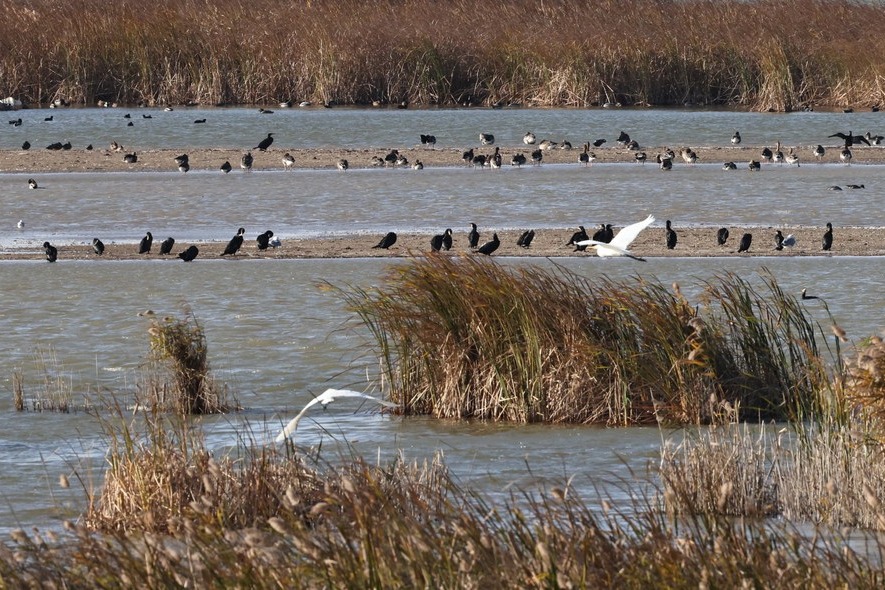
    The Yellow River Delta National Nature Reserve in China’s Shandong province has enacted stringent restrictions on unmanned aerial vehicle operations following a November incident where a migratory bean goose perished in a collision with a drone. This critical wetland sanctuary, spanning 153,000 hectares with wetlands constituting 74% of its territory, serves as a vital hub along the East Asian-Australasian and West Pacific migratory flyways.

    Authorities in Dongying city have implemented comprehensive drone prohibitions during peak migration seasons in spring and autumn. The ban extends to all UAV flights within the reserve and surrounding three-kilometer buffer zones. Reserve management official Hao Yingdong emphasized the commitment to deploying advanced digital technologies to enforce flight restrictions and prevent unauthorized drone operations.

    The protection initiative leverages an sophisticated monitoring network integrating 66 avian observation cameras, 75 wetland tracking systems, and over 40 human activity monitors. This infrastructure employs 5G connectivity, intelligent perception systems, and artificial intelligence to maintain 24-hour surveillance across critical zones. The reserve’s AI-powered recognition technology has achieved over 90% accuracy in identifying flagship species and larger birds despite challenges presented by seasonal molting patterns.

    Conservation efforts have yielded significant ecological dividends. Over three decades, documented bird species have doubled from 187 to 374, with annual populations now exceeding 6 million birds. James Fitzsimons, senior advisor at The Nature Conservancy’s Global Protection Strategies, acknowledged the delta’s globally recognized significance for both breeding populations and migratory species.

    The ecological revival has concurrently stimulated economic benefits. During November and December 2024, the ecological tourism zone welcomed 86,700 visitors—a 43.5% annual increase—generating 4.27 million yuan ($602,800) in revenue. Tourism official Liu Yang highlighted new bird-watching routes, themed cultural products, and enhanced service stations developed to accommodate growing enthusiast interest.

  • How a decade of dedicated protection is transforming China’s mother river

    How a decade of dedicated protection is transforming China’s mother river

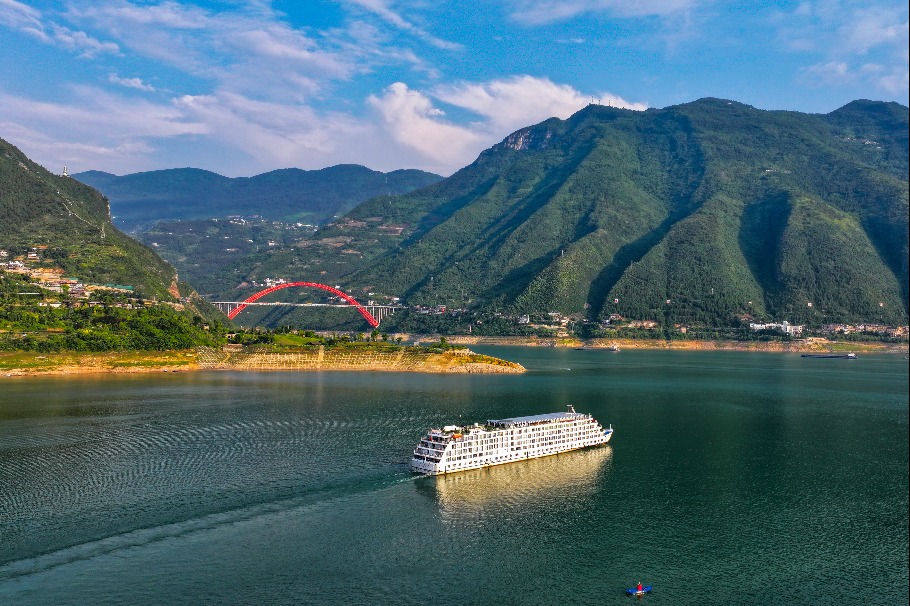
    A remarkable ecological transformation is underway along China’s Yangtze River, reversing decades of environmental degradation through a comprehensive conservation strategy implemented over the past ten years. The 6,300-kilometer waterway, once described as “seriously ill” due to severe pollution and biodiversity loss, has achieved previously unimaginable water quality levels and witnessed the return of native fish species to long-barren stretches.

    The watershed moment occurred on January 5, 2016, when Chinese leadership established the guiding principle that development along the Yangtze River Economic Belt must prioritize ecological protection and green development. This policy shift initiated a comprehensive approach combining strict environmental safeguards, structural economic reforms, and technology-driven governance across 11 provinces and municipalities that collectively generate nearly half of China’s GDP.

    According to Wang Yanxin, academician of the Chinese Academy of Sciences, “The Yangtze conservation drive has woven environmental protection into the fabric of high-quality development, fundamentally reshaping the river basin’s growth model while accelerating transitions in production methods, energy systems, and rural community development.”

    The most dramatic intervention came on January 1, 2021, with the implementation of a comprehensive 10-year fishing ban affecting more than 230,000 fishers across ten provincial regions. This unprecedented measure aimed to reverse the decline in aquatic biodiversity by halting exploitation entirely rather than merely managing it.

    Chongqing municipality, serving as a critical ecological gateway in the river’s upper reaches, demonstrated the policy’s implementation challenges and successes. More than 5,300 fishing boats were retired and over 10,000 fishers transitioned to land-based livelihoods. Many former fishers, like 58-year-old Li Daiguo who now serves on a fisheries enforcement team, have found new purpose in river protection roles while applying their knowledge of the waterways.

    Supported by technological innovation, Chongqing has deployed an AI-powered monitoring system integrating over 1,200 riverside cameras and numerous drones that automatically identify illegal fishing activities, pollution risks, and enforcement gaps. Local authorities report handling more than 5,000 alerts through this system, significantly enhancing regulatory effectiveness.

    The ecological results are quantitatively demonstrated: high-quality water sections have increased from 82.3% in 2016 to over 98% today, while biodiversity shows strong recovery. The population of the iconic Yangtze finless porpoise reached 1,249 in 2023—a 23.4% increase from 2017—and surveys recorded 344 native fish species between 2021-2024, representing an increase of 36 species compared to the 2017-2020 period.

    This conservation effort received robust legal foundation through China’s first river-basin-specific legislation, the Yangtze River Protection Law enacted in March 2021, which established ecological protection and green development as formal guiding principles.

    Contrary to conventional wisdom that environmental protection hinders economic development, the Yangtze River Economic Belt has demonstrated simultaneous ecological and economic progress. Regional GDP has more than doubled over the past decade, with the economic belt’s contribution to national output increasing from 42.2% to 47.3% during this period.

    The region has emerged as a dynamic innovation hub, producing internationally competitive technology companies including AI startup DeepSeek and robotics manufacturer Unitree Robotics, while developing world-class industrial clusters in automotive manufacturing and electronic information sectors.

    The Yangtze River Delta exemplifies this integrated approach, where green industries achieve remarkable efficiency. New-energy vehicle production now takes as little as four hours through coordinated regional specialization: design and software development in Shanghai, battery systems installation in Anhui, final assembly in Jiangsu, and intelligent systems testing in Zhejiang.

    The delta has become China’s largest automotive manufacturing hub, accounting for nearly 40% of the country’s new-energy vehicle output and over one-quarter of global production. Simultaneously, the region has phased out outdated industrial capacity, dismantling 1,361 illegal docks and standardizing or closing more than 200,000 discharge outlets along the Yangtze.

    Wang Changlin, deputy head of the National Development and Reform Commission, emphasized that while the economic belt accounts for approximately one-third of China’s energy consumption and carbon emissions, it generates close to half of the country’s GDP, demonstrating its role as a testing ground for environmentally prioritized development.

    Looking forward, sustained commitment will determine long-term success. The next phase of Yangtze protection will require enhanced technological application, closer coordination between pollution control and carbon reduction, and development of market-based mechanisms for environmental governance, according to experts involved in the initiative.
  • How one rescue by diver in Fujairah put UAE on global marine conservation map

    How one rescue by diver in Fujairah put UAE on global marine conservation map

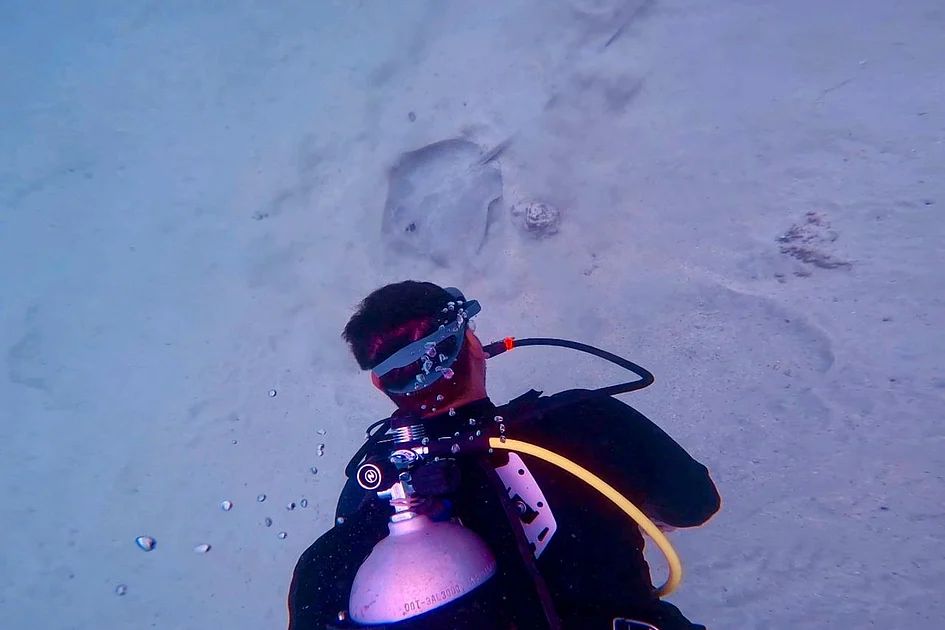
    A routine dive off Fujairah’s coast has evolved into an internationally recognized marine conservation program, demonstrating how individual action in UAE waters can catalyze global environmental change. The initiative began when diving professional Mudasir Wajid encountered a critically entangled stingray pinned to the seabed by over 100 meters of abandoned fishing line at Martini Rock, a popular dive site.

    Wajid recalls the critical moment: ‘When I observed the ray’s spiracles slowing, it became evident the animal was suffocating. Intervention transformed from optional to urgent.’ This single rescue operation ultimately led to the development of the Ocean Guardian Rescue Diver Specialty, now formally accredited by PADI, the world’s leading diving organization.

    The program addresses dangerous misconceptions about marine rescue. ‘Well-intentioned but untrained interventions often exacerbate situations for animals, reefs, and divers alike,’ explains Wajid, a PADI Course Director with over 15 years and 3,500 dives of global experience. The curriculum emphasizes that intervention is only justified when threats are clearly human-generated, such as ghost nets, fishing hooks, or plastic pollution.

    Central to the training is risk management. ‘Task loading constitutes the silent killer,’ Wajid warns. ‘Rescuers become so focused on entanglement that they neglect air supply, buoyancy, and decompression limits.’ The course instills a ‘Stop, Breathe, Think’ methodology, requiring thorough assessment of equipment, team readiness, and gas reserves before any action.

    The training also addresses practical challenges. Standard dive knives often prove ineffective against heavy monofilament lines, necessitating specialized serrated tools. Untrained rescuers frequently rush to cut lines without considering tension dynamics, potentially causing whiplash recoils that endanger both animals and humans.

    Environmental protection remains paramount. ‘One misplaced fin kick can devastate coral growth decades in the making,’ Wajid notes. Rough handling can compromise fish slime coats—their primary immune defense—leading to post-rescue fatalities from infection.

    The program emphasizes that responsible conservation sometimes requires restraint. When conditions prove too hazardous or animals too large/reactive, documentation and reporting through official channels become the most professional response. This philosophy shifts focus from ‘cowboy heroics’ to systematic protocols that prioritize safety and ecological integrity.

    This Fujairah-born initiative now supports the UAE’s broader sustainability objectives while providing divers worldwide with standardized techniques for addressing marine entanglement—proving that trained witnesses and informed responders ultimately serve the ocean better than unchecked heroism.

  • Hungary’s ‘water guardian’ farmers fight back against desertification

    Hungary’s ‘water guardian’ farmers fight back against desertification

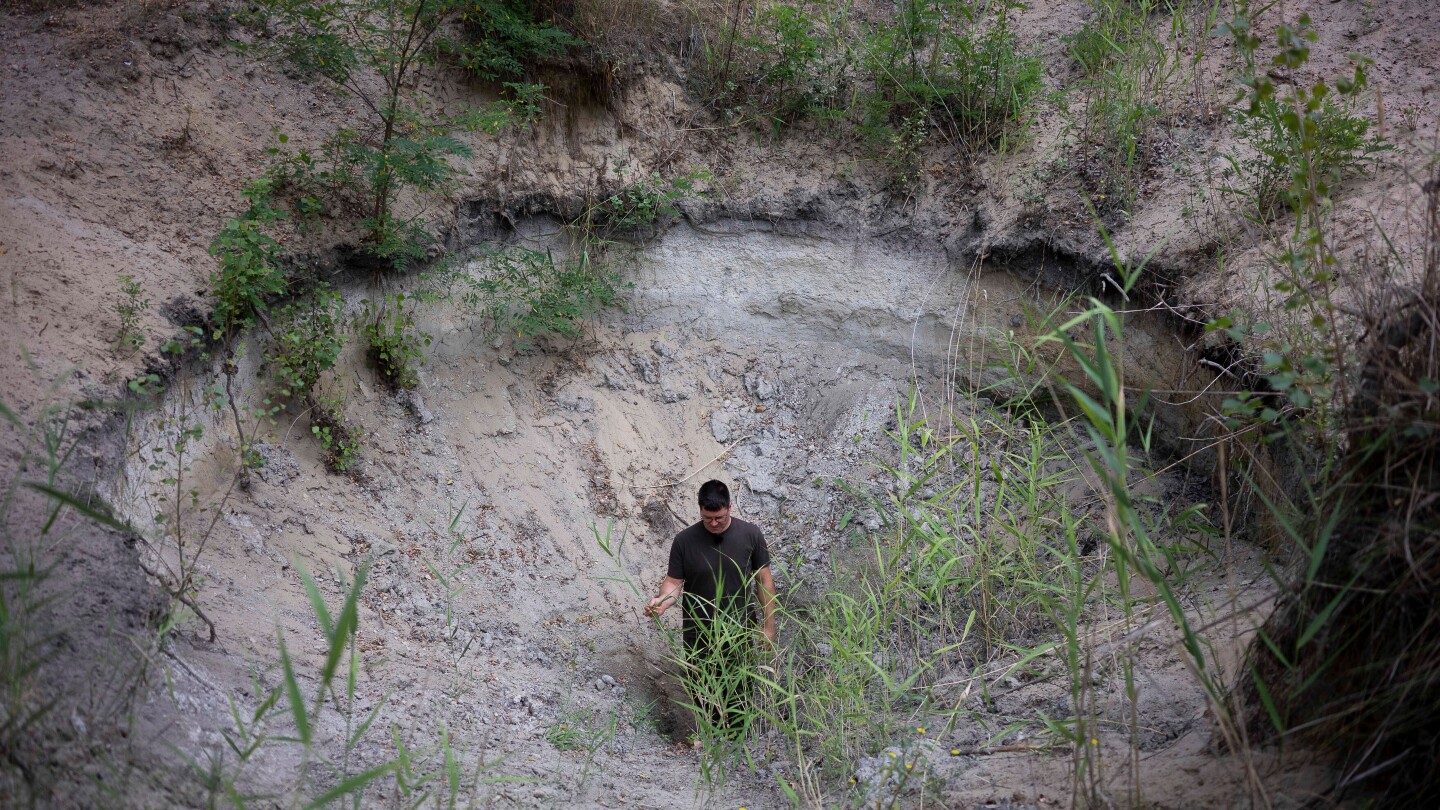
    In the heart of Hungary’s Great Plain, a remarkable environmental transformation is underway as local farmers confront an escalating climate crisis. The Homokhátság region, once a fertile agricultural heartland, now resembles arid landscapes more typical of the Sahara Desert than Central Europe, with cracked earth and expanding sand dunes replacing formerly productive fields.

    Oszkár Nagyapáti, a determined farmer and community leader, stands at the forefront of this battle against desertification. Digging into the sandy soil of his property, he demonstrates the alarming retreat of groundwater levels that has accelerated in recent years. “Where did so much water go? It’s unbelievable,” he remarks, watching cloudy liquid slowly seep into a hand-dug pit that reveals the severity of the water crisis.

    Scientific research published in the European Countryside journal identifies this aridification as unique to the region, resulting from the combined impact of climate change, improper land management, and inadequate environmental practices. Where regular flooding from the Danube and Tisza Rivers once sustained agriculture, now only parched earth remains.

    Nagyapáti has mobilized a group of over 30 volunteers known as “water guardians” to implement an innovative solution using Hungary’s abundant thermal water resources. Their strategy involves redirecting overflow from local thermal spas—water that would otherwise flow unused into canals—to create artificial wetlands that mimic historical flooding patterns.

    The project began with negotiations between the water guardians, local authorities, and thermal spa operators last year. Their first achievement: transforming a 2.5-hectare (6-acre) low-lying field into a shallow marsh using cooled and purified thermal water drawn from deep underground. By blocking sluices along canals, they’ve successfully captured and retained this valuable resource.

    According to meteorological experts from Eötvös Loránd University, the region suffers from unusually dry surface-level air layers that prevent storm fronts from producing precipitation. Instead, these weather systems pass through without rain, creating high winds that further desiccate the topsoil.

    The water guardians hypothesize that their artificial wetlands will not only raise groundwater levels but also create beneficial microclimates through surface evaporation. This could increase humidity, reduce temperatures, minimize dust, and positively impact nearby vegetation—a crucial intervention as climate change continues to accelerate.

    Hungarian Prime Minister Viktor Orbán has recognized the severity of the situation, establishing a national “drought task force” after weather-damaged crops significantly impacted the country’s GDP. The water guardians’ initiative demonstrates measurable success, with improved groundwater levels and increased flora and fauna near the flood site already observable.

    The group now aims to expand their project to additional fields and hopes their community-led approach will inspire similar water conservation efforts throughout Hungary and beyond. As Nagyapáti emphasizes: “Retaining any kind of water, whether in a village or a town, is a tremendous opportunity for water replenishment.”

  • India’s solar boom faces a hidden waste problem

    India’s solar boom faces a hidden waste problem

    India’s remarkable transformation into a global solar energy leader is confronting an emerging environmental challenge: the impending tidal wave of solar panel waste. Having ascended to become the world’s third-largest solar producer within just a decade, the nation now faces the complex task of managing the lifecycle of its renewable infrastructure.

    The solar revolution has visibly transformed India’s landscape, with vast utility-scale parks and millions of rooftop installations feeding power into the national grid. Government statistics reveal nearly 2.4 million households have adopted solar technology through subsidy programs, significantly reducing reliance on coal-fired generation despite thermal power still dominating over half of installed capacity.

    While solar energy generation itself produces minimal emissions, the disposal of decommissioned panels presents significant environmental risks. Solar modules contain potentially toxic materials including lead and cadmium that can contaminate soil and water systems if improperly handled. With panels typically lasting 25 years, the first major wave of installations from the mid-2010s will begin reaching end-of-life within the next decade.

    Current estimates suggest India has already accumulated approximately 100,000 tonnes of solar waste, with projections indicating this could swell to 600,000 tonnes by 2030 and exceed 11 million tonnes by 2047. A comprehensive study by the Council on Energy, Environment and Water (CEEW) calculates that managing this volume would require nearly 300 dedicated recycling facilities and an investment approaching $500 million over the next two decades.

    The regulatory framework remains underdeveloped. Although India brought solar panels under e-waste management rules in 2022, making manufacturers responsible for collection and recycling, enforcement remains inconsistent. This is particularly problematic for distributed rooftop installations, which constitute 5-10% of capacity but are significantly more challenging to track and process.

    Environmental expert Sai Bhaskar Reddy Nakka warns: “Solar power creates an illusion of clean energy for two decades, but without serious recycling planning it risks leaving behind a graveyard of modules rather than an environmental legacy.”

    Despite these challenges, the situation presents substantial economic opportunities. Efficient recycling could reclaim 38% of materials for new panel production by 2047 while preventing 37 million tonnes of carbon emissions from virgin material extraction. Markets already exist for glass and aluminum components, while precious metals including silicon, silver and copper can be recovered for reuse across industries.

    Energy analyst Rohit Pahwa notes: “As waste volumes increase, so will demand for companies specializing in processing these materials.” Currently, most recycling focuses on low-value components through basic methods, with precious metals frequently lost or damaged during extraction.

    Experts emphasize that the coming decade will be decisive for India’s renewable ambitions. Building a regulated, self-sustaining recycling ecosystem requires urgent action—including integrating waste management into business models, raising consumer awareness, and ensuring manufacturers and profiteers assume responsibility for end-of-life processing. Without these measures, today’s clean energy triumph risks becoming tomorrow’s environmental burden.

  • Beautiful dawn redwood forests protect environment in Kunming

    Beautiful dawn redwood forests protect environment in Kunming

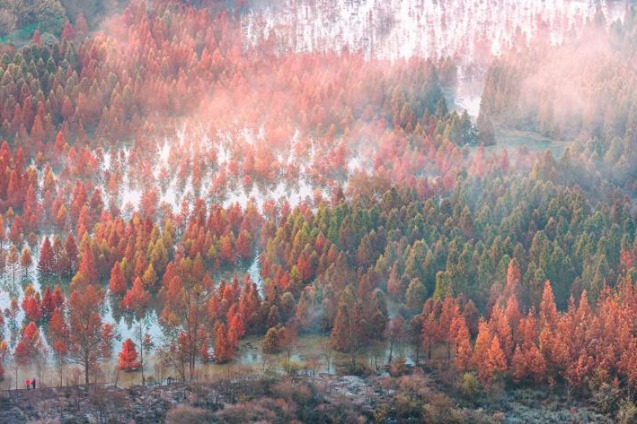
    In the highlands of Yunnan province, an extraordinary ecological transformation is underway as dawn redwood forests create a stunning natural tapestry while serving critical environmental functions. The Dianwei village wetland, located upstream of Dianchi Lake within the Songhua Dam Water Protection Zone, has become the centerpiece of this remarkable conservation success story.

    As early winter descends upon the region, the Metasequoia glyptostroboides forests undergo a spectacular chromatic transformation. The canopy erupts in vibrant hues of crimson and gold, creating a visual spectacle that merges poetically with the morning mist and low-lying clouds. This breathtaking panorama, captured through aerial photography, reveals a landscape where nature’s beauty intersects with purposeful ecological engineering.

    The strategic planting initiative represents a sophisticated approach to watershed management. Local environmental authorities have systematically cultivated dawn redwood trees alongside complementary vegetation to establish robust forest and grassland buffer zones. These carefully designed ecosystems function as natural water filtration systems, significantly enhancing the wetland’s capacity for water purification while simultaneously supporting regional biodiversity.

    Positioned within a critical water protection zone, the project demonstrates how aesthetic environmental enhancements can coincide with functional ecological benefits. The dawn redwood species, known for its rapid growth and adaptive qualities, has proven particularly effective in stabilizing soil structures and improving water quality through natural filtration processes.

    This conservation model showcases how strategic reforestation can address multiple environmental objectives simultaneously—from water resource protection and habitat creation to carbon sequestration and landscape beautification. The success in Dianwei village offers valuable insights for similar ecological restoration projects throughout China and other regions facing water conservation challenges.

  • Solar shelters shrubs to stunt Inner Mongolia’s shifting sands

    Solar shelters shrubs to stunt Inner Mongolia’s shifting sands

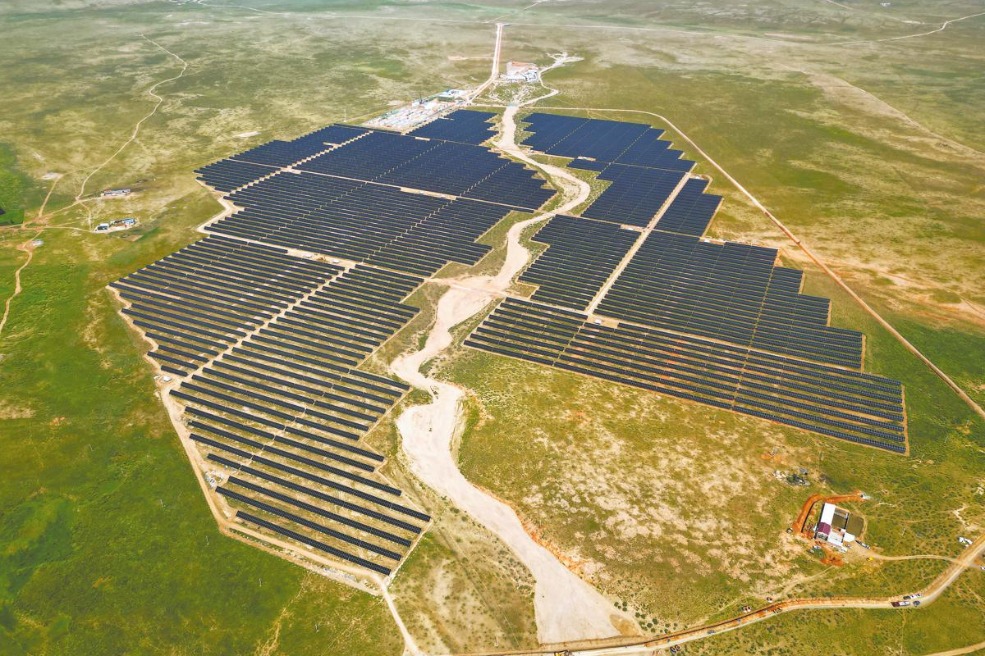
    A groundbreaking ecological restoration initiative in China’s Inner Mongolia autonomous region is demonstrating remarkable success in combating desertification through an innovative integration of solar energy generation and biological rehabilitation.

    The 700-hectare pilot project in Darhan Muminggan Joint Banner—spanning an area more than double the size of New York’s Central Park—leverages the region’s abundant solar radiation while addressing severe grassland degradation. This integrated approach utilizes elevated solar panels that serve dual purposes: generating clean electricity for nearby industrial hubs including Baotou and Hohhot, while simultaneously providing protective shelter for drought-resistant vegetation growing beneath the installations.

    Regional authorities have implemented this novel strategy after decades of struggling against advancing desertification. The solution emerged through collaborative efforts between environmental experts, private enterprises, and local farming communities. By sowing grass seeds specifically adapted to arid conditions beneath the photovoltaic arrays, the project has initiated a sustainable recovery of previously degraded grasslands.

    The technological infrastructure creates microclimates that reduce soil moisture evaporation and shield young plants from harsh winds, enabling vegetation to establish itself more effectively. This approach represents a significant advancement beyond traditional desertification control methods.

    As the ecological restoration progresses, complementary industries are developing around the renewable energy site, creating economic opportunities alongside environmental benefits. The project stands as a practical implementation of the ‘lucid waters and lush mountains are invaluable assets’ concept, demonstrating how technological innovation can drive environmental conservation while meeting energy demands.

    The timing of this achievement holds particular significance, coinciding with the 20th anniversary of the ecological conservation principle that has guided China’s environmental policies. This successful integration of clean energy production with ecological restoration offers a replicable model for other regions facing similar environmental challenges.

  • Lhasa wetland reserve recognized as world’s highest altitude wetland

    Lhasa wetland reserve recognized as world’s highest altitude wetland

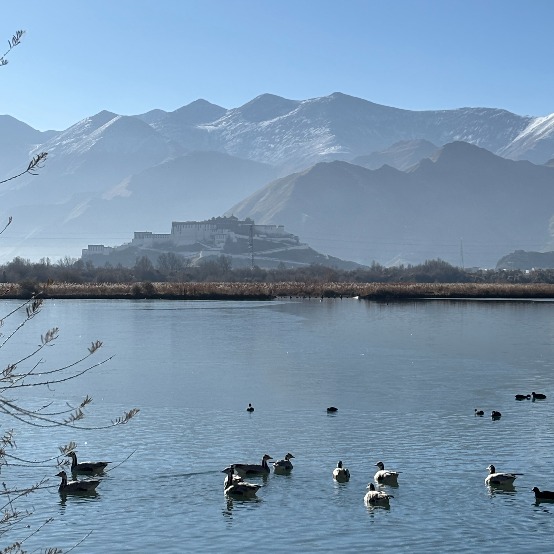
    The Lhalu Wetland National Nature Reserve in Lhasa, Tibet Autonomous Region, has achieved international distinction after being formally certified by the World Record Certification Agency (WRCA) as the planet’s highest-altitude urban natural wetland. The official announcement was made during a ceremony held in Lhasa on Saturday, December 20, 2025.

    This ecological treasure, frequently described as “Lhasa’s Lungs,” spans an impressive 12.2 square kilometers and sits at an average elevation of 3,649 meters above sea level. The wetland represents an extraordinary urban ecological asset and provides crucial habitat for numerous wildlife species, contributing significantly to regional biodiversity.

    The WRCA certification underscores China’s remarkable accomplishments in high-altitude wetland conservation and positions Lhalu Wetland as an exemplary model of sustainable environmental protection practices worldwide. This recognition highlights the successful balance between urban development and ecological preservation in challenging high-altitude environments.

    The wetland reserve serves multiple ecological functions, including water purification, climate regulation, and providing natural flood control for the urban area. Its designation as a national nature reserve has enabled the implementation of comprehensive conservation measures that have maintained the wetland’s ecological integrity despite its proximity to urban development.

    Local authorities emphasized that this international acknowledgment reinforces the global significance of Tibet’s unique ecosystems and demonstrates the effectiveness of coordinated conservation efforts in protecting fragile high-altitude environments for future generations.

  • Ten keywords to highlight China’s carbon reduction progress in 2025

    Ten keywords to highlight China’s carbon reduction progress in 2025

    China has demonstrated remarkable acceleration in its climate initiatives throughout 2025, transforming its ambitious ‘dual carbon’ pledges into concrete action. The nation’s comprehensive approach to emissions reduction has yielded significant environmental milestones while contributing substantially to global climate mitigation efforts.

    The country’s decarbonization journey can be understood through ten critical developments that have characterized this transformative year. These encompass breakthroughs in renewable energy infrastructure, with Sichuan Province achieving unprecedented hydropower capacity exceeding 100 million kilowatts. Technological innovation has been equally impressive, showcased by AI-operated smart zero-carbon terminals in Tianjin that optimize energy efficiency without human intervention.

    Urban sustainability initiatives have gained substantial momentum, as evidenced by Chongqing’s pioneering symposium on multi-sensory urban planning that integrates environmental considerations into city development. Concurrently, agricultural modernization programs in regions like Pinggu have established new benchmarks for low-carbon farming practices.

    China’s cultural connection to environmental stewardship has manifested through widespread public engagement, including Winter Solstice celebrations that emphasized ecological awareness. The expansion of winter tourism facilities like the Harbin Ice and Snow World, while maintaining environmental considerations, demonstrates the balance between economic development and sustainability.

    The regulatory framework has been strengthened through new public reading promotions that include environmental education components, while space technology advancements led by experts like Qi Faren have contributed to climate monitoring capabilities. These coordinated efforts across multiple sectors illustrate China’s holistic strategy toward achieving its carbon neutrality commitments and fostering a global transition to sustainable development.

  • Along the Texas Coast, a new sanctuary aims to protect the endangered and rare whooping crane

    Along the Texas Coast, a new sanctuary aims to protect the endangered and rare whooping crane

    SEADRIFT, Texas — Conservationists have achieved a landmark victory in wildlife preservation with the establishment of a 3,300-acre sanctuary dedicated to protecting North America’s rarest crane species. The International Crane Foundation, in collaboration with The Conservation Fund and the Coastal Bend Bays & Estuaries Program, has secured vital winter habitat for the endangered whooping crane through an $8.4 million acquisition finalized this December.

    The whooping crane, standing at approximately 5 feet with a impressive 7.5-foot wingspan, represents one of the most dramatic conservation success stories in modern history. From a perilous population low of just 16 birds in the 1940s, the species has rebounded to over 550 individuals that annually complete a 2,500-mile migration from Canada’s Wood Buffalo National Park to Texas’ coastal wetlands.

    Carter Crouch, Director of Gulf Coast Programs at the International Crane Foundation, describes the conservation journey as “complicated with many successes and some setbacks,” but emphasizes the remarkable progress achieved through decades of dedicated effort. The newly protected lands, named the Wolfberry Whooping Crane Sanctuary after the birds’ favored berry food source, will serve as critical buffer against mounting environmental threats.

    These majestic birds face compounding challenges from urban development, climate change-induced sea level rise, energy infrastructure expansion, and wetland degradation. Globally, crane species are particularly vulnerable, with 10 of the world’s 15 crane species currently threatened with extinction. The United Nations reports that 35% of global wetlands have disappeared since the 1970s due to human activities.

    The sanctuary acquisition represents more than mere land preservation—it embodies a comprehensive ecological restoration initiative. Conservation teams will implement prescribed burns to reclaim prairie grasslands from invasive shrubs, plant smooth cordgrass to combat shoreline erosion, and create educational opportunities for public engagement. The protected area also provides habitat for other threatened species including the aplomado falcon and black rail bird.

    For communities along the Texas coast, the whooping crane migration has become both an ecological treasure and economic asset. Bird enthusiasts from around the world flock to the region, supporting local businesses in towns like Rockport and Port Aransas. Julie Shackelford, Texas director for The Conservation Fund, notes that the sanctuary offers “the only place in the U.S. where people can reliably see whooping cranes” in their natural habitat.

    As climate change accelerates habitat loss worldwide, this conservation achievement demonstrates how targeted land protection can create resilience for endangered species. The whooping crane’s continued recovery serves as both a testament to conservation dedication and a reminder that persistent threats require ongoing vigilance and intervention.