分类: environment

  • Tropical forest loss eases after record year: researchers

    Tropical forest loss eases after record year: researchers

    A new report from joint research teams at the World Resources Institute (WRI) and the University of Maryland has delivered a mixed assessment of global tropical forest conservation: while the pace of primary tropical rainforest destruction dropped 36% in 2025 from the previous year’s all-time high, loss rates remain alarmingly elevated, and climate-worsened wildfires have emerged as a persistent, dangerous new threat to decades of conservation progress.

    Researchers documented 4.3 million hectares (10.6 million acres) of primary tropical rainforest lost in 2025, a decline that equals 11 football fields of forest cleared every minute. By area, that total is roughly the size of Denmark, and it remains 46% higher than average annual loss rates recorded a decade ago. When compared to the benchmark needed to hit the global 2030 goal of halting and reversing forest loss, current deforestation rates are still 70% above the required target.

    Elizabeth Goldman, co-director of WRI’s Global Forest Watch platform, called the single-year drop of this scale an encouraging sign of what targeted policy can achieve. But she cautioned that part of the decline stems from a natural lull after 2024’s unprecedented extreme fire season. That note of caution is echoed by broader warnings from the research team: climate change-fueled wildfires have become a “dangerous new normal” that could erase recent hard-won conservation gains, especially as a new El Niño event is forecast to arrive in the second half of 2026, which is expected to push global temperatures even higher and amplify the risk of extreme drought, heatwaves, and large-scale wildfires.

    Matthew Hansen, director of the University of Maryland’s GLAD Lab, which analyzes satellite forest data, emphasized that one year of progress is not enough to secure long-term tropical forest conservation. “A good year is a good year, but you need good years forever if you’re going to conserve, for example, the tropical rainforest,” Hansen said during a media briefing on the report.

    The bulk of 2025’s slowdown can be traced to aggressive policy action in Brazil, home to the world’s largest tropical rainforest, the Amazon. Under the administration of President Luiz Inácio Lula da Silva, who took office in 2023, Brazil has reinvigorated national anti-deforestation enforcement, relaunched a comprehensive anti-deforestation action plan, and increased penalties for illegal environmental activity. Data shows Brazil’s non-fire related forest loss dropped 41% from 2024 levels, hitting the lowest rate recorded since tracking began. Even so, agriculture remains the single largest driver of deforestation globally, and Brazil’s forests still face pressure from clearing for soy cultivation and cattle ranching, while several Amazonian states have recently passed local legislation that weakens federal environmental protections.

    Other nations have also seen success from strong policy intervention. Neighboring Colombia recorded a 17% drop in forest loss, hitting its second lowest annual rate since 2016, driven by new government policies and land-use agreements that limit unregulated clearing. In Indonesia, forest loss rose 14% in 2025 but remains far below the peak levels seen 10 years prior, while government action in Malaysia has stabilized deforestation rates. However, tropical forest loss remains critically high across other regions, including Bolivia, the Democratic Republic of Congo, Cameroon, and Madagascar, where weak policy enforcement and unregulated land clearing continue to drive widespread destruction.

    Across the globe, total tree cover loss fell 14% in 2025, but fires remain a growing driver of destruction. Fires accounted for 42% of all tropical tree cover loss last year, and over the past three years, fires have burned twice as much tree cover globally as they did two decades ago, according to the report. While most tropical fires are human-caused for land clearing, climate change has intensified natural fire cycles in northern and temperate forest regions. Last year, Canada experienced its second worst wildfire season on record, with blazes consuming more than 5.3 million hectares of forest.

    “Climate change and land clearing have shortened the fuse on global forest fires,” Hansen said. “They are turning seasonal disturbances into a near-permanent state of emergency.”

  • Energy shock ripples through kitchens, forests and conservation in Africa and South Asia

    Energy shock ripples through kitchens, forests and conservation in Africa and South Asia

    In the dense, informal corridors of Nairobi’s Kibera settlement, one of East Africa’s largest unplanned urban communities, Brenda Obare’s daily routine has shifted backward in recent months. Where a quick twist of her stove knob once ignited a steady blue flame of liquefied petroleum gas (LPG) to cook dinner for her family before sunset, her stove now sits cold most nights. Instead, she crouches over a smoky open charcoal burner outside her tin-roofed home, fanning the flame to bring water to a boil. For Obare and millions of other low-income households across the Global South, LPG has slipped out of reach: skyrocketing prices driven by global energy disruptions tied to the Iran war have made the cleaner fuel unaffordable and often impossible to source. Charcoal, the dirty household fuel that public health and conservation campaigners spent decades working to replace, is once again the only accessible option.

    “We don’t have many options,” Obare explained. “You use what you can afford.”

    Her story is far from unique. For nearly a generation, governments and environmental organizations across Africa and South Asia have pushed a coordinated transition away from biomass fuels — firewood and charcoal — to LPG, a far cleaner alternative that delivers major public health and conservation benefits. The push was rooted in stark public health data: the World Health Organization estimates that toxic indoor air pollution from burning solid fuels killed 2.9 million people globally in 2021 alone. Beyond public health, the transition was designed to ease relentless pressure on global forests and critical wildlife habitats: unregulated harvesting of trees for charcoal and firewood outpaces regrowth in most regions, driving accelerating deforestation that destroys ecosystems and displaces native species.

    Now, the energy crisis sparked by the Iran war has erased years of hard-won progress in just a few months. As households across low-income communities abandon LPG for cheaper, locally available solid fuels, conservation leaders and public health experts are warning of cascading risks that extend far beyond residential kitchens, threatening forests, wildlife, global conservation funding, and even human-wildlife disease prevention.

    When communities shift back to harvesting wood from wild areas, people are forced to travel deeper into previously undisturbed forests to meet their fuel needs, bringing them into closer contact with wild animal populations. This increased interaction, paired with economic strain that pushes more people toward poaching and illegal bushmeat hunting, raises the risk of zoonotic disease spillover from animals to humans. The crisis has also weakened core conservation infrastructure: falling international tourism, driven by skyrocketing fuel prices that raise air travel costs and disrupt Middle Eastern aviation hubs, has cut off a critical source of funding for protected area management in wildlife-dependent economies across Africa. For countries like Kenya and Tanzania, where tourism contributes roughly 14% of national GDP and funds anti-poaching patrols, park maintenance, and community conservation programs, even a small drop in visitor numbers creates massive gaps in conservation resourcing. Less funding means fewer rangers on the ground, creating openings for opportunistic poaching that targets already vulnerable wildlife populations.

    “The longer this debacle runs, the harder it is going to hit conservation,” noted Mayukh Chatterjee, co-chair of the International Union for Conservation of Nature’s conflict and co-existence specialist group.

    Paula Kahumbu, a leading Kenyan wildlife conservationist and CEO of Nairobi-based nonprofit WildlifeDirect, emphasized that the risk to conservation from global energy shocks is not an abstract, distant threat — it starts in household kitchens. “The first conservation risk from an energy shock in Africa is not abstract. It is household fuel switching,” she explained. Rising demand for charcoal and firewood does not only erode forests: it also degrades critical watersheds and fragments wildlife habitats, pushing already endangered species closer to extinction. Beyond conservation, experts warn that linked shocks — rising diesel costs for farm equipment and skyrocketing fertilizer prices — will also cut agricultural productivity, worsening regional food insecurity that pushes more vulnerable communities toward unsustainable natural resource exploitation.

    In Nairobi’s low-income settlements, charcoal sellers already report surging demand for their product. “Demand is climbing every week,” said Munyao Kitheka, a long-time charcoal vendor in the city. Charcoal, produced by slow-burning wood in rudimentary kilns, is already the most widely used cooking fuel across sub-Saharan Africa, and one of the single largest drivers of deforestation on the continent.

    The same reversal of progress is playing out thousands of kilometers away in India, the world’s second-largest importer of liquefied natural gas, with roughly 60% of its supply originating from Gulf region producers impacted by the Iran war. In Bhalswa, a low-income neighborhood on the outskirts of New Delhi, social worker Rama — who goes by a single name — spent years working with local waste-picking families to help them switch to LPG cooking under government clean energy schemes. Today, most of those families live on less than $3 per day, and can no longer afford inflated LPG cylinder prices. Many have reverted to burning firewood for cooking, while others have moved back to rural villages where free wood is easier to source.

    “Things are very, very bad,” Rama said.

    The shift back to biomass fuel also deepens gender inequality across low-income communities, experts note. Women and girls are typically responsible for collecting fuel for household use, and the shift back to firewood means they now spend several extra hours each day searching for wood, time that could otherwise be spent on paid work or attending school. “Years of work went into making LPG aspirational. But a global issue like this can reverse some of those gains,” said Neha Saigal, a consultant with New Delhi-based environmental and social justice startup Asar Social Impact Advisors.

    Chatterjee, who also works with the UK’s Chester Zoo, pointed to successful conservation projects that are now at risk of unravelling. In India’s northeastern Assam state, a community-led elephant conservation program helped local eateries cut their reliance on wild-harvested wood by switching to LPG, reducing human-elephant conflict as fewer people entered elephant habitats to collect fuel. If households and businesses shift back to solid fuel, Chatterjee warned, that entire project will be set back to its starting point. “That all risks going back to square one,” he said.

    Beyond cutting tourism funding, higher fuel prices also disrupt day-to-day conservation field work. Remote conservation projects, anti-poaching patrols, and rapid response teams that intervene to defuse human-wildlife conflict all rely on fuel for vehicles. When fuel prices surge and supplies become unreliable, response times slow. In cases where wild elephants or other large animals wander into populated areas, rapid deployment of trained teams is critical to safely move the animal without injury or death to either humans or the animal. Delays caused by fuel shortages dramatically raise the risk of bad outcomes for both sides.

    African and Asian governments have the policy tools to cushion the blow of the energy crisis for low-income households and protect decades of conservation progress, conservation leaders say, but policy action has lagged far behind need. Kahumbu called for targeted, pro-poor subsidies to keep LPG affordable for low-income households, investments in stronger local clean energy supply chains, and expanded support for locally appropriate renewable energy sources such as household biogas, solar-powered cooking, and geothermal energy.

    “Treat conservation as essential infrastructure during economic shocks,” she urged.

    This reporting was part of a global climate and environmental coverage effort by The Associated Press, which receives philanthropic funding for this work from private foundations, with full editorial control remaining with AP.

  • Orangutan uses Indonesia canopy bridge in ‘world first’: NGO

    Orangutan uses Indonesia canopy bridge in ‘world first’: NGO

    Critically endangered Sumatran orangutans have reached a landmark conservation milestone, after conservation groups captured the first ever recorded footage of one of the great apes crossing a purpose-built man-made canopy bridge in North Sumatra, Indonesia. This crossing marks the first confirmed use of such a structure by a wild Sumatran orangutan anywhere in the world, according to local and international conservation organizations working on the project.

    Endemic exclusively to the Indonesian island of Sumatra, with their close Bornean orangutan relatives found across the shared island of Borneo, Sumatran orangutans are currently listed as Critically Endangered by the International Union for Conservation of Nature (IUCN). Latest population surveys count just over 13,500 individual orangutans remaining in the wild, with their steady population decline driven largely by widespread habitat loss and fragmentation, alongside the ongoing threat of illegal hunting.

    The five canopy bridges at the center of this breakthrough were completed in 2024 through a collaborative partnership between Indonesian conservation NGO Tangguh Hutan Khatulistiwa, UK-based charity Sumatra Orangutan Society (SOS), and local Indonesian government authorities. The structures were installed after an existing rural road — a critical economic and social lifeline connecting isolated communities in Sumatra’s Pakpak Bharat district — was expanded, cutting directly through contiguous rainforest habitat and splitting a local orangutan population of roughly 350 individuals into isolated groups.

    Prior to this historic sighting, other native forest species including gibbons and long-tailed macaques had already been documented using the hanging bridges to cross above the paved road safely. But the recent camera trap footage of an orangutan making the crossing confirms the bridges can successfully meet the unique needs of the region’s most high-profile endangered species.

    Helen Buckland, chief executive of SOS, called the orangutan’s crossing a “huge milestone for global conservation efforts.” Buckland emphasized that the successful use of the simple canopy structure proves that human development and wildlife protection do not have to be mutually exclusive. “Sometimes, the simplest solutions are the most effective,” she noted.

    Erwin Alamsyah Siregar, executive director of Tangguh Hutan Khatulistiwa, echoed Buckland’s optimism, framing habitat fragmentation as one of the most pressing challenges facing modern conservation work. Siregar expressed hope that the successful pilot of these canopy bridges will lead to their adoption as a standard feature of infrastructure planning across the Southeast Asian region, helping to reduce human-wildlife conflict and protect endangered species as development expands into remaining wild habitats.

  • Thousands at risk after multi-million dollar Everest flood warning system left to rust

    Thousands at risk after multi-million dollar Everest flood warning system left to rust

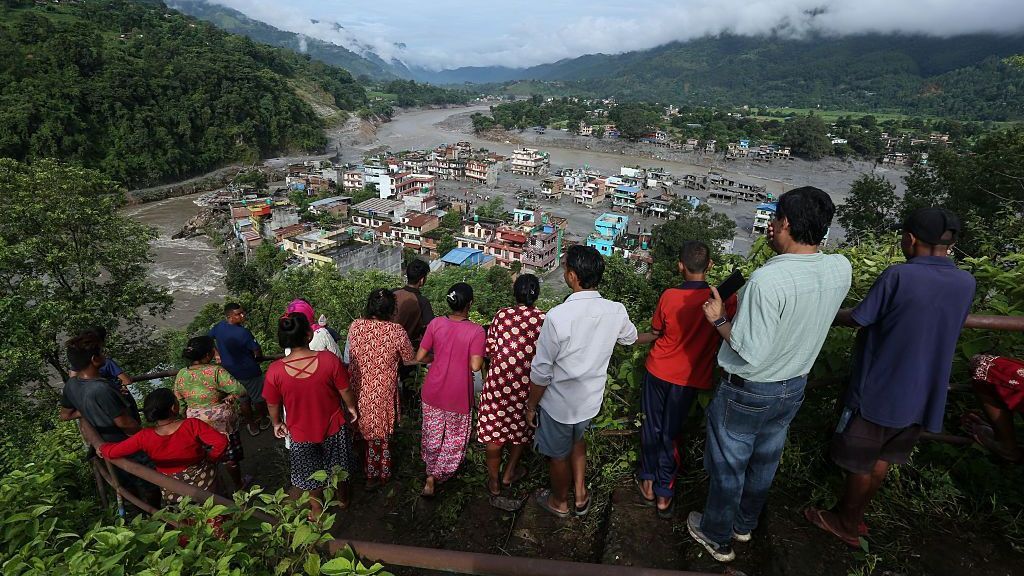
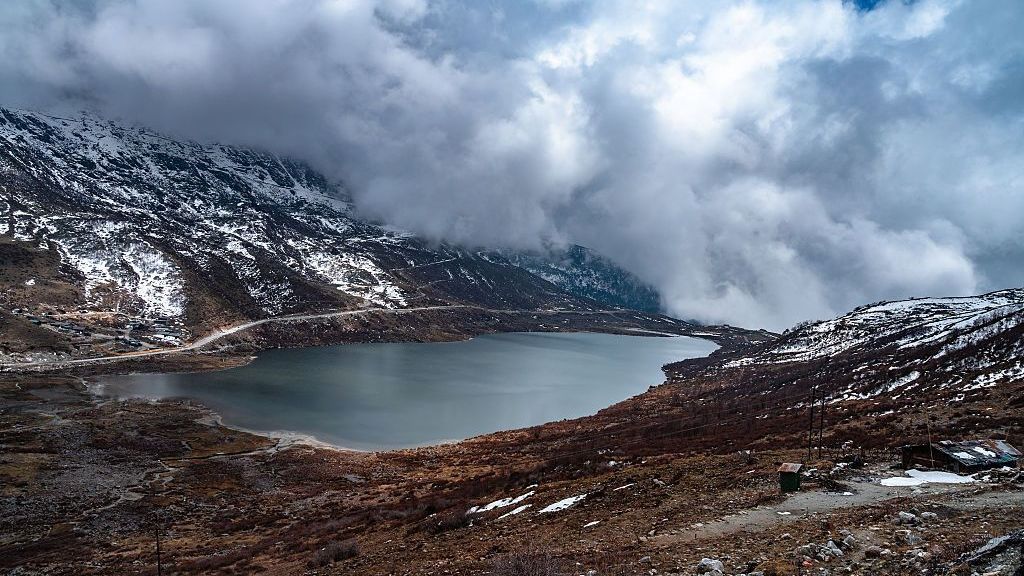
    Nestled more than 5,000 meters above sea level in the shadow of Mount Everest, Imja Glacial Lake has long been recognized as one of the Himalayas’ most high-risk flood threats, swollen by accelerating glacial melt driven by human-caused global warming. A decade ago, a $3.5 million United Nations-backed risk reduction project drained 3.5 meters of water from the lake and installed a state-of-the-art early flood warning system designed to alert thousands of at-risk locals and visitors of an impending outburst. Today, that life-saving infrastructure has fallen into catastrophic disrepair, Nepalese government officials have confirmed to the BBC, leaving communities in the Everest region completely unprotected against a potential catastrophic disaster.

    Local Sherpa communities were the first to sound the alarm, reporting that no routine inspections or maintenance work have been carried out on the system since the 2016 draining project was completed. On-site observations confirm siren towers, built to blare audible warnings across remote mountain valleys, have been left to rust in the harsh high-altitude climate. Some units have even had their batteries stolen, leaving them completely inoperable. Compounding this critical failure, the satellite-linked infrastructure designed to transmit real-time water level data from the lake to forecasters in Kathmandu, which would trigger automated mobile phone alerts to at-risk communities, has been unreliable for years, according to officials from Nepal’s Department of Hydrology and Meteorology (DHM).

    Scientists have repeatedly warned that glacial melt across the Hindu Kush Himalaya region is accelerating at an alarming rate, with ice loss doubling since 2000, according to a recent assessment from the Kathmandu-based International Centre for Integrated Mountain Development. Rising temperatures do not only expand glacial lakes like Imja to dangerous volumes; they also weaken mountain slopes, triggering more frequent rockfalls and glacial collapses that can instantly spark a catastrophic outburst flood. If Imja were to burst, the resulting wall of water would sweep away everything in its path, including downstream villages, popular trekking routes, bridges, and tourist infrastructure. Over the past 50 years, the Everest region has already recorded at least five separate glacial lake outburst floods, a trend experts project will grow worse as global temperatures continue to rise.

    For local communities, the failure of the early warning system has become a daily source of existential fear. Jangbu Sherpa, a resident of Chhukung, the first village that would be destroyed in an Imja outburst, says local leaders were promised annual inspections from DHM officials when the project was launched, but no official has visited the site in years. “We travel all the way to Kathmandu every year to beg DHM to repair and maintain the system, but nothing ever comes of our requests,” he said. Ang Nuru Sherpa, chairman of the Chaurikharka buffer zone adjacent to Sagarmatha National Park, echoed that frustration, pointing out that the local siren tower is already rusted, leaning, and at risk of collapsing at any moment. “Going by the state of the infrastructure, we don’t expect any warning at all even if the lake bursts tomorrow,” he said.

    The risk extends far beyond the six local villages that sit in Imja’s flood path. Tshering Sherpa, chief executive of the local NGO Sagarmatha Pollution Control Committee, noted that spring brings more than 60,000 tourists, trekkers, and mountain climbers to the Everest region every year, all of whom are completely unaware of the unmonitored threat hanging over the area.

    DHM officials have acknowledged the risk, but blame chronic underfunding for the system’s collapse. Senior DHM meteorologist Niraj Pradhananga told the BBC that the central Nepalese government has failed to allocate any budget for maintenance, and a proposal to fund upkeep through contributions from downstream hydropower companies has never been implemented. “As things stand right now, we can’t even confirm if the sirens still work,” Pradhananga said, confirming reports that batteries have been stolen from units in downstream villages including Dingboche.

    Archana Shrestha, the DHM’s acting director general, added that all available resources and staffing were recently redirected to upgrade the early warning system for another high-risk glacial lake, leaving Imja completely neglected. “That work consumed all of our time and resources, but now we will turn our attention to Imja,” she said. The department is also revising its internal rules to ensure remote high-altitude sites like Imja get the dedicated staffing, budget, and resources required for regular maintenance, Shrestha added.

    The broken data transmission system has added another layer of failure. Even if the sirens were functional, the DHM has not received consistent real-time water level data from Imja’s hydro-met station, making it impossible to issue timely mobile alerts. Pradhananga said the department has raised the issue repeatedly with the satellite company and its local service provider, but the issue remains unresolved: the satellite company denies any fault on its end, blaming the local provider, which has not responded to the DHM’s inquiries and has not yet commented to the BBC on the issue.

    In a striking twist, the United Nations Development Programme has recently secured $36 million in grant funding to replicate the Imja risk reduction project at four other high-risk glacial lake sites across Nepal. UNDP Nepal communication head Monica Upadhyay said the failures at Imja have shaped the new projects, which will prioritize long-term sustainability from the start through clearer institutional governance, dedicated dedicated long-term financing, and targeted public-private partnerships to support ongoing maintenance.

    For Sherpa communities living in Imja’s shadow, that future planning offers little comfort. “This whole project has just been an eyewash,” said Nawang Thome Sherpa, head of the local government in Phakding, one of the vulnerable downstream villages. “They spent millions of dollars in the name of protecting us from disaster, but we still wake up every day living in fear of losing our lives and our homes.”

  • Poisoning suspected in deaths of 18 wolves in Italian national park

    Poisoning suspected in deaths of 18 wolves in Italian national park

    A devastating mass mortality event involving 18 wolves has rocked one of central Italy’s most biodiverse protected areas, triggering urgent investigations and widespread condemnation from environmental and government authorities. The deaths unfolded over just a few days in Abruzzo, Lazio, and Molise National Park, a protected reserve that spans three central Italian regions and is home to some of Europe’s most vulnerable wild species. Following the initial discovery of 10 wolf carcasses last week, stepped-up patrols uncovered an additional eight dead wolves in separate areas of the park.

    Park officials confirmed last week that they had located traces of suspected toxic bait near the site where five of the first wolves were found, and the discovery of eight more bodies in surrounding zones has deepened what authorities call an overwhelming suspicion that intentional poisoning is the cause of the deaths. Investigators are currently working alongside local public prosecutors to pinpoint the source of the poison and identify those responsible. Initial findings from the local animal health research institute IZS have backed up park authorities’ suspicions: testing on 13 of the recovered carcasses confirmed the presence of agricultural pesticides, the same toxins linked to the suspected poisoned bait found in the park.

    The severity of the incident has prompted national-level intervention, with Italy’s Environment Minister Gilberto Pichetto Fratin publicly denouncing the killings as horrendous and deeply alarming. Fratin emphasized that wolf conservation is not just an animal welfare issue, but a critical pillar of maintaining Italy’s natural ecosystem balance.

    Italy’s national Institute for Environmental Protection and Research (Ispra) warned that this mass poisoning represents a major step backward for decades of progress in wolf conservation and protection across the country. The agency also noted that toxic bait laid for wolves poses a widespread threat beyond the targeted species, putting other protected wild animals, domestic pets, and even human public safety at grave risk.

    Wolves have made a remarkable population recovery across Europe over the past decade: EU data shows the continent’s total wolf population grew 35% between 2016 and 2023, reaching roughly 23,000 individuals, with the largest populations concentrated in Central Europe and the Alpine regions. According to Ispra’s 2020-21 national census, Italy is home to approximately 3,300 wolves, making it one of the species’ key strongholds in Southern Europe.

    This population growth has not been without conflict, however. As wolf ranges have expanded, reports of wolf attacks on domestic livestock have increased, with latest EU figures indicating around 65,500 livestock animals are killed by wolves across the bloc annually. In response to this growing tension, the European Union downgraded wolves’ protection status from “strictly protected” to “protected”, clearing the way for Italy to implement a limited annual cull of 160 wolves starting in 2026.

    In the wake of this mass poisoning event, environmental conservation groups are now calling for that cull plan to be immediately revisited. Stefano Ciafani, head of Italy’s leading environmental organization Legambiente, described the deaths of 18 wolves as an unprecedented attack on protected wildlife, labeling the illegal killings an act of vigilante do-it-yourself justice. Ciafani also warned that the use of widespread poisoned bait puts other iconic at-risk species in the park in danger, including the Marsican brown bear — a critically endangered species that serves as a symbol of the Abruzzo region, with only around 50 individuals remaining in the wild.

  • Explosion of invasive ‘janitor fish’ sparks mass removal operation in Indonesia’s capital

    Explosion of invasive ‘janitor fish’ sparks mass removal operation in Indonesia’s capital

    On a recent Friday in Jakarta’s East Jakarta Ciracas neighborhood, crowds erupted in cheers as hundreds of city workers, local residents and environmental volunteers pulled heavy nets teeming with armored, invasive suckermouth catfish from the depths of a 6-meter reservoir. This public effort marked the peak of a coordinated, city-wide campaign to cull at least 10 metric tons of non-native janitor fish, locally called sapu-sapu, from the capital’s overburdened waterways in a bid to rescue the ecologically fragile Ciliwung River.

    Originally imported to Indonesia decades ago as a popular algae-eating addition to home aquariums, Pterygoplichthys, the scientific name for janitor fish, was accidentally or intentionally released into local rivers after outgrowing tank environments. The species quickly adapted to Jakarta’s heavily polluted water systems, thriving where most native freshwater fish cannot. Growing up to 50 centimeters long and living 10 to 15 years, the armored bottom-feeders have carved out an unchallenged niche in the Ciliwung, a waterway that once carried crystal-clear mountain runoff from West Java to Jakarta’s coast, but now carries a heavy load of untreated residential sewage and industrial pollution.

    Ecologists warn that the unchecked growth of janitor fish populations has pushed the already strained Ciliwung ecosystem to the breaking point. Dian Rosleine, an ecologist at the Bandung Institute of Technology, explained that janitor fish are not just a symptom of poor water quality — they actively outcompete native species for food and habitat, feeding on the eggs and young of local fish to throw the entire freshwater food web off balance. Beyond ecological harm, East Jakarta Mayor Munjirin, who goes by a single name, noted that the fish’s habit of clinging to and burrowing into concrete river embankments has caused costly structural damage that increases flood risk for surrounding dense residential neighborhoods.

    Ordered by Jakarta Governor Pramono Anung, the mass removal campaign launched last week across all five of the capital’s administrative districts, drawing hundreds of participants from firefighting teams, disaster management agencies, volunteer groups and local communities. Within the first seven days of the operation, crews had already netted and disposed of more than seven metric tons of janitor fish. Friday’s targeted reservoir cleanup alone removed 320 kilograms of the invasive fish, leaving piles of wriggling catfish stacked in red barrels along the shore — visible progress for residents who have long dealt with the river’s declining health.

    The campaign has not proceeded without debate, however. Indonesia’s Indonesian Ulema Council (MUI), the country’s leading Islamic clerical body, raised ethical objections to the initial practice of burying caught janitor fish alive, arguing that the practice violates Islamic teachings on animal welfare. In response, Governor Anung announced a revised protocol requiring all fish to be humanely euthanized before burial at designated, sanitary sites, to prevent any accidental return of the fish to local waterways or unregulated commercial trade.

    Officials are also exploring long-term, sustainable disposal methods that could turn the invasive catch into a useful resource. While janitor fish are consumed in other countries, high levels of heavy metal contamination in Jakarta’s polluted rivers rule out immediate approval for human consumption. Current proposals include processing the fish into livestock feed or organic fertilizer; buried fish can also act as natural compost, and Anung has floated the idea of adopting a Brazilian model that processes invasive suckermouth catfish into charcoal for economic benefit.

    Despite the early progress of the removal campaign, ecologists emphasize that culling janitor fish alone will not solve the Ciliwung’s long-term problems. Rosleine and other experts warn that without systemic upgrades to Jakarta’s wastewater management infrastructure and dramatic reductions in pollution entering the river, the favorable warm, slow, nutrient-heavy conditions that allowed janitor fish to dominate will remain, leading to a rapid rebound of the invasive population. “Addressing the symptoms without tackling the root causes will not provide a lasting solution,” Rosleine said, noting that full rehabilitation of the Ciliwung River remains Jakarta’s greatest unaddressed environmental challenge.

  • China makes major strides in fight against desertification, shares lessons with world

    China makes major strides in fight against desertification, shares lessons with world

    Across the sun-baked southeastern fringe of the Tengger Desert in northwest China, land management teams work systematically to press braided straw rope bundles into shifting sand dunes, forming an immense, interconnected grid that anchors the moving terrain and halts its advance. This innovative grass grid barrier technique represents a modern evolution of decades of Chinese sand control expertise, bringing new efficiency to one of the world’s largest ongoing ecosystem restoration campaigns.

    Tang Ximing, a veteran forestry engineer based in Zhongwei, Ningxia Hui Autonomous Region, explained that the upgraded barrier system addresses key shortcomings of traditional sand control methods. “It requires less manual labor than older straw grid variants, can be deployed far more quickly, and boasts an extended service life of five to six years,” Tang said. For Zhongwei, a city long on the front lines of China’s battle against desert expansion, this new technology is the latest step in a generations-long fight to reclaim land from encroaching dunes.

    Ningxia’s geographic position has made it a natural front for this struggle: surrounded by deserts on three sides, Zhongwei sits directly in the historic pathway the Tengger Desert used to push southeast toward populated and developed areas. As far back as the 1950s, local researchers and land managers pioneered the iconic straw checkerboard method, a low-cost, high-impact technique designed to protect the newly built Baotou-Lanzhou Railway — China’s first rail corridor carved through a major desert — from being buried by shifting dunes.

    After more than 70 years of sustained, incremental effort, that early innovation laid the groundwork for a historic milestone: Ningxia became the first provincial-level administrative region in China to successfully reverse the spread of desertification across its territory. This local victory is mirrored by large-scale progress across the country.

    China is among the nations globally most severely impacted by desertification, with its most vulnerable arid and semi-arid lands concentrated in the northwest, north and northeast of the country — a vast swathe collectively referred to as the “Three Norths.” For decades, the Chinese government has prioritized large-scale afforestation, sustainable land management, and technological innovation to combat desert expansion, turning local trials into national policy that has restored millions of hectares of degraded land. Beyond its domestic environmental gains, China now increasingly shares its decades of accumulated sand control experience with other nations facing similar desertification challenges, offering actionable lessons for global ecosystem restoration and climate adaptation.

  • China builds 5,500+ green mines, advances sustainable mining

    China builds 5,500+ green mines, advances sustainable mining

    Ahead of the 2026 World Earth Day, Chinese natural resources authorities announced a major milestone in the nation’s push for ecologically responsible mineral extraction: more than 5,500 green mines at the provincial level or higher have been completed across the country. The announcement, delivered at a Beijing press conference on Tuesday, underscores how far China has advanced in reorienting its mining sector toward long-term sustainability, moving away from traditional production models that prioritized output over ecological protection.

    Dong Qingji, deputy director general of the Department of Mineral Resources Protection and Supervision under the Ministry of Natural Resources, noted that the shift to green mining has evolved from a policy initiative to a shared priority across all key stakeholders. Local government bodies, regulatory agencies, mining operators, and the general public now uniformly recognize the value of integrating environmental stewardship into mineral resource development, Dong said.

    A key pillar of this progress is the formal institutional and legal foundation that has been established to embed green mining standards into national governance. Requirements for environmentally responsible mining operations have been formally codified into China’s Mineral Resources Law and Ecological Environment Code, creating clear, enforceable legal obligations for industry players. Beyond legislative backing, a comprehensive cross-sector working framework has also taken shape, combining top-down government guidance, inter-departmental coordination, core responsibility resting with operating enterprises, and public accountability through external oversight. This multi-layered structure is designed to ensure green mining standards are implemented consistently across all regions and project types, laying the groundwork for further expansion of sustainable practices across the entire mining sector.

  • Kenya launches BIOFIN to unlock $150 billion for nature conservation

    Kenya launches BIOFIN to unlock $150 billion for nature conservation

    In a landmark step to align environmental protection with long-term economic growth, the Kenyan government has partnered with the United Nations Development Programme (UNDP) to roll out the Biodiversity Finance Initiative (BIOFIN), an ambitious framework designed to mobilize between $100 billion and $150 billion in nature-focused investment over the next 10 years. Against a backdrop of widening gaps in conservation funding across the globe, the initiative re-frames biodiversity protection as a core economic pillar rather than a secondary environmental concern, creating a centralized national platform to bring diverse stakeholders together to scale up conservation investment.

    The collaborative platform unites a broad cross-section of actors, from Kenya’s National Treasury and Nairobi Securities Exchange to commercial banks, local and international conservation groups, and global development partners. This multi-stakeholder design is intended to break down silos between public policy, private finance and on-the-ground conservation work, creating a coordinated pathway to expand investment that delivers both ecological and economic benefits.

    Festus Ng’eno, Principal Secretary for Kenya’s State Department for Environment and Climate Change, framed BIOFIN as a practical, evidence-driven solution to the pressing biodiversity finance gap. He emphasized that while Kenya’s unparalleled natural capital forms the backbone of the national economy and sustains livelihoods for millions of Kenyans, this critical resource is facing growing pressure from multiple fronts: accelerating climate change, widespread land degradation, rising pollution, and unsustainable natural resource extraction.

    “That is why we must treat biodiversity conservation not just as an environmental issue, but as a key economic and development priority,” Ng’eno stated at the official launch. “Financing biodiversity should not be viewed as a cost, but as a strategic investment in economic resilience, climate adaptation and sustainable development. Let us move beyond dialogue and focus on implementation.”

    Chris Kiptoo, Principal Secretary at Kenya’s National Treasury, reinforced this framing, outlining the Treasury’s commitment to building a inclusive biodiversity finance architecture that protects fragile ecosystems while advancing economic empowerment for marginalized groups including women, young people, Indigenous peoples, and local host communities. Kiptoo noted that relying exclusively on public funding can never close the massive biodiversity finance gap, making cross-sector and cross-border partnership and private capital mobilization non-negotiable.

    He pushed back against the common narrative that conservation spending competes with other pressing public priorities. “It is an investment in economic resilience, fiscal sustainability, and intergenerational equity, fully consistent with the objectives of Medium-Term Plans IV and Kenya’s ongoing public finance reforms,” Kiptoo explained. He added that BIOFIN directly complements existing government initiatives, most notably the Financing Locally Led Climate Action Program, which already works to expand climate and nature investment at the county and community level.

    “Through the program, Kenya is already demonstrating how well targeted public finance can empower local actors, build resilience, and deliver measurable outcomes on the ground,” Kiptoo said. “BIOFIN builds on this foundation by providing a national framework to scale, coordinate, and sustain such investments over the long term.”

    UNDP Resident Representative in Kenya Jean-Luc Stalon noted that BIOFIN is a proven global model: more than 40 participating countries have already mobilized over $2.7 billion for biodiversity protection through the initiative, proving that investing in nature is far from a luxury — it is a strategic development choice for countries operating amid tight resource constraints.

    “Today’s launch signals Kenya’s intention to be part of that leadership,” Stalon said. “Success, however, will depend on what follows: strong institutional alignment, openness to innovative financing models, and sustained public private collaboration.” He emphasized that BIOFIN is not a traditional short-term conservation project, but a systemic financial framework designed to turn global climate and biodiversity commitments into tangible on-the-ground action.

    Led locally by program manager Christine Mwangi through UNDP Kenya, BIOFIN Kenya will deliver targeted support across three core areas: advancing policy reform aligned with biodiversity goals, developing a pipeline of investable conservation projects, and improving biodiversity budget tracking at both national and county levels. The initiative will also pilot a range of innovative financing instruments, including green bonds, blended finance structures, and ecosystem-based revenue mechanisms, building on the progress already made through ongoing government programs like the Financing Locally-Led Climate Action Programme.

  • Fiji villagers reject plan for ‘Pacific ashtray’ in beach paradise

    Fiji villagers reject plan for ‘Pacific ashtray’ in beach paradise

    A $630 million proposal to construct a massive waste-to-energy incinerator on Fiji’s main island has ignited widespread public and political pushback, with critics decrying the project as a form of “waste colonialism” that threatens one of the South Pacific’s most beloved coastal tourism hubs.

    The initiative is led by two Australian businessmen: Ian Malouf, founder of the Australian waste disposal giant Dial-a-Dump, and Rob Cromb, owner of the global fashion label Kookai, who was born in Fiji and maintains manufacturing operations for his brand in the country. The pair plan to build both the incinerator and a dedicated port just 15 kilometers from Nadi, Fiji’s primary international tourism gateway that welcomes hundreds of thousands of visitors annually to its iconic white-sand beaches and coral reefs.

    According to project projections, the facility would process up to 900,000 tonnes of non-recyclable waste each year. Proponents argue the incinerator could meet 40% of Fiji’s total electricity demand, cutting the small island nation’s heavy reliance on expensive and polluting diesel-generated power. In a formal statement, Cromb noted that energy-from-waste systems are widely deployed in regions with strict global environmental standards, asserting that diverting waste from landfills—where methane, a far more potent greenhouse gas than carbon dioxide, is released—would deliver net lifecycle emissions benefits. He also emphasized the project would address Fiji’s own domestic waste management challenges and rejected claims that it would primarily import foreign waste. “It is not a project intended to import waste from overseas,” Cromb said, adding that developer TNG has taken local concerns over environmental safety, transparency, and project scale seriously.

    However, official project documents submitted to Fiji’s government tell a different story: the facility is designed to process not only local waste but also up to 700,000 tonnes of waste shipped annually from Australia and other regional economies. Environmental documents also confirm the incinerator would increase Fiji’s total national greenhouse gas emissions by 25%—a striking figure for a low-lying island nation that has positioned itself as a global leader in climate change advocacy. Opponents add that toxic ash residue and dioxin emissions would contaminate local fishing grounds and the broader food chain, threatening the livelihoods of coastal villages that have relied on the ocean for generations.

    The project already faced a high-profile rejection years earlier in Australia: Malouf spent seven years pursuing approval for an identical waste-to-energy facility near Sydney’s Blacktown suburb, only to have it blocked in 2018 over documented risks to public health. Stephen Bali, who led local opposition as Blacktown mayor and now serves as a member of New South Wales’ state parliament, has publicly called on Fijian officials to commission independent scientific analysis of the proposal. “Gathering up rubbish from Australia, driving it in a diesel truck to port, putting it on a diesel ship to Fiji to be offloaded — it would be interesting to look at those emissions,” Bali told Agence France-Presse. “We need to deal with our own waste.”

    On Tuesday, Inoke Tora, a traditional Fijian landowner, traveled by bus from the proposed project site to the capital city of Suva to deliver a villagers’ petition opposing the plan to Fijian Prime Minister Sitiveni Rabuka. “There are hundreds of people living in villages in this place and they fish each day, eat fresh crabs. They call that beach paradise,” Tora told AFP during his journey. “The government should stop this.”

    High-profile Fijian figures have echoed the opposition. Fiji’s United Nations Ambassador Filipo Tarakinikini wrote in a social media post Monday that the Vuda Coast, the project’s proposed location, “must not become the Pacific’s ashtray,” echoing widespread criticism that wealthy nations are shifting their waste burdens to vulnerable Pacific island states, a practice opponents label as waste colonialism. Fiji’s Tourism Ministry has also warned that the incinerator could jeopardize the entire Nadi tourism region—Fiji’s economic backbone, which draws millions of visitors annually drawn to the country’s reputation as an unspoiled eco-tourism destination. The ministry noted that similar waste facilities globally are sited far from population centers and tourist hubs, while this proposal would place the incinerator near residential villages, hotels, and local schools. Local resident Eremasi Matanatabu, a food company manager based in the region, added that the industrial facility would irreparably alter the historic bay where the first Fijian settlers arrived centuries ago. “It will stick out like a big sore thumb,” he said.

    Opponents also point out that importing large volumes of foreign waste to Fiji would violate the 1989 Basel Convention, a global treaty restricting transboundary movement of hazardous waste, which both Australia and Fiji have ratified. As of this week, Fijian environmental officials confirmed the project is still under formal intergovernmental review, with no final decision yet reached. Malouf has not responded to multiple requests for comment from AFP.