作者: admin

  • The war on Iran has ignited rare civil unrest in Bahrain

    The war on Iran has ignited rare civil unrest in Bahrain

    The recent U.S.-Israeli assassination of Iran’s Supreme Leader Ayatollah Ali Khamenei has triggered unexpected political tremors in Bahrain, a key Western ally in the Gulf region. While Washington and Tel Aviv anticipated potential regime change in Tehran, the immediate consequences have manifested differently in the island kingdom, where rare public demonstrations have erupted despite severe restrictions on dissent.

    Bahrain witnessed widespread protests following confirmation of Khamenei’s killing, with crowds marching through narrow streets chanting Shia religious slogans such as “for the sake of Hussein.” The demonstrations, described by local sources as initially peaceful, represent a significant development in a country where public opposition is routinely suppressed. The response from Bahraini security forces was characteristically aggressive, employing teargas directly against protesters and making numerous arrests.

    According to the Bahrain Institute for Rights and Democracy (BIRD), at least 65 individuals were detained in connection with the protests. Among those arrested were Husain Naji Fateel and Ali Mahdi, young men who had peacefully marched toward the U.S. embassy while documenting their actions online. They now face severe charges including inciting hatred against the monarchy, assisting an enemy state, undermining public security, and misuse of social media.

    The political context of these developments is deeply rooted in Bahrain’s complex demographic and historical landscape. The majority Shia population, predominantly from the Baharna ethnic group that adopted Shia Islam in the 7th century, has long existed under the rule of the Sunni Al Khalifa family that arrived in the 17th century. This sectarian dynamic has fueled persistent tensions, now exacerbated by regional conflict.

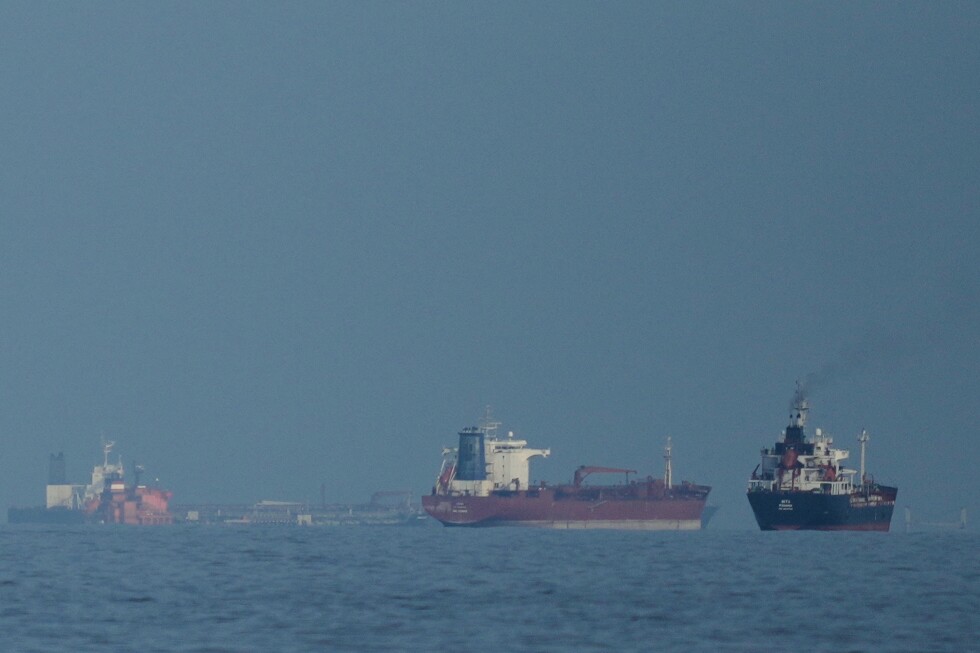
    Bahrain’s strategic significance as host to the U.S. Navy’s Fifth Fleet headquarters—accommodating over 9,000 American troops—has made it both a military asset and a target. Recent Iranian drone and missile attacks have struck targets across the Gulf region, including Bahrain, where falling debris killed a Bangladeshi man in the Salman industrial area and a drone strike on the Crowne Plaza Hotel wounded two U.S. Department of War employees.

    Activist Maryam al-Khawaja emphasized the symbolic implications of Khamenei’s assassination during Ramadan, noting that for his followers, “he is considered a martyr.” She criticized the Bahraini government’s predictable response: “What the Bahraini government does best is oppression – especially in times of crisis.”

    Separate from the protests, authorities have arrested at least 11 individuals for posting footage of Iranian attacks online, accusing them of misleading public opinion and “spreading fear in the hearts of citizens and residents.” Among those detained was prominent social media influencer and photojournalist Sayed Baqer al-Kamel, who documented a burning high-rise building in the Seef district.

    The public prosecutor’s office has announced that those creating “fabricated visual content” face pretrial detention with potential two-year prison sentences and fines. Those accused of “glorification and promotion” of Iranian attacks will undergo urgent trials, continuing Bahrain’s pattern of suppressing documentation of unrest.

    This crisis echoes previous suppression of dissent in Bahrain, including the mass uprisings of the early 1990s and 2011—both violently quelled by authorities with assistance from neighboring Gulf states. The current situation demonstrates how external military actions can inadvertently ignite internal tensions in strategically vital allied nations.

  • Who is Markwayne Mullin, Trump’s new pick for Homeland Security secretary?

    Who is Markwayne Mullin, Trump’s new pick for Homeland Security secretary?

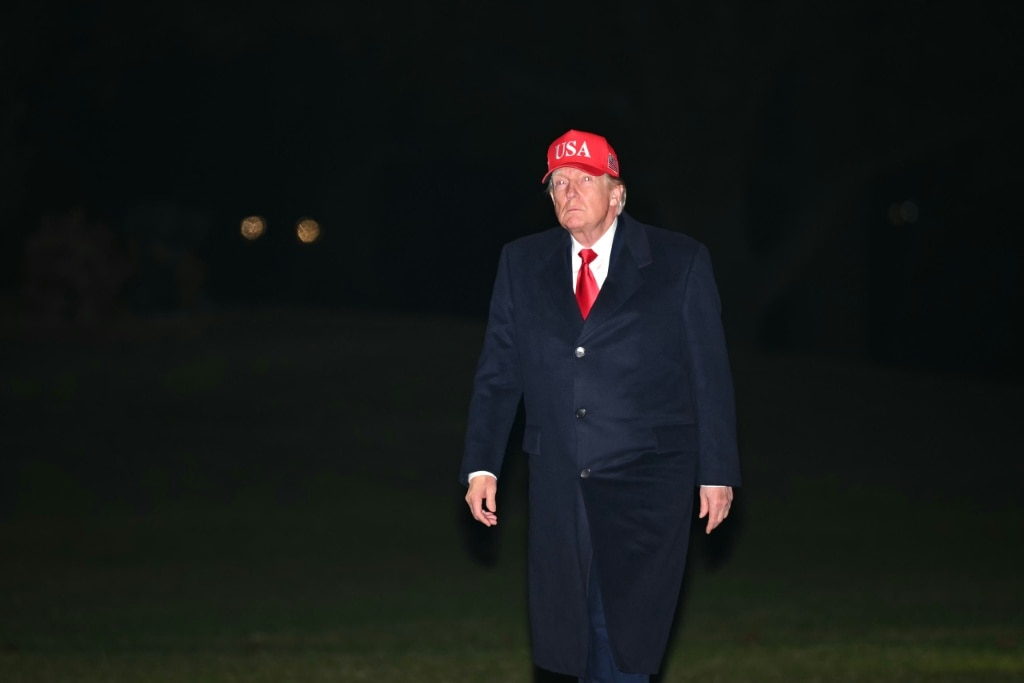
    In a significant cabinet reshuffle, President Donald Trump has nominated Oklahoma Senator Markwayne Mullin to lead the Department of Homeland Security (DHS), succeeding the departed Kristi Noem. The announcement positions the first-term senator, a former mixed martial arts fighter and staunch Trump ally, for one of the administration’s most critical security roles.

    Senator Mullin’s nomination requires confirmation by the Senate. He is poised to become the second individual to helm the DHS during President Trump’s second term, stepping into an agency currently grappling with a partial government shutdown and intense scrutiny over its immigration enforcement tactics.

    A vocal supporter of the administration’s stringent immigration policies, Mullin has consistently praised the DHS’s efforts to detain undocumented immigrants. However, he has also broken ranks on certain issues, publicly criticizing the ongoing government shutdown that has frozen funding for the department. In a recent CNN interview, he lambasted the political maneuvering, stating, ‘They’re not stopping ICE from doing their job,’ despite the funding lapse.

    The nominee will assume leadership of an agency facing heightened criticism, particularly following recent incidents where federal immigration officials were involved in the deaths of two U.S. citizens in Minnesota. Mullin’s previous public statements reveal unwavering support for federal agents. Following the shooting of Alex Pretti in Minneapolis, he declared on social media that obstructing law enforcement is a felony and commended ICE agents as ‘patriots doing a difficult job under an 8,000% rise in death threats.’

    Before his political career, Mullin, a father of six, built a family plumbing business with his wife over two decades. He was sworn into the U.S. Senate in 2023, bringing his business background and combative, supportive stance on Trump’s agenda to Washington.

  • States sue Trump administration over new ‘unlawful’ global tariffs

    States sue Trump administration over new ‘unlawful’ global tariffs

    A coalition comprising 24 U.S. states has initiated a significant legal challenge against the Trump administration’s latest tariff measures, marking an escalation in the ongoing constitutional struggle over presidential trade authority. The lawsuit, spearheaded by Democratic attorneys general from New York, California, Oregon, and Arizona, was filed Thursday in the U.S. Court of International Trade.

    The legal action emerges just weeks after the Supreme Court invalidated previous tariffs imposed by the administration under the International Emergency Economic Powers Act. In response to that ruling, the White House swiftly implemented a new 10% global tariff utilizing Section 122 of the Trade Act of 1974—a statute the administration claims provides legitimate authority for such measures.

    The plaintiffs argue that both the constitutional separation of powers and statutory interpretation principles are being violated. ‘The president’s rationale for these unlawful tariffs has gone from unreasonable to ridiculous,’ stated California Attorney General Rob Bonta during Thursday’s press conference. Arizona Attorney General Kris Mayes characterized the administration’s move as ‘the same illegal power-grab under a different statute.’

    White House spokesperson Kush Desai defended the tariffs as a legitimate exercise of congressionally granted authority, stating the administration would ‘vigorously’ defend the measures in court. The administration maintains that Section 122 empowers the president to address balance-of-payments deficits without congressional approval for up to 150 days, with tariff rates potentially reaching 15%.

    The legal challenge seeks both injunctive relief to prevent implementation of the new tariffs and refunds for any duties already collected under Section 122. This development occurs alongside a separate federal court order requiring Customs and Border Protection to issue refunds for previously struck-down tariffs, suggesting a developing judicial consensus regarding the limits of presidential trade authority.

  • CIA Kurd play could trigger balkanization of Iran

    CIA Kurd play could trigger balkanization of Iran

    A strategic initiative reportedly under consideration by the US Central Intelligence Agency could dramatically escalate tensions in the Middle East. According to CNN sources, the agency is exploring plans to equip Kurdish forces with weapons to instigate an uprising within Iran’s borders, potentially facilitated through neighboring Iraqi Kurdistan.

    The operational concept envisions Kurdish militants engaging Iranian security forces to create protective conditions for civilian protesters in urban centers, theoretically preventing a recurrence of the violent crackdowns witnessed during January’s civil unrest. This approach, however, carries significant geopolitical risks that could transform a localized conflict into a regional conflagration.

    Historical precedents suggest concerning potential outcomes. The recent abandonment of Syrian Kurds following the fall of the Assad regime demonstrates the precarious nature of US alliances with Kurdish groups. After establishing an autonomous region in northern Syria, these forces were ultimately compelled to submit to central authority following a Turkish-backed military offensive.

    The regional implications are particularly complex regarding Turkey, which maintains a long-standing policy of intervention against Kurdish militant groups across borders. Any perceived gains by Iranian Kurds—potentially supported by US and Israeli air capabilities—could trigger substantial Turkish military involvement similar to previous operations in Iraq and Syria.

    Further escalation could involve multiple regional actors. Azerbaijan, a close Turkish ally with significant cultural ties to northern Iran’s Azeri population, might seize opportunities to advance territorial claims. Saudi Arabia and other Gulf states could potentially engage their longstanding Iranian rival, while Pakistan might intervene under counterterrorism pretexts against Baloch separatists.

    This cascade of interventions, beginning with US support for Kurdish forces, could ultimately threaten Iranian territorial integrity through various mechanisms including regional autonomy arrangements, formal partition, or neighbor-state annexations. The Kurdish strategy, while potentially creating short-term pressure on Tehran, risks fundamentally destabilizing the regional balance of power and potentially dismantling the Iranian state as currently constituted.

  • Watch: Kristi Noem under fire from Democrats and Republicans

    Watch: Kristi Noem under fire from Democrats and Republicans

    South Dakota Governor Kristi Noem finds herself at the center of a political firestorm, drawing sharp criticism from both sides of the political aisle. The controversy emerged following recent congressional hearings that scrutinized her performance and decision-making. These developments occurred immediately preceding her departure from the position of Department of Homeland Security Secretary, though official sources clarify she was not formally serving in this capacity at the time of the hearings.

    The bipartisan criticism represents a rare moment of political alignment in Washington, with Democratic and Republican leaders expressing concerns about gubernatorial conduct and potential ethical considerations. The hearings examined various aspects of Noem’s administrative approach and policy implementations during her tenure in public service.

    Political analysts note that the timing of these hearings, coinciding with her transition from federal security responsibilities, has amplified the scrutiny on her political future. The situation highlights the increasing pressure on public officials to maintain bipartisan support while navigating complex governmental roles. This case demonstrates how quickly political fortunes can change in Washington’s highly charged environment, where bipartisan criticism often signals significant challenges for a political career.

  • Trump fires homeland security chief Kristi Noem

    Trump fires homeland security chief Kristi Noem

    In a significant cabinet reshuffle, President Donald Trump has terminated Kristi Noem from her position as Secretary of the Department of Homeland Security (DHS). The dismissal, announced via the President’s Truth Social platform on Thursday, follows Noem’s contentious testimony before the Senate Judiciary Committee earlier this week. Central to the dispute was a $220 million DHS advertising campaign, which featured Noem prominently and was reportedly approved by the President, though it later became a source of his ire according to multiple media outlets.

    Trump announced that Republican Senator Markwayne Mullin of Oklahoma will assume the role of Acting Secretary starting March 31, pending Senate confirmation. In his statement, Trump praised Noem’s tenure, particularly highlighting her results on border security, and appointed her as a special envoy for a new Western Hemisphere security initiative dubbed ‘The Shield of the Americas.’ He simultaneously lauded Mullin as a ‘MAGA Warrior’ who would excel in enforcing stringent immigration policies.

    The move occurs against a backdrop of intense bipartisan criticism directed at Noem and the DHS’s immigration enforcement strategies. During the Senate hearing, Democrats, including Senator Dick Durbin of Illinois, accused the department of operating without a ‘moral compass,’ while Republicans like Senator Thom Tillis of North Carolina labeled her leadership a ‘disaster,’ citing the wrongful detention of American citizens. The hearing also scrutinized the multimillion-dollar ad campaign encouraging self-deportation, which Senator John Kennedy of Louisiana criticized as an ineffective expenditure primarily boosting Noem’s public profile.

    This leadership change coincides with a partial DHS shutdown, fueled by Democratic demands for major operational reforms within Immigration and Customs Enforcement (ICE) as a condition for new funding. These include restrictions on patrols, a ban on face masks for agents, and requiring judicial warrants for entering private property.

  • Alibaba committed to AI advancement amid leadership shake up

    Alibaba committed to AI advancement amid leadership shake up

    Alibaba Group has intensified its artificial intelligence development strategy following the departure of two prominent technical leaders from its Qwen large language model team. The company’s Chief Executive Officer Eddie Wu confirmed in an internal communication that Chief Technology Officer Zhou Jingren will assume enhanced responsibilities in advancing Alibaba’s signature AI model.

    The leadership transition follows the resignation of Lin Junyang, a core technical leader who announced his departure via social media with a brief message: “me stepping down. bye my beloved qwen.” Yu Bowen, head of post-training for the Qwen model, subsequently also announced his exit from the company.

    Lin, recognized as one of Alibaba’s youngest P10-level technical leaders at age 33, played a pivotal role in developing the Qwen3-Max model featuring over one trillion parameters and later guided the release of the Qwen3.5 series of smaller models.

    According to internal sources, the restructuring emerged as Alibaba’s Qwen initiative evolved from a foundational model project into a group-level strategic priority. The transformation necessitated organizational adjustments that ultimately led to Lin’s decision to resign.

    In response to these developments, Alibaba is establishing a foundation model support group jointly coordinated by CEO Wu, CTO Zhou, and Fan Yu. This new structure aims to mobilize company-wide resources to accelerate large model development. Wu emphasized that building foundational AI models represents a critical long-term strategy for Alibaba, with continued commitment to open-source approaches and increased investment in artificial intelligence research and development.

    The company simultaneously announced plans to recruit additional leading AI researchers to strengthen its base model team talent pool, signaling Alibaba’s determination to maintain competitive advantage in the rapidly evolving artificial intelligence landscape.

  • Rapeseed flowers bloom in Guizhou, heralding spring visitors

    Rapeseed flowers bloom in Guizhou, heralding spring visitors

    The karst mountain regions of Xingyi in Guizhou province have undergone a spectacular transformation as vast expanses of rapeseed flowers burst into full bloom, creating a breathtaking golden tapestry that signals the arrival of spring in southern China. This annual natural phenomenon has evolved into a major tourist attraction, drawing visitors from across the nation to witness the extraordinary spectacle where nature’s beauty converges with cultural heritage.

    Spanning over 400 hectares, the vibrant yellow blossoms create an immense floral ocean that stretches across the picturesque landscape, perfectly framed by dramatic karst formations and traditional Bouyei ethnic villages. This stunning visual harmony between cultivated flowers and natural geology offers a unique photographic opportunity and cultural experience that has gained increasing popularity among domestic travelers seeking springtime destinations.

    The recent accessibility revolution brought by transportation infrastructure has significantly boosted tourist numbers. The November inauguration of the Panzhou-Xingyi high-speed railway has dramatically reduced travel times, converting what was once a lengthy bus journey into a comfortable and efficient rail experience. The provincial capital Guiyang is now merely two hours away, while direct connections from major metropolitan centers including Chengdu, Chongqing, and Guangzhou have opened the region to a broader demographic of visitors.

    This enhanced connectivity has transformed the local tourism economy, providing economic opportunities for surrounding communities while offering urban residents an easily accessible natural escape. The convergence of natural beauty, cultural authenticity, and modern transportation infrastructure exemplifies how rural regions can leverage their unique assets to develop sustainable tourism while preserving environmental and cultural heritage.

  • UK Border Force officer was ‘working for China’, court told

    UK Border Force officer was ‘working for China’, court told

    A landmark trial at London’s Old Bailey has unveiled disturbing allegations of foreign interference, revealing what prosecutors describe as a Chinese “shadow policing” network operating within the United Kingdom. Chi Leung “Peter” Wai, a serving UK Border Force officer, and Chung Biu “Bill” Yuen, a retired Hong Kong police officer working at Hong Kong’s Economic and Trade Office in London, stand accused of conducting surveillance operations against Chinese dissidents on British soil.

    The prosecution, led by Duncan Atkinson KC, presented evidence suggesting the defendants operated as if “Pontefract were a town in China rather than Yorkshire.” The court heard how Wai, leveraging his privileged access to the Home Office’s Atlas immigration database, allegedly conducted unauthorized searches on Chinese citizens, particularly those with pro-democracy backgrounds who had sought asylum in Britain.

    Evidence presented to jurors included surveillance reports detailing extensive monitoring of targets, with one woman, Monica Kwong, becoming a primary subject of investigation. The operation allegedly involved teams entering apartment buildings, examining personal mail, and conducting covert filming—including footage of Kwong answering her door in pink pajamas with her young son.

    Communications revealed Yuen coordinating with Hong Kong-based police officer Wing Cheun Cheuk, while referring to Wai by the codename “fatboy” in messages. The prosecution emphasized this represented “a further misuse of the database… not for legitimate UK purposes but for the benefit of persons in Hong Kong.”

    The case took a tragic turn with the death of Matthew Trickett, a second Border Force officer allegedly involved in the surveillance network, who was found dead in May 2024 after being released on bail. Evidence suggests Trickett assembled additional operatives, including former military personnel, to expand the monitoring operations.

    Both defendants deny charges of assisting a foreign intelligence service and foreign interference. Wai additionally pleads not guilty to misconduct in public office regarding his database searches. The trial is expected to continue for six to seven weeks, potentially setting significant precedents for how Western nations address foreign interference operations within their jurisdictions.

  • Azerbaijan says Iranian drones hit passenger terminal of airport

    Azerbaijan says Iranian drones hit passenger terminal of airport

    In a significant regional escalation, Iranian drones have targeted the passenger terminal of an airport in Azerbaijan’s Nakhchivan region near the Iranian border. The Azerbaijani foreign ministry confirmed the attack and announced plans for “retaliatory measures,” marking the first instance of the Israeli-US conflict with Iran spilling over into its northern neighbor.

    Azerbaijani media reported additional drone incidents across various locations, though specific damage assessments remain unclear. Iran’s Deputy Foreign Minister Kazem Gharibabadi swiftly denied targeting neighboring countries, calling for a thorough investigation into the incident. He notably stated that only countries hosting military bases of Iran’s enemies would be targeted—a veiled reference to Azerbaijan’s close military relationship with Israel.

    In a contradictory statement, Iran’s General Staff attributed responsibility to Israel, claiming the attack was designed to falsely implicate Tehran. This development occurs amid complex demographic realities: Iran itself hosts a larger ethnic Azerbaijani population than Azerbaijan, with its West Azerbaijan province sharing a direct border.

    The attack follows intensified strikes by Israel and the US against Iranian targets beginning last Saturday, which have triggered mass crossings from Iran into Azerbaijan through the Astara border. Azerbaijan maintains particularly strong military ties with Israel, which supplied combat drones and hardware used in the 2020 Nagorno-Karabakh conflict.

    Meanwhile, Iran has responded to Western attacks by targeting US bases across multiple regional states including the UAE, Saudi Arabia, Oman, and Qatar. An anonymous Iranian foreign ministry official told Middle East Eye that Israel was behind several drone strikes against Saudi Arabia and at least one attack on Oman, though specific attribution remains contested.

    This incident exacerbates existing tensions between Baku and Tehran, compounded by calls from some Azerbaijani nationalists for unification with Iran’s Western Azerbaijan province—ambitions the government has officially denied while maintaining generally cordial relations.