作者: admin

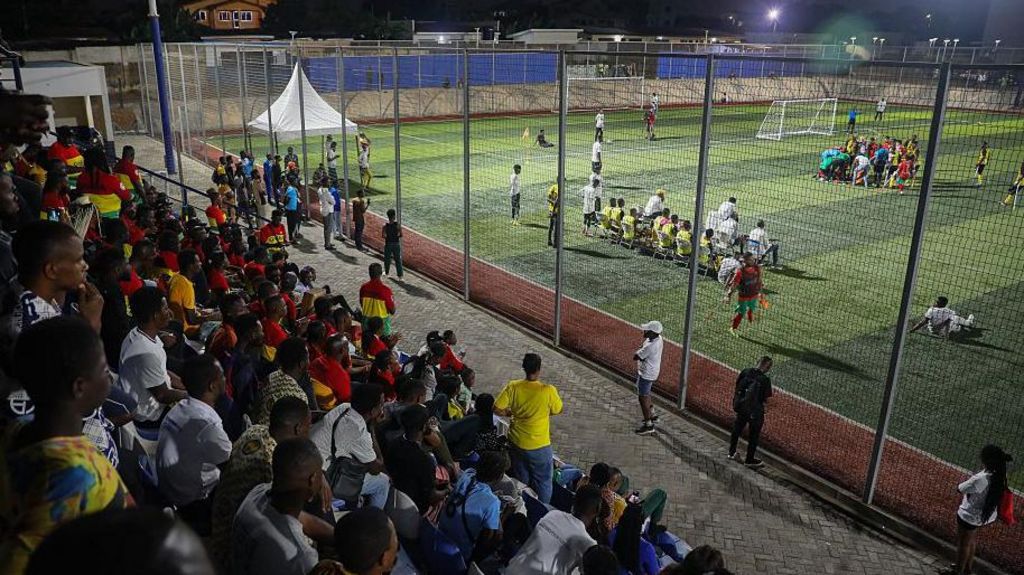
  • Ghanaian footballer killed in armed attack on his team, Berekum Chelsea

    Ghanaian footballer killed in armed attack on his team, Berekum Chelsea

    A devastating tragedy has shaken Ghana’s football community after promising young striker Dominic Frimpong was killed in a suspected armed robbery targeting his club, Berekum Chelsea, the Ghana Football Association (GFA) has confirmed. The fatal attack unfolded as the team traveled back to their base following a scheduled Ghana Premier League fixture, when gunmen ambushed their convoy.

    In an official public statement released on Monday, the GFA shared its deep grief over the sudden loss of the 22-year-old player, extending its sincerest condolences to Frimpong’s immediate family, his affected Berekum Chelsea teammates, and the entire technical and administrative staff of the club. The football governing body emphasized that Frimpong stood out as one of the domestic league’s brightest emerging young prospects, whose relentless commitment to the sport and infectious love for the game embodied the core spirit that Ghanaian football prides itself on.

    The attack has sent shockwaves across national football circles, with fans and fellow players across the country paying tribute to the young talent cut down far before his professional potential could be fully realized. As of the GFA’s latest update, no further details on the identities of the attackers or potential arrests have been released to the public. This story is developing, and additional updates will be published as more information becomes available.

  • Britney Spears goes into rehab after driving under the influence arrest

    Britney Spears goes into rehab after driving under the influence arrest

    Global pop superstar Britney Spears has voluntarily admitted herself to an addiction and wellness treatment facility, exactly one month after her arrest on suspicion of driving under the influence of alcohol and controlled substances. Her representative confirmed the news to multiple major U.S. media outlets in a public statement issued Sunday.

    The 44-year-old hitmaker was taken into custody on March 4 following a report to California law enforcement of a BMW being operated erratically at excessive speeds on a state highway. According to official statements from the California Highway Patrol, officers pulled Spears over and observed clear signs of impairment during the stop. She agreed to complete a full battery of field sobriety tests before being taken into custody on DUI charges.

    In the immediate aftermath of her arrest, Spears’ representative described the incident as “completely inexcusable” in comments to the BBC, noting that the pop star’s close family had begun assembling a long-overdue support plan to prioritize her long-term health and well-being. That plan culminated in her voluntary entry into rehab, which comes three weeks ahead of her scheduled California court appearance for the DUI charge. “Britney is going to take the right steps and comply with the law, and hopefully this can be the first step in the long-overdue change that needs to occur in Britney’s life,” the representative shared shortly after the arrest. “Hopefully, she can get the help and support she needs during this difficult time. Her boys are going to be spending time with her, and her loved ones are committed to putting a plan in place that sets her up for long-term wellness.”

    Spears remains one of the most commercially successful and culturally influential pop artists of all time, with a decades-long career that has produced dozens of chart-topping hits including *Baby One More Time*, Toxic, Everytime, Gimme More, Womanizer, and Stronger. The star’s personal life has been the subject of intense global public attention in recent years, particularly due to the 13-year conservatorship that controlled her personal decisions, finances, and medical care until the arrangement was terminated in 2021.

    Jamie Spears, Britney’s father, who served as the conservator of her estate and personal affairs for most of the arrangement, has defended the legal structure in public comments. He has stated that the conservatorship was necessary at the time because Britney’s life was “in shambles and she was in physical, emotional, mental and financial distress.” He added, “Through the conservatorship, Britney has been able to return to a path towards stability in all of these phases of her life. The mission has been successful and it is now time for Britney to re-take control of her life.”

  • Labor maintains two-party lead, buoyed by women: poll

    Labor maintains two-party lead, buoyed by women: poll

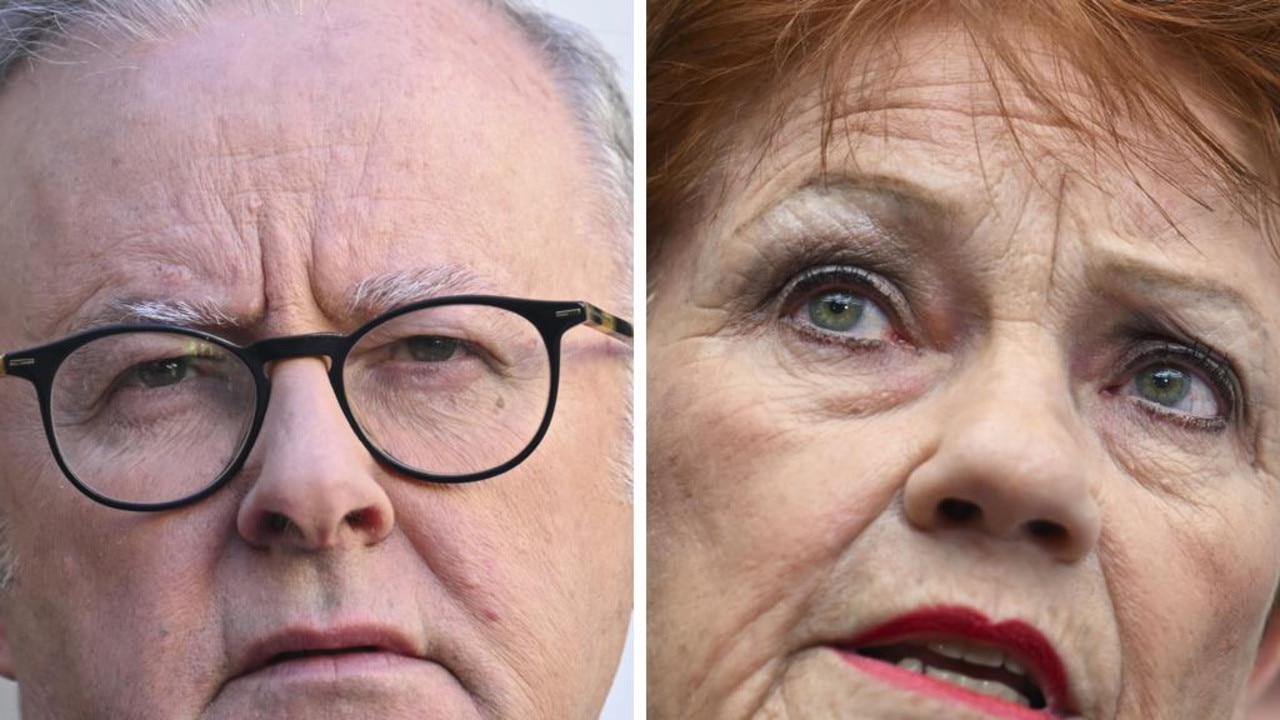
    Fresh national polling from Australia’s leading independent research firm Roy Morgan has delivered clear evidence that the center-left Albanese Labor government maintains a commanding two-party preferred advantage over the center-right Coalition opposition, with growing momentum among female voters emerging as the key pillar of its lead. Data collected between April 6 and 12, released publicly on Monday, puts Labor at 56% of the two-party preferred vote, a result that would hand the party a comfortable parliamentary majority if a federal election were held today. The entire shift in momentum toward the current government can be traced to rapidly rising support among women voters: a striking 61% of female respondents now back Labor on a two-party preferred basis, a 3.5 percentage point jump from previous polling. By contrast, less than 40% of women surveyed said they would support the Coalition, leaving the opposition trailing badly among this key demographic. The narrative shifts sharply when breaking down results by male voters, however. Among men, Labor’s two-party preferred support fell 4 percentage points to 50%, leaving the two major parties deadlocked in a tie. On the primary vote, Labor’s support among men dipped 1 point, while far-right party One Nation saw a 2.5 percentage point increase in primary support among male respondents. Across all demographic groups, One Nation’s overall primary support rose 3 percentage points to hit 24.5%, marking a notable recent surge for Pauline Hanson’s populist party. Even with this rightward shift among a subset of the electorate, poll analysts confirm that Labor’s lead among women is large enough to offset losses among men, leaving the party on track to retain power with a clear majority if an election were called in the immediate term.

  • Carney on verge of Liberal majority government as votes cast in three by-elections

    Carney on verge of Liberal majority government as votes cast in three by-elections

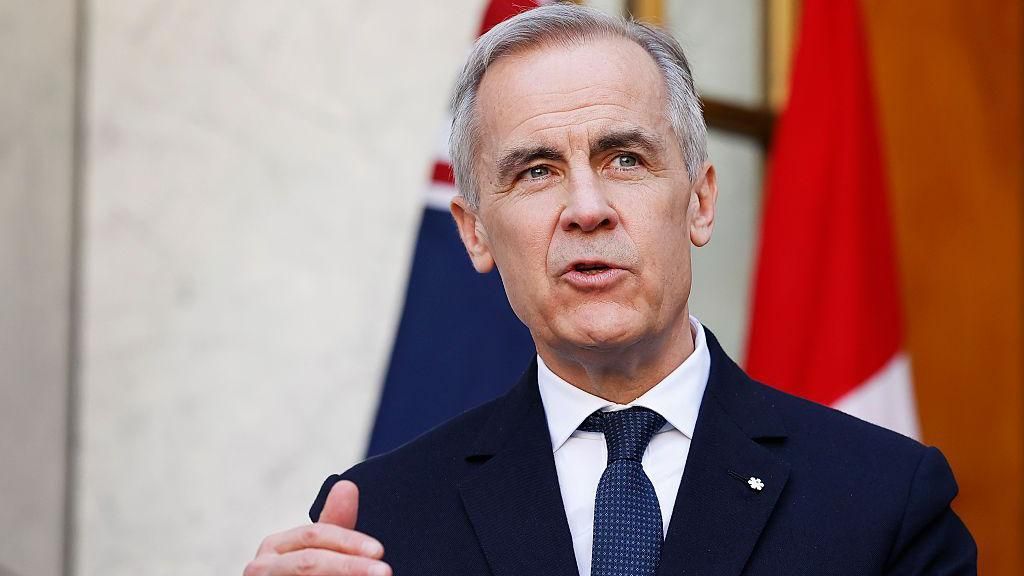
    One year after Mark Carney took office as Canada’s prime minister, his Liberal Party stands on the cusp of securing a narrow working majority in the House of Commons, with the outcome of three upcoming by-elections set to reshape the country’s federal political landscape for years to come.

    Voters head to the polls on Monday for three vacant ridings: two in the Greater Toronto Area, Scarborough Southwest and University-Rosedale, and a third competitive race in the Montreal suburb of Terrebonne. Currently, the Liberals hold 171 of 343 total seats in the Commons – just one seat short of the 172 needed for a formal majority. If the party claims victory in even two of the three contests, Carney will secure his narrow majority, allowing his government to pass legislation without relying on opposition support and pushing the next mandatory federal election back to 2029.

    Political observers note the projected shift in parliamentary control has been accelerated by an unusual wave of cross-party defections, with five sitting opposition lawmakers – four former Conservatives and one New Democratic Party member – already joining the Liberal caucus since Carney took power. Canadian media reports indicate the party is also courting several additional sitting MPs to switch allegiances in the coming weeks.

    The two Toronto seats up for grabs were vacated by high-profile former Liberal lawmakers who accepted new roles: Scarborough Southwest was previously held by ex-defence minister Bill Blair, who now serves as Canada’s ambassador to the United Kingdom, while University-Rosedale was the seat of former deputy prime minister Chrystia Freeland, now a senior policy adviser to the Ukrainian government. Political analysts widely predict the Liberals will hold both ridings, putting Carney’s majority within reach regardless of the outcome in Terrebonne.

    The race in Terrebonne remains one of Canada’s most closely watched by-election contests in recent decades. The Liberal candidate won the riding by just a single ballot in the 2025 April federal election, but Canada’s Supreme Court nullified the final result in February after uncovering an administrative error by Elections Canada involving mailed-in postal ballots. The contest is once again rated as a pure toss-up between the Liberals and the sovereigntist Bloc Quebecois. To bolster his candidate Tatiana Auguste, Carney personally campaigned in the riding ahead of polling day.

    University of Toronto political science professor Semra Sevi described the recent pace of party-switching as extraordinary, even for Canada’s fluid parliamentary system. “Carney has built a big tent, attracting members of parliament who would not normally be associated with the Liberal party,” Sevi explained in an interview. “The complication, however, is that the tent may now be so big that there isn’t a lot of ideological coherence in it.”

    That ideological tension flared up after the most recent defection of former Conservative MP Marilyn Gladu, a socially conservative lawmaker who has publicly described herself as personally pro-life. Gladu has committed to voting in line with Liberal caucus policy on abortion access, and Carney has defended his decision to welcome her, stressing that the party’s core values remain unchanged. Under Carney’s leadership, the Liberals have shifted toward the political centre-right, a marked departure from the more progressive agenda of former prime minister Justin Trudeau. Carney has rolled back several of Trudeau’s signature policies, including the national consumer carbon tax, and has prioritized positioning Canada as a global “energy superpower” while cutting public sector staffing levels – policy shifts that have proven appealing to disaffected centre-right Conservative MPs.

    The wave of defections has triggered fierce backlash from Conservative leader Pierre Poilievre, who has branded the floor-crossings undemocratic and accused Carney’s government of striking corrupt backroom deals to seize power. “By poaching MPs from other parties, Carney is telling those who elected them that ‘your vote does not count’,” Poilievre has argued.

    At the same time, analysts note the defections reflect deep-seated discontent within the Conservative caucus. Just over a year ago, Poilievre was widely seen as the likely next prime minister, but Carney surged in polling amid widespread voter concerns about cross-border trade and diplomatic relations with the United States under the second Trump administration. Today, many Conservative MPs fear the party has little chance of forming government under Poilievre’s leadership, with growing discontent over his approach to caucus management.

    Recent national polling puts the Liberals 10 to 15 percentage points ahead of the Conservatives, with Carney maintaining high personal approval ratings among Canadian voters. Closing out a Liberal party convention in Montreal over the weekend, Carney used his keynote address to frame his big-tent approach as a strength for a country facing overlapping national crises. “Canada’s founding insight is that unity does not require uniformity,” he told party members.

  • Pope Leo kicks off African tour under shadow of Trump’s ire

    Pope Leo kicks off African tour under shadow of Trump’s ire

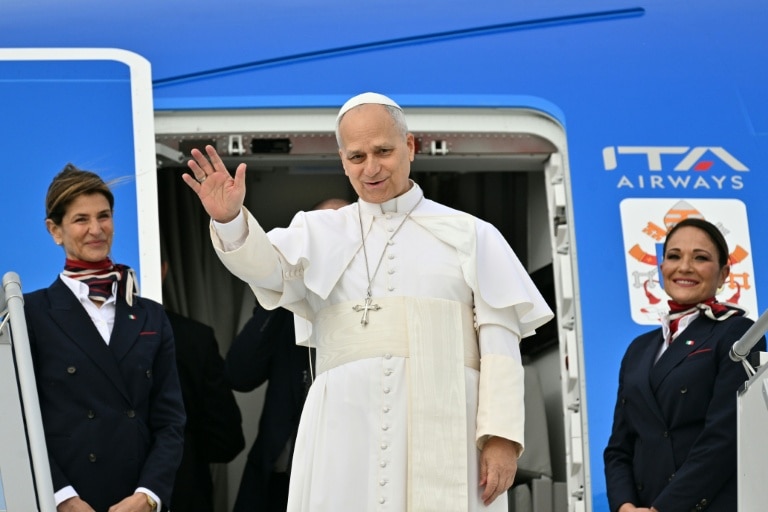
    Pope Leo XIV departed Rome’s Fiumicino Airport on Monday, kicking off a landmark 11-day tour across four African nations that stands as one of his most high-profile international outings since his election to the papacy in May 2025. But the historic journey faces an early shadow, cast by harsh public criticism from former U.S. President Donald Trump launched just hours before the pontiff’s departure.

    The first stop of the 18,000-kilometer voyage is Algeria, a majority-Muslim nation that has never before welcomed a sitting pope. According to Algiers Archbishop Jean-Paul Vesco, the core goal of the Algerian leg of the trip is to foster interfaith connection: to help “build bridges between the Christian and Muslim worlds.”

    Roughly seven hours before Pope Leo departed Rome, Trump launched an unexpected public attack against the pontiff, centered on Leo’s repeated calls for an end to ongoing violent conflict in the Iran war. Speaking to reporters, Trump stated plainly, “I’m not a big fan of Pope Leo,” and accused the pontiff of “toying with a country (Iran) that wants a nuclear weapon.”

    Trump went further, suggesting that college of cardinals only elected Leo to the papacy earlier this year because of his American citizenship, framing the selection as an attempt to curry favor with Washington. The attack concluded with Trump sharing an AI-generated image that bizarrely depicted him in the likeness of Jesus Christ.

    This public rebuke is not out of the blue. Pope Leo had already publicly decried Trump’s threats against Iranian civilians as “unacceptable” — a critique that did not name Trump but left little ambiguity about its target. The pontiff has also previously condemned the Trump administration’s “inhuman” approach to migrant policy.

    In a surprising show of solidarity even from a political ally of Trump, Italian Prime Minister Giorgia Meloni, a far-right leader with well-documented close ties to Trump, released a public statement Monday morning wishing the pope a successful trip across Algeria, Cameroon, Angola and Equatorial Guinea. “May the Holy Father’s ministry foster the resolution of conflicts and the return of peace, both internally and between nations, following the path traced by his predecessors, and provide support and comfort to the Christian communities he will encounter during his journey,” Meloni wrote.

    Beyond its global diplomatic and interfaith goals, the tour carries deep personal meaning for Pope Leo. Algeria is the birthplace of Saint Augustine, the 4th and 5th-century Christian theologian whose spiritual thinking has shaped the entire course of Leo’s ministry. Augustine founded the theological tradition that underpins the Augustinian Order, the monastic community Pope Leo has belonged to for decades; he even served as head of the order before his election to the papacy, and has visited Algeria twice previously in that role. In his inaugural address as pope, Leo introduced himself as a “son” of Augustine, and regularly cites the theologian’s writings in his public messages.

    Ahead of the pope’s arrival in Algiers, the capital has been abuzz with festive preparation: city walls have been repainted, road surfaces refreshed, and public green spaces decorated with fresh plants and flower arrangements to welcome the historic visit. After meeting with Algerian President Abdelmadjid Tebboune, addressing the diplomatic corps, and paying respects to those killed in Algeria’s 1954-1962 war of independence against France, Pope Leo will travel Tuesday to Annaba, the modern city built atop the ancient Roman town of Hippo Regius where Saint Augustine lived and worked for much of his career. There, he will celebrate mass at the Saint Augustine Basilica.

    Father Fred Wekesa, rector of the Annaba basilica, noted that the visit will be a powerful moment of encouragement for Algeria’s small Christian community, bringing “a message of encouragement and solidarity.”

    Monday’s itinerary in Algiers also includes stops at the iconic Great Mosque of Algiers, home to the world’s tallest minaret, and the Basilica of Our Lady of Africa, which overlooks the city’s bay. The pontiff will also hold a private prayer service in a chapel honoring 19 priests and nuns who were killed during Algeria’s brutal 1992-2002 civil war, an internal conflict that claimed an estimated 200,000 lives. Notably, he will not visit the Tibhirine monastery, where seven monks were kidnapped and murdered in 1996, a killing whose full context remains unresolved decades later.

    Wekesa pointed out that while many global observers still see Algeria through the lens of its “dark years” of civil conflict, Pope Leo’s visit will give the world a chance to see the nation differently. “We are capable of living together in peace,” he said, noting the visit will highlight “the hospitality and generosity of the Algerian people.”

    Even so, human rights organizations have raised ongoing concerns about religious freedom in Algeria. While the country’s constitution enshrines formal guarantees of freedom of worship, multiple groups say repression of religious minority communities remains a persistent issue. Last week, three major human rights organizations publicly called on Pope Leo to raise these concerns during his meetings with Algerian leadership.
  • Trump attacks Pope over criticism of Iran war

    Trump attacks Pope over criticism of Iran war

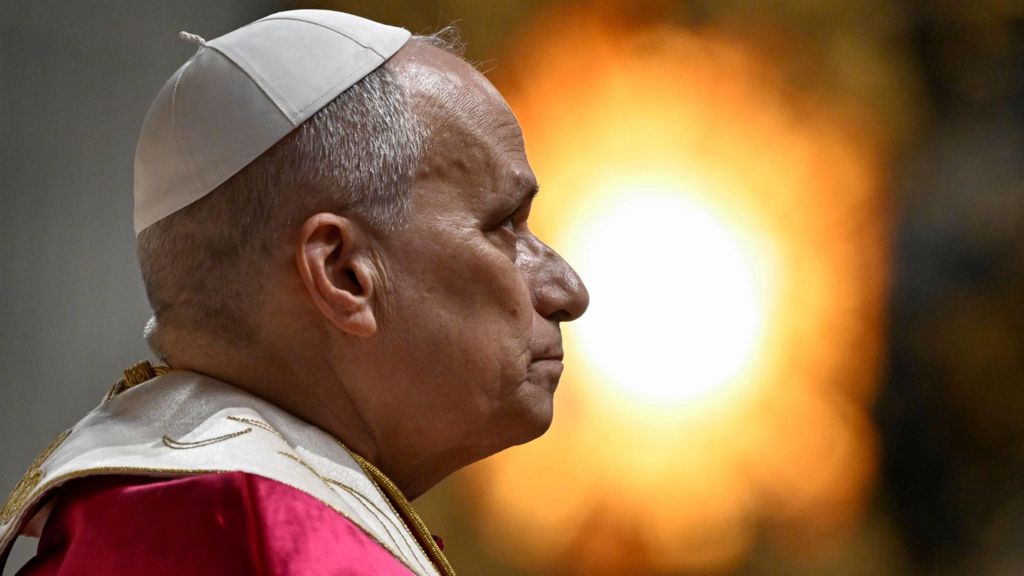
    In a stunning break from decades of diplomatic precedent between U.S. leaders and the Vatican, former and current U.S. President Donald Trump has delivered an extraordinary, scathing rebuke of Pope Leo, opening a high-profile rift between the White House and the Catholic Church over two polarizing global issues: the ongoing war in Iran and Trump’s hardline immigration agenda.

    The verbal assault began with a post Sunday on Trump’s Truth Social platform, where the president unleashed a series of harsh accusations against the pontiff. He labeled Pope Leo “WEAK on Crime and terrible for Foreign Policy,” and doubled down on his criticism during a subsequent press briefing, telling reporters bluntly, “I’m not a big fan [of Pope Leo].”

    The conflict stems from long-running public opposition Pope Leo has leveled against two of Trump’s signature policies. On the Iran conflict, the pontiff has emerged as one of the most high-profile global critics of the U.S.-led war against Tehran, a conflict justified by the U.S. and Israel over Iran’s pursuit of nuclear capabilities. When Trump issued a stark threat to “destroy Iranian civilisation” earlier this year, Pope Leo dismissed the statement as “unacceptable” and has repeatedly called on the Trump administration to pursue a diplomatic “off-ramp” to end the bloody conflict. The pope has used multiple public platforms, including his recent Easter address, to press for de-escalation across the Middle East, urging global leaders with the power to end war to choose peace. In that Easter speech, he lamented that global populations have grown desensitized to violence and indifferent to the thousands of civilian deaths from ongoing conflicts, without naming specific nations directly.

    Beyond the Iran war, Pope Leo has also publicly questioned whether Trump’s restrictive immigration agenda aligns with the Catholic Church’s longstanding pro-life and pro-human dignity teachings, putting him at direct ideological odds with the White House.

    Trump’s criticism came as Pope Leo embarked on an 11-day pastoral trip to Africa, his second major international journey since his election to the papacy one year ago. In his social media post, Trump went beyond policy criticism, repeating a claim that the pontiff’s election was orchestrated specifically to counter his presidency. “He was elected because he was American, and they thought that would be the best way to deal with President Donald J Trump,” Trump wrote. “If I wasn’t in the White House, Leo wouldn’t be in the Vatican.”

    Pushed by reporters to elaborate on his claims, Trump doubled down on his unorthodox attacks, arguing “I don’t think he’s doing a very good job, he likes crime, I guess.” He added: “He’s a very liberal person, and he’s a man who doesn’t believe in stopping crime, he’s a man who doesn’t believe we should be toying with a country that wants a nuclear weapon so they can blow up the world.” His reference to Pope Leo being “weak on nuclear weapons” referred to the pontiff’s calls for diplomatic negotiation rather than military escalation around Iran’s nuclear program.

    Trump’s unprecedented public attack drew immediate, fierce backlash from Catholic leaders and religious scholars across the globe. Massimo Faggioli, a prominent Vatican and church history expert, told Reuters that the scope and bluntness of Trump’s criticism was unmatched even in periods of deep conflict between secular leaders and the papacy. “Not even Hitler or Mussolini attacked the Pope so directly and publicly,” Faggioli said, highlighting how extraordinary the current rift is. The conflict has sparked widespread debate over the separation of church and state, as well as the role of the papacy in shaping global policy on war and migration.

  • Event helps strengthen Sino-US youth bond

    Event helps strengthen Sino-US youth bond

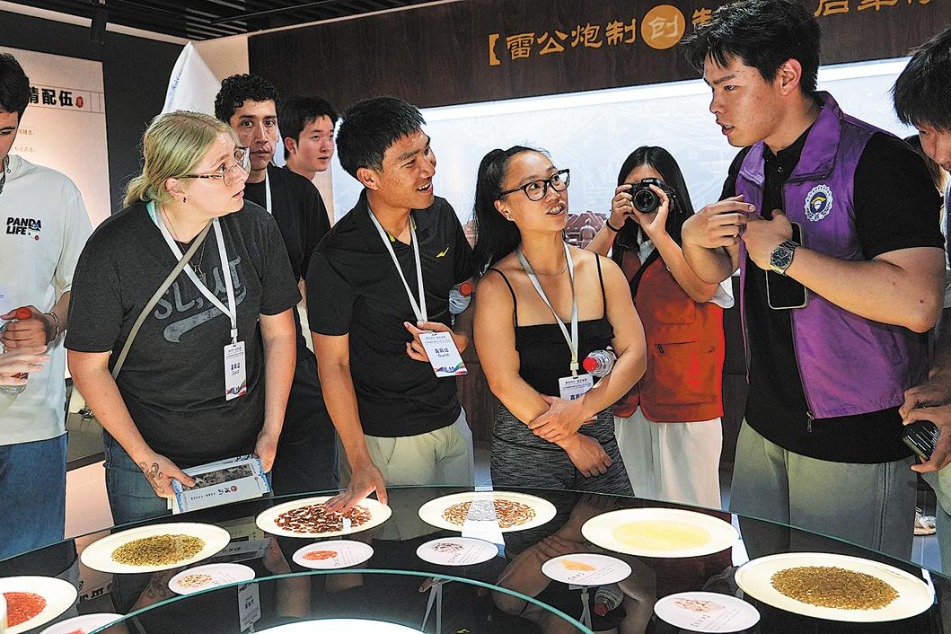
    Against the backdrop of growing need for cross-border youth dialogue, a landmark four-day exchange program bringing over 100 American students and scholars to southwest China’s Chongqing has wrapped up, laying fresh groundwork for deeper mutual understanding and cooperation between young generations of the two nations.

    Hosted from April 9 to 13 2026, the 2026 U.S. Youth Sci-tech and Culture Exchange Tour gathered 106 participants from more than 20 U.S. higher education institutions, aligning its schedule with the 85th anniversary of the Flying Tigers — the volunteer American aviation group that supported China’s fight against Japanese invasion during World War II. The event was jointly organized by three institutions: the Chongqing People’s Association for Cultural Exchanges with Foreign Countries, the World Association of Young Scientists, and the Chongqing Western Returned Scholars Association.

    In recent years, Chongqing — a sprawling megacity on the upper reaches of the Yangtze River — has emerged as a top destination for international visitors, drawn by its dramatic mountain-and-river landscapes, centuries of cultural history, and cutting-edge urban architecture. For this tour, organizers curated a diverse itinerary that balanced cultural immersion, academic exploration, and technological discovery: participants visited local universities, leading research centers, historic landmarks, and advanced tech facilities, while also getting hands-on experience with traditional Chinese cultural practices including dragon dance performances and paper-cutting art.

    For many participants, the on-the-ground experience upended preconceptions about China. Antonella Pardo Figueroa, a 24-year-old graduate of the University of Southern California visiting China for the first time, noted that the trip exceeded every one of her expectations. “Chongqing reminds me a lot of my hometown, San Francisco, with its beauty,” she said. “Here, I was shocked by how compact the city is, how well-meshed the infrastructure is, woven together with the natural elements of the mountains and the rivers.”

    A core highlight of the exchange was a cross-sector dialogue held Saturday at the Chongqing Planning Exhibition Gallery, which brought together professors from Chinese and American universities, leaders of Chinese technology firms, and youth delegates from both countries to discuss issues spanning technological innovation, youth development, and cross-cultural mutual learning.

    Marissa Irene Marcarelli, a 22-year-old computer science major from California State University, Long Beach, emphasized that people-to-people connections are the foundation of productive Sino-U.S. relations. “Exchanges like this are so important because they allow you to really see the forest for the trees pretty much,” she said. “Collaboration is essential because it’s the people who truly make a difference. By showing the youth and everyone from both sides who we really are, we can hopefully blossom, flourish, and rekindle the friendship we once had. And I wish nothing more.”

    Ye Rugang, a professor at the University of California, Santa Barbara, pointed to the success of young Chinese innovators such as Unitree Robotics founder Wang Xingring, who launched his leading robotics company at a young age, as evidence of the untapped potential for collaborative research between young scientists and technologists from both nations. “We might introduce programs during our students’ visits to China to foster cooperation in science,” Ye said, outlining plans to expand future academic partnerships.

    The exchange also honored the long historical ties between the two peoples by bringing together descendants of Flying Tigers members, linking the wartime alliance of the 1940s to modern youth friendship. Xu Shaoli, president of the American Flying Tigers Friendship Association, called for American youth to visit Chongqing annually to uphold the group’s enduring legacy of cross-border friendship and cooperation.

    Kate Adair Bothe, a University of South Carolina student and great-granddaughter of a Flying Tigers recruiter, said she is eager to serve as a bridge for Sino-U.S. relations among young Americans back home. “As the next generation of Flying Tigers, I’m really excited to be a liaison or cheerleader for China-US relations, especially among young people back in America,” she said. “I think I have to go around and never shut up about China and how great it is, and how many opportunities there are for our friendship to continue to grow.”

    The exchange aligns with a broader initiative China launched in 2023, which pledged to invite 50,000 American young people to take part in exchange and study programs in China over a five-year period, with the goal of strengthening long-term people-to-people bonds between the two countries.

  • Industrial heritage inspires new creative outlooks

    Industrial heritage inspires new creative outlooks

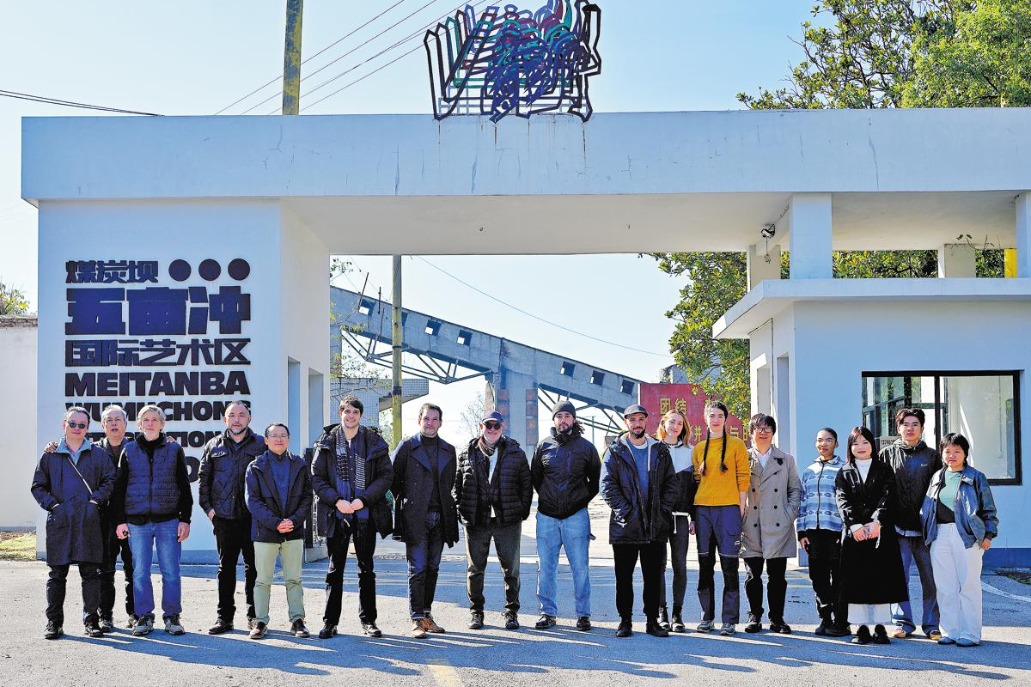
    Beneath the first clear skies after weeks of unbroken spring rain, French-German artist Alexandre Dupeyron wandered through the weathered corridors and crumbling staircases of the long-shuttered Wumuchong coal mine in Ningxiang, Hunan province. With every step, clouds of fine dust, undisturbed for decades, rose from the broken debris scattered across the facility’s concrete floors.

    Stopping amid the remnants of the mine’s once-bustling operations, Dupeyron bent to pick up a small, dense lump of coal left behind when the mine closed. Not far from where he stood, the rusted frame of an old coal conveyor jutted toward the sky, its metal beams forming a skeletal, weathered monument to the site’s industrial past. In that quiet moment, that ordinary chunk of coal — its surface glinting faintly in the rare spring sunlight — transformed from a forgotten relic of heavy industry into the core raw material for a new body of art.

    Arriving at the Wumuchong site in early March 2026 for a month-long artist residency, the 43-year-old creator has centered his practice here on working with locally sourced crushed coal, blending hand-drawing and photography to create site-specific works. Inside his makeshift studio, set within one of the mine’s repurposed original buildings, Dupeyron grinds collected coal chunks and broken brick fragments from the site into fine powder, running the mixture through multiple rounds of filtering to refine it. Using a custom blending recipe he developed over years of experimental work, he turns this locally sourced material into natural pigments for his drawings, photographic pieces, and mixed-media works that draw directly from the mine’s own physical identity.

    Dupeyron explained that the connection between human activity and the natural world is a persistent throughline in all his creative work. As an artist who has spent his career focusing on shifting urban and post-industrial landscapes, he had long sought the opportunity to create work on location at a decommissioned industrial site. “This place is amazing,” he shared of the former mining hub, which has been reinvented as the Wumuchong Art Zone, a creative space that attracts artists from across China and around the world.

    Dupeyron’s residency is just one example of a growing trend across China: repurposing abandoned industrial heritage sites — from retired mines and shuttered factories to obsolete steel mills and disused warehouses — into dynamic public cultural spaces. What were once symbols of 20th-century industrial expansion have been reborn as art centers, public museums, community sports facilities, and creative hubs that draw visitors and creators alike, breathing new economic and cultural life into former industrial hubs while preserving the region’s industrial history for future generations.

  • Wife of alleged murder victim tells jury how she ended ‘love triangle’

    Wife of alleged murder victim tells jury how she ended ‘love triangle’

    More than two decades after Jason Palmer’s body was pulled from a New South Wales river, his accused killer’s long-awaited Supreme Court trial has begun, with the victim’s wife taking the witness stand to describe the fateful love triangle that preceded her husband’s 2004 death.

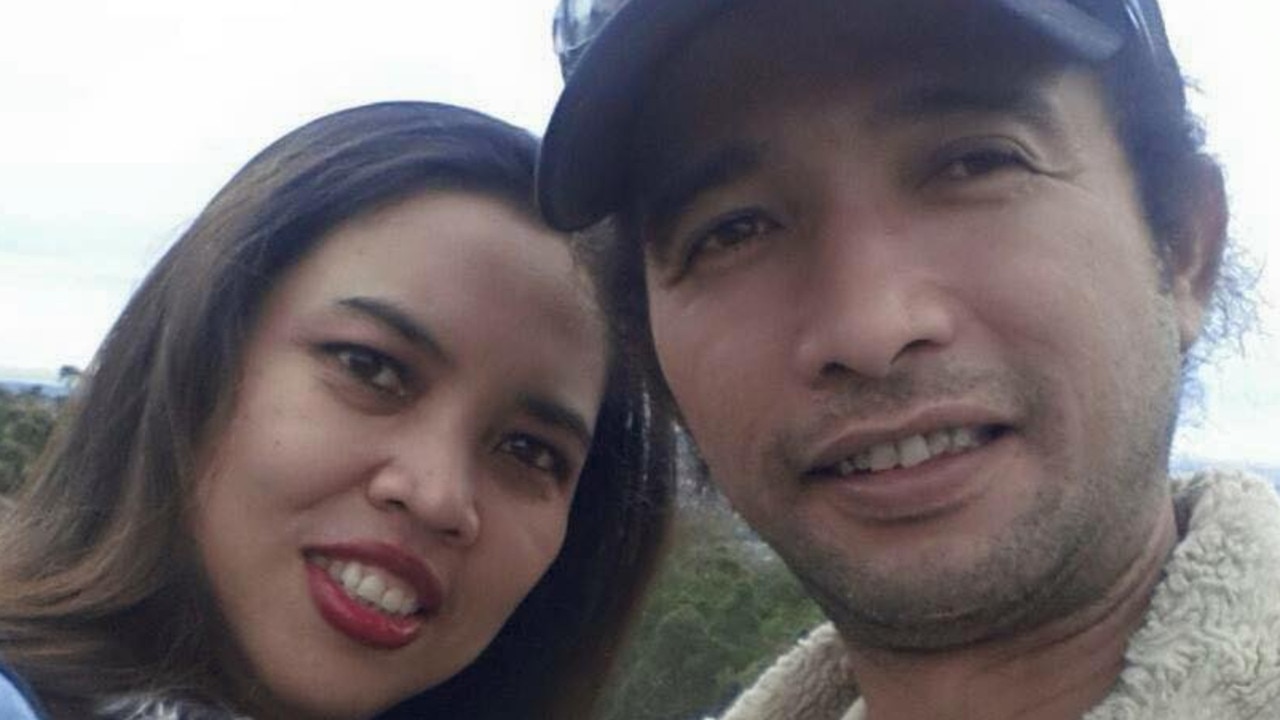
    Fifty-four-year-old Gofal Baziad has pleaded not guilty to one count of murder. Prosecutors allege Baziad stabbed Palmer to death inside Palmer’s Lakemba unit in early February 2004, then wrapped the victim’s remains in a sleeping bag, weighted the body with heavy rocks, and dumped it in the Nepean River. The core of the Crown’s case centers on the romantic entanglement that linked all three people involved: Baziad had previously been in a relationship with Renny Palmer, Jason Palmer’s wife.

    Court documents outline that Jason and Renny Palmer’s marriage had been turbulent for years, with repeated separations that led to a permanent split in 2002. Not long after the separation, Renny began dating Baziad, a relationship that continued until late 2003, when Jason Palmer reached out to repair their marriage. In an unusual confrontation that would set the stage for the alleged murder, Jason Palmer organized a three-way meeting with his wife and Baziad, and demanded Renny make a final choice between the two men.

    Speaking to the jury from the witness stand on Monday through a court-appointed interpreter, Renny Palmer confirmed that she ultimately chose to rebuild her marriage with her husband over continuing her relationship with Baziad. “Jason arranged a meeting with the three of us together. Jason asked me to choose between the two of them. I did. I chose Jason,” she told the court.

    A key detail that has emerged in pre-trial and opening testimony adds further complexity to the case: court records show that after Jason Palmer’s disappearance and death, Renny Palmer reconnected with Baziad, and the pair maintained a romantic relationship that lasted 14 years, only ending in 2018.

    Crown prosecutor Brett Hatfield SC laid out the prosecution’s version of events in his opening address, telling the court that Baziad attacked Palmer by first striking him in the head with a glass object, before stabbing him multiple times in the back, hip and chest. The attack is alleged to have happened either late on February 6, 2004 or in the early hours of the following morning at Palmer’s Barremma Road residence.

    Three weeks after Palmer was reported missing, kayakers on the Nepean River near Menangle made the grim discovery. His body was found wrapped in a blue-green sleeping bag, secured with yellow rope, and held underwater by two large rocks matched the prosecution’s account of how Baziad disposed of the remains.

    Baziad’s trial is ongoing, and the court is expected to hear weeks of further witness testimony and evidence before the case goes to the jury for deliberation.

  • 10 measures aim to advance cross-Strait ties

    10 measures aim to advance cross-Strait ties

    As a high-profile delegation led by Chinese Kuomintang Chairwoman Cheng Li-wun wrapped up its six-day visit to the Chinese mainland, the mainland on Sunday announced a comprehensive 10-measure policy package designed to advance peaceful cross-Strait relations and lift the well-being of residents on both sides of the Taiwan Strait. This announcement comes on the heels of a historic Friday meeting between Xi Jinping, General Secretary of the Communist Party of China Central Committee, and Cheng — the first top-level dialogue between the two cross-Strait political parties in a decade.

    During the meeting, General Secretary Xi emphasized that the core goal of advancing cross-Strait relations is to deliver a higher quality of life for people on both sides. With the mainland kicking off its 15th Five-Year Plan (2026-2030), Xi extended an open invitation to Taiwan compatriots to share in the mainland’s development opportunities and progress, calling for joint efforts to strengthen the broader Chinese national economy. He also made clear that high-quality products from Taiwan, including agricultural and fishery goods, are welcome to gain greater access to consumer markets across the mainland.

    The 10 new initiatives, released by the Taiwan Work Office of the CPC Central Committee, span a wide range of key areas including party-to-party communication, youth exchanges, infrastructure connectivity, cross-Strait transportation, trade facilitation, and cultural cooperation. A centerpiece of the package is a proposal to explore the establishment of a regular communication mechanism between the CPC and the KMT, built on the shared foundation of upholding the 1992 Consensus and opposing “Taiwan independence”. The 1992 Consensus, which enshrines the one-China principle, was first reached in 1992 by the cross-Strait authorized bodies the Association for Relations Across the Taiwan Strait and the Straits Exchange Foundation.

    Other key measures include expanding youth exchanges through long-term institutional programs and arranging annual cross-Strait delegation visits. The package prioritizes advancing utility interconnection and cross-connection bridge projects between Fujian Province and the Taiwan-controlled Jinmen and Matsu islands. It also lays out plans to promote the normalization of direct cross-Strait passenger air services and restore suspended routes connecting Taiwan with multiple mainland cities.

    To boost economic ties, the measures streamline approval and purchase processes for qualified Taiwan agricultural and fishery products, expand market access support for Taiwan-based businesses, and improve port and service conditions for Taiwan fishing vessels operating in cross-Strait waters. In the cultural and media sector, the mainland will open its market to more Taiwan-produced content, encourage collaborative media production projects, and support the innovative development of shared Chinese culture. Additionally, the package outlines steps to resume individual tour travel from Shanghai and Fujian residents to Taiwan; currently, only group tours are permitted for residents of these two regions, though individual travel to Jinmen and Matsu from Fujian resumed in the second half of 2024.

    KMT Vice Chairman Chang Jung-kung, a member of the visiting delegation, framed the 10-point package as a goodwill “gift” from the mainland delivered to the Taiwanese people through Cheng’s visit, noting that the measures directly advance Taiwanese public welfare. He highlighted that the package demonstrates the mainland’s sincere goodwill and delivers tangible, practical benefits to Taiwan.

    Cheng’s six-day trip, which ran from April 8 to April 13, marked the first visit to the mainland by a KMT chairperson in 10 years, and included stops in Jiangsu Province, Shanghai and Beijing. This year marks the 160th birth anniversary of Sun Yat-sen, the founding figure of the KMT, so the itinerary included traditional stops for KMT leaders: the delegation paid respects to Sun at his mausoleum in Nanjing and the Sun Yat-sen Memorial Hall at Biyun Temple in Beijing’s Xiangshan.

    Beyond traditional exchanges, the trip included multiple stops showcasing the mainland’s cutting-edge technological progress. On the final day of the tour, the delegation visited Xiaomi’s electric vehicle hyperfactory in Beijing, where members learned about the mainland’s breakthroughs in electric vehicle research and manufacturing. A day earlier, the group toured the Zhongguancun National Innovation Demonstration Zone Exhibition Center in Beijing, where they viewed the latest developments in artificial intelligence, embodied intelligence, and high-end medical devices.

    Speaking after the Zhongguancun visit, Cheng noted that Taiwan’s service sector and traditional manufacturing industries face growing headwinds, and said, “I found answers for Taiwan’s future here.” She expressed deep admiration for how the mainland has integrated AI and technological innovation across every economic sector, calling the trip “highly rewarding.” “Without political barriers across the Strait, the two sides could make significant contributions to humanity,” she said, calling for deeper cross-Strait cooperation that leverages the unique strengths of both sides. She added that collaborative work to narrow differences and reduce confrontation is ultimately aimed at delivering better lives for all people across the Strait.

    Li Peng, dean of the Taiwan Research Institute at Xiamen University, noted that Cheng’s visit reaffirms the shared commitment of both sides to pursue peaceful cross-Strait development, uphold the 1992 Consensus, oppose “Taiwan independence”, and work to improve public well-being on both sides. He pointed out that mainstream public opinion in Taiwan supports restarting and expanding people-to-people cross-Strait exchanges, with many Taiwan residents eager to access the benefits of the mainland’s robust development. “Cheng’s trip has achieved these core objectives,” Li said, adding that the new 10-measure package delivers tangible benefits to Taiwan compatriots and stands as a landmark, productive outcome of the visit.