作者: admin

  • Australia bans Iranian tourists with valid visas for six months

    Australia bans Iranian tourists with valid visas for six months

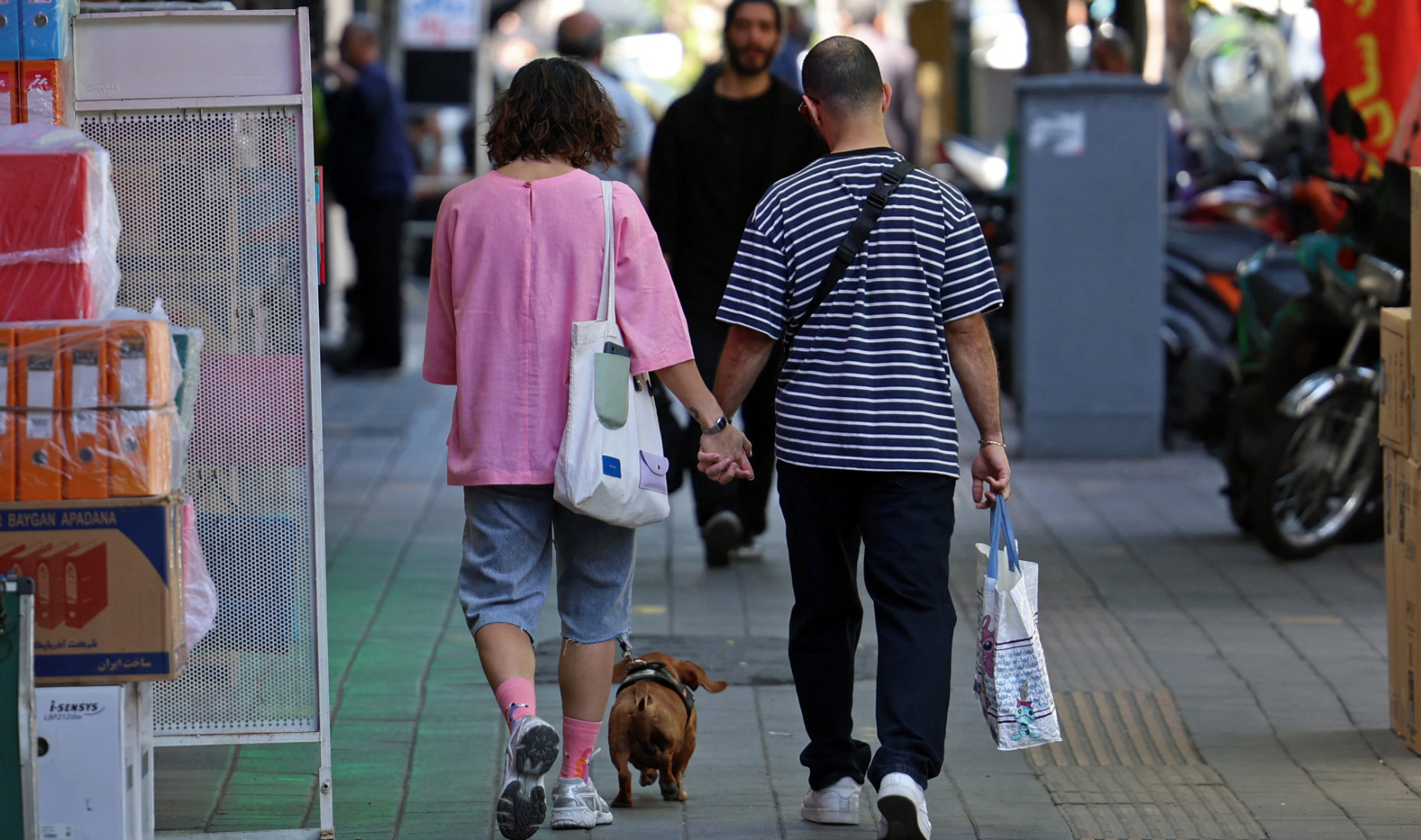
    The Australian government has enacted a significant immigration policy shift by imposing a six-month ban on tourist visa entries for Iranian nationals. Home Affairs Minister Tony Burke announced the immediate implementation of this measure on Wednesday, citing concerns that Iranian visitors might overstay their visas due to deteriorating conditions in their home country.

    The policy will affect approximately 6,800 Iranian visa holders who had previously obtained valid travel documents. Minister Burke emphasized that the decision reflects the government’s intention to maintain control over permanent migration outcomes rather than allowing them to become ‘a random consequence of who had booked a holiday.’

    Notably, the ban contains several exemptions, including provisions for partners and children of Australian citizens. Burke also indicated that ‘sympathetic consideration’ might be extended to parents of citizens, suggesting some flexibility within the framework.

    The controversial decision was announced concurrently with the government’s granting of humanitarian visas to seven members of an Iranian women’s football delegation, five of whom subsequently returned to Iran. Burke defended the simultaneous actions as demonstrating the government’s capacity to balance humanitarian concerns with national interests amid ‘rapidly changing global conditions.’

    However, the policy has drawn sharp criticism from refugee advocates and cross-party politicians. Jana Favero, Deputy CEO of the Asylum Seeker Resource Centre, condemned the move as ‘a massive betrayal of the Iranian community and a breathtaking moral failure.’ Independent MP Zali Steggall expressed concerns about the ‘sweeping, unchecked powers’ granted to the government through this legislation, warning it undermines confidence in Australia’s migration system.

    The Australian Greens party characterized the decision as revealing the government’s true stance toward the Iranian people amid regional conflicts. The policy specifically targets Iranian citizens and does not apply to nationals of any other country.

  • Southeast Asia revisits nuclear power plans for AI data centers as Iran war disrupts energy supplies

    Southeast Asia revisits nuclear power plans for AI data centers as Iran war disrupts energy supplies

    Southeast Asia is undergoing a profound energy transformation as multiple nations revive dormant nuclear power ambitions to address escalating electricity demands driven by artificial intelligence infrastructure and growing concerns about energy security. This strategic pivot marks a historic departure for a region that has never generated nuclear energy despite decades of consideration.

    The convergence of several critical factors is driving this nuclear renaissance. Surging global oil prices exacerbated by Middle East conflicts have highlighted the vulnerability of traditional energy supplies, while climate commitments necessitate low-carbon alternatives. Simultaneously, the explosive growth of data centers—with Malaysia positioning itself as an AI computing hub attracting investments from Microsoft, Google, and Nvidia—has created unprecedented electricity demands that existing grids struggle to meet.

    Five ASEAN members are leading this nuclear charge: Vietnam is constructing two Russian-backed nuclear plants; Indonesia aims to build small modular reactors by 2034; Thailand targets 600 megawatts of nuclear capacity by 2037; the Philippines is revitalizing a never-operated 1970s nuclear facility with a 2032 target; and Malaysia has set a 2031 goal for atomic energy deployment. Even nations without firm plans, including Cambodia, Singapore, and Brunei, are actively exploring nuclear options.

    This regional movement mirrors global trends, with nearly 40 countries committing to triple nuclear capacity by 2050. According to industry projections, Southeast Asia could contribute nearly a quarter of the 157 gigawatts expected from newcomer nuclear nations by mid-century.

    Despite the momentum, significant challenges remain. Safety concerns stemming from historical disasters at Chernobyl and Fukushima continue to shape public perception, while questions about waste management and supply chains persist. Energy analysts caution that nuclear development requires careful consideration compared to renewable alternatives, particularly for nations building nuclear infrastructure from scratch.

    The International Energy Agency notes that Southeast Asia will account for a quarter of global energy demand growth by 2035, making these energy decisions critically important for both economic development and climate objectives. As the region balances its AI ambitions against energy security and environmental goals, nuclear power has emerged as a potentially transformative solution—though one requiring cautious implementation.

  • More than 14 million triple-0 calls in 2025, but only 11.7 million answered, inquiry told

    More than 14 million triple-0 calls in 2025, but only 11.7 million answered, inquiry told

    A parliamentary investigation has uncovered alarming deficiencies in Australia’s emergency response infrastructure following the catastrophic Optus network failure in September 2025. Shockingly, official testimony reveals that approximately 3 million emergency calls never reached emergency services during the incident that has been linked to multiple fatalities.

    Before the Environment and Communications References Committee, Triple-0 Custodian Clare Chapple disclosed that while 14.6 million calls were placed to the emergency number in 2025, only 9 million were successfully transferred to emergency responders. The staggering discrepancy of 5.7 million calls includes both accidental pocket dials and potentially failed emergency attempts, though officials admitted they cannot determine the exact proportion of genuine emergencies that went unanswered.

    The inquiry exposed critical gaps in accountability and transparency. Telstra, which holds the government contract for handling triple-0 services, is legally mandated to log failed connections, yet comprehensive data remains unavailable. Greens Senator Sarah Hanson-Young expressed frustration at the committee’s inability to obtain precise figures, noting they must rely on an Australian Communications Consumer Action Network survey indicating one in ten emergency calls fail to connect.

    Further scrutiny emerged regarding the governmental review process itself. Liberal Senator Sarah Henderson challenged the effectiveness of an internal Department review examining whether the Australian Communications and Media Authority remains fit for purpose, characterizing it as an investigation of itself. Ms. Chapple defended the process, emphasizing its focus on regulatory frameworks rather than performance assessment.

    The investigation has sparked broader concerns about technological adaptation within emergency services. Ms. Chapple acknowledged the need to evaluate emerging technologies and ensure the triple-0 system remains functional amid evolving communication platforms. The Department has committed to working with international partners and emergency services to future-proof the critical infrastructure.

    Optus, meanwhile, has reportedly implemented significant systemic improvements and enhanced its reporting culture following the outage. Regulatory authorities emphasize their ongoing monitoring role to ensure telecommunications companies implement necessary changes to prevent future service failures.

  • Australia’s sunscreen regulator wants new rules after recent product scandal

    Australia’s sunscreen regulator wants new rules after recent product scandal

    In response to mounting evidence of widespread sunscreen efficacy failures, Australia’s Therapeutic Goods Administration (TGA) has unveiled comprehensive regulatory reforms targeting the nation’s sun protection industry. This decisive action follows alarming revelations that numerous popular brands failed to deliver their promised protection levels in a country grappling with the world’s highest skin cancer rates.

    The regulatory overhaul was prompted by dual investigations: consumer advocacy group Choice’s testing discovered 16 of 20 sunscreens—including premium products—fell short of their advertised SPF ratings. Concurrently, an Australian Broadcasting Corporation investigation uncovered potential issues with both a leading testing laboratory and a manufacturer producing common base formulas.

    Under the proposed framework, Australia will implement enhanced oversight mechanisms for testing laboratories, including mandatory accreditation requirements. The reforms will focus particularly on cosmetic sunscreens claiming high protection levels, addressing concerns about ingredient quality and formula efficacy. Notably, the review excludes safety assessments of sunscreen ingredients and children-specific products.

    A controversial proposal involves replacing numerical SPF ratings with simplified categorical labels—low, medium, high, and very high—despite consumer advocates advocating for retaining the globally recognized numbering system with improved accuracy.

    The urgency for reform is underscored by Australia’s stark skin cancer statistics: approximately 2,000 annual deaths from melanoma and skin cancer, with two-thirds of Australians expected to undergo at least one skin cancer removal procedure during their lifetime. Despite Australia’s existing stringent regulations—classifying sunscreens as medicines with post-market monitoring—the TGA concluded current safeguards proved insufficient.

    Industry accountability measures have already commenced, with Ultra Violette voluntarily recalling its Lean Screen product after testing revealed an SPF of 4 instead of the claimed 50+. The TGA’s subsequent investigation identified similar concerns with nearly two dozen products sharing the same base formula.

    Consumer advocates have welcomed the proposed enhancements to testing requirements and transparency measures, noting these changes could restore public confidence in sun protection products essential for combating Australia’s extreme ultraviolet radiation levels.

  • Australian sharemarket steadies as investors monitor Middle East tensions and energy market pressures

    Australian sharemarket steadies as investors monitor Middle East tensions and energy market pressures

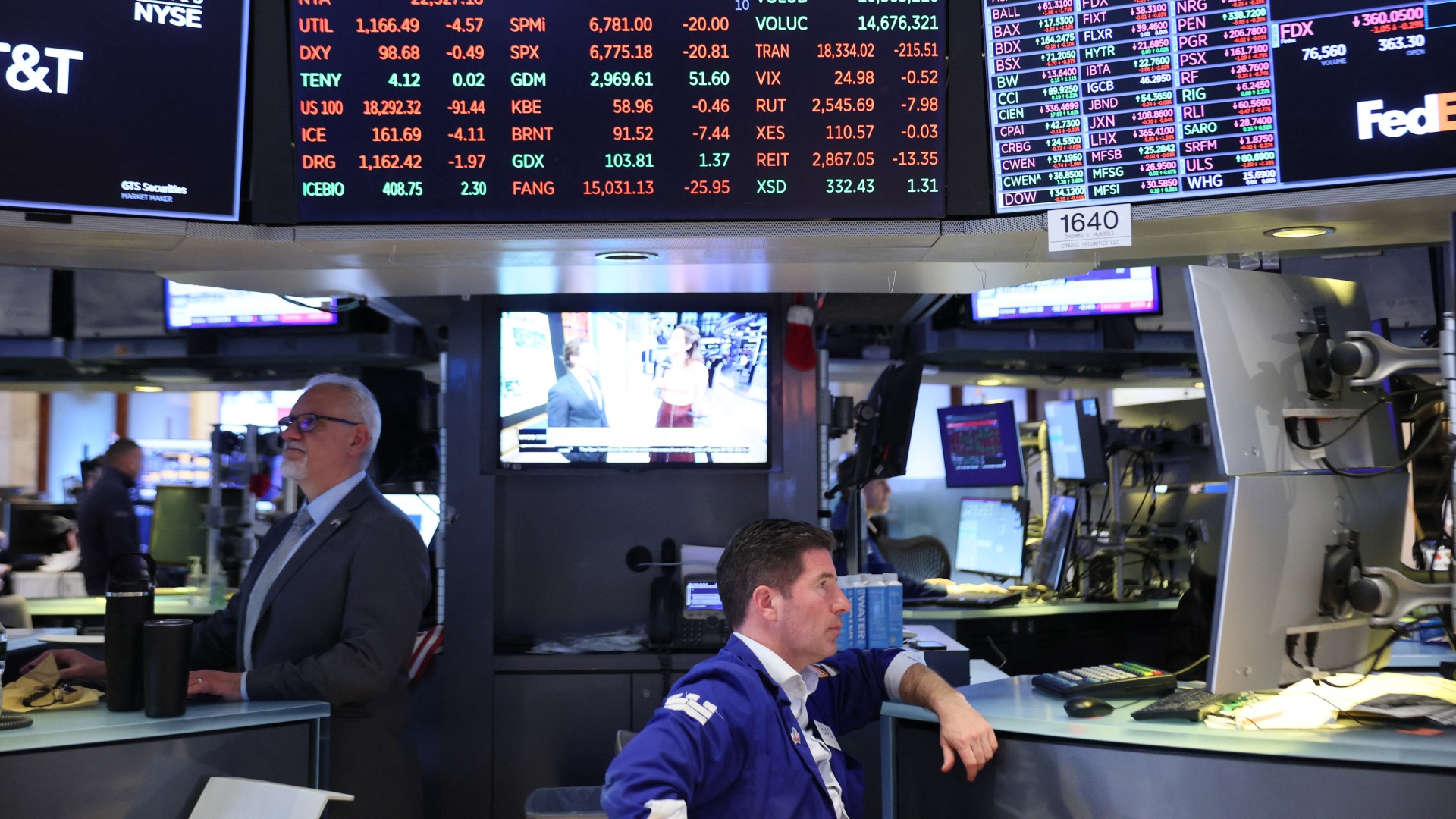
    Australia’s financial markets demonstrated resilience Thursday as the ASX 200 stabilized following a period of significant volatility, closing marginally lower at 8,525.70 points despite mounting international pressures and energy sector uncertainties.

    The benchmark index recorded a modest decline of 8.60 points (0.10%) while the All Ordinaries index settled at 8,740.10. Despite recent fluctuations, the market has posted a 0.33% gain over the past five trading sessions, though it remains 2.16% down year-to-date. The Australian dollar maintained its position near recent lows, trading at 69.54 US cents.

    Sector performance revealed a divided market landscape. Materials and healthcare companies provided substantial support, effectively counterbalancing weaknesses elsewhere. Orica led gainers with a notable 5.25% surge to $20.56, followed by Droneshield’s 4.69% advance to $4.46. Infratil, Karoon Energy, and Dyno Nobel also posted significant gains ranging from 2.95% to 3.46%.

    Energy equities showed modest strength with Ampol rising 0.39% and AGL Energy gaining 0.62%, despite Brent crude prices retreating below the psychological $100 barrier to $99.28 per barrel. Banking institutions presented a mixed picture, with Commonwealth Bank and Westpac recording modest gains while National Australia Bank and ANZ retreated.

    Market analyst Kyle Rodda of Capital.com emphasized that current trading patterns reflect reactive behavior to geopolitical developments rather than fundamental economic data. He identified ongoing international negotiations and Middle Eastern resource mobilization as critical focal points for investors.

    Rodda issued a sobering warning regarding potential economic consequences, noting that prolonged closure of the Strait of Hormuz could trigger disruptive energy market effects reminiscent of COVID-era economic shocks. He explained that elevated energy costs would likely propagate through supply chains, increasing prices for essential commodities including fertilizers, potentially reigniting inflationary pressures and compelling central banks to maintain restrictive monetary policies.

    The analyst further cautioned that even with de-escalation of current tensions, market normalization would require extended time due to production disruptions, critical infrastructure damage, and persistently elevated pricing structures across multiple sectors.

    Globally, markets exhibited divergent trajectories with the Dow Jones Industrial Average declining 0.66% while crude oil prices advanced nearly 2% to $92.08 per barrel.

  • Israel strikes Iran as Trump says Tehran wants deal to end war

    Israel strikes Iran as Trump says Tehran wants deal to end war

    The Middle East witnessed a significant escalation in hostilities as Israeli forces conducted widespread strikes across Iran on Thursday. This military action directly contradicted claims made by U.S. President Donald Trump that Tehran was secretly seeking a diplomatic resolution to the nearly month-long conflict.

    The Israeli military described the operation as “a wide-scale wave of strikes targeting infrastructure,” with significant damage reported in the central city of Isfahan. In retaliation, Iran launched missile attacks that triggered air raid sirens across central Israel, including Tel Aviv and Jerusalem, marking the first such launches from Iran in over 14 hours.

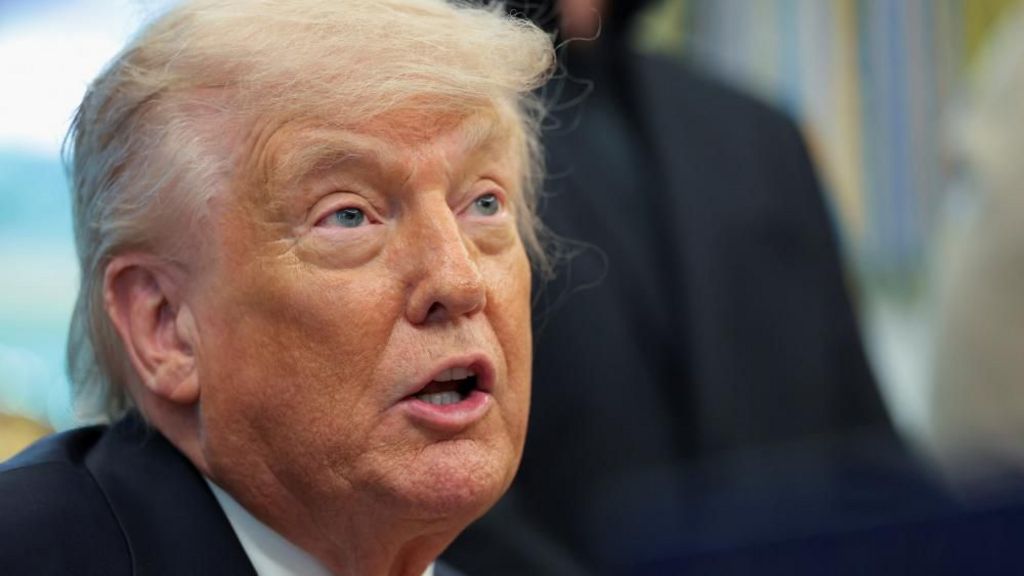
    President Trump asserted during a dinner with Republican lawmakers that Iranian officials were covertly negotiating a peace agreement despite public denials. “They are negotiating, by the way, and they want to make a deal so badly,” Trump stated, suggesting Iranian leaders feared retaliation from both their own citizens and U.S. forces if they openly pursued diplomacy.

    These claims were vehemently rejected by Iranian Foreign Minister Abbas Araghchi, who declared on state television that Iran would only accept an end to hostilities “on our own terms” to prevent future conflicts. The diplomatic impasse continued as Pakistan reportedly forwarded a 15-point U.S. peace proposal to Tehran, which Iranian state media claimed had been “responded negatively” to by officials.

    The conflict has expanded beyond the initial bilateral confrontation, drawing in multiple regional actors. Saudi Arabia reported intercepting at least 18 drones, while the United Arab Emirates and Bahrain responded to new missile and drone attacks. Kuwait International Airport experienced a fire after a drone struck a fuel tank, further illustrating the expanding regional dimension of the crisis.

    The economic ramifications continued to intensify with Iran largely blocking the vital Strait of Hormuz oil route, through which approximately 20% of global oil and gas passes. This closure has driven energy prices upward and created significant uncertainty in global markets. Iranian officials maintained that the strait was “closed only to enemies,” while Pakistan’s Defense Minister ironically noted that “the goal of the war seems to have shifted to opening the Strait of Hormuz, which was open before the war.”

    White House Press Secretary Karoline Leavitt reinforced the U.S. position with a stark warning: “Trump does not bluff and he is prepared to unleash hell on Iran if no deal is struck.” Meanwhile, China’s top diplomat Wang Yi offered a glimmer of hope, suggesting that signs of openness to negotiations from both sides could provide a pathway to peace.

    The conflict has additionally drawn in Lebanon, where Hezbollah forces have engaged in cross-border exchanges with Israel. Hezbollah chief Naim Qassem declared that negotiations with Israel would amount to “surrender,” as the group launched over 80 attacks against Israeli targets in a single day—the highest daily number since hostilities began.

    With thousands of additional U.S. troops reportedly deploying to the region and Iran threatening to target Red Sea shipping in response to any ground invasion, the situation remains highly volatile. UN Secretary-General Antonio Guterres has called for an immediate cessation of hostilities as the international community watches with growing concern.

  • Why transport workers are protesting in the Philippines

    Why transport workers are protesting in the Philippines

    Manila’s streets fell silent as thousands of transport workers launched a widespread strike, bringing the capital’s transit system to a virtual standstill. The massive protest movement emerged in response to soaring operational costs and perceived government inaction regarding critical transportation sector reforms.

    Protest organizers representing jeepney drivers and public utility vehicle operators articulated three primary grievances: unsustainable fuel prices exacerbated by global market fluctuations, inadequate government subsidies for public transport operators, and impending modernization requirements that many small-scale operators cannot financially accommodate.

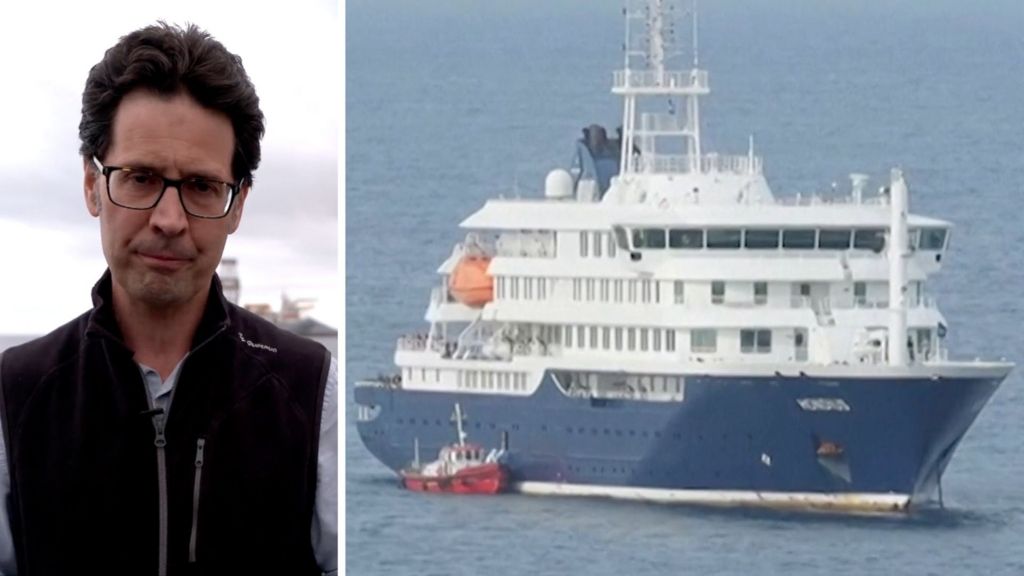
    BBC News Asia Business Correspondent Suranajana Tewari reported from the ground, documenting how the transportation halt created ripple effects throughout Manila’s economy. Essential workers struggled to reach their workplaces, students were unable to attend schools, and commercial activities slowed significantly in normally bustling districts.

    The Philippine government responded by deploying military vehicles to provide emergency transit services and opening dialogue channels with protest leaders. Officials from the Land Transportation Franchising and Regulatory Board acknowledged the legitimacy of some concerns while emphasizing the necessity of vehicle modernization programs for environmental and safety reasons.

    This transportation crisis highlights broader socioeconomic challenges facing developing nations balancing modernization agendas with grassroots economic realities. The protest’s timing proves particularly sensitive for the administration, occurring amid already elevated inflation rates affecting essential commodities nationwide.

  • Middle East conflict sparks supply chain crisis threatening Australia’s food, medicine and cost of living

    Middle East conflict sparks supply chain crisis threatening Australia’s food, medicine and cost of living

    Australia faces a mounting supply chain emergency as geopolitical tensions in the Middle East disrupt global logistics networks, creating ripple effects across multiple sectors of the economy. The effective blockade of the Strait of Hormuz—a critical maritime passage for oil shipments—has triggered a cascading crisis that extends far beyond rising fuel prices.

    Agricultural producers are confronting unprecedented challenges with fertilizer costs doubling and diesel shortages jeopardizing critical farming operations. Michael Hampson, CEO of dairy cooperative Norco, issued a grave warning: “The fallout from this event could make COVID appear insignificant by comparison. We’re not discussing toilet paper shortages anymore—we’re confronting genuine food security concerns.” Consumers should anticipate milk price increases of 30-50 cents per liter, with packaging materials derived from fossil fuel resins also facing supply constraints.

    The fresh produce and grain sectors report transportation costs from packing facilities to retailers have already doubled. Michael Crisera of Fruit Growers Victoria noted that rising expenses must inevitably be transferred to consumers. Australian Standard White wheat prices have reached a 20-month peak of $259 per metric ton as farmers prioritize diesel conservation for essential machinery.

    Australia’s healthcare system faces parallel challenges, with nearly 400 medications currently in short supply—including 37 classified as critical. Pharmaceutical companies are shifting from maritime to air transportation due to shipping disruptions, significantly increasing costs. Dr. Michael Wright of the Royal Australian College of General Practitioners emphasized Australia’s vulnerability due to importing approximately 90% of its medicines while advocating for increased domestic production.

    Economic analysts project substantial inflationary pressure, with Westpac modeling indicating headline inflation could reach 5.5% by mid-2026 if disruptions persist. Treasurer Jim Chalmers characterized the situation as potentially rivaling both the Global Financial Crisis and COVID-19 pandemic in economic impact. The Reserve Bank has already responded with a 0.25% interest rate increase as businesses grapple with expiring government energy rebates, elevated borrowing costs, and rising operational expenses.

    With oil prices potentially reaching $120 per barrel and requiring up to three years to stabilize, Australians face prolonged economic consequences at supermarkets, pharmacies, and across the broader economy.

  • ‘We are being choked’: Philippines transport workers strike over fuel costs

    ‘We are being choked’: Philippines transport workers strike over fuel costs

    Manila faces severe transportation disruptions as hundreds of transport workers launch a two-day strike protesting skyrocketing fuel costs, plunging the Philippine capital into chaos. The industrial action, organized by transport union coalition Piston, comes amid a national energy emergency declared by President Ferdinand Marcos following the Iran conflict that erupted on February 28.

    The crisis has seen diesel and petrol prices more than double, pushing many drivers to financial brink. Guillermo Japole, a 62-year-old driver, exemplifies the desperation: “I lined up for more than five hours yesterday for cash aid, but my name was not there. No cash aid, no earnings, no food for the family.” With five school-age children, Japole’s family now faces imminent eviction from their rental home.

    Protesters gathered across multiple locations in Manila, holding signs demanding government intervention. The demonstrations included jeepney drivers—operators of the city’s iconic low-cost mini-buses—alongside motorcycle and car ride-hailing drivers. Many complain they haven’t received the promised 5,000 peso ($83) subsidy from the Department of Social Welfare and Development.

    The human impact is starkly visible. Anjo Lilac, a 28-year-old driver, brought his infant daughter Hannah to protests, explaining, “No one will look after her since my wife got a temporary job. Financial aid would help us—for food, house rent and most especially milk for our baby.”

    Veteran driver Ronnie Rillosa, with 30 years behind the wheel, captured the collective despair: “It feels like we are being choked. We don’t need cash aid if the government will cut the prices of fuel, food, electricity, water.”

    The strike has severely affected commuters in one of Asia’s most congested cities. Arnold Irinco, a 52-year-old liaison officer waiting for government-provided free rides, expressed sympathy: “I understand what the protesters are fighting for. This is their livelihood, they have mouths to feed.”

    President Marcos has responded by signing legislation allowing temporary suspension of excise taxes on petroleum when Dubai crude exceeds $80 per barrel for a month. The government has implemented subsidies, reduced ferry services, and introduced a four-day work week for civil servants to conserve fuel.

    The national energy emergency grants the government legal authority to ensure energy stability and protect the economy. A special committee has been formed to oversee distribution of essential goods, and the government can now directly purchase fuel to bolster supplies.

    However, labor coalition Kilusang Mayo Uno (KMU) criticized the emergency declaration as an “admission” of government failure, expressing concerns about “anti-worker provisions” that could restrict strike activities. In contrast, business tycoon Manuel V. Pangilinan, chair of several major utilities, supported the emergency powers, noting his companies are feeling the strain of rising energy costs.

  • US activists work to connect Iranians via Starlink

    US activists work to connect Iranians via Starlink

    A sophisticated network of international activists, primarily based in the United States, has successfully established clandestine internet access throughout Iran utilizing Elon Musk’s Starlink satellite technology. This digital resistance movement emerged in response to the near-total internet blackout imposed during the ongoing conflict and represents a critical lifeline for Iranian citizens seeking to bypass government censorship.

    The operational framework involves multiple organizations including NetFreedom Pioneers and Holistic Resilience, which have developed intricate smuggling channels through neighboring countries to deliver Starlink terminals into Iran. According to Emilia James of NetFreedom Pioneers, their organization alone has successfully delivered over 300 devices into the country, while Ahmad Ahmadian of Holistic Resilience reports facilitating the distribution of approximately 5,000 units through underground networks.

    Despite severe government crackdowns implemented in 2025 that carry imprisonment penalties—particularly for devices traced to American organizations—the activist networks have evolved their methodologies. They now employ secure smuggling routes while providing remote security guidance and usage instructions to minimize risks for both operators and end-users.

    The financial barriers remain substantial, with black market terminal prices soaring from approximately $1,000 in late 2025 to nearly $4,000 currently due to supply constraints exacerbated by the closure of the Strait of Hormuz. Additionally, users face challenges in maintaining subscription payments as traditional payment processors like Visa and Mastercard remain inaccessible within Iran.

    Current estimates suggest between 50,000 to tens of thousands of Starlink devices are operational throughout Iran, serving a population of 92 million people. Iranian authorities have responded with increased surveillance, including rooftop inspections and the recent arrest of a major Starlink distribution network leader earlier this month.