作者: admin

  • ‘We are being choked’: Philippines transport workers strike over fuel costs

    ‘We are being choked’: Philippines transport workers strike over fuel costs

    Manila faces severe transportation disruptions as hundreds of transport workers launch a two-day strike protesting skyrocketing fuel costs, plunging the Philippine capital into chaos. The industrial action, organized by transport union coalition Piston, comes amid a national energy emergency declared by President Ferdinand Marcos following the Iran conflict that erupted on February 28.

    The crisis has seen diesel and petrol prices more than double, pushing many drivers to financial brink. Guillermo Japole, a 62-year-old driver, exemplifies the desperation: “I lined up for more than five hours yesterday for cash aid, but my name was not there. No cash aid, no earnings, no food for the family.” With five school-age children, Japole’s family now faces imminent eviction from their rental home.

    Protesters gathered across multiple locations in Manila, holding signs demanding government intervention. The demonstrations included jeepney drivers—operators of the city’s iconic low-cost mini-buses—alongside motorcycle and car ride-hailing drivers. Many complain they haven’t received the promised 5,000 peso ($83) subsidy from the Department of Social Welfare and Development.

    The human impact is starkly visible. Anjo Lilac, a 28-year-old driver, brought his infant daughter Hannah to protests, explaining, “No one will look after her since my wife got a temporary job. Financial aid would help us—for food, house rent and most especially milk for our baby.”

    Veteran driver Ronnie Rillosa, with 30 years behind the wheel, captured the collective despair: “It feels like we are being choked. We don’t need cash aid if the government will cut the prices of fuel, food, electricity, water.”

    The strike has severely affected commuters in one of Asia’s most congested cities. Arnold Irinco, a 52-year-old liaison officer waiting for government-provided free rides, expressed sympathy: “I understand what the protesters are fighting for. This is their livelihood, they have mouths to feed.”

    President Marcos has responded by signing legislation allowing temporary suspension of excise taxes on petroleum when Dubai crude exceeds $80 per barrel for a month. The government has implemented subsidies, reduced ferry services, and introduced a four-day work week for civil servants to conserve fuel.

    The national energy emergency grants the government legal authority to ensure energy stability and protect the economy. A special committee has been formed to oversee distribution of essential goods, and the government can now directly purchase fuel to bolster supplies.

    However, labor coalition Kilusang Mayo Uno (KMU) criticized the emergency declaration as an “admission” of government failure, expressing concerns about “anti-worker provisions” that could restrict strike activities. In contrast, business tycoon Manuel V. Pangilinan, chair of several major utilities, supported the emergency powers, noting his companies are feeling the strain of rising energy costs.

  • US activists work to connect Iranians via Starlink

    US activists work to connect Iranians via Starlink

    A sophisticated network of international activists, primarily based in the United States, has successfully established clandestine internet access throughout Iran utilizing Elon Musk’s Starlink satellite technology. This digital resistance movement emerged in response to the near-total internet blackout imposed during the ongoing conflict and represents a critical lifeline for Iranian citizens seeking to bypass government censorship.

    The operational framework involves multiple organizations including NetFreedom Pioneers and Holistic Resilience, which have developed intricate smuggling channels through neighboring countries to deliver Starlink terminals into Iran. According to Emilia James of NetFreedom Pioneers, their organization alone has successfully delivered over 300 devices into the country, while Ahmad Ahmadian of Holistic Resilience reports facilitating the distribution of approximately 5,000 units through underground networks.

    Despite severe government crackdowns implemented in 2025 that carry imprisonment penalties—particularly for devices traced to American organizations—the activist networks have evolved their methodologies. They now employ secure smuggling routes while providing remote security guidance and usage instructions to minimize risks for both operators and end-users.

    The financial barriers remain substantial, with black market terminal prices soaring from approximately $1,000 in late 2025 to nearly $4,000 currently due to supply constraints exacerbated by the closure of the Strait of Hormuz. Additionally, users face challenges in maintaining subscription payments as traditional payment processors like Visa and Mastercard remain inaccessible within Iran.

    Current estimates suggest between 50,000 to tens of thousands of Starlink devices are operational throughout Iran, serving a population of 92 million people. Iranian authorities have responded with increased surveillance, including rooftop inspections and the recent arrest of a major Starlink distribution network leader earlier this month.

  • Nicolás Maduro’s lawyer argues against US blocking funding for drug trafficking case defense

    Nicolás Maduro’s lawyer argues against US blocking funding for drug trafficking case defense

    In a significant courtroom confrontation, former Venezuelan President Nicolás Maduro and his wife Cilia Flores appeared before a New York federal court Thursday, challenging the fundamental premise of their drug trafficking indictments through an unusual geopolitical argument regarding legal financing.

    The hearing centered on whether Maduro should be permitted to utilize Venezuelan government funds for his defense—a request prosecutors vehemently opposed on national security grounds. Defense attorney Barry Pollack presented a novel constitutional argument, asserting that blocking access to government funds violated Maduro’s rights while simultaneously creating an unnecessary burden on public defense resources.

    “This represents an unprecedented judicial scenario,” stated Prosecutor Kyle Wirshba, framing the matter as critical to maintaining U.S. sanctions authority for national security objectives. The prosecution maintains that while personal funds remain accessible, Venezuelan state assets under sanctioned control cannot finance the defense.

    The couple, appearing in jail uniforms with translation headphones, face extensive charges including narco-terrorism, kidnapping, and murder conspiracies allegedly connected to their purported drug trafficking operations. Potential sentences could extend to life imprisonment if convictions are secured.

    Outside the courthouse, polarized demonstrations reflected the case’s geopolitical dimensions. Pro-Maduro activists demanded his release citing sovereignty violations, while opposition protesters celebrated his prosecution. Meanwhile in Caracas, hundreds gathered in solidarity with the former leader.

    The funding dispute reveals complex diplomatic undercurrents. Despite recent normalization of US-Venezuela relations and eased oil sanctions, the Treasury Department’s Office of Foreign Assets Control reversed its initial approval for legal fee payments within hours in January, creating the current impasse.

    Judge Alvin Hellerstein has not yet established a trial timeline, though proceedings may advance following these preliminary hearings. The case continues to unfold amid Venezuela’s ongoing political transformation under acting President Delcy Rodríguez, who has systematically replaced Maduro loyalists while maintaining the socialist government’s basic structure.

  • Bus sinks in Bangladesh river, killing at least 18 people

    Bus sinks in Bangladesh river, killing at least 18 people

    A tragic transportation accident in central Bangladesh has resulted in significant casualties following a bus catastrophe. On Wednesday afternoon, a passenger vehicle carrying approximately 50 individuals veered off a ferry ramp and submerged into the powerful currents of the River Padma in Rajbari district, located approximately 84 kilometers from the national capital of Dhaka.

    The incident occurred as citizens were returning to their workplaces following celebrations of Eid al-Fitr, the important religious festival marking the end of Ramadan. The bus had been traveling from the southwestern district of Kushtia toward the capital city when the devastating accident transpired during the ferry boarding process.

    Fire and rescue authorities, led by official Dewan Sohel Rana, reported that while numerous passengers managed to reach safety through swimming, others became trapped within the submerged vehicle. Rescue operations faced substantial challenges throughout the night due to powerful river currents and adverse weather conditions with heavy rainfall.

    A specialized rescue vessel deployed to the location successfully raised the bus from the riverbed after arriving on Wednesday evening. Recovery teams worked continuously through the night and into Thursday morning, ultimately confirming 18 fatalities. Among the deceased were ten women and two children, according to the official report from Bangladesh’s Fire Service and Civil Defense Department.

    Authorities have indicated that uncertainty remains regarding potential missing persons as investigation and recovery efforts continue in the aftermath of this devastating incident.

  • Pakistan will export surplus food to Gulf as Iran cements control of Hormuz strait

    Pakistan will export surplus food to Gulf as Iran cements control of Hormuz strait

    In a strategic response to mounting food security concerns in the Arab Gulf, Pakistan has initiated plans to export surplus food supplies to the region. This development comes as Iran’s tightening control over the Strait of Hormuz has severely disrupted maritime traffic, creating critical supply chain vulnerabilities for several Gulf nations.

    Prime Minister Shehbaz Sharif has directed Pakistani authorities to accelerate food export mechanisms while ensuring domestic supply stability remains uninterrupted. The government is simultaneously working to expand flight operations and enhance port efficiency to facilitate this crucial trade initiative.

    The maritime crisis stems from Iran’s implementation of a new corridor system through the strategic waterway, which handles approximately 20% of global energy shipments and serves as a vital passage for Gulf food imports. According to Lloyd’s List Intelligence, traffic through the strait has dramatically declined, with Iran selectively permitting vessel transits while imposing fees reaching $2 million in some instances.

    While Saudi Arabia maintains alternative access through the Red Sea, the United Arab Emirates, Kuwait, Bahrain, and Qatar face particularly severe challenges. Approximately 90% of the UAE’s food supplies traditionally transit through Hormuz, making these nations disproportionately vulnerable to the ongoing disruption.

    Pakistan emerges as a uniquely positioned actor in this geopolitical landscape. The country recently demonstrated its ability to navigate the strait successfully when the Pakistan-flagged vessel Lorax (also known as Karachi) became the first non-Iranian crude carrier to transit Hormuz since the implementation of new Iranian protocols.

    This diplomatic tightrope walk reflects Islamabad’s delicate balancing act between maintaining relations with neighboring Iran while preserving crucial partnerships with Gulf states that have long served as financial lifelines. The country itself faces significant economic pressure from reduced Gulf energy exports, implementing fuel rationing measures including a four-day government work week and temporary school closures.

    The evolving situation has broader regional security implications. Saudi Arabia and Pakistan solidified a mutual defense pact last year, a move interpreted partly as diversification beyond US security arrangements. Some Saudi commentators have suggested this agreement potentially places the kingdom under Pakistan’s nuclear umbrella amid ongoing regional tensions.

    According to Financial Times reporting, Iran has circulated communication to International Maritime Organization members indicating that ‘non-hostile vessels’ may coordinate transit with Iranian authorities, potentially creating opportunities for neutral actors like Pakistan to maintain crucial supply lines to food-insecure Gulf nations.

  • White House doubles down on Iran threats as Republican lawmakers retreat

    White House doubles down on Iran threats as Republican lawmakers retreat

    A significant rift has emerged between Republican lawmakers and the Trump administration regarding the ongoing military engagement with Iran, following a classified briefing that legislators described as fundamentally inadequate. Key members of the House Armed Services Committee expressed profound concerns about the transparency and objectives of Operation Epic Fury, now in its 26th day.

    Congresswoman Nancy Mace (R-SC) publicly declared her opposition to ground troop deployment following the briefing, stating on social media platform X that the justifications presented to the American public dramatically differed from the military objectives discussed in the confidential session. She warned that continuing this pattern would rapidly erode congressional and public support for the conflict.

    The committee’s chairman, Representative Mike Rogers (R-AL), corroborated these concerns, telling reporters that administration officials were withholding substantive information about strategic options and decision-making processes. This complaint extends beyond the current operation, with lawmakers describing a persistent pattern of superficial briefings that technically fulfill notification requirements without providing meaningful insight.

    White House Press Secretary Karoline Leavitt characterized the briefings as a ‘courtesy extended out of respect’ for legislators, while simultaneously asserting that presidential authority alone suffices for military operations deemed necessary. This position challenges the constitutional principle that Congress holds war-declaring powers, though this distinction has blurred considerably since the expansive 2001 Authorization for Use of Military Force.

    The administration’s stated objectives have evolved throughout the conflict, initially focusing on nuclear capabilities, then shifting to naval destruction, and currently emphasizing leadership change. Leavitt claimed the operation has achieved unprecedented success, eliminating what she described as ‘the largest navy on the planet’ within three weeks—a claim impossible to verify independently.

    Despite administration assertions that Iran is reviewing peace proposals, Iranian Foreign Minister Abbas Araghchi explicitly denied any negotiations with Washington. The rhetorical war intensified as IRGC Commander Majid Mousavi declared that any ultimatum against Iran constitutes an act of war itself, while Leavitt warned that Iran should not ‘miscalculate again’ regarding presidential resolve.

    The administration maintains that Operation Epic Fury remains ahead of schedule and may conclude within two weeks if core objectives are met, though Iranian governance structures appear intact despite significant military losses.

  • Field at Dodger Stadium gets a sponsor name for first time in history of MLB’s third-oldest ballpark

    Field at Dodger Stadium gets a sponsor name for first time in history of MLB’s third-oldest ballpark

    In a landmark corporate move, Dodger Stadium has unveiled its first-ever field sponsorship agreement with Japanese apparel giant Uniqlo, marking a historic moment for the third-oldest ballpark in Major League Baseball. The announcement comes as the Los Angeles Dodgers prepare to launch their campaign for a third consecutive World Series championship, beginning with their season opener against the Arizona Diamondbacks.

    The sponsorship deal, negotiated over nearly a year according to Fast Retailing senior executive officer Koji Yanai, represents Uniqlo’s inaugural major sports sponsorship in the United States. The agreement positions Uniqlo’s distinctive red-and-white branding throughout the stadium, including strategic placements at the batter’s eye in center field, along the baselines, and beneath the press box facade.

    Company founder Tadashi Yanai, recognized as Japan’s wealthiest individual with an estimated net worth of $62 billion, emphasized the connection between Japanese baseball talent and the Dodgers’ growing appeal. “Every one of us has become fans of the Los Angeles Dodgers because of the outstanding performances of Japanese players,” Yanai stated through a translator, referencing the team’s trio of Japanese stars: Yoshinobu Yamamoto, Shohei Ohtani, and Roki Sasaki.

    The partnership extends beyond traditional signage, with plans for dedicated retail spaces within team apparel stores and a June 21 fan event featuring Uniqlo’s LifeWear clothing line. A social contribution program is scheduled to launch in late May, further deepening the brand’s community engagement.

    Dodgers president and CEO Stan Kasten expressed enthusiasm about the collaboration, presenting Yanai with a home plate signed by players as a symbolic gesture of the retailer’s new stadium presence. While existing sponsorship agreements prevent outfitting players directly, Yanai suggested providing everyday clothing remains a possibility.

    The sponsorship continues the Dodgers’ established relationship with Japanese corporations, following previous partnerships with Tokyo Electron, All Nippon Airways, and Yakult, particularly strengthened since Ohtani’s arrival before the 2024 season.

  • AFL is reviewing Opening Round amid the code clash with the Anniversary Test match

    AFL is reviewing Opening Round amid the code clash with the Anniversary Test match

    The Australian Football League has initiated a comprehensive review of its 2027 season Opening Round structure due to significant venue constraints at the Melbourne Cricket Ground. The iconic stadium will be unavailable throughout the first half of March as it hosts the landmark 150th Anniversary Test match between Australia and England’s cricket teams.

    AFL Chief Executive Andrew Dillon confirmed the operational reassessment while acknowledging the overwhelming success of the Opening Round concept in its current format. “We are reviewing how that will start,” Dillon stated. “Access to the MCG will be substantially different next year compared to this season’s arrangements due to the Centenary Test event.”

    The Opening Round framework, originally conceived to promote Australian Rules football in non-Victorian states, underwent modification this season with the inclusion of a Victorian matchup. The St Kilda versus Collingwood game at the MCG attracted over 80,000 spectators, setting a new home-and-away attendance record for St Kilda.

    Dillon emphasized the strategic importance of maintaining competitive momentum despite venue challenges. “Opening Round in its three iterations has demonstrated remarkable success in terms of crowd attendance, television viewership, and membership growth for clubs in New South Wales and Queensland,” he noted.

    Concurrently, the league is monitoring potential impacts from the global fuel crisis on team travel logistics. While expressing no immediate concerns for the coming weeks, Dillon confirmed the organization is proactively evaluating contingency plans should transportation restrictions materialize. “It’s something all businesses must consider given current uncertainties,” he commented. “We’re assessing various options to ensure operational continuity regardless of external circumstances.”

  • Ahmad Zahir Safdari accused of involvement in international ring stealing and selling Toyota LandCruisers

    Ahmad Zahir Safdari accused of involvement in international ring stealing and selling Toyota LandCruisers

    Australian authorities have unveiled details of a sophisticated international criminal operation following the court appearance of Ahmad Zahir Safdari, a 27-year-old man accused of masterminding a multimillion-dollar luxury vehicle theft ring. The Melbourne Magistrates’ Court heard allegations that Safdari orchestrated the theft of 46 Toyota LandCruisers within a single month as part of an elaborate scheme to export stolen vehicles to the United Arab Emirates.

    Court documents reveal that Safdari faces multiple charges including conspiracy to commit theft, automobile theft, and handling stolen goods. The prosecution described an ongoing cross-country investigation involving multiple law enforcement agencies, indicating the complexity and scale of the criminal network.

    According to police evidence, the syndicate employed advanced technical methods to bypass vehicle security systems by accessing onboard computers through wiring systems. The operation allegedly utilized a business premises in Cranbourne West, Melbourne, where stolen vehicles were prepared and packed into shipping containers for international export. Authorities believe transportation companies moved these containers without knowledge of their illicit contents.

    Victoria Police estimates the total value of stolen vehicles exceeds $20 million, with more than 150 cars taken in Victoria before the operation expanded to Queensland, where an additional 60 vehicles were allegedly stolen. The investigation culminated last week with coordinated raids on properties in Doveton and Seaford, resulting in the seizure of three vehicles, electronic devices, and business records.

    Prosecutor Luke Rossi requested ten weeks for case preparation, emphasizing the nationwide scope of the investigation. Safdari’s bail was extended until July 9, when he is scheduled to return to court. Detective Acting Inspector Amanda Cohen characterized the syndicate as “brazen and highly sophisticated,” stating the operation appeared “solely motivated by greed” while vowing continued efforts to combat organized vehicle crime in Victoria.

  • Houston airport wait times reach over four hours amid US travel chaos

    Houston airport wait times reach over four hours amid US travel chaos

    A severe airport security crisis is unfolding across the United States as Transportation Security Administration (TSA) staffing shortages reach critical levels during the ongoing partial government shutdown. At George Bush Intercontinental Airport in Houston, Texas, security wait times have exceeded four hours, creating massive passenger queues during the busy spring break travel season.

    The situation has become particularly dire in Houston, where nearly 40% of TSA personnel failed to report for duty—the highest absentee rate nationwide. According to Jim Szczesniak, Director of Aviation for the Houston Airport System, the facility is operating with only one-third to half of its normal TSA checkpoint capacity while handling 100% of typical spring break passenger volume.

    Compounding the problem, Houston is preparing to host multiple major sporting events this weekend, including the Astros’ season opener, a golf tournament, and NCAA Tournament Sweet 16 matches, which are expected to bring additional travelers through the already strained airport.

    In response to the crisis, the TSA plans to deploy at least two dozen officers from its National Deployment Office to Bush Airport on Thursday. This follows Monday’s announcement that hundreds of U.S. Immigration and Customs Enforcement (ICE) agents had been sent to 14 airports including New York, Atlanta, and Houston to assist with security screening.

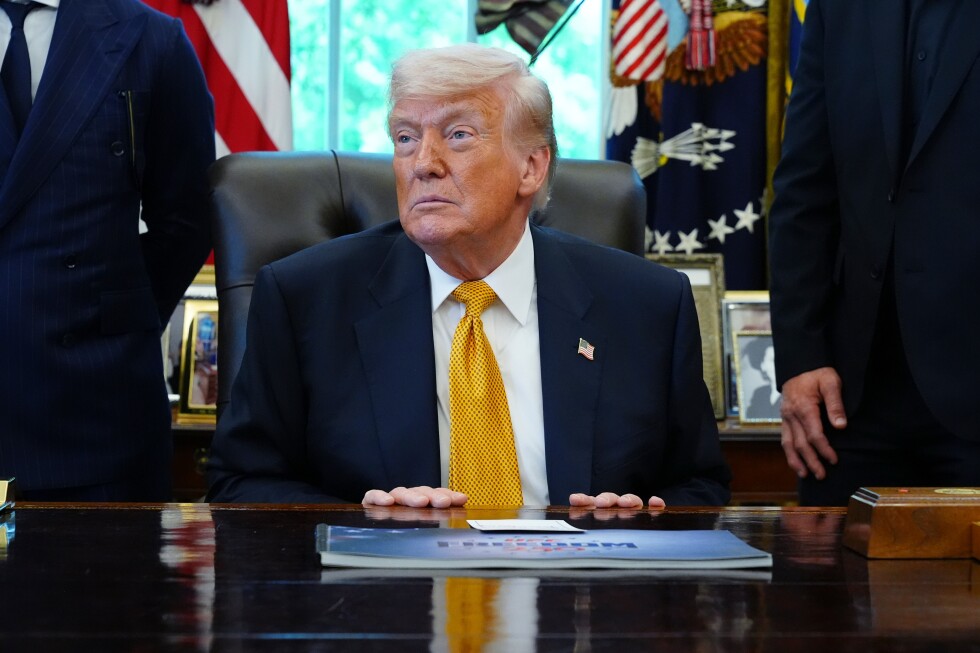
    President Donald Trump praised the ICE agents’ performance on Wednesday, stating they’re doing “an unbelievable job” and suggesting he might deploy the National Guard if necessary. The President blamed Democrats for the worker shortages, claiming they “don’t want to pay” the agents.

    The political stalemate centers around immigration policy disagreements. Democrats have refused to fund the Department of Homeland Security without implementing new restrictions on immigration agents, a position prompted by public outrage over recent shooting deaths of two U.S. citizens in Minneapolis. Republicans have rejected Democratic proposals to fund TSA separately while negotiations over ICE reforms continue.

    The human toll of the shutdown is mounting. TSA’s acting chief Ha Nguyen McNeill testified before Congress that more than 450 TSA workers have resigned since the partial shutdown began. While this represents a small fraction of the approximately 50,000 total TSA agents, the combination of resignations and widespread absences is creating unsustainable security delays.

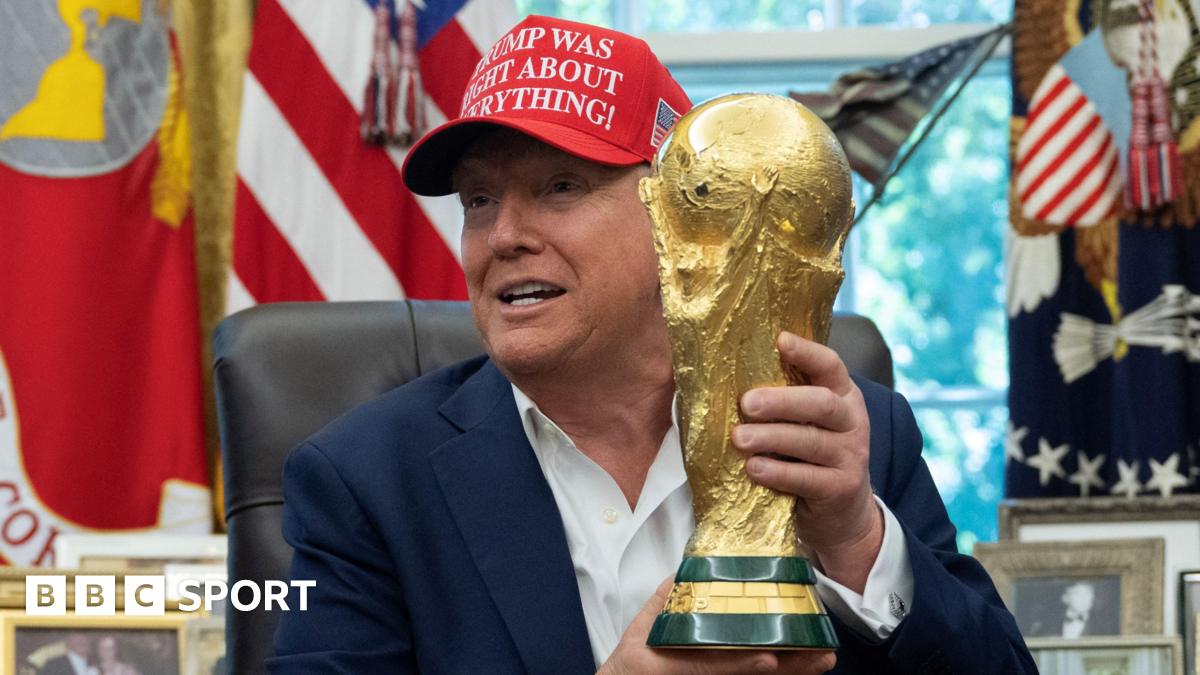
    McNeill warned of “dire” consequences as the United States prepares to co-host the FIFA World Cup this summer, noting that new TSA hires would not be adequately trained in time for the international event. The agency is closely monitoring staff attrition rates and may need to reassess staffing strategies for World Cup venues.

    Even private sector solutions have been rejected—billionaire Elon Musk’s offer to fund TSA worker pay during the shutdown was declined by the White House on Wednesday, according to CBS News sources.

    With no resolution to the funding standoff in sight, airport officials nationwide fear conditions will continue to deteriorate until Congress reaches an agreement to end the government shutdown.