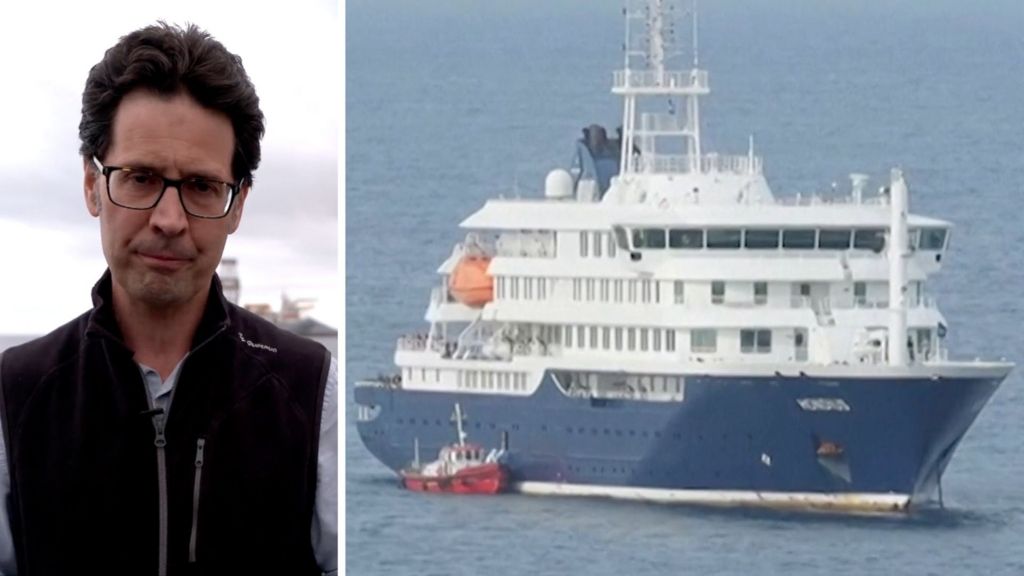
A high-stakes operation to get passengers off a cruise ship struck by a viral outbreak is moving forward off the coast of Tenerife, where local communities have already raised alarm over potential public health dangers posed by the vessel’s arrival. The BBC’s Guy Hedgecoe has filed on-the-ground reporting from the Spanish island, shedding light on both the logistical intricacies of the disembarkation process and the growing anxiety among residents who worry the infected ship could introduce new transmission risks to the island.
The unusual situation has required coordinated planning across public health agencies, port authorities and cruise line operators to put in place a protocol that balances the needs of passengers trapped on board with the need to protect the local population. Every step of the process, from initial health screenings to the movement of passengers off the vessel and into either quarantine facilities or onward travel, has been mapped out to minimize the chance of viral spread. Even with these rigorous preparations in place, however, many people who call Tenerife home remain unconvinced that the risks are fully mitigated. For these locals, the presence of a virus-hit ship so close to shore represents an unwelcome threat to public health that could upend daily life and put local communities at risk of new outbreaks.
The situation highlights the unique challenges that global tourism and cruise travel faced during viral outbreaks, when the closed environment of a passenger ship can turn a vacation voyage into a public health emergency. It also underscores the tension that often emerges between the need to assist stranded passengers and the responsibility of local officials to protect the communities they serve, as Tenerife works through one of the first major test cases of cruise ship disembarkation during a public health crisis.