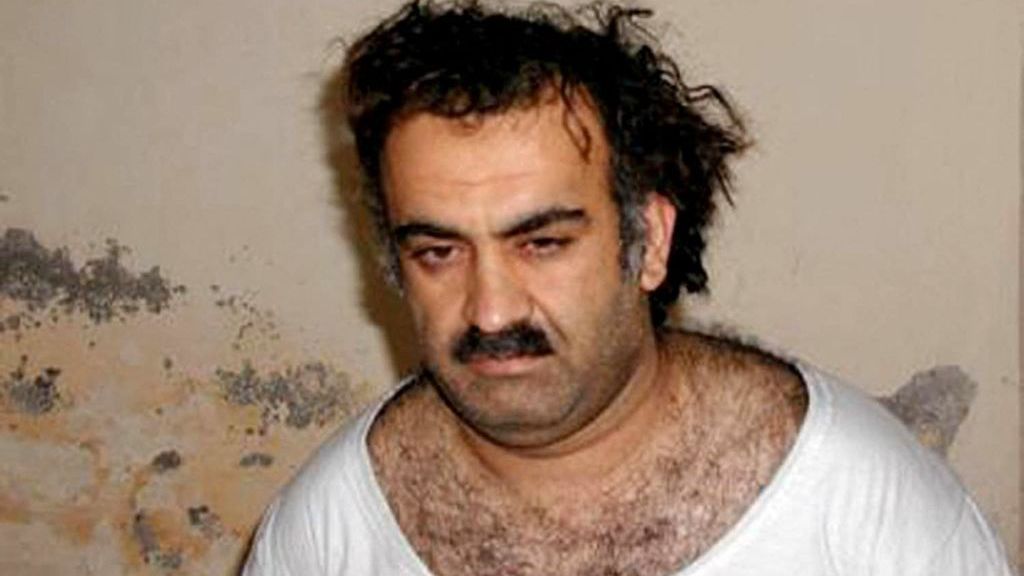
Nearly 25 years after the deadliest terror attack on modern U.S. soil, a long-awaited legal milestone has finally been set: the military trial of Khalid Sheikh Mohammed, the accused architect of the September 11, 2001 attacks, will begin in June 2028. The date was announced this week by U.S. Air Force Lieutenant Colonel Michael A Schrama, the presiding military judge, who rejected prosecutors’ request for an earlier 2027 start as unfeasibly rushed.
Alongside Mohammed, three co-accused alleged accomplices – Walid bin Attash, Ali Abdul Aziz Ali, and Mustafa al-Hawsawi – will also stand trial on the same date. In his ruling, Schrama explained that the two-year timeline was intentional, designed to give all parties sufficient time to resolve pre-trial procedural disputes, particularly over the admissibility of evidence, a sticking point that has delayed proceedings for decades.
The road to this trial has been marked by repeated delays, legal reversals, and decades of pre-trial detention. Mohammed, a U.S.-educated engineer, was first captured alongside al-Hawsawi in Pakistan in March 2003, three years after the attacks that killed nearly 3,000 people across New York, Virginia, and Pennsylvania. He has been held in military detention at the U.S. Guantanamo Bay prison in Cuba since September 2006, and has previously publicly claimed he planned the 9/11 operation “from A to Z”. Prosecutors allege Mohammed developed the plot to train hijacker pilots to fly commercial aircraft into prominent U.S. targets, and personally presented the plan to al-Qaeda founder Osama bin Laden.
Most recently, a 2021 plea deal that would have spared Mohammed the death penalty in exchange for a guilty plea and a sentence of life without parole collapsed last summer, after a federal appeals court struck down the agreement. The deal, negotiated over two years and signed by a Pentagon representative appointed by then-U.S. Defense Secretary Lloyd Austin, caught Austin off guard, and he moved to revoke it almost immediately after it was finalized.
Next month will mark 25 years since 19 al-Qaeda hijackers seized four commercial airliners, crashing two into the World Trade Center’s twin towers in New York, one into the Pentagon outside Washington D.C., and a fourth into a rural field in Pennsylvania after passengers revolted against the hijackers. The attack remains the deadliest criminal act on U.S. soil in modern history, and the prolonged detention and legal process at Guantanamo Bay – which opened just six months after the attacks, and still holds 15 detainees today – has been one of the most contentious legacies of U.S. counterterrorism policy in the post-9/11 era.