标签: Oceania

大洋洲

  • Jet fuel supplies to take ‘months’ to recover from war disruption: IATA

    Jet fuel supplies to take ‘months’ to recover from war disruption: IATA

    The global aviation industry is facing a months-long recovery for jet fuel supply chains and pricing, even after the recent reopening of the critical Strait of Hormuz following a Middle East ceasefire, the leader of the International Air Transport Association (IATA) confirmed Wednesday.

    For weeks, ongoing regional conflict had effectively paralyzed activity through the strategic waterway, which carries roughly 20 percent of the world’s total oil and natural gas shipments. The disruption sent shockwaves through global energy markets, driving sharp upward pressure on crude oil and refined fuel prices across the board.

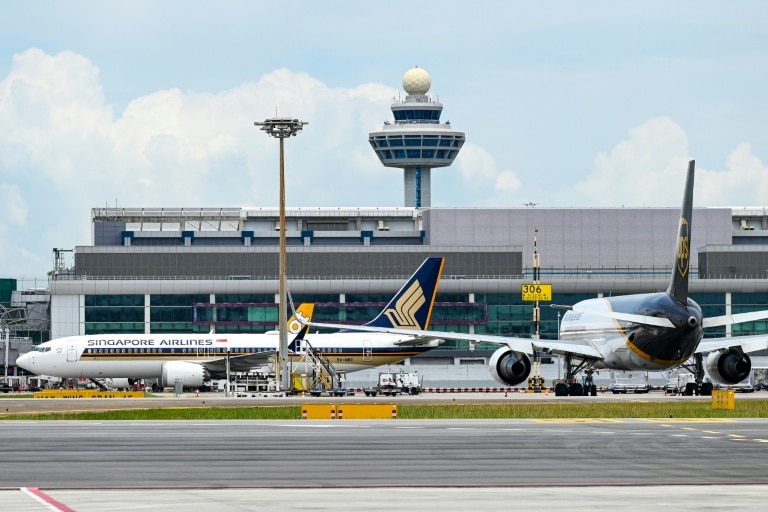
    Speaking to reporters on the sidelines of an industry event in Singapore, IATA Director General Willie Walsh warned that restoring stable jet fuel supplies will not be a quick fix, even with crude shipments resuming through the strait. “It will still take a period of months to get back to where supply needs to be given the disruption to the refining capacity in the Middle East,” Walsh said, pushing back against suggestions that normalization could happen in a matter of weeks.

    The breakthrough ceasefire between the United States and Iran, reached just one hour before a Trump administration deadline for Iran that carried a threat of military action, paved the way for a temporary two-week halt to hostilities and Iran’s commitment to reopen the strait. The news triggered an immediate sharp drop in global oil prices on Wednesday, but Walsh emphasized that refining disruptions leave lasting supply bottlenecks that will not disappear overnight.

    “Even if you have the flow of crude start again, if you’ve had disruptions in refining capacity, then the problem continues for some time,” he explained. Walsh also noted that many industry stakeholders have underestimated how concentrated global energy refining capacity is in key Middle Eastern regions, leaving the entire supply chain more vulnerable to regional conflict than many had anticipated.

    Looking ahead to the impact on air passengers, Walsh said past industry trends make one outcome inevitable: higher jet fuel costs will be passed to consumers through increased airfare prices. On the topic of shifting air traffic routes, Walsh noted that some services previously routed through Middle Eastern airspace have been redirected to non-regional carriers, but characterized this shift as a temporary arrangement. Non-Middle Eastern airlines cannot fully replace the extensive network capacity offered by major Gulf carriers, he added, predicting that Gulf aviation hubs will rebound quickly once supply and stability are restored.

  • War in the Middle East: latest developments

    War in the Middle East: latest developments

    In a last-minute breakthrough that halted an imminent escalation of conflict between Washington and Tehran, the United States and Iran reached a two-week ceasefire agreement on Tuesday, just an hour before a self-imposed American deadline for military action against Iran was set to expire. The deal, which also counts Israel as a signatory according to the White House, requires Iran to immediately reopen the strategic Strait of Hormuz, a critical global energy chokepoint that had been closed to Gulf tanker traffic amid rising hostilities.

    The 11th-hour agreement followed diplomatic outreach by Pakistani leadership, who formally requested a pause in fighting to open space for negotiations, according to US officials. Even as the truce eases core US-Iran tensions, conflict continues unabated in southern Lebanon. Israel confirmed on Wednesday that it backs the ceasefire deal but emphasized the agreement explicitly excludes Lebanon, where Israeli forces have been engaged in ongoing clashes with the Iran-backed militant group Hezbollah. Shortly after Israel issued its evacuation warning for residents of the Lebanese city of Tyre, the Israel Defense Forces renewed airstrikes on southern Lebanon, contradicting an earlier statement from Pakistani Prime Minister Shehbaz Sharif that claimed the truce would apply to “everywhere including Lebanon”.

    Global financial and energy markets reacted swiftly to the ceasefire news on Wednesday, with significant shifts across asset classes. European natural gas prices plummeted 20% in opening trading, while global oil prices also dropped sharply following the announcement that the Strait of Hormuz would reopen. The US dollar, typically a safe-haven asset for investors during geopolitical turmoil, fell roughly 1% against the euro and British pound in early European trading. Asian stock markets surged on optimism that a broader regional conflict would be avoided, and European futures pointed to strong opening gains following the overnight agreement.

    Multiple diplomatic moves are already underway to cement the temporary truce into a long-term solution. British Prime Minister Keir Starmer is set to travel to the Gulf region on Wednesday to meet with regional leaders, a trip Downing Street says aims to shore up the ceasefire and support diplomatic efforts. Pakistan will host US and Iranian delegations this Friday for further negotiations aimed at reaching a conclusive, permanent agreement to resolve all outstanding disputes between the two nations, Prime Minister Sharif confirmed via social media platform X. US President Donald Trump announced the US will assist in clearing the backlog of ship traffic that built up in the Strait of Hormuz during the closure, writing on his Truth Social platform that “there will be lots of positive action! Big money will be made. Iran can start the reconstruction process.”

    In post-agreement comments to AFP, Trump credited China for facilitating Iran’s decision to come to the negotiating table, confirming that Beijing, a key long-term ally of Tehran, played a role in pushing for truce talks. The president also addressed ongoing concerns over Iran’s uranium program, telling reporters the issue would be “perfectly taken care of” under the terms of the ceasefire, adding he would not have agreed to the truce if that were not the case. Trump framed the agreement as a major win for the United States, calling it a “total and complete victory” that was “100 percent” successful. White House Press Secretary Karoline Leavitt echoed that sentiment in a post on X, noting that US military pressure had created the leverage needed to open the door for a diplomatic path to long-term regional peace.

    The truce comes even as unconfirmed reports of new unrest emerged Wednesday morning, with an AFP journalist on the ground reporting hearing multiple explosions in Manama, the capital of Bahrain, just hours after the ceasefire was announced. No group has yet claimed responsibility, and no official casualty or damage reports have been released.

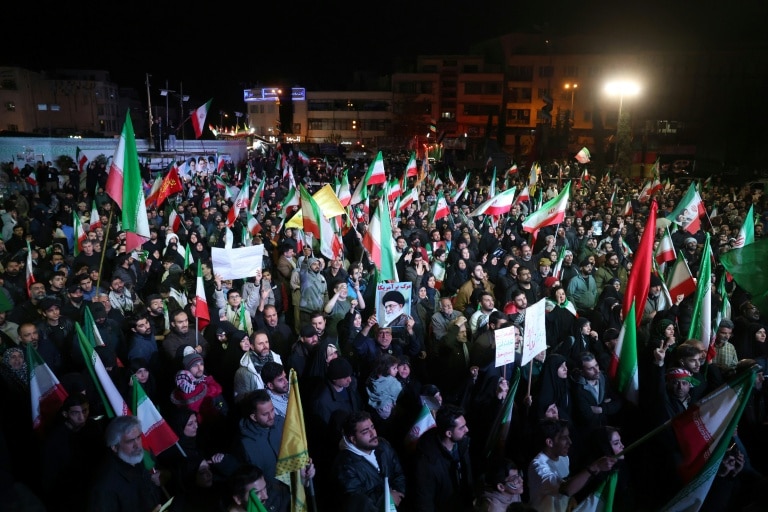
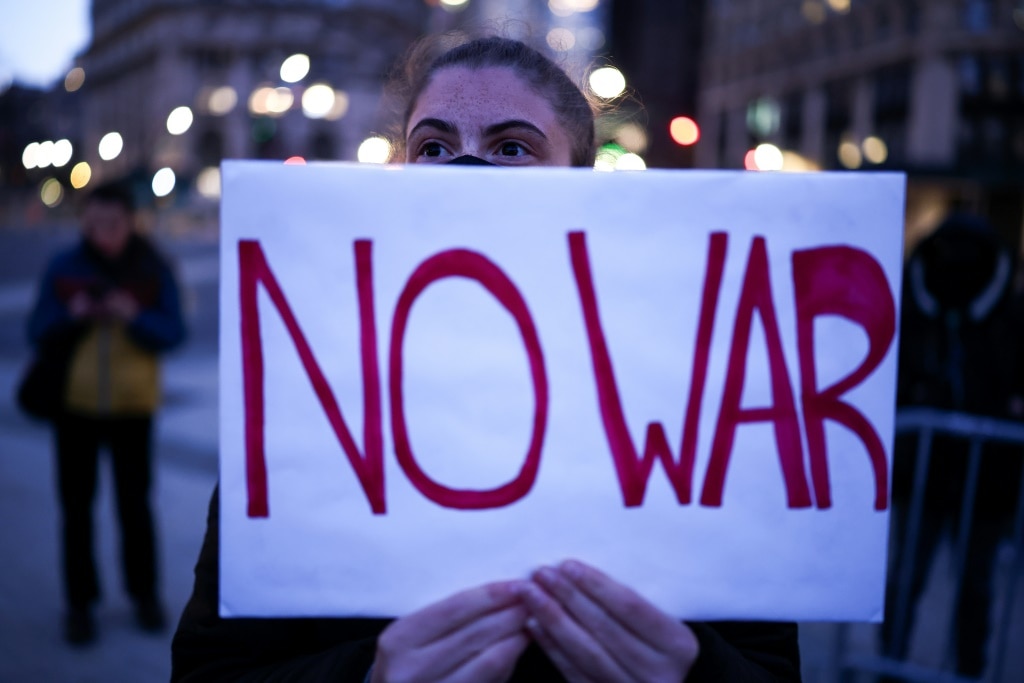
    Looking ahead, NATO Secretary General Mark Rutte will meet with President Trump in Washington on Wednesday to discuss the new security landscape created by the ceasefire, as well as continued Russian aggression in Ukraine. The meeting comes as anti-war protesters gathered near the White House ahead of the ceasefire announcement, demonstrating against the risk of a full-scale regional war in the Middle East.

  • Perth parents jailed for allegedly starving ballerina have convictions quashed after appeal

    Perth parents jailed for allegedly starving ballerina have convictions quashed after appeal

    In a dramatic late development that has upended a high-profile child mistreatment case in Western Australia, the convictions of two Perth parents found guilty of starving their 16-year-old aspiring ballerina daughter have been overturned on appeal, and the couple has been released on bail ahead of a planned retrial.

    The pair, who cannot be identified publicly due to ongoing legal restrictions, were found guilty by a jury in November 2024 following a two-year investigation that traced back to an alarming hospital admission in early 2021. The case first came to authorities’ attention on April 7, 2021, when the teenager was brought to Perth Children’s Hospital in a state of extreme severe malnourishment. At 16 years old, she weighed just 28 kilograms — a body mass roughly matching the average weight of an 8-year-old child, half her chronological age.

    During the original trial, the mother was convicted on charges that she failed to protect her daughter from harm between 2019 and 2021, and willfully deprived the teen of adequate support for her emotional, social and physical development. The father faced separate conviction for two offences: reckless child care that led to the teen’s suffering, and forging his daughter’s birth certificate to falsely record her as younger than her actual age. Throughout the entire legal process, both parents have maintained their innocence, claiming there was nothing abnormal about their daughter’s health or physical appearance.

    The appeal ruling, handed down Tuesday by the Western Australian Court of Appeal, reversed the guilty verdict and ordered the couple’s release on bail, with a fresh retrial scheduled to begin later this month. The parents appeared for the appeal hearing via video link; reporters in court noted that the mother broke down in tears when the quashing of her conviction was read aloud.

    “The two accused have been released on bail, and there will be a retrial,” the couple’s defence lawyer Tom Percy told 9News following the ruling.

    While the mother had previously argued in her bail application that she was denied a fair trial because she suffered illness that left her unwell for multiple days during the original proceeding, that initial appeal for bail was rejected by the court before this week’s full overturning of convictions. As of Wednesday, full written reasons for the appeal court’s decision to quash the convictions have not yet been published by the judiciary.

  • Australians stranded in Fiji as Cyclone Vaianu sparks flight chaos and flooding fears

    Australians stranded in Fiji as Cyclone Vaianu sparks flight chaos and flooding fears

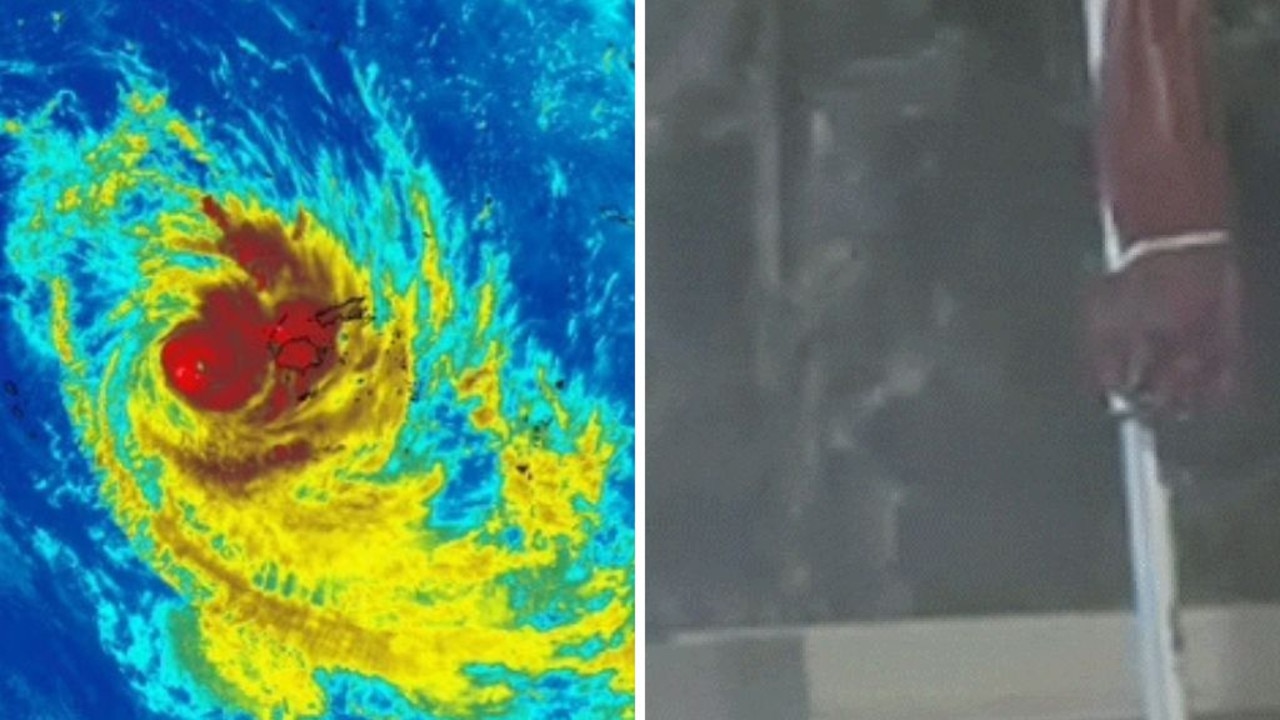
    As Severe Tropical Cyclone Vaianu pummels large swathes of Fiji, hundreds of Australian holidaymakers are trapped on the island nation, enduring rolling blackouts, violent wind gusts and widespread travel disruptions that have thrown their plans to return home into chaos. With a second severe tropical storm already forming in the broader South Pacific, stranded travellers are facing a tense and uncertain wait for rescheduled flights.

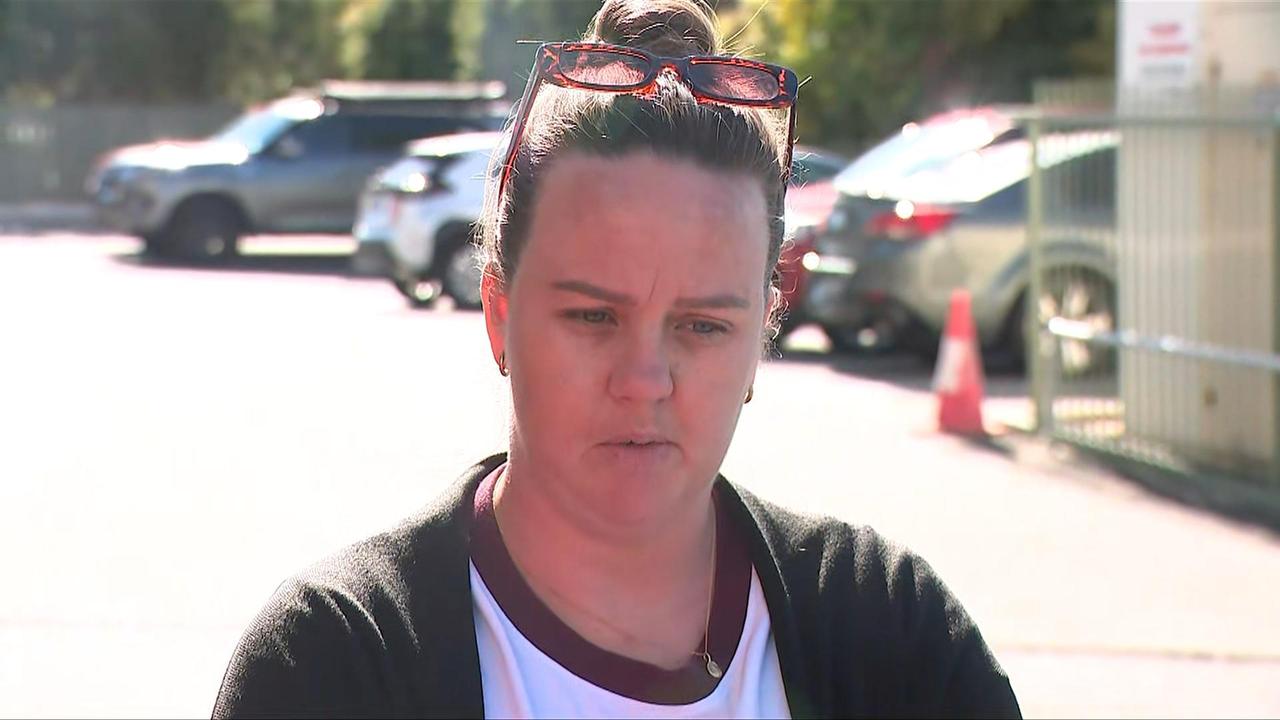
    One of those caught in the extreme weather is Australian tourist Melanie Harris, who travelled to Fiji for a dream vacation with her young son. What was supposed to be a relaxing getaway has quickly morphed into a frightening ordeal, as the category cyclone unleashes its power across the island chain.

    “The wind is loud, relentless, and completely unpredictable,” Harris told 9News in an interview from her resort, located roughly an hour’s drive south of Fiji’s main tourist hub Nadi. “You can hear it constantly, even through the thick walls of our accommodation. It just puts you on edge the entire time.”

    Harris described a harrowing scene during dinner on Wednesday, when she and her son heard debris flying through the air outside, hurled by wind gusts that have hit speeds of over 100 kilometres per hour. Repeated, unannounced blackouts have made overnight stays particularly unsettling, she said. “Everything suddenly goes dark and the wind is still howling outside,” she explained. “It just didn’t feel safe at all.”

    The danger has already led to one scare for the pair: Harris’ son slipped on rain-soaked tiles amid the wild conditions and hit his head, a moment that left the already stressed mother panicking. “You’re already on edge from the storm, and then something like that happens,” Harris said. “It just takes everything to another level.”

    Nearly all scheduled day trips and tourist activities across Fiji have been cancelled as resort management prioritize guest safety, leaving many visitors waiting for refunds while they shelter in place. Harris said that while resort staff have attempted to assist trapped guests, they are stretched thin by the scale of the emergency and have little updated information to share. “They have almost been downplaying the cyclone and don’t have much information to give,” she said. Harris is now making plans to relocate to a more structurally secure hotel, as she anxiously waits to see if her scheduled flight back to Australia on Sunday will still depart.

    Travel disruptions are already being felt across regional air routes. One commercial flight from Sydney to Fiji was forced to divert to Nuku’alofa in Tonga earlier this week after encountering severe turbulence and dangerous weather conditions linked to Cyclone Vaianu.

    Australia’s Department of Foreign Affairs and Trade (DFAT) has issued an official advisory for travellers in Fiji, urging people to stay alert and follow guidance from local emergency authorities. “Flights may be delayed or cancelled, and essential services may be disrupted,” the DFAT statement read. “Know your accommodation’s evacuation plan. If a cyclone is approaching your area, find your nearest shelter and follow the advice of local authorities.” Travellers have been advised to reach out directly to their airlines and accommodation providers to get the latest updates on changes to their travel plans.

    Forecasters warn the regional weather situation could grow even more unstable in the coming days. Australia’s Bureau of Meteorology is currently monitoring a second severe system, Severe Tropical Cyclone Maila, which is currently tracking across the Solomon Sea near the Solomon Islands. The system is expected to track towards Papua New Guinea in the next 48 hours, before potentially moving closer to Australia’s far northern coast.

    As for Vaianu, current forecasting models show the cyclone will track south towards New Zealand, where it is expected to bring heavy rain, strong winds and potential flooding to parts of the North Island, including Auckland, later this week.

  • Nurse describes horror of 11yo’s fatal scooter crash

    Nurse describes horror of 11yo’s fatal scooter crash

    On a routine Monday evening in the coastal Western Australian city of Mandurah, an ordinary drive turned into a desperate fight for a child’s life when off-duty nurse Nicole Jones witnessed a devastating traffic collision unfold right in front of her. At approximately 5:10 p.m. along Mandurah Terrace, 11-year-old boy on a scooter lost control and veered directly into the path of an oncoming moving car.

    Jones, who was passing the scene moments after the crash, did not hesitate to act. She immediately pulled her vehicle over, rushed to the boy’s side, and took command of the chaotic situation. Speaking to local outlet 7News later, Jones recalled the panic and uncertainty that gripped the gathering crowd of bystanders when she arrived. “There was a lot of blood and a lot of people around kind of not sure what to do,” she described. Stepping into her professional role even off duty, Jones cleared onlookers from the road, positioned the unconscious child, and immediately started cardiopulmonary resuscitation (CPR) after confirming he had no pulse and had stopped breathing. She continued life-saving efforts until emergency paramedics arrived to take over care.

    Despite the rapid response from Jones and first responders, the boy’s injuries were too severe. He was rushed to Peel Health Campus for emergency treatment, but medical teams were unable to save his life. Initial investigations into the crash have confirmed that the child was not wearing a safety helmet at the time of the incident, a detail that adds another layer of tragedy to the outcome.

    For Jones, the traumatic experience has left a lasting mark. She shared that the sounds of the boy’s grieving parents will stay with her for a long time, adding that her deepest sympathies remain with the family in their devastating loss. “My thoughts go out to his mum and dad mostly. I don’t think I’ll forget their cries for a good while now,” she said.

    This fatal crash marks the fifth road fatality recorded in Western Australia over the 2024 Easter holiday break, a statistic that has prompted state Premier Roger Cook to issue a urgent, stark reminder to all road users about the critical importance of road safety. Cook outlined the Western Australian government’s ongoing commitment to reducing road deaths across the state, noting that efforts would continue across multiple fronts. “We will continue to make sure we do what we can as a government and that goes to making sure our roads are safer, making sure we’ve got targeted messaging to change driver behaviour, and continue to educate the community about the importance of road safety,” he stated. The tragedy has reignited public conversation about road user awareness, safety gear requirements for micro-mobility users, and ongoing efforts to cut preventable deaths on Australian roads.

  • Middle East war: ceasefire reactions

    Middle East war: ceasefire reactions

    In a development that has shifted the trajectory of the recent Middle East conflict, the United States and Iran have reached an agreement on a 14-day ceasefire, with both countries putting forward claims of victory following weeks of heightened tensions. As news of the truce spread, leaders and diplomatic bodies across the world have shared varied yet broadly welcoming responses to the breakthrough.

    The United Nations, one of the first global bodies to weigh in, issued a cautiously optimistic statement through Secretary-General António Guterres. While Guterres welcomed the announcement of the temporary ceasefire, his spokesperson emphasized that the truce is only a first step. The statement called on all conflict parties to strictly adhere to the ceasefire terms and uphold their obligations under international humanitarian law, framing the truce as a critical foundation to build toward a lasting, comprehensive peace across the entire Middle East region.

    Australian Prime Minister Anthony Albanese’s office echoed the UN’s cautious tone, highlighting the steep costs of a prolonged conflict. The statement warned that the longer hostilities continue, the more severe the damage to the global economy will be, paired with mounting, irreversible human suffering. Australia reaffirmed its commitment to seeing the ceasefire fully enforced, joined other nations in calling for full compliance with international humanitarian law, and prioritized the protection of innocent civilian lives caught in the crossfire.

    New Zealand’s foreign ministry also struck a balance between encouragement and realism. A spokesperson for Foreign Minister Winston Peters noted that the ceasefire announcement itself is an encouraging development, but stressed that substantial work lies ahead to lock in long-term stability. The spokesperson confirmed that New Zealand will continue to stand behind all diplomatic and peacebuilding efforts aimed at securing a permanent, durable end to the ongoing conflict in the coming weeks and months.

    For Japan, a nation heavily dependent on the Strait of Hormuz for its energy supplies, the key priority is tangible action to de-escalate tensions. As the world’s fourth-largest economy and fifth-largest crude oil importer, Japan relied on the strategic waterway for roughly 70% of its oil imports before the outbreak of the current conflict. Government spokesperson Minoru Kihara emphasized that the most critical next step is the implementation of concrete measures to ease tensions, specifically including guarantees for safe, unimpeded navigation through the Strait of Hormuz. Japan expressed hope that permanent peace agreements would be finalized through diplomatic channels in the near term.

    Iraq’s foreign ministry, which has a direct stake in regional stability, welcomed the ceasefire in an official post on X. The ministry called on Washington and Tehran to leverage this positive opening as a jumping-off point for sustained, serious dialogue that addresses the core roots of their ongoing disputes, rather than treating the truce as a final resolution. By focusing on root-cause issues, the ministry argued, the two sides can gradually rebuild mutual trust and lay the groundwork for long-term stability.

    Pakistani Prime Minister Shehbaz Sharif offered an unexpectedly broad framing of the ceasefire in his own X post, claiming the truce between the US, Iran and their respective allies covers all conflict zones, including neighboring Lebanon, and went into effect immediately. However, Israel quickly issued a correction to Sharif’s announcement, confirming that the two-week temporary ceasefire does not extend to hostilities in Lebanese territory. Even as leaders gather to welcome the ceasefire, this last-minute discrepancy underscores the lingering uncertainty and complexity of forging a unified peace deal across the region’s multiple interconnected conflicts.

  • Adelaide great Taylor Walker says he is tired of apologies from the AFL for unpaid errors

    Adelaide great Taylor Walker says he is tired of apologies from the AFL for unpaid errors

    One of the Adelaide Football Club’s most legendary goal-kickers has grown frustrated with repeated apologies from the Australian Football League (AFL) over officiating missteps, and is now calling for tangible changes to fix a pattern of costly mistakes that have negatively impacted his team.

    Taylor Walker, the Crows’ veteran forward, made his stance clear in the lead-up to Adelaide’s opening match of the annual AFL Gather Round, hosted in South Australia, against the under-pressure Carlton Blues this Thursday night.

    The latest controversy surrounding AFL officiating erupted earlier this week, when the league issued a formal apology to Adelaide for a critical unpenalized violation of the six-six-six rule by the Fremantle Dockers late in their recent close encounter. Adelaide ultimately dropped the match by a margin smaller than a single goal, a result directly shaped by the missed call. This error is not an isolated incident: it marks the latest in a long string of officiating mistakes that have gone against the Crows in recent fixtures.

    Walker acknowledged that human error is an unavoidable part of any sport, saying that no person is immune to making mistakes in any walk of life. But he stressed that repeated apologies mean nothing without corrective action to prevent similar errors from harming other teams in future matches.

    “I don’t get sick of mistakes because I reckon everyone in this vicinity has made a mistake in their life,” Walker told reporters. “I would just like to know what we’re doing about it. Don’t continue to make apologies – tell us what you’re going to do about it. It’s not really about the Adelaide footy club at all. Let’s gather around, find a solution for it and not be a part of the mistake. It was pretty obvious, the six-six-six, wasn’t it?”

    Off the officiating discussion, Walker also used his pre-match press conference to push for locking in Gather Round as a permanent long-term fixture in South Australia, after the state secured hosting rights for four years of the event. He noted that the annual round has been a runaway success in SA, with the vast majority of visiting clubs enjoying the experience of playing in the state.

    “We’re very grateful as a footy club that we can open up Gather Round on a Thursday night,” he said. “As [South Australian Premier Peter] Malinauskas said, we’re pretty chuffed that SA have been able to have it for four years and hopefully we can get a deal done for a long period of time. Because when something’s not broken you don’t need to fix it and we’re doing a great job here in South Australia … most of the teams enjoy coming over here playing in Gather Round. Let’s lock it away for a long period of time.”

  • Trump to AFP: Iran deal ‘total and complete victory’ for US

    Trump to AFP: Iran deal ‘total and complete victory’ for US

    Just hours after a last-minute ceasefire agreement between the United States and Iran was announced, U.S. President Donald Trump sat down for an exclusive brief telephone interview with Agence France-Presse (AFP), where he framed the two-week truce as an unqualified win for Washington. The deal came together barely 60 minutes before Trump’s self-imposed deadline for devastating military strikes against Iran was set to expire, pulling the two nations back from the brink of full-scale conflict after more than a month of joint destructive attacks by the U.S. and Israel.

    When asked directly whether he could claim victory following the truce, Trump responded firmly to AFP: “Total and complete victory. 100 percent. No question about it.” The upbeat assessment from the Republican leader comes even as Iranian officials have publicly framed the ceasefire as a victory for their own side, and lingering public uncertainty remains over the exact terms both nations have committed to. One major point of ambiguity centers on the future of the Strait of Hormuz, a critical global chokepoint for oil shipments that has seen major disruption during the conflict. Despite the open questions, Trump asserted that the agreement lays solid groundwork for a more durable long-term settlement.

    “We have a 15 point transaction, of which most of those things have been agreed on. We’ll see what happens. We’ll see if it gets there,” Trump told reporters. He had previously outlined on his Truth Social platform that Iran had submitted a 10-point proposal that he deemed “workable.” When pressed on whether he would revive his earlier threats to destroy Iran’s civilian infrastructure — including power plants and critical bridges — if the ceasefire collapses, Trump declined to confirm or deny the position, saying only “You’re going to have to see.”

    Another core unresolved issue is the fate of Iran’s existing stockpile of enriched uranium, a key flashpoint that Trump has previously cited as a central motivation for the conflict, with the White House aiming to ensure Iran can never develop a nuclear weapon. While the president offered no concrete details on how the material will be handled under the new deal, he insisted the issue would be resolved appropriately. “That will be perfectly taken care of, or I wouldn’t have settled,” Trump said.

    The ceasefire, brokered in part through diplomatic mediation by Pakistan, caps weeks of escalating tensions that drew global concern over regional stability. Trump credited Chinese diplomatic pressure for helping convince Tehran to come to the negotiating table, telling AFP “I hear yes” when asked if Beijing had played a role in pushing its long-time ally Iran to pursue talks.

    The confirmation of Chinese involvement sets the stage for a highly anticipated bilateral summit between Trump and Chinese President Xi Jinping, scheduled for mid-May in Beijing. The meeting was originally planned for early April, but Trump postponed it, citing a need to remain in Washington to oversee U.S. military operations related to the Iran conflict. China maintains complex regional ties: it is one of Iran’s closest international partners, the largest buyer of Iranian crude oil (most of which transits the Strait of Hormuz), while also holding deep economic connections to Gulf Arab states and repeatedly condemning Iranian attacks on those nations in recent months.

  • AFL 2026: St Kilda livewire Jack Higgins on his road to 150 senior games

    AFL 2026: St Kilda livewire Jack Higgins on his road to 150 senior games

    For Australian Football League (AFL) forward Jack Higgins, the weeks ahead of his 150th senior career match look just like any other. Life, as he puts it, is “pretty normal” these days. But that very normalcy is a triumph few would have predicted back in 2019, when a devastating on-field injury nearly ended both his football career and his life.

    It began after a match for Higgins’ former club Richmond, when persistent concussion symptoms led doctors to a shocking diagnosis: a life-threatening brain bleed that required immediate, high-risk surgery. The procedure carried grave potential outcomes – permanent paralysis or even death – and left the then-rising star wondering if he would ever step onto an AFL field again. In a recent interview with reporters, Higgins recalled the dark uncertainty that followed the procedure. “I didn’t think I’d play another game, didn’t think I’d live a normal life after that,” he said.

    Recovery in the early days was grueling. Simple daily tasks that most people take for granted – reading, writing, even getting through a day without crippling headaches – were huge challenges. But with support from a team of elite medical professionals, Higgins slowly rebuilt his strength and his abilities. Today, the residual effects of his surgery are barely noticeable in his day-to-day life. “To play one AFL game and live normally after that, I am happy and proud of myself for it,” he said.

    In late 2020, Higgins made the switch from Richmond’s Punt Road ground to St Kilda’s Moorabbin headquarters – a move that held special personal meaning, as St Kilda was the club Higgins grew up supporting. Since the transfer, he has thrived, emerging as the Saints’ leading goal kicker and a core leader of the club’s forward line. Last season, he turned in a career-best performance, nailing 46 goals from 63 scoring shots to cement his place as one of the league’s most reliable attacking threats.

    Now, as he prepares to walk onto the field for his 150th career game, Higgins says the milestone feels extra special knowing it will come wearing the guernsey of his childhood team. “It’s a really great achievement, I am really happy I’m playing 150,” he said. “To do it at the club I barrack for was pretty special, I can’t wait to play 150 and hopefully a few more after that. 150 is a great achievement, so I’ll take it day by day.”

    Despite already outperforming every expectation set after his injury, Higgins shows no signs of slowing down, and says he still has ambitions to expand his role on the field. For years, he has pushed coaches for the chance to spend more time in the midfield, a role he briefly played as a first-year player at Richmond in 2018. “I would love to play midfield, I have been asking Ross (Lyon) and all my other coaches for the last nine years and they never play me there,” he joked. “I played a bit in my first year at Richmond and that was good fun, I did all right there, hopefully they can look at AFL tables from 2018.”

    The milestone match will take place in Adelaide – a city Higgins once joked he had no interest in exploring – but the 200-game veteran-to-be says he does not care where he plays, as long as he gets to keep lacing up his boots at the highest level. He even joked he would play “Martians on the moon” if it meant another AFL match. When asked what would make for the perfect milestone game, Higgins did not hesitate: a solid team performance ending in a win, with himself contributing a healthy haul of goals. “Hopefully I play well, the team plays well and we can celebrate in Adelaide on Sunday,” he said.

  • NSW man accused of tying up woman before kidnapping her and a child

    NSW man accused of tying up woman before kidnapping her and a child

    A violent early-morning break-in and abduction in Sydney’s southwest has left a woman and a young child traumatized, leading to the arrest of a 26-year-old local man who is scheduled to face court on multiple serious criminal charges related to domestic violence.

    The series of disturbing events began at approximately 4 a.m. on Tuesday, April 7, according to official statements from New South Wales Police. Investigators allege the accused, who is known to the female victim, forcibly entered her residential property and threatened her at knifepoint. After the initial threat, he is said to have bound the woman’s wrists with industrial cable zip ties and seized her mobile phone to prevent her from contacting emergency services, before fleeing the property initially.

    Remarkably, the victim was able to free herself enough to reach a neighboring residence, where she alerted neighbors to the attack. Those neighbors contacted police on her behalf to launch an urgent response. However, the situation escalated dramatically when the accused allegedly returned to the home a short time later. Police claim he forced both the woman and a young child who was with her into a waiting vehicle, drove away from the property, and continued to assault the woman during the journey.

    The ordeal came to a partial end when the accused traveled approximately three kilometers north to the nearby suburb of Chester Hill, where the victim managed to escape from the vehicle and raise further alarm. Following a multi-hour manhunt, the South West High Risk Domestic Violence Team of NSW Police located and took the 26-year-old suspect into custody at 11:15 p.m. that same night in Guildford, a suburb in Sydney’s western region.

    Authorities have laid a lengthy list of serious charges against the suspect, including aggravated break and enter with deprivation of liberty, stalking and intimidation intended to cause physical harm (classified as a domestic violence offence), assault that occasioned actual bodily harm (DV), property destruction (DV), violation of an existing Apprehended Violence Order (AVO), and possession of a weapon with intent to commit a serious indictable offence.

    The accused is scheduled to make his first court appearance at Parramatta Local Court on Wednesday, the day following his arrest. As of the latest update, investigators have not released further details about the child’s condition or the status of the victim following her escape.