标签: Oceania

大洋洲

  • ‘Enemy at home’: Iranian authorities tighten grip as war rages

    ‘Enemy at home’: Iranian authorities tighten grip as war rages

    As external military operations intensify against Iran, the Islamic Republic has initiated an unprecedented internal crackdown, transforming Tehran’s streets into heavily fortified security zones. Following the lethal strike that eliminated Supreme Leader Ayatollah Ali Khamenei, Iranian authorities have deployed massive security resources not against foreign adversaries but toward suppressing potential domestic unrest.

    The Revolutionary Guard Corps (IRGC) and its Basij militia volunteers have established pervasive checkpoints throughout urban centers, employing armed personnel and heavy weaponry to create an atmosphere of intimidation. Security forces now routinely inspect vehicles, search personal communications devices, and maintain constant surveillance on citizens. This massive security apparatus—estimated by strategic analysts to include approximately 850,000 enforcement agents—significantly outnumbers Iran’s conventional military forces.

    Simultaneously, the regime has implemented a comprehensive internet blackout, severing the population from global information networks while threatening those attempting to bypass restrictions with criminal charges. The Ministry of Intelligence has further escalated tensions by encouraging citizens to report each other for suspected foreign connections, particularly those photographing sensitive locations.

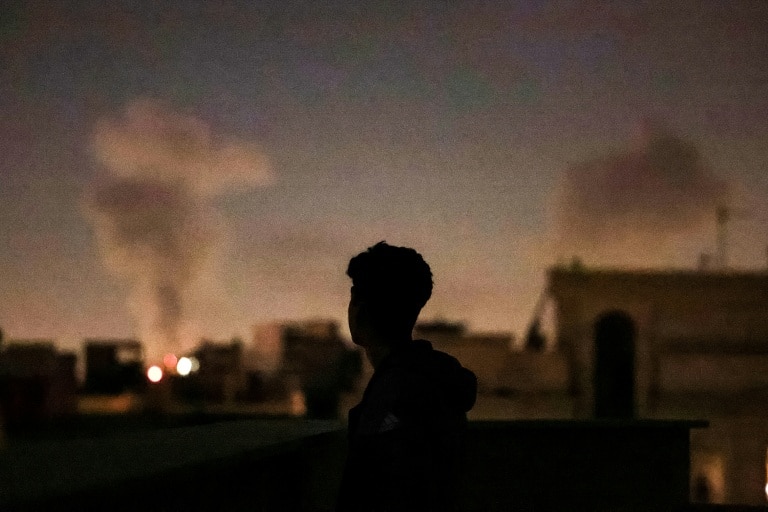
    Despite these measures, nighttime protests continue with residents chanting anti-government slogans from their homes. The situation presents a complex dilemma for citizens caught between external military actions and internal repression, with many expressing hope for future freedom while currently prioritizing survival under the regime’s intensified security measures.
  • Trump fires homeland security chief Kristi Noem

    Trump fires homeland security chief Kristi Noem

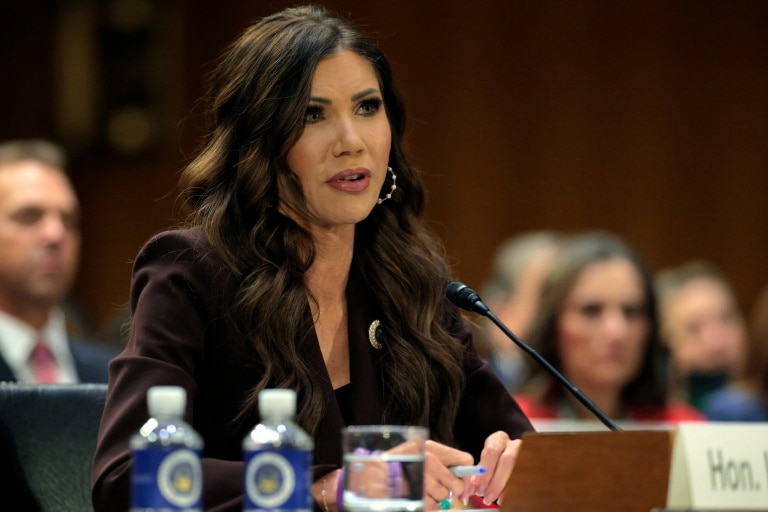
    In a significant cabinet reshuffle, President Donald Trump has terminated Kristi Noem from her position as Secretary of the Department of Homeland Security (DHS). The dismissal, announced via the President’s Truth Social platform on Thursday, follows Noem’s contentious testimony before the Senate Judiciary Committee earlier this week. Central to the dispute was a $220 million DHS advertising campaign, which featured Noem prominently and was reportedly approved by the President, though it later became a source of his ire according to multiple media outlets.

    Trump announced that Republican Senator Markwayne Mullin of Oklahoma will assume the role of Acting Secretary starting March 31, pending Senate confirmation. In his statement, Trump praised Noem’s tenure, particularly highlighting her results on border security, and appointed her as a special envoy for a new Western Hemisphere security initiative dubbed ‘The Shield of the Americas.’ He simultaneously lauded Mullin as a ‘MAGA Warrior’ who would excel in enforcing stringent immigration policies.

    The move occurs against a backdrop of intense bipartisan criticism directed at Noem and the DHS’s immigration enforcement strategies. During the Senate hearing, Democrats, including Senator Dick Durbin of Illinois, accused the department of operating without a ‘moral compass,’ while Republicans like Senator Thom Tillis of North Carolina labeled her leadership a ‘disaster,’ citing the wrongful detention of American citizens. The hearing also scrutinized the multimillion-dollar ad campaign encouraging self-deportation, which Senator John Kennedy of Louisiana criticized as an ineffective expenditure primarily boosting Noem’s public profile.

    This leadership change coincides with a partial DHS shutdown, fueled by Democratic demands for major operational reforms within Immigration and Customs Enforcement (ICE) as a condition for new funding. These include restrictions on patrols, a ban on face masks for agents, and requiring judicial warrants for entering private property.

  • Conservative Anglicans press opposition to Church’s first woman leader

    Conservative Anglicans press opposition to Church’s first woman leader

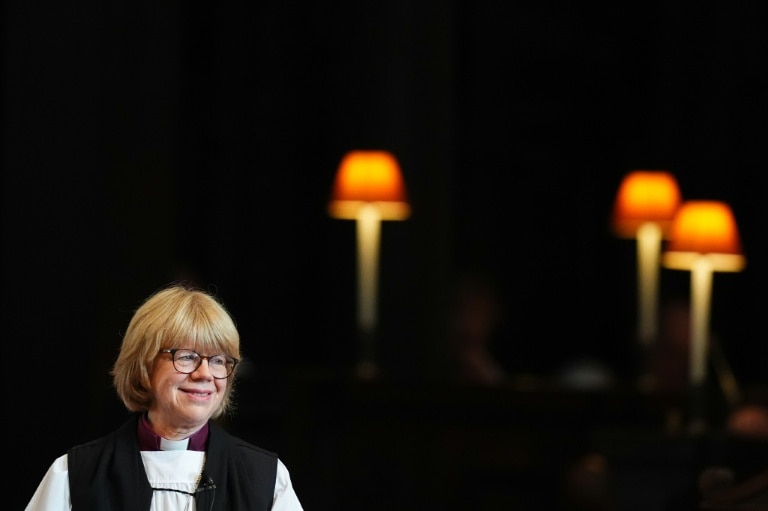
    The Anglican Communion faces unprecedented division as conservative factions establish a parallel leadership structure in response to the Church of England’s groundbreaking appointment of its first female Archbishop of Canterbury. The Global Anglican Future Conference (Gafcon), representing traditionalist elements within the faith, announced the formation of a new governing council during meetings in Abuja, Nigeria.

    Archbishop Laurent Mbanda of Rwanda, 71, currently serving as Gafcon’s chairman since 2023, was named to lead the newly established Global Anglican Communion. This development directly challenges the authority of Bishop Sarah Mullally, the 63-year-old former nurse scheduled to assume the role of Archbishop of Canterbury on March 25. Mullally’s appointment marks a historic milestone as she becomes the spiritual leader of the 85-million-strong global Anglican community spanning approximately 165 countries.

    The conservative opposition, particularly strong among African archbishops, centers on theological objections to female leadership within the church hierarchy. Archbishop Henry Ndukuba of Nigeria’s Anglican Church, which represents the world’s second-largest Anglican community with 18 million members, previously stated that ‘the majority of Anglicans’ reject the concept of a woman leading their church.

    Gafcon spokesman Justin Murff explicitly articulated the separation, telling journalists: ‘Archbishop Sarah Mullally is the Archbishop of Canterbury… but the Global Anglican Communion recognizes as its leader Archbishop Laurent Mbanda.’ He characterized the new entity as ‘the Anglican Communion reordered to a biblically faithful orthodox perspective,’ representing a ‘radical departure’ from the current Canterbury-based leadership.

    The Anglican Communion Office acknowledged the deepening rift in a Thursday statement, recognizing ‘pain and division in the family’ while urging unity among members. A spokesperson emphasized that ‘in a fragmented world, it’s vital we work through our differences together and uphold the unity of God’s Church.’

    This institutional schism reflects longstanding tensions between progressive developments in Western Anglican churches and conservative theological positions maintained particularly strongly in African Anglican communities. The Archbishop of Canterbury traditionally holds significant ceremonial roles in British society, presiding over major royal events including coronations, weddings, and funerals.

  • Mideast war traps 20,000 seafarers, 15,000 cruise passengers in Gulf

    Mideast war traps 20,000 seafarers, 15,000 cruise passengers in Gulf

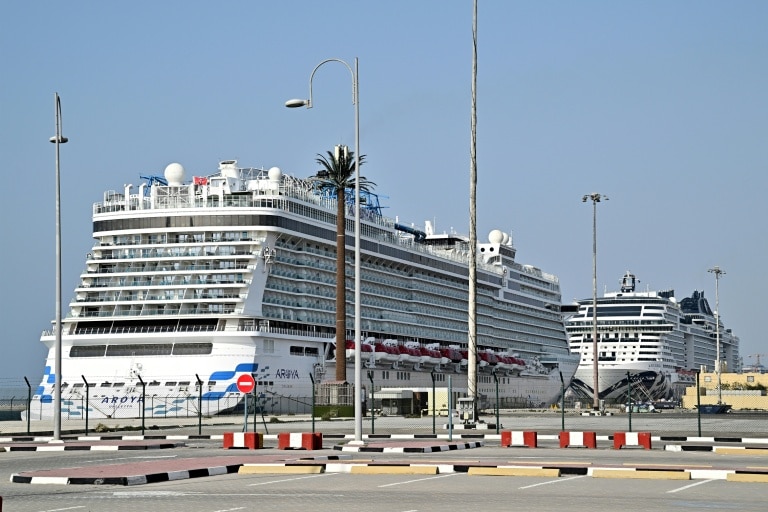
    The escalating Middle Eastern conflict has created an unprecedented humanitarian and logistical crisis in the Gulf region, leaving approximately 35,000 individuals stranded aboard vessels. According to the UN’s International Maritime Organization (IMO), this includes 20,000 professional seafarers and 15,000 cruise ship passengers whose mobility has been severely restricted.

    The maritime industry has officially escalated the threat level, redesignating the Strait of Hormuz, Gulf of Oman, and the broader Gulf as a ‘Warlike Operations Area.’ This critical classification grants maritime workers enhanced protections and reflects the severe deterioration of security in one of the world’s most vital energy transit corridors. Since the outbreak of hostilities, the IMO has documented seven separate maritime incidents, resulting in two fatalities and seven injuries.

    IMO Secretary General Arsenio Dominguez condemned the violence, stating, ‘Beyond the economic impact of these alarming attacks, it is a humanitarian issue. No attack on innocent seafarers is ever justified.’ He urged all shipping companies to exercise extreme caution while operating in the affected waters.

    The strategic Strait of Hormuz, a chokepoint for approximately one-fifth of global crude oil and significant liquefied natural gas supplies, has been effectively shut down by Iranian Revolutionary Guards, who claim ‘complete control.’ This blockade has triggered a massive operational halt, with shipping behemoths like Maersk suspending all new bookings. Energy intelligence firm Kpler reported a staggering 90% decline in oil tanker transits compared to the previous week.

    The economic repercussions are immediate and severe. Global oil prices surged dramatically, with West Texas Intermediate crude jumping over 5% to $78.88 per barrel—its highest point since last January. The international benchmark, Brent North Sea crude, also rose sharply by 3.6% to $84.34 per barrel.

    In a joint statement, the International Transport Workers’ Federation (ITF) and maritime employer representatives highlighted the scale of the disruption, noting that ‘hundreds of vessels are stranded.’ ITF General Secretary Stephen Cotton described the situation as the most severe he has witnessed in 32 years, citing profound diplomatic uncertainty. He clarified the grim reality for crews, explaining that even with the right to request repatriation, logistical constraints and minimum safe manning requirements make immediate evacuation impossible.

    This region now joins other globally recognized high-threat maritime zones, including parts of the Sea of Azov, the northern Black Sea, and the Gulf of Aden, all classified as Warlike Operations Areas.

  • Wary Europeans pledge ‘defensive’ military aid in Mideast war

    Wary Europeans pledge ‘defensive’ military aid in Mideast war

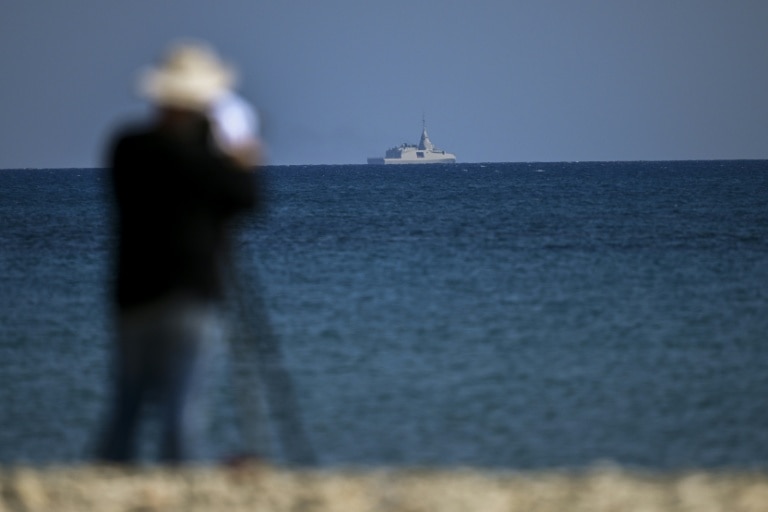
    European powers are cautiously escalating military deployments to the Eastern Mediterranean as the Israel-Iran conflict expands regionally, with multiple nations emphasizing strictly defensive postures while avoiding direct combat involvement. The collective response follows recent attacks on Cyprus and Western interests in the Gulf, creating a complex security challenge for EU members.

    Britain has dispatched HMS Dragon, a warship equipped with rapid-fire Sea Viper missile systems, alongside Wildcat helicopters carrying anti-drone Martlet missiles. This deployment complements four Typhoon fighter jets sent to Qatar, though Prime Minister Keir Starmer initially resisted US requests to utilize British bases for offensive operations, drawing criticism from former President Donald Trump.

    France has committed its nuclear-powered aircraft carrier Charles de Gaulle, carrying 20 Rafale fighter jets and advanced radar aircraft, to the region. Additional air defense units are being deployed to Cyprus, building on previous successful engagements by frigate Languedoc against Huthi rebel drones in the Red Sea. Paris has permitted US support aircraft to use Istres air base with strict guarantees against offensive operations.

    Greece has contributed two frigates and four F-16 fighter jets to Cyprus while allowing US access to its Souda Bay base in Crete. Italy plans to send naval assets alongside France, the Netherlands and Spain, plus anti-drone and missile defense systems to Gulf partners. Defense Minister Guido Crosetto emphasized that US aircraft using Italian bases would be limited to logistical support under existing agreements.

    Portugal authorized conditional use of its Lajes base in the Azores for defensive or retaliatory operations exclusively targeting military objectives. Spain, despite Prime Minister Pedro Sanchez’s vocal opposition to the conflict and refusal to permit US base access, will deploy its advanced frigate Cristobal Colon to provide aerial defense and potential civilian evacuation support around Cyprus.

    The coordinated but carefully constrained European response reflects balancing act between supporting allies and avoiding direct entry into the escalating Middle East conflict, with all participating nations explicitly characterizing their contributions as defensive measures.

  • Previously silent Iran players sing and salute anthem

    Previously silent Iran players sing and salute anthem

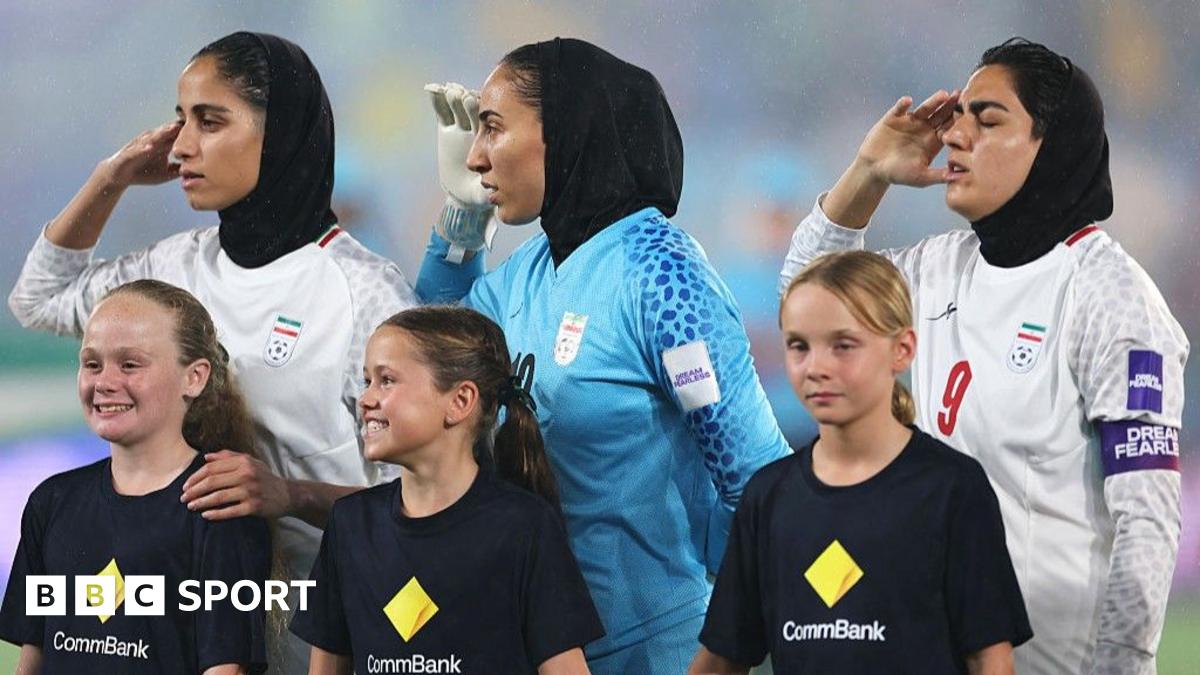
    Iran’s women’s national football team displayed markedly different behavior during national anthem ceremonies at the Asian Cup in Australia, sparking allegations of political coercion. During their opening match against South Korea on Monday, players remained silent during the anthem, but reversed course dramatically in their subsequent game against hosts Australia by singing along while performing military salutes.

    The abrupt change occurred against the backdrop of escalating military conflict, with US and Israeli airstrikes hitting Iranian territory in recent days. Alireza Mohebbi, an Australia-based correspondent for Iran International TV, stated unequivocally to BBC’s partner ABC News that the players were under direct instruction from regime officials. “It’s completely obvious that the Islamic Republic’s regime, and the security team which is with the players in Australia, forced them to sing and do the military salute,” Mohebbi asserted.

    Team striker Sara Didar emotionally addressed the psychological toll on players, speaking about being separated from loved ones during the crisis. Head coach Marziyeh Jafari acknowledged the difficult circumstances, stating “No-one likes what’s happening, no-one wants war,” while simultaneously insisting the team had “come here to play football.”

    The political symbolism extended beyond the pitch as dozens of Iranian-Australians gathered outside the Gold Coast stadium waving Israeli, Australian, and pre-revolution Iranian flags. The team’s sporting prospects suffered simultaneously with a 4-0 defeat to Australia, leaving Iran needing victory against Philippines on Sunday to advance to the knockout stages.

    This incident mirrors similar political pressure experienced by Iran’s men’s team during the 2022 World Cup in Qatar, where players initially remained silent during the anthem before singing in subsequent matches amid widespread domestic protests following Mahsa Amini’s death in police custody.

  • Man lodges legal action against Victoria Police after arrest during Dezi Freeman manhunt

    Man lodges legal action against Victoria Police after arrest during Dezi Freeman manhunt

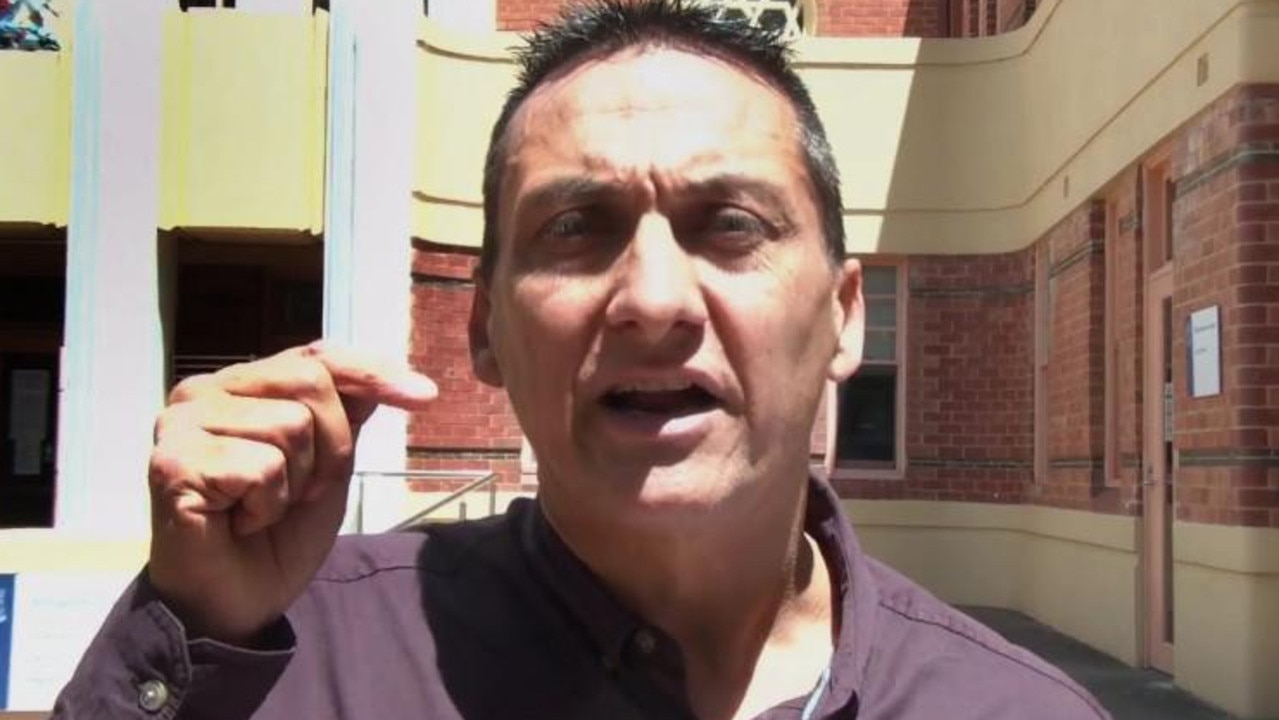
    A legal challenge has been initiated against Victoria Police by Jeremy Sloan, who alleges he and his partner Sarah Naylor were subjected to a traumatic arrest at gunpoint during the extensive search for fugitive Dezi Freeman. The incident occurred in October of last year near Undera in northern Victoria when police intercepted the couple at a property.

    According to Sloan’s account reported by the ABC, law enforcement officers held them at gunpoint during the arrest before conducting a search of his parents’ residence. The legal action, formally lodged last Thursday, seeks compensation for what Sloan describes as significant psychological harm resulting from the encounter.

    Victoria Police has indicated through official channels that they had not received formal legal documentation regarding the case at the time of media inquiries. The controversial arrest occurred during one of Victoria’s most extensive manhunts for Freeman, who stands accused of fatally shooting two police officers—Detective Leading Senior Constable Neal Thompson and Senior Constable Vadim De Waart-Hottart—during a warrant service attempt in Porepunkah on August 26, 2025.

    The alleged shooter subsequently disappeared into bushland and has not been sighted since the incident. After months of intensive searching involving specialized resources including cadaver dogs trained to detect human remains, investigators now believe Freeman is likely deceased. Detective Inspector Adam Tilley stated during a February update that survival prospects for the fugitive appeared highly unlikely.

  • Why has Turn Six at Australian GP been renamed?

    Why has Turn Six at Australian GP been renamed?

    In a landmark move for gender recognition in motorsports, the Australian Grand Prix has announced the permanent renaming of Turn Six at Melbourne’s Albert Park Circuit to ‘In Her Corner.’ This historic decision coincides with the 2026 season opener falling on International Women’s Day, March 8th, creating a powerful symbolic gesture.

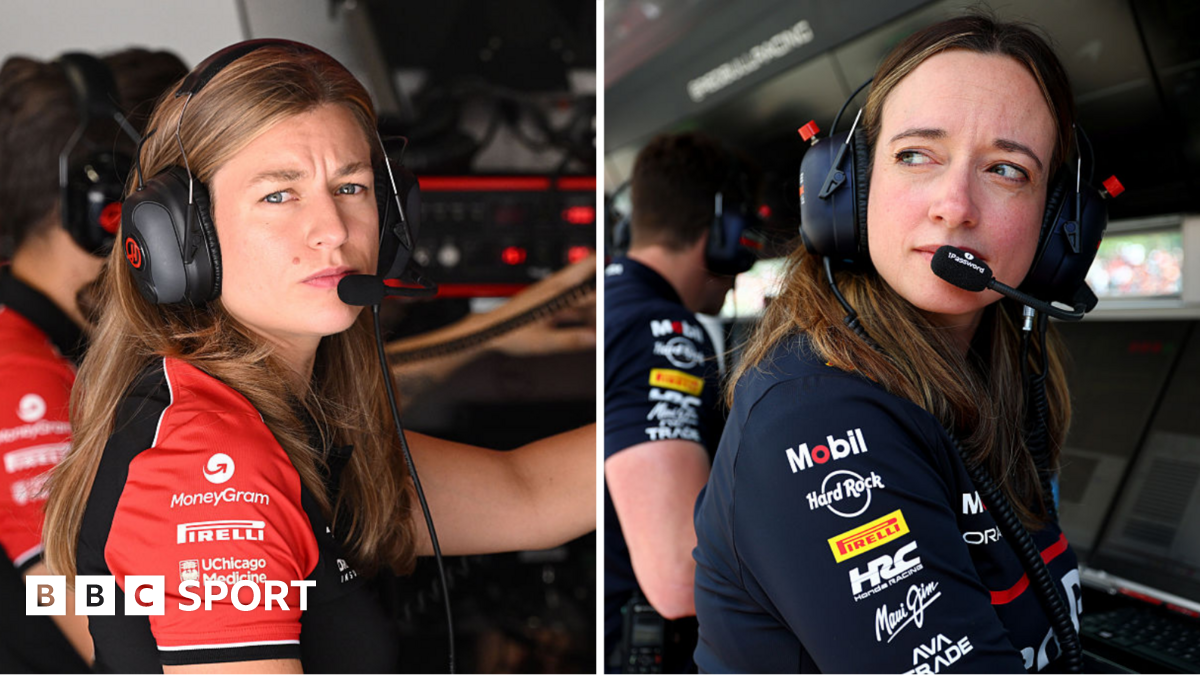
    The corner dedication honors two pioneering female engineers who have shattered glass ceilings in Formula 1: Laura Mueller, Race Engineer for Esteban Ocon at Haas F1 Team, and Hannah Schmitz, Head of Race Strategy at Red Bull Racing. Mueller made history in 2025 by becoming the first full-time female race engineer in F1, serving as the critical communication link between driver and team. Schmitz, with Red Bull since 2009, has been instrumental in crafting championship-winning strategies during the team’s dominant 2022 and 2023 seasons, earning her place as one of only eleven women to ever stand on an F1 podium.

    This initiative represents a significant departure from tradition, as circuit corners are typically named after legendary drivers or historical figures. The collaboration between Engineers Australia and the Australian Grand Prix Corporation aims to inspire future generations by showcasing female achievement in STEM fields. Laura Mueller emphasized the importance of visibility, stating, ‘The ‘In Her Corner’ initiative promotes the importance of ‘if you can see it, you can be it’—highlighting women’s accomplishments in engineering is crucial for progress.’

    The renamed corner will serve as a permanent tribute during the March 6-8 event, aligning with International Women’s Day’s broader mission to celebrate achievements and advocate for gender equality across social, economic, cultural, and political spheres.

  • Middle East war spirals as Iran hits Kurds in Iraq

    Middle East war spirals as Iran hits Kurds in Iraq

    The Middle East has plunged into a rapidly expanding regional conflict with devastating consequences across multiple nations. What began with US-Israeli strikes that killed Iran’s supreme leader Ayatollah Ali Khamenei on Saturday has now engulfed the entire region, creating global shockwaves through energy markets and international relations.

    Iran launched retaliatory strikes against Kurdish guerrilla groups in Iraq on Thursday, targeting what Tehran calls ‘separatist groups.’ According to Iranian officials, these operations serve as a clear warning that such organizations ‘will not be tolerated in any way.’ Simultaneously, Israel continued its bombardment of Tehran, with residents reporting fighter jets and explosions across the city.

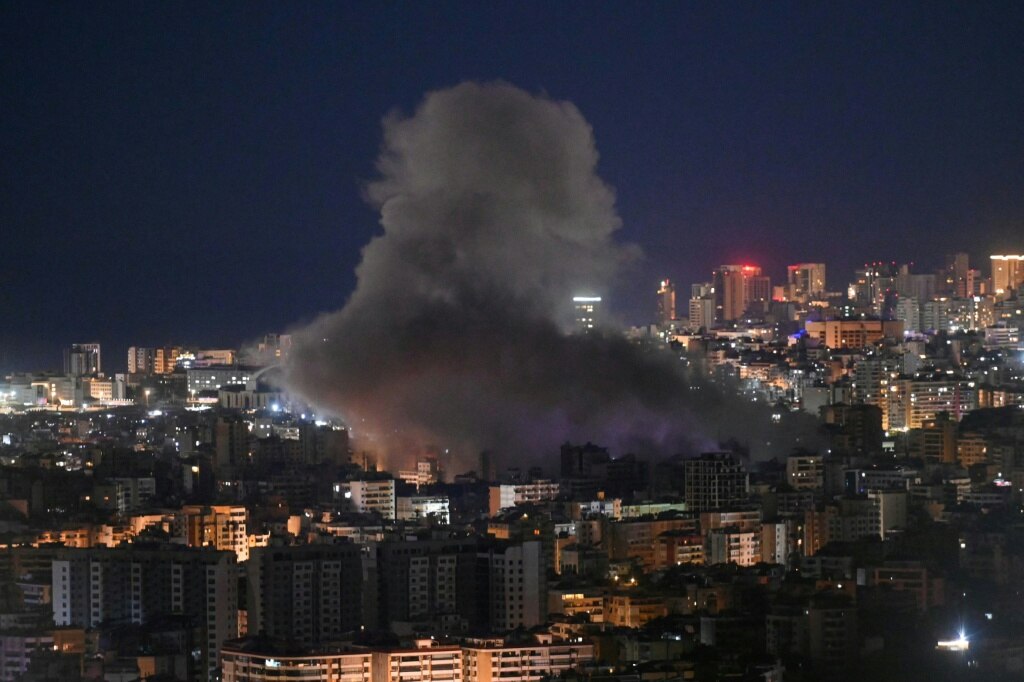
    The conflict has drawn in numerous regional actors. In Lebanon, Israeli strikes targeted Hezbollah command centers in south Beirut, reducing buildings to rubble and creating plumes of black smoke over the capital. Hezbollah’s leader has vowed to intensify fighting against Israel, declaring readiness for ‘ultimate sacrifice’ rather than surrender. Lebanese authorities report at least 72 fatalities and 83,000 displaced persons since hostilities began.

    The war has extended beyond the immediate region with global implications. A US submarine sank an Iranian warship near Sri Lanka—marking Washington’s first torpedoing of a vessel since World War II—resulting in significant casualties. NATO member Turkey became involved after intercepting a missile apparently aimed at a British base in Cyprus, leading to diplomatic tensions with Iran.

    Economic consequences are already severe. Iran’s Revolutionary Guards have effectively closed the Strait of Hormuz, a critical chokepoint for global oil transportation where tanker transits have dropped by 90%. This has triggered energy shortages worldwide, prompting South Korea to activate a $68 billion market stabilization fund and China to restrict fuel exports. The International Monetary Fund warns of a ‘prolonged period of flux’ for the global economy.

    Civilian casualties continue to mount across the region, with at least 1,045 military personnel and civilians reportedly killed according to Iranian media, though these figures remain unverified. The conflict has also devastated regional tourism during peak season, with mass cancellations creating what industry professionals describe as a ‘catastrophic’ situation.

  • The silent struggle of an anti-war woman in Russia

    The silent struggle of an anti-war woman in Russia

    In the immediate aftermath of Russia’s full-scale invasion of Ukraine on February 24, 2022, a wave of public dissent briefly surfaced. Varvara, a 32-year-old Moscow resident, was among those who initially took to the streets, propelled by feelings of profound despair and anger. Her participation in a central Moscow anti-war rally marked a moment of open defiance. However, four years into a conflict met with an unrelenting state crackdown, her activism has been silenced, replaced by a singular focus on survival within a nation rigidly mobilized for war.

    The landscape of dissent in Russia has been fundamentally reshaped, with repression escalating to levels not witnessed since the Soviet era. Public criticism of the Kremlin or its military campaign is now virtually extinct, punished by imprisonment or heavy fines. The systematic eradication of opposition has left major figures incarcerated, exiled, or dead, while anti-war groups abroad are paralyzed by internal strife. This environment has forced countless potential activists into a state of resigned acquiescence.

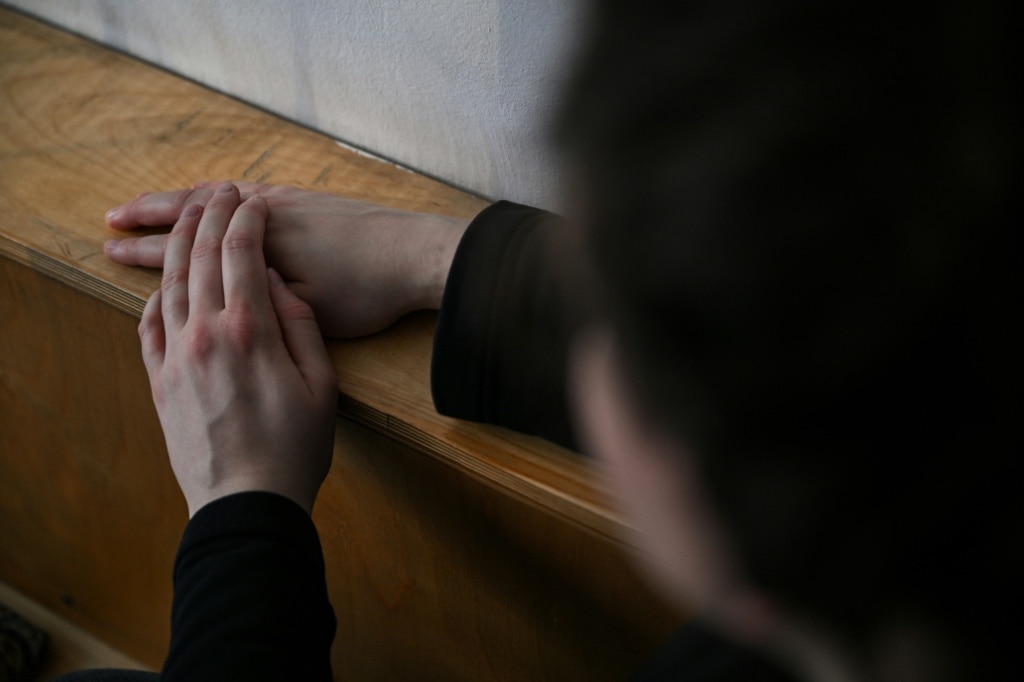
    Varvara’s personal journey mirrors this national silencing. After joining an early protest—an act she undertook with the foreboding expectation of arrest—she managed to evade the brutal police clampdown. Yet, consequences followed. Signing an online anti-war petition led to her swift dismissal from a public institution. Faced with the exodus of friends who chose emigration after brief detentions, Varvara grappled with a critical decision. Ultimately, the uncertainties of life as an emigrant outweighed the perceived immediate physical threats of staying, as no authorities were knocking on her door.

    Rebuilding her life, she found employment at a charity organization and arrived at a new philosophy: to ‘do something good here’ in Russia. This commitment was further cemented by meeting her future husband in the summer of 2022. Her calculus for resistance shifted entirely; the only circumstance that would now compel her to leave would be the imminent arrest of either herself or her partner. Her priorities are now anchored in her new family, which includes her husband’s two children from a previous marriage—a responsibility she describes as a form of ‘escapism’ that reinforces her silence.

    Despite her outward conformity, the war remains an inescapable shadow over her existence. It took two years for her to experience a moment of simple happiness without an accompanying sense of guilt. Professionally, she navigates a moral labyrinth, constantly vetting potential partners and donors for connections to the military campaign. This ‘constant inner struggle’ is matched by a personal conflict with her father, a member of the Russian security services who fought in Ukraine and offers her financial support—assistance she finds morally impossible to accept, despite her love for him. For Varvara and many like her, survival now means living in a state of perpetual, silent internal conflict.