In a last-minute breakthrough that halted an imminent escalation of conflict between Washington and Tehran, the United States and Iran reached a two-week ceasefire agreement on Tuesday, just an hour before a self-imposed American deadline for military action against Iran was set to expire. The deal, which also counts Israel as a signatory according to the White House, requires Iran to immediately reopen the strategic Strait of Hormuz, a critical global energy chokepoint that had been closed to Gulf tanker traffic amid rising hostilities.
The 11th-hour agreement followed diplomatic outreach by Pakistani leadership, who formally requested a pause in fighting to open space for negotiations, according to US officials. Even as the truce eases core US-Iran tensions, conflict continues unabated in southern Lebanon. Israel confirmed on Wednesday that it backs the ceasefire deal but emphasized the agreement explicitly excludes Lebanon, where Israeli forces have been engaged in ongoing clashes with the Iran-backed militant group Hezbollah. Shortly after Israel issued its evacuation warning for residents of the Lebanese city of Tyre, the Israel Defense Forces renewed airstrikes on southern Lebanon, contradicting an earlier statement from Pakistani Prime Minister Shehbaz Sharif that claimed the truce would apply to “everywhere including Lebanon”.
Global financial and energy markets reacted swiftly to the ceasefire news on Wednesday, with significant shifts across asset classes. European natural gas prices plummeted 20% in opening trading, while global oil prices also dropped sharply following the announcement that the Strait of Hormuz would reopen. The US dollar, typically a safe-haven asset for investors during geopolitical turmoil, fell roughly 1% against the euro and British pound in early European trading. Asian stock markets surged on optimism that a broader regional conflict would be avoided, and European futures pointed to strong opening gains following the overnight agreement.
Multiple diplomatic moves are already underway to cement the temporary truce into a long-term solution. British Prime Minister Keir Starmer is set to travel to the Gulf region on Wednesday to meet with regional leaders, a trip Downing Street says aims to shore up the ceasefire and support diplomatic efforts. Pakistan will host US and Iranian delegations this Friday for further negotiations aimed at reaching a conclusive, permanent agreement to resolve all outstanding disputes between the two nations, Prime Minister Sharif confirmed via social media platform X. US President Donald Trump announced the US will assist in clearing the backlog of ship traffic that built up in the Strait of Hormuz during the closure, writing on his Truth Social platform that “there will be lots of positive action! Big money will be made. Iran can start the reconstruction process.”
In post-agreement comments to AFP, Trump credited China for facilitating Iran’s decision to come to the negotiating table, confirming that Beijing, a key long-term ally of Tehran, played a role in pushing for truce talks. The president also addressed ongoing concerns over Iran’s uranium program, telling reporters the issue would be “perfectly taken care of” under the terms of the ceasefire, adding he would not have agreed to the truce if that were not the case. Trump framed the agreement as a major win for the United States, calling it a “total and complete victory” that was “100 percent” successful. White House Press Secretary Karoline Leavitt echoed that sentiment in a post on X, noting that US military pressure had created the leverage needed to open the door for a diplomatic path to long-term regional peace.
The truce comes even as unconfirmed reports of new unrest emerged Wednesday morning, with an AFP journalist on the ground reporting hearing multiple explosions in Manama, the capital of Bahrain, just hours after the ceasefire was announced. No group has yet claimed responsibility, and no official casualty or damage reports have been released.
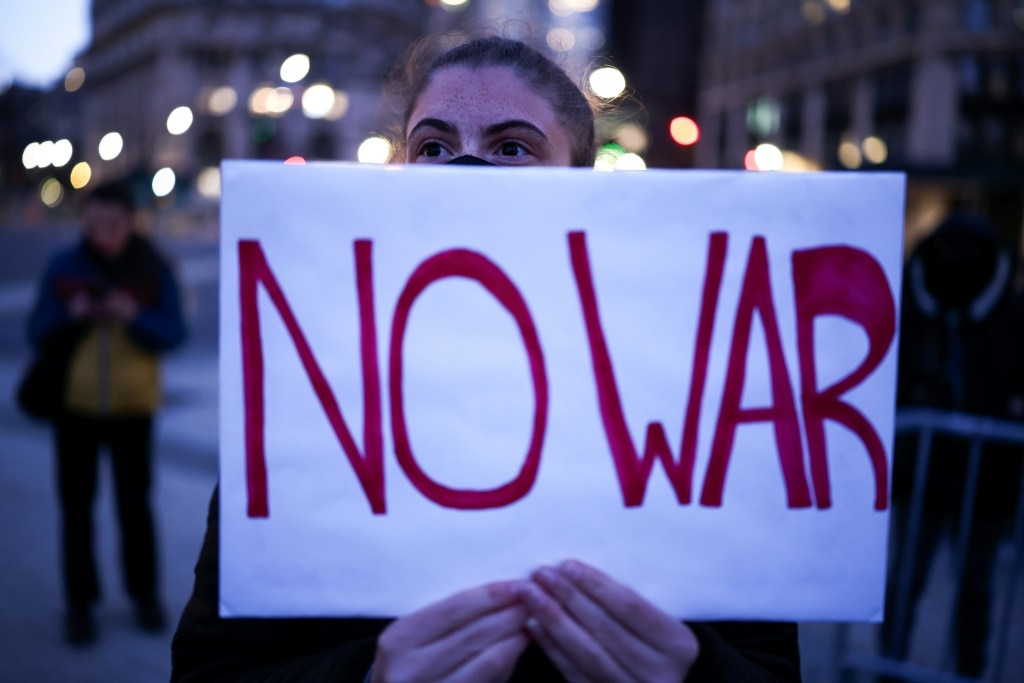
Looking ahead, NATO Secretary General Mark Rutte will meet with President Trump in Washington on Wednesday to discuss the new security landscape created by the ceasefire, as well as continued Russian aggression in Ukraine. The meeting comes as anti-war protesters gathered near the White House ahead of the ceasefire announcement, demonstrating against the risk of a full-scale regional war in the Middle East.