标签: Oceania

大洋洲

  • Aussies edge India on day one of Healy’s last Test

    Aussies edge India on day one of Healy’s last Test

    On an eventful opening day of the historic day-night Test at Perth’s Waca ground, Australia’s bowling attack dominated proceedings, skittling India for a modest total of 198 runs. The occasion carried special significance as it marked captain Alyssa Healy’s final appearance leading the hosts before her retirement from all formats.

    Australia’s response with the bat saw them reach 96-3 at stumps, trailing by 102 runs, with the experienced Ellyse Perry remaining unbeaten on a solid 43. The day belonged primarily to Australia’s bowlers, with all-rounder Annabel Sutherland delivering a standout performance of 4-46. Making her Test debut particularly memorable, left-arm fast bowler Lucy Hamilton impressed with figures of 3-31.

    India’s innings encountered early turbulence after losing the toss, slumping to 107-5 before Jemimah Rodrigues provided resistance with a determined 52-run contribution that prevented a complete collapse. The visitors’ bowling response saw Sayali Satghare claim 2-24, including the prized wicket of Healy for 13 runs during her final Test innings.

    The match narrative took an emotional turn when Healy, walking out to bat amidst applause recognizing her distinguished career spanning 162 T20s and 126 ODIs, was dismissed after beginning to rebuild the innings alongside Perry. Australia will resume day two with Perry (43*) and Sutherland (20*) at the crease, positioned to build a potentially decisive first-innings lead in this four-day contest.
  • US must probe Iran school strike ‘very quickly’, UN says

    US must probe Iran school strike ‘very quickly’, UN says

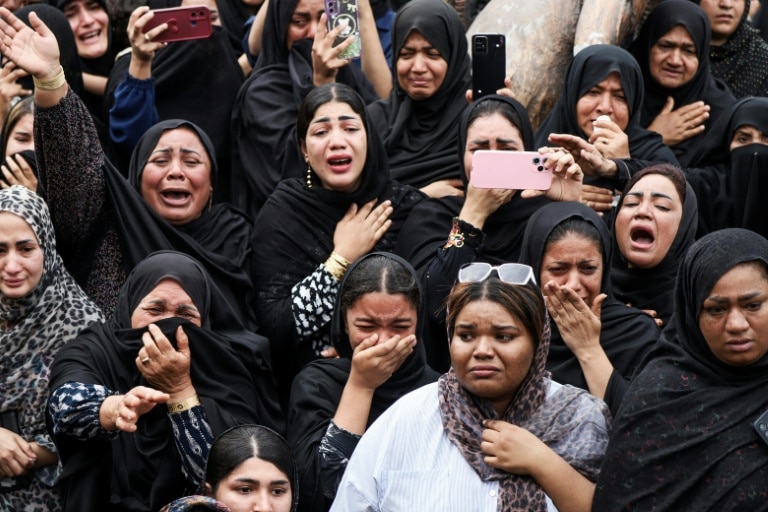
    The United Nations has issued an urgent call for immediate investigation and accountability following a devastating airstrike that struck an elementary school in southern Iran, killing at least 150 people including numerous children. UN Human Rights Chief Volker Turk condemned what he described as “this absolutely tragic incident” during a Geneva press conference on Friday.

    The strike occurred in the town of Minab on the first day of recent hostilities, hitting the Shajare Tayyebeh elementary school during its morning session when approximately 170 students were present. The Norway-based rights organization Hengaw confirmed the timing coincided with peak school hours, raising serious concerns about international humanitarian law violations.

    Multiple investigations by major media outlets, including The New York Times and Reuters, have concluded that US forces were most likely responsible for the deadly strike. The Times analysis revealed that US military statements about attacking naval targets near the strategically vital Strait of Hormuz—where an Islamic Revolutionary Guards Corps (IRGC) base is located—strongly suggests American involvement. Social media evidence and witness accounts indicate the school was struck simultaneously with nearby IRGC facilities.

    General Dan Caine, the top US military officer, acknowledged Wednesday that American forces had been conducting strikes in southern Iran during the initial 100 hours of military operations, presenting maps that included Minab within targeted areas. This contrasts with Israel’s operations, which have primarily been concentrated further north.

    Turk emphasized the particular tragedy of striking “a civilian institution that should never be attacked,” noting the morning timing ensured maximum child casualties. He called for transparent investigations into the weapons used, timing decisions, and adherence to principles of distinction and proportionality in military engagements.

    The US Department of Defense has confirmed it is investigating the incident, though neither American nor Israeli authorities have officially claimed responsibility. Turk stressed that the investigating parties must “conduct this type of investigation very quickly” and ensure “accountability to be served, because obviously mistakes were clearly made.” He further emphasized the need for victim redress and comprehensive review of military operating procedures to prevent future tragedies.

  • Iceland proposes August 29 referendum on resuming EU membership talks

    Iceland proposes August 29 referendum on resuming EU membership talks

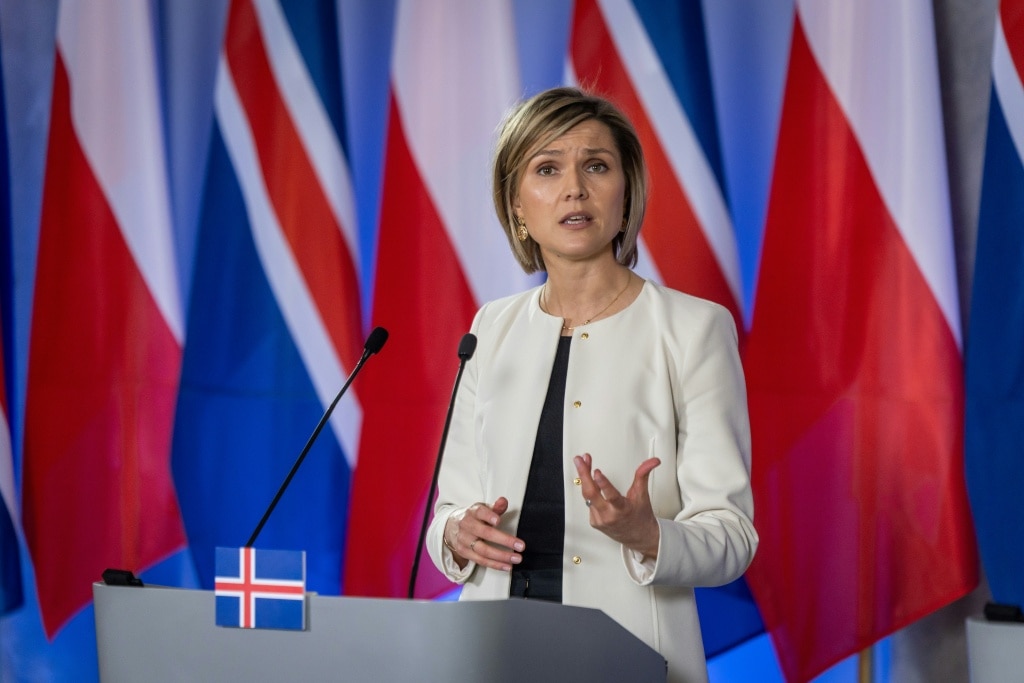
    Iceland’s government has announced plans for a national referendum on August 29 to determine whether to resume European Union membership negotiations that were formally terminated in 2015. Foreign Minister Thorgerður Katrín Gunnarsdóttir confirmed she will present the formal proposal to parliament early next week, though government support remains uncertain.

    The Nordic nation initially applied for EU membership in 2009 following the catastrophic collapse of its financial sector. Negotiations commenced in 2010 but were suspended after parliamentary elections in 2013, with the subsequent conservative government completely terminating the process two years later.

    The proposed referendum will pose a direct question to Icelandic citizens: ‘Should negotiations on Iceland’s accession to the European Union continue?’ Voters will have binary options—either endorsing or rejecting the resumption of talks.

    Prime Minister Kristrún Frostadóttir asserted that Iceland’s current economic strength and national self-confidence create an ideal environment for this consequential decision. The center-left coalition government had previously committed to holding such a vote before the end of 2027.

    Notably, 27 of the required 33 negotiation chapters had been opened before talks stalled, with 11 already concluded. The critically important fisheries chapter—particularly sensitive given Iceland’s determination to maintain control over its marine resources—remains unaddressed.

    Minister Gunnarsdóttir emphatically stated she would ‘never sign an agreement that entails ceding Iceland’s control over its resources,’ particularly fishing grounds. She emphasized that renewed negotiations would immediately tackle the most challenging aspects while reviewing previously completed chapters for necessary updates.

    Both leaders highlighted how geopolitical realities have transformed since initial negotiations. Prime Minister Frostadóttir noted increased focus on Arctic and North Atlantic cooperation, while referencing concerns sparked by former US President Trump’s interest in acquiring Greenland. The minister also expressed apprehension about potential Russian interference in the referendum process, citing pattern of meddling in other nations considering EU alignment.

    EU Enlargement Commissioner Marta Kos acknowledged Iceland’s upcoming ‘significant decision,’ describing the country as ‘already a strong and strategic partner’ that could benefit from the EU’s ‘values, prosperity and security’ in an increasingly competitive global landscape.

  • Iran drone strike on Azerbaijan raises fears of Mideast war spreading to Caucasus

    Iran drone strike on Azerbaijan raises fears of Mideast war spreading to Caucasus

    A recent drone assault originating from Iranian territory has struck Azerbaijan’s Nakhichevan exclave, injuring four individuals and damaging an airport near a school. This aggressive act has dramatically heightened geopolitical tensions, raising alarming prospects of the Middle East conflict expanding into the strategically vital Caucasus region.

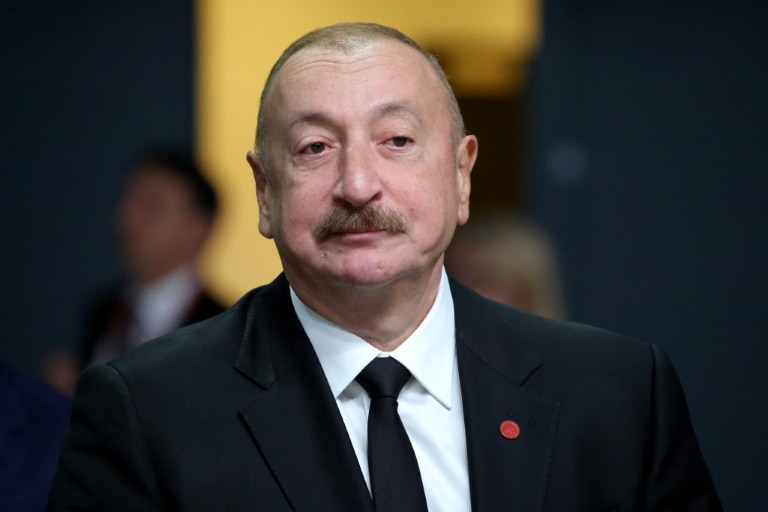
    Azerbaijani President Ilham Aliyev has condemned the incident as a deliberate ‘terrorist act’ and placed the nation’s armed forces on maximum alert, authorizing preparations for retaliatory measures. Simultaneously, Baku has withdrawn its diplomatic personnel from Iran, signaling a severe deterioration in bilateral relations.

    Iran has officially denied responsibility, instead attributing the attack to Israeli provocation aimed at destabilizing Muslim nations. Tehran maintains longstanding suspicions that Israel utilizes Azerbaijani territory for intelligence operations and potential offensive actions against Iran.

    Security analysts highlight concerning ambiguities within Iran’s military command structure as a critical factor. The country’s dual military architecture—featuring both conventional armed forces and the powerful Islamic Revolutionary Guard Corps (IRGC)—creates significant operational unpredictability. According to regional experts, the IRGC particularly views Azerbaijan with hostility, perceiving the nation as an extension of Israeli influence.

    The escalation carries profound implications for global energy security. Azerbaijan’s crucial Baku-Tbilisi-Ceyhan oil pipeline, which transports approximately one-third of Israel’s petroleum imports, now faces potential vulnerability to drone strikes. Energy analysts warn that above-ground infrastructure along this route could become targets in any expanded conflict.

    Despite the aggressive posturing, most observers believe Azerbaijan prefers defensive preparedness over initiating armed conflict with its powerful neighbor. The nation’s response will likely depend on Iran’s subsequent actions, with Baku simultaneously preparing for multiple escalation scenarios while seeking to avoid direct military confrontation.

  • Hungary detains seven Ukrainians as Kyiv, Budapest quarrel over Russian oil

    Hungary detains seven Ukrainians as Kyiv, Budapest quarrel over Russian oil

    A severe diplomatic confrontation has erupted between Hungary and Ukraine, marked by hostage accusations and economic coercion tactics. The conflict centers on two major developments: Hungary’s detention of seven Ukrainian citizens, including bank employees transporting substantial assets, and an escalating dispute over Russian oil deliveries through the damaged Druzhba pipeline.

    Hungarian authorities confirmed the detention of the Ukrainian nationals, among them a former intelligence general, alongside two armored cash transport vehicles. The National Tax and Customs Administration (NAV) stated the operation was part of criminal proceedings investigating potential money laundering activities, conducted in collaboration with the Counter-Terrorism Centre.

    Ukraine’s Foreign Minister Andriy Sybiga vehemently condemned the action, characterizing it as hostage-taking and alleging the confiscation involved $40 million and nine kilograms of gold during an interbank transfer. The Ukrainian government subsequently issued travel warnings for its citizens visiting Hungary, citing safety concerns and arbitrary actions by Hungarian authorities.

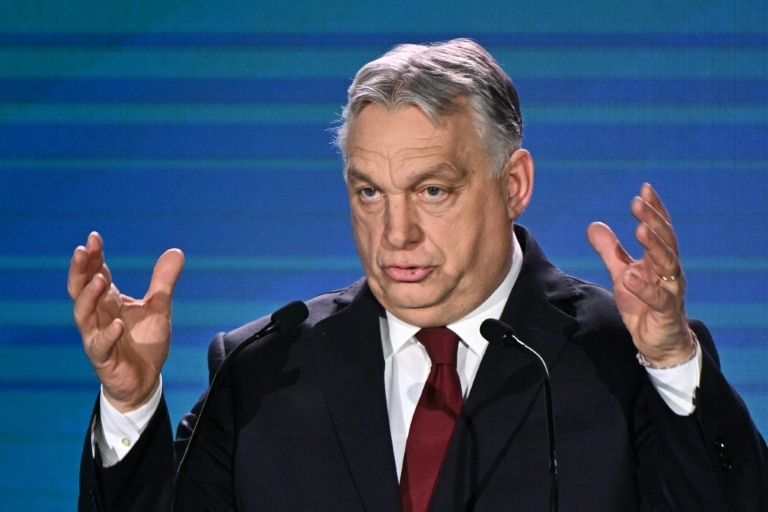
    Simultaneously, Hungarian Prime Minister Viktor Orbán intensified economic pressure on Ukraine, declaring he would employ “every means at our disposal” until Kyiv resumes Russian oil shipments through the critical pipeline. Hungary and Slovakia both assert Ukraine is deliberately delaying repairs to the infrastructure damaged during Russian strikes in January.

    The confrontation represents the latest deterioration in relations between the neighboring nations, already strained by Orbán’s sustained ties with Moscow and his opposition to military assistance for Ukraine. The Hungarian leader has additionally stalled a crucial €90 billion EU loan package for Ukraine and new sanctions against Russia, explicitly linking these actions to the oil transit issue.

    Ukrainian President Volodymyr Zelensky previously indicated pipeline repairs would require four to six weeks, while suggesting he personally opposed restoring transit. He issued a thinly-veiled threat regarding Orbán’s obstruction of EU assistance, prompting condemnation from across Hungary’s political spectrum. Orbán responded defiantly, stating he would not yield to “blackmail” even under personal threat, emphasizing his actions served national interests.

  • War in the Middle East: latest developments

    War in the Middle East: latest developments

    The Middle East conflict has entered a perilous new phase with direct military engagements escalating rapidly across multiple fronts. Israeli forces have initiated a strategic bombing campaign targeting what they term ‘regime infrastructure’ in Tehran, with AFP journalists confirming powerful explosions throughout the Iranian capital. Simultaneously, Iranian media reports indicate significant casualties from U.S. and Israeli strikes in Shiraz, though these figures remain unverified independently.

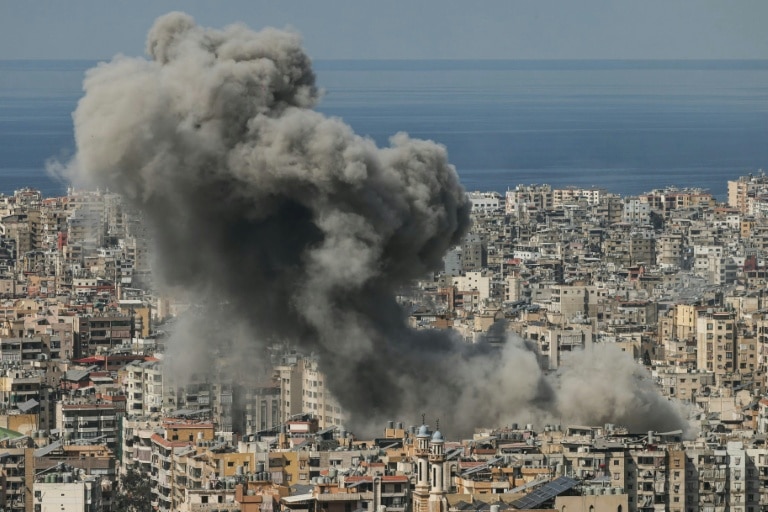
    Lebanon faces an escalating humanitarian emergency as Prime Minister Nawaf Salam warns of an impending ‘humanitarian disaster’ triggered by massive Israeli evacuation orders. These directives have precipitated large-scale population displacements from Hezbollah strongholds in Beirut’s southern suburbs and southern regions. The Lebanese health ministry reports the death toll from Israeli strikes has reached 123 since Lebanon’s involvement in the regional conflict began.

    Regional security concerns intensified as missile alerts activated across the Gulf. Dubai residents received emergency shelter directives via mobile alerts from the Emirati interior ministry, while Saudi Arabia reported successful interception of three drones east of Riyadh and three missiles targeting an air base. Qatar similarly announced its air defenses thwarted a drone attack aimed at the strategic Al-Udeid air base, the U.S.’s largest military installation in the region.

    Kuwait’s defense ministry disclosed that 67 military personnel have sustained injuries since the commencement of Iran’s retaliation campaign—the highest casualty count among Gulf militaries. Bahrain confirmed Iranian strikes damaged a hotel and residential buildings in Manama, revising earlier assessments.

    The international community has responded with calls for accountability. UN Human Rights Chief Volker Turk demanded ‘transparent and impartial investigations’ into an alleged deadly strike on an Iranian school, urging Washington to expedite its promised probe. Meanwhile, London authorities arrested four individuals—one Iranian and three dual UK-Iranian nationals—suspected of espionage activities targeting Jewish community locations on behalf of Iran’s intelligence service.

    U.S. President Donald Trump explicitly ruled out ground troop deployment to Iran, dismissing such considerations as a ‘waste of time’ given Tehran’s substantial military losses. In a notable development, Australian Prime Minister Anthony Albanese confirmed three Australian military personnel participated in a U.S. submarine operation that sank an Iranian naval vessel off Sri Lanka’s coast under a training arrangement. President Trump additionally expressed support for potential offensive operations by Iranian Kurdish fighters, characterizing such actions as ‘wonderful.’

  • Home hero Piastri edges Antonelli in second Australian GP practice

    Home hero Piastri edges Antonelli in second Australian GP practice

    The Albert Park Circuit erupted in celebration as Australian driver Oscar Piastri (McLaren) set the fastest time in the second practice session (FP2) for the Australian Grand Prix. Piastri’s blistering lap of 1:19.729 placed him 0.214 seconds clear of Mercedes’ promising rookie, Kimi Antonelli, signaling a strong start to his home race weekend.

    The session served as the first major test of Formula 1’s sweeping new technical regulations, which mandate a 50/50 split between traditional combustion and electric power in the hybrid units. This fundamental shift forced drivers to meticulously manage energy deployment and recovery on a circuit known for long straights that drain battery life and offer limited braking zones for recharging.

    Mercedes showed promising pace with George Russell finishing third, just ahead of his new teammate, the seven-time world champion Lewis Hamilton, who expressed optimism about Ferrari’s progress. Charles Leclerc (Ferrari), who was fastest in the first practice session, settled for fifth. The day was fraught with drama for reigning champion Max Verstappen (Red Bull), who stalled his car and spent half of FP2 in the garage before a late spin into the gravel ended his running prematurely.

    McLaren’s Lando Norris battled gearbox issues in the first session and finished seventh, while the new Racing Bulls rookie Arvid Lindblad impressed with an eighth-place finish. The grid’s new entrants, Cadillac, and the Aston Martin team faced significant challenges, grappling with vibrations and performance issues linked to the new power units, underscoring the teething problems of F1’s new era.

  • Australia forces porn sites to block under-18s from Monday

    Australia forces porn sites to block under-18s from Monday

    Australia has implemented groundbreaking digital protection measures requiring all pornography websites to implement robust age verification systems starting Monday. The sweeping regulations represent one of the world’s most comprehensive online child safety initiatives, expanding beyond December’s pioneering social media restrictions that prohibited children under 16 from joining platforms.

    The enhanced safeguards now encompass pornographic sites, search engines, application marketplaces, gaming providers, and generative artificial intelligence systems including chatbots. eSafety Commissioner Julie Inman Grant emphasized the regulatory commitment to enforcement, stating: “Where we see failures or foot-dragging, we will hold companies to account.” Non-compliant organizations face substantial penalties reaching AUD$49.5 million (approximately USD$35 million) per violation.

    Unlike previous inadequate measures, the new framework prohibits simple checkbox affirmations of age. Instead, services must implement verified age confirmation mechanisms when users attempt to access restricted content. Commissioner Inman Grant drew parallels to physical age restrictions, noting: “We don’t allow children to walk into bars or bottle shops, adult stores or casinos, but when it comes to online spaces where they are spending a lot of their time, there have been no such safeguards.”

    The regulatory expansion mandates consistent standards across digital services to prevent accidental exposure to harmful material. AI companion chatbots capable of generating explicit sexual content, violent material, or self-harm depictions must now confirm users’ ages. Application stores and online gaming platforms must similarly block under-18 users from adult-only content.

    Search engines will automatically blur results containing pornography and high-impact violence for non-authenticated users. Those searching for terms related to suicide or eating disorders will receive prioritized mental health support service referrals in search results. The eSafety Commission will continuously monitor compliance and pursue enforcement actions against systemic violations, acknowledging that while no regulation eliminates all risks, these measures establish meaningful protections throughout the digital ecosystem.

  • Double trouble: Roosters lose rep star before kick-off as key recruit suffers knee injury in reserve grade

    Double trouble: Roosters lose rep star before kick-off as key recruit suffers knee injury in reserve grade

    The Sydney Roosters’ campaign has been dealt a significant setback following a devastating double injury blow during their preparations for Friday night’s NRL clash in New Zealand. The club faces mounting concerns after two key players sustained serious injuries in separate incidents.

    In a dramatic pre-game development, representative forward Spencer Leniu was forced to withdraw moments before kickoff after suffering a hamstring injury during warm-up exercises. The powerful front-rower had been named in the starting lineup but was abruptly replaced by Blake Steep, who shifted to the lock position. Salesi Foketi received a late call-up to the six-man bench after previously featuring in the NSW Cup match earlier that day.

    The injury crisis deepened with concerning news about off-season signing Tommy Talau, who went down with a non-contact knee injury during reserve grade competition. The promising recruit had delivered an outstanding performance, scoring tries in both halves of the match, before his sudden exit from the field. Medical staff are particularly alarmed by the non-contact nature of Talau’s injury, which often indicates serious ligament damage.

    These developments represent a substantial challenge for the Roosters’ coaching staff, who must now reorganize their forward pack and backline options amid these unexpected absences. The timing proves especially problematic as the team seeks early-season momentum in one of the NRL’s most competitive landscapes.

    The club’s medical team is conducting comprehensive assessments to determine the full extent of both injuries and establish recovery timelines, with initial reports suggesting both players face significant rehabilitation periods.

  • Tiny possum and glider thought extinct for 6,000 years found in remote West Papua

    Tiny possum and glider thought extinct for 6,000 years found in remote West Papua

    In a groundbreaking scientific revelation, researchers have confirmed the existence of two marsupial species previously believed extinct for six millennia. The extraordinary discovery in West Papua’s remote rainforests includes the pygmy long-fingered possum and a ring-tailed glider, both surviving against all scientific expectations.

    The pygmy long-fingered possum, characterized by distinctive stripes and weighing approximately 200 grams, possesses a remarkable anatomical adaptation: its fourth finger extends to twice the length of other digits. This specialized feature enables the marsupial to extract wood-boring insect larvae from trees, constituting its primary food source. The second rediscovered species, the ring-tailed glider, demonstrates exceptional arboreal capabilities with a prehensile tail that grasps branches, similar to its Australian relatives.

    Published in the Records of the Australian Museum journal, the research represents what scientists term a ‘lazarus taxon’ discovery—referencing biblical resurrection—where species presumed extinct reappear. Professor Tim Flannery, prominent Australian scientist and co-author of the study, described the dual discovery as ‘remarkable,’ noting that finding one such species would already qualify as exceptional.

    The breakthrough resulted from meticulous interdisciplinary investigation combining fossil analysis, historical specimens, and rare photographic evidence. Critical to the success was collaboration with indigenous Tambrauw and Maybrat communities, whose traditional knowledge and guidance proved indispensable. According to co-author Rika Korain, a Maybrat woman, local elders provided essential insights, particularly regarding the ring-tailed glider which they consider sacred and refrain from hunting or even naming.

    Despite this triumphant rediscovery, conservation concerns immediately emerged. Professor Flannery highlighted increasing threats from logging activities encroaching upon the glider’s habitat. This has prompted scientific organizations and wildlife groups to advocate for native land title recognition, ensuring future logging requires local consent and potentially safeguarding these rediscovered species from human-induced threats.