The global aviation industry is facing a months-long recovery for jet fuel supply chains and pricing, even after the recent reopening of the critical Strait of Hormuz following a Middle East ceasefire, the leader of the International Air Transport Association (IATA) confirmed Wednesday.
For weeks, ongoing regional conflict had effectively paralyzed activity through the strategic waterway, which carries roughly 20 percent of the world’s total oil and natural gas shipments. The disruption sent shockwaves through global energy markets, driving sharp upward pressure on crude oil and refined fuel prices across the board.
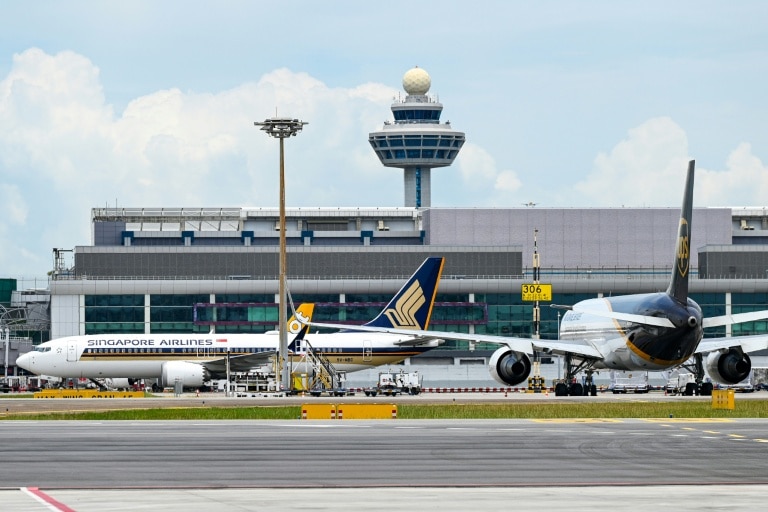
Speaking to reporters on the sidelines of an industry event in Singapore, IATA Director General Willie Walsh warned that restoring stable jet fuel supplies will not be a quick fix, even with crude shipments resuming through the strait. “It will still take a period of months to get back to where supply needs to be given the disruption to the refining capacity in the Middle East,” Walsh said, pushing back against suggestions that normalization could happen in a matter of weeks.
The breakthrough ceasefire between the United States and Iran, reached just one hour before a Trump administration deadline for Iran that carried a threat of military action, paved the way for a temporary two-week halt to hostilities and Iran’s commitment to reopen the strait. The news triggered an immediate sharp drop in global oil prices on Wednesday, but Walsh emphasized that refining disruptions leave lasting supply bottlenecks that will not disappear overnight.
“Even if you have the flow of crude start again, if you’ve had disruptions in refining capacity, then the problem continues for some time,” he explained. Walsh also noted that many industry stakeholders have underestimated how concentrated global energy refining capacity is in key Middle Eastern regions, leaving the entire supply chain more vulnerable to regional conflict than many had anticipated.
Looking ahead to the impact on air passengers, Walsh said past industry trends make one outcome inevitable: higher jet fuel costs will be passed to consumers through increased airfare prices. On the topic of shifting air traffic routes, Walsh noted that some services previously routed through Middle Eastern airspace have been redirected to non-regional carriers, but characterized this shift as a temporary arrangement. Non-Middle Eastern airlines cannot fully replace the extensive network capacity offered by major Gulf carriers, he added, predicting that Gulf aviation hubs will rebound quickly once supply and stability are restored.