标签: Oceania

大洋洲

  • Paralympics open with Russian athletes booed in ceremony

    Paralympics open with Russian athletes booed in ceremony

    The Milan-Cortina 2026 Winter Paralympics launched Friday evening with an opening ceremony overshadowed by geopolitical tensions, as Russian athletes faced audible disapproval from sections of the audience during their procession under the national flag—marking their first such appearance since 2014.

    The International Paralympic Committee (IPC) permitted six Russian and four Belarusian athletes to compete under their national flags despite ongoing military conflicts, a decision that triggered formal boycotts from seven nations including Ukraine, Czech Republic, and several Baltic states. These countries refused to participate in the historic Verona Arena ceremony in protest.

    IPC President Andrew Parsons defended the move, referencing a September General Assembly vote that reinstated Russia and Belarus under their flags. “Unfortunately, the situation has not changed,” Parsons remarked during his address, alluding to global conflicts. “In a world where some countries are better known by the names of their leaders, I prefer to know countries by the names of their athletes.”

    The ceremony, attended by Italian Prime Minister Giorgia Meloni and President Sergio Mattarella, featured a drum performance by Stewart Copeland of The Police and a minimalist rendition of the Italian national anthem. During the athletes’ parade, the Russian delegation of four competitors was met with booing from certain spectators and volunteers, while the Ukrainian flag received sustained applause. Boycotting nations were represented only by flag-bearing volunteers without athletes or officials.

    Giovanni Malago, president of the organizing committee, emphasized the games’ “message of peace, inclusion, and solidarity,” noting its heightened significance amid current global tensions. The event occurs against the backdrop of multiple international conflicts, marking the third time in four Winter Paralympics that the Games have opened proximate to armed hostilities.

    Competitions begin Saturday across three venues in northern Italy, featuring over 600 athletes in six sports. Cortina hosts wheelchair curling, para alpine skiing, and para snowboarding; Milan’s Santagiulia Arena stages para ice hockey; and Val di Fiemme welcomes para biathlon and cross-country skiing. The Games continue through March 15, with notable participants including British para snowboarder Davy Zyw (the first athlete with motor neurone disease in snow sports) and El Salvador’s David Chavez (first Winter Games competitor from his nation).
  • Oil prices surge as Mideast war rages, stocks fall on US jobs

    Oil prices surge as Mideast war rages, stocks fall on US jobs

    Global financial markets experienced significant turbulence Friday as escalating Middle East tensions triggered a dramatic surge in oil prices while disappointing U.S. employment data sparked equity selloffs worldwide.

    Brent North Sea crude, the international benchmark, skyrocketed 8.5% to $92.69 per barrel, marking a nearly 30% weekly increase following President Trump’s declaration that only Iran’s “unconditional surrender” would end the ongoing conflict. The U.S. benchmark West Texas Intermediate crude surged over 12% to exceed $90 per barrel, reaching heights not seen in recent years.

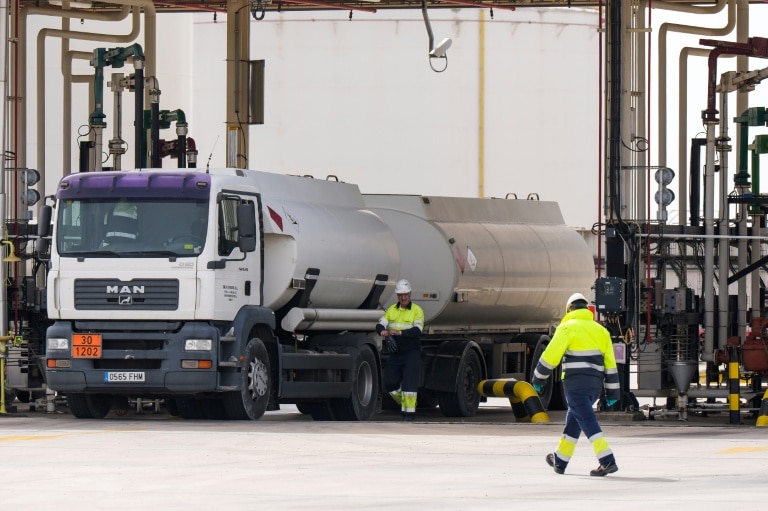
    The dramatic price escalation stems from critical supply disruptions in the Strait of Hormuz, where maritime traffic has virtually ceased despite Trump’s pledge to protect shipping routes. This vital waterway typically handles approximately 20% of global crude oil and liquefied natural gas supplies, making its disruption particularly consequential for energy markets.

    Market analysts noted that earlier optimism for a rapid resolution has evaporated. “Trump’s comments dashed hopes that the conflict would be averted quickly, and the oil price has continued its push higher,” stated XTB research director Kathleen Brooks.

    The energy crisis intensified with reports of attacks on oilfields in southern Iraq and the northern Kurdistan region, forcing a U.S.-operated facility to halt production. Additionally, Kuwait began reducing output due to insufficient petroleum storage capacity, according to Wall Street Journal reports.

    Simultaneously, U.S. economic indicators disappointed investors. The Labor Department reported an unexpected loss of 92,000 jobs in February, reversing January’s revised growth of 126,000 positions. Unemployment edged upward while retail sales declined 0.2% in January, painting a concerning picture of economic momentum.

    The dual pressures of energy-driven inflation and economic softening created a complex scenario for monetary policy. JPMorgan Chase analysts noted that while Trump’s shipping protection pledge reduced some risk premium, it would have “limited impact unless Iran’s extensive disruption capabilities are first neutralized.”

    Wall Street’s major indices closed down approximately 1-1.6%, with European markets following suit despite earlier resilience. The DAX, CAC 40, and FTSE 100 all finished with losses exceeding 0.7%.

    Notably, Boeing defied the market trend, climbing 4.1% on reports of impending major sales agreements with Chinese carriers, highlighting how company-specific developments can outweigh broader market pressures.

    The prolonged energy price surge has raised concerns about persistent inflationary pressures that could constrain central banks’ ability to implement growth-supporting interest rate cuts, potentially delaying anticipated monetary easing until September according to current market expectations.

  • Cuba ‘next’ on agenda, after Iran: Trump

    Cuba ‘next’ on agenda, after Iran: Trump

    President Donald Trump has identified Cuba as the next priority on his foreign policy agenda following ongoing tensions with Iran, declaring the communist nation is poised for imminent collapse. In a phone interview with CNN, Trump revealed his administration’s intensified focus on Cuba after what he described as 50 years of waiting for political change.

    The president specifically designated Secretary of State Marco Rubio, whose parents emigrated from Cuba, as his principal advisor on Cuban affairs. Both officials have openly expressed their commitment to regime change in Havana, mirroring their previous approach toward Venezuelan leader Nicolas Maduro.

    This renewed pressure coincides with recent diplomatic engagements between U.S. officials and Cuban religious leaders. Rob Allison, the State Department’s coordinator for Cuban affairs, alongside charge d’affaires Mike Hammer, met with Cardinal Juan de la Claridad and Bishop Arturo Gonzalez to discuss humanitarian assistance and necessary reforms.

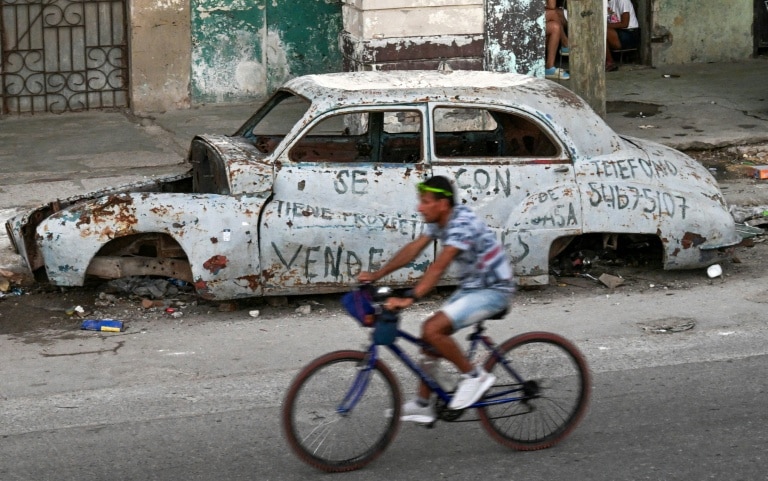
    The Trump administration has implemented an energy blockade that has severely impacted Cuba’s economy since January, resulting in suspended oil shipments, airline cancellations, and widespread power outages. While Washington recently permitted limited oil imports through private companies, Cuba continues to experience severe shortages of fuel, medicine, and food.

    The Catholic Church has historically mediated between the two nations, having facilitated the diplomatic normalization under President Obama in 2015 and a prisoner exchange agreement with the Biden administration. However, Trump reinstated Cuba’s designation as a state sponsor of terrorism immediately upon returning to office in January 2025, reversing previous diplomatic progress.

  • NASA defense test kicked asteroid off course — and changed its orbit around the sun

    NASA defense test kicked asteroid off course — and changed its orbit around the sun

    In a groundbreaking demonstration of planetary defense capability, NASA’s intentional collision with a distant asteroid has yielded unprecedented results that extend beyond initial projections. The Double Asteroid Redirection Test (DART), conducted four years ago, has not only successfully altered the orbital dynamics between asteroid Dimorphos and its larger companion Didymos but has fundamentally changed their collective path around the Sun.

    According to new research published in Science Advances, the September 2022 mission represents humanity’s first measurable alteration of a celestial body’s solar orbit. The study involved an international team of researchers who employed sophisticated observation techniques, including stellar occultation tracking—monitoring momentary dimming of stars as asteroids passed before them—to obtain hyper-precise measurements of the binary system’s new trajectory.

    The research effort leveraged contributions from volunteer astronomers worldwide who recorded 22 stellar occultation events. Combined with years of additional observational data, the team achieved unprecedented precision in measuring the orbital modifications. While the change appears minute—a mere 0.15-second adjustment—scientists emphasize its profound implications for future planetary defense strategies.

    NASA’s Thomas Statler noted that ‘given enough time, even a tiny change can grow to a significant deflection,’ validating kinetic impact as a viable technique for Earth protection against asteroid hazards. The mission specifically demonstrated that impacting one member of a binary asteroid system can effectively deflect the entire pair.

    The successful experiment provides crucial data for developing defense protocols against potential future asteroid threats, marking a pivotal advancement in humanity’s capacity to safeguard our planet from cosmic impacts.

  • Trump to attend return of six US troops killed in Iran war

    Trump to attend return of six US troops killed in Iran war

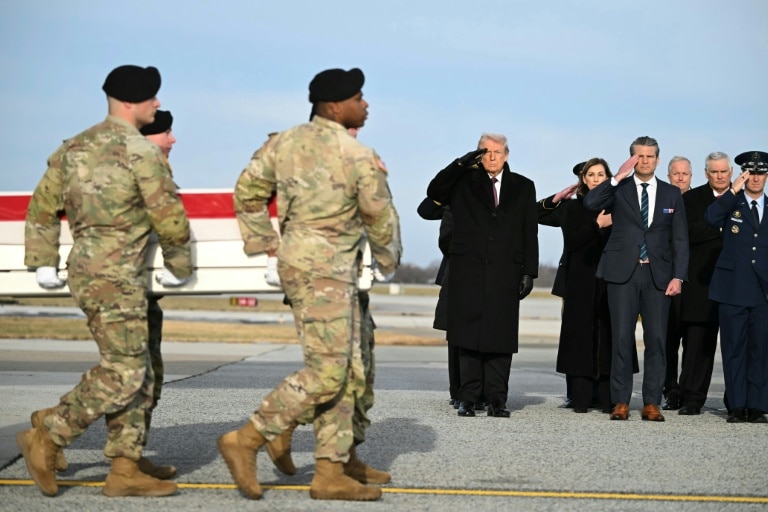
    President Donald Trump will attend the dignified transfer ceremony at Dover Air Force Base on Saturday for six American service members killed in an Iranian drone strike on a U.S. command center in Kuwait. The attack occurred Sunday at Port Shuaiba, Kuwait’s southern industrial hub, marking the first American casualties in the escalating conflict with Tehran.

    The fallen soldiers—five men and one woman ranging from 20 to 54 years old—were assigned to the 103rd Sustainment Command, a unit responsible for supplying troops with essential provisions including food, fuel, equipment, and ammunition. Their deaths occurred just one day after the United States and Israel initiated a comprehensive military campaign against Iran.

    The dignified transfer represents one of the most solemn presidential duties, constituting a meticulously choreographed military ritual rather than a formal government ceremony. During the proceedings, flag-draped transfer cases containing the remains of fallen personnel are carried from aircraft by service members from the same branch, then transported to vehicles for movement to the Dover mortuary facility. There, the Armed Forces Medical Examiner System conducts identification procedures and prepares the remains for burial.

    White House spokeswoman Karoline Leavitt confirmed the President’s attendance, stating: ‘Tomorrow, he’ll be traveling to Joint Base Dover to attend the dignified transfer of the remains of the six service members who were killed in the opening salvo that Iran launched at our forces.’

    This tragic incident highlights the increasing dangers facing U.S. personnel deployed throughout the Middle East as hostilities with Iran intensify. Tehran has launched drones and missiles toward American and allied targets across the region, with U.S. officials warning that the conflict may escalate further in coming days. President Trump has attended multiple such transfer ceremonies throughout his presidency, demonstrating his commitment to honoring those who make the ultimate sacrifice for their nation.

  • Fatbikes are wreaking havoc in Sydney’s wealthy beach suburbs

    Fatbikes are wreaking havoc in Sydney’s wealthy beach suburbs

    Across Sydney’s affluent coastal suburbs, from Manly to Bondi and Cronulla, a growing phenomenon of teenagers riding illegally modified electric fatbikes has escalated into a full-blown public safety crisis. These thick-tired vehicles, originally designed for off-road terrain, have been systematically jailbroken to exceed legal speed limits by 300%, transforming them into high-velocity machines that weave through traffic, dominate footpaths, and even invade golf courses.

    The situation has reached critical levels as hospitals report alarming spikes in e-bike-related injuries. Sydney’s Royal North Shore Hospital trauma specialist Dr. Brian Burns reveals that e-bike injuries are becoming ‘business as usual’ in trauma centers, with doctors regularly treating significant brain injuries and friction burns. St Vincent’s Hospital reported a 350% increase in serious e-bike injuries since 2023, highlighting the devastating human cost of this unchecked trend.

    Multiple factors converge to create this perfect storm: favorable riding weather, affluent parents who can afford the AUD$3,000+ bikes, inadequate public transportation, and critical regulatory gaps. The crisis intensified after 2021 when federal import restrictions loosened, allowing bikes without proven safety standards to flood the market. Subsequently, New South Wales doubled the permitted power wattage to 500w in 2023, while retailers exploited loopholes by providing PIN codes to unlock higher speeds.

    Pedestrians, motorists, and even responsible e-bike users express growing frustration. Northern Beaches resident Andre reports teens overtaking his Vespa at 50-60km/h on footpaths, while Debbie recounts multiple incidents where she and her dog were ‘taken out’ by young riders. The problem is compounded by enforcement challenges, as police hesitate to pursue teens for fear of causing accidents.

    In response, the NSW government has proposed sweeping reforms including minimum age requirements, European safety standards mandating 250w maximum power, anti-tampering protections, and police authorization to crush illegal bikes. However, critics argue the response is either excessive or insufficient, with e-bike shop owner Scott Jeffery calling for education before enforcement, while pedestrian safety advocate Harold Scruby insists the measures don’t address insurance gaps or footpath riding permissions.

    The tragic death of an 8-year-old in Queensland after a collision with a teenager on an illegal e-bike underscores the potentially fatal consequences, with the older teen now facing charges including dangerous operation of a vehicle causing death. As Sydney struggles to balance its cycling ambitions with public safety, the city embodies a global challenge where technological advancement has dramatically outpaced regulatory frameworks.

  • Middle East war a new shock for financial markets

    Middle East war a new shock for financial markets

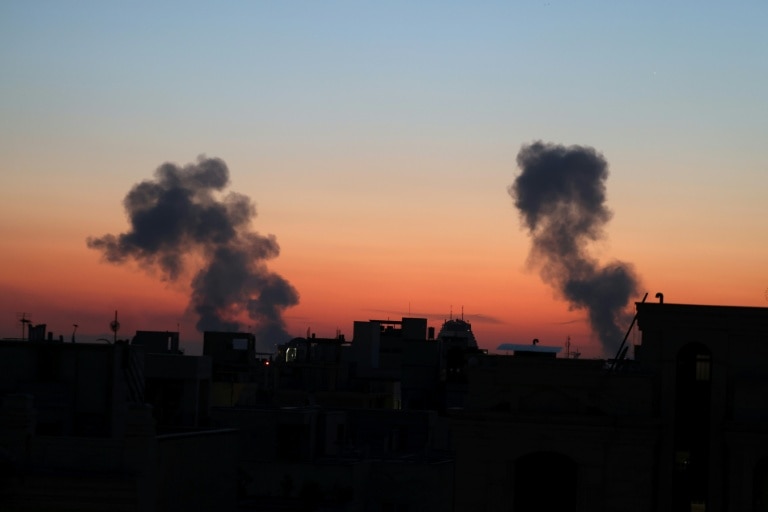
    Global financial markets are experiencing significant volatility following the escalation of military conflict in the Middle East, with energy prices surging and equity markets declining sharply across multiple continents. The confrontation between US-Israeli forces and Iran, along with Tehran’s retaliatory strikes across the Gulf region, has severely disrupted shipping through the critical Strait of Hormuz—a vital transit route for approximately 20% of global oil and liquefied natural gas supplies.

    The immediate economic impact has been dramatic: European natural gas prices have skyrocketed by 66% since last week, while international benchmark Brent crude oil surged beyond $90 per barrel, representing a more than 25% price increase. This energy shock has raised serious concerns about renewed inflationary pressures and potential slowdowns in the global economy.

    Equity markets have responded with substantial losses worldwide. European markets have declined significantly, with London’s FTSE losing approximately 6%, while Frankfurt and Paris indices dropped over 7%. Asian markets experienced even steeper declines, with Tokyo falling 5.5% and Seoul plunging 10.6% following a record 12% single-day drop earlier in the week.

    Market analysts note this crisis represents the latest in a series of extraordinary events that financial markets have navigated in recent years, including the COVID-19 pandemic, the Ukraine conflict’s disruption of energy and food supplies, and previous tariff offensives.

    The US dollar has emerged as an unexpected beneficiary of the turmoil, gaining 2.2% against the euro as investors seek safe-haven assets. Interestingly, traditional safe havens like gold have underperformed, declining 3.6% over the past week.

    Government bonds, typically another refuge during market stress, have instead seen rising yields. Ten-year US Treasury yields increased from 4.0% to 4.14%, while Germany’s benchmark bund yields rose from 2.6% to 2.9%. This counterintuitive movement reflects investor concerns that central banks may delay interest rate cuts in response to mounting inflationary pressures.

    Some analysts caution that prolonged conflict could raise the specter of stagflation—a combination of economic stagnation and inflation reminiscent of the 1970s oil crisis. However, others note fundamental differences in today’s economy, including reduced oil dependency and more resilient corporate supply chains. The relative outperformance of US markets, with the Dow declining approximately 3% compared to steeper losses elsewhere, reflects America’s status as a net energy exporter and its relative insulation from energy import disruptions.

  • UK police question three women in Al-Fayed probe

    UK police question three women in Al-Fayed probe

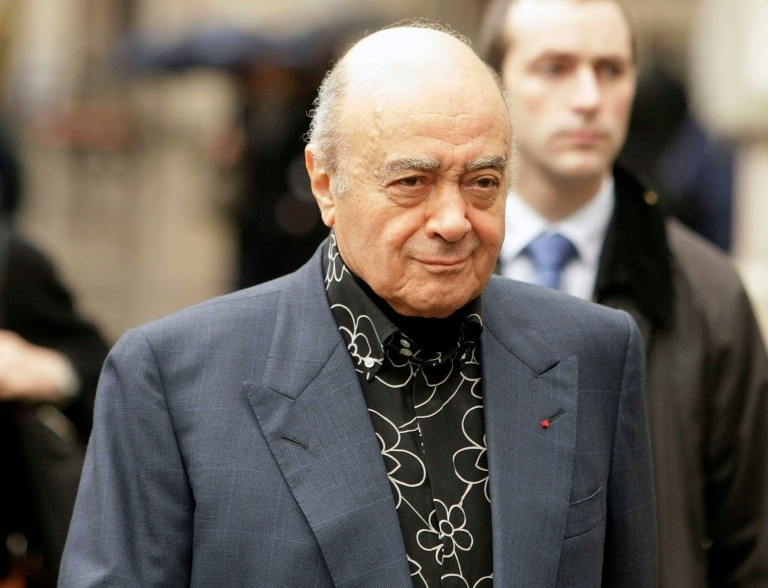
    London’s Metropolitan Police have interrogated three women as potential suspects in a major investigation into sexual offenses allegedly committed by the late Egyptian billionaire Mohamed Al-Fayed. The women, aged in their 40s, 50s, and 60s, were questioned under caution on suspicions of “aiding and abetting rape” and “human trafficking for sexual exploitation.”

    The probe, launched in 2024 following a BBC documentary revealing multiple allegations, has expanded significantly with 154 individuals coming forward with accusations against Fayed. The allegations encompass large-scale rape, sexual assault, sexual exploitation, and human trafficking operations spanning Fayed’s business empire, including Harrods department store, Fulham Football Club, and the Ritz Hotel in Paris.

    Commander Angela Craggs characterized the questioning as “an important step in a complex and far reaching investigation,” emphasizing that although Fayed died in 2023 at age 94 and cannot face prosecution, authorities remain determined to pursue anyone potentially complicit in his alleged offenses.

    According to victim accounts, Fayed’s operations allegedly involved a systematic selection process where women underwent invasive gynecological examinations, the results of which were reportedly shared with Fayed. Those who attempted to report abuse faced threats from senior security staff, demotions, and false allegations until they felt compelled to leave their positions.

    The Justice for Harrods Survivors group reported receiving over 400 inquiries related primarily to Harrods but also extending to Fayed’s other business ventures. The investigation continues with victims remaining central to the process as police work to comprehensively document the alleged pattern of criminal behavior.

  • Voices from Iran: protests, fear and scarcity

    Voices from Iran: protests, fear and scarcity

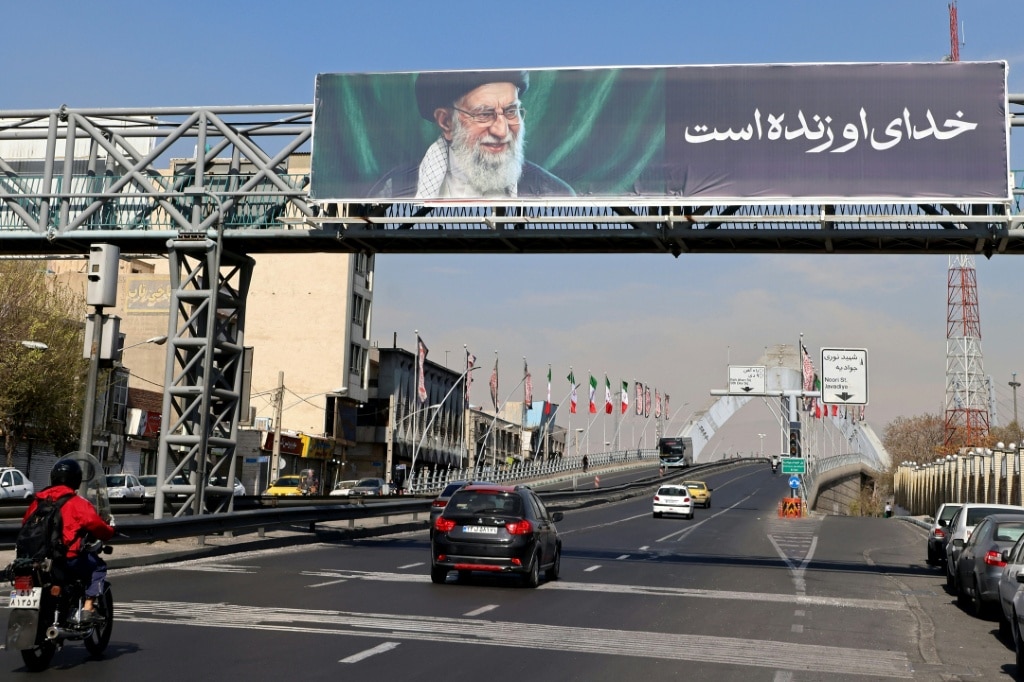
    Across the diverse landscapes of Iran, from the northwestern region of Kurdistan to the southern port city of Bandar Abbas and the capital of Tehran, citizens are grappling with the multifaceted challenges of life amidst ongoing military conflict. The persistent threat of aerial bombardment, coupled with severe economic strain and a palpable climate of fear, is defining daily existence for millions.

    In the city of Bukan, located in Iranian Kurdistan, the immediate aftermath of strikes is visible. Reza, a 36-year-old cafe owner, describes a scene of devastation near his establishment, with government and Revolutionary Guards buildings destroyed. Despite the proximity to danger, a sense of grim normalcy persists; patrons even seek outdoor seating to observe the bombardments. This resilience, however, is tempered by a severe liquidity crisis. Banks have ceased cash distributions and blocked numerous cards, prompting acts of community solidarity like Reza’s offer of free coffee to those unable to pay.

    The economic repercussions are acutely felt nationwide. From Bandar Abbas, reports indicate a halt to work and soaring inflation, with essential goods like cooking oil experiencing price increases exceeding 500%. This scarcity has forced many, including migrant workers, to flee.

    In Tehran, the psychological toll is profound. A 26-year-old teacher describes a life put on hold, dominated by stress and the constant consumption of news. The vulnerability of children is particularly noted, with widespread internet blackouts preventing normal distractions and exacerbating fear. The city’s atmosphere is described as tense and emptier, with many residents having fled. Enhanced security measures, including armed checkpoints and patrols, aim to prevent looting but contribute to public apprehension.

    The conflict has also sharpened long-standing social and political divisions. Accounts from Shiraz describe starkly different public reactions to recent events, with some citizens celebrating while government supporters stage mourning processions. This highlights the deep fissures within Iranian society. Furthermore, on the island of Kish, increased military surveillance, including searches of vehicles and mobile phones, has instilled a climate of suspicion, causing many to retreat indoors and limit movement to essential errands. The collective narrative emerging from Iran is one of a population enduring a complex crisis, balancing survival with economic hardship under the shadow of conflict and internal strife.

  • US releases Epstein files with uncorroborated Trump allegations

    US releases Epstein files with uncorroborated Trump allegations

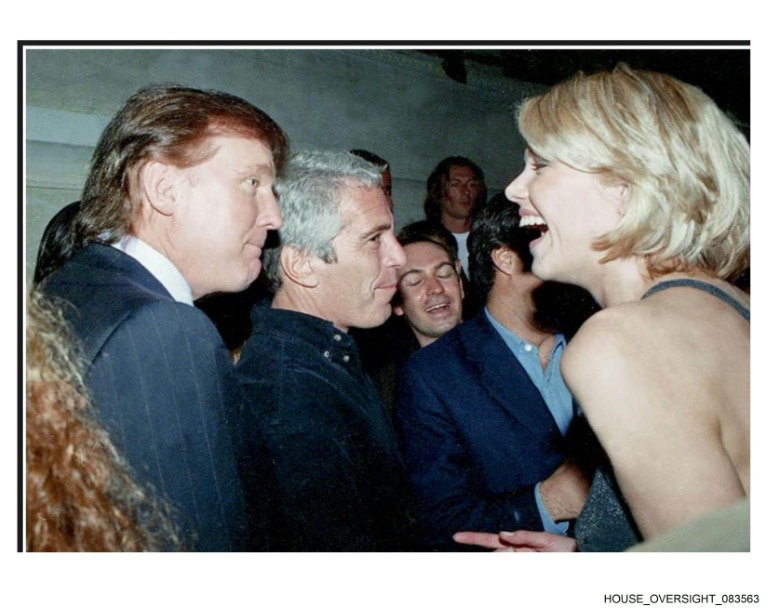
    The U.S. Justice Department has unveiled additional investigative files concerning convicted sex offender Jeffrey Epstein, releasing previously withheld FBI interview summaries that contain unverified allegations against former President Donald Trump. The documents, made public on Thursday, include three FBI 302 reports from 2019 featuring a woman’s claims that Epstein introduced her to Trump during the 1980s when she was reportedly between 13 and 15 years old.

    According to the interview summaries, the woman alleged that Trump attempted to force her into non-consensual sexual acts during an encounter arranged by Epstein. She further claimed to investigators that she resisted by biting Trump, who then allegedly struck her before having her removed from the room. The documents explicitly note that these allegations remain uncorroborated, and investigators did not indicate whether they found her account credible. Trump has consistently denied any wrongdoing.

    The release forms part of a congressional mandate to publicize millions of pages of Epstein-related records. Justice Department officials explained that these particular documents were initially withheld from earlier releases due to being mistakenly coded as duplicates during the review process.

    The newly published material includes summaries of four FBI interviews conducted with the woman between July and October 2019, following Epstein’s arrest. In these interviews, she detailed multiple instances of sexual abuse by Epstein and claimed he arranged encounters with other prominent men. However, when agents pressed for additional details about the alleged interaction with Trump in later interviews, she declined to elaborate and eventually severed contact with investigators.

    The White House has vehemently denied the allegations, with Press Secretary Karoline Leavitt stating: ‘These are completely baseless accusations, backed by zero credible evidence, from a sadly disturbed woman who has an extensive criminal history.’ Leavitt further emphasized that the Justice Department had known about these allegations for four years without taking action, suggesting this demonstrated their lack of credibility.

    The document release has intensified scrutiny of the government’s handling of Epstein records, with critics accusing the Justice Department of improperly withholding or redacting information. Democrats on the House Oversight Committee have initiated an inquiry, arguing that key records may have been improperly withheld. In a rare bipartisan move, the committee recently voted to subpoena Attorney General Pam Bondi to testify about the department’s handling of the Epstein files.