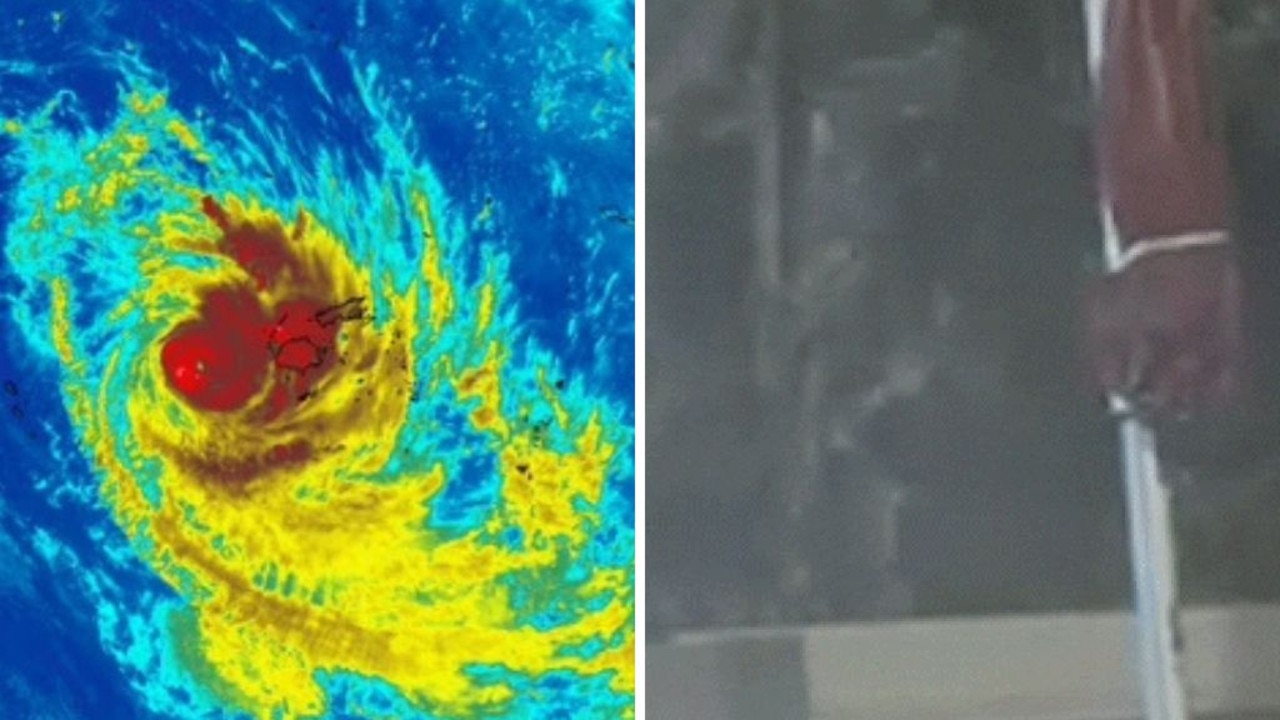
As Severe Tropical Cyclone Vaianu pummels large swathes of Fiji, hundreds of Australian holidaymakers are trapped on the island nation, enduring rolling blackouts, violent wind gusts and widespread travel disruptions that have thrown their plans to return home into chaos. With a second severe tropical storm already forming in the broader South Pacific, stranded travellers are facing a tense and uncertain wait for rescheduled flights.
One of those caught in the extreme weather is Australian tourist Melanie Harris, who travelled to Fiji for a dream vacation with her young son. What was supposed to be a relaxing getaway has quickly morphed into a frightening ordeal, as the category cyclone unleashes its power across the island chain.
“The wind is loud, relentless, and completely unpredictable,” Harris told 9News in an interview from her resort, located roughly an hour’s drive south of Fiji’s main tourist hub Nadi. “You can hear it constantly, even through the thick walls of our accommodation. It just puts you on edge the entire time.”
Harris described a harrowing scene during dinner on Wednesday, when she and her son heard debris flying through the air outside, hurled by wind gusts that have hit speeds of over 100 kilometres per hour. Repeated, unannounced blackouts have made overnight stays particularly unsettling, she said. “Everything suddenly goes dark and the wind is still howling outside,” she explained. “It just didn’t feel safe at all.”
The danger has already led to one scare for the pair: Harris’ son slipped on rain-soaked tiles amid the wild conditions and hit his head, a moment that left the already stressed mother panicking. “You’re already on edge from the storm, and then something like that happens,” Harris said. “It just takes everything to another level.”
Nearly all scheduled day trips and tourist activities across Fiji have been cancelled as resort management prioritize guest safety, leaving many visitors waiting for refunds while they shelter in place. Harris said that while resort staff have attempted to assist trapped guests, they are stretched thin by the scale of the emergency and have little updated information to share. “They have almost been downplaying the cyclone and don’t have much information to give,” she said. Harris is now making plans to relocate to a more structurally secure hotel, as she anxiously waits to see if her scheduled flight back to Australia on Sunday will still depart.
Travel disruptions are already being felt across regional air routes. One commercial flight from Sydney to Fiji was forced to divert to Nuku’alofa in Tonga earlier this week after encountering severe turbulence and dangerous weather conditions linked to Cyclone Vaianu.
Australia’s Department of Foreign Affairs and Trade (DFAT) has issued an official advisory for travellers in Fiji, urging people to stay alert and follow guidance from local emergency authorities. “Flights may be delayed or cancelled, and essential services may be disrupted,” the DFAT statement read. “Know your accommodation’s evacuation plan. If a cyclone is approaching your area, find your nearest shelter and follow the advice of local authorities.” Travellers have been advised to reach out directly to their airlines and accommodation providers to get the latest updates on changes to their travel plans.
Forecasters warn the regional weather situation could grow even more unstable in the coming days. Australia’s Bureau of Meteorology is currently monitoring a second severe system, Severe Tropical Cyclone Maila, which is currently tracking across the Solomon Sea near the Solomon Islands. The system is expected to track towards Papua New Guinea in the next 48 hours, before potentially moving closer to Australia’s far northern coast.
As for Vaianu, current forecasting models show the cyclone will track south towards New Zealand, where it is expected to bring heavy rain, strong winds and potential flooding to parts of the North Island, including Auckland, later this week.