标签: Oceania

大洋洲

  • Gold Coast Suns challenged by coach to stop being ‘good’ and become ‘great’

    Gold Coast Suns challenged by coach to stop being ‘good’ and become ‘great’

    Despite opening their AFL campaign with two commanding victories, the Gold Coast Suns are refusing to settle for mere adequacy as they pursue true greatness under coach Damien Hardwick.

    The team has electrified the early season with resounding home triumphs, dismantling Geelong by 56 points before delivering a 59-point demolition of West Coast. However, these substantial margins have failed to satisfy the coaching staff’s demanding standards.

    Attention now turns to Saturday’s MCG encounter against Richmond, where the Suns aim to address concerning elements from their recent performance. While establishing a formidable 62-point halftime advantage against West Coast, the team experienced a noticeable second-half dip that drew internal criticism.

    Wingman Sam Clohesy articulated the team’s philosophy, emphasizing their obligation to uphold certain standards when wearing the club jersey. “We probably did let it off a little bit against the Eagles,” Clohesy acknowledged. “It’s about maintaining intensity and making other teams genuinely concerned about facing us.”

    The playing group embraces Hardwick’s mantra that “being good stops you from being great”—a principle driving their pursuit of continuous improvement despite double-digit victory margins. Clohesy identified the second-half performance against West Coast as particularly needing refinement, noting opponents elevated their intensity while the Suns failed to match this escalation adequately.

    Internal competition provides additional motivation, with no player afforded complacency due to emerging talent and returning stars. The imminent return of Brownlow medallist Matt Rowell and defender Charlie Ballard, combined with exceptional performers in reserve grades, creates selection pressure that elevates training standards and on-field performance.

    This environment fosters collective elevation, with players understanding their positions remain constantly under threat. The club’s depth and competition have generated palpable excitement about their long-term prospects, with players convinced they possess the foundation for sustained success in coming seasons.

  • Israel strikes Tehran, Beirut as Iraq pulled deeper into Mideast war

    Israel strikes Tehran, Beirut as Iraq pulled deeper into Mideast war

    The Middle East conflict escalated dramatically on Tuesday as Israeli forces launched coordinated strikes against Tehran and Beirut, simultaneously drawing Iraq deeper into a widening regional war that has triggered global economic disruption and massive civilian displacement.

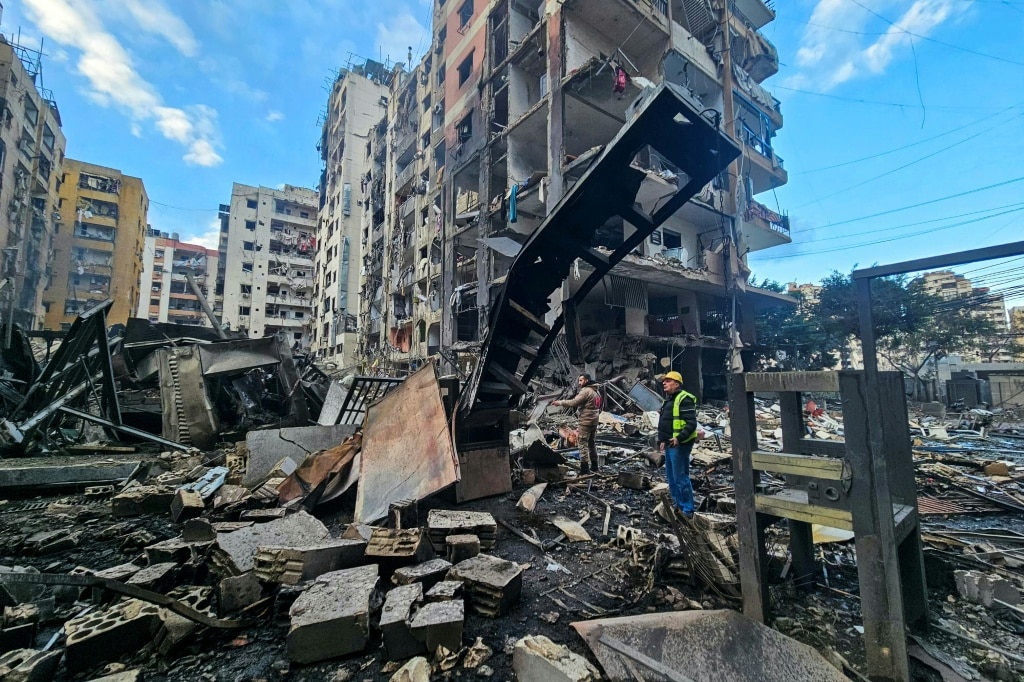
    Israeli military operations targeted what officials described as ‘terror regime infrastructure’ in the Iranian capital, which has endured near-daily bombardment since the joint U.S.-Israeli initiation of hostilities on February 28. Concurrently, dawn strikes hit a residential building in Beirut’s southern suburbs, a known stronghold of the Iranian-backed Hezbollah militant group.

    The conflict, now entering its third week, has resulted in hundreds of casualties and expanded to include Iranian retaliatory strikes against Gulf nations. Lebanese authorities report over one million registered displaced persons since March 2, with approximately 130,000 seeking refuge in more than 600 collective shelters.

    Iraq’s deepening involvement became evident as drone and rocket attacks targeted the U.S. embassy complex in Baghdad’s fortified Green Zone early Tuesday. Additional strikes killed four individuals at a residence reportedly hosting Iranian advisors, highlighting the nation’s continued role as a proxy battleground between U.S. and Iranian interests.

    The economic repercussions have been severe, with global oil prices surging over 40% since the conflict’s inception. The strategic Strait of Hormuz, through which approximately one-fifth of global crude oil passes, has experienced significant traffic disruption due to repeated attacks on oil infrastructure, including major fields in the United Arab Emirates and southern Iraq.

    Australia’s central bank responded to the crisis by raising key interest rates Tuesday, citing ‘sharply higher fuel prices’ directly attributable to the conflict.

    Diplomatic tensions intensified as several nations distanced themselves from U.S. President Donald Trump’s demand for allied participation in securing the Strait of Hormuz. British Prime Minister Keir Starmer indicated London was developing alternative plans with allies but explicitly ruled out NATO involvement, a position echoed by Germany, Japan, Australia, and several European Union members.

    Western allies including Canada, France, Germany, Italy, and the United Kingdom have concurrently urged Israeli restraint in Lebanon, where limited ground operations against Hezbollah have been announced. Israeli President Isaac Herzog countered these appeals, calling for European support in ‘any effort to eradicate Hezbollah now.’

    Iranian Foreign Minister Abbas Araghchi maintained a defiant stance, asserting Tehran’s readiness to ‘continue the war wherever it may lead’ despite significant casualties and infrastructure damage. The UN refugee agency estimates up to 3.2 million people have been displaced within Iran, where security forces previously suppressed domestic protests with lethal force.

  • Why did only two Iranian football players stay in Australia?

    Why did only two Iranian football players stay in Australia?

    In a revealing post-tournament development, Australia’s offer of humanitarian visas to seven members of Iran’s national football team has resulted in just two players choosing to remain in the country. The decision-making process, as detailed by BBC correspondent Katy Watson, highlights the complex considerations facing athletes from nations with strained international relations.

    The Australian government extended the humanitarian protection following the team’s participation in recent international matches, creating a potential pathway for players seeking political asylum or refuge from persecution. Despite this opportunity, the majority of the squad ultimately returned to Iran, underscoring the powerful personal and professional ties that compel athletes to maintain their homeland connections.

    This incident occurs against a backdrop of heightened geopolitical tensions and follows patterns of defection concerns involving Iranian athletes abroad. The relatively low uptake of Australia’s visa offer suggests either improved conditions for athletes within Iran or the significant personal sacrifices involved in permanent relocation. Sports analysts note that such decisions frequently involve weighing family security, career prospects, and national loyalty against political circumstances.

    The two players who remained join a growing diaspora of Iranian athletes who have sought international protection in recent years, though their identities and specific reasons for staying remain protected for privacy and security reasons. Australian immigration authorities have maintained strict confidentiality regarding individual cases, citing standard procedures for humanitarian visa recipients.

  • Iran ‘negotiating’ with FIFA over moving World Cup games to Mexico: embassy

    Iran ‘negotiating’ with FIFA over moving World Cup games to Mexico: embassy

    The Iranian Football Federation has initiated formal negotiations with FIFA to transfer its 2026 World Cup group stage matches from the United States to Mexico, citing substantial security apprehensions and logistical complications. This diplomatic maneuver follows controversial statements from former U.S. President Donald Trump regarding the safety of Iranian athletes on American soil.

    Iran’s participation in the prestigious tournament, co-hosted by the United States, Canada, and Mexico from June 11 to July 19, 2026, has encountered significant uncertainty amidst escalating Middle Eastern tensions. The situation deteriorated when Trump publicly declared that the Iranian national team should reconsider their travel plans “for their own life and safety,” despite previously extending welcome through FIFA President Gianni Infantino.

    Mehdi Taj, President of Iran’s Football Federation, explicitly stated through the Iranian Embassy in Mexico’s official channels: “When Trump has explicitly stated that he cannot ensure the security of the Iranian national team, we will certainly not travel to America. We are currently negotiating with FIFA to hold Iran’s matches in the World Cup in Mexico.”

    Iran’s scheduled matches include confrontations with New Zealand and Belgium in Los Angeles, followed by a crucial game against Egypt in Seattle. The team’s designated training base in Tucson, Arizona, now faces potential abandonment.

    Abolfazl Pasandideh, Iran’s Ambassador to Mexico, has formally criticized the U.S. government’s alleged lack of cooperation regarding visa processing and logistical support for the Iranian delegation. The ambassador confirmed having personally proposed to FIFA the relocation of Iran’s matches to Mexican venues.

    The geopolitical context underscores these developments, with recent military engagements between the United States, Israel, and Iran exacerbating diplomatic tensions. Iran has emphatically asserted that “no one can exclude Iran’s national team from the World Cup,” reflecting their determination to compete despite political challenges.

    FIFA has not yet issued an official response to these negotiation requests or the surrounding controversy, leaving the football world awaiting resolution of this unprecedented international sports diplomacy dilemma.

  • AFL 2026: Essendon defender Ben McKay quick to shut down Matthew Lloyd’s analysis

    AFL 2026: Essendon defender Ben McKay quick to shut down Matthew Lloyd’s analysis

    Essendon Football Club’s key defender Ben McKay has delivered a robust response to critiques from premiership greats, staunchly defending his team’s effort and commitment following a disappointing Round 1 performance against Hawthorn. The Bombers’ significant loss prompted former champion Matthew Lloyd to characterize his old side as “out of their depth” and “lazy” in their season opener.

    McKay, however, presented a counter-narrative during a media appearance. He attributed the loss not to a lack of effort but to deficiencies in on-field decision-making and execution. The defender emphasized his role as a senior player in shielding younger teammates from external criticism and reinforcing the internal guidance provided by coach Brad Scott and high performance manager Dean Solomon.

    The debate expanded when another premiership forward, Richmond’s Jack Riewoldt, questioned Essendon’s standing among Victoria’s traditional “big four” clubs, citing their prolonged finals victory drought spanning over two decades. McKay met this assertion with firm opposition, labeling the view as “ignorant.” He pointed to the club’s substantial fan base, consistent sell-out crowds—including approximately 85,000 attendees in their opening match—and rich historical legacy as irrefutable evidence of their elite stature.

    While acknowledging that on-field success is the ultimate measure of relevance, McKay expressed confidence that improved performances would naturally silence detractors and restore full pride among the Essendon faithful.

  • Sao Paulo AI policing nabs criminals, and a few innocents

    Sao Paulo AI policing nabs criminals, and a few innocents

    Sao Paulo has deployed Latin America’s most extensive artificial intelligence surveillance system in an ambitious attempt to combat the city’s persistent crime rates. The Smart Sampa program, launched in 2024, utilizes 40,000 cameras scanning the streets of Brazil’s largest metropolis, comparing real-time images against judicial databases to identify wanted individuals.

    The system has demonstrated significant operational success, capturing approximately 3,000 fugitives and intercepting nearly 4,000 criminal acts in progress. Municipal Security Secretary Orlando Morando enthusiastically endorsed the program, stating the captured fugitives could fill seven prisons and that he ‘can no longer imagine Sao Paulo without Smart Sampa.’ The technology’s capabilities were demonstrated when Morando’s own image was tracked across multiple locations within seconds.

    However, the implementation has revealed substantial flaws. Official transparency reports indicate that over 8% of arrests made through the system during its first year resulted in erroneous detentions. At least 59 individuals were released after being misidentified, including an 80-year-old retiree mistaken for a rapist and psychiatric patients interrupted during therapy sessions by armed police.

    Further concerns have emerged regarding the system’s application beyond serious crimes. Nearly half of captured fugitives were wanted for ‘other’ offenses, predominantly child support payments—civil matters largely unrelated to public security. Critics argue the system enables ‘civil control’ rather than addressing violent crime.

    Additional questions about potential algorithmic bias remain unanswered due to significant data gaps. Racial identity information is missing for more than half of those detained, creating uncertainty about whether the system exhibits racial bias in a country with one of the world’s largest Black populations. Studies from other nations have indicated facial recognition technologies frequently demonstrate higher error rates when processing darker-skinned individuals.

    Despite these issues, government officials maintain the system has contributed to a nearly 15% reduction in robberies while deflecting responsibility for outdated warrants and missing racial data to the judiciary system.

  • Sweden’s prisons prepare to house young teens

    Sweden’s prisons prepare to house young teens

    In a groundbreaking shift in juvenile justice policy, Sweden’s prison system is undergoing radical transformations to accommodate offenders as young as 13 years old. The Rosersberg correctional facility north of Stockholm stands among eight institutions preparing for this controversial transition scheduled for July 1, following the government’s decision to lower the criminal responsibility age from 15 to 13 for serious offenses carrying minimum four-year sentences.

    The minority right-wing government, supported by far-right Sweden Democrats, initiated this reform as a strategic response to combat criminal networks increasingly recruiting minors as hitmen for bombings and shootings. Previously, underage offenders faced placement in secure youth care homes (SiS-hem), but these facilities have reportedly become recruitment grounds for gang activities, prompting the judicial overhaul.

    Extensive modifications are underway at Rosersberg to create age-appropriate detention environments. Authorities have transferred adult inmates to other facilities, redesigned 10-square-meter single cells previously shared by two adults, and implemented vibrant green color schemes. Each cell now features television sets, while shared spaces include redesigned yards with greenery, sofas, and training areas. Notably, cigarette receptacles have been removed in compliance with smoking prohibitions for minor inmates.

    The institutional framework emphasizes educational development, with mandatory schooling until age 16 integrated into the correctional program. Specially designed classrooms have replaced the cafeteria that previously separated adult and youth sections. Security protocols require doubled guard-to-inmate ratios compared to adult facilities, with officers assuming expanded responsibilities as de facto legal guardians addressing behaviors ranging from school attendance resistance to homework completion.

    Despite governmental justification citing crime prevention necessities, the reform faces substantial opposition from child rights organizations and institutional stakeholders. Julia Hogberg, legal adviser to children’s rights group Bris, contends that incarcerating young adolescents risks counterproductive outcomes, potentially lowering criminal recruitment ages further while harming developmental progress and increasing recidivism risks. Critics argue this policy shift undermines Sweden’s longstanding reputation as a global model for children’s rights, particularly concerning the maintained age of criminal responsibility throughout 150 years of varying crime rates.

    The government maintains its position that stringent measures are essential to address escalating youth involvement in serious crimes, pushing multiple reforms ahead of September legislative elections.

  • ‘Make you pay’: The one area Cronulla must fix after they were exposed by Penrith’s brick wall defence

    ‘Make you pay’: The one area Cronulla must fix after they were exposed by Penrith’s brick wall defence

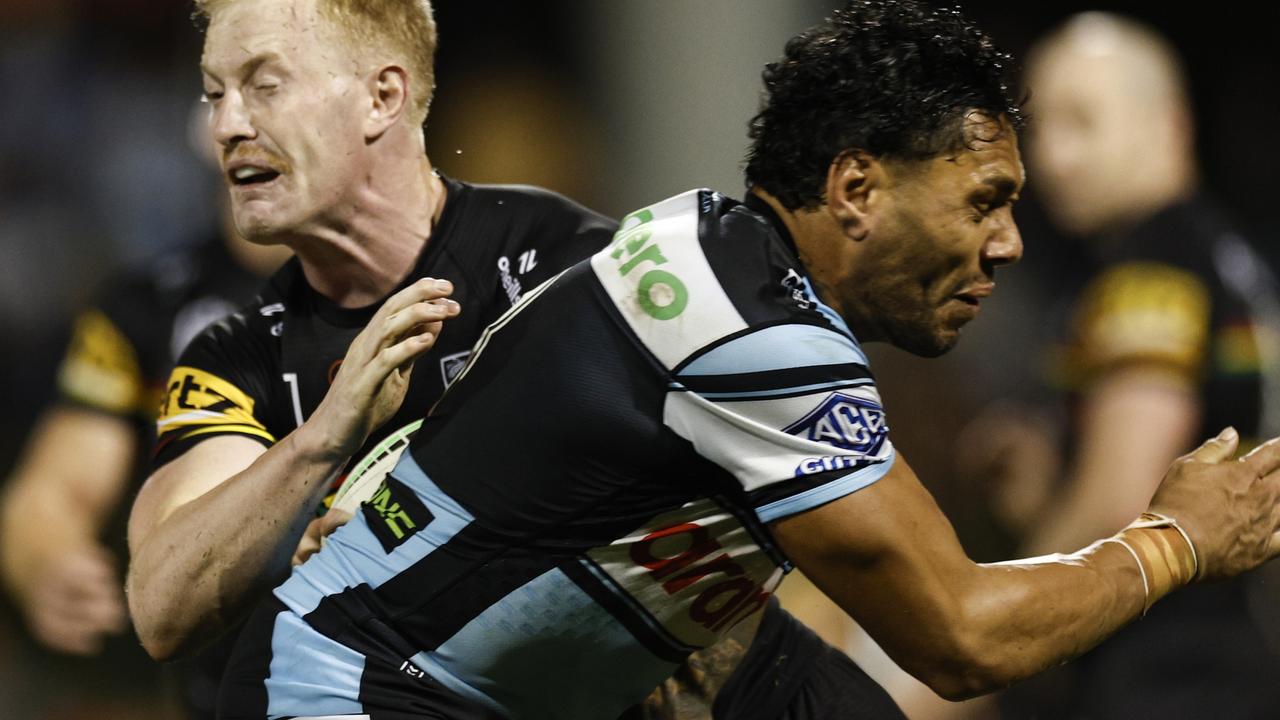
    Following a stark contrast in early-season performances, the Cronulla Sharks are undertaking a critical strategic reassessment of their offensive approach. Their campaign opened with an explosive 50-point triumph over the Gold Coast Titans, showcasing an attack capable of dismantling opponents. However, this momentum was decisively halted by the Penrith Panthers, the NRL’s reigning powerhouse, in a match that served as a sobering reality check.

    The encounter in Bathurst highlighted a significant disparity in defensive pressure. While the Sharks engineered eight line breaks against the Titans, the Panthers’ formidable defensive structure limited them to a mere two. Compounding this issue, Cronulla’s error count soared to 13 handling errors, providing constant opportunities for a Penrith side renowned for capitalizing on opposition mistakes.

    Five-eighth Braydon Trindall pinpointed the core lesson learned from the defeat. He emphasized that attempting complex attacking plays against an unpressured defensive line, such as Penrith’s, is a futile endeavor. The key, according to Trindall, lies in the methodical building of pressure through disciplined sets, working over the opposition’s defence before unleashing their structured attacking moves.

    The challenge now shifts to applying this refined strategy against the unpredictable Dolphins. Co-captain Blayke Brailey acknowledged the unique threat posed by a team that thrives on unstructured, ad-lib football. However, he stressed that the Sharks’ focus remains internally on perfecting their own systems rather than being drawn into a chaotic, offload-heavy contest. A primary concern is containing the electric Dolphins fullback, Hamiso Tabuai-Fidow, whose blistering pace and individual brilliance have previously punished Cronulla. Brailey underscored that only cohesive team defence and unwavering communication can neutralize such a potent offensive weapon.

  • Aussie shoppers keep splashing cash as rate hike looms

    Aussie shoppers keep splashing cash as rate hike looms

    In a development that poses significant challenges for monetary policymakers, Australian household expenditure has demonstrated remarkable resilience by continuing its upward trajectory despite mounting cost-of-living pressures. The latest data from National Australia Bank reveals consumer spending increased by 0.4% in February, maintaining a robust annual growth rate of 6.7%.

    The persistent spending patterns emerge at a critical juncture, with the Reserve Bank of Australia preparing to announce its interest rate decision. This sustained consumer activity complicates the central bank’s ongoing campaign against inflation, particularly as spending growth spans both services and goods categories. Service expenditures rose 0.5% monthly, led by cafes and restaurants, while goods spending increased 0.4%, primarily driven by a 0.9% surge in food costs.

    NAB economist Gareth Spence noted that despite economic pressures, household balance sheets have shown improvement. “Real incomes have grown approximately 3.8% over the past year, representing a significant contrast to previous inflation cycles,” Spence observed. He added that households appear relatively well-positioned to navigate potential economic challenges, though acknowledging varying degrees of financial pressure across different demographic groups.

    Paradoxically, while spending remains strong, new data from ANZ and Roy Morgan indicates consumer confidence has plummeted to pandemic-era lows, registering just 68.5 on their index. This confidence measure sits well below the 100-point threshold that separates optimism from pessimism, suggesting consumers are spending despite growing economic concerns rather than because of positive expectations.

    The Australian Bureau of Statistics reports the household saving-to-income ratio has climbed to 6.9% – the highest level since September 2022 and above pre-pandemic averages. This indicates that despite increased spending, disposable income growth of 1.8% has outpaced nominal spending growth of 1.1%, providing some buffer against economic headwinds.

    Economists warn that sustained oil prices above $100 per barrel could directly add approximately 1% to living costs, potentially forcing the RBA to maintain a more hawkish stance on interest rates than previously anticipated.

  • Paul Fridman: Property developer accused of extortion through mysterious figure Mr International

    Paul Fridman: Property developer accused of extortion through mysterious figure Mr International

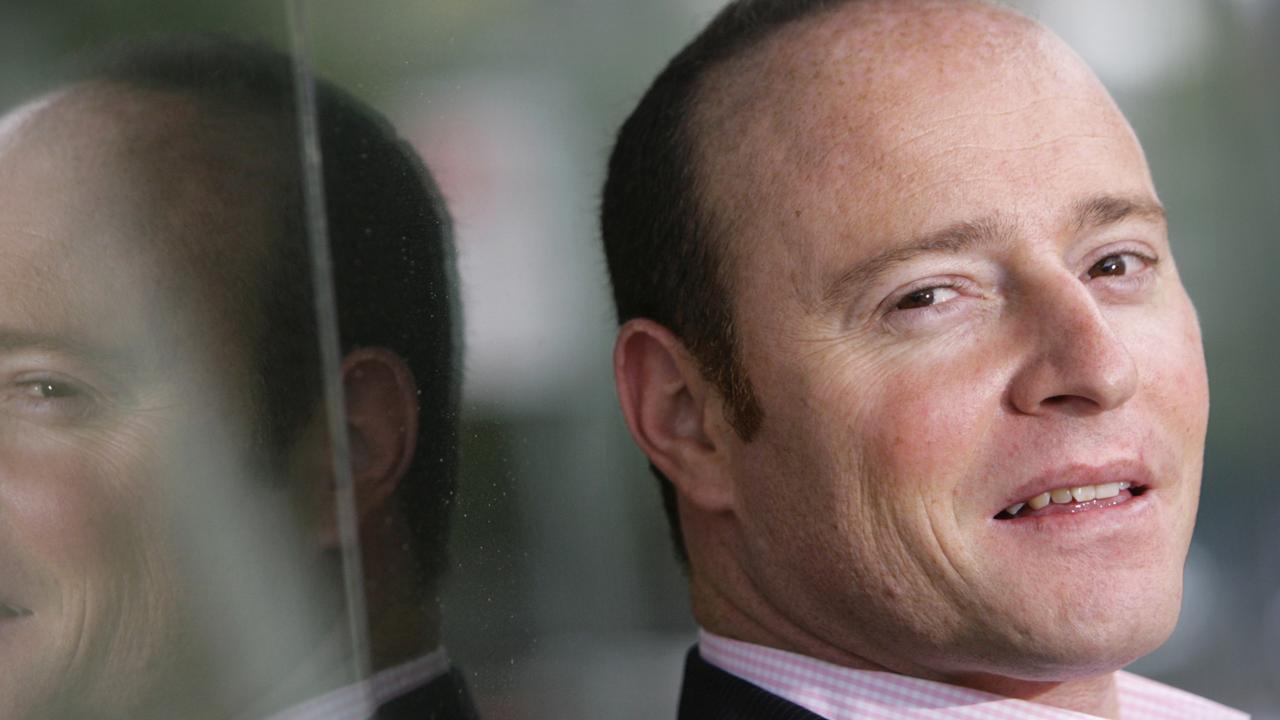
    A Melbourne property developer experienced an emotional breakdown in court on Monday after being remanded into custody for his alleged involvement in a serious extortion scheme. Paul Fridman, 50, faced the Melbourne Magistrates’ Court following a police raid on his family residence earlier that day.

    The court heard allegations that Fridman, a bankrupt former director of development firm Fridcorp, enlisted the services of a mysterious intermediary known only as ‘Mr International’ to recover purported debts from former business associates Ashley Boyd and Nigel Givoni. According to Detective Senior Constable Andrew Lauder, Fridman allegedly believed he was owed significant sums from previous business dealings and arranged for Mr International to pursue collection in exchange for a 10% commission.

    The situation escalated dramatically when Mr Boyd’s home and his neighbor’s property were allegedly firebombed with Molotov cocktails on March 14. The court was presented with threatening messages allegedly sent by Mr International, including one that stated: ‘Your lives aren’t worth a bit of money’ and another warning that ‘houses get burnt and people get kidnapped over things like this.’

    Fridman’s defense lawyer, Ms. Brown, argued that while her client had engaged Mr International, there was no direct evidence connecting him to the violent acts or proving he had knowledge of the extreme measures that would be employed. The defense highlighted that police had discovered ChatGPT queries on Fridman’s devices asking about the legality of third-party debt collection in Australia and potential consequences if violence occurred.

    Magistrate Gerard Lethbridge remanded Fridman into custody overnight amid complications regarding a proposed $500,000 bail guarantee. The case has been adjourned and is scheduled to resume Tuesday afternoon for further proceedings.