标签: Oceania

大洋洲

  • Western allies push back on Trump call for NATO help to reopen Hormuz

    Western allies push back on Trump call for NATO help to reopen Hormuz

    European NATO members delivered a firm rebuke to U.S. President Donald Trump’s demand for military assistance in reopening the strategically vital Strait of Hormuz, with key allies distancing themselves from any potential NATO-led mission in the Persian Gulf. The coordinated pushback emerged Monday as Western capitals responded to Trump’s weekend appeal for naval support against Iran’s blockade of the critical oil transit route.

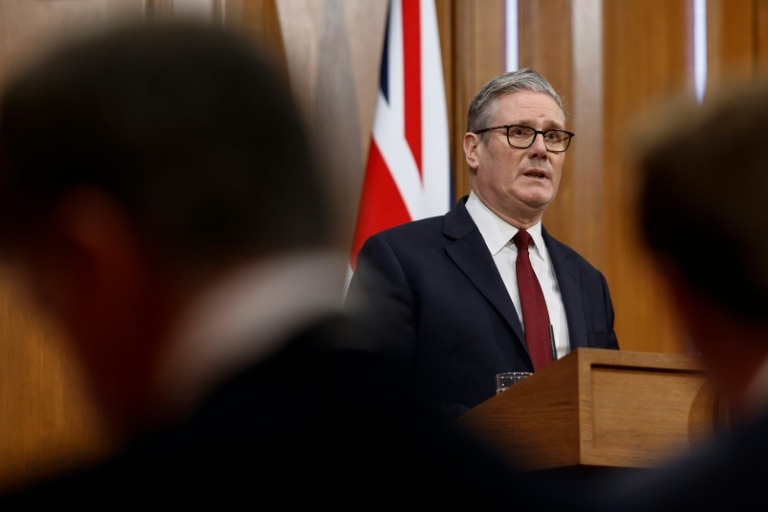
    British Prime Minister Keir Starmer articulated a cautious approach, confirming that London was collaborating with international partners to develop a ‘viable collective plan’ to restore freedom of navigation while explicitly ruling out NATO involvement. ‘Let me be clear: that won’t be, and it’s never been envisioned to be, a NATO mission,’ Starmer emphasized during a Downing Street briefing, adding that Britain ‘will not be drawn into the wider war’ between the U.S., Israel, and Iran.

    Germany’s leadership delivered even more definitive resistance, with Chancellor Friedrich Merz’s spokesman declaring the conflict ‘has nothing to do with NATO’ and emphasizing the alliance’s defensive territorial mandate. Defense Minister Boris Pistorius confirmed Berlin would provide ‘no military participation’ while offering diplomatic support to ensure safe passage through the strait.

    The reluctance extended across the European continent, with Poland’s Foreign Minister Radoslaw Sikorski noting the president had already excluded Polish armed forces from any operation. Spain’s Defense Minister Margarita Robles stated Madrid was ‘absolutely not’ considering military contributions. The responses came after Japan and Australia similarly declined participation earlier Monday, with Canberra refusing to deploy naval vessels.

    Despite the widespread resistance, some European diplomats suggested maintaining dialogue while emphasizing de-escalation. Danish Foreign Minister Lars Lokke Rasmussen described the situation as ‘very, very serious’ while advocating for an ‘open mind’ about potential contributions. Baltic representatives from Lithuania and Estonia indicated willingness to discuss options while stressing the need to understand U.S. objectives and operational details before committing to any action.

    The geopolitical standoff has triggered significant economic consequences, with oil prices remaining above $100 per barrel as the conflict enters its third week, highlighting the strait’s critical importance to global energy markets. Trump had warned that refusal to participate would be ‘very bad for the future of NATO,’ though European leaders appeared unmoved by the threat as they prioritized diplomatic solutions over military escalation.
  • Middle East war: global economic fallout

    Middle East war: global economic fallout

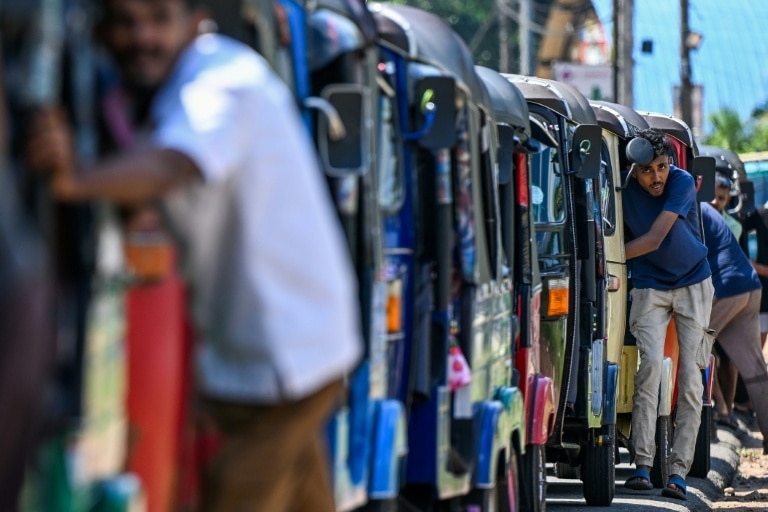
    The ongoing military conflict in the Middle East has triggered significant economic disruptions worldwide, with oil prices surging past $106 per barrel and Asian markets experiencing widespread declines as hostilities enter their third week. The economic ramifications are being felt across continents, from fuel queues in Sri Lanka to emergency meetings in European capitals.

    Energy markets remain particularly volatile following President Trump’s weekend announcement that U.S. forces struck military targets on Kharg Island, Iran’s primary oil export facility. The President further warned that additional energy infrastructure could be targeted if Iran interferes with transit through the Strait of Hormuz, which has remained effectively closed since U.S.-Israel operations commenced on February 28.

    In response to the escalating energy crisis, Japan has initiated the release of its strategic oil reserves following coordination through the International Energy Agency. The IEA’s March 11 agreement to tap emergency stockpiles represents the largest coordinated response of its kind, with releases in Europe and North America scheduled before month’s end.

    European Union energy ministers convened emergency talks in Brussels to address the continent’s worsening energy affordability crisis. The emergency session prepares for Thursday’s summit where leaders will debate measures to support households and businesses facing unprecedented energy costs. Member states are considering various approaches including price caps, fuel tax reductions, and potential modifications to the EU’s carbon emissions trading framework.

    Meanwhile, EU foreign ministers are discussing expanding the bloc’s Red Sea naval mission to help secure the Strait of Hormuz, a critical transit point for approximately 20% of global crude supplies and substantial gas shipments. The potential mandate expansion of Operation Aspides would address threats to shipping from Iran-backed Houthi forces in Yemen.

    Diplomatic channels between Washington and Beijing remain active despite tensions, with China confirming ongoing communications regarding President Trump’s anticipated visit this month. The confirmation comes despite the President’s suggestion that he might delay planned meetings with Chinese leader Xi Jinping if China doesn’t assist in reopening the critical waterway.

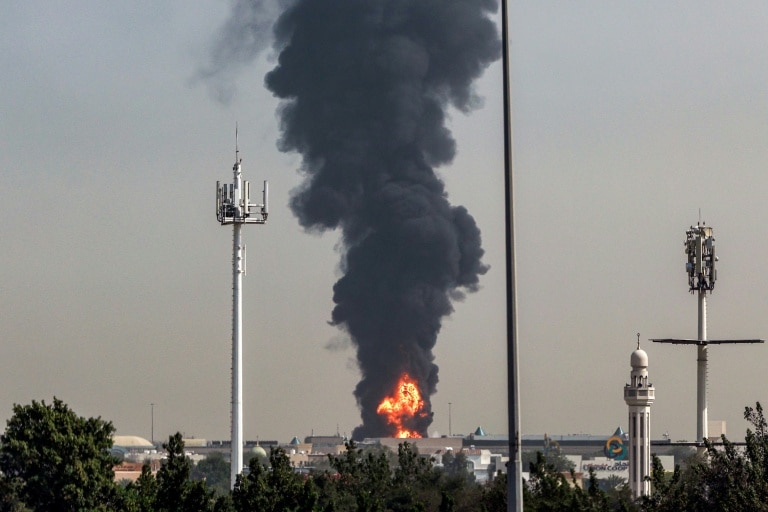
    The conflict’s impact extended to regional infrastructure with Dubai International Airport temporarily suspending operations following a drone-related incident that ignited a fuel tank fire. Authorities reported no injuries and contained the blaze relatively quickly. Separately, a drone attack targeted oil infrastructure in the UAE’s Fujairah Oil Industries Zone on the Gulf of Oman coast, sparking another significant fire that emergency crews worked to contain.

  • War in the Middle East: latest developments

    War in the Middle East: latest developments

    The Middle East conflict escalated dramatically on Monday with a series of significant military and geopolitical developments. Explosions rocked central Tehran as Iranian air defense systems activated, though the specific targets remained unclear. This occurred shortly after Israel confirmed conducting large-scale overnight strikes.

    In southern Lebanon, the Israeli Defense Forces initiated what they described as “limited ground operations” against Hezbollah strongholds, aiming to enhance their forward defense perimeter.

    The United Arab Emirates faced multiple security incidents. Dubai International Airport gradually resumed operations following a suspension caused by a drone-related fuel tank fire nearby. Simultaneously, the Emirati defense ministry reported intercepting waves of Iranian drones and missiles. Separate attacks targeted the Fujairah oil industry zone and the outskirts of Abu Dhabi, where a Palestinian civilian was killed by a missile strike.

    Global energy markets reacted strongly, with Brent Crude oil prices surging 3% to $106.50 per barrel amid the heightened tensions.

    Diplomatic efforts intensified as EU foreign ministers considered extending their Red Sea naval mission to the strategically vital Strait of Hormuz. U.S. President Donald Trump pressured NATO allies and China to contribute to securing the oil transport conduit, warning of a “very bad” future for the alliance if they failed to assist. However, both Japan and Australia subsequently ruled out naval deployments to the region.

    Despite the escalating conflict, the Iranian men’s football team maintained plans to participate in the upcoming World Cup in North America, according to Asian Football Confederation officials.

    Iranian Foreign Minister Abbas Araghchi condemned Israeli strikes on Tehran fuel depots as “ecocide,” citing long-term health risks to residents. While Trump claimed the U.S. was in discussions with Iran, Tehran denied any ongoing talks between the nations.

  • Israel announces Lebanon ground assault against Hezbollah

    Israel announces Lebanon ground assault against Hezbollah

    The Israeli military has confirmed the initiation of ground operations against Hezbollah forces in southern Lebanon, marking a significant escalation in the ongoing Middle Eastern conflict. This development occurs alongside intensified international efforts to address the critical shipping blockade in the Strait of Hormuz following Iranian attacks.

    Military spokesperson Brigadier General Effie Defrin characterized the Lebanese incursion as ‘limited ground operations’ intended to establish a strengthened defensive posture along Israel’s northern frontier. The announcement follows sustained aerial bombardments on Hezbollah strongholds in Beirut’s southern suburbs, areas previously subjected to comprehensive evacuation orders that triggered substantial population displacement throughout Lebanon.

    The broader regional confrontation has witnessed Iran executing retaliatory measures against approximately ten nations hosting American military installations. Revolutionary Guards officials disclosed the deployment of nearly 700 missiles and 3,600 drones targeting Israeli and US interests since hostilities commenced.

    Concurrently, global energy markets face unprecedented strain following Iran’s obstruction of the Strait of Hormuz—a vital maritime channel through which approximately one-third of the world’s seaborne oil passes. The subsequent 40-50% surge in crude prices prompted President Donald Trump to urgently solicit naval support from multiple nations including China, France, Japan, South Korea, and Britain to safeguard commercial tanker transit.

    The International Energy Agency has coordinated the release of 400 million barrels from strategic petroleum reserves to mitigate supply disruptions. Asian and Oceania nations are initiating immediate stockpile distributions, with European and American releases scheduled for subsequent weeks.

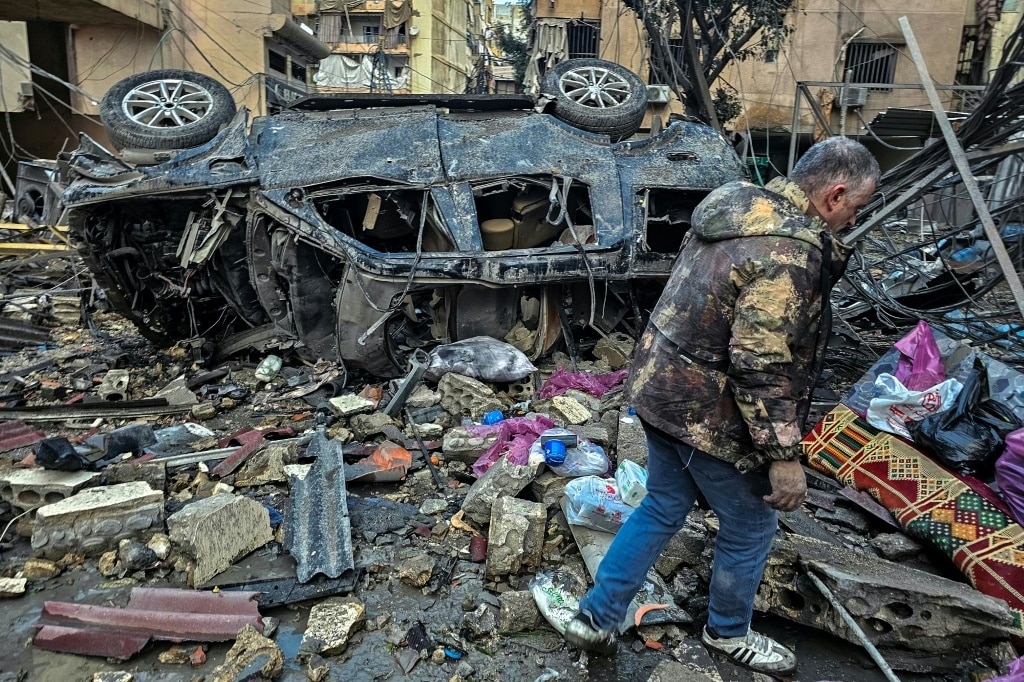
    Civilian infrastructure continues to suffer collateral damage, with Dubai International Airport temporarily suspending operations following drone-induced fires near its facilities. Iraqi authorities reported rocket attacks wounding five personnel at Baghdad Airport, which houses sensitive US diplomatic installations.

    Despite suffering leadership losses—including the reported demise of Supreme Leader Ali Khamenei—Iran’s interim leadership maintains defiance. Current estimates indicate over 1,200 casualties from US and Israeli strikes, while UN agencies report up to 3.2 million internally displaced persons within Iran amidst prolonged internet restrictions entering their seventeenth day.

  • Man charged after allegedly letting child, 9, drive car unrestrained on major NSW highway

    Man charged after allegedly letting child, 9, drive car unrestrained on major NSW highway

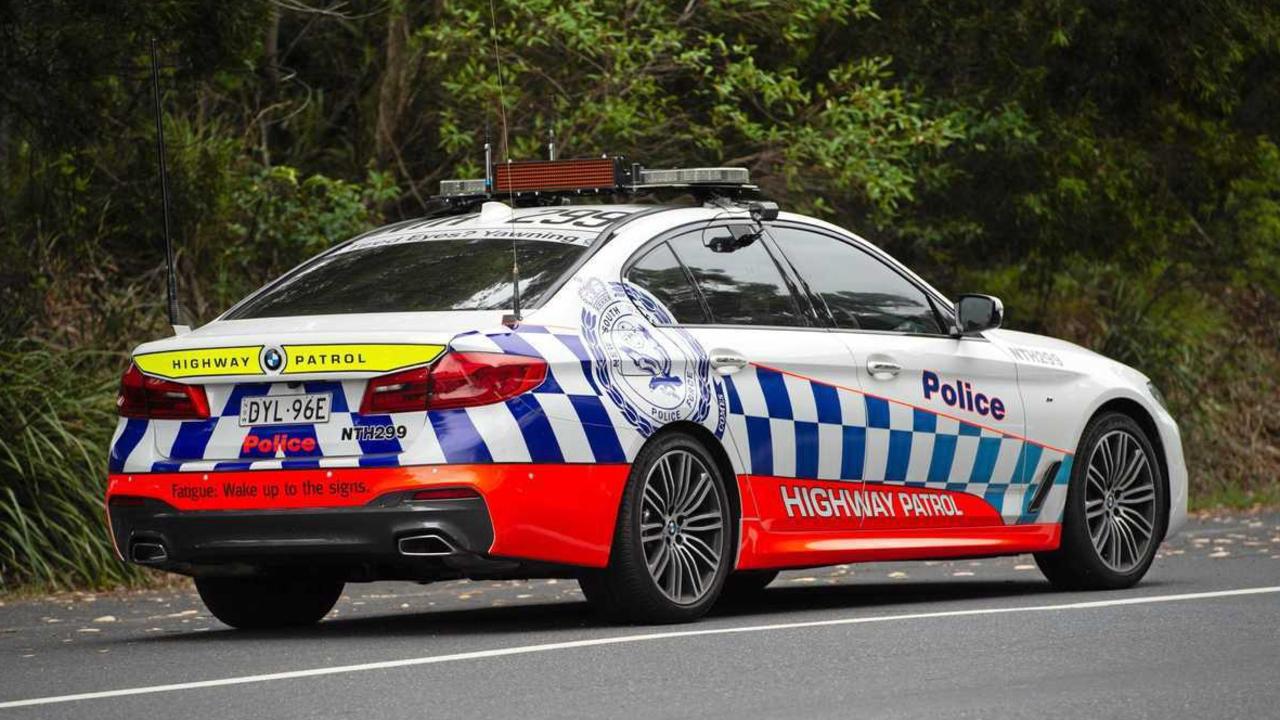
    New South Wales police have initiated legal proceedings against a 45-year-old man following a disturbing highway incident involving improper child supervision and vehicle operation. Advanced seatbelt detection technology allegedly captured the man’s nine-year-old child steering his vehicle while traveling unrestrained on the Great Western Highway at Mount Lambie.

    According to official statements from NSW Police, investigators determined the driver was experiencing significant fatigue during the incident. The adult male reportedly operated the vehicle’s pedals while the minor controlled the steering mechanism. The child was not properly restrained and was positioned on the driver’s lap during this dangerous episode.

    The incident, initially detected on March 7, prompted immediate investigation by Walgett Highway Patrol officers. Following thorough inquiries, law enforcement officials located and questioned the alleged offender at a Lightning Ridge property. The man now faces multiple charges including reckless and negligent driving, operating a vehicle without proper control, and transporting a passenger without appropriate safety restraints.

    This case emerges alongside significant upgrades to NSW’s traffic monitoring capabilities. Since February, enhancements to mobile phone and seatbelt detection cameras have enabled authorities to identify violations in both traffic directions simultaneously. Transport for NSW Secretary Josh Murray emphasized the life-saving potential of these technological improvements, noting behavioral changes already observed among drivers regarding seatbelt usage and phone distraction prevention.

    The comprehensive camera system update commenced rollout in March and will continue implementation across New South Wales over a six-month period. The accused individual is scheduled to appear before Walgett Local Court on April 28 to answer the charges.

  • ‘Rein in your heart’: I.Coast women trapped by divorce taboo

    ‘Rein in your heart’: I.Coast women trapped by divorce taboo

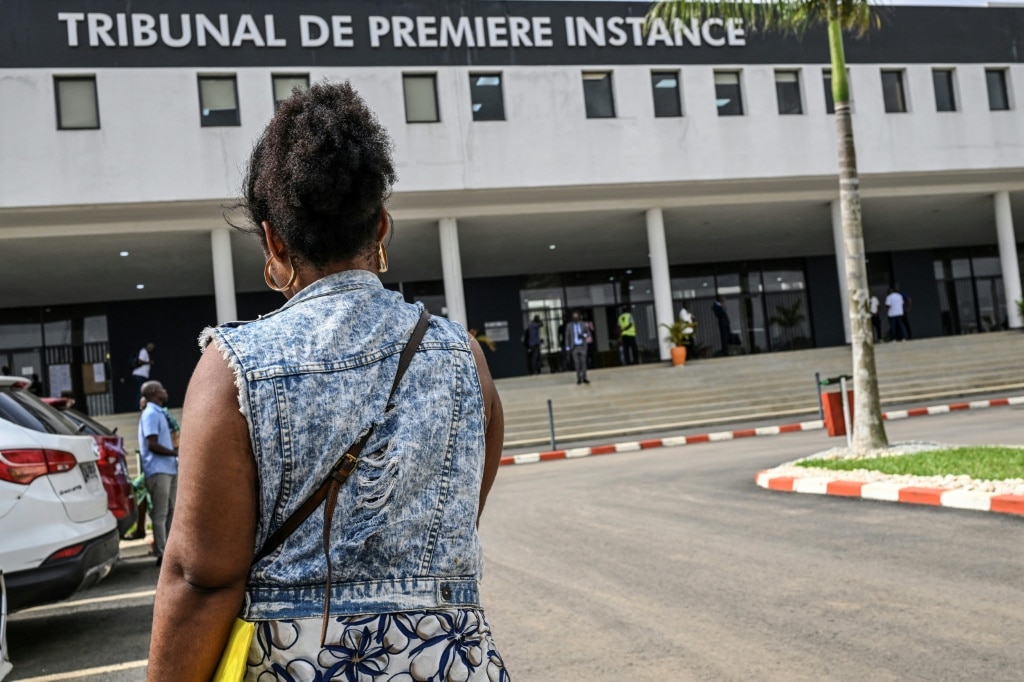
    In Ivory Coast, a powerful social taboo against divorce creates a prison of silence for countless women trapped in unhappy marriages. Despite discovering her husband’s infidelity and crippling debts three years ago, healthcare professional Josy remains bound to her marriage by overwhelming societal pressure. “In Africa, a divorced woman is singled out,” she explains, echoing the traditional advice to “rein in your heart” that keeps women in untenable situations.

    Official statistics reveal the stark reality: Ivory Coast maintains an exceptionally low divorce rate, with only 1,835 divorce petitions filed against 30,912 marriages in 2024. This disparity stems from a complex web of cultural, financial, and institutional barriers that disproportionately affect women.

    Anne Bera-Dasse, a family law attorney with over thirty years of experience, identifies the cumbersome judicial process as a significant deterrent. Divorce proceedings, particularly those contested, can extend for years while accumulating substantial legal costs. Financial dependency further complicates matters, as many women abandon careers upon marriage or lack economic autonomy.

    Nina, a 40-year-old woman whose husband left with three of their four children five years ago, embodies this financial trap. “I really want a divorce but I can’t afford it,” she admits, struggling even to maintain contact with her children.

    Corine Moussa Vanie, chair of Akwaba Mousso (an organization supporting victims of gender-based violence), emphasizes that Ivorian society prioritizes marital appearance over personal fulfillment. “Even if you have degrees, for a woman the pinnacle of success is marriage,” she notes, adding that families often encourage daughters to endure hardship to maintain social standing.

    Yet a growing feminist consciousness challenges these norms. Yacine, 42, emerged from a two-year legal battle transformed. “Today my children are happy… to see me happy,” she reflects, having reclaimed her health and peace of mind. Her journey required navigating an unfamiliar legal system alone, facing intrusive questioning in court—a taxing experience that nonetheless liberated her from living for others’ approval.

    While Yacine now cautiously entertains new romantic prospects, her primary commitment remains: “I want to live for myself.” Her story represents a quiet revolution against the stigma that continues to silence most Ivorian women, who choose suffering over social condemnation in a society where marriage signifies success regardless of its actual conditions.

  • Australian shares hit three-month low as oil prices and rate fears spook market

    Australian shares hit three-month low as oil prices and rate fears spook market

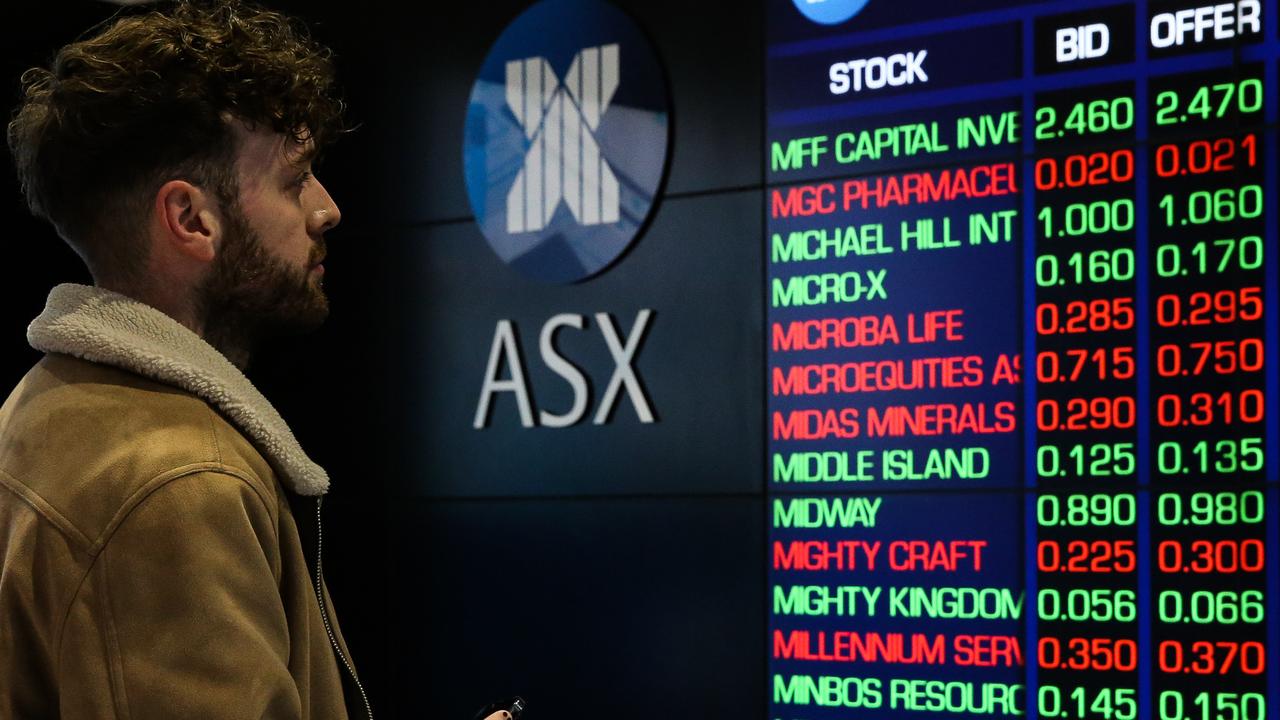
    Australia’s financial markets experienced a significant downturn on Monday, with the benchmark ASX 200 index closing at its lowest level in three months. The sell-off was driven by mounting concerns over escalating global oil prices and anticipations of consecutive interest rate increases by the Reserve Bank of Australia.

    The ASX 200 declined by 33.70 points (0.39%) to settle at 8583.40, while the broader All Ordinaries index dropped 45.70 points (0.52%) to 8793.40. Market sentiment remained cautious as the Australian dollar traded at 70.07 US cents, with five out of eleven sectors finishing in negative territory and 116 ASX-listed companies closing lower.

    The energy sector emerged as the sole outperformer, benefiting from the ongoing surge in crude oil prices. Brent Crude exceeded $106 per barrel over the weekend before moderating to $104.63 during afternoon trading—representing a staggering 40% increase since the onset of recent geopolitical tensions. This rally propelled energy giants Woodside Petroleum (+1.90% to $31.63) and Santos (+2.12% to $7.69) higher.

    Conversely, major mining corporations faced substantial selling pressure, with BHP declining 1.22% to $49.19, Rio Tinto dropping 2.02% to $154.70, and Fortescue Metals slumping 3.86% to $19.69. Technology stocks similarly struggled, as WiseTech Global (-1.98%), Xero (-1.92%), and Technology One (-2.61%) all recorded losses.

    Market participants are increasingly pricing in a 70% probability of interest rate hikes following the RBA’s March meeting. According to BetaShares chief economist David Bassanese, monetary markets are preparing for back-to-back increases in March and May, potentially elevating the cash rate from 3.60% to 4.25%—effectively reversing the anticipated 2025 rate cuts.

    Individual stock movements showed notable divergence. Macquarie Group shares fell 0.69% following regulatory penalties, while Lynas Rare Earths gained 1.40% after securing a letter of interest from the US Department of Defense. Reliance Worldwide Corporation surged 6.85% on news of a $120 million share buyback, whereas IperionX collapsed 22.24% after releasing half-year results.

  • Group photo of Iran football team ‘unwise’ as asylum rejected, Liberals warn

    Group photo of Iran football team ‘unwise’ as asylum rejected, Liberals warn

    A photograph featuring Australian Home Affairs Minister Tony Burke alongside members of Iran’s women’s football team has ignited a significant political dispute regarding asylum procedures and diplomatic sensitivity. The image, initially shared on Minister Burke’s social media platforms, depicted five athletes who had recently been granted asylum after reportedly separating from Iranian regime handlers with police assistance.

    The controversy intensified when five of the seven initially protected individuals subsequently reversed their asylum claims and departed Australia. According to reports, the majority of the team is currently situated in Southeast Asia awaiting return to Iran once security conditions permit. Only two players, including Fatemeh Pasandideh who recently posted optimistic images from Brisbane’s waterfront, have remained in Australia.

    Liberal Senator Jonathon Duniam characterized the minister’s decision to publicize the photograph as “unwise,” suggesting that the heightened public attention may have compromised the athletes’ safety and decision-making autonomy. While acknowledging the government’s appropriate efforts in securing initial asylum, Senator Duniam emphasized that “discretion no longer mattered” in the handling of this sensitive situation.

    Minister Burke defended the government’s approach in an official statement, noting that officials provided repeated opportunities for the players to reconsider their options. He emphasized that while Australia could offer safe alternatives, the complex context of the players’ decisions remained beyond governmental control. Assistant Employment Minister Patrick Gorman further supported Burke’s actions, highlighting the importance of preserving the individuals’ agency in determining their futures.

    Reports from Iran’s diaspora community suggest that regime associates managed to establish contact with team members while they were housed in Australian safe facilities, potentially influencing their ultimate decision to return. Senator Duniam acknowledged these coercion attempts had “sadly worked,” describing the outcome as a “heartbreaking turn of events” that underscored the challenging dynamics facing athletes from authoritarian regimes.

  • ‘Rollercoaster’: Sandon Smith confirms Fletcher Sharpe’s role as Knights deal with horror injury news

    ‘Rollercoaster’: Sandon Smith confirms Fletcher Sharpe’s role as Knights deal with horror injury news

    The Newcastle Knights face a significant challenge following confirmation that captain Kalyn Ponga and high-profile recruit Dylan Brown will endure extended periods on the sidelines due to injuries sustained during Sunday’s victory over Manly. However, the team has identified a strategic solution by promoting Fletcher Sharpe to the halves for Saturday’s upcoming clash against the Warriors.

    Ponga suffered a high-grade hamstring injury during a scoring play, with medical assessments indicating a recovery timeline of 6-8 weeks depending on his rehabilitation progress. Brown simultaneously sustained an MCL strain during another attacking maneuver, expected to sideline him for approximately four weeks.

    In response to these critical absences, the Knights’ football department has implemented contingency plans. Fletcher Hunt, who demonstrated exceptional capability at fullback following Ponga’s departure during the Manly match, will maintain that position against the Warriors. Meanwhile, Sharpe returns from his own knee injury sustained during the Las Vegas season opener to assume responsibilities in the halves alongside Sandon Smith.

    Knights director of football Chris James emphasized the team’s resilience, stating: ‘Yesterday was a tough, physical contest and the boys showed real grit to come away with a great win. Injuries are part of our game, and the character our group showed to fight through adversity says everything about the culture we are building.’

    Smith, who transitioned from the Sydney Roosters during the off-season, expressed confidence in his new partnership with Sharpe: ‘We’ve trained all through the pre-season together. Sharpey will slot right in the halves, and Fletch Hunt is an awesome fullback who does a massive job for us. That’s next man up mentality.’

    The 21-year-old Smith acknowledged the unpredictable nature of professional rugby league, noting: ‘It’s a massive rollercoaster. A week in rugby league feels like a lifetime, and it’s honestly so true. You always have to stay ready at training and keep putting your best foot forward because you never know what’s going to happen.’

    The restructured Newcastle lineup will make their season debut at McDonald Jones Stadium this weekend, presenting an early test of the team’s depth and adaptability amid challenging circumstances.

  • Filipinas seek abortions online in largely Catholic nation

    Filipinas seek abortions online in largely Catholic nation

    In the predominantly Catholic Philippines, where abortion carries severe criminal penalties, women are increasingly turning to clandestine online networks to terminate pregnancies despite grave health risks. The nation’s strict prohibition drives an underground digital marketplace where unregulated providers operate with impunity, creating a public health crisis that remains largely unaddressed by authorities.

    Jane (pseudonym), a 31-year-old Manila resident, described her traumatic experience with an unlicensed online provider who inserted abortion pills without anesthesia. “It felt like my abdomen was being twisted,” she recounted, adding that she endured months of pain and complications while fearing legal repercussions. Like thousands of Filipinas, Jane sought online solutions due to the absence of legal alternatives, despite the nation’s 2012 Reproductive Health Law theoretically guaranteeing contraceptive access and sex education.

    The Catholic Church maintains absolute opposition to abortion, with Father Dan Cancino of the Catholic Bishops’ Conference stating the institution “will always oppose abortion and its applications” based on preserving human dignity. This religious influence has shaped legislation and healthcare policies, resulting in restricted emergency contraception and allowing medical professionals to refuse services on conscientious grounds.

    Healthcare advocates report alarming consequences: over 250 daily hospitalizations from unsafe abortion complications, with approximately three women dying each day. Junice Melgar of Likhaan Center for Women’s Health notes that even post-abortion care remains inconsistently provided due to providers’ fears of legal consequences, creating “a chilling effect” across the medical community.

    Despite recent parliamentary efforts to investigate online abortion providers, advocates argue criminalization only exacerbates the crisis. Clara Padilla of the Philippine Safe Abortion Advocacy Network emphasizes that most abortion seekers are married women with multiple children facing economic hardship, not the scenarios typically considered in limited exceptions. “People need this healthcare to save their lives,” Padilla asserts, challenging the moral arguments against abortion with practical health concerns.

    As the digital underground expands, women like Jane continue weighing legal risks against desperate circumstances. “When discussing abortion in the Philippines, people forget it’s fundamentally a health issue,” Jane concluded. “This is my body, my health, my life—the decision should be mine.”