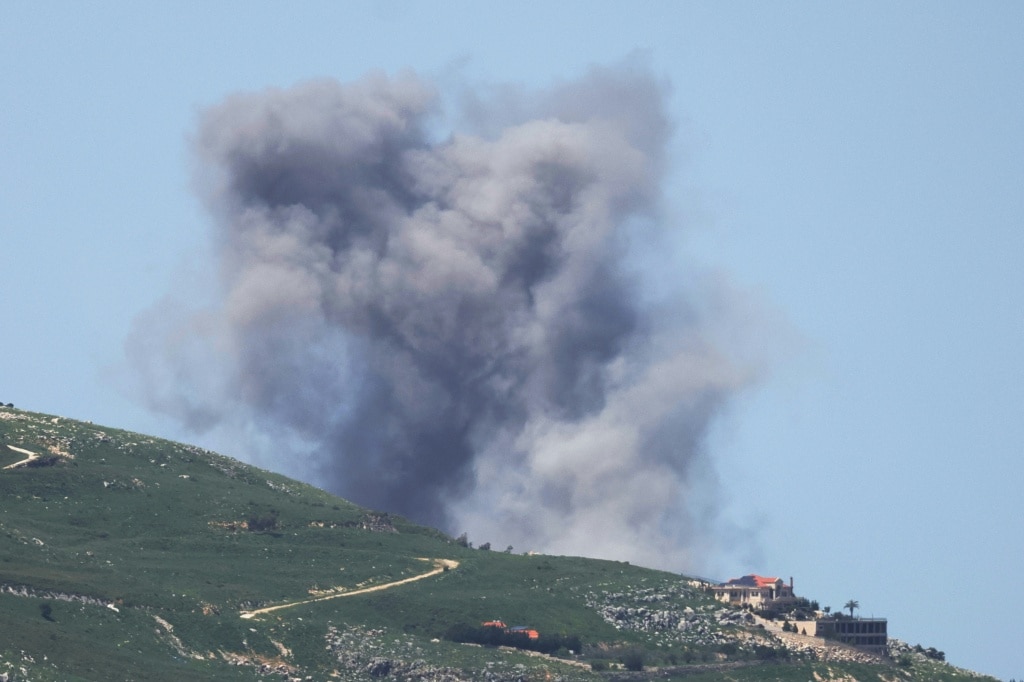
A 10-day bilateral ceasefire between Lebanon and Israel officially entered into force at midnight local time Friday, creating a fragile window for diplomatic progress even as the Lebanese military immediately reported multiple breaches of the truce by Israeli forces. The agreement, which comes more than two months after full-scale fighting erupted between the two sides, has drawn thousands of displaced Lebanese residents to rush back toward their southern homes despite official warnings to delay their return.
The truce, which took effect at 2100 GMT, triggered an immediate exodus of civilians who had fled southern Lebanon after Israel issued mass evacuation orders earlier in the conflict. While the Lebanese Armed Forces urged residents to hold off on heading back, citing ongoing Israeli aggressive acts in the border zone, visual evidence from Agence France-Presse shows convoys of packed cars traveling south along Lebanon’s coastal highway before dawn, with some crossing the damaged remains of a bridge that was destroyed by Israeli airstrikes during the fighting. By sunrise, traffic stretched for kilometers at the only crossing connecting the coastal region south of the Litani River to the rest of the country, with residents waiting hours for their chance to return to properties they were forced to abandon.
Alaa Damash, one of the thousands of displaced residents, told reporters that despite official calls to wait out the initial days of the truce, attachment to one’s homeland and home overrides fears of ongoing risk. “The people’s love for their lands and houses, and their attachment to them, pushed them to go back there despite the fire threats,” she explained. In Beirut, unconfirmed reports and footage show celebratory gunfire in the southern suburbs, the Hezbollah stronghold, as residents marked the announcement of the truce. Sixty-one-year-old Beirut housewife Jamal Shehab echoed that widespread sentiment, saying, “We are very happy that a ceasefire has been reached in Lebanon because we are tired of war and we want safety and peace.”
The ceasefire marks a critical milestone in U.S.-led diplomatic efforts to broker a broader peace deal between Washington and Tehran, with Iran having long insisted that any bilateral agreement must include a halt to hostilities between Israel and Lebanon-based Hezbollah. Pakistan has led international mediation efforts to restart face-to-face negotiations between the United States and Iran, with former U.S. President Donald Trump noting he is willing to travel to Pakistan to sign a final deal, adding that the two sides are “very close” to reaching a comprehensive agreement.
Fighting first erupted in Lebanon on March 2, when Iran-backed Hezbollah launched rocket attacks against Israel just days after the start of the broader regional Middle East war, in retaliation for the death of Iranian Supreme Leader Ali Khamenei in the opening wave of U.S.-Israeli strikes. Ahead of the ceasefire taking effect, lethal violence continued: Lebanon’s health ministry confirmed at least seven civilians were killed and more than 30 wounded in an Israeli airstrike on the southern town of Ghazieh on Thursday, while an Israeli hospital spokesperson reported three Israelis were injured in cross-border attacks the same day.
Following the truce’s entry into force, the Israel Defense Forces confirmed it had struck more than 380 Hezbollah targets across southern Lebanon in the lead-up to the ceasefire, and said it remains on high alert to resume offensive operations if the truce is broken. Trump confirmed he spoke to both Israeli Prime Minister Benjamin Netanyahu and Lebanese President Joseph Aoun ahead of the deal’s announcement, saying both leaders agreed to the truce “in order to achieve PEACE between their Countries.” The U.S. president also said he expects both leaders to visit the White House within the next four to five days to discuss next steps, a development that would mark a watershed moment for regional diplomacy if it proceeds.
Netanyahu framed the truce as an opportunity to reach a “historic peace agreement” with Beirut, but reaffirmed that any long-term deal requires the full disarmament of Hezbollah, the Iran-aligned militant group that holds significant political and military power in Lebanon. While Trump confirmed Hezbollah is bound by the ceasefire, the U.S. State Department says the truce requires the Lebanese government itself to fully dismantle the militant organization. Lebanese Prime Minister Nawaf Salam welcomed the ceasefire, calling it a “key Lebanese demand that we have pursued since the very first day of the war.” However, an anonymous official source confirmed Lebanese President Aoun has rejected Trump’s request for a direct call with Netanyahu, creating an early point of tension in post-ceasefire diplomacy.
A senior Hezbollah lawmaker told AFP the group would “cautiously adhere” to the truce as long as Israel halts all offensive operations. Ibrahim al-Moussawi thanked Iran for its diplomatic and political pressure on Lebanon’s behalf, noting that “the ceasefire would not have happened without Iran considering the ceasefire as equal to closing the Strait of Hormuz,” a reference to Iranian leverage over global oil shipping lanes. Netanyahu confirmed Israel will maintain a 10-kilometer security zone along the entire Lebanon-Israel border for the duration of the truce, a measure already criticized by Lebanese officials as a violation of its territorial sovereignty.