标签: Oceania

大洋洲

  • Pope arrives in Angola on Africa tour overshadowed by Trump

    Pope arrives in Angola on Africa tour overshadowed by Trump

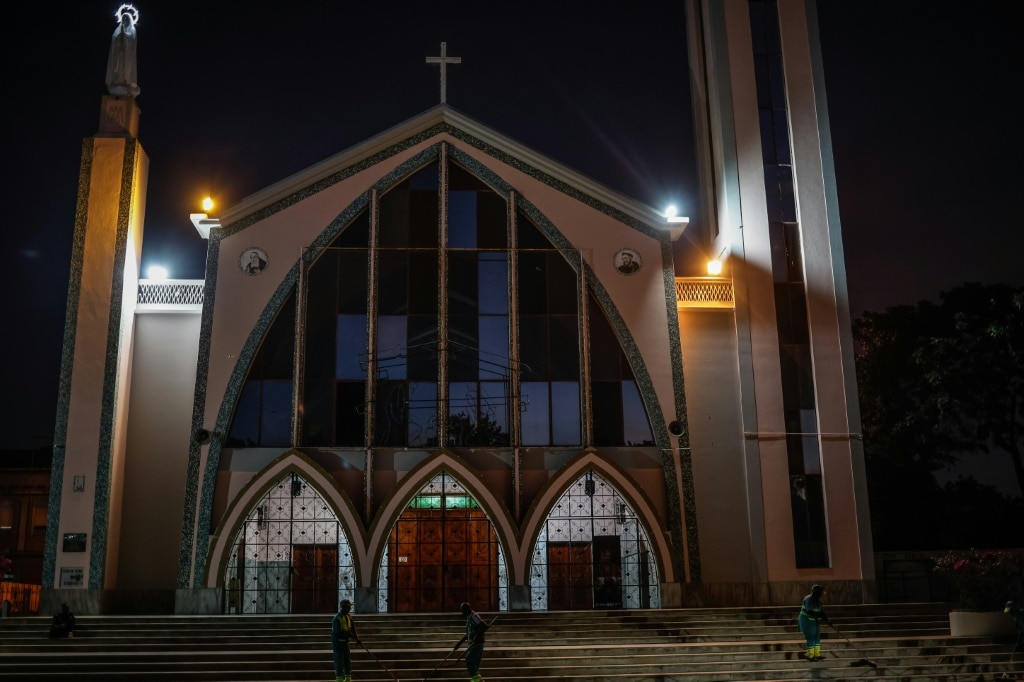
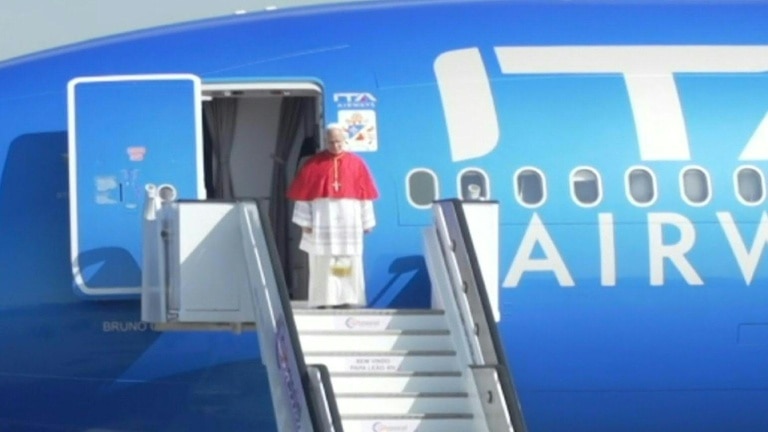
    Pope Leo XIV touched down in Angola on Saturday, kicking off the third stop of his 11-day four-nation African pilgrimage, even as he expressed regret that the entire trip has been overshadowed by a public verbal dispute with former U.S. President Donald Trump. After arriving in the coastal nation’s capital of Luanda, the pontiff made his way through cheering crowds lining motorcade routes in his popemobile for a scheduled meeting with Angolan President Joao Lourenco, following a concluding open-air mass that wrapped up his previous stop in Cameroon.

    Speaking to reporters aboard his flight from Cameroon to Angola, Pope Leo pushed back against widespread media narratives that framed a recent speech he delivered as a deliberate jab at Trump. During an address in Cameroon’s restive northwestern city of Bameroon, the epicenter of a 10-year separatist insurgency that has claimed thousands of lives, the pontiff condemned authoritarian tyrants for laying waste to global order. U.S. media outlets widely interpreted the remarks as a direct response to earlier criticism of the pope from Trump, but Pope Leo clarified that the full text of his speech was finalized long before Trump launched his public critique.

    “There’s been a certain narrative that has not been accurate in all of its aspects,” the pope told reporters. “And yet it was perceived as if I were trying to start a new debate with the president, which doesn’t interest me at all.” The dispute traces back to April 12, when Trump stated publicly that he was “not a big fan of Pope Leo,” and accused the American-born pontiff of recklessly engaging with Iran as the country pursues nuclear development capabilities. Pope Leo emphasized Saturday that he has no intention of engaging in a public back-and-forth with the U.S. political figure, noting that the focus of his African tour is meant to center on the challenges and needs of the continent, not transatlantic political sparring.

    Beyond the unwanted controversy, Pope Leo has used his tour, which launched in Algeria earlier this month, to deliver sharp warnings on a range of pressing global and regional issues: endemic corruption on the African continent, the systematic plunder of African natural resources by foreign and domestic actors, and the unregulated risks posed by rapid artificial intelligence development. In his opening address to Angolan government officials Saturday, the pontiff doubled down on these themes, condemning the destructive “logic of exploitation” that has created widespread social and environmental harm across the resource-rich nation.

    Angola ranks among Africa’s top crude oil exporters and holds vast reserves of diamonds and other minerals, but decades of extractive economic policy have left the country with crippling systemic inequality. World Bank data shows that roughly one-third of Angola’s 36.6 million residents, a majority of whom are young people, live below the $2.15-per-day international poverty line, with little of the nation’s natural resource wealth trickling down to working-class and low-income communities. Pope Leo also used his address to urge Angolan authorities to embrace open discourse, telling officials they “should not be afraid of dissent.”

    Lourenco’s socialist MPLA party has governed Angola continuously since the nation gained independence from Portugal in 1975, and human rights groups have repeatedly criticized the government for cracking down on freedom of expression, including harsh responses to peaceful public demonstrations. Last July, a three-day wave of looting and unrest broke out amid a national strike over fuel price hikes; roughly 30 people were killed in a subsequent police crackdown that drew widespread international condemnation, with hundreds of protestors arrested and jailed.

    For many of the hundreds of Angolans who lined the motorcade route Saturday, the papal visit carries personal significance: roughly 44% of Angola’s population identifies as Catholic, making the nation one of the largest Catholic-majority states in southern Africa. Pope Leo is only the third sitting pontiff to visit the country, following trips by John Paul II in 1992 and Benedict XVI in 2009. “There is a lot of suffering, a lot of poverty in Angola. I hope the pope will see with his own eyes the needs of the youth here,” said 33-year-old Luanda-based engineer Antonio Masaidi ahead of the visit.

    Looking ahead, Pope Leo is scheduled to lead a large open-air mass on Sunday in the Kilamba suburb of Luanda, before traveling by helicopter to the historic village of Muxima, a key Catholic pilgrimage site home to a 16th-century century church located roughly 130 kilometers southeast of the capital. On April 20, the pontiff will journey more than 800 kilometers from Luanda to Saurimo, where he will visit a local retirement home and celebrate a second mass before departing the next morning for the fourth and final stop of his African tour in Equatorial Guinea.

  • China sex toy makers cautiously embrace AI wave

    China sex toy makers cautiously embrace AI wave

    At a recent adult product exhibition held in Shanghai, attendees were captivated by a new wave of AI-integrated intimate wellness products, as China’s leading sex toy manufacturers begin to tap into the global artificial intelligence boom. As the world’s largest manufacturing hub for adult products, China’s tech-driven innovation has already reshaped countless other industries, and the intimate wellness sector is now starting to explore AI’s transformative potential — though many players are moving cautiously to avoid running afoul of existing regulatory frameworks.

    During a visit to the exhibition by AFP on Friday, a clear divide in approach emerged among participating companies. While some firms were eager to showcase their AI-enhanced offerings, others openly acknowledged wariness over the legal and privacy risks associated with machine-generated sexual content.

    Across the sprawling exhibition floor, banners advertised Guangzhou-based firm Luvmazer’s “AI character dating” app, which syncs conversational interactions with virtual partners to real-time pulse adjustments on connected vibrators, with marketing copy promising responsive, immersive experiences that “leave you trembling with one sentence.” At the Cydoll exhibition booth, a life-sized cyberpunk-themed silicone doll with adjustable metal joints was displayed as a working prototype. According to factory manager Zhou Yuanqing, the prototype is engineered to deliver natural conversational responses and simulate authentic emotional expression, filling a growing demand for companionship amid shifting social habits. “Nowadays, many people don’t go out to socialize or meet friends anymore, they’d rather stay home alone playing games on their phones or computers,” Zhou explained to AFP. “But that doesn’t mean they don’t still need connection and companionship.”

    Several other manufacturers showcased AI-powered tools that use machine learning to analyze adult video content, translating on-screen action into dynamic adjustments to device pressure, vibration speed, and pulse patterns — a feature that was little more than a niche novelty just a few years ago. “Almost every brand offers video syncing now,” noted an employee at Amorlink, a leading teledildonics brand that showcased its new connected vacuum cups built with high-performance processing chips at the event. Domestic condom giant Jissbon exhibited a two-in-one suction vibrator equipped with equally impressive AI features: long-distance remote control access, a library of customizable virtual “boyfriend” personas, and the ability to match vibration frequency and intensity to surrounding environmental noise.

    Beyond consumer-facing products, some companies are also developing AI tools for back-end operations, offering AI-powered customer service agents for marketing and running offline adult retail stores, while others provide custom development solutions for brands looking to build their own smart intimate products. A promotional poster for Hong Kong-based firm metaXsire, which did not have a physical booth at the exhibition, advertised an AI-powered adult image and video generator capable of generating sexually explicit dialogue in over 80 languages. The company’s website claims its tool can swap the faces of celebrities or personal contacts onto pornographic video content, which can then be synced to connected smart toys. While the app’s terms of service prohibit users from leveraging the deepfake feature to shame or harass others, it provides no clear details on how the company will verify consent for the faces used in generated content.

    Despite the rush to innovate, many exhibitors emphasized that caution remains the watchword for integrating AI with adult content, particularly given China’s strict regulatory landscape around explicit material. Pornography is technically illegal in mainland China, and most international adult video platforms are blocked by the country’s national internet firewall, only accessible via unauthorized virtual private network services. For many manufacturers, this regulatory environment means balancing innovation with risk mitigation.

    Sam Xie, founder of Shanghai-based adult toy manufacturer Magic Motion, said his company’s products are compatible with third-party AI agents, but the firm carefully vets all software development partners to avoid compliance issues. “We have to be extremely careful, otherwise we can face all kinds of problems, even getting reported by consumers,” Xie told AFP.

    For China’s $XX billion sex toy industry, the integration of AI represents both a major market opportunity and a complex regulatory balancing act, as manufacturers work to bring cutting-edge smart products to both domestic and global consumers while navigating uncertain legal terrain around AI-generated explicit content and user privacy.

  • France blames Hezbollah for French peacekeeper’s death in Lebanon

    France blames Hezbollah for French peacekeeper’s death in Lebanon

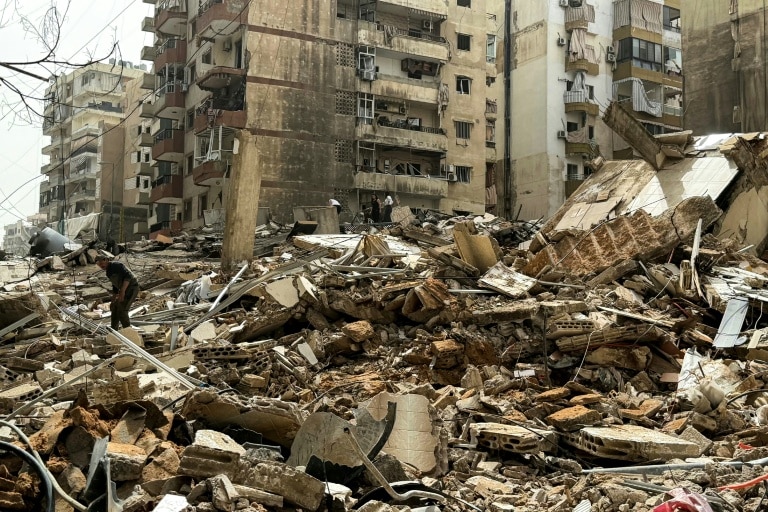
    Just two days after Israel and Lebanon agreed to a 10-day ceasefire to negotiate an end to six weeks of cross-border conflict, a deadly ambush targeting United Nations peacekeepers in southern Lebanon has left one French soldier dead and three more wounded, with French President Emmanuel Macron publicly holding the Iran-backed militant group Hezbollah responsible — an accusation the organization has forcefully denied.

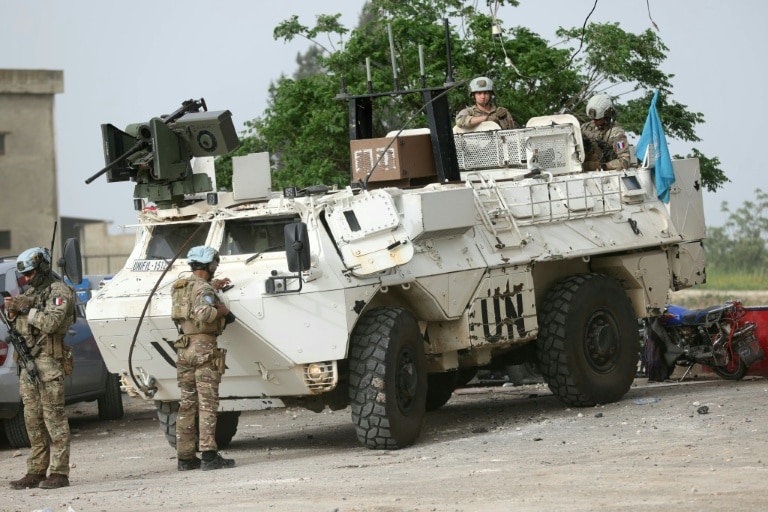
    The fallen service member was identified as 24-year-old Staff Sergeant Florian Montorio, who died from a close-range gunshot wound during the attack Saturday in the Ghandouriyeh-Bint Jbeil region near the Israeli-Lebanese border. French Armed Forces Minister Catherine Vautrin confirmed in a post on X that Montorio’s unit was moving to resupply a UN Interim Force in Lebanon (UNIFIL) outpost that had been isolated by days of ongoing combat when they were ambushed by an armed faction. Despite Montorio’s comrades pulling him to safety under active fire, medical efforts to revive him were unsuccessful, Vautrin added.

    In his own public statement on X, President Macron said “Everything points to Hezbollah being responsible for this attack,” and called on Lebanese national authorities to immediately apprehend and prosecute those behind the killing. This is not the first French military fatality linked to the broader regional conflict sparked by the October 7 Hamas attacks: last month, another French soldier, Arnaud Frion, was killed by an Iranian-designed drone in Iraq’s Kurdistan region.

    Hezbollah, which has repeatedly denounced the upcoming ceasefire negotiations with Israel as a surrender of Lebanese sovereignty, quickly rejected all claims of involvement. In an official statement, the group said it “denies any connection to the incident that occurred with UNIFIL forces in the Ghandouriyeh-Bint Jbeil area,” and called for “caution in making judgments and assigning responsibilities” until the Lebanese army completes its official probe into the attack.

    Senior Hezbollah official Mahmud Qamati doubled down on the group’s opposition to the talks Saturday, describing the negotiations led by the Lebanese government as “a failure, weak, defeated… and submissive,” and stressed the organization would not be bound by any outcome of the discussions. Lebanese President Joseph Aoun has pushed back against Hezbollah criticism, saying the negotiations do not represent any concession of Lebanese interests, marking the first direct formal talks between Lebanon and Israel in decades.

    UNIFIL’s initial assessment echoed French claims that the attack was likely carried out by Hezbollah, with the peacekeeping force noting the gunfire came from non-state actors as peacekeepers cleared explosive ordnance from a local road to reach the cut-off outpost. UNIFIL added that the incident “may amount to war crimes,” and has launched an independent internal investigation into the attack. Both Lebanese President Aoun and Prime Minister Nawaf Salam have condemned the killing, with Salam ordering a national probe and Aoun pledging to hold all responsible parties accountable. In the wake of the attack, Macron held urgent phone calls with both Aoun and Salam to press for full guarantees of security for all UNIFIL personnel deployed in the country.

    Tensions around UNIFIL’s mission have escalated sharply since the Israel-Hezbollah border conflict began six weeks ago, when Hezbollah launched rocket attacks on Israel in solidarity with Hamas, drawing Lebanon into the broader regional war. The peacekeeping force, which has served as a neutral buffer between Lebanon and Israel for nearly 45 years, has repeatedly been targeted by both Israeli and Hezbollah forces during the current fighting. Last month, three Indonesian UNIFIL peacekeepers were killed: a preliminary UN investigation found one was killed by Israeli tank fire, while the other two died in an improvised explosive device attack widely linked to Hezbollah. In separate incidents earlier this year, Israeli troops destroyed surveillance cameras at UNIFIL’s headquarters, and just last week an Israeli tank rammed two UNIFIL patrol vehicles, causing damage but no injuries. UNIFIL’s current mandate is set to expire at the end of 2024, adding further uncertainty to the force’s future in the region.

  • Pope brings Africa tour to Angola as Trump feud drags on

    Pope brings Africa tour to Angola as Trump feud drags on

    Pope Leo XIV has launched the third stop of his historic 11-day, four-nation African pilgrimage, arriving in Angola Saturday after wrapping up a high-profile three-day visit to Cameroon, where he delivered sharp social and political critiques amid a worsening war of words with former U.S. President Donald Trump over the ongoing Middle East conflict.

    The American pontiff, who was elected to the papacy in May 2025 after the passing of Pope Francis, marked the end of his Cameroon leg with a massive open-air mass at Yaoundé’s airport that drew more than 200,000 adoring worshippers, who greeted him with traditional songs and festive dances. Speaking in French during his homily, Pope Leo thanked the Cameroonian people for their warm welcome, before issuing a pointed call for the nation to find the courage to break from harmful long-standing habits and outdated power structures. His remarks came against the backdrop of 42 years of authoritarian rule by 93-year-old President Paul Biya, who has held power since 1982.

    Following the mass, Pope Leo departed midday for Angola’s capital Luanda, where he is scheduled to meet with President Joao Lourenco and deliver a policy address before wrapping up his visit on Tuesday. Only two other popes have traveled to the resource-rich southern African nation: John Paul II in 1992 and Benedict XVI in 2009, with roughly 44% of Angola’s population identifying as Catholic. Organizers and local officials expect tens of thousands of worshippers to travel across the country to catch a glimpse of the head of the global Catholic Church, which counts 1.4 billion followers worldwide.

    For many Angolans, the papal visit carries deep personal and national meaning. “It’s as if God were very close to us,” Helena Maria Miguel, a 40-year-old human resources manager based in Luanda, told reporters ahead of the pope’s arrival.

    Pope Leo’s consistent calls for global peace are expected to resonate particularly strongly in Angola, a nation that only emerged from a brutal 27-year civil war in 2002. The conflict broke out immediately after Angola gained independence from Portugal in 1975, leaving deep socioeconomic scars that persist decades later. Despite the country’s vast fossil fuel reserves, an estimated one-third of Angolans still live below the poverty line, with the national economy overly reliant on volatile global oil prices and long plagued by systemic corruption that has even reached the inner circle of former president Jose Eduardo dos Santos.

    Many local residents hope the pope’s visit will shine a light on the unmet needs of Angola’s young population. “There is a lot of suffering, a lot of poverty in Angola. I hope the pope will see with his own eyes the needs of the youth here,” said 33-year-old engineer Antonio Masaidi.

    The visit comes as Pope Leo has adopted a far more assertive public tone after facing repeated sharp criticism from Donald Trump, breaking from the more low-key, measured approach he took immediately after his election. Up until the public feud erupted, the new pope had positioned himself as more discreet than his predecessor, Pope Francis, who led the church from 2013 to 2025. Throughout the African tour, the pontiff has repeatedly called out global corruption, the exploitative plunder of Africa’s natural resources by foreign and domestic actors, and the unregulated risks of artificial intelligence, even as his public clash with Trump continues to unfold. After Trump’s Vice President JD Vance, a Catholic, publicly called on the Vatican to stay out of political affairs and “stick to matters of morality”, Pope Leo fired back Thursday, arguing the world is “being ravaged by a handful of tyrants” and doubling down on criticism of actors who misuse religious doctrine to justify armed conflict. During his time in Cameroon, he doubled down on these critiques, demanding local leaders root out graft and condemning “those who, in the name of profit, continue to seize the African continent to exploit and plunder it”.

    On Sunday, Pope Leo will lead a second massive open-air mass in Kilamba, a suburb of Luanda, where local authorities have built new infrastructure including a large public food court to accommodate the expected crowds of worshippers. In the afternoon, he will travel by helicopter to the riverside village of Muxima, roughly 130 kilometers southeast of the capital, which is home to a 16th-century church that has grown into one of southern Africa’s most important Catholic pilgrimage sites. The village, where enslaved Africans were once baptized before being forcibly shipped out of the continent, is currently the site of a multi-million-dollar government development project to build a new basilica and transform the area into a major international religious tourism destination.

    “It is a historic moment of grace, a moment of profound emotion, with tears in our eyes and gratitude in our hearts,” Father Mpindi Lubanzadio Alberto, rector of the Muxima shrine, told the Catholic outlet ACI Africa ahead of the visit. On April 20, the pope will travel more than 800 kilometers from Luanda to Saurimo, where he will visit a local retirement home and lead another mass before departing Angola the following morning. After wrapping up his time in Angola, Pope Leo will travel to Equatorial Guinea for the fourth and final stop of his 18,000-kilometer journey, which launched in Algeria earlier this month.

  • War in the Middle East: latest developments

    War in the Middle East: latest developments

    Fresh developments across the Middle East this week have deepened existing frictions between the United States and Iran, while regional mediators continue high-stakes diplomatic pushes to de-escalate the crisis and advance stalled peace negotiations. From a provocative attack on a commercial tanker in a strategic waterway to shifting positions on ceasefire extension and navigation access, the rapidly unfolding events have left regional stability hanging in the balance.

    In the first major reported incident, the United Kingdom’s Maritime Trade Operations Centre confirmed that Iranian Revolutionary Guards Corps (IRGC) gunboats opened fire on a commercial tanker 20 nautical miles northeast of Oman in the Strait of Hormuz, without prior radio warning. Authorities confirmed all crew members aboard the vessel are unharmed, and official investigations into the attack are currently underway. The Strait of Hormuz remains one of the world’s most critical chokepoints for global oil supplies, with roughly a fifth of all global oil shipments passing through the waterway daily.

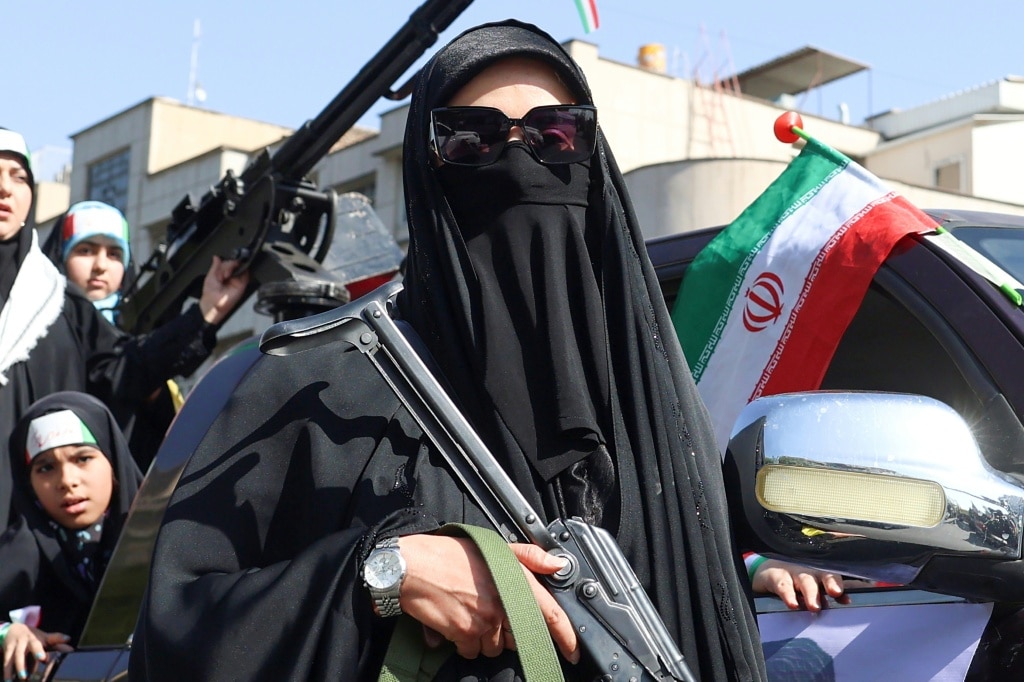
    Shortly after the tanker incident, a statement attributed to Iran’s Supreme Leader Mojtaba Khamenei, who has not appeared in public since the current conflict began, was published to his official Telegram channel. In the message, Khamenei asserted that Iran’s naval forces are fully prepared to inflict new defeats on US military forces in the region, saying “our brave navy stands ready to make the enemies taste the bitterness of new defeats.”

    Diplomatic efforts to bring the two sides back to the negotiating table remain gridlocked, Iranian Deputy Foreign Minister Saeed Khatibzadeh confirmed to reporters this week. After the first round of Pakistan-brokered peace talks between Iran and the US collapsed, no new date for a second meeting has been set. “Until we agree on the framework, we cannot set the date,” Khatibzadeh said, adding that Tehran refuses to enter talks that are destined to fail, as such an outcome would only provide a pretext for further escalation. The deputy foreign minister also pushed back against recent threats from Washington of new military strikes, criticizing US President Donald Trump’s frequent public comments on the conflict, saying “the American side tweets a lot, talks a lot. Sometimes confusing, sometimes contradictory.”

    Despite the stalemate, regional mediators Egypt and Pakistan say they are continuing intensive work to broker a final agreement between the two adversaries. Egyptian Foreign Minister Badr Abdelatty told reporters that both Cairo and Islamabad are working “very hard” to reach a deal, saying “we hope to do so in the coming days” and that Cairo is “pushing very hard in order to move forward.” Pakistan’s top diplomatic and military leadership have also wrapped up a round of shuttle diplomacy this week: Army Chief Field Marshal Asim Munir concluded a three-day visit to Tehran where he met with Iran’s top leadership and peace negotiators, while Pakistani Prime Minister Shehbaz Sharif returned home from a separate visit to Turkey. A second round of official talks is still tentatively expected to be held in Islamabad in the coming week, though no date has been confirmed.

    In a major reversal of a prior concession made during early negotiations, Iran’s central military command announced this week that it would resume “strict management” of the Strait of Hormuz, rolling back a previous decision to unblock the strategic channel. The military said the reversal came in response to Washington breaking its earlier commitment to ease a naval blockade on commercial ships traveling to and from Iranian ports.

    Iran has taken a small step to ease restrictions on global aviation, however, partially reopening its eastern airspace to transit flights for international airlines. The Iranian Civil Aviation Authority confirmed that key air routes through the eastern section of the country’s airspace are now open for transiting international flights, and that several Iranian airports have also resumed limited operations.

    On the American side, President Trump confirmed Friday that if no peace deal is reached with Tehran, he plans to maintain the US naval blockade of Iranian ports, and may choose not to extend the current bilateral ceasefire that is set to expire this coming Wednesday. “Maybe I won’t extend it, but the blockade is going to remain,” Trump told reporters during an interview aboard Air Force One. Despite the tough stance, the president remained optimistic about the prospects for a breakthrough, saying “I think it’s going to happen.”

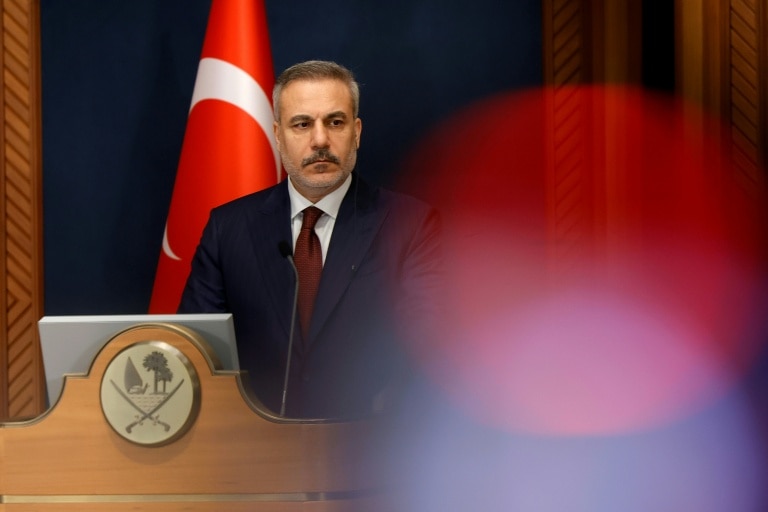
    In another key development related to broader regional conflict, Turkish Foreign Minister Hakan Fidan used his speaking slot at the Antalya Diplomacy Forum to level sharp criticism at Israeli Prime Minister Benjamin Netanyahu’s government, accusing it of using national security as a pretext to seize additional territory. “Israel is not after its own security. Israel is after more land. Security is being used by the Netanyahu government as an excuse to occupy more land,” Fidan said.

  • Iran closes Hormuz Strait again over US blockade with ships mid-transit

    Iran closes Hormuz Strait again over US blockade with ships mid-transit

    The volatile standoff over one of the world’s most critical energy chokepoints shifted dramatically Saturday, as Iran’s military command announced it had reclosed the Strait of Hormuz just hours after initially reopening it, with more than a dozen commercial vessels mid-transit through the strategic waterway. This rapid reversal casts fresh uncertainty over U.S. President Donald Trump’s recent optimistic claims that a final peace deal to end the U.S.-Israeli war with Iran is “very close.”

    Tehran first declared the 21-mile strait, which normally carries roughly one-fifth of global oil and liquefied natural gas trade, open for transit on Friday, after a ceasefire agreement was reached to pause Israel’s war with Hezbollah in Lebanon. The announcement triggered immediate relief in global commodity markets, sending oil prices tumbling. But the reprieve was short-lived: President Trump insisted that the U.S. naval blockade of Iranian ports would remain in place until a comprehensive peace deal is finalized, a move that prompted Tehran to renew its threat to shutter the waterway.

    By late Saturday morning, Iranian state television, citing a statement from the country’s central military command, confirmed the strait had returned to its restricted status, with full strict management and control held by Iranian armed forces. The decision was explicitly framed as a direct response to the continued American blockade. At the time of the announcement, maritime tracking data showed multiple commercial vessels rushing through the narrow passage, hugging Iranian territorial waters as instructed by Tehran. Several of the ships identified themselves as Indian or Chinese, a move widely interpreted as a public signal of their neutrality in the conflict.

    As of 10:30 GMT Saturday, at least eight oil and gas tankers had successfully completed transit through the strait, but an equal number of vessels that had begun departing the Persian Gulf had already turned back to safer ports.

    The current two-week ceasefire in the U.S.-Israeli war, which was launched by the American-Israeli alliance on February 28, is set to expire in just four days. Despite the growing tensions over the strait, Trump has remained outwardly confident that a final agreement can be finalized quickly. He took to social media Friday to declare the day “GREAT AND BRILLIANT,” and repeatedly praised Pakistan, the lead mediator in the talks, for its diplomatic work.

    Pakistan’s top military leader, Field Marshal Asim Munir, wrapped up a three-day diplomatic visit to Tehran Saturday focused on advancing peace negotiations, where he held meetings with Iran’s highest-ranking leadership. While Munir conducted talks in Iran, Pakistani Prime Minister Shehbaz Sharif traveled to Saudi Arabia, Qatar, and Turkey to shore up regional support for the peace process. Egypt, another key diplomatic player in the negotiations, also expressed cautious optimism Saturday: Egyptian Foreign Minister Badr Abdelatty said Cairo and Islamabad expected to secure a final agreement “in the coming days.”

    Pakistan has emerged as the primary mediator throughout the conflict, hosting a marathon round of direct peace talks last weekend that was attended by U.S. Vice President JD Vance. A second round of negotiations is scheduled to take place in the Pakistani capital next week, with envoys from all sides aiming to end the conflict that began with a massive surprise attack by U.S. and Israeli forces. That pre-emptive strike, launched even as diplomatic talks were ongoing, killed Iranian Supreme Leader Ali Khamenei and dozens of senior Iranian government and military officials. The war quickly spread across the Middle East: Iran retaliated by targeting U.S. military and commercial interests across the Gulf, while Hezbollah entered the conflict by launching rocket attacks on northern Israel, dragging Lebanon into full-scale hostilities.

    In a sign that the broader ceasefire framework remains largely intact, Iran’s Civil Aviation Authority announced Saturday that the country’s airspace has been reopened, allowing international commercial flights to transit through eastern Iranian airspace once again.

    Even with ongoing diplomatic progress, two major sticking points remain unresolved in the talks: the future of Iran’s stockpile of near-weapons-grade enriched uranium, and the long-term status of the Strait of Hormuz. Both issues remain up in the air, despite conflicting claims from the two sides.

    Speaking to AFP by phone Friday, Trump claimed “we’re very close to having a deal,” and insisted there were “no sticking points at all” left in negotiations with Tehran. Later that same day, during a campaign event in Arizona, the president claimed Iran had already agreed to hand over its roughly 440 kilograms of uranium enriched to 60% purity — a level just short of what is required to build a nuclear weapon. “We’re going to get it by going in with Iran, with lots of excavators,” he told attendees.

    But Iran flatly contradicted Trump’s claims just hours before the president’s Arizona remarks. Iranian Foreign Ministry spokesman Esmaeil Baqaei told state television that the country’s enriched uranium stockpile, which Iran says was buried deep underground by U.S. bombing during the 12-day June 2025 war, will remain in Iran. “Iran’s enriched uranium is not going to be transferred anywhere,” Baqaei said, adding that “Transfer of Iran’s enriched uranium to the U.S. has never been raised in negotiations.”

    For ordinary Iranians, the conflict continues to disrupt daily life: internet monitor Netblocks confirmed Saturday that the nationwide internet blackout imposed at the start of the war has now entered its 50th day, leaving most Iranians cut off from the global digital network.

  • One dead after car hits pedestrians in Melbourne, police say

    One dead after car hits pedestrians in Melbourne, police say

    A fatal traffic incident outside a major Australian pop culture gathering in Melbourne has left one person dead and another fighting for their life, with police taking a male suspect into custody shortly after the crash.

    The collision unfolded shortly before 5 p.m. local time on Saturday in Ascot Vale, a inner-city suburb of Melbourne, when a gray Toyota sedan drove up onto the sidewalk and struck two pedestrians along Langs Road, Victoria Police confirmed in a preliminary statement. Emergency responders pronounced one victim dead at the crash site immediately after arriving, while the second injured person was rushed to a nearby hospital with severe, life-threatening injuries that are still being monitored by medical teams.

    At this early stage of the investigation, law enforcement officials have not yet confirmed the exact circumstances that led to the car leaving the road and hitting the pedestrians. The arrested male suspect is scheduled to undergo formal police questioning as investigators work to piece together the sequence of events and determine whether the incident was intentional or accidental.

    The crash site is located just outside the Melbourne Showgrounds, the venue for the weekend-long Supanova Comic Con & Gaming event, one of Australia’s largest pop culture fan conventions. The two-day gathering bills itself as the central hub for Australian pop culture fandom, with event organizers expecting thousands of attendees to turn out for panels, exhibitions and meet-and-greets. High-profile celebrity guests, including Andy Serkis, the star best known for his role as Gollum in *The Lord of the Rings* film trilogy, and Bonnie Wright, who played Ginny Weasley in the *Harry Potter* film franchise, had been scheduled to appear at the expo.

    Eyewitness accounts from people at the scene have offered new details about the moments immediately after the collision. One witness, identified only as Tom, told local outlet *The Sydney Morning Herald* that he heard the telltale screech of tires before the driver mounted the kerb at an unusually high, erratic speed and hit the two pedestrians. After the impact, the car made a U-turn and traveled back down the street toward Tom’s position before stalling out. Tom told reporters he intervened to stop the driver from fleeing the scene before emergency personnel arrived.

    Photos from the crash site released in the aftermath show a heavy police cordon surrounding the damaged vehicle, which bears clear visible damage from the incident. Local law enforcement has not yet released further details about the identity of the suspect or the victims, and has asked any additional witnesses who have not yet given a statement to contact local investigators.

  • Turkey says Israel using security as a pretext to acquire ‘more land’

    Turkey says Israel using security as a pretext to acquire ‘more land’

    Amid a sustained surge in cross-border diplomatic friction between Ankara and Jerusalem, Turkey’s top foreign policy official has leveled sharp accusations against Israel, claiming the Jewish state is hiding territorial expansion ambitions behind a veneer of legitimate security concerns. Turkish Foreign Minister Hakan Fidan delivered the scathing critique Saturday during a high-profile panel discussion at the Antalya Diplomacy Forum, a key annual gathering of global diplomatic leaders held in Turkey’s Mediterranean resort city of Antalya.

    In prepared remarks delivered in English, Fidan pushed back against Israel’s longstanding framing of its military actions across the Middle East as acts of self-defense, arguing this narrative has created a misleading “illusion” for the international community. “Israel is not after its own security. Israel is after more land,” Fidan stated directly, adding that Israeli Prime Minister Benjamin Netanyahu’s administration deliberately leverages security justifications to legitimize the seizure of additional territory.

    Fidan traced this pattern of expansion across multiple regional flashpoints: from long-disputed Palestinian territories including Gaza, the occupied West Bank, and East Jerusalem, to the growing border tensions between Israel and Lebanon, and ongoing spillover into Syrian territory. “This is onward occupation and expansionism in the region, and I think this has to stop,” he added. Fidan went on to argue that lasting peace for Israel in the Middle East can only be achieved if the country respects its neighbors’ right to sovereignty, territorial integrity, and personal security, rather than relying on military dominance to achieve its goals.

    Public disagreements between Turkey and Israel have become a near-daily occurrence in recent months, fueled by competing stances on the Gaza war, rising geopolitical tensions involving Iran, and long-running disagreements over the future of Syria. Bilateral relations between the two regional powers have been severely damaged since 2010, when Israeli commandos raided an aid flotilla attempting to break Israel’s naval blockade of Gaza, killing nine Turkish activists and one American national. The flotilla was organized in part by a Turkish humanitarian aid group.

    On the sidelines of the Antalya forum, Fidan held diplomatic talks Friday with his counterparts from Pakistan, Saudi Arabia, and Egypt, with the ongoing Middle East conflict topping the agenda. Fidan emphasized that regional nations must take collective ownership of shared regional challenges, noting that Israel remains the sole actor in the region pursuing deliberate territorial expansion.

    Turning to another major global conflict, Fidan also addressed Turkey’s long-running quiet diplomatic efforts to resolve the Russia-Ukraine war, noting that these mediation efforts have been pushed off the global agenda in recent months by rising tensions surrounding Iran. “That has left the Russia-Ukraine war on the side,” Fidan said, adding that the international community should refocus its attention on negotiating a resolution to the conflict as soon as Iran-linked tensions de-escalate. He also warned that the ongoing conflict between Russia and Ukraine remains vulnerable to further escalation.

    Turkey has positioned itself as a neutral mediator between Moscow and Kyiv since the full-scale invasion began in 2022, having hosted multiple rounds of direct peace negotiations between the two sides. This year’s Antalya Diplomacy Forum continues that mediation role, hosting Russian Foreign Minister Sergei Lavrov and Ukrainian Foreign Minister Andrii Sybiha for separate panel appearances during the event.

  • Masked group storm Eaton Mall during terrifying machete attack that injured teen

    Masked group storm Eaton Mall during terrifying machete attack that injured teen

    Chilling security and witness footage has surfaced showing a large group of masked, machete-armed attackers descending on a popular public mall in Melbourne, Australia, during Friday evening peak hours, leaving one teenager hospitalized and the local community shaken.

    According to official updates from Victoria Police, the violence unfolded at approximately 7:45 p.m. local time at Eaton Mall, a busy retail and gathering hub in Melbourne’s southeastern suburbs. Around a dozen young people were sitting outdoors in the mall’s public dining area when the group of suspects — all clad in balaclavas and all-black clothing to conceal their identities — marched into the open space.

    A police spokesperson confirmed that at least two of the intruders pulled out large machetes and launched an assault on the assembled group. An 18-year-old man from Malvern East suffered cut and stab wounds that, while serious, have been classified as non-life-threatening. He was rushed to a nearby hospital for emergency treatment by responding emergency medical teams. A second victim, a 16-year-old boy, was also caught up in the attack but escaped without physical injury.

    Immediately after the assault, the entire group of masked offenders fled the scene on foot. As of the latest police update, no suspects have been taken into custody, and the investigation remains active and ongoing.

    Investigators have determined that the attack was not a random act of violence against the general public, but a targeted confrontation. Police confirmed that the two groups involved in the incident were already known to one another, ruling out concerns of an indiscriminate attack on mall patrons.

    “Detectives continue to investigate the full circumstances surrounding the incident,” the police spokesperson said in a statement to media. Law enforcement has issued a public call for information, urging any members of the public who were in Eaton Mall at the time of the attack, or who captured any additional video or photo footage of the incident or the suspects, to contact Crime Stoppers anonymously to aid the investigation.

    The attack, which took place in a crowded public space on a Friday night, has sparked renewed discussion around public safety in Melbourne’s suburban retail hubs, with local residents expressing alarm over the brazen nature of the assault.

  • The murder allegations against decorated Australian soldier Ben Roberts-Smith

    The murder allegations against decorated Australian soldier Ben Roberts-Smith

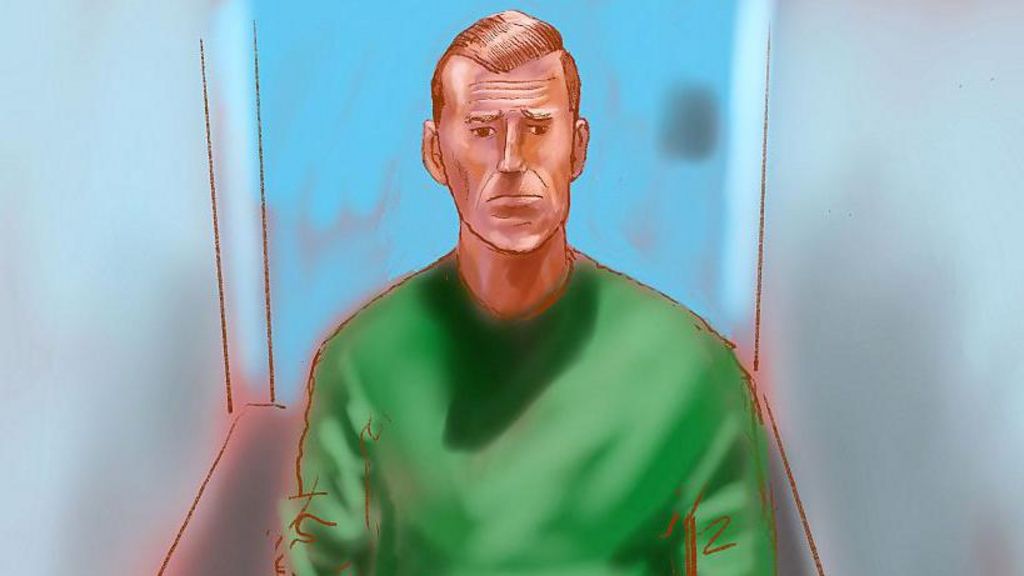
    On a Friday in early 2026, Ben Roberts-Smith, Australia’s most decorated living ex-soldier, made his first court appearance via video link from a remote location to a small Sydney courtroom, standing silent as he faced unprecedented war crimes charges that have rocked Australia’s military establishment.

    Weeks prior to the bail hearing, prosecutors had formally laid five counts of murder against the 47-year-old, all stemming from alleged atrocities he committed while serving as a Special Air Service (SAS) corporal deployed to Afghanistan on Australian national operations. Newly unsealed court documents, obtained and verified by the BBC, lay out graphic, detailed accusations of systematic war misconduct that have never before been tested in an Australian criminal courtroom.

    According to the documents, the allegations span three separate operational missions between 2009 and 2012. The first incident unfolded in April 2009, when Roberts-Smith’s SAS team was called in to clear the Taliban-held Whiskey 108 compound near Tarin Kowt following an airstrike. Inside a hidden tunnel, troops pulled out two detainees, identified as father and son Mohammad Essa and Ahmadullah, both of whom were immediately restrained and cuffed. Prosecutors allege Roberts-Smith carried Ahmadullah, a disabled man who used a prosthetic leg, outside the compound’s perimeter, threw him to the ground, and fired multiple rounds from a belt-fed machine gun to kill him — an act witnessed by several Australian Defence Force (ADF) personnel posted on outer cordon duty. Returning inside the compound, the documents claim Roberts-Smith ordered an inexperienced rookie soldier, anonymized as Person Four, to execute Mohammad Essa in an initiation practice known within the unit as “blooding.” After the rookie followed the order, both Roberts-Smith and the patrol leader documented the event as a successful initiation.

    The second alleged killing took place in September 2012, two weeks after an Afghan soldier turned on his Australian partners, killing three and wounding two. Roberts-Smith, who had received Australia’s highest military honor, the Victoria Cross, just one year prior, led a search team to Darwan village that captured three detainees, including a man named Ali Jan. Court documents allege Roberts-Smith physically assaulted the handcuffed detainees during questioning before escorting Ali Jan to the edge of a 10-meter cliff. Even with Ali Jan cuffed and restrained by another soldier, Roberts-Smith kicked him off the cliff, causing severe injuries including broken teeth. The prosecution claims that after climbing down to the injured detainee, an unnamed soldier acting on Roberts-Smith’s direction shot Ali Jan dead. To cover up the unlawful killing, the team planted a captured handheld radio on Ali Jan’s body to falsely frame him as an armed insurgent. During an earlier civil defamation trial, Roberts-Smith denied the entire event, claiming no detainees were captured that day and no such cliff existed at the search site.

    The final two murder charges stem from an October 2012 mission in Syachow village, where Roberts-Smith served as patrol commander. Official mission reports claimed four insurgents were killed in active combat: two inside a compound, and two more in an adjacent cornfield after they refused to surrender. Prosecutors say this narrative is a deliberate cover-up. A junior soldier, Person 66, testified that the two men in the cornfield were already detained and unarmed when Roberts-Smith ordered their execution. According to the court documents, a senior soldier shot the first detainee, before Roberts-Smith ordered the first-tour Person 66 to kill the second. After the shooting, Roberts-Smith threw a grenade into the cornfield to create false evidence that the men had been killed during a legitimate engagement. Forensic analysis of post-mission photos found ligature marks consistent with handcuff restraint on both men’s bodies.

    Roberts-Smith’s military career began in 1996, when he joined the ADF at 18. He completed two tours of duty in East Timor before passing selection for the elite SAS in 2003, building a reputation as one of Australia’s most decorated serving soldiers by the height of his Afghanistan deployment. He stepped back from active service at the end of 2012 and formally retired from the ADF in 2015, six years before allegations of war crimes would lead to a high-profile legal battle.

    In 2016, senior Australian military leadership launched an official inquiry into widespread rumors of war crimes committed by Australian special forces in Afghanistan, with media reports soon naming Roberts-Smith as a primary suspect. In 2018, he launched a landmark defamation suit against media outlets that published the allegations, but he ultimately lost the civil case. Transcripts of his sworn testimony from that trial have been entered into the current criminal case, where Roberts-Smith repeatedly denied violating the Geneva Conventions, claimed he knew killing restrained detainees was never permissible, and denied ever planting “throwdown” items to justify unlawful killings. Court documents note that Roberts-Smith has exercised his right not to amend or add to his previous sworn testimony for the criminal case.

    Prosecutors have outlined consistent patterns across all five alleged murders: every victim was cuffed, detained, and questioned before being killed, all killings occurred when ADF forces had full control of the area with no active enemy combat ongoing, and every incident has at least one direct eyewitness testimony. Three of the witnesses are former soldiers who have testified they themselves participated in executing detainees under Roberts-Smith’s orders when he was their commanding officer.

    To date, Roberts-Smith has not formally responded to the detailed allegations contained in the unsealed documents, and he has not yet entered a plea. At Friday’s bail hearing, Justice Greg Grogin granted the former soldier strict conditional bail, noting that the trial would not proceed for years, rather than weeks or months, due to the complexity of the unprecedented case. Australia has never held a war crimes trial in its history, and Roberts-Smith’s defense team has already noted the case falls into “uncharted legal territory” for the Australian judicial system. Roberts-Smith continues to vehemently deny all charges against him.