标签: Oceania

大洋洲

  • Senior US counterterrorism official resigns to protest Iran war

    Senior US counterterrorism official resigns to protest Iran war

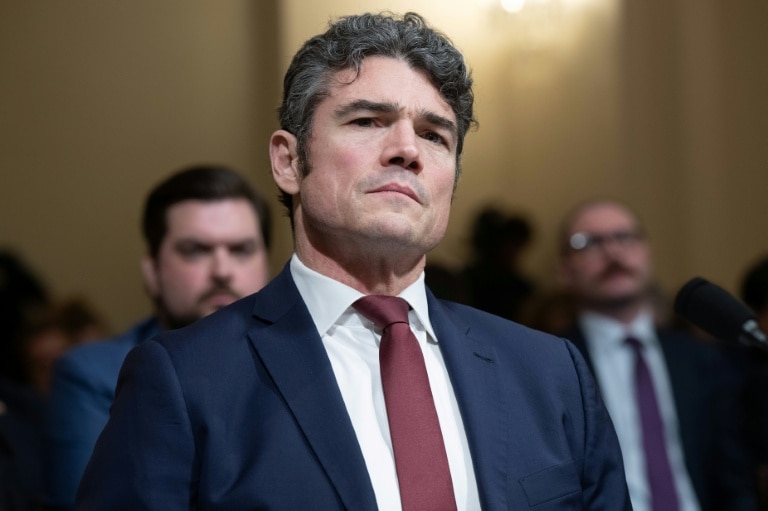
    In a significant demonstration of dissent within the national security establishment, Joseph Kent, Director of the National Counterterrorism Center (NCTC), has resigned from his position in protest against United States military operations targeting Iran. Kent submitted his formal resignation letter to President Donald Trump on Tuesday, explicitly stating his refusal to support continued warfare that he asserts lacks legitimate justification.

    The departing official, a decorated former Green Beret with eleven combat deployments, challenged the fundamental premise behind the military campaign. In his resignation document, which he subsequently made public via social media platform X, Kent contended that Iran did not represent an immediate threat to American national security interests. He attributed the push for conflict primarily to external pressure from Israel and its influential advocacy network within the United States.

    Kent’s personal history adds profound weight to his protest. His late wife, Shannon Kent, a fellow service member, was killed during a 2019 suicide bombing in Syria—a conflict he describes as ‘manufactured.’ Identifying as a Gold Star husband, Kent expressed his profound reluctance to endorse another generation being sent into a war he perceives as offering no tangible benefit to American citizens and unjustifiable human cost.

    As NCTC director operating under Director of National Intelligence Tulsi Gabbard, Kent held one of the most critical counterterrorism roles in the nation. His responsibilities included analyzing emerging threats and serving as the principal advisor to the president on terrorism-related matters. His resignation marks the first instance of a senior-level departure from the Trump administration directly linked to opposition against the Iran military campaign.

    In his letter, Kent alleged that a coordinated ‘misinformation campaign’ was orchestrated by high-ranking Israeli officials and pro-war media personalities in the U.S. He argued this effort systematically undermined the administration’s ‘America First’ agenda and artificially cultivated public support for military engagement. Kent drew parallels to the lead-up to the Iraq War, suggesting similar tactics were employed to manipulate intelligence assessments and political decision-making.

    Prior to leading NCTC, Kent’s career included service as a paramilitary officer within the Central Intelligence Agency following his Army tenure. He also mounted two unsuccessful congressional bids in Washington state as a Republican candidate endorsed by President Trump, in both 2022 and 2024.

  • Israel says killed Iran’s security chief Larijani

    Israel says killed Iran’s security chief Larijani

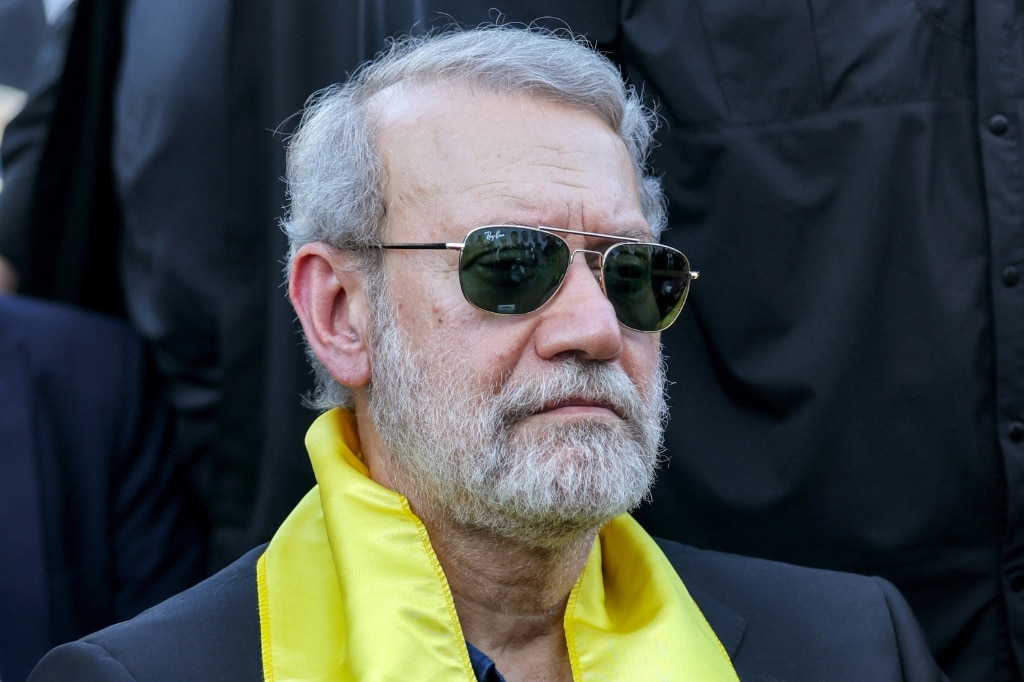
    In a dramatic escalation of Middle East hostilities, Israel has declared the successful targeting and elimination of Ali Larijani, Iran’s powerful National Security Chief and a pivotal figure within the Islamic Republic’s power structure. Prime Minister Benjamin Netanyahu, in a televised address on Tuesday, characterized Larijani as the leader of “the gang of gangsters” operating Iran’s Revolutionary Guards.

    The reported assassination, which Tehran has yet to independently confirm, represents a potentially catastrophic blow to Iran’s leadership apparatus. This event occurs against the backdrop of a regional war ignited by the U.S.-Israeli strike that killed Supreme Leader Ayatollah Ali Khamenei on February 28, 2026—a conflict now radiating severe global economic and geopolitical repercussions.

    Larijani, 68, was widely regarded as a cornerstone of Iran’s strategic operations, overseeing nuclear policy and international diplomacy for decades. His death follows the brutal suppression of a widespread popular uprising against the regime, during which human rights groups documented thousands of civilian casualties.

    Concurrently, Israel announced the elimination of Gholamreza Soleimani, commander of the Basij paramilitary force, and targeted Akram al-Ajouri, leader of Palestinian Islamic Jihad’s military wing, underscoring its intensified ‘decapitation’ strategy against enemy leadership.

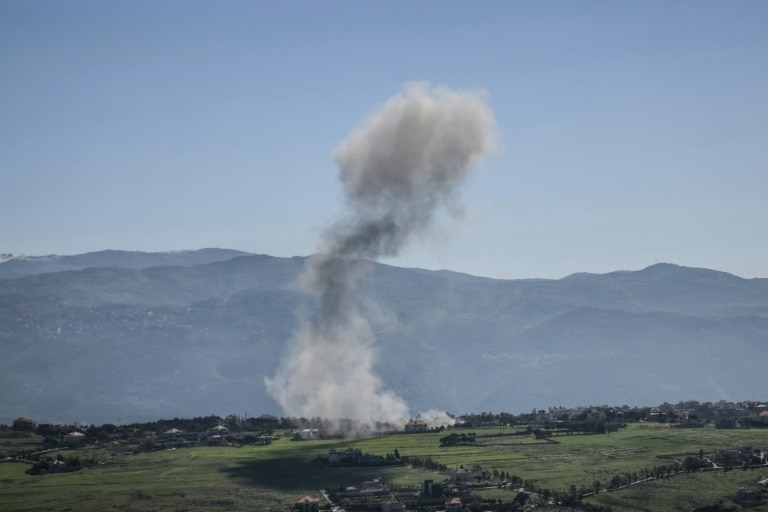
    The regional violence has triggered massive displacement and infrastructure collapse. Lebanon reports over 886 fatalities and one million displaced persons since March 2, with IDF ground operations now extending into northern territories. Humanitarian crises are deepening, with overwhelmed aid organizations in cities like Sidon unable to accommodate fleeing civilians.

    Global energy markets have been thrown into turmoil as Iran retaliates against U.S. interests and regional energy infrastructure. The strategic Strait of Hormuz—a conduit for 20% of global oil shipments—has become functionally impassable due to Iranian threats and attacks on commercial tankers, causing oil prices to surge approximately 3% following geopolitical uncertainties.

    U.S. President Donald Trump’s appeals for NATO and allied nations to secure the vital waterway have met with resistance. Key European leaders, including British PM Keir Starmer and German Chancellor Friedrich Merz, have explicitly rejected military involvement, emphasizing the conflict falls outside NATO’s purview and advocating for diplomatic solutions instead.

  • Kerr winner sends Australia into Asian Cup final

    Kerr winner sends Australia into Asian Cup final

    In a thrilling semi-final clash at the Asian Cup, Australian captain Sam Kerr delivered a spectacular match-winning performance against China, securing a 2-1 victory for the Matildas. The Chelsea superstar, who remains the sole veteran from Australia’s 2010 championship squad, netted the decisive goal from an acute angle before an electrified crowd of 35,170 spectators.

    The match commenced with Australia demonstrating offensive dominance, culminating in Caitlin Foord’s powerful opening strike. Arsenal’s forward capitalized on a sophisticated build-up play involving Manchester City’s Mary Fowler and Chelsea’s Ellie Carpenter, who showcased exceptional speed and precision along the left flank. China managed to equalize through Zhang Linyan’s successfully converted penalty, setting the stage for Kerr’s dramatic second-half heroics.

    Matildas head coach Joe Montemurro acknowledged tactical deficiencies despite the favorable outcome, stating, ‘The second half showed improvement, but our first-half performance proved disappointing. After scoring an excellent goal, we unexpectedly retreated when we should have maintained offensive pressure.’

    The victory carries additional significance as Australia recently secured qualification for the 2027 Women’s World Cup in Brazil following their quarter-final triumph over North Korea. The tournament has necessitated temporary departures from the Women’s Super League, with 13 Australian players among the 26-member squad currently competing in England’s domestic league.

    This mass participation creates scheduling complications for upcoming Champions League fixtures, particularly the Arsenal-Chelsea quarter-final scheduled for March 24th, merely three days after the Asian Cup final. Both clubs potentially face absences of key players due to travel logistics and possible championship celebrations.

    Australia now advances to Saturday’s final in Sydney, where they will confront either tournament favorites Japan or South Korea as they pursue their second Asian Cup title.

  • Len Deighton, spy novelist who created the anti-Bond

    Len Deighton, spy novelist who created the anti-Bond

    The literary community is mourning the loss of acclaimed British author Len Deighton, who passed away peacefully at age 97. His literary agent confirmed the Sunday death of the writer widely regarded as “one of the greatest spy and thriller writers of the twentieth century.”

    Deighton transformed the espionage genre by introducing working-class, sardonic agents that stood in stark contrast to the polished sophistication of Ian Fleming’s James Bond. His most iconic creation emerged in the 1962 debut novel “The IPCRESS File,” featuring an unnamed, thick-bespectacled intelligence operative who would later be christened Harry Palmer for the acclaimed 1965 film adaptation starring Michael Caine.

    The author’s gritty realism provided what critics described as an “antidote” to the debonair world of conventional spy fiction. Unlike both Bond and John Le Carre’s gentleman spy George Smiley, Deighton’s characters operated with rough edges and cynical pragmatism that reflected a more authentic portrayal of intelligence work.

    Deighton’s literary impact extended across a remarkable half-century career that saw his works translated into 20 languages and selling millions of copies worldwide. His 1980s Berlin Trilogy—”Berlin Game,” “Mexico Set,” and “London Match”—introduced another complex working-class protagonist in Bernard Samson and was widely considered his masterpiece, presciently predicting the fall of the Berlin Wall before the century’s end.

    Beyond spy fiction, Deighton demonstrated remarkable versatility as a writer. He produced respected works on World War II military technology, authored five innovative cookery books including the illustrated “Len Deighton’s Action Cook Book” (1965), and worked as a travel writer for Playboy magazine during the 1960s.

    Born in London on February 18, 1929, to working-class parents, Deighton’s eclectic career path included military service in the Royal Air Force, work as an illustrator and graphic designer (he designed the UK first edition jacket of Jack Kerouac’s “On the Road”), and even a stint as an assistant pastry chef before achieving literary fame.

    Deighton lived much of his life out of the limelight, rarely giving interviews. He is survived by his wife Ysabele de Ranitz, whom he married in 1980, and their two sons.

  • War in the Middle East: latest developments

    War in the Middle East: latest developments

    The Middle East conflict entered a dangerous new phase with significant developments across multiple fronts, escalating regional tensions and global economic concerns.

    In a dramatic escalation, Israeli media reported targeting Iranian national security chief Ali Larijani in overnight strikes, though official confirmation remains pending. This comes after Larijani’s recent high-profile appearance at a Tehran rally where he dismissed US-Israeli attacks as acts of desperation following the February strike that eliminated Supreme Leader Khamenei.

    Tehran experienced loud explosions throughout the night, with an AFP journalist reporting blasts in the city center amid heavy thunderstorms. Simultaneously, Iran’s Revolutionary Guards announced the arrest of ten foreign spies in Razavi Khorasan province, alleging four were gathering intelligence on sensitive sites while others were linked to monarchist terrorist groups.

    The conflict expanded economically as oil prices surged over 5%, with US benchmark West Texas Intermediate reaching $98.32 per barrel. This spike followed several countries resisting former President Trump’s demand for securing the Strait of Hormuz, which Iran has shut down in response to US-Israeli attacks. The critical waterway normally handles one-fifth of global crude oil shipments.

    Energy infrastructure faced repeated attacks as a new drone strike hit the Fujairah oil complex on UAE’s east coast, causing fires but no injuries. This facility, which enables exports bypassing the Strait of Hormuz, was previously targeted on Monday.

    Regional security deteriorated significantly with multiple missile incidents. Qatar intercepted missile attacks after explosions were heard in Doha, while Dubai residents received emergency alerts warning them to “immediately seek a safe place” due to potential missile threats. In Abu Dhabi, falling shrapnel from an intercepted missile killed a Pakistani national.

    Maritime security was compromised when an “unknown projectile” struck a tanker off Oman’s coast, causing minor structural damage but no injuries. Meanwhile, Israel launched widespread strikes in Tehran and began targeting Hezbollah positions in Beirut, where Lebanese media reported hits on three neighborhoods including residential buildings, wounding an Ethiopian woman.

    Iraq became increasingly embroiled in the conflict as a drone and rocket attack targeted the US embassy in Baghdad, with at least one drone crashing inside the compound. Separately, a missile strike on a Baghdad house killed four people, including two alleged Iranian advisors to Tehran-backed groups.

    Amid the escalating violence, China announced humanitarian assistance for Iran, Jordan, Lebanon, and Iraq. Foreign Ministry spokesman Lin Jian stated this aid aims to “alleviate the humanitarian plight faced by local populations,” though specific details were not provided.

  • Belgian court decides on holding trial over 1961 Congo leader murder

    Belgian court decides on holding trial over 1961 Congo leader murder

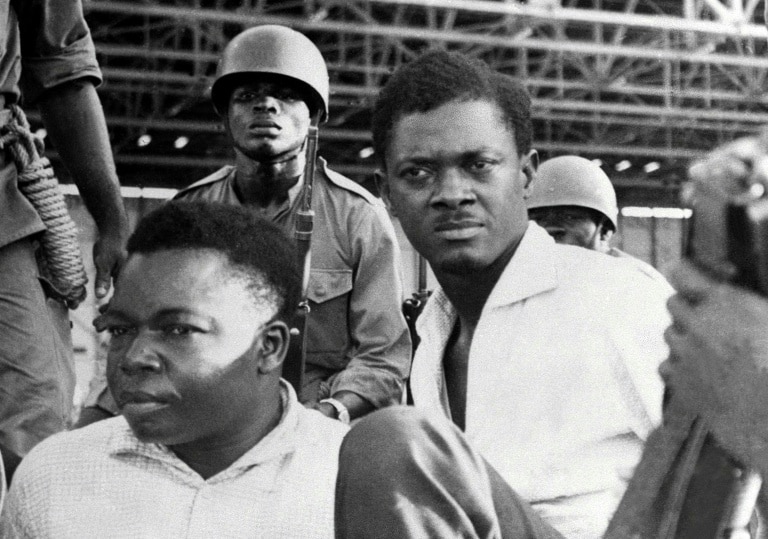
    A Brussels court is poised to deliver a landmark decision on Tuesday regarding the potential prosecution of 93-year-old former Belgian diplomat Etienne Davignon for alleged complicity in the 1961 assassination of Congolese independence leader Patrice Lumumba. This case represents the most significant legal development in six decades of seeking accountability for the murder of Congo’s first prime minister.

    Davignon, who later served as a European Commission vice president during the 1980s, stands as the sole surviving defendant among ten Belgians accused by Lumumba’s family of participating in a state-sponsored operation to eliminate the charismatic leader. The prosecution seeks to charge him with ‘participation in war crimes’ specifically related to Lumumba’s ‘unlawful detention and transfer’ and subsequent ‘humiliating and degrading treatment.’

    The legal proceedings have revealed starkly contrasting arguments. Davignon’s defense team contends that the extraordinary passage of time—more than six decades—renders a fair trial impossible, while Lumumba’s descendants maintain that justice delayed should not mean justice denied. ‘We are counting on the Belgian justice system to do its job and shed light on history,’ stated Yema Lumumba, the 35-year-old granddaughter of the assassinated leader.

    Historical context reveals Lumumba as a fiery critic of Belgian colonial rule who ascended to power when Congo gained independence in 1960. His tenure proved brief however, as he quickly alienated both Belgian and American interests, leading to his ouster in a coup merely months after assuming office. On January 17, 1961, Lumumba was executed at age 35 in Katanga province with support from Belgian mercenaries, after which his body was dissolved in acid to prevent recovery.

    This case emerges within Belgium’s broader reckoning with its colonial past, a process that has already yielded symbolic gestures including the 2022 repatriation of Lumumba’s sole known remains—a tooth confiscated from the daughter of a deceased Belgian police officer involved in the body’s disposal. During the remains transfer ceremony, then-Prime Minister Alexander De Croo formally acknowledged Belgium’s ‘moral responsibility’ in Lumumba’s disappearance, citing officials who ‘chose not to see’ and ‘not to act.’

    The court’s decision remains subject to appeal, with potential trial proceedings possibly commencing in early 2027 should prosecutors prevail. Legal representatives for the Lumumba family have characterized Davignon as ‘a link in the chain’ of a ‘disastrous state-sponsored criminal enterprise,’ highlighting his role as a junior diplomat involved in Congolese independence negotiations preceding the assassination.

  • Nigeria suicide attacks kill 23, wound more than 100

    Nigeria suicide attacks kill 23, wound more than 100

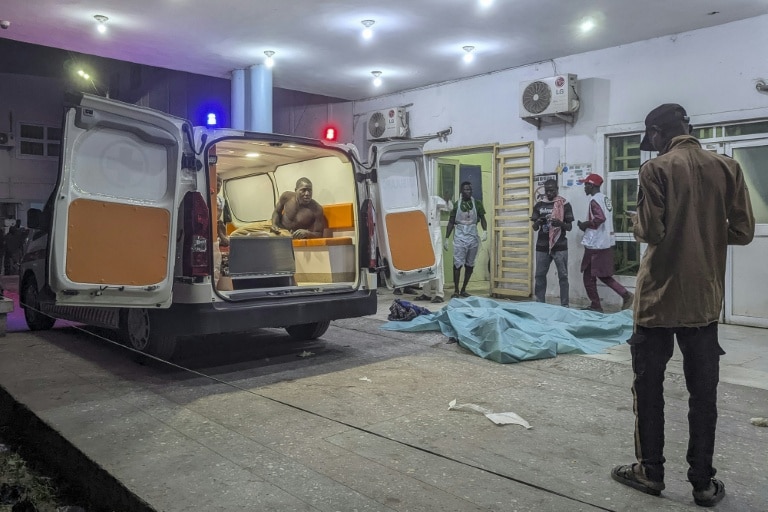
    A devastating series of coordinated suicide bombings has torn through the northeastern Nigerian city of Maiduguri, marking a grim escalation of violence in a region long plagued by jihadist insurgency. Local authorities confirmed that three separate explosions on Monday evening resulted in a tragic loss of at least 23 lives and left more than 108 individuals wounded with varying injuries.

    The assaults targeted critical civilian infrastructure, striking the city’s bustling main market, the entrance gate of the University of Maiduguri Teaching Hospital, and a crowded area near the Post Office flyover. The attacks occurred just one day after suspected jihadists launched a separate assault on a military outpost on the city’s outskirts, signaling a dangerous resurgence of violence in an area that had recently experienced a period of relative calm.

    Eyewitness Mala Mohammed, 31, described the chaotic scenes following the initial detonations. ‘After about two or three minutes, other people who were running along the road started shouting that it was a bomb at the market entrance,’ he recounted. ‘Unfortunately, as they were running towards Post Office, the person who had the explosive device ran into the crowd while people were still trying to escape.’

    The violence has been attributed to extremist groups Boko Haram and the Islamic State West Africa Province (ISWAP), whose 16-year campaign to establish an Islamist caliphate has already claimed over 40,000 lives and displaced approximately two million people across Nigeria’s northeast. Borno State Governor Babagana Zulum condemned the ‘barbaric’ attacks, suggesting they may be retaliation for intensified military operations against jihadist strongholds in the nearby Sambisa forest.

    Security forces have since restored order to the affected areas and implemented heightened surveillance measures throughout Maiduguri to prevent further bloodshed. The tragic events underscore the persistent threat posed by extremist factions despite governmental efforts to contain the insurgency and protect vulnerable civilian populations.

  • Miners and banks lead ASX higher after surprise Reserve Bank rate division

    Miners and banks lead ASX higher after surprise Reserve Bank rate division

    Australia’s financial markets experienced a notable reversal on Tuesday as the ASX 200 snapped a three-day decline, climbing 30.90 points (0.36%) to close at 8,614.30. The broader All Ordinaries index followed suit, gaining 26 points (0.30%) to finish at 8,819.40. This upward movement occurred despite ongoing concerns about elevated fuel prices and a surprisingly divided Reserve Bank of Australia regarding monetary policy.

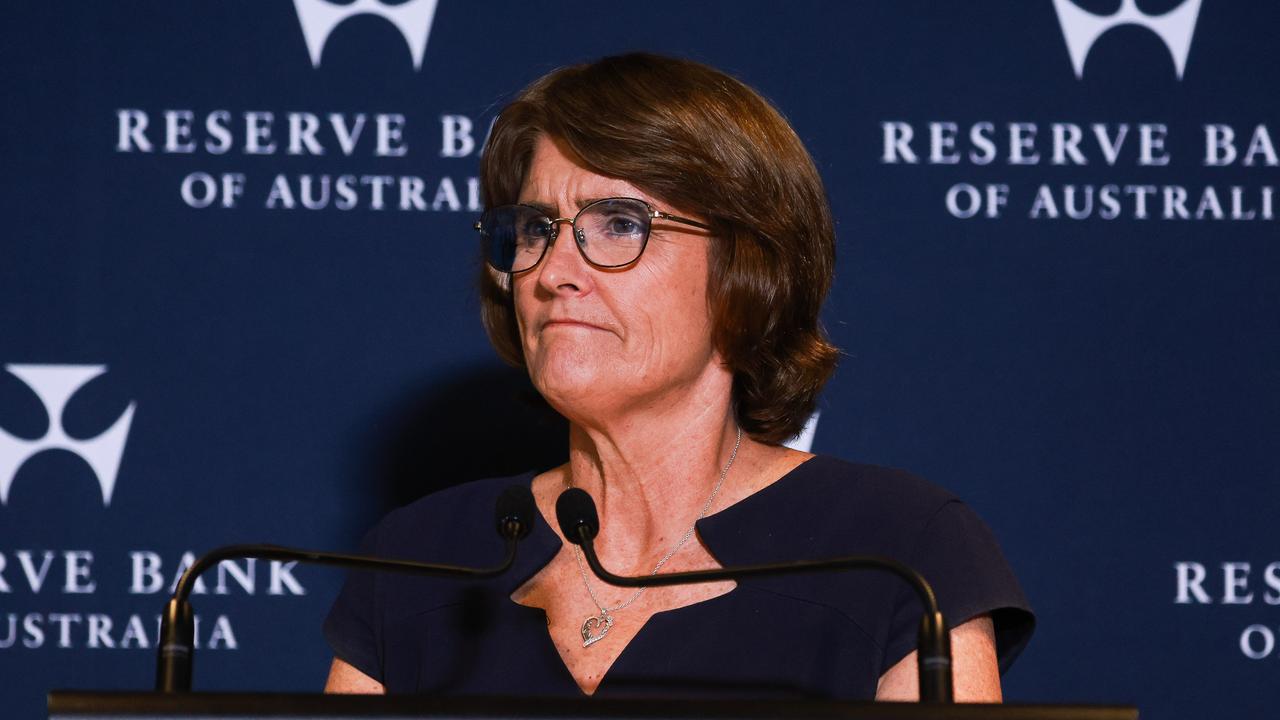
    The central bank’s governing board revealed a rare 5-4 split decision in favor of implementing a 25 basis point rate hike, bringing the cash rate to 4.10%. This division among policymakers actually reassured traders, according to market analysts, who interpreted the disagreement as signaling potential caution in future rate increases.

    IG market analyst Tony Sycamore commented: ‘The split vote acts as a powerful counterweight to the rate hike itself. The fact that four board members voted to hold suggests the next rate hike may not come until the second half of the year, indicating significant discomfort within the Board regarding current monetary tightening.’

    Financial institutions emerged as primary beneficiaries of the trading session, with all four major banks recording gains. Westpac led the surge with a 1.39% increase to $41.49, followed by National Australian Bank (0.85% to $47.46), Commonwealth Bank (0.34% to $176.12), and ANZ (0.21% to $37.53).

    The materials sector also demonstrated strength despite energy sector weaknesses, with BHP advancing 1.10% to $49.73 and Fortescue Metals climbing 1.32% to $19.95. Meanwhile, Brent crude prices rose 2.7% to approximately $102.91 per barrel as Middle East conflicts continued disrupting global oil supplies.

    Notable corporate movements included Pepper Money’s dramatic 14.9% plunge to $1.79 after Challenger reduced its takeover offer from $2.60 to $2.25 per share. Conversely, Pantoro Gold emerged as the ASX 200’s top performer with a 12.02% surge to $3.82.

    Economists highlighted the complex interplay between international factors and domestic inflation challenges. Commonwealth Bank’s head of Australian economics, Belinda Allen, noted: ‘While Middle East tensions contribute to fuel price increases, ultimately domestic inflation remains too high. Demand growth must slow to restore economic balance and ensure inflation returns to target levels.’

  • Family of alleged Bondi gunmen have received death threats, court hears

    Family of alleged Bondi gunmen have received death threats, court hears

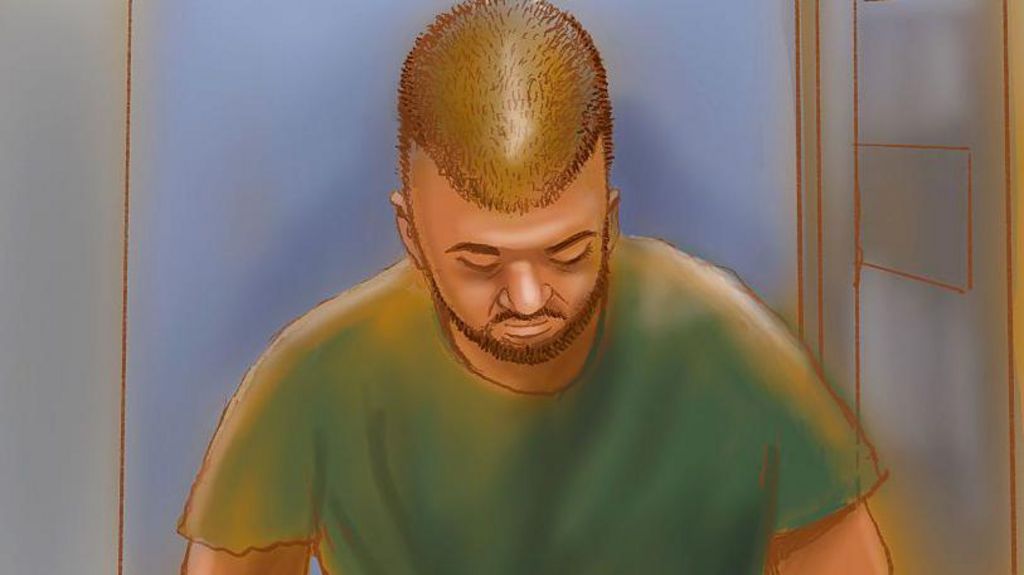
    A Sydney courtroom became the stage for a poignant legal battle on Tuesday as legal representatives for Naveed Akram, the alleged perpetrator of December’s Bondi attack, pleaded for identity protection for his immediate family members. The 24-year-old defendant, currently detained in a high-security facility, faces 59 criminal charges related to the violent incident at a Jewish festival that claimed 15 lives—an event authorities have classified as Australia’s most devastating terrorist attack.

    Defense counsel Richard Wilson articulated before the Downing Centre Local Court that while public outrage over the tragedy was thoroughly understandable, Akram’s mother, brother, and sister had no conceivable involvement in the December assault. Wilson emphasized that the family exists in a state of perpetual terror, fearing retaliatory violence from vigilantes should their identities remain publicly accessible.

    Detailed testimonies submitted to the judicial body revealed disturbing patterns of harassment against the family. Their residence has become a target for hostile demonstrations, including verbal abuse shouted from passing vehicles, nocturnal visits from unidentified groups, and projectiles such as eggs and pork chops hurled at their home. The family’s digital communications have been inundated with menacing texts and phone calls, including one particularly chilling inquiry asking Akram’s mother whether she remained alive.

    During the proceedings, Akram participated via video link from prison, maintaining a subdued posture with his head lowered and only speaking to acknowledge his ability to hear the arguments. The hearing addressed a temporary suppression order granted the previous week, which Magistrate Daniel Reiss is now evaluating for permanent implementation despite acknowledging that the mother’s identity had already achieved widespread circulation.

    Media conglomerates including News Corp Australia, the Australian Broadcasting Corporation, and Guardian Australia have collectively contested the suppression petition. Legal representative Matthew Lewis argued that concealment would prove functionally ineffective given the existing public knowledge, characterizing the situation as having ‘the cat well and truly out of the bag.’ Lewis further contended that the frequency of threatening incidents had diminished over time and noted the absence of evidence indicating immediate danger to the family.

    The media coalition stressed the fundamental importance of judicial transparency, asserting that open proceedings facilitate communal healing and understanding following traumatic national events. The court is expected to reach a definitive decision regarding the suppression order on April 2.

  • Kabul drug rehab clinic in ruins after Pakistan strikes on Afghanistan

    Kabul drug rehab clinic in ruins after Pakistan strikes on Afghanistan

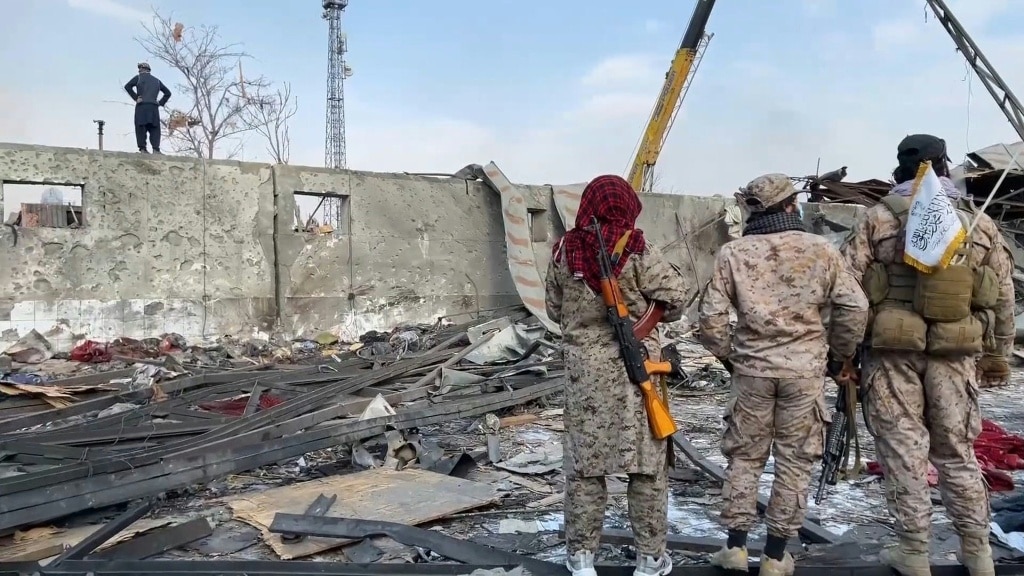
    A major humanitarian crisis is unfolding in Kabul following a devastating Pakistani airstrike that obliterated a drug rehabilitation center on Monday night. Rescue teams continue to sift through smoldering debris in a desperate search for survivors, with Taliban authorities reporting a death toll potentially numbering in the hundreds.

    AFP correspondents at the scene documented at least thirty bodies extracted from the ruins, while medical personnel scrambled to treat dozens of wounded civilians. The facility, which housed approximately 3,000 patients from across Afghanistan, was reduced to blackened wreckage containing chairs, blankets, and fragments of hospital beds amidst human remains.

    The incident has sparked frantic scenes as distraught families gathered outside the destroyed clinic seeking information about missing relatives. Baryalai Amiri, a 38-year-old mechanic searching for his brother who had been admitted 25 days earlier, expressed his anguish: “We are not given the proper information. So far, we don’t know where he is.”

    This tragedy represents a significant escalation in the ongoing border conflict between Afghanistan and Pakistan. Islamabad maintains that its operations specifically target “military installations and terrorist support infrastructure” with precision, denying allegations of striking civilian facilities. Conversely, the Taliban government rejects Pakistan’s accusations that Afghanistan harbors Islamist extremists responsible for cross-border attacks.

    The international community has expressed grave concern. UN Special Rapporteur Richard Bennett voiced dismay at reports of civilian casualties and urged immediate de-escalation, emphasizing the protection of civilians and civilian infrastructure under international law. China confirmed its special envoy has spent the past week mediating between the parties, while regional experts warn that conflict resolution appears increasingly unlikely as both sides demonstrate determination to continue military engagements.