标签: Oceania

大洋洲

  • Mbappe set for Real Madrid return against Man City

    Mbappe set for Real Madrid return against Man City

    A pivotal Champions League clash is set to unfold at the Etihad Stadium on Tuesday as Real Madrid, holding a commanding 3-0 aggregate lead, prepares to face Manchester City in the second leg of their last-16 tie. The Spanish giants have received a significant boost with the return of star forward Kylian Mbappe from a knee injury that sidelined him during last week’s first-leg victory.

    Real Madrid manager Alvaro Arbeloa confirmed the French international’s availability during Monday’s press conference, stating, “Mbappe is ready to play. I cannot wait to see him back on the pitch, to enjoy watching him play, to score the goals he scores. Of course he’ll be important.” The 25-year-old has been in spectacular form this season, netting 38 goals across 33 appearances.

    While Mbappe returns to action, English midfielder Jude Bellingham continues his recovery from a hamstring issue. Though he traveled with the squad, Arbeloa indicated he isn’t yet match-fit. “Bellingham wanted to come with his team-mates,” the manager noted. “I’m very happy to see him getting closer to the team. It is important to be around his team-mates, during the team-talk and at half-time he’ll be one of the leaders as he always is.”

    The match features intriguing individual duels, particularly the anticipated confrontation between Real defender Antonio Rudiger and City striker Erling Haaland. Rudiger expressed enthusiasm for the physical challenge, acknowledging, “Players like Haaland, it’s a huge pleasure to play against this type of player. I like the physical battle, I want it and need it, the same as him. I’m looking forward to it. He’s a world-class striker, very strong, and I like these type of duels.”

    Rudiger also addressed recent controversy surrounding his playing style after Getafe defender Diego Rico described a challenge as an “assault.” The German international defended his approach while maintaining he operates within boundaries. “In slow motion it looks terrible but in the action itself and also what the player said, it was like I almost killed him,” Rudiger commented. “He doesn’t need to exaggerate because if I’d had the intention to do that he wouldn’t have stood up. I don’t justify it but the way he spoke after the game was like I killed him, but he was running afterwards. We all know I like to be tough on the pitch but I still have boundaries. I am a human being.”

    Real Madrid aims to eliminate Manchester City from the Champions League for the third consecutive season, building on their substantial first-leg advantage in what promises to be a thrilling European encounter.
  • Migrant workers bear brunt of Iran attacks in Gulf

    Migrant workers bear brunt of Iran attacks in Gulf

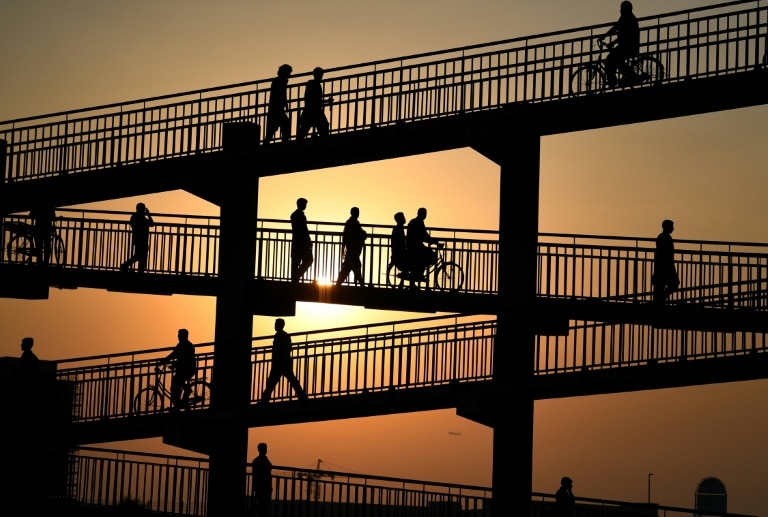
    The escalating military conflict between Iran and Gulf states has disproportionately impacted migrant worker communities, revealing a stark vulnerability within the region’s socio-economic structure. Since late February, Tehran has launched successive missile and drone attacks against Gulf countries in retaliation for US-Israeli operations, creating a dangerous environment for the area’s substantial foreign labor force.

    Among the civilian casualties documented by international agencies, a significant majority represent migrant workers from South Asian nations. These individuals typically fill essential but low-wage positions in Gulf economies, often lacking the resources or flexibility to evacuate during security crises. The human toll includes figures like Bangladeshi delivery driver Ahmad Ali, whose three-decade tenure in the UAE ended abruptly when missile debris struck his vehicle during routine water deliveries.

    The financial realities binding migrant workers to these danger zones are particularly cruel. Many have incurred substantial debt to secure their positions through recruitment agents, while simultaneously supporting entire families through remittances. This economic dependency creates an impossible choice between personal safety and financial survival.

    Current conditions in affected areas continue to generate psychological distress among resident workers. Frequent air defense interceptions and explosion sounds have become normalized background events, with workers developing various coping mechanisms. As Indian engineer Binoy noted from Mohammed Bin Zayed City, ‘We know they are interceptions, but it is still worrying.’ Similarly, healthcare workers like Filipino nurse Jane describe employing emotional detachment strategies while maintaining professional responsibilities amid the violence.

    The situation highlights concerning disparities in crisis response capabilities, with wealthier residents able to relocate while migrant communities remain exposed. This developing humanitarian aspect of the geopolitical conflict underscores the need for enhanced protective measures for vulnerable populations caught in cross-border military exchanges.

  • Multiple suicide bombers hit Nigeria’s Maiduguri city after years of calm

    Multiple suicide bombers hit Nigeria’s Maiduguri city after years of calm

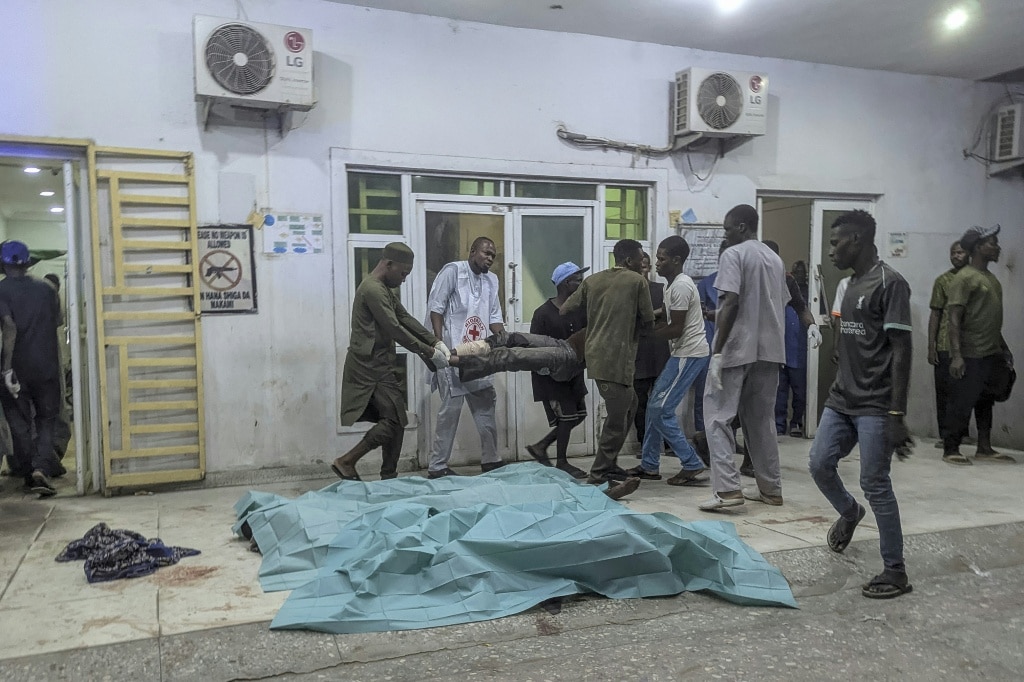
    The northeastern Nigerian city of Maiduguri faced a devastating return to violence on Monday evening as multiple suspected suicide bombings ruptured years of relative calm. The coordinated assaults targeted key civilian locations including the city’s main market, the University of Maiduguri Teaching Hospital, and areas near the post office, marking a significant escalation in the region’s security situation.

    Emergency services scrambled to respond as hospitals received dozens of wounded victims following the explosions. An AFP correspondent at a city medical facility observed multiple bodies covered with sheets on hospital sidewalks, though official casualty figures remained unconfirmed as authorities worked to assess the full impact.

    The attacks occurred against the backdrop of heightened regional tensions, coming just hours after jihadist militants launched separate assaults on a military post in the Ajilari Cross district and in the Damboa local government area south of the city. According to police spokesman Nahum Kenneth Daso, security forces successfully repelled these earlier incursions, with no civilian or military casualties reported from those engagements.

    Borno State Governor Babagana Zulum condemned the bombings as ‘barbaric,’ suggesting the surge in violence connects directly to intensified military operations in the Sambisa forest—a known jihadist stronghold. The simultaneous attacks demonstrate the persistent threat posed by Boko Haram and the Islamic State West Africa Province (ISWAP), whose 16-year insurgency has claimed over 40,000 lives and displaced approximately two million people.

    The timing appears particularly significant as residents prepare to celebrate Eid al-Fitr, marking the end of Ramadan. Media aide Dauda Iliya emphasized the need for ‘increased vigilance’ during this period of heightened vulnerability.

    This devastating breach of security represents the most serious attack on Maiduguri since 2021, when mortar fire killed ten people. The city had experienced a period of relative stability in recent years as the conflict had largely shifted to rural areas, making Monday’s events particularly shocking to residents who had grown accustomed to peace.

    The violence occurs amidst increased international engagement, with the United States recently deploying technical and training support to Nigerian forces. However, the persistent security challenges underscore the complex nature of counterinsurgency operations in the region.

  • Israel president tells AFP Europe should back efforts to ‘eradicate’ Hezbollah

    Israel president tells AFP Europe should back efforts to ‘eradicate’ Hezbollah

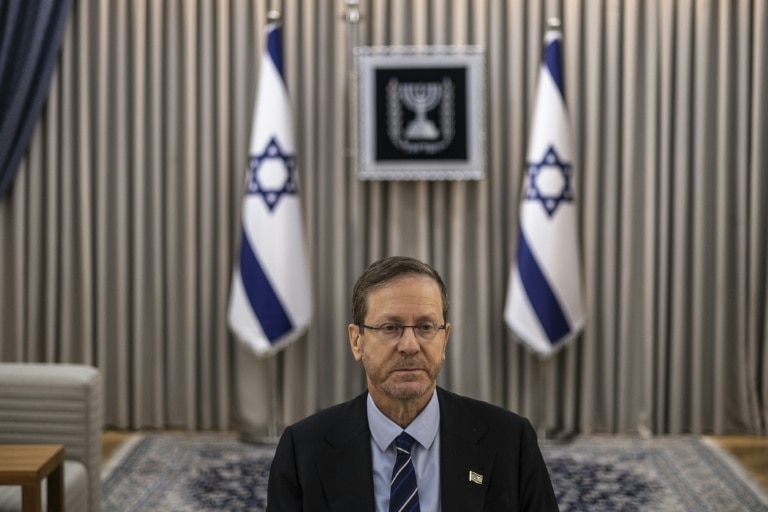
    Israeli President Isaac Herzog has issued a compelling appeal for European nations to endorse Israel’s military campaign against Hezbollah, characterizing the current conflict as a pivotal historical moment in Middle Eastern geopolitics. In an exclusive interview with AFP conducted at his Jerusalem residence, Herzog emphasized that European support is crucial for achieving regional stability.

    The Israeli military confirmed the initiation of limited ground operations in southern Lebanon on Monday, targeting Hezbollah’s infrastructure in response to sustained rocket attacks. This escalation follows Hezbollah’s March 2 offensive against Israel, which the group claims was retaliation for the assassination of Iranian Supreme Leader Ayatollah Ali Khamenei in joint US-Israeli airstrikes.

    Herzog articulated a clear position: “Europe should support any effort, any effort, to eradicate Hezbollah now. They should understand that if you want to get anywhere, sometimes you need to win war.” The Israeli president simultaneously welcomed French President Emmanuel Macron’s proposal to host direct negotiations between Israeli and Lebanese officials in Paris, acknowledging it as a “very positive development” while stressing that diplomatic engagement must coincide with military action.

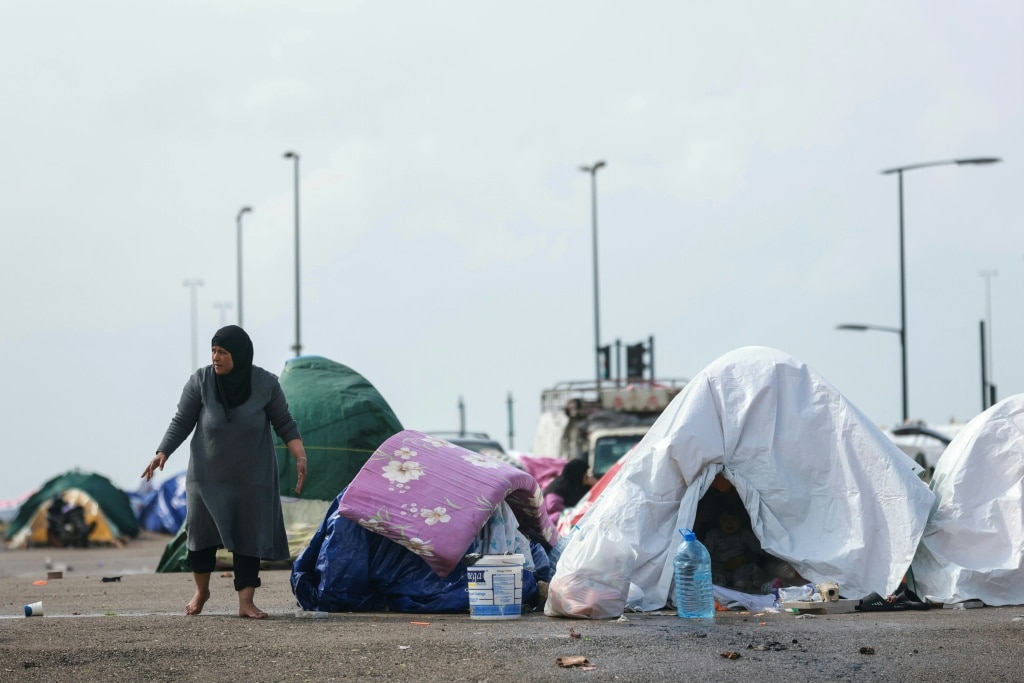
    The humanitarian impact has been severe, with Lebanese authorities reporting over one million internally displaced persons within two weeks of intensified hostilities. Israeli airstrikes have targeted Hezbollah positions throughout southern Lebanon and Beirut, though the Lebanese government contends these operations have caused significant civilian casualties, with the death toll approaching 900 according to their records.

    Herzog expressed skepticism about the Lebanese army’s capacity to disarm Hezbollah, noting “they have their limitations” despite international obligations. The president framed the broader conflict with Iran as a generational struggle, asserting that “we are at a historical juncture” where Tehran’s influence must be curtailed to ensure regional security.

    He further argued that European national security interests align with defeating Iran’s clerical regime, citing concerns about Iran’s ballistic missile program potentially threatening European territories. Herzog called for international cooperation rather than criticism, asking “Where is the whole world? Rather than all the time criticizing Israel, let’s help us. Let’s help the Americans bring a real change so that there will be a different future in the region.”

  • Cuba hit by total blackout as US fuel blockade bites

    Cuba hit by total blackout as US fuel blockade bites

    Cuba experienced a complete nationwide power grid collapse on Monday, plunging all 9.6 million residents into darkness amid worsening fuel shortages exacerbated by US sanctions. The state-owned electricity provider Union Nacional Electrica de Cuba (UNE) confirmed the total system failure and immediately initiated restoration efforts.

    The catastrophic blackout represents the most severe manifestation of Cuba’s ongoing energy crisis, where daily power interruptions lasting up to 20 hours have become routine across many regions. The island’s deteriorating power infrastructure, combined with critical fuel shortages, has created an unsustainable energy situation.

    This energy emergency intensified significantly following the January 9 cessation of oil imports to the island. The Trump administration’s effective oil blockade, initiated after the US ouster of Venezuela’s Nicolás Maduro, has severely constrained Cuba’s access to essential petroleum products. The fuel shortage has created cascading effects beyond the energy sector, forcing airlines to reduce flights and dealing a substantial blow to Cuba’s vital tourism industry.

    The political dimension of the crisis continues to intensify as President Donald Trump openly advocates for regime change in Havana. Meanwhile, domestic tensions are rising as Cubans face simultaneous shortages of electricity, food, and medicines. Recent weeks have seen unprecedented protests, including pot-banging demonstrations and calls for freedom, culminating in the vandalism of a provincial Communist Party office.

    President Miguel Díaz-Canel acknowledged public frustration regarding the extended blackouts through social media, condemning protest violence while recognizing legitimate grievances. The government has implemented gasoline rationing and reduced hospital services due to the fuel crisis. Díaz-Canel confirmed last week that his administration has engaged in diplomatic communications with the United States amid the escalating crisis.

    President Trump characterized the fuel blockade as a response to what he termed an ‘extraordinary threat’ from Cuba, while simultaneously suggesting potential negotiations. Aboard Air Force One, Trump indicated that a resolution might be possible following current administration priorities regarding Iran.

  • Reserve Bank weighs rate hike as shock oil price surge hits households

    Reserve Bank weighs rate hike as shock oil price surge hits households

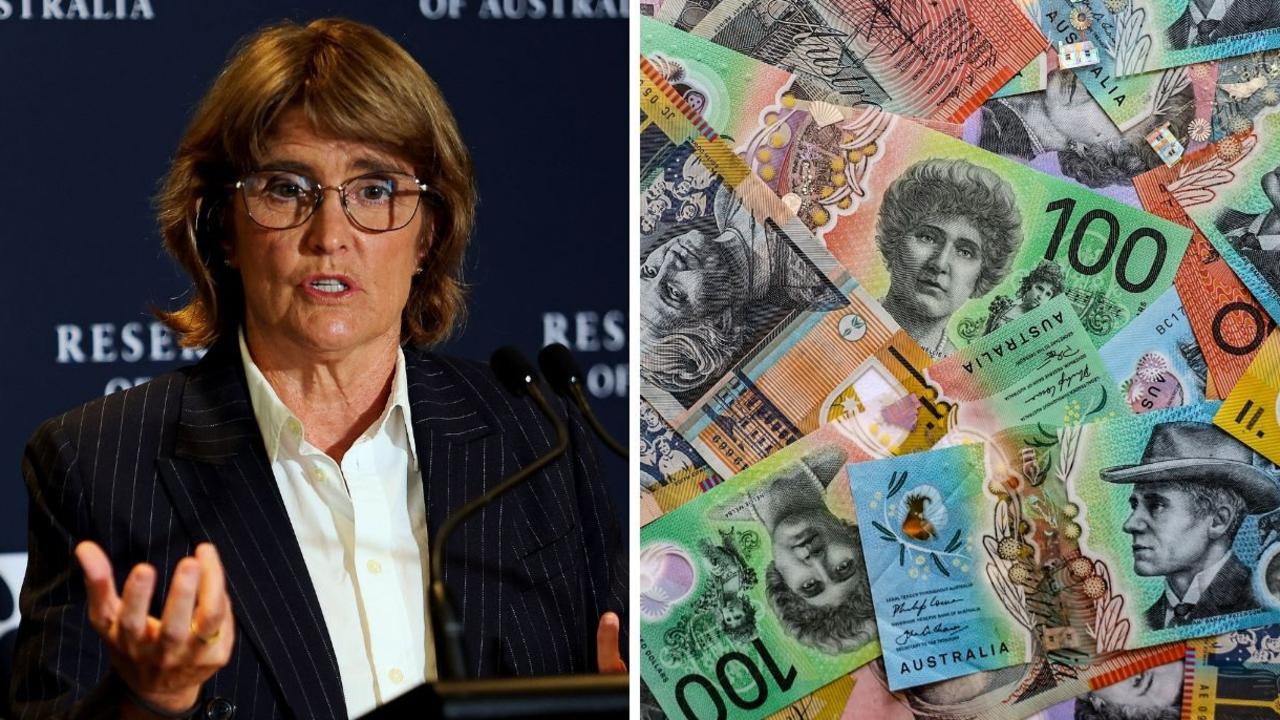
    The Reserve Bank of Australia faces a critical monetary policy decision amid escalating geopolitical tensions that have triggered a global oil crisis. Financial markets now estimate a 70% probability that the RBA will implement a 25-basis-point rate hike on Tuesday, potentially elevating the official cash rate from 3.85% to 4.10%.

    This anticipated tightening of monetary policy follows a dramatic surge in oil prices precipitated by recent military actions between the US/Israel coalition and Iran. The strategic blockade of the Strait of Hormuz—a vital maritime trading corridor—has propelled oil prices from $56 to exceeding $100 per barrel within just three weeks of trading activity.

    AMP Chief Economist Shane Oliver describes the situation as a perfect storm for policymakers: “Oil shocks create a dual-edged sword—they drive headline inflation upward while simultaneously depressing economic activity, which ultimately reduces underlying inflationary pressures.” The economist elaborated that soaring fuel costs effectively function as an indirect tax increase, diminishing household disposable income and constraining consumer spending across broader sectors of the economy.

    The immediate household impact is severe—every $10 per barrel increase translates to an additional 10 cents per liter at gasoline pumps. This represents approximately a $14 weekly burden on family budgets, accumulating to nearly $730 annually during sustained price elevations.

    Despite market expectations, several prominent economists advocate for monetary policy caution. Ebury Market Analyst Anthony Malouf recommends postponing rate adjustments until May, arguing that the RBA should await more comprehensive economic data, particularly the full March quarter Consumer Price Index figures scheduled for late April release.

    The current inflation rate stands at 3.8%, already exceeding the RBA’s target band of 2-3%. Treasury projections indicate potential temporary spikes into the “high fours” due to oil market volatility. Treasurer Jim Chalmers acknowledged the uncertainty, stating the duration of geopolitical tensions remains “the biggest variable” in economic forecasting.

    Recent economic indicators reveal softening conditions, with Commonwealth Bank data showing February household spending declined 0.5% month-on-month—the most significant reduction since mid-2021. Both consumer and business confidence metrics have deteriorated following February’s rate hike.

    RBA Governor Michele Bullock will announce the board’s decision following a two-day deliberation period, with financial markets and Australian households awaiting guidance on navigating this complex economic landscape where conventional monetary policy tools confront extraordinary external shocks.

  • Israel army says ground assault against Hezbollah underway in Lebanon

    Israel army says ground assault against Hezbollah underway in Lebanon

    The Israeli Defense Forces confirmed the initiation of targeted ground operations within Lebanese territory on Monday, marking a significant escalation in the ongoing conflict with Hezbollah militants. Military officials described these incursions as “limited” missions focused on dismantling terrorist infrastructure in southern Lebanon’s strategic strongholds.

    This development follows two weeks of intensified hostilities that have reportedly displaced over one million Lebanese citizens, with approximately 132,000 seeking refuge in collective shelters according to Beirut’s estimates. The Lebanese National News Agency documented continuous Israeli strikes across southern regions, with official reports indicating 886 fatalities, including 111 children, since fighting commenced on March 2.

    The current confrontation originated when Hezbollah, backed by Tehran, launched attacks against Israel in retaliation for the elimination of Iranian Supreme Leader Ayatollah Ali Khamenei during joint US-Israeli operations. Israel responded with comprehensive aerial bombardments before progressing to ground maneuvers.

    Military spokesman Lieutenant Colonel Nadav Shoshani disclosed that operations target new locations where Hezbollah’s elite Radwan unit allegedly positions threats against Israeli civilians. “We understand Hezbollah is intending to expand their operations… firing hundreds of rockets daily,” Shoshani stated, emphasizing the defensive nature of these missions.

    Hezbollah countered with rocket and drone attacks on northern Israel, striking the city of Nahariya where emergency responders treated one individual for blast injuries and six others for smoke inhalation. An AFP correspondent observed smoke rising from Khiam following Israeli bombardment, where Hezbollah reports direct clashes with Israeli forces.

    International reactions have emerged strongly, with Turkey condemning the ground operation as worsening regional instability and potentially creating “another humanitarian catastrophe.” German Chancellor Friedrich Merz cautioned Israel against this path, labeling it “an error.”

    Israeli Defense Minister Israel Katz declared that displaced Lebanese would not return south of the Litani River until security guarantees for northern Israeli residents are established. Notably, Israel has not implemented evacuations in its northern territories despite the intensified conflict, diverging from previous engagement protocols.

  • Afghan govt accuses Pakistan after new strikes on Kabul

    Afghan govt accuses Pakistan after new strikes on Kabul

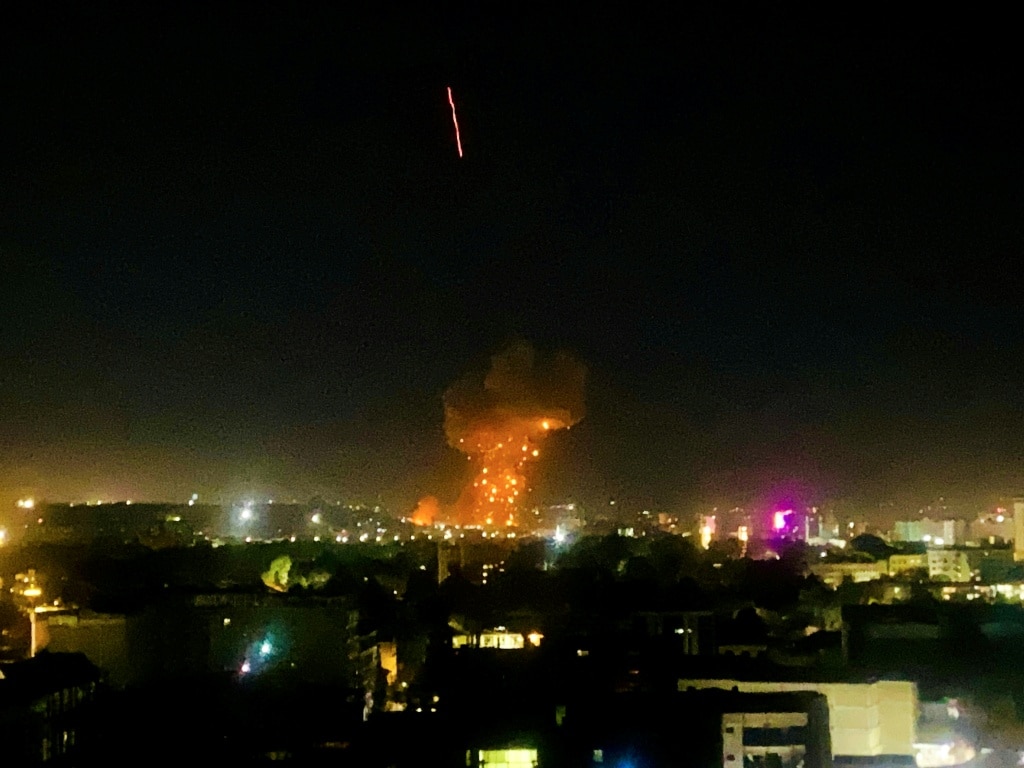
    Afghan authorities have formally accused Pakistan of conducting aerial assaults on Kabul territory, marking a significant escalation in cross-border hostilities between the neighboring nations. The allegations follow a series of explosions that rocked the Afghan capital during evening hours on Monday, triggering widespread panic among civilians.

    Multiple detonations occurred between approximately 9:00 pm and 9:15 pm local time, with visible smoke plumes rising from central districts including Shahr-e-Naw and Wazir Akbar Khan. Eyewitness accounts describe scenes of chaos as families who had just broken their Ramadan fast scrambled for shelter, with many seeking protection in basement facilities as anti-aircraft defenses engaged.

    Taliban government spokesman Zabihullah Mujahid issued an official statement via social media platform X, characterizing the incident as both a territorial violation and ‘an act of inhumanity.’ Mujahid specifically claimed the strikes targeted a civilian drug rehabilitation center, resulting in multiple fatalities, though independent verification remains pending. Pakistani military officials offered no immediate commentary when contacted by international media.

    This incident represents the latest development in a deteriorating border conflict initially sparked by Pakistan’s allegations that Taliban authorities provide sanctuary to extremist elements conducting cross-border operations. The confrontation first intensified in October with significant casualties, temporarily subsided, then reignited in February with increased severity.

    According to United Nations documentation, at least 75 Afghan civilians have perished since the conflict escalation began on February 26. Most recently, provincial officials reported three children and one woman killed during overnight shelling in eastern border regions between Sunday and Monday. Cumulative Afghan government figures indicate 18 civilian fatalities within the past week alone.

    The humanitarian consequences continue to mount, with approximately 115,000 residents displaced from border regions according to UN refugee agencies. The World Food Programme has initiated emergency food distribution to over 20,000 affected families, warning that continued instability could push millions toward hunger. Distribution sites in eastern provinces like Paktia have seen displaced civilians gathering at dawn to receive fortified biscuits and essential supplies.

  • US, China hold ‘constructive’ talks on trade, but Trump visit in doubt

    US, China hold ‘constructive’ talks on trade, but Trump visit in doubt

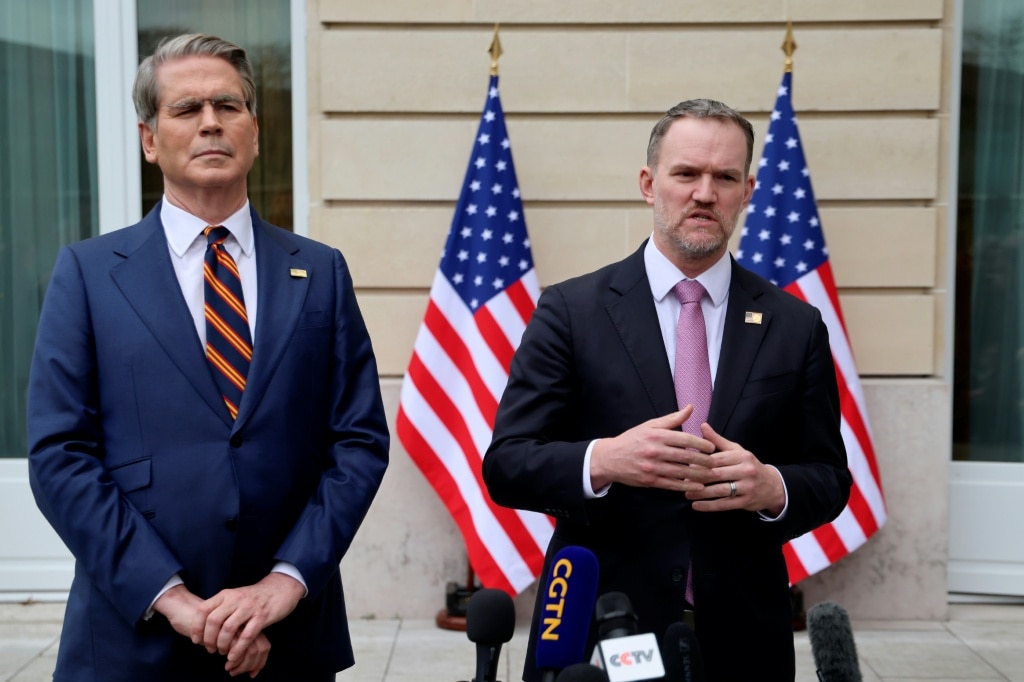
    Senior officials from the United States and China convened in Paris for trade discussions characterized by both nations as “constructive,” signaling a potential stabilization of their volatile economic relationship. However, the prospect of an upcoming summit between President Donald Trump and President Xi Jinping appears increasingly uncertain, likely delayed by escalating Middle East tensions.

    US Treasury Secretary Scott Bessent affirmed the positive nature of the dialogue, telling reporters the talks “were constructive and they show the stability of the relationship.” Chinese state media Xinhua similarly described the exchange between Bessent and Chinese Vice Premier He Lifeng as “candid, in-depth and constructive,” noting it would inject “greater certainty and stability” into global trade.

    The Paris meeting was intended to lay groundwork for President Trump’s state visit to China, originally scheduled for late March. US officials confirmed the trip is now likely postponed due to Washington’s military engagement with Iran. The closure of the critical Strait of Hormuz by Iran in retaliation against US and Israeli actions has created a flashpoint in US-China relations, with Trump pressuring NATO allies and China to assist in reopening the vital oil transportation route.

    Beijing’s Foreign Ministry confirmed both capitals “are maintaining communication regarding President Trump’s visit to China,” with spokesman Lin Jian emphasizing that “head-of-state diplomacy plays an irreplaceable strategic guiding role in China-US relations.” When questioned about Trump’s pressure campaign regarding Hormuz, Lin acknowledged the “tense situation” has “disrupted international trade routes for goods and energy” without directly addressing the US demands.

    The trade discussions occurred against a backdrop of renewed US trade investigations announced last week targeting excess industrial capacity in 60 economies, including China. These probes will examine alleged “failures to take action on forced labor” and whether these practices burden US commerce. Bessent noted his team provided Chinese counterparts with “a preview of what we’re doing on US trade policy as we adjust to the Supreme Court” following its striking down of Trump’s global tariffs.

    China’s Commerce Ministry responded forcefully, calling the investigations “extremely unilateral, arbitrary and discriminatory” and accusing Washington of “attempting to construct trade barriers.” Beijing stated it had “lodged representations” and urged the US to “correct its erroneous” trade practices, reaffirming its preference to “resolve issues through dialogue and negotiations.”

    The Middle East conflict has driven global oil prices up 40-50 percent since its inception, with Iran’s blockade of Hormuz and attacks on regional energy infrastructure creating significant market disruption. While experts note China’s substantial oil reserves position it better than many nations to weather the energy shock, Beijing remains concerned about the conflict’s broader impact on global trade. Recent Chinese trade data from January and February, collected before the Iran war began, showed exports and international trade continue to be crucial drivers of the Chinese economy.

  • Australia battered by climate ‘whiplash’ as Climate Council warns of dangerous new era of extreme weather

    Australia battered by climate ‘whiplash’ as Climate Council warns of dangerous new era of extreme weather

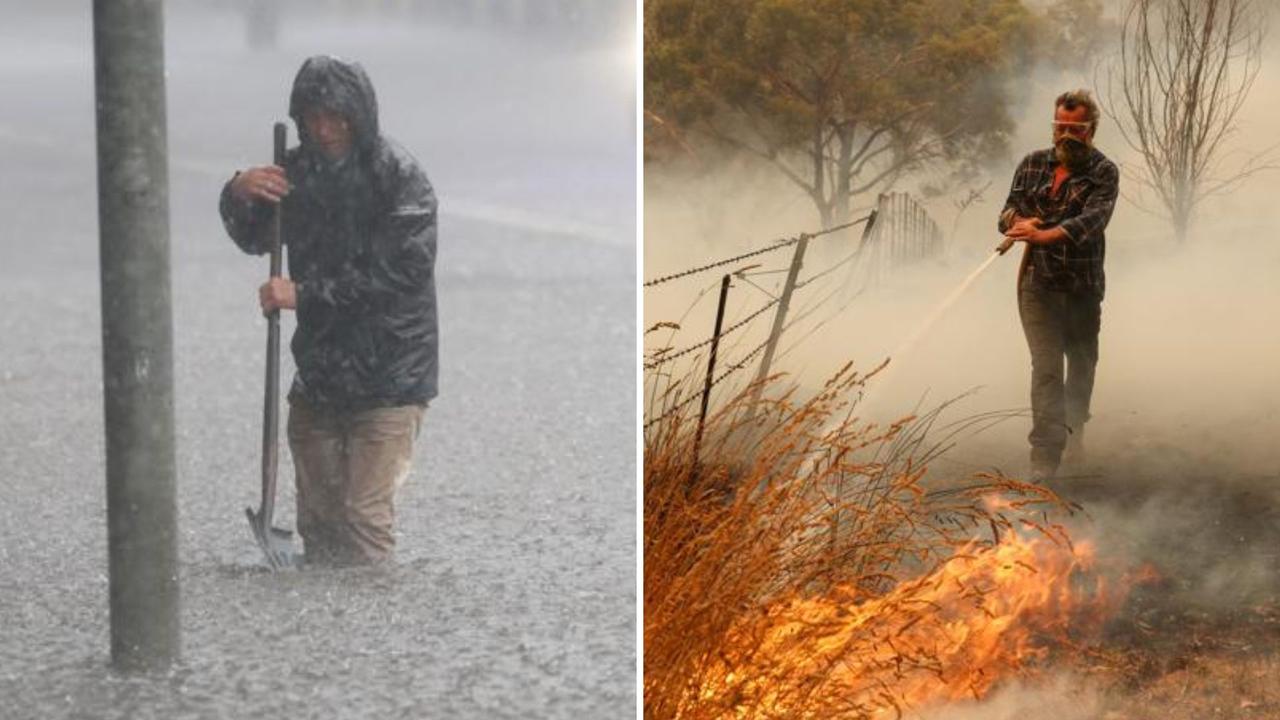
    A new analysis from the Climate Council reveals Australia has endured a summer of severe climate ‘whiplash,’ where identical geographical areas suffered through catastrophic bushfires only to be deluged by record-breaking floods mere weeks later. This rapid oscillation between opposing weather extremes is emerging as a dangerous hallmark of the nation’s altered climate patterns.

    Dr. Andrew Watkins, a meteorologist with the Council, emphasized that climate change is now the dominant force steering Australia’s temperatures. He pointed to the paradoxical fact that 2025, a year bookended by a cooling La Niña weather pattern, still ranked as Australia’s fourth-hottest year on record and the globe’s third-hottest. ‘That tells us the baseline has shifted,’ Dr. Watkins stated.

    This elevated thermal baseline accelerates evaporation, supercharging the atmosphere with moisture. The result is a devastating cycle: extreme heat desiccates the landscape, priming it for intense fires, which is then followed by storms capable of unleashing unprecedented rainfall. This precise sequence was observed in western Queensland, where some towns received their entire annual average rainfall within the first five weeks of 2026. Subsequently, a tropical low in February triggered flood watches across nearly half the continent, isolating inland communities that had been sweltering under 45°C heat just a month prior.

    The report, released Tuesday, quantifies the escalating financial toll, noting insurance companies paid out an average of $4.5 billion annually from 2019 to 2024—more than double the yearly average for the preceding three decades.

    Specific instances of whiplash were stark. In Victoria, January’s fire storms ignited over 200 bushfires, with towns like Walpeup and Hopetoun setting a new statewide record of 48.9°C. Astonishingly, residents along the Wye River who evacuated under catastrophic fire warnings were, a week later, witnessing floodwaters washing cars out to sea. New South Wales witnessed its own records, with Tibooburra receiving 273mm of rain in February—ten times its monthly average—after enduring a record six consecutive days of 45°C heat in January.

    NSW Fire Commissioner Greg Mullins, who also serves on the Climate Council, warned that the frequency of extreme disasters is accelerating. ‘We used to think of catastrophic fire conditions as once-in-a-generation events. Now they’re arriving every decade,’ he said. This new reality is stretching emergency services to their limits, as evidenced by Victorian firefighters combating 200 fires in a single day—a event that ultimately resulted in the loss of 451 homes. Commissioner Mullins directly linked the ballooning insurance costs and community devastation to fossil fuel pollution, urging governments to accelerate the transition to clean energy to curb these accelerating extremes.