
A once-in-a-generation astronomical event is about to unfold across Western Europe next week, as a rare total solar eclipse will carve a path of total darkness across multiple regions, offering millions of skywatchers the chance to witness and document the dramatic celestial phenomenon. The full shadow of the moon, known as the umbra, will primarily sweep across northern Spain on August 12, drawing hordes of global eclipse chasers and delivering a significant bump to the region’s tourism sector. Beyond Spain, the path of totality also touches portions of Greenland, western Iceland, and a small sliver of northern Portugal, while many dedicated enthusiasts have already booked spots on special North Atlantic eclipse cruises positioned directly along the shadow’s route. Observers across most of the rest of the Northern Hemisphere will still get to enjoy a notable partial eclipse, even if they cannot travel to the path of totality. Buoyed by the massive public interest in the 2024 total solar eclipse that crossed North America — when millions of casual observers and amateur photographers used their smartphones to capture and share clips and images of the event — organizers expect this year’s European event will see similarly widespread engagement from mobile device users. Capturing a high-quality eclipse photo on any device, however, comes with unique obstacles, most notably extreme, rapid shifts in lighting that can confound automatic camera settings. Below is a curated guide of expert advice to help casual smartphone photographers get the best possible shot of this rare cosmic event.
标签: Europe
欧洲
-
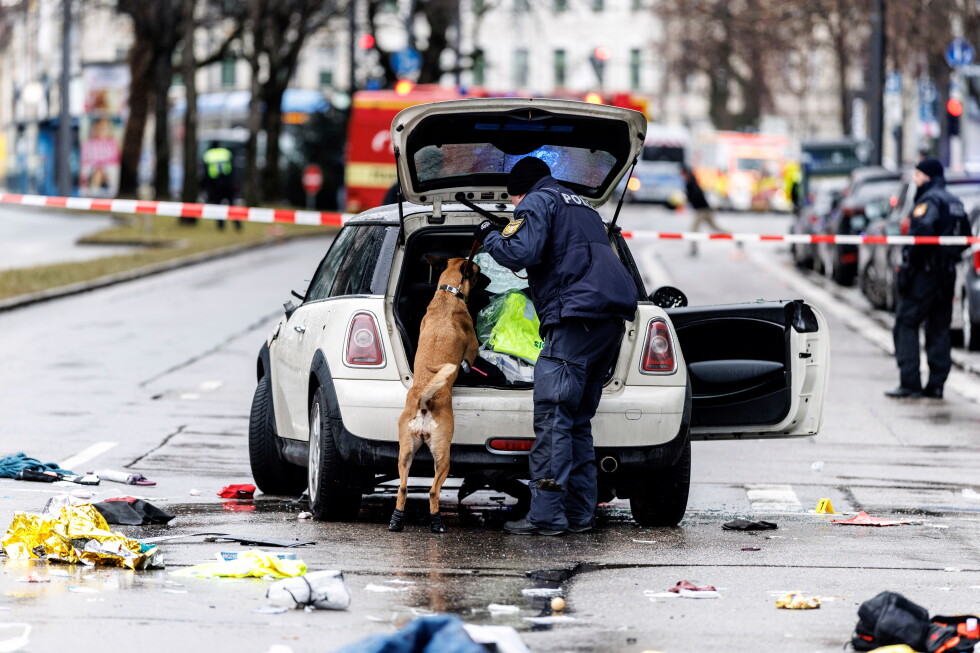
German court sentences suspect in deadly Munich car-ramming attack to life in prison
BERLIN – Nearly one year after a deadly car-ramming incident tore through a Munich labor union gathering, the perpetrator has been formally convicted on multiple counts of murder and sentenced to life behind bars, German judicial sources confirmed Thursday.
Identified only as Farhad N. under Germany’s strict personal privacy regulations that shield the full identities of criminal defendants, the 25-year-old Afghan national was taken into custody at the scene immediately following the February 13, 2025 attack. The violence left two members of the public dead and dozens more with severe, life-altering injuries.
Court documents cited by Germany’s national news agency DPA outline the chilling motive behind the attack: Farhad N. deliberately targeted randomly selected civilians in Germany as a response to ongoing conflict and instability in majority-Muslim nations, and sought to prove his status as a “good Muslim” through the act of violence.
The fatalities of the attack included a 2-year-old girl and her 37-year-old mother. In total, 44 additional people suffered either life-threatening or serious harm in the incident, according to official law enforcement records.
Alongside the two murder convictions, the Munich court found Farhad N. guilty of 23 counts of attempted murder and a slate of other related criminal offenses. In an unusual ruling that deviates from standard German sentencing practices, the court determined that the defendant bears “particularly serious” culpability for the attack. This designation means Farhad N. will not be eligible for the standard conditional release after 15 years of incarceration that typically applies to life sentences in Germany, making it highly likely he will remain in prison for the rest of his life.
The 2025 Munich attack stood out as one in a series of violent incidents linked to immigrant perpetrators over a period of months. The wave of violence pushed immigration policy and national border control to the top of the agenda for Germany’s federal national election campaign, which was scheduled just 10 days after the attack in Munich.
-
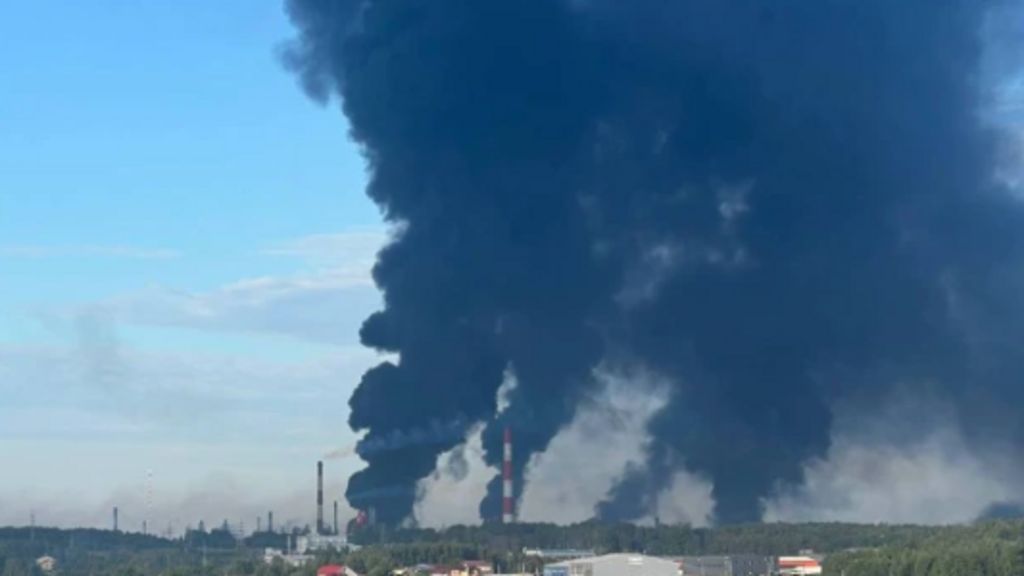
Ukraine says two Russian oil refineries hit, as Moscow targets energy sites
A significant escalation in cross-border hostilities between Russia and Ukraine has been confirmed after Kyiv announced it carried out deep long-range drone strikes on two major Russian oil refineries overnight, while simultaneous Russian drone attacks across northeastern Ukraine left five civilians dead.
Ukrainian President Volodymyr Zelensky confirmed that the targets of the raids were the Bashneft-Novoil plant in Russia’s Bashkortostan republic, located roughly 1,300 kilometers from the Ukrainian border, and the Slavneft-Yanos refinery in Yaroslavl region, around 700 kilometers inside Russian territory. The operation, Zelensky explained, was designed to disrupt the oil revenues that Moscow relies on to fund its full-scale invasion of Ukraine, which launched in February 2022. Beyond the refineries, the Ukrainian leader added that the strikes also damaged two Russian military patrol boats and multiple shadow fleet tankers in the Black Sea—vessels Moscow uses to export sanctioned crude oil in violation of international restrictions.
Local Russian authorities in Yaroslavl confirmed the attack on Slavneft-Yanos, with regional governor Mikhail Evraev describing it as the largest enemy drone assault on the area to date. Evraev said that 93 incoming drones were intercepted and shot down over the region overnight, but falling debris from the downed aircraft ignited fires in multiple storage tanks at the refinery. The blazes left four people injured, and emergency response teams have been deployed to bring the fires under control. Independent verification from BBC Verify has confirmed the authenticity of multiple social media videos and images showing thick plumes of smoke billowing from the refinery site, with at least four separate fires visible at the facility. This is not the first time energy infrastructure in Yaroslavl has come under Ukrainian attack, marking a pattern of targeting key Russian energy assets in recent months. Officials in Bashkortostan have not yet issued any public comment on the reported strike at the Bashneft-Novoil plant.
In a retaliatory wave of attacks overnight, Russian drones targeted multiple locations across Ukraine’s northeastern Kharkiv region, leaving five civilians dead and eight others injured. Ukraine’s State Emergency Service (DSNS) confirmed that three people were killed in the town of Balakliya, where private residential homes were hit and two structures caught fire. Kharkiv regional governor Oleh Synehubov later confirmed an additional two fatalities in a separate drone strike on a train station in the town of Lozova, with eight people wounded in that attack.
The Russian military said in an official statement that its overnight operations targeted fuel storage sites, energy infrastructure, transport hubs, and Ukrainian drone depots, adding that its air defense forces intercepted and destroyed 605 Ukrainian drones across multiple Russian regions overnight.
The stepped-up attacks from both sides come amid a prolonged stalemate on the main front line between Russian and Ukrainian forces, with no significant territorial shifts from either side in recent weeks. All international mediation efforts aimed at negotiating an end to the conflict have so far failed to produce any breakthrough. Zelensky framed Ukraine’s deep strikes as a strategic step to pressure Moscow into negotiations, saying, “Russia must choose peace, adding that Ukrainian attacks are strengthening chances for diplomacy.”
-

Europe heat wave puts all major Italian cities on red alert as Austria sets heat record
A relentless, record-shattering heat wave has engulfed the entire European continent this week, triggering emergency alerts, breaking national temperature records, fueling out-of-control wildfires, and crippling critical energy and transportation infrastructure across multiple nations. As climate scientists have long warned, such extreme heat events are growing increasingly frequent and severe amid global climate warming, and this current outbreak has laid bare deep vulnerabilities in public health, energy production, logistics networks, and the continent’s vital tourism sector.
In Italy, the crisis reached a new milestone Thursday, when the national Health Ministry issued the highest-level red heat alert for all 27 major cities included in its national heat surveillance program. This marked the first time in 2024 that the entire monitored network has been placed under the top warning level simultaneously, with alerts stretching from the northeastern port city of Trieste all the way to Palermo on the island of Sicily. Unlike lower-tier alerts that only flag risk for vulnerable groups such as elderly residents and people with chronic illnesses, the red alert signals that the extreme heat poses a health danger to the entire population. Authorities have urged both local residents and visiting tourists to avoid strenuous activity and exposure to direct sunlight during the peak warm hours of midday and early afternoon, stay in cooled indoor spaces wherever possible, and maintain steady hydration. For the country’s iconic tourism sector, the heat has forced major operational adjustments: the ministries of culture and tourism extended evening opening hours for major landmarks including Rome’s Colosseum and Pantheon, while cooling mist stations and additional emergency medical posts have been deployed at the Colosseum’s entrances to protect visitors.
To the north, Austria confirmed a new all-time national temperature record Wednesday, when the national geological and climate service GeoSphere Austria recorded a high of 41.2°C (106.2°F) in the village of Bad Deutsch-Altenburg, located near the country’s border with Slovakia. Along with the historic high temperature, Austria is grappling with a devastating multi-month drought: nationwide rainfall between January 1 and June 30 ran 27% below the long-term average, with some eastern regions receiving only half of their typical precipitation. Senior climatologist Alexander Orlik noted that some parts of the country have not seen such arid conditions since 1885.
The heat and drought have created cascading crises for energy systems across Central Europe. In Hungary, record-low water levels on the Danube River – the source of cooling water for the country’s only nuclear power plant – have forced operators to cut output to roughly 10% of normal generation capacity. In response, the Hungarian government implemented sweeping emergency energy conservation measures amid the country’s own record-breaking heat wave. Authorities have ordered both major industrial users and residential households to cut electricity consumption, particularly during peak evening demand hours between 5 p.m. and 10 p.m. Freight rail operations have been suspended during these peak windows, decorative public lighting on Budapest’s iconic landmarks has been turned off entirely, and major national and international firms operating in the country – including energy giant Mol, pharmaceutical manufacturer Gedeon Richter, and automakers Suzuki, Mercedes-Benz, Audi, and BMW – have all voluntarily committed to reducing their energy use. The government even canceled scheduled parliamentary sessions this week to cut unnecessary power consumption. The extremity of the heat wave was underscored by another record in Budapest Wednesday night: the overnight low temperature only fell to 28°C (82°F), the warmest minimum temperature ever recorded in the city.
Neighboring Germany is facing growing disruption to its freight and industrial sectors as water levels on the Rhine – one of Europe’s most critical inland waterway shipping routes – and other major rivers continue to drop to critically low levels. German Transport Minister Steffen Bilger met with affected industry and logistics stakeholders Thursday, warning that low water levels present severe, sustained challenges to inland shipping, industrial supply chains, and the broader national economy. Leading German environmental organization BUND has called on authorities to not only address immediate economic disruptions but also implement long-term changes to boost river resilience to climate change, including landscape modifications to retain more water and stricter limits on water withdrawals during prolonged drought events.
Across southern Europe, wildfire risk remains at critical levels. In southeastern France, hundreds of firefighters maintained a massive presence in the Var region this week, after a large wildfire that first ignited on July 20 was contained but not fully extinguished. Authorities confirmed the blaze is no longer spreading but remains at risk of reignition amid sustained dry conditions. The fire has already burned more than 60 square kilometers (23 square miles) of land, making it the largest wildfire recorded in the region in decades. Officials warn that gusty winds and extremely parched vegetation leave much of southeastern France at very high risk of additional new blazes.
The extreme heat reached its peak in the Balkan region Thursday, with temperatures pushing near 40°C (104°F) across much of the area and authorities battling overlapping drought and wildfire emergencies. In Serbia, firefighters worked around the clock to contain multiple blazes that have broken out after weeks of record dry conditions. A large fire burned through extensive pine forest west of the capital Belgrade, while another blaze spread near the central town of Kraljevo, where steep, inaccessible terrain slowed containment efforts. Along Croatia’s Adriatic coast, tourists visiting the popular historic city of Dubrovnik were forced to seek shelter in shaded areas and avoid crowded beaches during the hottest hours of the day as temperatures soared.
Climate experts and government leaders across the continent have reiterated that this season’s extreme heat events are directly linked to human-caused climate change, noting that prolonged heat, drought, and destructive wildfires are quickly becoming the new normal for European summers, forcing widespread adaptation across public and private sectors.
-

Funeral of Irish actress Brenda Fricker under way in Dublin
One month after the passing of groundbreaking Irish actress Brenda Fricker, the Academy Award winner is being laid to rest in her hometown of Dublin this Thursday, drawing tributes from fans and peers across the global film and television industries. Fricker, who was 81 at the time of her death, made history in 1990 as the first Irish woman ever to take home an Oscar, claiming the Best Supporting Actress statuette for her career-defining turn as Christy Brown’s loving mother in *My Left Foot*. In that iconic biographical drama, she starred opposite Daniel Day-Lewis, who earned his first Academy Award for his portrayal of Brown, a disabled Irish writer and artist who retained control of only his left foot. Fricker beat out A-list Hollywood contenders including Julia Roberts and Anjelica Huston to claim the prize, and in her acceptance speech, she dedicated the historic win to the entire people of Ireland.
Born and raised in Dublin, Fricker launched her acting career in the 1960s, cutting her teeth on stage and small-screen roles starting with Ireland’s first domestic soap opera *Tolka Row*. By the late 1970s, she had landed a spot on the long-running British ITV staple *Coronation Street*, before joining the cast of the BBC’s hit medical drama *Casualty* for its very first episode in 1986. She became a fan favorite as warm-hearted nurse Megan Roach, a role she held as a series regular until 1990 before returning for guest appearances through her final on-screen turn in the show in 2010.
Two years after her Oscar triumph, Fricker landed another role that cemented her global recognition: the gentle, wise homeless pigeon lady in 1992’s *Home Alone 2: Lost in New York*, who befriends protagonist Kevin McCallister, played by Macaulay Culkin. The role remains one of the most beloved in the hit holiday franchise, introducing Fricker to generations of young viewers. Her extensive resume of film and television credits also includes prominent roles in *So I Married An Axe Murderer* (1993), *Angels in the Outfield* (1994), *A Time to Kill* (1996), and the 2003 biographical drama *Veronica Guerin*. Late in her career, Fricker reflected publicly that her early Oscar win unexpectedly limited her career trajectory, saying she believed she would have landed more diverse, substantial roles over time had she not achieved such high-profile success so early.
The funeral service is scheduled to begin at 11:00 a.m. local time at Dublin’s St Catherine’s Church, followed by a private burial ceremony for close family and friends.
-

Youngest Black professor at Cambridge resigns as university investigates allegations of plagiarism
LONDON – In a development that has rocked UK academia, Jason Arday, the British sociologist who made history as the youngest Black professor appointed to the University of Cambridge, has stepped down from his post just months after his high-profile appointment, following the university’s launch of a formal investigation into newly emerged information about his academic credentials.
Arday, who was 37 when he assumed his professorship at one of the world’s most elite higher education institutions in 2023, announced his resignation late Wednesday. The announcement comes after weeks of swirling public allegations ranging from plagiarism in his published academic work to scrutiny of unsubstantiated claims he made about past athletic achievements and charitable fundraising efforts.
In an official statement released through the Good Law Project, a UK-based campaigning legal organization, Arday pushed back against the nature of the scrutiny he has faced. “While criticism is an inevitable part of academic life, what I have experienced has gone far beyond scholarly disagreement,” he wrote. “The relentless accusations, speculation and public commentary have taken a profound toll on me and on those I love.”
Arday’s 2023 appointment to Cambridge was widely celebrated across global higher education circles, in large part because of his widely shared personal narrative of overcoming profound neurodevelopmental challenges. Arday has long spoken publicly about living with dyslexia, autism and developmental delays that left him non-verbal until age 11 and illiterate until his late teens, a story that positioned him as a powerful advocate for underrepresented and neurodivergent scholars.
Public questions about Arday’s academic credentials were first raised last month by Nathan Cofnas, a former philosophy researcher at Cambridge who left the institution after widespread student protests against his public criticism of university diversity, equity and inclusion policies. On July 24, the *Times of London* published a detailed analysis of Arday’s 2015 PhD thesis, pointing to dozens of passages that the paper described as “identical or near-identical” to content from an earlier academic paper written by an unrelated researcher.
Initially, Cambridge defended Arday, noting that the original plagiarism claims had already been reviewed by Liverpool John Moores University, the institution that granted Arday his doctoral degree. That position shifted abruptly this week, after the *Times of London* presented university leadership with new evidence alleging that portions of Arday’s research were fabricated and included what the paper described as “impossible” supporting data. Within days of receiving that new material, Cambridge confirmed it had launched a formal inquiry into the claims.
“The University of Cambridge has begun an investigation following new information about Professor Arday’s qualifications and honorary appointments,” the university said in a brief official statement Wednesday. “In order to ensure a fair process, we will not comment further until this has concluded.”
In an interview with the *Times of London* published last week, Arday outright denied intentional plagiarism, but acknowledged he made minor errors in his doctoral work. He attributed those mistakes to insufficient academic supervision during his PhD studies, a common challenge for early-career researchers at smaller institutions.
In his resignation statement this week, Arday continued to defend his academic record, stressing that his choice to step down should not be misinterpreted.
“My decision should not be interpreted as a loss of faith in scholarship,” he said. “Nor should it be mistaken for an acceptance of the narratives that have surrounded me. It is simply the decision of someone who has reached the limits of what any person should reasonably be expected to endure.”
-
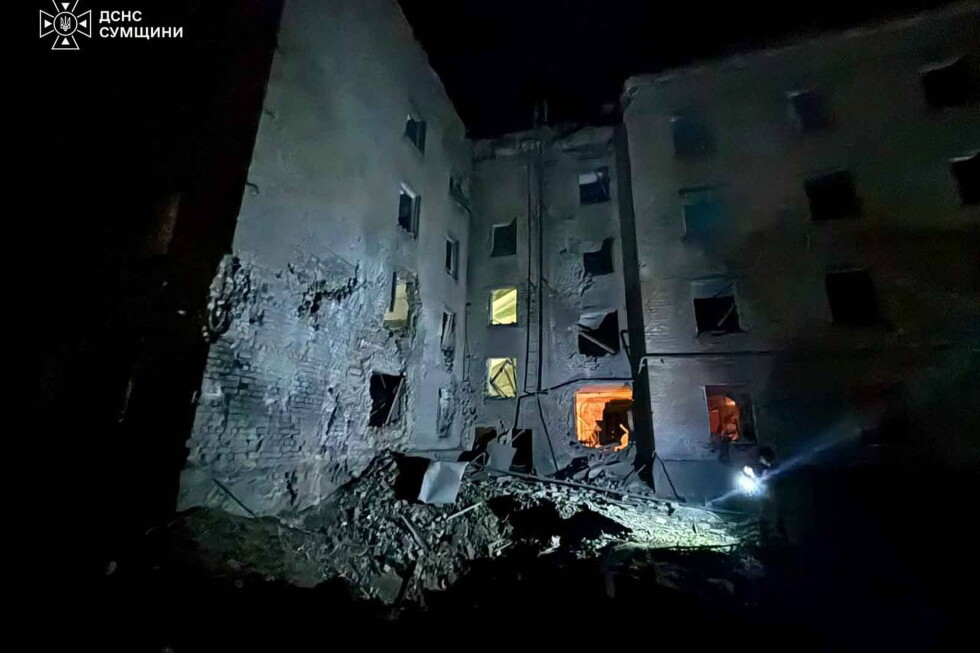
Ukraine strikes more oil facilities deep inside Russia, Zelenskyy says
In a coordinated expansion of its cross-front offensive targeting Russia’s wartime capabilities, Ukraine carried out a series of long-range nighttime strikes on critical Russian oil infrastructure deep inside Russian territory, Ukrainian President Volodymyr Zelenskyy confirmed Thursday. The operation marks the latest step in Kyiv’s strategy to weaken Moscow’s war-time economy and erode public confidence in the Kremlin amid the full-scale invasion that has stretched into its third year.
The targets of the attacks included two major oil refineries: one located in the Republic of Bashkortostan, more than 1,300 kilometers (800 miles) from the active front lines in eastern Ukraine, and a second in Russia’s Yaroslavl region, nearly 700 kilometers (400 miles) north of the Ukrainian border, Zelenskyy announced via social media. Beyond energy infrastructure, the Ukrainian president added that strikes also hit two Russian military patrol boats operating in the Black Sea, alongside multiple vessels belonging to Russia’s so-called “shadow fleet” — the network of unregistered and opaque vessels Moscow uses to bypass Western price caps and export sanctions on crude oil. Zelenskyy did not release additional details on the extent of damage to the vessels or casualty figures from any of the strikes.
In an immediate response to the attacks, Russia’s Defense Ministry claimed that its air defense systems intercepted and destroyed 605 Ukrainian drones overnight across multiple Russian regions, the illegally annexed Crimean peninsula, and the Black and Azov Seas. The repeated deep strikes into Russian territory have exacerbated domestic fuel shortages across Russia, sown unease among the Russian public, while boosting morale among Ukrainians who have faced relentless Russian aerial assaults that Kyiv’s depleted air defenses are struggling to repel.
While Kyiv advances strikes on Russian rear-area infrastructure, Russian forces have intensified their own bombardment campaign across Ukrainian territory, leaving Ukraine scrambling to secure additional air defense interceptors from its Western allies. Overnight Russian attacks using drones and glide bombs killed at least three civilians and wounded 22 more across multiple regions of Ukraine, local Ukrainian officials confirmed Thursday. In recent weeks, Moscow has increasingly relied on ballistic missiles in its barrages — weapons that Ukrainian officials say only advanced U.S.-made Patriot air defense systems are capable of intercepting. However, global stockpiles of Patriot interceptor missiles have been depleted by ongoing conflicts including the Iran crisis, leaving critical gaps in Ukraine’s aerial defenses that Russian forces are actively exploiting to devastating effect.
Following a deadly Russian barrage that killed 17 people in the Kyiv region just days prior, Zelenskyy stated via social media that Kyiv is working at full speed with international partners to secure urgent supplies of interceptor missiles to protect civilian lives and infrastructure from what he called “insane Russian strikes.” The Ukrainian president added that he had already held discussions with NATO Secretary General Mark Rutte and Finnish President Alexander Stubb about urgently drawing down existing allied stockpiles to send missiles to Kyiv. “It is important to cut through all red tape and make the necessary political decisions,” Zelenskyy emphasized. Rutte echoed the urgency in a post on X, writing, “I am discussing with allies how we can continue to get Ukraine the air defenses they urgently need.”
Details of Thursday’s civilian casualties from Russian attacks emerged as follows: Three civilians were killed in the city of Balakliia, located in Ukraine’s northeastern Kharkiv region. Balakliia military administration head Vitalii Karabanov reported that the first strike hit a private home, killing one woman and sparking a blaze, while a follow-up strike near a second residence killed another man and woman. In the neighboring Sumy region, 12 people were wounded by Russian glide bomb attacks, according to Ukrainian national police. Regional military governor Oleh Hryhorov reported that apartment buildings and critical infrastructure were damaged, with hundreds of windows shattered across the impact zone.
Further afield, in the southern Kherson region, a Russian drone strike hit a civilian bus carrying agricultural workers to their fields, wounding six people, regional authorities confirmed. In southeastern Zaporizhzhia, a drone attack on a residential neighborhood wounded four more people, regional governor Ivan Fedorov said. In total, Ukraine’s air force reported that Russia launched four missiles and 101 long-range attack drones at targets across Ukraine between Wednesday and Thursday. Ukrainian air defenses managed to shoot down or jam 66 of the drones, leaving dozens of Russian munitions to hit their targets.
Western defense analysts and officials note that Moscow’s strategy of sustained mass bombardment and ground offensive pressure is rooted in a deliberate plan to wear down Ukraine’s military and civilian resistance over time. Russian President Vladimir Putin is widely assessed to believe that time favors his campaign, that Western public and political support for Ukraine will gradually erode, and that Ukraine’s ability to sustain resistance will eventually collapse under the constant weight of Russian manpower, armor and firepower.
-
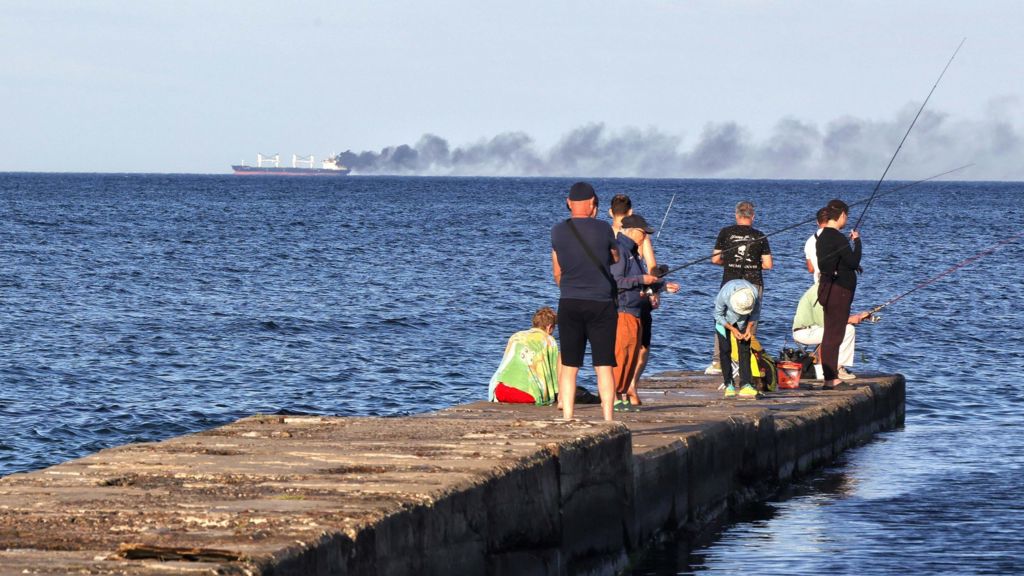
In Odesa, no-one is safe from Russia’s new Black Sea strikes
In the hushed, damaged warehouses of Odesa’s main Black Sea port, Svitlana Halchenko still carries the physical and emotional scars of the day Russia brought war directly to her workplace. A Russian ballistic missile strike took two of her colleagues, one just five meters from where she stood. Shrapnel remains embedded in her leg and back, leaving her with a permanent limp, but she refuses to abandon her post as a warehouse shift manager. Her quiet courage stands in stark contrast to the once-bustling port that now sits largely idle, a casualty of Moscow’s escalating campaign to choke off all Ukrainian commercial access to the Black Sea.
Halchenko’s trembling composure — twisting a crumpled tissue as tears well behind her glasses, even as she forces a brave smile — mirrors the broader trauma facing Ukraine’s entire Black Sea coastline. Over the past weeks, attacks have grown more frequent and deadly than at any point since the full-scale invasion began. Ukraine’s port administration recorded 57 separate Russian strikes on civilian vessels in July alone, 22 of them at sea, alongside 67 hits to critical port infrastructure. The intensity of these attacks marks a stark escalation: never before have Russian strikes targeted international commercial shipping at this scale.
One of the deadliest incidents came on July 19, when three Russian missiles struck the Turkish-owned cargo vessel *Golden Leo*, which was carrying Ukrainian corn. The attack killed nine Indian and Syrian crew members and one Ukrainian pilot; the ship sank off the Odesa coast a week later. Data from global shipping industry journal Lloyd’s List now confirms what dock workers and sailors have experienced firsthand: the Black Sea has become the most dangerous waterway for commercial shipping on the planet, with July 2026 ranking as the deadliest month for merchant seafarers since Russia’s full-scale invasion began.
For the workers who keep these ports running, the daily risk exceeds even the danger faced by frontline military troops. Oleg Grygoriuk, Chairman of the Marine Transport Workers Union of Ukraine, says many long-time veteran workers openly admit working in the Odesa port is more terrifying than serving in combat. Odesa’s proximity to Russian-occupied Crimea leaves dock workers with almost no time to escape incoming attacks: a missile fired from occupied Crimea reaches the port in just one minute, but it takes a crane operator three and a half minutes to climb down from their cab and reach a shelter. For many, there is simply no time to flee.
A rare on-the-ground visit to one of the region’s major ports — granted by military authorities on condition of anonymity to avoid aiding further Russian targeting — paints a clear picture of the collapse of activity. Hundreds of meters of commercial berths sit completely empty. Towering gantry cranes that once loaded and unloaded ships around the clock stand motionless, with only a tiny skeleton crew on site to conduct basic maintenance. Two damaged cargo vessels are moored nearby, their superstructures, bridges and crew quarters heavily battered by explosions. Only one lone freighter was spotted moving toward the port during the visit, a far cry from the pre-war days when ships would queue for miles off the coast waiting for a berth.
A senior unnamed port manager summed up the sudden collapse of normal operations: “My heart is broken. Normally there’s a queue, even out at sea, waiting for a berth.” He traces the current crisis back to the end of the UN-brokered Black Sea Grain Initiative, the 2022 agreement that established safe corridors for Ukrainian agricultural exports after Russia’s initial blockade. While Russia withdrew from the deal in mid-2023, the systematic large-scale attacks on port infrastructure and shipping only began in recent weeks. Today, the strikes are continuous and coordinated.
Midway through the port tour, air raid sirens cut through the quiet, forcing the entire group to take shelter for several minutes as a Russian jet-powered Shahed drone passed overhead. Weary dock workers waited silently, checking their phones for all-clear updates, a routine they now repeat multiple times a day. The manager says frequent alerts have forced the port to shut down operations for 15 out of every 24 hours. Technically, all Odesa-region ports remain officially open to commercial traffic, with no official ban on vessels attempting to dock. But the risk of attack is so extreme that nearly all shipowners have refused to send vessels into the dangerous corridor.
Andrey Stavnitser, co-owner and CEO of one of the region’s largest port operations, explains the market reality: “There is barely anybody who wants to call because there is a huge problem with people getting killed. We can see that the whole supply chain is on hold.” Stavnitser notes the current escalation is almost certainly Russian retaliation for Ukraine’s recent successful targeting of Russian shipping, including sanctioned oil vessels and ships ferrying military supplies to occupied Crimea. Ukraine’s Operation MoLoChKa, which translates roughly to “Moscow will fall through Crimea,” has used drones to strike roughly 200 Russian vessels, bringing almost all commercial traffic in the strategic Sea of Azov to a standstill. Ukrainian officials reject any equivalence between the two campaigns, pointing out that Kyiv is targeting military and logistical assets to weaken Russia’s occupation, while Moscow is deliberately targeting civilian grain exports to disrupt global food supplies.
The timing of Russia’s port blockade could not be worse, as Ukraine is in the middle of its critical summer grain harvest. Volodymyr Slavinskyi, trading director for leading Ukrainian grain exporter Nibulon, explains the urgency for producers: “It’s the most sensitive period. Farmers need to quickly harvest grains from the fields, not to lose the crop. They need to be able to sell the crop they harvested and reinvest money in the next production cycle.” A prolonged shutdown of Black Sea exports carries severe consequences for both Ukraine and global food markets. Before the full-scale invasion, Ukraine was one of the world’s top grain exporters, accounting for roughly 6% of global wheat exports and 10% of global corn exports. Its total export capacity has already dropped by at least a third since 2022, and the Greater Odesa ports still handle more than 73 million tonnes of maritime exports annually, 38 million tonnes of which are grain. With almost no vessels moving through the corridor, exporters are already losing hundreds of thousands of tonnes of product. Slavinskyi estimates that Ukraine has already lost the ability to deliver between 500,000 and 700,000 metric tons of grain and oilseeds to global customers.
Away from the silent docks, life in Odesa continues against all odds, a testament to the city’s resilience. The summer tourist season is in full swing, and beaches draw visitors from across Ukraine, who sunbathe and walk the promenade even as sirens wail and distant explosions rumble. Buskers perform on the iconic Potemkin Stairs, and locals have adapted to the constant threat: in one viral recent video, swimmers calmly pulled an intact Russian drone out of the water while onlookers watched. But the risks are ever-present: in late June, 26-year-old Daria Kravchenko was killed when shrapnel from an intercepted Russian drone landed on a crowded Odesa beach. Just this week, a similar incident killed seven people, including three children, on the Russian-held Black Sea coast when an intercepted Ukrainian drone crashed onto a busy beach.
The expanding conflict at sea and along the coast has left a trail of accidental casualties far beyond port facilities and commercial vessels. Just outside Odesan, 83-year-old Andrii Dudik surveyed the mangled wreckage of his home and garden just hours after a stray drone from a port attack shattered his routine afternoon nap. He walked away without physical injury, and even joked about the disruption: “I was lying there, wondering what I was going to do this afternoon. Now I know.” When asked if he considered himself an accidental victim of Russia’s port campaign, he did not hesitate. “Absolutely. And I won’t forget it.”
-

Q&A: Ms. Lauryn Hill on the Diaspora Calling! festival in the UK, the Fugees’ legacy and D’Angelo
Just moments before iconic musician Lauryn Hill joined an interview with The Associated Press, she and Fugees bandmate Wyclef Jean found themselves surrounded by fans in the heart of London’s Piccadilly Circus. Hanging above the crowd on the giant bright LED display of the Piccadilly Lights was a vivid, animated short film: a vibrant collage celebrating the heroes and cultural symbols of the global African diaspora, curated by Hill and created by Los Angeles-based artist Lauren Halsey.
The core message of the public art installation was unmissable: it is a joyful tribute to shared community, interconnected culture, and the intersecting worlds of music and visual art. “The crowd was captivated,” Hill shared during the interview. Jean interjected, describing the moment as surreal. “The love was felt. It was amazing,” he said.
This surprise public showcase served as a teaser for a far larger milestone: this week marks the first time Hill’s beloved Diaspora Calling! festival will land in the United Kingdom, 10 years after the event made its debut in Brooklyn, New York.
Hosted by acclaimed comedian Dave Chappelle and featuring a stacked lineup of performers including Grammy-winning R&B icon Erykah Badu, rapper Giggs, Afrobeats star Fireboy DML, and reggae artists YG Marley and Zion Marley, the festival will take place at Milton Keynes’ iconic National Bowl venue. At the heart of the weekend’s programming, Hill and Jean — two-thirds of the legendary hip-hop trio Fugees — will perform their game-changing 1996 landmark album *The Score* in its entirety, to mark the record’s 30th anniversary.
In an edited interview with the AP, Hill and Jean opened up about the festival’s origins, the enduring legacy of *The Score*, and how they hope to honor the late, influential musician D’Angelo nearly one year after his passing.
When asked what drew the pair to bring Diaspora Calling! to the UK for the first time, Hill explained that the opportunity came organically through long-time industry partners. “We were given an opportunity by the promoters — the same promoters that do Reggae Land. He gave me the venue. And I said, ‘This is what I want to do.’ We’re basically blessed to have the opportunity. And, you know, ‘tis the season to bring people together in the name of growth, healing and pushing forward,” she said.
Hill also confirmed that the UK stop will not be the only international edition of the festival, with more global stops firmly on the table for the future: “Absolutely, absolutely, absolutely,” she said when asked about expanding the event beyond the US and UK.
Reflecting on how the festival’s core concept has evolved since its first Brooklyn gathering in 2016, Hill traced its origins back to a life-changing trip to Ghana early in her career. The connection she built on that trip planted the seed for a cross-continental gathering of the global African diaspora. Over decades of building community both together and separately, even when the Fugees were not actively performing or recording as a group, Hill and Jean built deep connections across diaspora communities worldwide — making now the perfect time to bring those communities together in one space, she explained.
When it comes to curating the festival’s dynamic, cross-genre lineup, Hill says the process has been driven by respect and mutual excitement. “We put a call out to the people that we know, love and respect. And I’ve gotten so much positivity — an abundance of responses, in terms of the creative community out here wanting to participate. So that’s huge,” she said.
The festival’s centerpiece performance, a full play-through of *The Score* for its 30th anniversary, finds the two musicians engaging with the album in a whole new way decades after its release. Both agree the record has lost none of its power or cultural resonance over 30 years, earning its place among other iconic timeless albums that shaped music globally.
“Absolutely. That’s a timeless piece of work for us as well. Timeless. How do you feel about it, Wyclef?” Hill asked, prompting Jean to draw a parallel between *The Score* and other legendary albums that have stood the test of time, from Bob Marley’s *Exodus* to Pink Floyd’s *The Wall* and Bob Dylan’s early studio records. “That’s forever,” Jean said.
Hill added that every performance of the decades-old record brings new energy and new meaning. “I think what is powerful about the album was that, you know, I’m a big fan of what Wyclef does. And I think he’s appreciative of what I do. So, we engage with each other’s art. And every time we perform it, even though (it’s) singing older lyrics, there’s a new energy, a new spirit. There’s a timelessness. I almost feel like we’re reclaiming timelines, healing timelines, so to speak, every time we’re performing,” she explained. Jean echoed that sentiment, noting that even after 30 years, performing the album still feels as fresh and exciting as it did the first time. “It doesn’t feel old,” Hill added.
For Hill, performing the record at Diaspora Calling! is the perfect alignment of the album’s core ethos and the festival’s mission. “It’s kind of the pinnacle of what the Fugees were all about. Our makeup is diaspora calls. I think we were a call to a particular unity, a particular kind of reflection and a particular kind of resistance to certain ideas that we knew better than. And we wanted to channel that outside and have other people feel what we were certain about, which is that there was being and resourcefulness and incredible brilliance throughout diaspora. And that division was not really an option,” she said.
Towards the end of the conversation, Hill reflected on the upcoming one-year anniversary of D’Angelo’s passing, after she paid tribute to the late artist alongside Roberta Flack earlier this year at the Grammys. Remembering D’Angelo as another timeless, irreplaceable creative soul, Hill said she hopes the world continues to lift up his extraordinary musical legacy, while protecting the privacy of his family. “He was good — without question,” she said.
-
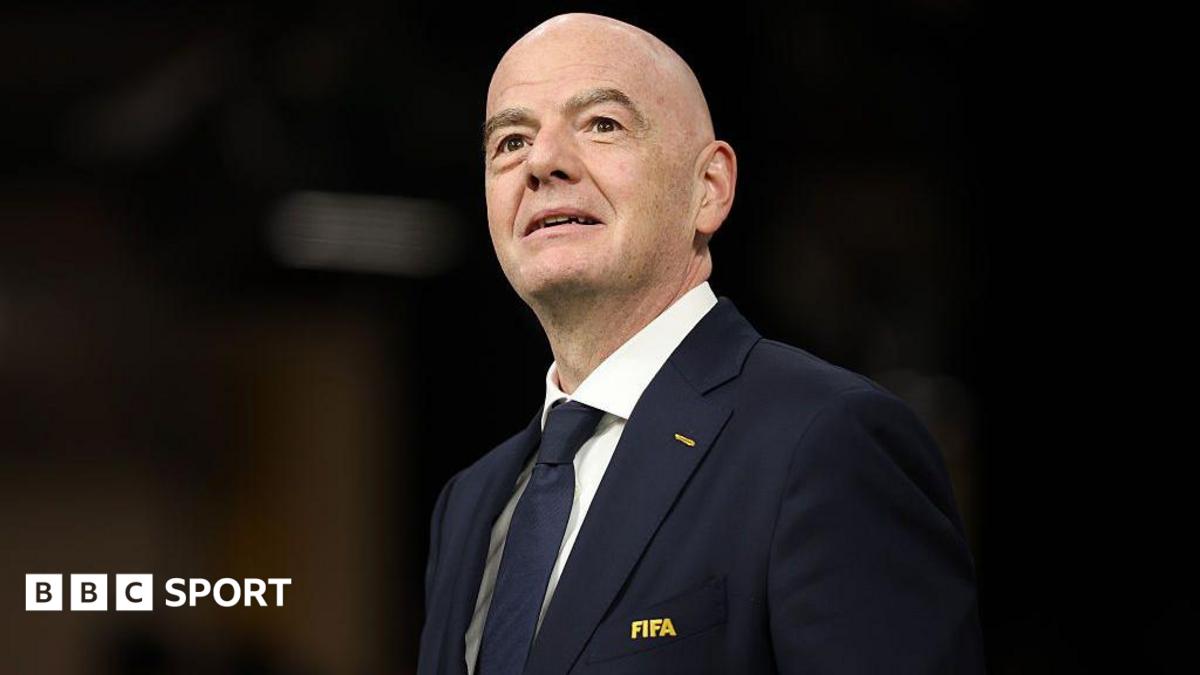
Fifa admits mistakes but Infantino remains president
Gianni Infantino has secured continued tenure as FIFA president after earning a formal vote of confidence from the organization’s senior management board during an emergency meeting held in Rabat, Morocco. The gathering was convened by Infantino himself this Wednesday, in direct response to cascading criticism over his scrapped plan to sell private stakes in top FIFA competitions, including the men’s and women’s World Cups, via a newly created subsidiary called FIFA Forward Enterprise (FFE). Four hours after discussions concluded, FIFA released an official statement confirming the board’s unified support for its leader.
The controversy erupted after The Times broke news of the FFE proposal on July 28, triggering immediate backlash from across global football. European football’s governing body UEFA led the charge over the weekend, issuing a formal declaration that it had lost all confidence in Infantino, dismissing the FFE initiative as a “shabby, back room, opaque deal.” Criticism even extended to the highest ranks within FIFA: Secretary General Mattias Grafström, who attended the Rabat meeting, had described the entire situation as “a sad and reproachable series of events” in an internal memo circulated to FIFA staff just one day earlier. Yet in a striking reversal following Wednesday’s closed-door talks, Grafström joined the full management board in “reaffirming their full support” for Infantino’s leadership.
As part of the meeting’s outcomes, FIFA openly acknowledged that missteps were made throughout the FFE process. The organization admitted it was never its intention to leave the FIFA Council and member associations feeling sidelined, conceding that the initiative “should have been handled differently.” Additional errors were acknowledged in how FIFA responded after the proposal was leaked to the press. FIFA has since issued formal apologies to the council and all member associations for these missteps, pledged to prevent similar missteps in the future, and announced it will launch a full internal review of the process.
FIFA also pushed back firmly against a separate unsubstantiated report from The Times claiming Infantino had promised Morocco the right to host the 2030 World Cup final in exchange for its political backing. The organization dismissed the allegation as “false and misleading,” noting that any final decision on the 2030 final host location—co-hosted by Morocco, Spain and Portugal—will be made at a later appropriate date. The statement also added a firm warning, saying FIFA “will no longer tolerate any attacks on its integrity, good governance and due process and will take all necessary measures to protect and safeguard its name and reputation,” while also asserting that “everything that was done was done in full compliance with the FIFA regulatory framework.”
Despite the management board’s backing, opposition to Infantino remains widespread and vocal. Canadian Prime Minister Mark Carney, whose country co-hosted the 2026 men’s World Cup alongside the United States and Mexico, has publicly stated he no longer has confidence in the FIFA president. Former Portuguese football star Luis Figo, who withdrew from the 2015 FIFA presidential race against former president Sepp Blatter, has called on Infantino to step down immediately. “Infantino has debased the office that he promised to elevate,” Figo said. “It is too late to save his dignity but it is not too late to save football.”
The 56-year-old Swiss executive has made clear he intends to stand for re-election to a fourth term, with the vote scheduled to take place at the FIFA Congress in Morocco in March 2027. Prospective challengers have until mid-November this year to nominate themselves, and any winning candidate needs to secure 106 votes from FIFA’s 211 total member associations to claim victory.
UEFA has maintained its hardline opposition, having already threatened legal action against FIFA over the controversy. A growing number of European member associations have already withdrawn their support for Infantino’s re-election, including Wales, with England expected to formally join that camp imminently. At the height of the backlash, all 55 UEFA member associations threatened to boycott FIFA competitions if the FFE plan moved forward. However, UEFA faces a major strategic barrier to ousting Infantino: it lacks enough global support to challenge his existing power base. To date, only the Confederation of North, Central America and Caribbean Association Football (Concacaf) has joined UEFA in criticizing the president, though it has not issued a formal no-confidence vote. While the Asian Football Confederation rejected the original FFE investment plan, it has not issued a broader public rejection of Infantino’s leadership.
Outside of Europe, only Jordan has publicly called for Infantino to step down. By contrast, a long list of nations across Asia and Africa—Infantino’s core support base—have reaffirmed their backing in recent days, including Egypt, Morocco, Niger, Mauritania, DR Congo and the Philippines. Many of these nations have benefited from substantial funding through the original FIFA Forward development programme, the precursor to FFE, receiving up to $8 million per three-year funding cycle to support domestic football growth. For UEFA to successfully unseat Infantino, it will need to convince these countries that alternative candidates can deliver equivalent financial support while implementing greater transparency and governance reform—a challenge that Infantino’s existing loyalty among these member associations makes far more difficult. For now, despite the ongoing controversy that marks the largest threat to his decade-long tenure, Infantino appears to have survived the immediate challenge to his leadership.