标签: Asia

亚洲

  • Exclusive: How Hezbollah rebuilt while its enemies declared it dead

    Exclusive: How Hezbollah rebuilt while its enemies declared it dead

    Contrary to widespread assertions from Israeli, American, and Lebanese government officials that Hezbollah had been permanently crippled, the Lebanese militant organization has demonstrated remarkable resilience and strategic recovery. Emerging from a devastating 15-month conflict that concluded with a November 2024 ceasefire, Hezbollah has not only reconstituted its military capabilities but has returned to active warfare against Israel with renewed intensity.

    Multiple sources familiar with Hezbollah’s internal recovery process reveal that the organization interpreted the ceasefire not as a permanent resolution but as a critical operational pause to rebuild for inevitable future conflicts. Despite Israeli Prime Minister Benjamin Netanyahu’s claims that the campaign had set Hezbollah back “decades” and eliminated its leadership, the organization immediately began comprehensive reconstruction efforts beginning November 28, 2024—just one day after the ceasefire took effect.

    The rebuilding operation was both extensive and methodical, focusing on restoring pre-October 2023 capabilities through a combination of Iranian support, local manufacturing, and strategic resource allocation. By mid-December 2025, military commanders reportedly informed leadership that reconstruction of recoverable assets was complete, though some advanced systems—particularly air defense capabilities—sustained irreversible damage.

    Hezbollah’s recovery was particularly impressive given the organization’s devastating losses during the conflict. Israel’s September 2024 pager bombings that wounded dozens of members, followed by targeted airstrikes that eliminated top leadership including Secretary General Hassan Nasrallah, had left the organization “blinded, scattered and broken” according to one source. The steadfastness of frontline fighters provided surviving leadership the critical breathing space needed to regroup and reorganize.

    The organization implemented significant tactical adaptations in response to intelligence vulnerabilities, abandoning compromised communication networks for more secure “basic and primitive” methods including human couriers and handwritten notes. Structurally, Hezbollah moved away from its conventional army model toward a more decentralized “Mughniyeh spirit” doctrine featuring semi-autonomous units operating with broader scenario-based guidance rather than constant direct command.

    Despite public claims of Lebanese army control south of the Litani River and government assertions of achieving a “state monopoly on arms,” Hezbollah gradually reestablished its presence through smaller cells and individual cadres operating with patience and concealment. The ceasefire period, which saw approximately 400 Lebanese killed in ongoing Israeli strikes, represented not genuine peace but an actively contested phase where both sides positioned for the next confrontation.

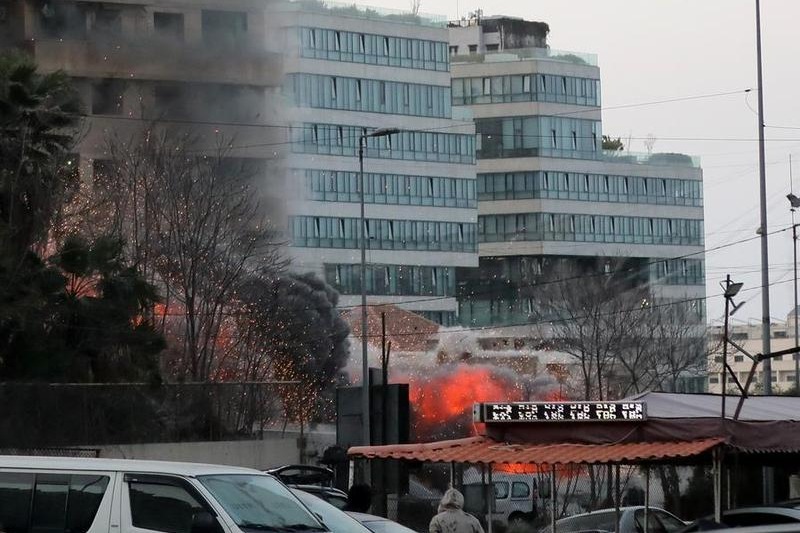
    Hezbollah’s renewed military capabilities became unmistakably evident in early March 2026, when the organization launched approximately 60 drones and rockets followed by similar volleys in subsequent days, with missiles reaching as far as southern Israel’s Ashkelon region. The organization that many had written off as defeated has demonstrated它不仅恢复了持续火力能力,还在黎巴嫩和以色列领土上重新部署了战斗人员,对以色列施加压力。

  • North Korean leader Kim and his daughter rides a tank together during army training

    North Korean leader Kim and his daughter rides a tank together during army training

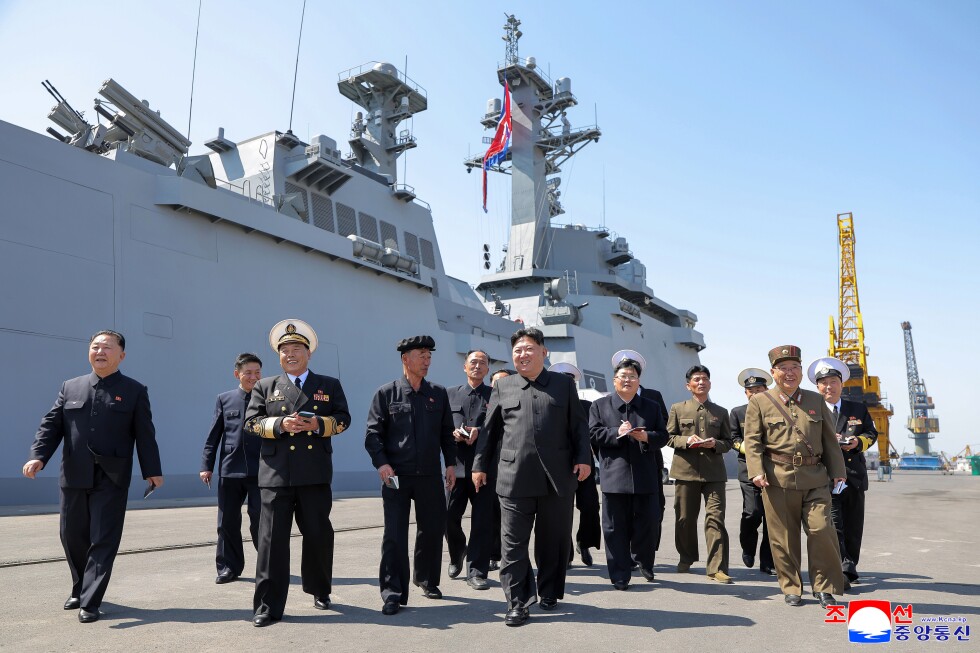
    North Korean state media has released unprecedented imagery showing leader Kim Jong Un and his teenage daughter participating in joint tank exercises, marking their latest high-profile military appearance together. The Korean Central News Agency (KCNA) reported Friday that Kim personally supervised combat drills involving armored units and infantry troops on Thursday, demanding enhanced war readiness capabilities.

    Photographs disseminated by state media depict both Kim and his daughter, believed to be approximately 13-year-old Kim Ju Ae, clad in matching black leather jackets while riding inside an olive-green military tank alongside uniformed soldiers. The images capture the young girl peering through the tank’s hatch opening while her father smiles from his position atop the armored vehicle.

    This military demonstration occurs against the backdrop of ongoing joint U.S.-South Korea military exercises, which Pyongyang consistently characterizes as invasion rehearsals. The annual drills concluded their computer-simulated phase on Thursday but continue with field training operations.

    The teenage daughter’s frequent appearances at significant military events since late 2022 have generated intense international speculation regarding her political future. South Korea’s National Intelligence Service previously suggested Kim might be preparing to designate her as his successor, though some analysts remain skeptical given North Korea’s traditionally male-dominated power structure and Kim’s relatively young age of approximately 40.

    Last week, the father-daughter duo conducted pistol firing exercises during an inspection of a light weapons facility and observed live-fire tests of multiple rocket launch systems. Their relationship has been prominently showcased in state media, which regularly describes her as Kim’s “most beloved” child and has published numerous images demonstrating their close bond, including footage of her kissing his cheek during New Year celebrations.

  • Ras Laffan: How Qatar gas hub attack is hitting Asia and beyond

    Ras Laffan: How Qatar gas hub attack is hitting Asia and beyond

    Qatar’s Ras Laffan Industrial City, the world’s largest liquefied natural gas (LNG) export facility responsible for 20% of global supply, has sustained catastrophic damage from repeated Iranian missile attacks. The assault on Wednesday marks the second major strike this month, following an initial attack on March 2nd that previously halted operations at the critical energy complex located 80 kilometers from Doha.

    The strategic facility, operated by state-owned QatarEnergy across a 295-square-kilometer area, serves as the processing center for Qatar’s enormous North Field offshore gas reserves. The complex converts natural gas into various products including LNG, liquefied petroleum gas (LPG), petrochemical feedstocks, and specialized industrial byproducts.

    According to QatarEnergy CEO Saad al-Kaabi, the attacks have severely damaged two of Qatar’s fourteen LNG processing trains and one of two gas-to-liquid facilities, eliminating approximately 17% of the nation’s LNG export capacity. The destruction will sideline 12.8 million tonnes of LNG annually for three to five years, resulting in $20 billion in lost annual revenue with total repair costs estimated at $26 billion.

    The immediate market reaction saw natural gas prices surge dramatically across European and Asian markets on Thursday. Energy analysts warn the impact will exceed the market disruption caused by Russia’s invasion of Ukraine in 2022, creating profound and long-lasting consequences for global energy security.

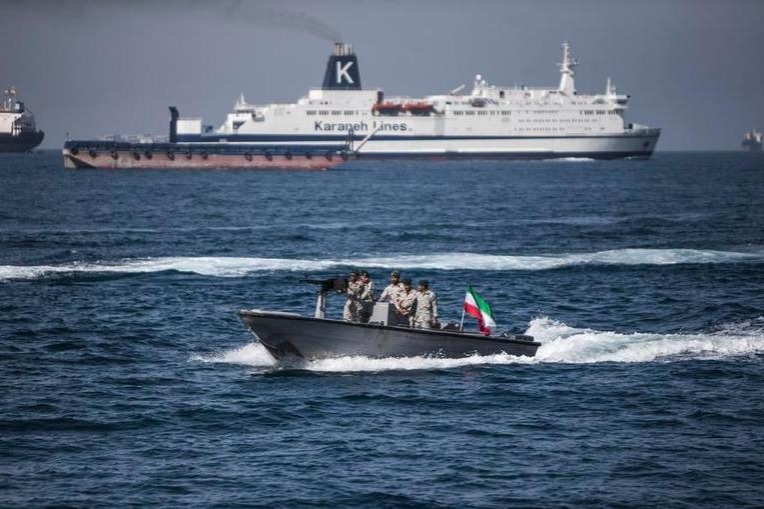
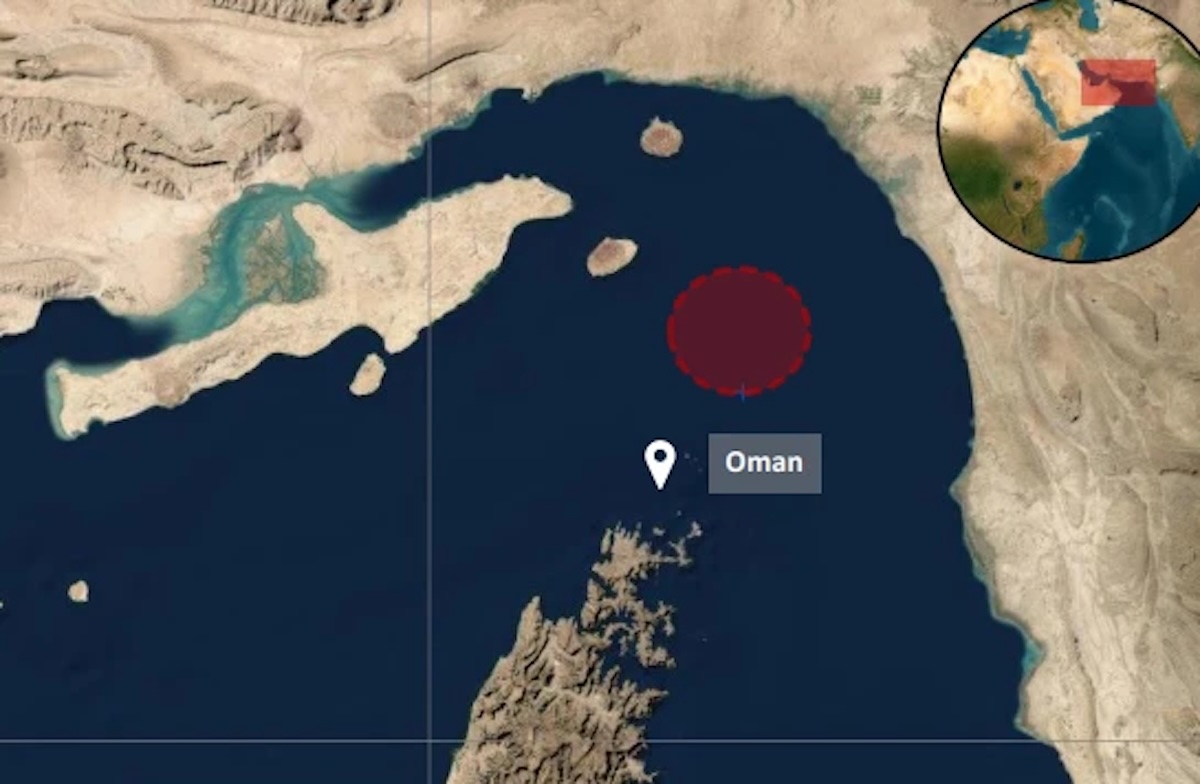
    Compounding the crisis, Iran has effectively closed the Strait of Hormuz – the vital shipping channel through which virtually all of Ras Laffan’s output travels – in response to the ongoing US-Israeli conflict. This dual assault on both production and transportation has completely stifled Qatar’s primary export economy.

    Asian nations, which account for 90% of Qatari LNG exports, face particularly severe consequences. Countries like Pakistan and Bangladesh that rely on short-term spot pricing will struggle to absorb the cost increases, while industrial users across the region may be forced to switch to oil products or reduce production entirely.

    European countries attempting to offset the shortfall by switching to coal power lack sufficient capacity to replace the missing 20% of supply, ensuring that ultimately consumers will bear the burden through dramatically higher energy prices. Experts predict prices must rise to ‘unbearable levels’ to trigger sufficient demand destruction to balance markets, with the poorest populations suffering the most severe impacts.

  • Qatar calls for ‘immediate’ end to war on Iran after attack on gas facility

    Qatar calls for ‘immediate’ end to war on Iran after attack on gas facility

    In a significant diplomatic development, Qatar has become the first major Gulf energy producer to issue an unconditional demand for the immediate cessation of hostilities between US-Israeli forces and Iran. The call came during a joint press conference in Doha on Thursday where Qatari Prime Minister Sheikh Mohammed bin Abdulrahman al-Thani stood alongside Turkish Foreign Minister Hakan Fidan.

    “This war needs to stop immediately. The aggression needs to stop immediately,” stated Sheikh Mohammed, marking a notable departure from the more conditional stance taken by other Arab and Muslim nations. Just one day earlier, a collective statement from eleven nations including Egypt, Saudi Arabia, Turkey, and the UAE had specifically called for an end to Iranian attacks without demanding a comprehensive ceasefire.

    The Qatari position carries substantial weight given the country’s critical role in global energy markets. The conflict has already inflicted severe damage on Qatar’s energy infrastructure, with QatarEnergy CEO Saad al-Kaabi revealing that recent Iranian missile strikes severely damaged the Ras Laffan liquefied natural gas (LNG) facility. The attack reportedly knocked out 17% of Qatar’s LNG export capacity, resulting in an estimated $20 billion in annual lost revenue with repairs expected to take three to five years.

    The Prime Minister’s remarks included a pointed reference to regional dynamics, noting that “everyone knows who the main beneficiary of this war is,” a statement widely interpreted as criticism of Israel. This aligns with assessments that Israel’s earlier strikes on Iran’s South Pars gas field precipitated the current escalation.

    The economic implications extend far beyond Qatar’s borders. As supplier of approximately 20% of global LNG, Qatar’s reduced capacity is already triggering price surges in Asian and European markets. Energy analysts confirm there are no immediate alternatives to Qatari gas supplies.

    Meanwhile, Omani Foreign Minister Badr bin Hamad al-Busaidi published an analysis in The Economist arguing that continued conflict serves neither American nor Iranian interests, suggesting Israel seeks to prolong hostilities to undermine the Islamic Republic.

    The conflict has also demonstrated Iran’s expanded military reach, with attacks reaching deep into Saudi Arabia targeting the vicinity of Yanbu, the kingdom’s crucial Red Sea crude export facility, highlighting Iran’s capacity to project power beyond the strategically vital Strait of Hormuz which it effectively controls.

  • Seoul braces for the BTS Army as the world’s biggest band returns

    Seoul braces for the BTS Army as the world’s biggest band returns

    Seoul’s historic Gwanghwamun Square prepares for an unprecedented cultural phenomenon this Saturday as global superstars BTS return to the stage for their first full-group performance since October 2022. The monumental event marks the culmination of the seven-member ensemble’s mandatory military service completion, with over 250,000 enthusiasts expected to descend upon the capital’s central district.

    While merely 22,000 fortunate ticket-holders will access the primary concert venue, the majority will experience the spectacle through massive outdoor screens strategically positioned throughout the square. The performance, set against the majestic backdrop of a 14th-century royal palace gateway, will feature selections from their highly anticipated new album ‘Arirang’, scheduled for release Friday afternoon.

    Netflix has secured exclusive global streaming rights for the event alongside documentary coverage of the band’s reunion, representing a significant marketing achievement for the platform’s substantial investments in Korean entertainment content.

    The concert transcends musical performance, embodying Korea’s cultural soft power resurgence through record-breaking pop artistry and electrifying choreography. BTS’s return triggers an 82-date world tour commencing next month, spanning over 30 international cities from Singapore to Los Angeles.

    Seoul authorities have implemented extraordinary security measures, deploying approximately 7,000 police personnel including SWAT units with anti-drone technology. Thirty-one controlled entry points with metal detectors will regulate access to the square, while three adjacent subway stations will temporarily close. Despite South Korea’s stringent firearm regulations, officials have temporarily suspended civilian retrieval of weapons stored at police stations.

    The event’s logistical scale has sparked public debate regarding resource allocation. While local businesses anticipate record revenues—with hotels fully booked months in advance and restaurants preparing multilingual menus—some citizens express concerns about urban disruption. A pre-scheduled wedding near the square faces accessibility challenges, illustrating the event’s widespread impact on daily life.

    Free ticket distribution methodology has drawn mixed reactions, with 13,000 initial reservations claimed instantly despite over 100,000 simultaneous online queuers. Subsequent 7,000-ticket releases sold out within minutes, prompting fan-led campaigns against reselling and absenteeism.

    For international devotees like Russian student Ami Ostrovskaia, whose passion for BTS inspired her relocation to Seoul, the event represents cultural pilgrimage. ‘This performance symbolizes resolution to years of anticipation,’ she shares while displaying miniature band member figurines. ‘Their collective artistry carries profound personal meaning.’

    The Korea Culture & Tourism Institute previously estimated individual BTS performances could generate approximately $842 million in combined revenue, encompassing ticket sales, merchandise, tourism, and ancillary expenditures. While supporters emphasize the group’s unparalleled contributions to Korea’s global image, critics question the precedent of substantial public resource dedication for commercial entertainment events.

    As the city transforms into an open-air stadium, the spectacle represents both triumphant artistic return and complex dialogue regarding cultural prioritization in modern society.

  • Pregnant woman among four Palestinians killed following Iranian missile attack

    Pregnant woman among four Palestinians killed following Iranian missile attack

    A tragic incident in the occupied West Bank has resulted in the deaths of four Palestinian women, including a pregnant woman, following Wednesday night’s Iranian missile offensive. Asil Samir Masalmeh, 32, who was six months pregnant, succumbed to shrapnel injuries on Thursday after missile fragments struck a hair salon in Beit Awa near Hebron, according to the Palestinian health ministry.

    The attack, which occurred during Iran’s widespread missile launch, also claimed the lives of three other women: Mais Ghazi Masalmeh (17), Sahira Rizq Masalmeh (50), and Amal Sobhi Abdel Karim Matawa Masalmeh (36). Palestinian medical teams responded to 13 injured women at the scene, with one remaining in critical condition at Dura Governmental Hospital and other Hebron medical facilities.

    While the Israeli military confirmed activating defense systems against the Iranian barrage, Palestinian authorities cannot definitively determine whether the lethal shrapnel originated from an Iranian missile or Israeli interceptor. The Palestinian Red Crescent Society reported “direct impact of missile shrapnel,” with a medic telling AFP the projectile was Iranian-fired.

    The incident highlights the vulnerability of Palestinian residents in the occupied West Bank, where access to fortified shelters common in Israel is systematically denied. The hair salon, located in a prefabricated metal structure, suffered direct impact when what eyewitnesses described as a bomb or bomb fragment landed approximately one meter away before ricocheting into the building.

    These mark the first Palestinian fatalities in the escalating conflict between the US-Israel alliance and Iran that began on February 28.

  • Iran’s internet shutdown now longest in history: Monitor

    Iran’s internet shutdown now longest in history: Monitor

    Iran is currently experiencing the most prolonged nationwide internet blackout in its history, now extending beyond 20 consecutive days according to digital rights monitoring organization NetBlocks. The unprecedented disruption began following the commencement of US-Israel military operations against Iranian territory, creating the longest sustained internet shutdown ever documented within a highly connected society.

    NetBlocks Director Alp Toker revealed to Middle East Eye that Iran’s digital blackout now ranks among the top three longest internet shutdowns in recorded history, surpassed only by extended outages in Sudan and Myanmar during military coup scenarios. The Islamic Republic has established a pattern of implementing internet restrictions during periods of civil unrest, with authorities justifying these measures as necessary to combat misinformation, while critics argue they enable violent state crackdowns without external scrutiny.

    The comprehensive blackout has severely hampered communication between Iran and the global community, though some citizens have attempted to circumvent restrictions using Virtual Private Networks (VPNs) and alternative methods. Toker noted that conventional VPN services have largely been rendered ineffective, with authorities activating a domestic intranet that provides limited, unreliable external access primarily for technical users under increasingly tightened controls.

    Illicit Starlink satellite systems have emerged as another circumvention method, though both technologies are considered contraband and carry significant user risks amid heightened security measures. Iranian intelligence officials reported confiscating hundreds of prohibited Starlink devices nationwide through what they described as a ‘complex and extensive’ operation targeting satellite-linked systems ‘used to serve the enemy.’ The ministry emphasized that possessing or operating illegal Starlink networks constitutes a criminal offense under Iranian law, with violations during wartime conditions warranting the most severe penalties, particularly for those allegedly collaborating with adversarial nations.

    Simultaneously, Iran’s judiciary announced the execution of three individuals convicted of killing police officers and conducting operations supporting the United States and Israel during January’s anti-government protests. The executions were carried out after convictions for ‘waging war against God,’ a capital offense. While Tehran officially acknowledges approximately 3,000 fatalities during the unrest—including security personnel and bystanders—human rights organizations estimate the death toll exceeds 7,000, predominantly comprising protesters. The protests, among the largest in recent decades, were fueled by economic pressures and state repression, prompting then-US President Donald Trump to openly call for the overthrow of the Islamic Republic.

  • Lebanon says death toll from Israeli attacks tops 1,000 since March 2

    Lebanon says death toll from Israeli attacks tops 1,000 since March 2

    Lebanon faces a devastating humanitarian catastrophe as the nation’s Public Health Ministry confirmed on Thursday that Israeli military operations have resulted in 1,001 fatalities and 2,584 injuries since the conflict escalation began on March 2.

    The staggering casualty figures, released by health authorities in Beirut, represent one of the most severe tolls in recent Middle Eastern conflicts. The systematic airstrikes have targeted multiple regions across Lebanon, creating a multifaceted crisis that extends beyond immediate casualties to encompass widespread infrastructure destruction and a collapsing healthcare system.

    Medical facilities throughout Lebanon report being overwhelmed by the influx of casualties, with many operating at significantly reduced capacity due to damage from bombardments and critical shortages of medical supplies. The compounding challenges of damaged transportation networks and electricity disruptions have further hampered emergency response efforts.

    International humanitarian organizations have raised alarms about the escalating crisis, noting that the actual number of casualties may be higher due to difficulties in accessing conflict zones and documenting victims trapped under rubble. The conflict has displaced approximately 25% of Lebanon’s population, creating a secondary crisis of internal displacement amid the country’s existing economic challenges.

    The sustained military campaign represents the most severe escalation between Israel and Lebanon since the 2006 war, with diplomatic efforts to broker a ceasefire thus far proving unsuccessful. The United Nations and several European nations have called for immediate de-escalation and humanitarian access to affected populations.

  • Pentagon wants over $200 billion to fund Trump’s Iran war

    Pentagon wants over $200 billion to fund Trump’s Iran war

    The Pentagon has formally requested congressional approval for over $200 billion in supplemental funding to support military operations in Iran, according to a Washington Post report. This substantial financial request comes as the Trump administration contemplates deploying additional thousands of troops to the Middle East, signaling potential expansion of the conflict into a prolonged engagement with possible ground invasion capabilities.

    The funding figure, which represents quadruple the amount previously discussed in recent days, has encountered immediate resistance from Democratic lawmakers. Senator Chris Van Hollen (D-Md.) declared the proposal “an absolute nonstarter,” emphasizing that cutting off funding represents the most effective method to conclude the conflict and restrain what he characterized as a “lawless administration.”

    Senator Ruben Gallego (D-Ariz.) provided historical context, noting that “at the height of combat the Iraq War cost around $140 billion per year,” suggesting the current request indicates preparation for an extended military campaign.

    The funding package faces significant legislative hurdles, requiring 60 votes for Senate passage and necessitating some Democratic support. Neither Senate Minority Leader Chuck Schumer (D-NY) nor House Minority Leader Hakeem Jeffries (D-NY) had responded to the funding request reports at the time of publication.

    This development follows reports that U.S. investigators have determined American forces were responsible for bombing an Iranian elementary school during the initial phase of the conflict, resulting in approximately 175 casualties, predominantly children.

    Simultaneously, Reuters reported the administration is considering substantial troop deployments to reinforce Middle East operations, including potential missions to secure oil tanker passage through the Strait of Hormuz and possible operations on Iran’s Kharg Island—a move described by officials as “very risky” given Iran’s missile and drone capabilities.

    Dylan Williams of the Center for International Policy observed that “we are seeing the Iran war become a quagmire in real time,” criticizing the rapidly escalating funding requests as demonstrating “a total lack of understanding or control over what he has gotten us into.”

    Foreign policy journalist Laura Rozen suggested the administration “blundered into what he thought would be a few day ‘excursion’” without adequate preparation or strategic clarity, while Iranian Foreign Minister Abbas Araghchi characterized the $200 billion as merely “the tip of the iceberg” in terms of ultimate costs.

  • China urges immediate end to military action in Middle East

    China urges immediate end to military action in Middle East

    Chinese Foreign Minister Wang Yi has issued a stark warning about the escalating Middle East conflict, emphasizing its detrimental impact on global shared interests during a high-level phone discussion with British counterpart Yvette Cooper. The diplomatic exchange occurred against the backdrop of expanding regional hostilities that threaten international stability.

    Minister Wang articulated China’s firm position that prolonged military engagement benefits no nation, asserting that an immediate cessation of hostilities reflects the collective will of the international community. He highlighted the conflict’s far-reaching consequences beyond regional security, noting its disruptive effects on critical global systems including energy markets, financial networks, trade routes, and maritime shipping operations.

    The Chinese diplomat emphasized the necessity of resolving differences through equitable dialogue mechanisms, urging all involved parties to prioritize regional peace and stability. As permanent members of the UN Security Council, both China and Britain bear special responsibility for maintaining international peace, Wang noted, calling for enhanced bilateral coordination to uphold UN Charter principles and fundamental norms of international relations.

    British Foreign Secretary Cooper presented the UK’s perspective on the Middle East situation, acknowledging the increasingly turbulent global landscape. She expressed Britain’s desire to maintain close communication channels with China to facilitate conflict resolution, promote diplomatic negotiations, and work toward sustainable long-term solutions.

    Both officials also discussed bilateral relations, agreeing to actively implement leadership consensus, strengthen exchanges, and advance their comprehensive strategic partnership. This cooperation, they concurred, could provide crucial stability and predictability during a period of global transformation and uncertainty.