标签: Asia

亚洲

  • Nigel Farage says Sadiq Khan attempted ‘dominance’ over ‘our culture’ by praying in public

    Nigel Farage says Sadiq Khan attempted ‘dominance’ over ‘our culture’ by praying in public

    A significant interfaith gathering in London’s Trafalgar Square has ignited a heated political controversy, pitting Reform Party leader Nigel Farage against London Mayor Sadiq Khan. The event, organized by the Ramadan Tent Project and billed as “the biggest iftar in the western world,” brought together diverse religious communities including Christians, Jews, Hindus, Sikhs, and atheists for communal prayers and breaking of the Ramadan fast.

    During a Reform rally in Essex, Farage displayed footage of Muslim congregational prayers at the event, drawing audible boos from supporters. The Reform leader characterized the gathering as “a group of people headed up by the ghastly Sadiq Khan attempting dominance over our capital city and over our culture.” Farage framed the event as a challenge to Britain’s Judeo-Christian foundations, vowing “we will not put up with this anymore” to enthusiastic applause.

    The controversy escalated when Conservative shadow justice secretary Nick Timothy previously described mass ritual prayer in public places as “an act of domination” and “straight from the Islamist playbook”—comments that prompted Prime Minister Keir Starmer to declare such rhetoric “utterly appalling” and indicative of Conservative “problems with Muslims.”

    Mayor Khan responded with emotional intensity, expressing being “heartbroken, sad, and angry” while questioning “who will it be tomorrow? Jewish people? Hindu people?” He emphasized Britain’s Christian tradition of loving thy neighbor and highlighted the historical precedent of numerous religious celebrations in Trafalgar Square, including Diwali, Hanukkah, and Passion of Christ performances.

    Reform Party deputies reinforced Farage’s position, with Richard Tice questioning the event’s “gender inclusivity” despite photographic evidence showing mixed gender participation and the common practice of separate prayer areas in various religious traditions. Party member Sarah Pochin visited the square to film condemnation of what she termed a “domineering show of religious authority.”

    The Ramadan Tent Project clarified their mission to “bring communities together and spread the spirit of Ramadan,” offering events open to “the vulnerable, homeless, those in need of community, and anyone wishing to share food and faith.”

  • Guizhou cherry blossoms draw increasing numbers of international visitors

    Guizhou cherry blossoms draw increasing numbers of international visitors

    The cherry blossom orchards of Gui’an New Area in Guizhou province have transformed into an international tourism phenomenon, with the current seasonal bloom attracting unprecedented numbers of international visitors. Spanning approximately 1,600 hectares, the breathtaking landscape of pink-and-white blossoms now blankets hillsides and lakeshores, creating a visual spectacle that social media users have compared to “video game graphics” for its surreal beauty.

    According to Rong Xiaoxiao, chairman of a local travel agency, the first international flower-viewing tour groups arrived in late February, marking the beginning of what has become a remarkable tourism surge. His company projects hosting more than 50 foreign tour groups comprising over 1,200 international visitors throughout March, with cherry blossom viewing appearing in 83% of all travel itineraries.

    The visitor demographics demonstrate significant diversification beyond traditional Asian markets. While maintaining strong numbers from Singapore and Malaysia, Guizhou’s cherry blossoms are now drawing substantial interest from European nations including the United Kingdom and Germany, alongside growing Southeast Asian representation from Thailand. Most notably, the destination has witnessed a sharp increase in long-haul travelers from North America and other European countries, indicating its rising status on the global tourism map.

    This ecological attraction represents a successful case study in nature-based tourism development, showcasing how regional natural assets can drive international visitor engagement while promoting sustainable tourism practices. The phenomenon underscores China’s growing appeal as a diverse tourism destination beyond its urban centers, with seasonal natural events gaining recognition alongside cultural and historical attractions.

  • Top scientist urges global collaboration on brain-computer interface development

    Top scientist urges global collaboration on brain-computer interface development

    In a significant prelude to the upcoming Zhongguancun Forum, Dr. Luo Minmin, a prominent figure in neuroscience and Director of the Chinese Institute for Brain Research, has issued a compelling appeal for international cooperation in brain-computer interface (BCI) technology development. The forum will serve as the platform for unveiling China’s latest neural research achievement—the Beinao-2 model.

    During an exclusive interview, Dr. Luo provided a comprehensive overview of the global BCI landscape, noting distinct regional specializations. “The United States possesses considerable historical depth in this domain, while European researchers are achieving remarkable breakthroughs,” he observed. “China’s research ecosystem demonstrates particular strength in advancing invasive BCI methodologies.”

    The renowned scientist emphasized the transformative potential of BCI systems in restoring functionality to individuals affected by paralysis and stroke victims, characterizing the need for breakthrough solutions as both urgent and morally imperative.

    Representing a public research institution, Dr. Luo articulated a vision that transcends commercial competition. He framed BCI development as a shared scientific challenge requiring collective intelligence. “Rather than engaging in proprietary competition, research communities across Europe, the United States, and China should combine expertise to create superior solutions that benefit humanity universally,” he asserted. Dr. Luo concluded with a powerful call to action, urging the global brain science community to consolidate efforts in delivering revolutionary treatments to patients worldwide.

  • Lijiang flower park breeds 111 new varieties, 11 registered in past year

    Lijiang flower park breeds 111 new varieties, 11 registered in past year

    Lijiang’s modern flower industrial park in Yunnan Province has achieved remarkable breakthroughs in floral cultivation and international market expansion over the past year. Through strategic collaboration with the Flower Research Institute of the Yunnan Academy of Agricultural Sciences, the park has successfully developed 111 innovative flower varieties, with 11 receiving official registration status.

    The horticultural innovation extends beyond research, with six domestic varieties now being produced at commercial scale, reaching an impressive daily output of 3,000 flower stems. This production milestone represents significant advancement in China’s floral agriculture capabilities.

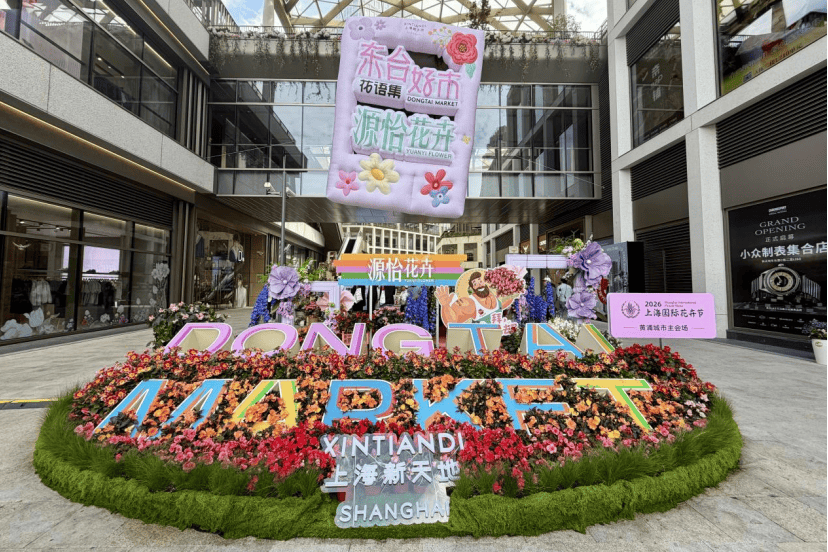
    The park has masterfully integrated floral cultivation with tourism, creating an immersive experience featuring 830,000 flowers across 10 distinct categories and 223 varieties. This living exhibition ensures year-round blooms and spectacular visual displays that attract visitors from across the region. The destination has developed diverse attractions including educational tours, floral auctions, coffee experiences, and professional travel photography sessions.

    International markets have responded enthusiastically to Lijiang’s floral products. In 2025, the park exported approximately 3.97 million stems of fresh-cut flowers to 10 countries including Russia and South Korea, generating sales exceeding 6.9 million yuan (approximately $1 million USD). This export performance demonstrates the global competitiveness of Yunnan’s floral industry and the growing international appreciation for Chinese cultivated flowers.

    The success story illustrates how technological innovation in agriculture, when combined with tourism development and international trade, can create sustainable economic growth while promoting regional specialties to global markets.

  • Oman says Iranian attacks on Gulf ‘inevitable’ response to US-Israeli assault

    Oman says Iranian attacks on Gulf ‘inevitable’ response to US-Israeli assault

    Omani Foreign Minister Badr Al Busaidi has issued a compelling appeal for the United States to withdraw from its military engagement with Iran, characterizing Tehran’s recent offensive actions against Gulf nations as a predictable consequence of American involvement. In a comprehensive analysis published by The Economist, the senior diplomat—who recently facilitated unsuccessful negotiations between Washington and Tehran—asserted that the U.S. significantly miscalculated by becoming entangled in hostilities with the Islamic Republic.

    Al Busaidi described Iran’s retaliatory strikes on what it identifies as American assets within neighboring countries’ territories as “inevitable, if deeply regrettable and completely unacceptable.” He contended that when confronted with military operations that both Israeli and American officials portrayed as intended to eliminate the Iranian government, Tehran’s leadership had limited rational alternatives available.

    The minister documented how Iran’s intensified assaults since Wednesday have targeted critical petrochemical infrastructure across Saudi Arabia and Kuwait, resulting in multiple facility fires. The combined impact of initial U.S.-Israeli operations against Iran and subsequent Iranian retaliation has generated devastating ripple effects throughout global energy markets, exacerbated by Iran’s strategic closure of the Strait of Hormuz to maritime traffic.

    Al Busaidi cautioned that the Gulf region’s established reputation as a stable center for tourism, technological innovation, and financial services now faces serious jeopardy. He indicated that ambitious projects positioning Gulf states as global data hub destinations may require substantial reconsideration. The diplomatic warning emphasized that disrupted shipping routes through the critical Strait are already driving energy price inflation and creating conditions conducive to widespread economic recession.

    The Omani official maintained that only Israel stands to gain materially from overthrowing Iran’s government, showing minimal concern about potential governance structures that might follow the Islamic Republic. He stressed that the conflict fundamentally does not serve American national interests, urging Washington’s allies to communicate frankly that both the U.S. and Iran have everything to lose from prolonged hostilities and should pursue immediate de-escalation.

    This candid assessment, while diplomatically uncomfortable, reveals the extent to which America has allegedly relinquished control over its foreign policy direction, according to the minister’s analysis.

  • ‘Dirty Arab’: As the French elect their mayors, Muslim candidates face unrestrained hatred

    ‘Dirty Arab’: As the French elect their mayors, Muslim candidates face unrestrained hatred

    France’s municipal elections have become a battleground for rising Islamophobia and systemic discrimination, with multiple minority candidates reporting coordinated campaigns of intimidation, vandalism, and bureaucratic obstruction. Toufik Khiar, a Green Party candidate of Algerian descent in Kremlin-Bicetre, discovered his campaign posters defaced with explicit racist messages including “Dirty Arab. Go back home” – particularly painful for the Normandy-born professor who considers France his only home.

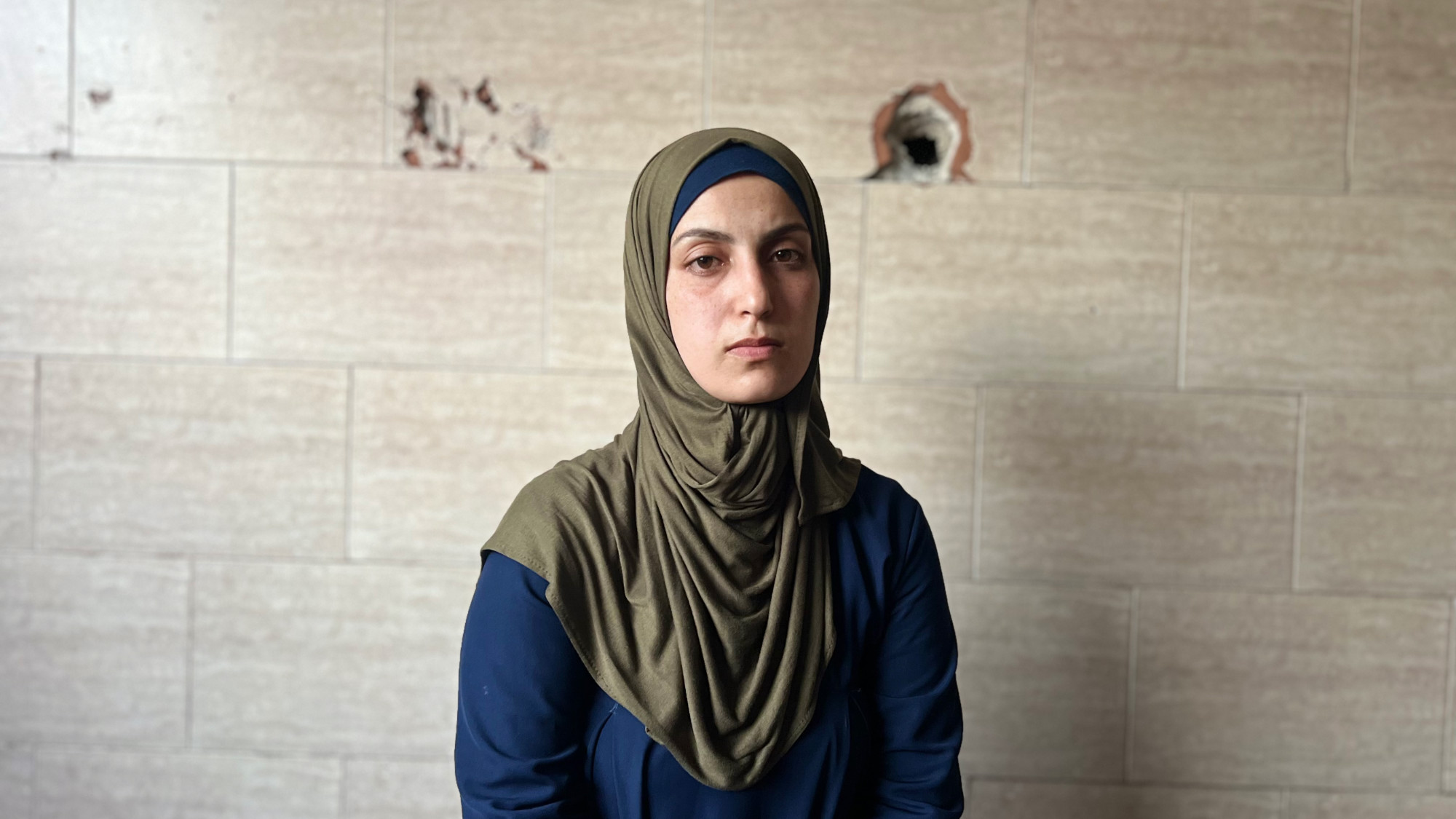
    The pattern repeats across the country: In Rehon, Aurore Katramiz faced social media hate linking her headscarf to terrorism despite French law permitting religious symbols for elected officials. In Marseille, Hanifa Taguelmint, a sixty-year-old anti-discrimination activist, was openly called a “dirty towelhead” by National Rally supporters distributing leaflets. These incidents represent what candidates identify as a strategic normalization of racism in political discourse.

    The institutional response appears equally concerning. The Union of Muslim Democrats of France (UDMF) had its candidate lists disqualified in Nanterre and Venissieux despite previous successful participations in elections. Founder Naguib Azergui reported unprecedented administrative obstruction, with candidates subjected to extraordinary verification processes despite providing comprehensive documentation.

    This climate stems from political narratives around “separatism” and “entryism” – concepts formalized in France’s 2021 legislation and parliamentary investigations alleging Muslim Brotherhood infiltration. Nicolas Dragon, a National Rally MP, warned commission members about Muslims with “hidden objective[s] of introducing radical Islamism,” while Interior Minister Laurent Nunez claimed the likelihood of electoral list infiltration was “quite high.”

    The Human Rights League has condemned these developments as conspiratorial and Islamophobic, filing complaints against discriminatory rhetoric. Meanwhile, candidates like Samy Debah in Garges-les-Gonesse note that Muslims face dual suspicion: being labeled separatists for religious practice while accused of entryism for political participation. Many candidates now self-censor religious expression, with Khiar avoiding public iftar meals during Ramadan to prevent being weaponized by opponents.

    The violence has escalated beyond vandalism. In Strasbourg, Djamila Haddoun of France Unbowed was assaulted with a knife while poster campaigning with her children, while Lille candidate Lahouaria Addouche received death threats questioning her Frenchness. These incidents reflect what UDMF chairman Farid Omeir identifies as a colonial mindset that denies descendants of former colonies full participation in the Republic – a shift from targeting immigrants to targeting Muslims specifically.

  • China’s Kuqa city attracts visitors to experience living history

    China’s Kuqa city attracts visitors to experience living history

    Nestled at the foothills of the Tianshan Mountains in China’s Xinjiang Uygur Autonomous Region, the historic city of Kuqa has emerged as a premier destination for travelers seeking to immerse themselves in living history. This ancient Silk Road crossroads, where Eastern and Western civilizations once converged and blended, continues to captivate visitors with its unique cultural heritage and dramatic landscapes.

    The region’s extraordinary geography encompasses snow-capped peaks, deep canyons, and desert oases that create a breathtaking backdrop for exploration. Among its most iconic landmarks is the Kizilgaha Beacon Tower, an ancient structure that once served as a critical communication point along the Silk Road. Recently captured in stunning aerial photography, this historical monument stands as a testament to Kuqa’s significant role in ancient trade routes.

    Beyond its archaeological treasures, Kuqa functions as the gateway to the renowned Duku Highway (Dushanzi-Kuqa highway), one of China’s most spectacular mountain roads. The city itself offers visitors an opportunity to experience its vibrant old town district, where traditional culture remains actively preserved and celebrated.

    The fusion of civilizations that occurred in Kuqa over centuries has given rise to distinctive artistic traditions that continue to influence the region’s cultural identity. This blending of cultural influences makes Kuqa not just a historical site but a living museum where ancient traditions meet contemporary life, offering a unique window into China’s diverse cultural heritage.

  • Workshop explosion at Inner Mongolia chemical firm leaves two missing, three injured

    Workshop explosion at Inner Mongolia chemical firm leaves two missing, three injured

    A significant industrial accident occurred on Thursday morning at a chemical manufacturing facility in China’s Inner Mongolia Autonomous Region, resulting in multiple casualties. The explosion rocked a nitration workshop at Inner Mongolia Li Yuan Technology located in Alshaa League at precisely 11:49 am local time.

    Emergency response teams comprising firefighting units, public security personnel, and specialized rescue squads immediately mobilized to the incident site following the explosion. Preliminary reports indicate that two workers remain unaccounted for while three others sustained injuries of varying severity. The missing personnel have triggered an intensive search operation amid the compromised structural integrity of the affected workshop.

    The precise circumstances leading to the detonation remain undetermined as authorities have launched a comprehensive investigation into the incident. Chemical safety experts and industrial accident investigators are examining multiple potential causes including equipment failure, procedural violations, or combustible material mishandling.

    Inner Mongolia Li Yuan Technology, like many chemical processing plants in the region, handles potentially volatile compounds during its manufacturing operations. The nitration process specifically involves combining hydrocarbons with nitric acid, which can be hazardous under improper conditions.

    This incident highlights ongoing workplace safety challenges within China’s rapidly expanding chemical industry, particularly in remote industrial zones where regulatory oversight may face logistical constraints. The regional administration has pledged complete transparency in the investigation and has initiated immediate safety reviews at similar facilities throughout the autonomous region.

  • China weathering Iran war with minimal damage

    China weathering Iran war with minimal damage

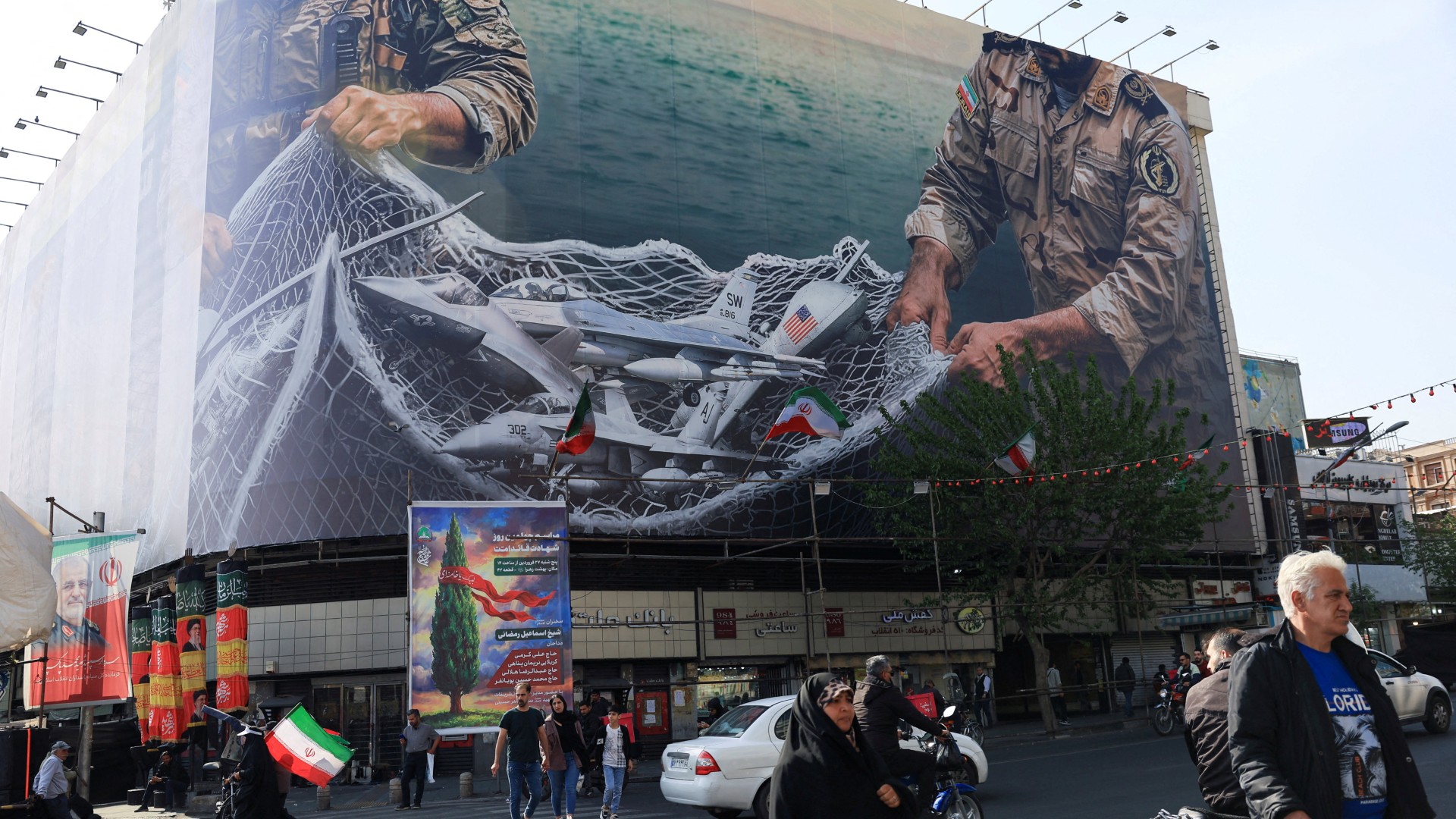
    The ongoing military confrontation between the United States and Iran has generated complex geopolitical ramifications for China, presenting both challenges and opportunities for Beijing’s global strategy. While some analysts suggest China stands to benefit from the conflict, a comprehensive assessment indicates the situation represents a net negative for Chinese interests, albeit marginally.

    China’s relationship with Iran has historically been pragmatic rather than ideologically driven. Despite signing a $400 billion investment agreement in 2021, China’s actual economic exposure remains limited. As University of Pennsylvania analyst Aaron Glasserman notes, “Iran needs China, but China does not need Iran.” Beijing maintains significantly stronger economic ties with other Gulf states, particularly Saudi Arabia, with which China conducts ten times more trade volume.

    Energy security considerations present a mixed picture. Iran supplied approximately 13% of China’s oil imports at discounted prices, providing substantial savings. The potential closure of the Strait of Hormuz—through which half of China’s imported oil and 30% of its natural gas passes—remains manageable due to China’s strategic petroleum reserve, estimated to cover 100-120 days of normal consumption. Beijing is simultaneously negotiating safe passage for China-bound vessels and exploring alternative transportation routes.

    The conflict has diminished China’s diplomatic achievements, particularly its much-publicized mediation between Saudi Arabia and Iran in 2023. Gulf Arab states, including Saudi Arabia, are reportedly encouraging continued US military action against Iran, undermining China’s regional influence.

    Conversely, Chinese officials have capitalized on global anti-war sentiment to reinforce strategic messaging contrasting US militarism with China’s peaceful leadership. State media portrays America as an irresponsible global actor while positioning China as advocating negotiation and sovereignty protection.

    Militarily, US demonstration of force projection capability has impressed even Chinese observers, with international relations scholar Shi Yinhong acknowledging evolved American warfare methods. China’s reluctance to substantially assist Iran—including denying anti-ship missile transfers—highlights the relationship’s limitations.

    The diversion of US military resources to the Middle East creates potential advantages for China. The redeployment of THAAD and Patriot systems from South Korea to the Gulf, along with depletion of precision munition stocks, temporarily reduces American capability in the Asia-Pacific region. However, this unlikely precipitates Chinese military action against Taiwan or South China Sea claimants due to Beijing’s risk aversion, ongoing military purges, and economic considerations.

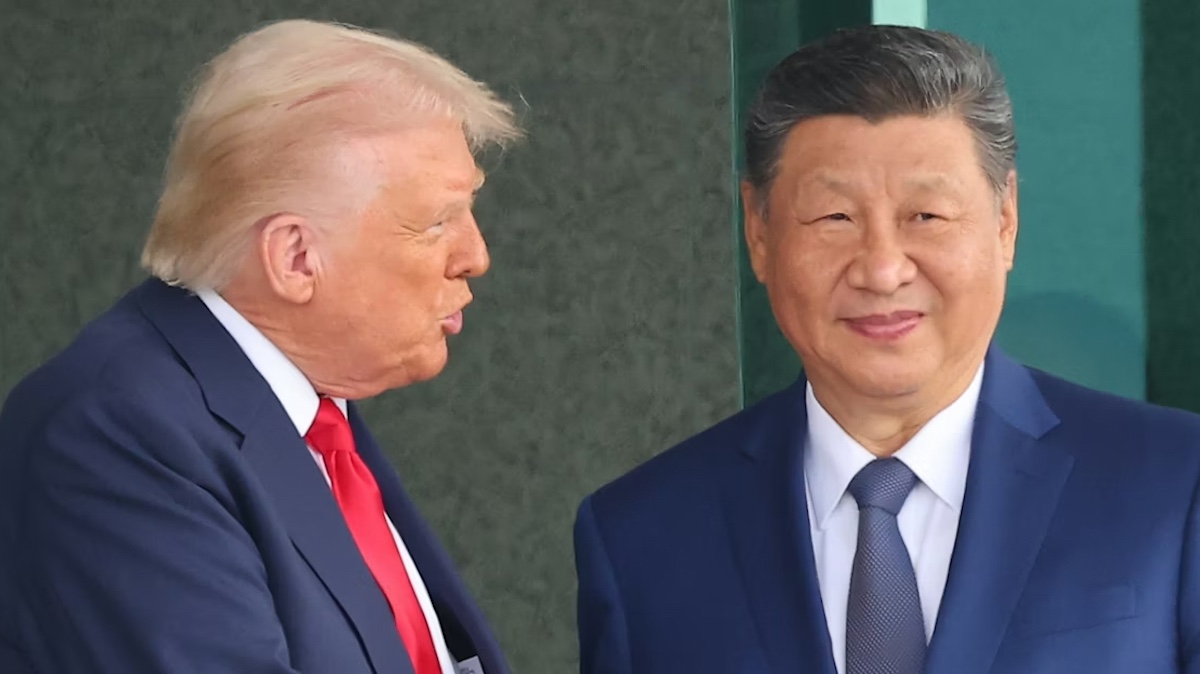
    The postponement of the Trump-Xi summit delays potential US-China economic agreements but doesn’t constitute a critical setback. China’s economic growth continues at approximately 4.8%, and export diversification has reduced dependence on American markets. The tariff truce remains in effect until November 2026, with extension possibilities.

    The ultimate impact on China will depend on conflict duration, potential escalation, and lasting regional changes. While demonstrating continued US military vulnerability to Middle Eastern entanglements, the situation also reveals American conventional superiority that gives Beijing pause regarding direct confrontation.

  • Independent committee probing Hong Kong’s Tai Po fire holds 1st public hearing

    Independent committee probing Hong Kong’s Tai Po fire holds 1st public hearing

    Hong Kong’s independent investigative committee examining the catastrophic Wang Fuk Court residential fire in Tai Po has initiated its first round of public hearings, marking a critical phase in the official inquiry into the December 2025 tragedy that resulted in significant casualties.

    Chaired by Justice David Lok, the commission commenced proceedings on Thursday with an extensive evidentiary process that incorporates oral testimony, written submissions, and comprehensive documentation from multiple stakeholders. The hearing structure permits 38 officially recognized interested parties—including Hong Kong Special Administrative Region government departments, seven Wang Fuk Court residents, and former members of the housing estate’s owners’ corporation—to present opening and closing statements, pose questions, and call witnesses.

    Local resident Ms. Lee, formerly of Wang Tai House within the complex, expressed to journalists her expectations for the proceedings: ‘We seek clarity on the fire’s origin, identification of responsible parties, and explanations regarding the rapid spread and devastating human cost.’

    The hearing schedule, running from March 19 to April 2 across eight sessions, provides approximately 360 public seats per hearing, with half reserved specifically for affected residents. Established by HKSAR Chief Executive John Lee in December 2025, the committee operates under a nine-month mandate to determine causation, establish accountability, and formulate preventive recommendations for future fire safety protocols.